Mark Mahoney tattoo artist
Mark Mahoney: From Boston to the Sunset Strip
Mark Douglas Patrick Mahoney was born in 1957 in Boston, Massachusetts, to an Irish Catholic family. He has been tattooing professionally since 1977, which gives him nearly five decades in the craft. He owns and operates the Shamrock Social Club on Sunset Boulevard in West Hollywood — one of the most famous tattoo studios in the world —and is widely regarded as a founding father of the black-and-grey single-needle style that now dominates fine-line tattooing internationally. He has tattooed David Beckham, Lady Gaga, Angelina Jolie, Johnny Depp, Lana Del Rey, Rihanna, Brad Pitt, Tupac Shakur, and the Notorious B.I.G., among thousands of other clients, both famous and not.
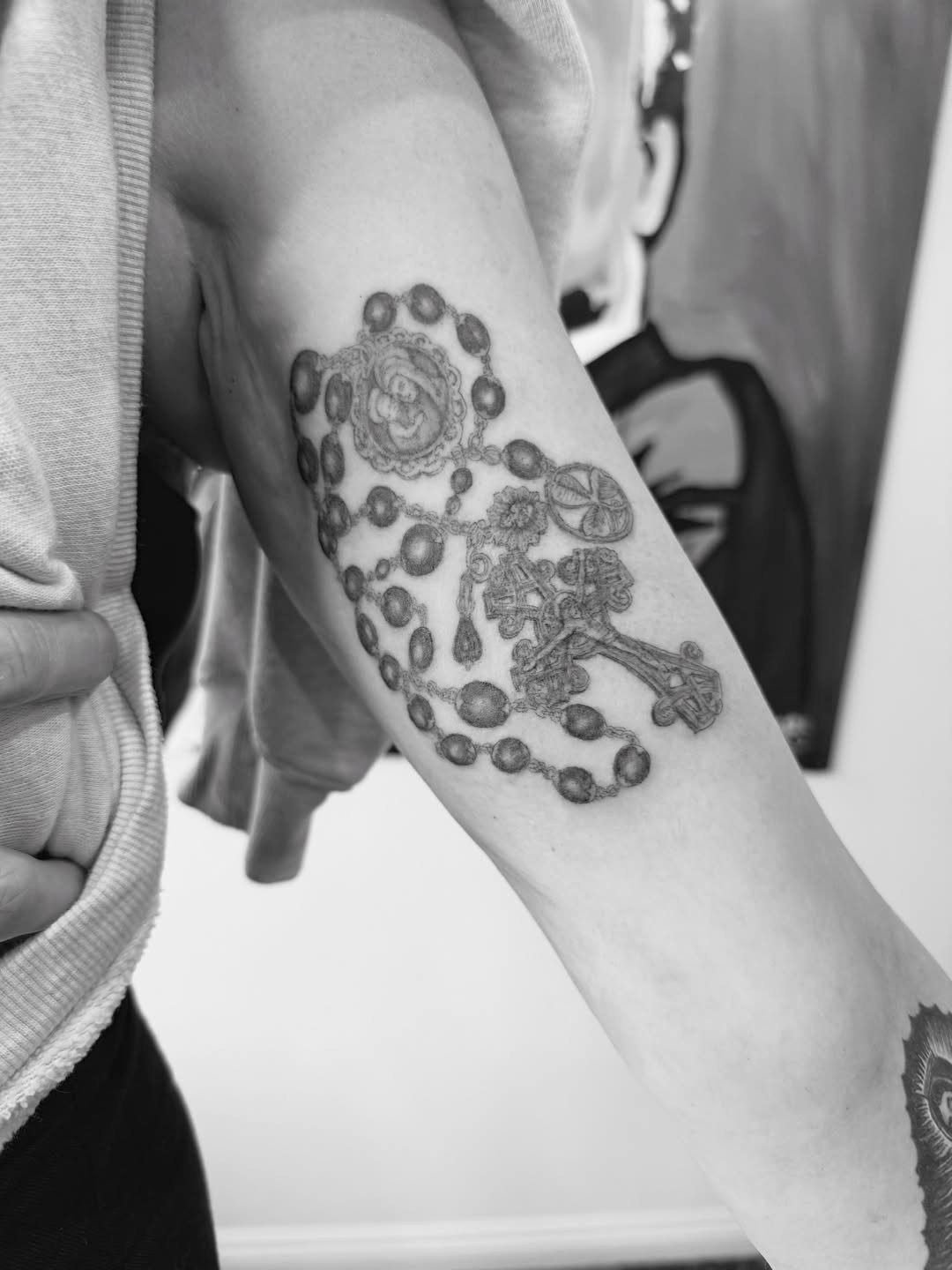
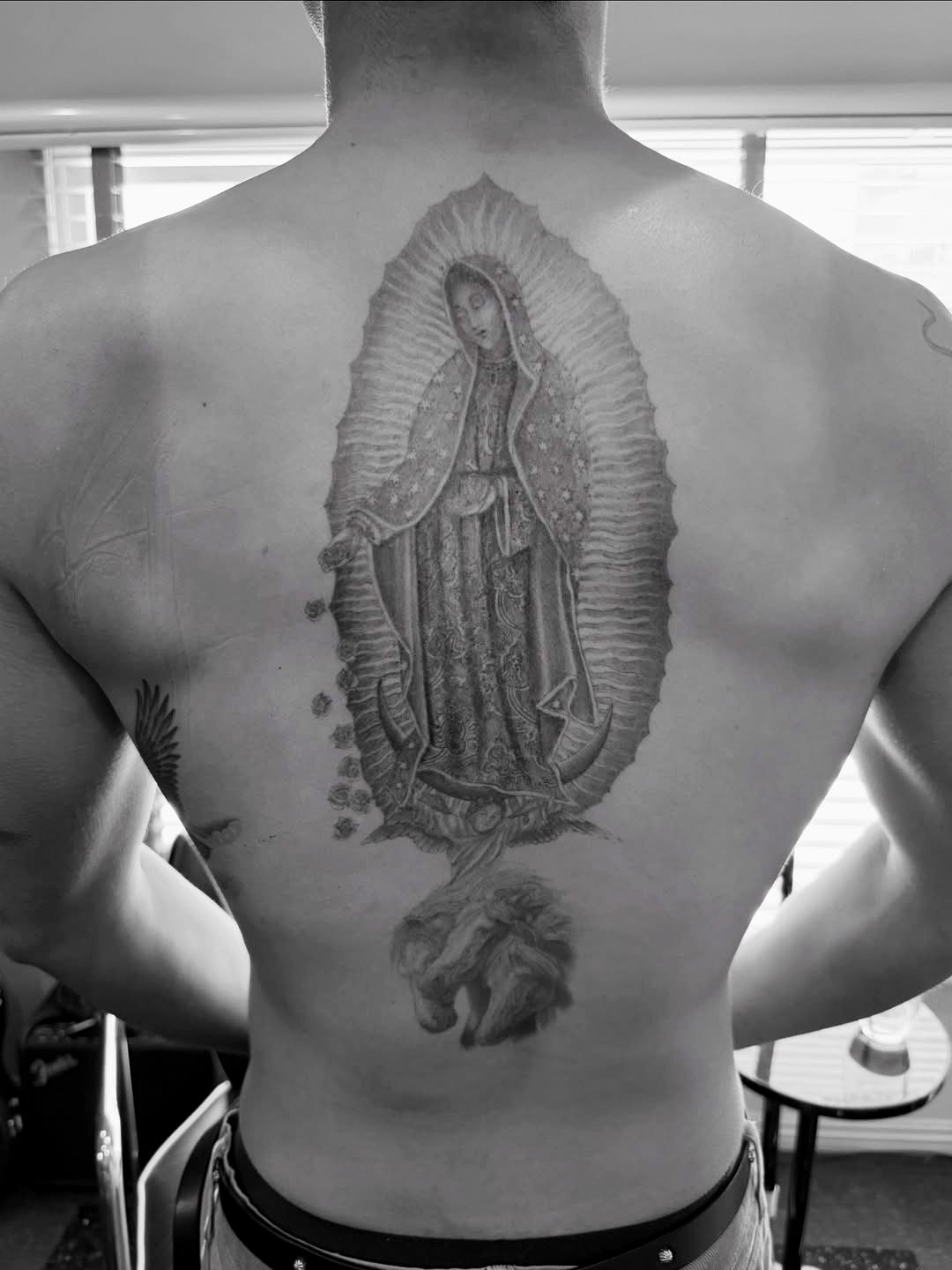
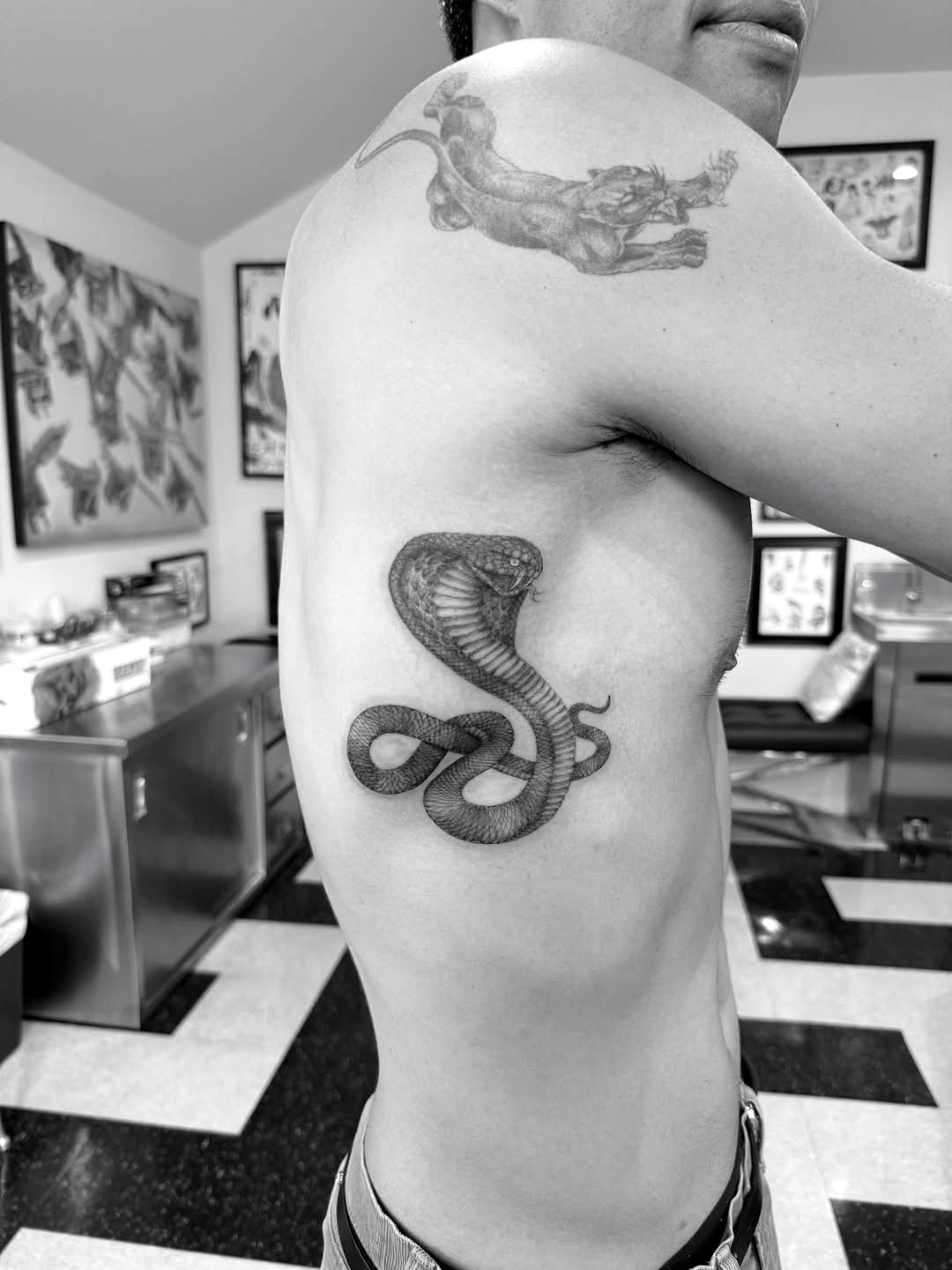
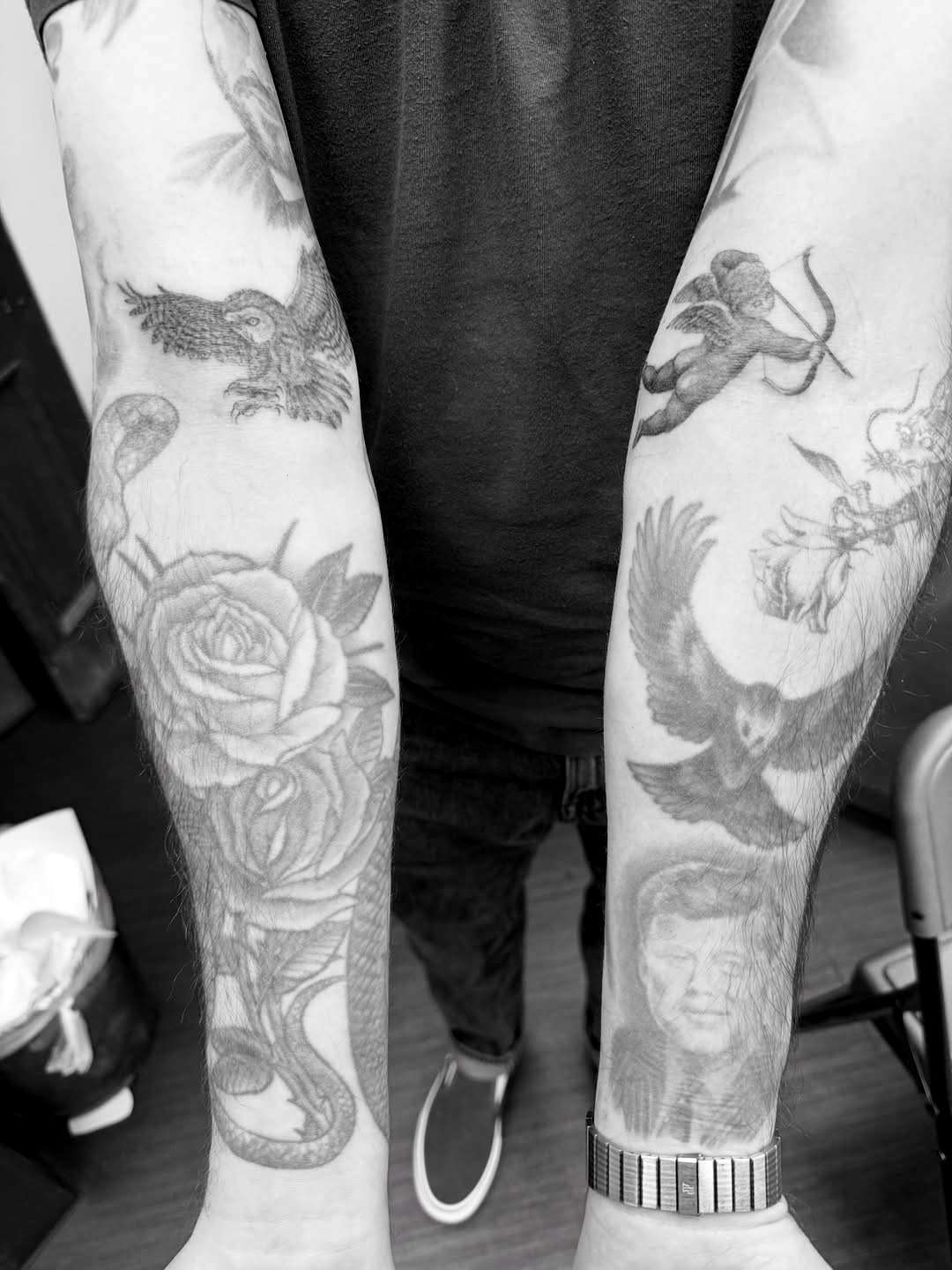
These facts establish the public figure. What makes Mahoney significant to the history of tattooing is a specific contribution: he took the Chicano single-needle black-and-grey technique — developed in the California prison system and refined in the professional shops of East Los Angeles — and carried it from the barrio to Hollywood. He learned the technique from its creators, mastered it, and, over the course of three decades, built a practice that made the style visible to a clientele and a public that would otherwise never have encountered it. The generation of fine-line artists working today — including Dr. Woo, who apprenticed under Mahoney for ten years — descends from a lineage that runs directly through the Shamrock Social Club.
Instagram: @markmahoney_ssc
Growing up in Boston
New York
The Pike and the discovery
The Shamrock Social Club
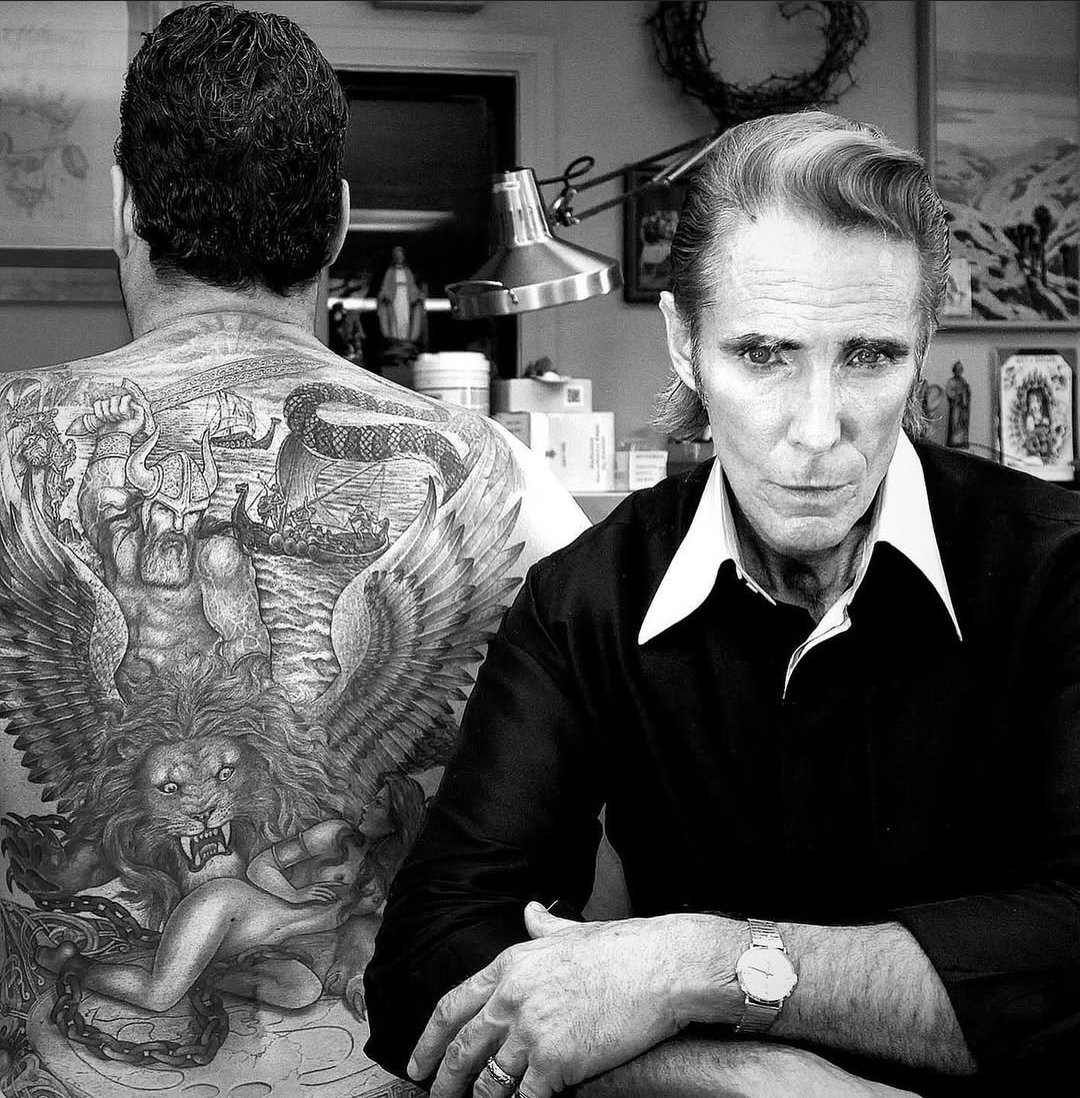
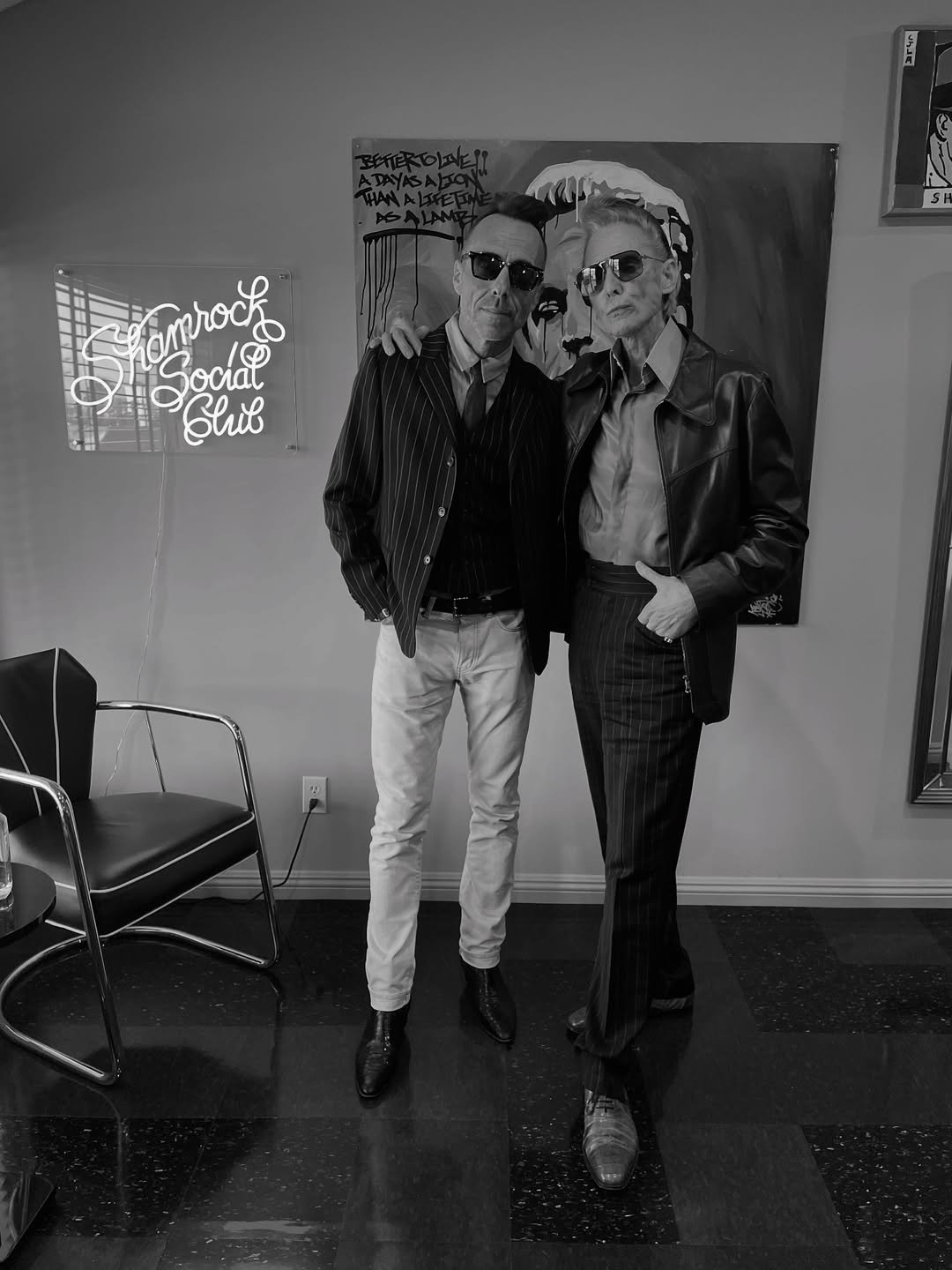
Mahoney opened the Shamrock Social Club (@shamrocksocialclub) on Sunset Boulevard in 2001 (some sources say 2002). The shop’s name, its décor (images of the Virgin Mary, JFK, three-leaf clovers), and its slogan — “A place where the elite and the underworld meet,” borrowed from a turn-of-the-century English tattoo parlour — all reflect Mahoney’s Irish Catholic identity, his love of old-world style, and his specific vision of what a tattoo studio should be.
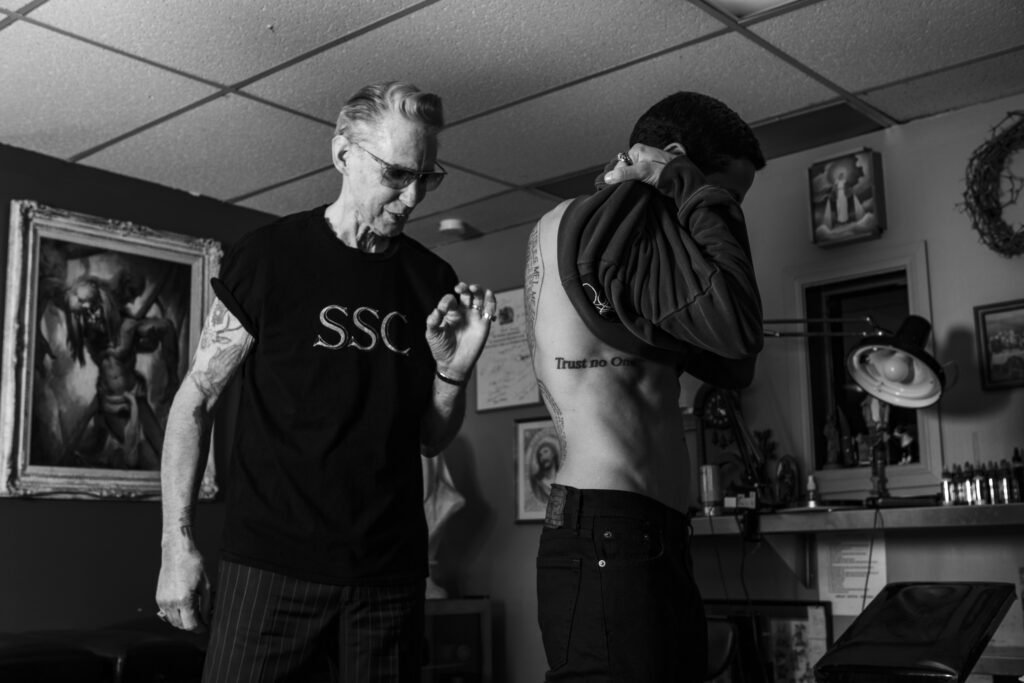
The Shamrock was designed to feel welcoming. Mahoney put in a pool table and a small library. He encouraged clients to socialise while waiting — hence “social club.” He wanted the experience of getting tattooed to be memorable, comfortable, and dignified, regardless of who the client was. “I wanted a place where people would feel welcome,” he has said. “People remember the nights they got tattooed… I wanted to make that as memorable and as nice an experience as it can be.”
Mahoney typically works the late shift — 5:30 pm to 1:00 am — and has maintained this schedule for decades. His waiting list for personal appointments runs to six months or longer. A custom design in a single sitting costs around $500; more complex work runs into the thousands.
The shop’s location on the Sunset Strip — near the Viper Room, the Roxy Theatre, the Chateau Marmont — placed it at the centre of Hollywood’s nightlife and entertainment geography. The celebrity clientele followed naturally: actors, musicians, athletes, fashion figures, and the broader population of people who pass through the Strip. Mahoney has tattooed David Beckham and his son, Brooklyn; Lady Gaga; Angelina Jolie; Johnny Depp; Lana Del Rey (who considers him a muse); Rihanna; Brad Pitt; Mickey Rourke; Jared Leto; Harry Styles; Adele; and Tupac Shakur, among many others. The Notorious B.I.G. visited Mahoney for a tattoo of a Bible psalm just days before his death in March 1997.
Mahoney treats all clients with equal discretion. He does not discuss individual clients’ tattoos publicly, and he has spoken about the importance of treating celebrities the same way he treats anyone else who walks in. “Art for the people” is how he describes his work and his philosophy.
The Shamrock recently relocated from its original Sunset Strip location to a new space on Horn Street, just off the Strip, where it continues to operate.
Mahoney's technique
Mentorship
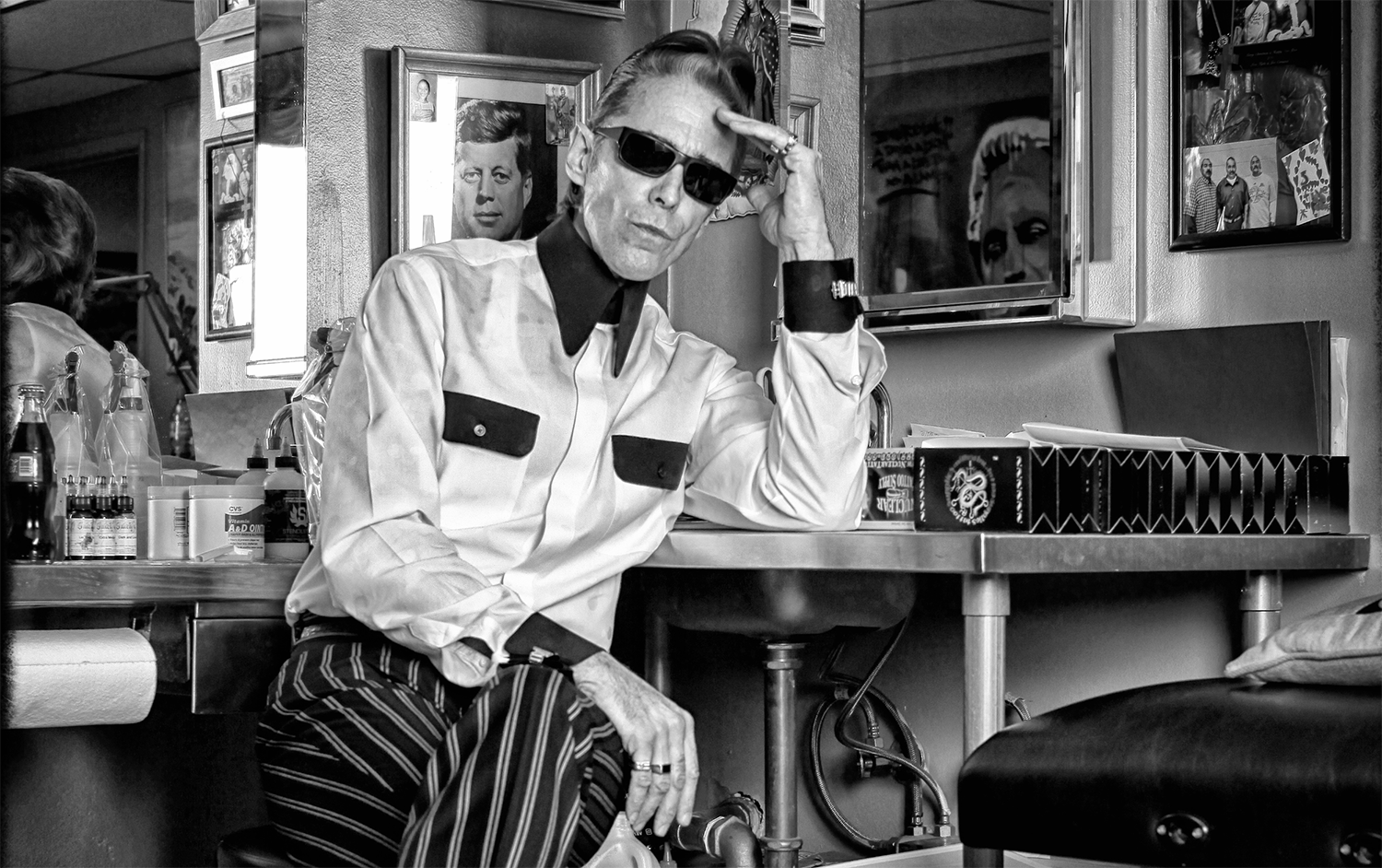
Mahoney's personal style
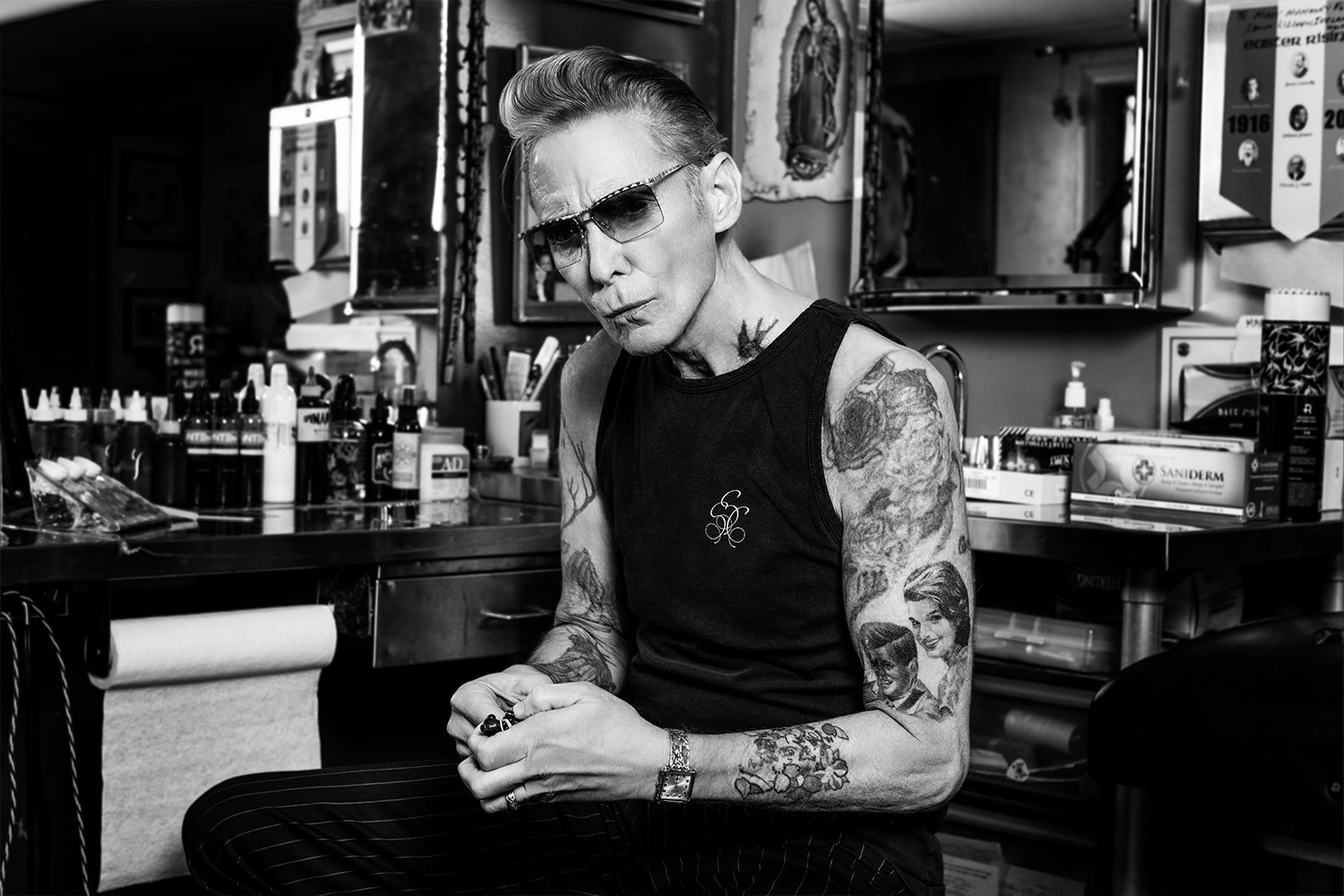
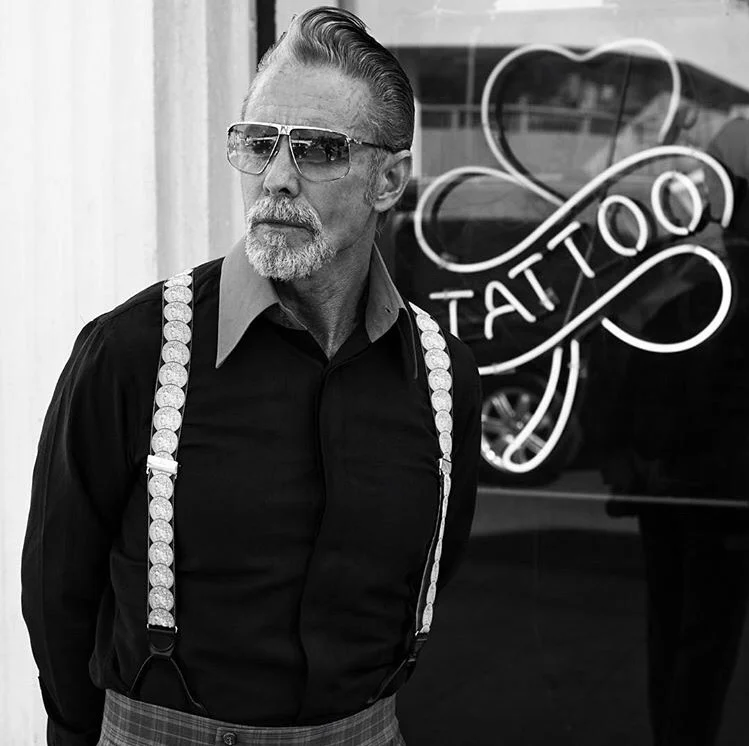
Mahoney’s personal presentation is part of his public identity and is mentioned consistently in profiles and interviews. He dresses in vintage-influenced tailoring — 1940s zoot suits, duster coats, slicked-back hair, pointed shoes — every day, not for photographs or special occasions but as a daily practice. He has cited Dean Martin, Willy DeVille, and the producer Robert Evans as style influences. Filmmaker Ivan Olita described him:
“When I look at him I always have the impression that he knows more than he is willing to tell, and this is what makes him so elegant and solid.”
The style is consistent with Mahoney’s broader sensibility: an attachment to craft, to tradition, to the idea that how you present yourself matters, and that a tattoo shop can be a place of elegance and seriousness alongside its rougher associations.
Beyond the tattooist's chair
Film: He has appeared in acting roles, including a cameo in the crime drama Blood Ties (2013, directed by Guillaume Canet) and a part alongside Johnny Depp in Black Mass (2015, directed by Scott Cooper). The NOWNESS documentary Wonder Mark, directed by Ivan Olita, documents his life and philosophy.
Fashion: In 2024, Mahoney launched the Shamrock Social Club Collective — a clothing line inspired by his work and by the studio’s visual identity. The line includes t-shirts, hoodies, jeans, and other pieces featuring his artwork, with an emphasis on sustainable fabrics. He has also collaborated with Paul Smith on accessories and has done the first-ever tattoo-print collaboration with Betsey Johnson in the early 1980s.
Philanthropy: Mahoney is a supporter of Homeboy Industries, Father Gregory Boyle’s organisation providing training, support, and employment to formerly gang-involved and previously incarcerated men and women in Los Angeles. He also supports Woodcraft Rangers (arts and education programmes for children) and veteran causes, connected to the Vietnam veteran bikers who were his first clients and community in Boston.

Mahoney in tattooing history
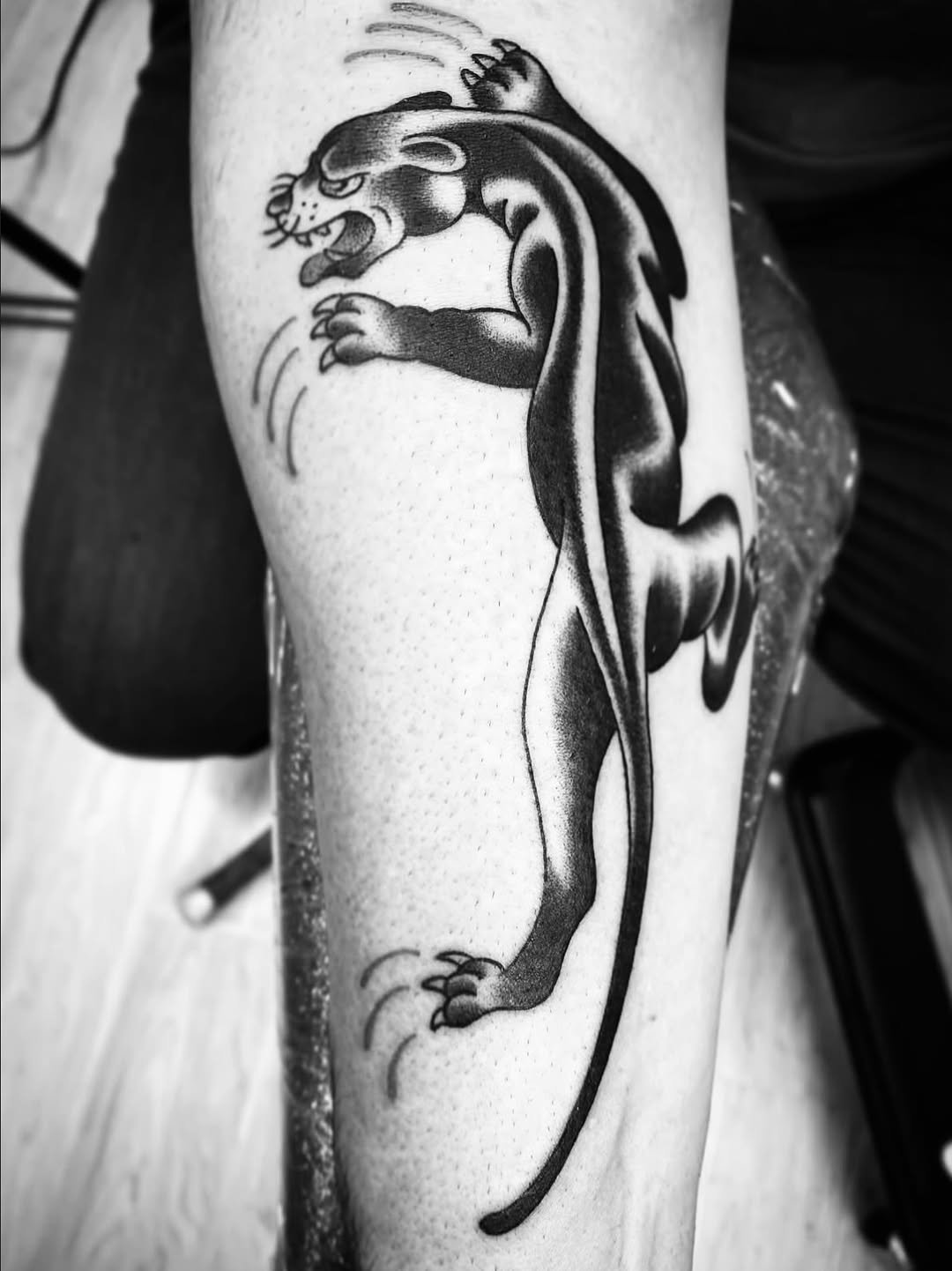
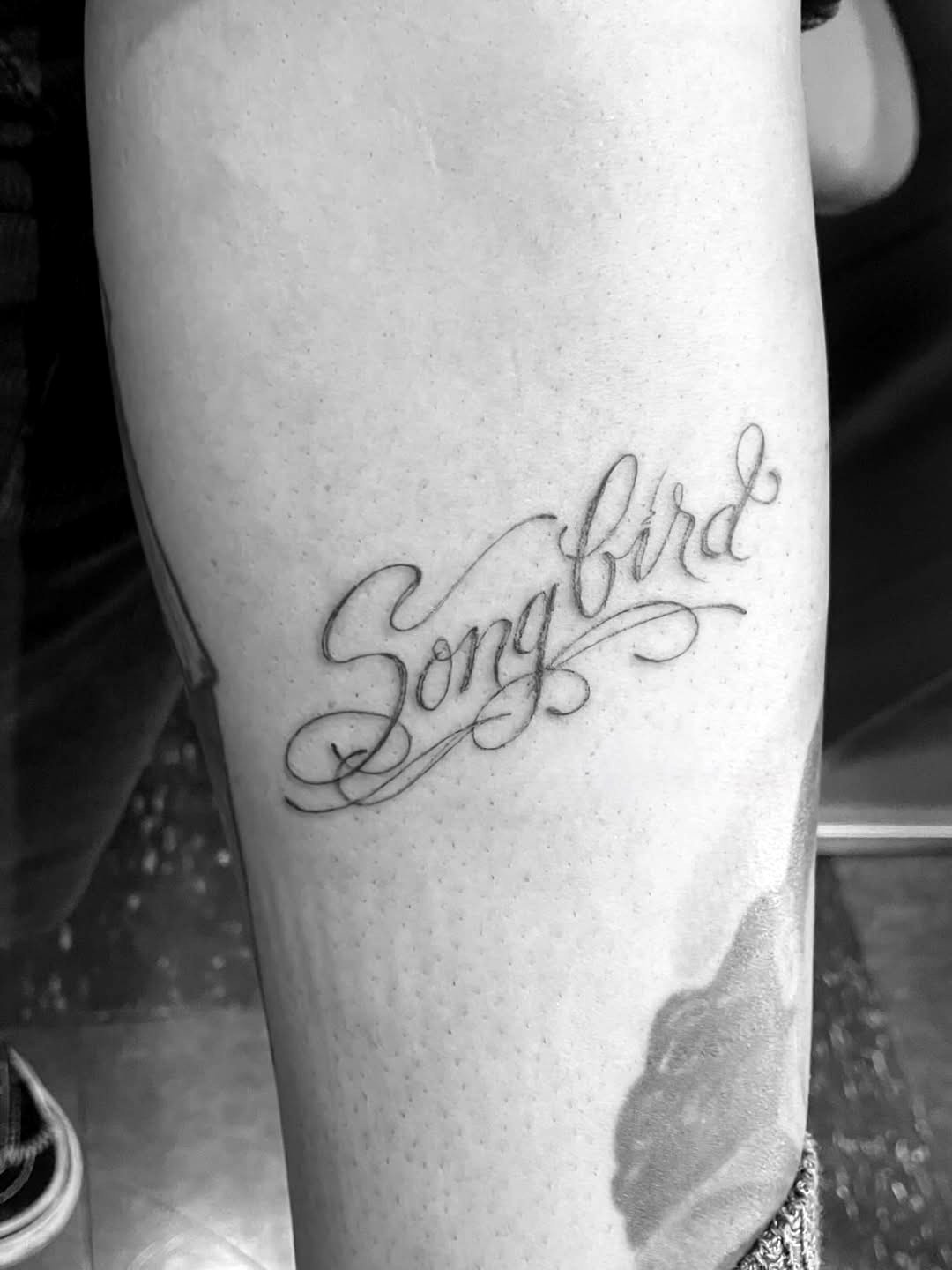
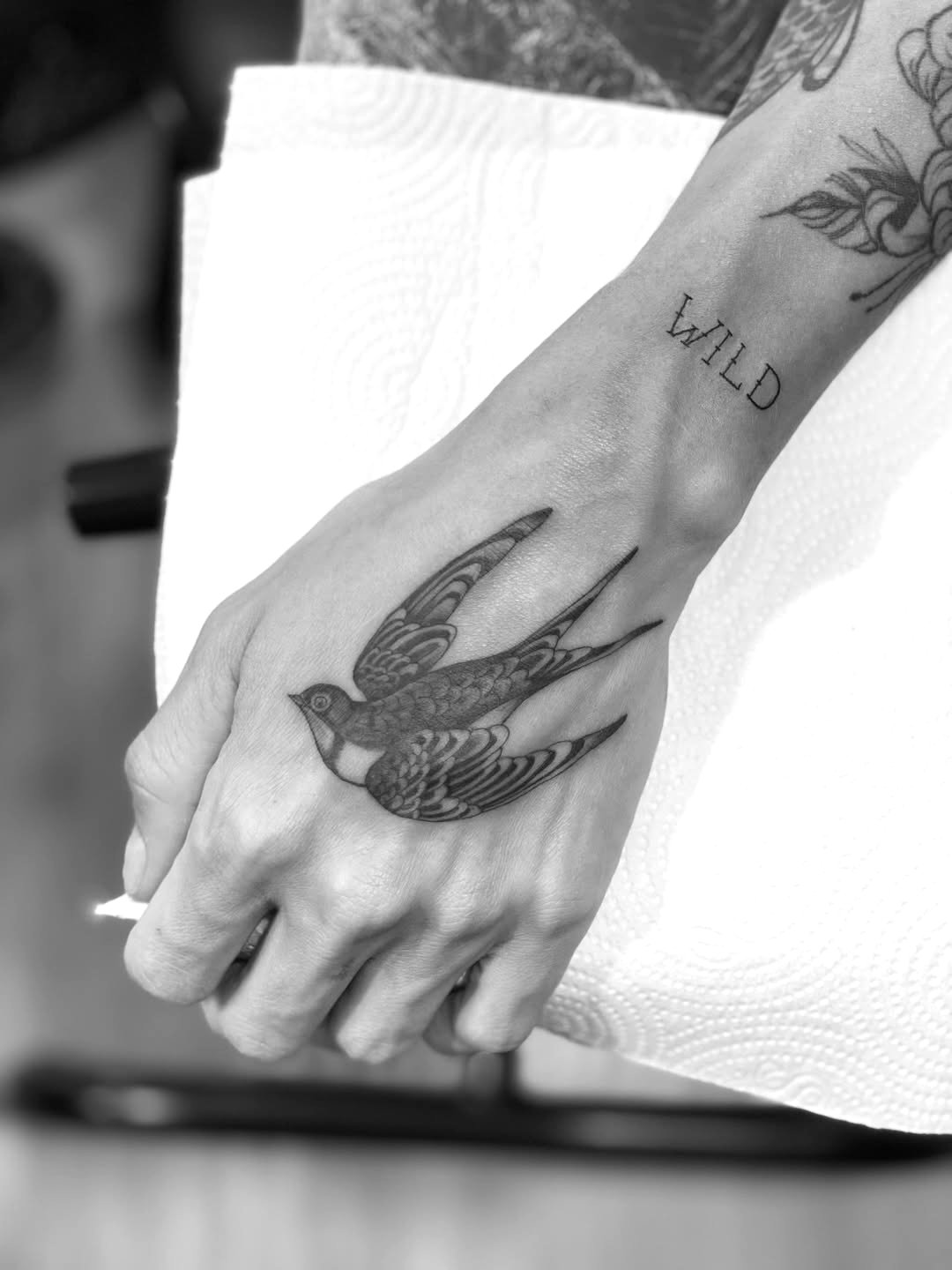
Mahoney’s career spans the full arc of the transformation of American tattooing from underground craft to mainstream cultural practice. He started in 1977, tattooing illegally in Boston motorcycle clubhouses. He tattooed punk legends on the Lower East Side when tattooing was illegal in New York. He learned the Chicano tradition at the Pike and in East Los Angeles, working alongside the men who had created it. He opened a shop on the Sunset Strip and built a clientele that includes some of the most famous people. He trained the next generation, including the artist who would become the most commercially visible tattooer of the 2010s. Through all of this, the technique has remained the same: one needle, black ink, greywash, a hand steady enough to place each line where it belongs.
Mahoney learned the method from its inventors and has spent 47 years proving it can do anything. He still works the late shift. He still takes walk-ins alongside appointments. He still considers what he does “art for real people.” The shop on Sunset — now on Horn Street, just off the Strip — is still open.
Sources & further reading
- Mark Mahoney, Wikipedia, The Free Encyclopedia.
- Intenze Tattoo Ink, artist page: Mark Mahoney.
- Meet The Leader, “My Story: Mark Mahoney.” Published September 2018.
- Juice Magazine, “Tattoo: Mark Mahoney’s Shamrock Social Club.” Published November 2014.
- Fellowship Supply, “Mark Mahoney.”
- Hypebeast, “The Story of Shamrock Social Club’s Mark Mahoney.” Published July 2015.
- V Magazine / VMAN, “Legendary Tattoo Artist Mark Mahoney Launches Shamrock Social Club Collective Fashion Label.” Published March 2024.
- LA Magazine, “L.A. Tattoo Legend Mark Mahoney Is Making Moves.” Published August 2025.
- LA Weekly, “L.A. (L)INKED: Cultural Expression and the Art of Tattoo in Los Angeles.” Published December 2021.
- ABLE Collective, artist page: Mark Mahoney.
- Tattoo Life, “Mark Mahoney: from the Pike to Beverly Hills.” Published April 2021.
- Sullen Clothing, artist page: Mark Mahoney.
- Grant’s Golden Brand, artist page: Mark Mahoney.
- NOWNESS / Ivan Olita (dir.), Wonder Mark.
- Shamrock Social Club official website: shamrocksocialclub.com.
- Anna Felicity Friedman, The World Atlas of Tattoo. Yale University Press, 2015.
- Matt Lodder, Painted People: Humanity in 21 Tattoos. Harper, 2024.
- Margo DeMello, Bodies of Inscription: A Cultural History of the Modern Tattoo Community. Duke University Press, 2000.