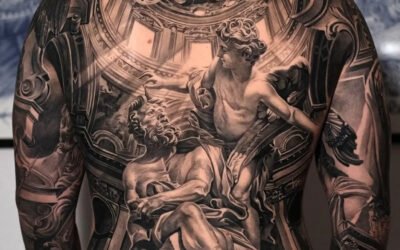
Tattoo styles are not a fixed system but a set of working conventions — ways of drawing, lining, shading, and composing that have developed over time within different traditions. Some names point to established visual systems with clear rules, while others describe how the tattoo is made or how it looks in terms of tone. There are also practices in which style cannot be separated from cultural meaning and protocol. At the same time, newer labels often emerge from trends and hybridisation, borrowing freely from existing approaches without forming a stable canon. In practice, “style” serves less as a strict category and more as a shared reference point — helping align expectations between artist and client around form, durability, and intent.
The style sits at the intersection of two trends: the technical development of photographic realism in tattooing, and the more recent preference for small, discreet, placement-sensitive work that reads well in phone photography. Understanding micro-realism requires understanding both of those strands and the technical shift that made the combination possible.
Realism in tattooing is older than most accounts suggest. Sailors in the nineteenth century commissioned portraits of loved ones, and prison tattooing in multiple traditions produced recognisable likenesses centuries before the electric machine. The idea of putting realistic depictions on skin is not a late-twentieth-century invention.