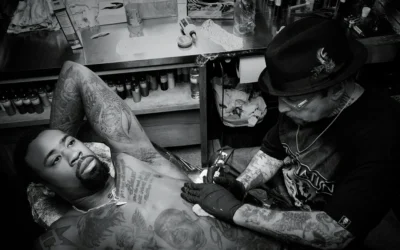
Tattoo artists are often discussed not just by what they create, but by how they shape the medium itself. The most influential figures tend to be those who established a recognisable visual language, refined techniques, or pushed tattooing beyond its existing limits — whether within traditional frameworks or through entirely new approaches. Many built their reputations over decades, working within specific cultural or stylistic contexts, while others disrupted conventions and redefined what tattooing could look like. Their work often becomes a reference point for later generations, influencing both aesthetics and standards of execution. Looking at these artists in context — where they worked, what they changed, and how their ideas spread — gives a clearer sense of how tattoo styles evolve and why certain approaches endure.