

Tattoo Symbols
A collection of tattoo symbols, their meanings, origins, history, and what they carry into contemporary tattooing.

Styles & Traditions
Discover what defines each tattoo style or tradition technically, visually, and culturally — and how it behaves on skin.

Science & History
Tattooing through history, technology and techniques, as well as its biological, chemical and psychological aspects.

Publications & Shop
Hand-drawn tattoo albums, design packs, and books — available as downloadable PDFs or in print through Amazon.
Tattoo symbols
The meanings people assign to tattoos shift across cultures, centuries, and between individuals who wear them. A symbol that reads as sacred in one context reads as decorative in another, and occasionally as offensive in a third. Knowing the lineage does not dictate what a tattoo must mean to its wearer, but it prevents the wearer from carrying something they did not intend to carry.
Each article in this collection covers a specific tattoo symbol — its origin, the cultures that used it, the meanings it accumulated over time, and the forms it takes in contemporary tattooing — organised by subject: animals, botanicals, maritime, mythology and fantasy, sacred and spiritual, subculture, objects, and patterns.
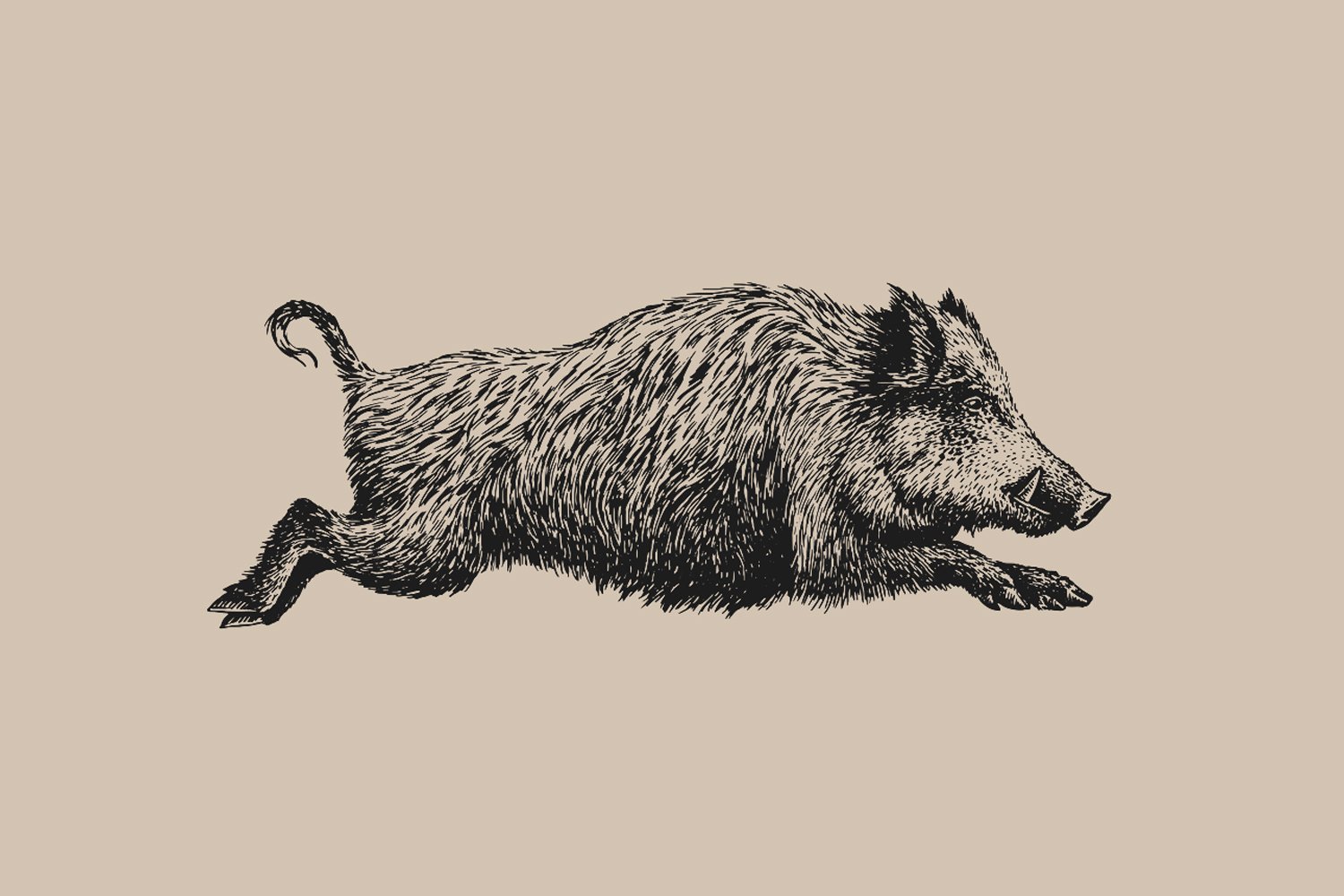
Boar / Wild Pig tattoo
The wild boar is one of the oldest symbolic animals in human culture and one of the least common in contemporary tattooing, which is precisely what makes it a powerful tattoo subject. It appears in the mythology and iconography of countries from Greece to Japan — carrying different meanings, but anchored everywhere by the same observed reality.
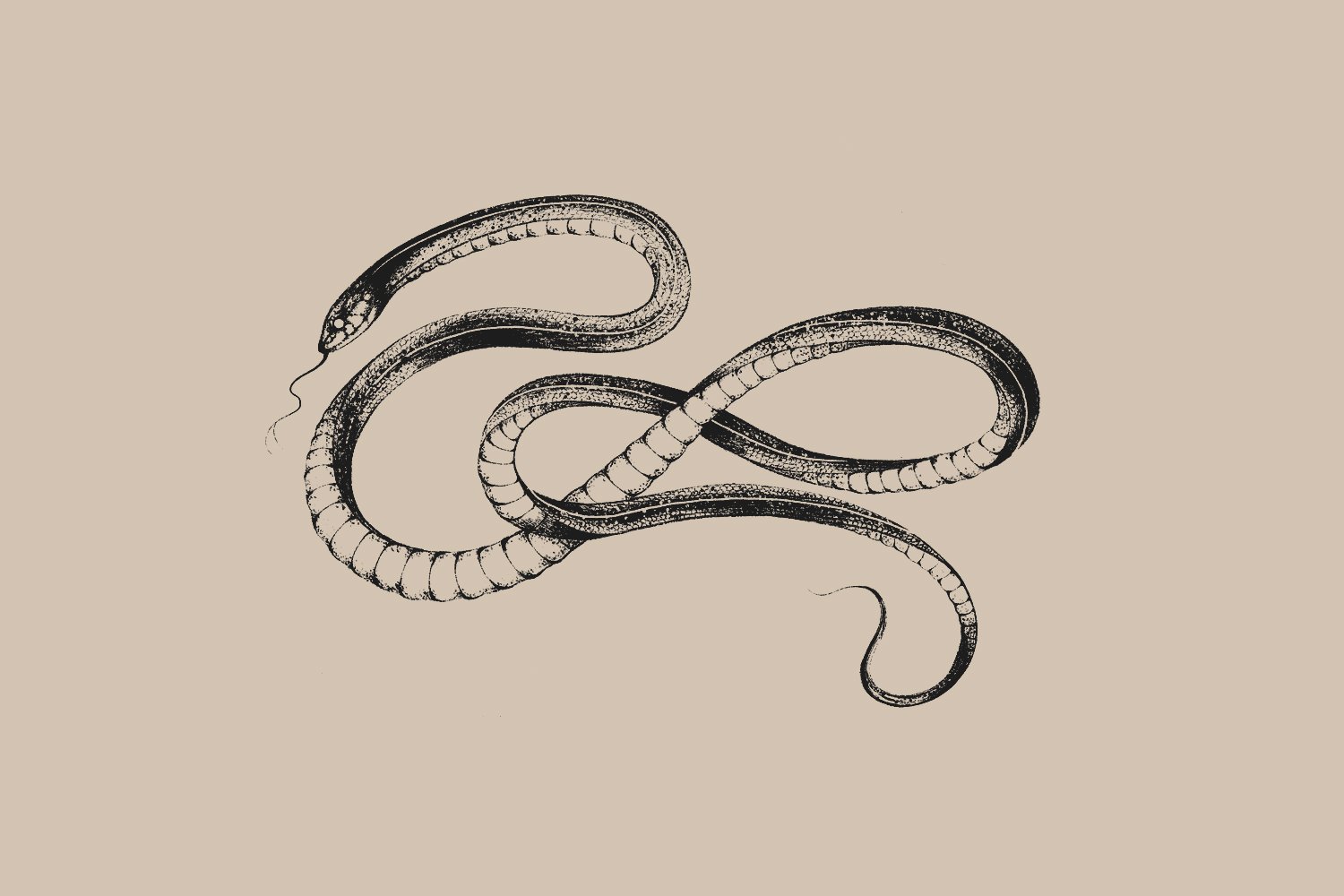
Snake tattoo
A snake tattoo can reference the oldest narrative in literature, the symbol of modern medicine, the central image of Western alchemy, a divine avatar of Vishnu, a creator deity of Mesoamerica, the boundary of the Norse cosmos, or the spiritual energy coiled at the base of the human spine. Or it can reference none of these, and simply be a snake.
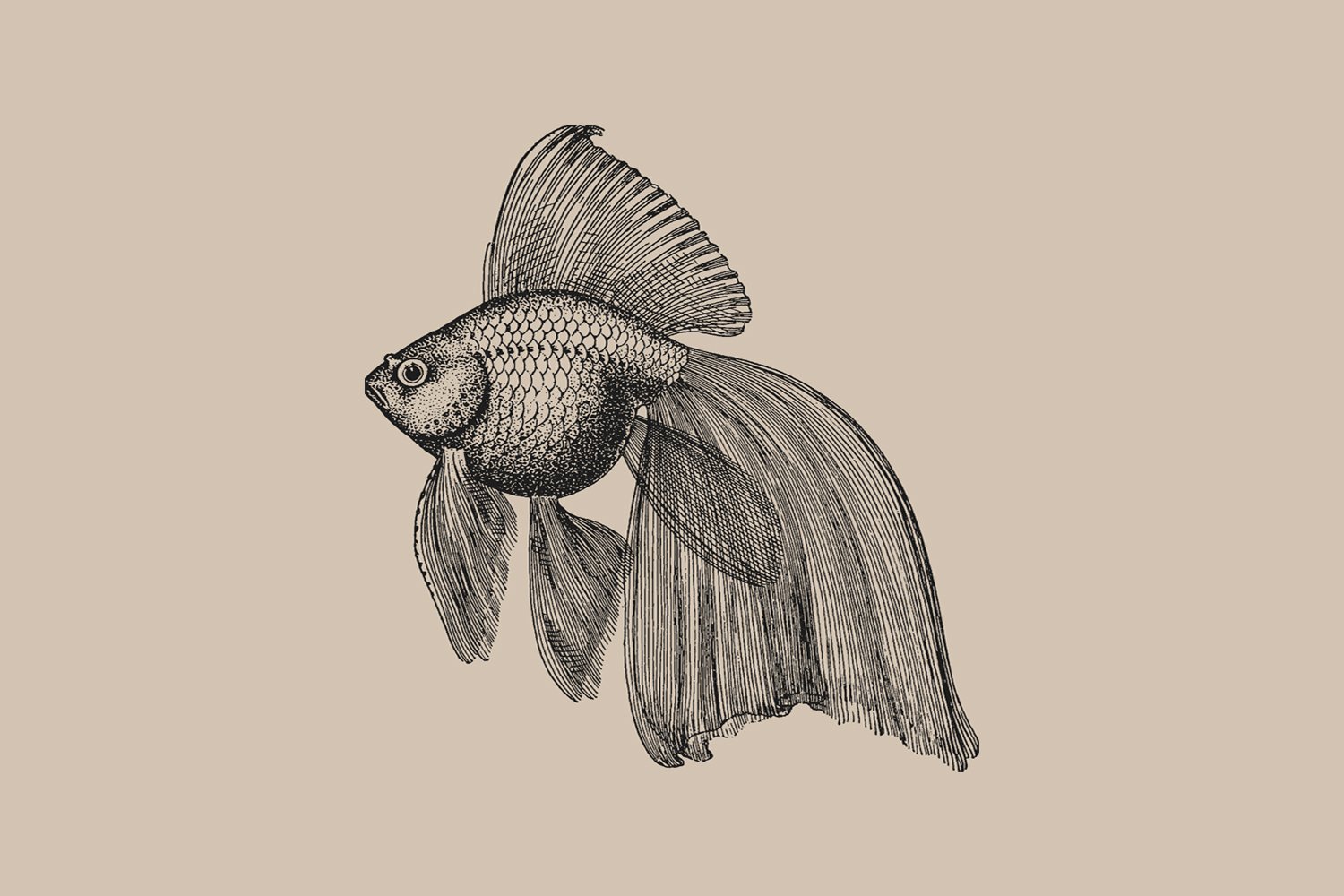
Goldfish tattoo
The goldfish is the first animal in history bred purely for beauty. In Chinese culture, it carries a linguistic blessing embedded in its name. In contemporary Western tattooing, it offers a subject that is visually striking — flowing fins, vivid colour, elegant movement — while carrying enough cultural depth to reward anyone who looks into it.
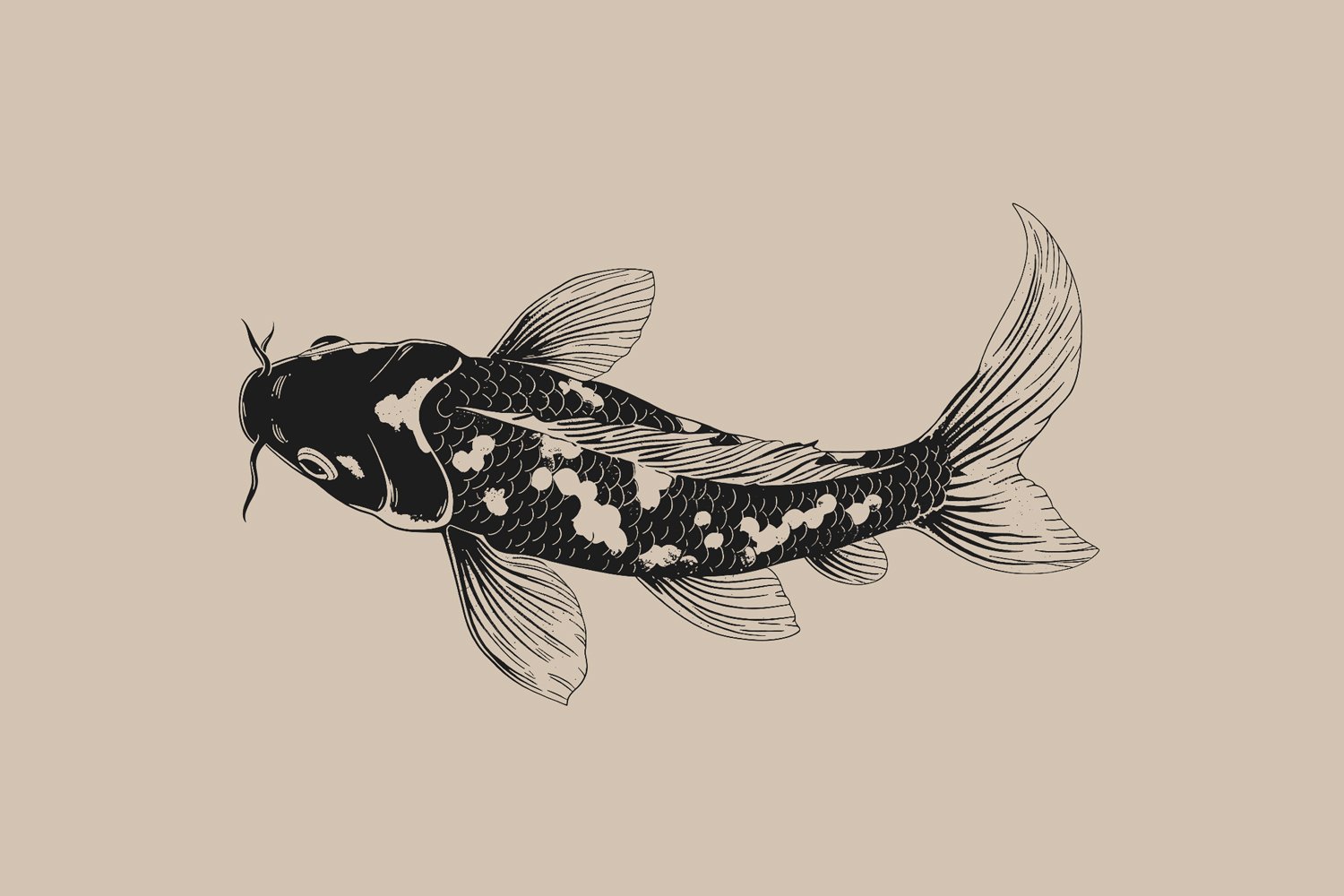
Koi fish tattoo
Koi fish is one of the most tattooed animals in the world, and one of the few where every variable in the design — colour, direction, number, pose, and accompanying elements — carries specific, codified meaning. A red koi swimming upstream through waves means something different from a black koi swimming downstream through calm water(…)
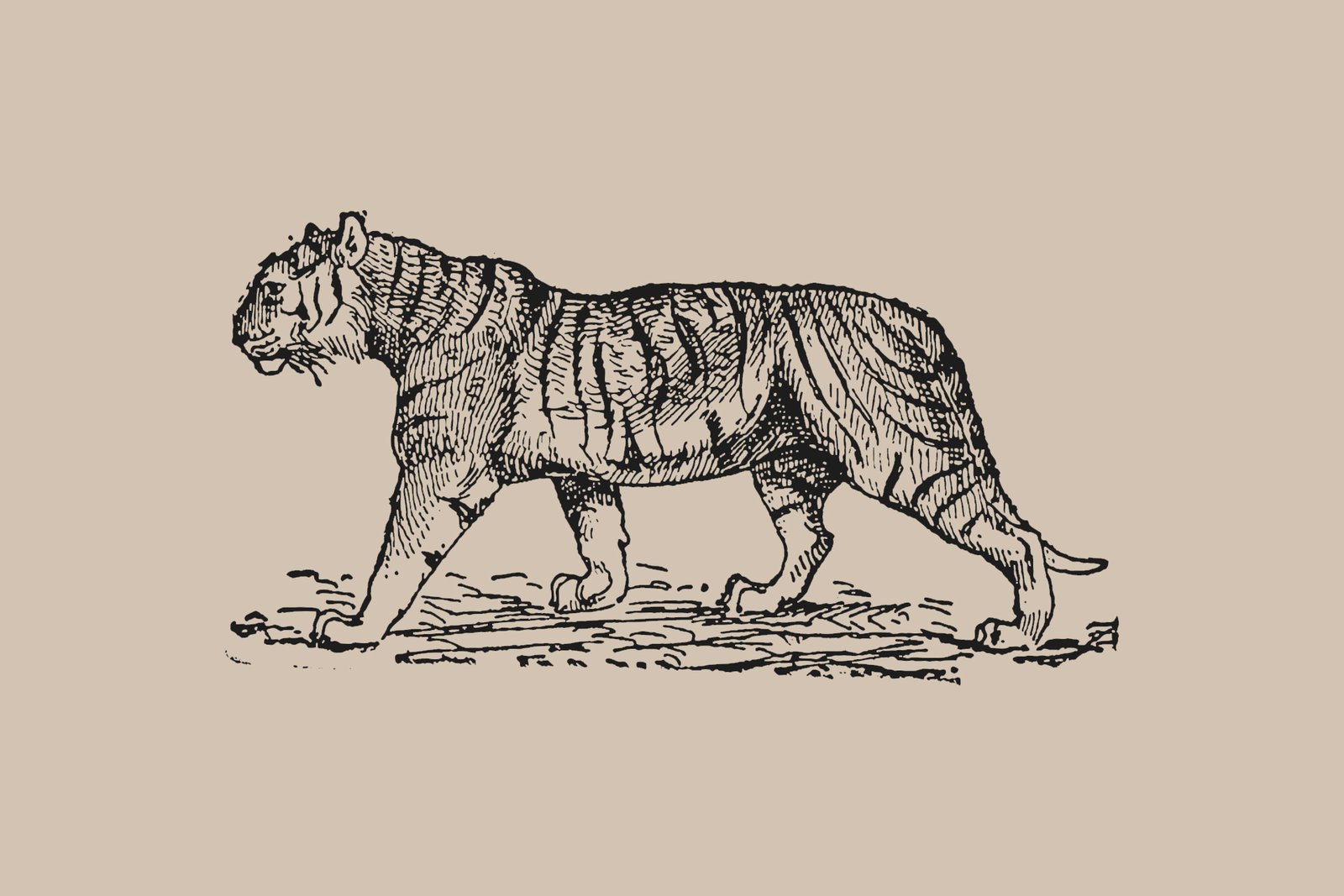
Tiger tattoo
In contemporary Western tattooing, the tiger is one of the most frequently requested animal subjects across all styles — realism, neo-traditional, illustrative, fine line, and traditional all produce tiger pieces regularly. The meanings clients attach to the image are diverse: zodiac identity, personal strength, a connection to Asian heritage, aesthetic preference(…)
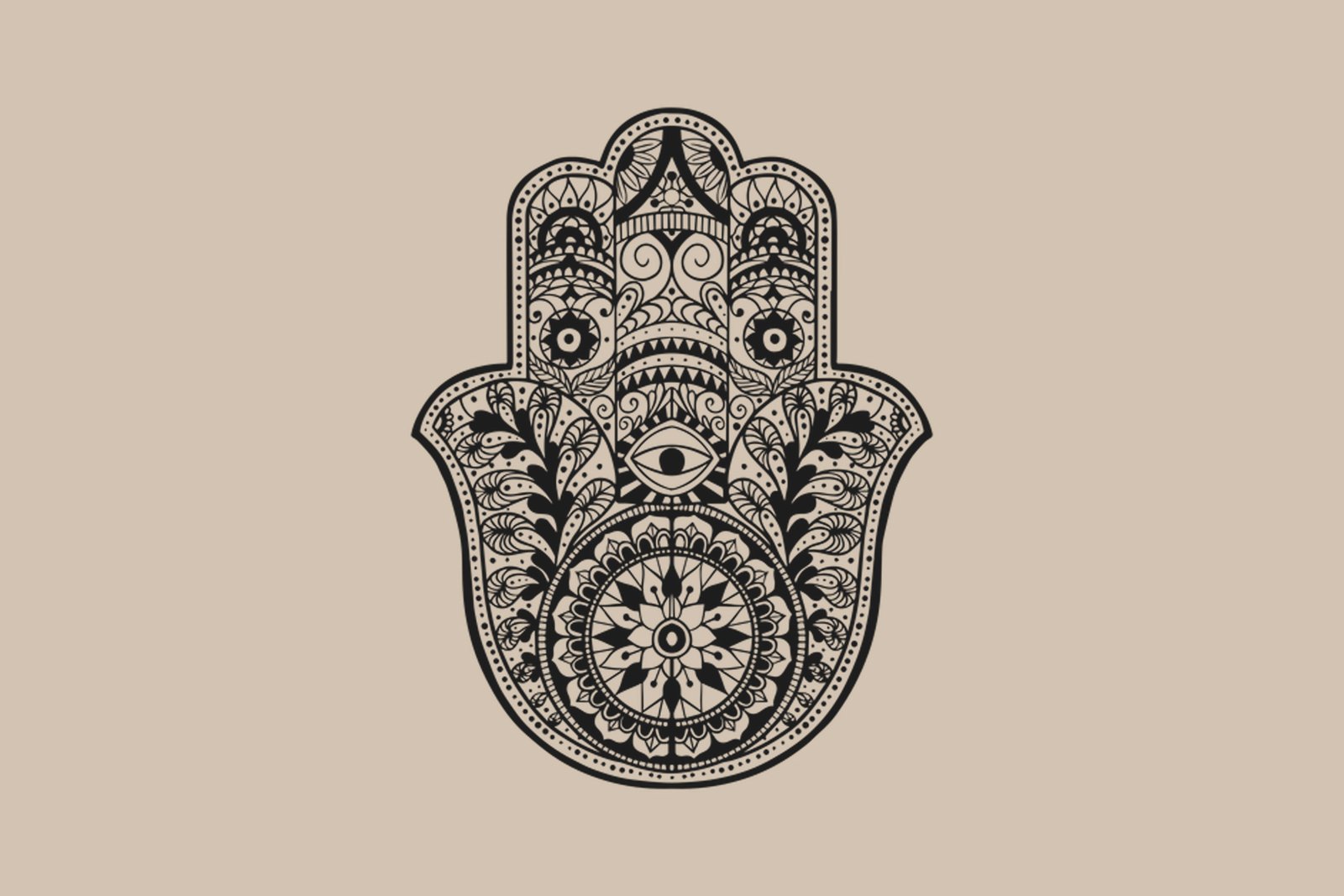
Hamsa / Hand of Fatima tattoo
The hamsa — also spelled khamsa, also called the Hand of Fatima, the Hand of Miriam, the Hand of Mary, or simply the protective hand — is one of the oldest continuously used apotropaic symbols in the world. An apotropaic object is one designed to turn away evil, and the hamsa’s function has been consistent for millennia (…)
Tattooing styles & traditions
Style is not a matter of taste alone — it is a set of technical commitments with material consequences and a set of decisions made before and during the work. Technology, line weight, needle configuration, ink density, shading method, colour palette, and compositional rules vary across styles, and these differences affect how a tattoo looks and how it reads years later. Many entries here describe tattooing traditions — practices in which method, meaning, and cultural context are inseparable.
If you’re looking for a good starting point for learning tattoo styles, check out my article: List of Tattooing Styles.
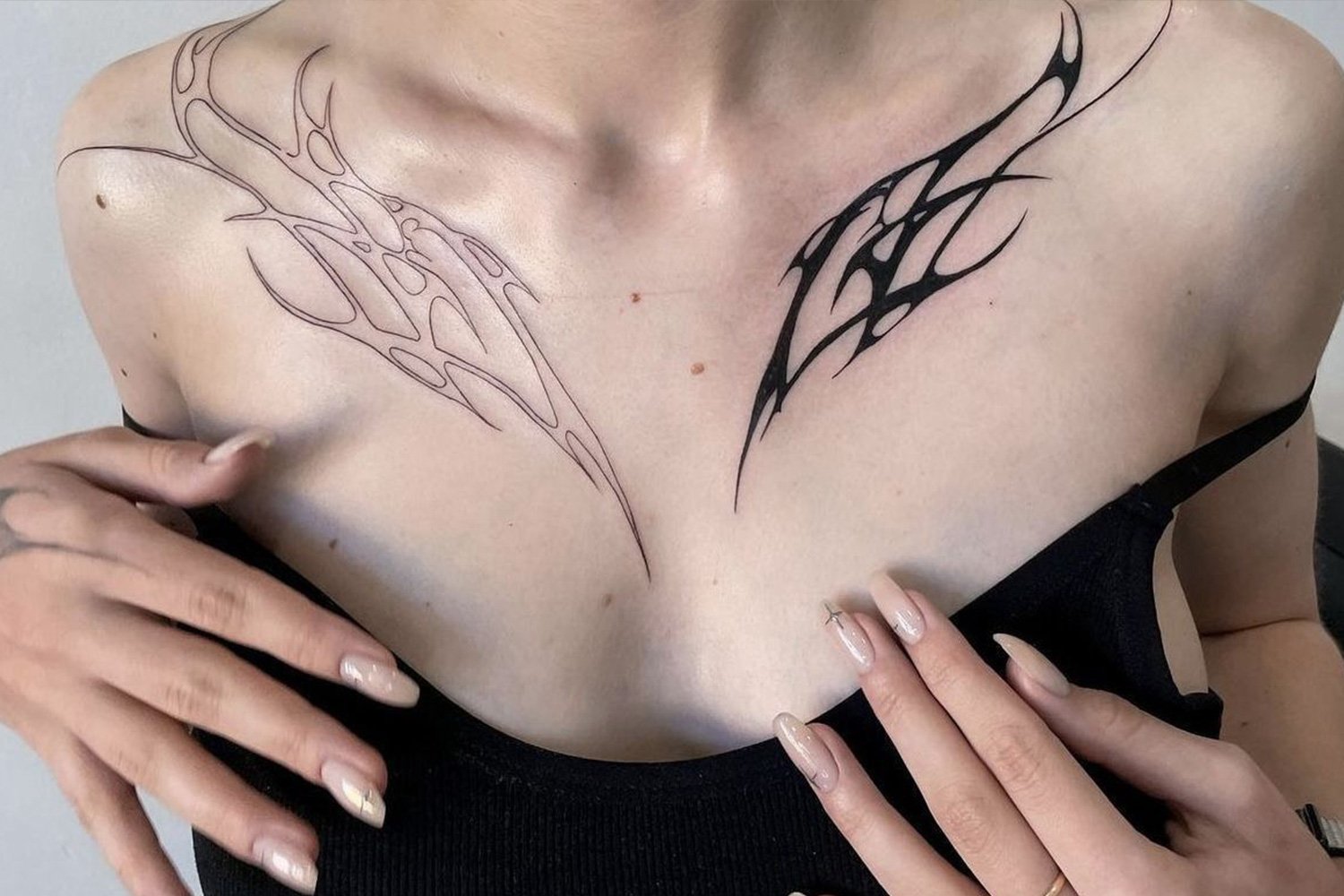
Cybersygilism
Thin black lines radiating outward from a central point on the sternum, tapering to needle-fine tips, curving along the collarbones and down between the ribs. The pattern is symmetrical, angular, and organic at the same time — part skeletal diagram, part circuit board, part occult symbol, part something that does not have an analogue in any older visual tradition.
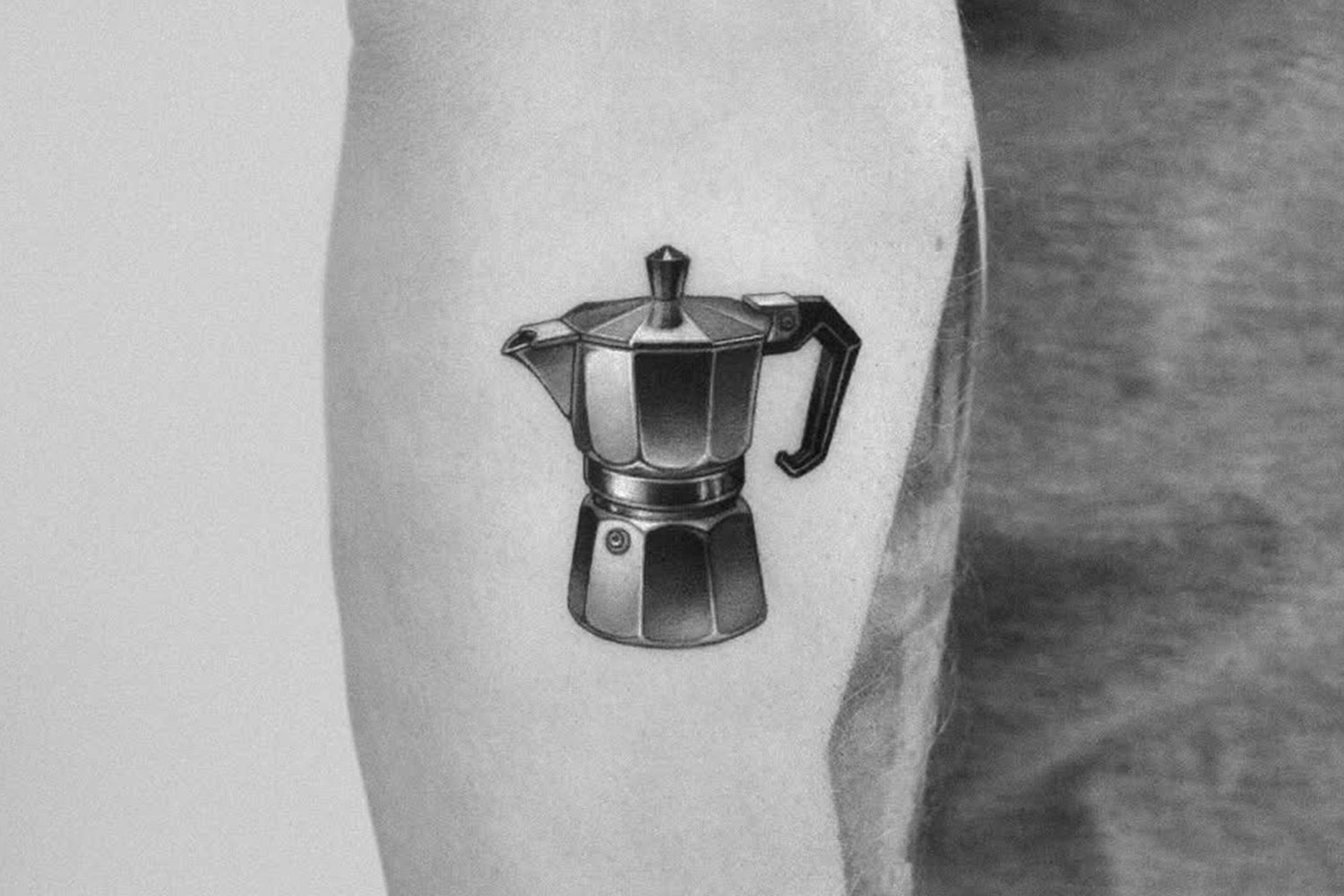
Microrealism
Microrealism sits at the intersection of two trends: the technical development of photographic realism in tattooing, and the recent preference for small, discreet, placement-sensitive work that reads well in phone photography. Understanding micro-realism requires understanding those strands and the technical shift that made it possible.
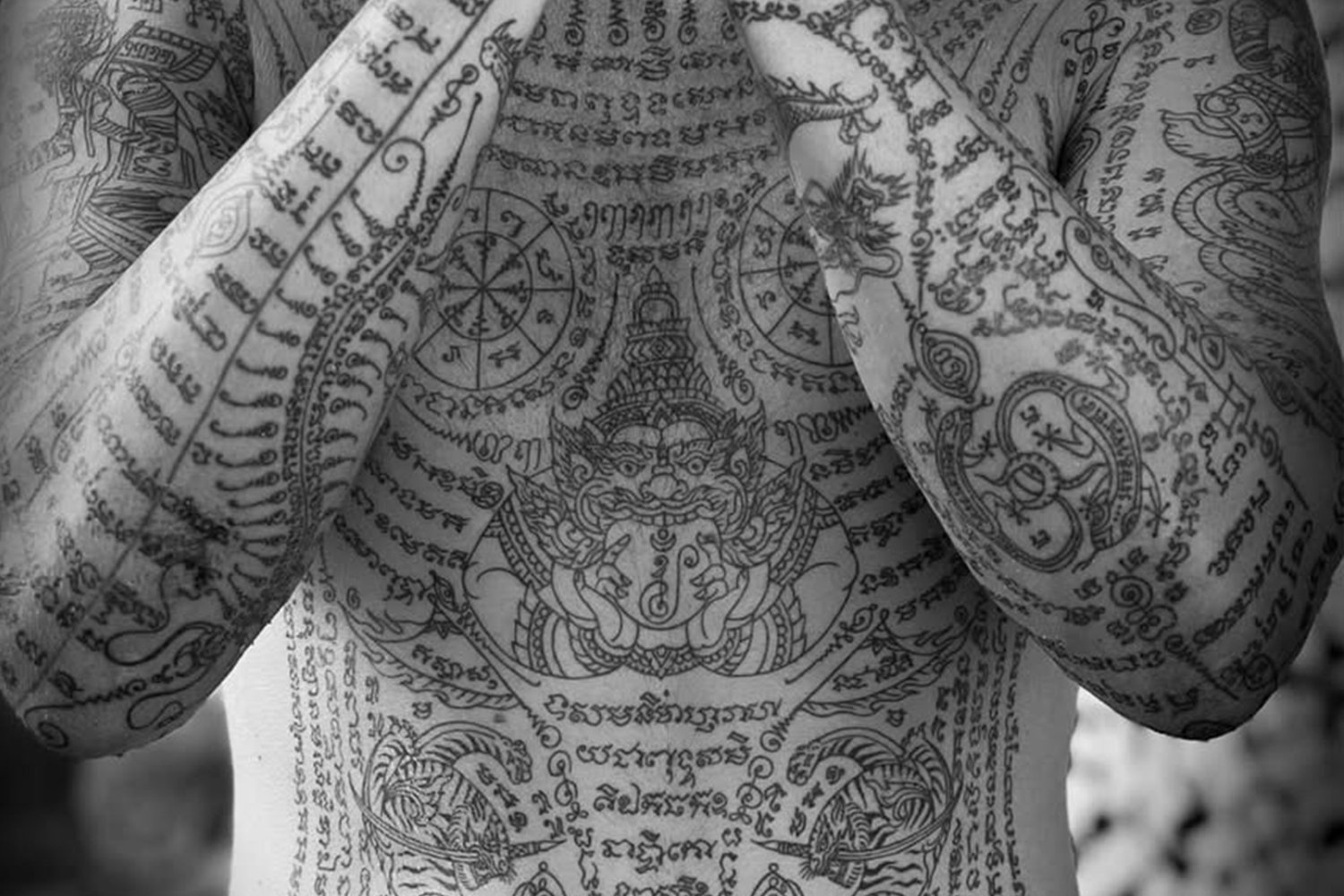
Thai Sak Yant
Sak Yant is the sacred tattoo tradition of mainland Southeast Asia. Sak means “to tap” in Thai (the action of the needle). Yant derives from the Sanskrit yantra — a geometric diagram used in Hindu and Buddhist meditation and ritual practices as a receptacle for spiritual power. A Sak Yant tattoo is a yantra tapped into the skin.
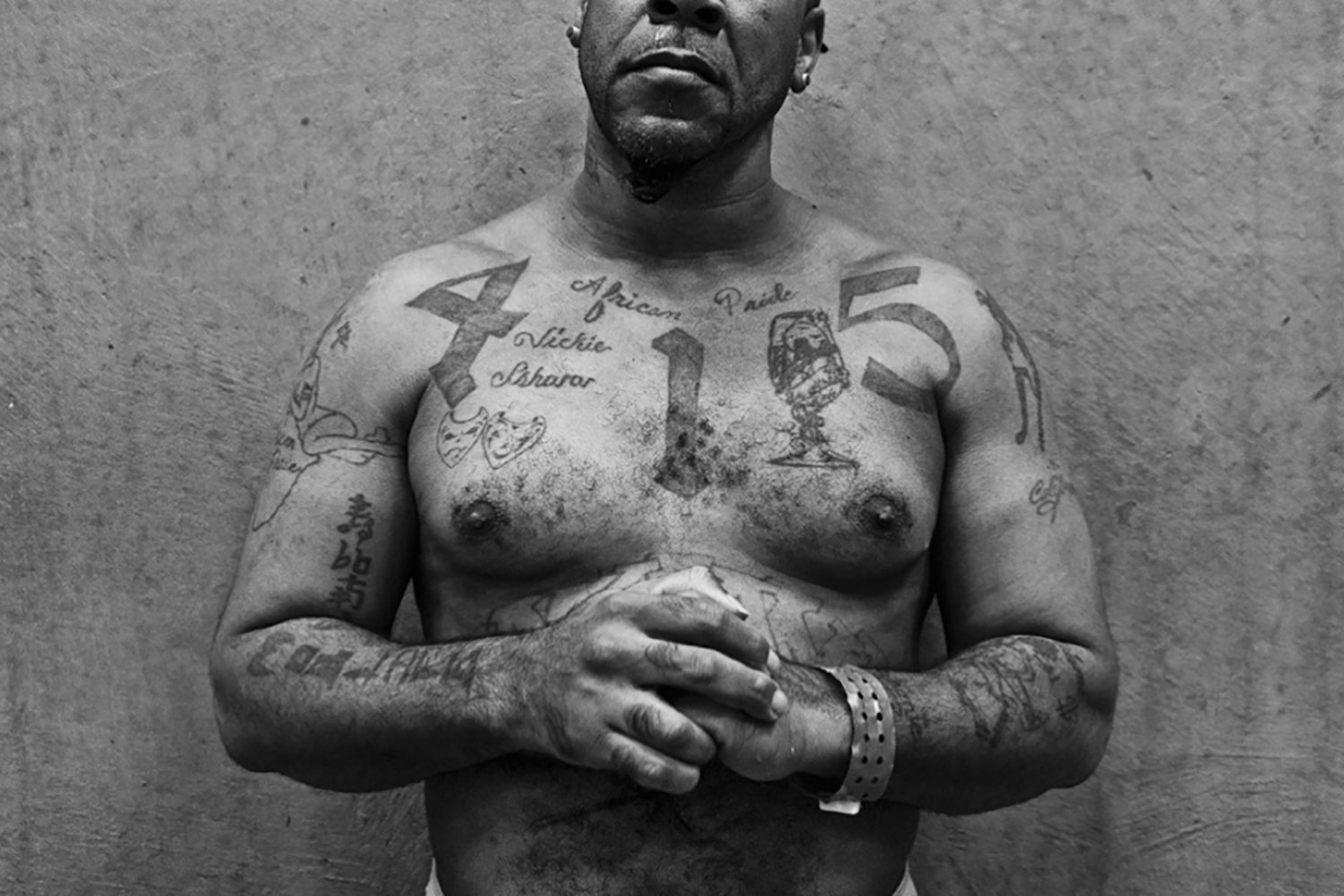
Prison tattooing
Prison tattooing exists wherever incarceration exists. It has been documented in the United States, Russia, Japan, Mexico, Australia, and across Europe, Africa, and South America. The specifics vary — the tools are improvised from whatever the institution contains and the iconography reflects the local culture — but the fundamental dynamic is universal.
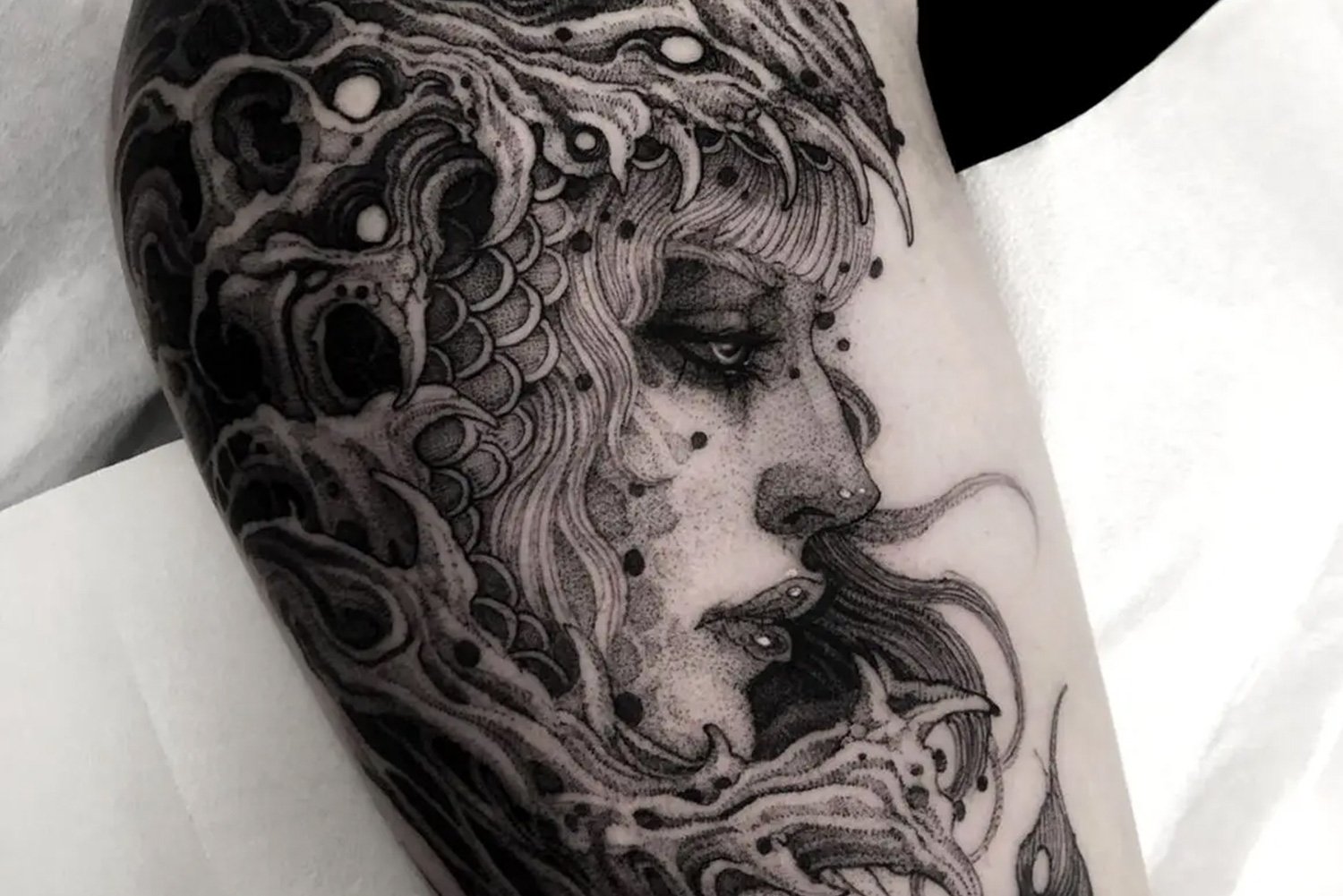
Illustrative tattooing style
Illustrative tattooing is the style that draws most directly from traditions outside tattooing — book illustration, printmaking, pen-and-ink drawing, woodcut, engraving, and lithography. Where American traditional draws from flash sheets and Japanese irezumi draws from ukiyo-e and painted scrolls, illustrative work draws from the printed page.
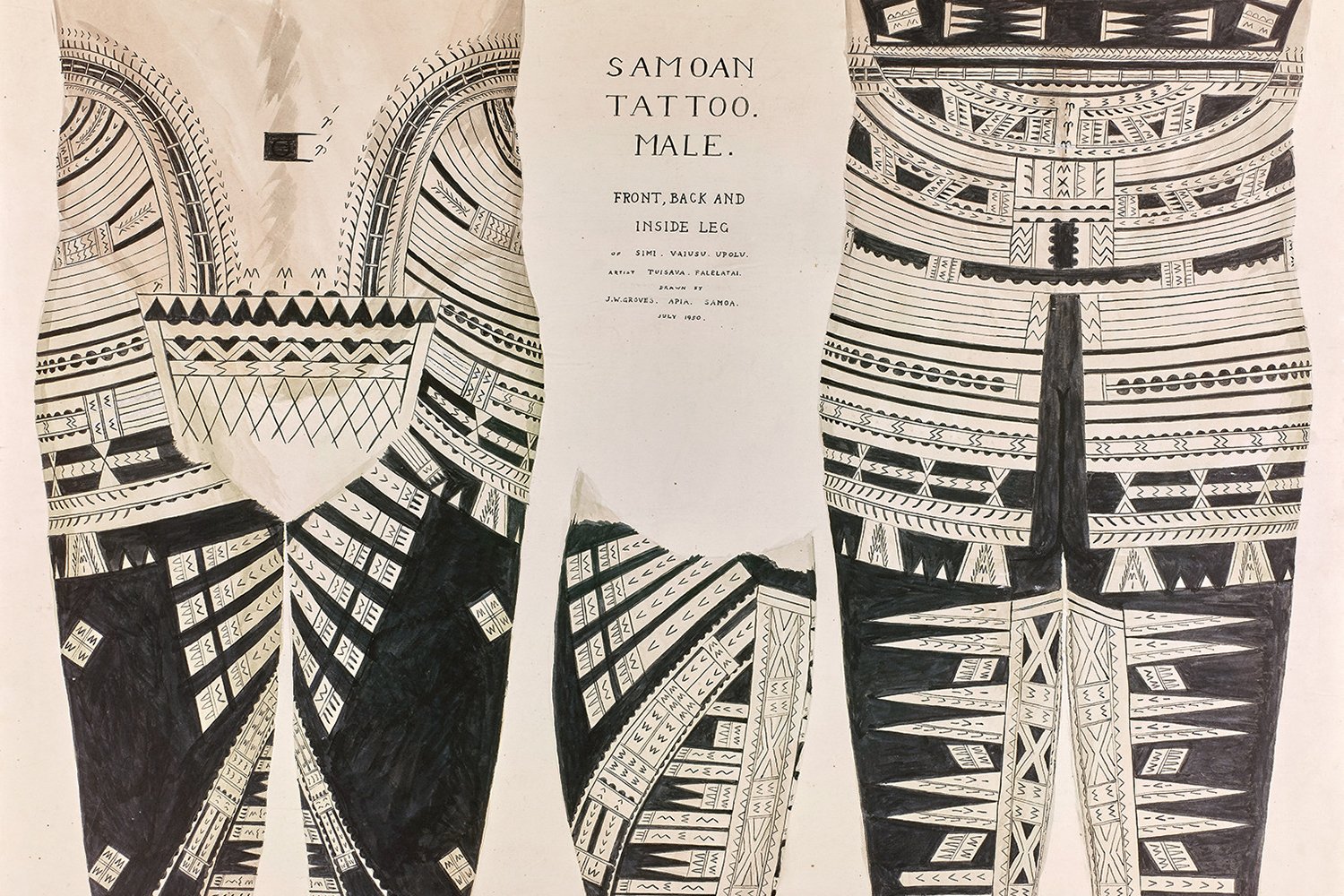
Samoan tatau
The Samoan tatau tradition has been practised continuously, in its traditional form, from pre-contact times to the present. The tools have changed materials, the pigment is now commercially manufactured, and the hygiene protocols have been formalised — but the method, the design system and the cultural protocols are unbroken.
Science & History of tattooing
The documented tattoo history is long. It stretches across Polynesia, Japan, North Africa, the Arctic, Southeast Asia, the Americas, and eventually the industrialised tattoo shops of nineteenth-century Europe and the United States. Each of these traditions developed its own tools, techniques, pigments, and reasons for marking the body. The science of tattooing is just as fascinating. How ink stays in the skin, why it degrades, how needle technology and ink chemistry have changed what is physically possible, and how the process of being tattooed can affect our perception of the craft itself — these are questions with specific, documented answers.
The articles here cover the history of tattooing across cultures and periods, as well as the biology, chemistry, psychology, various tattooing techniques, and the technology behind the practice itself.
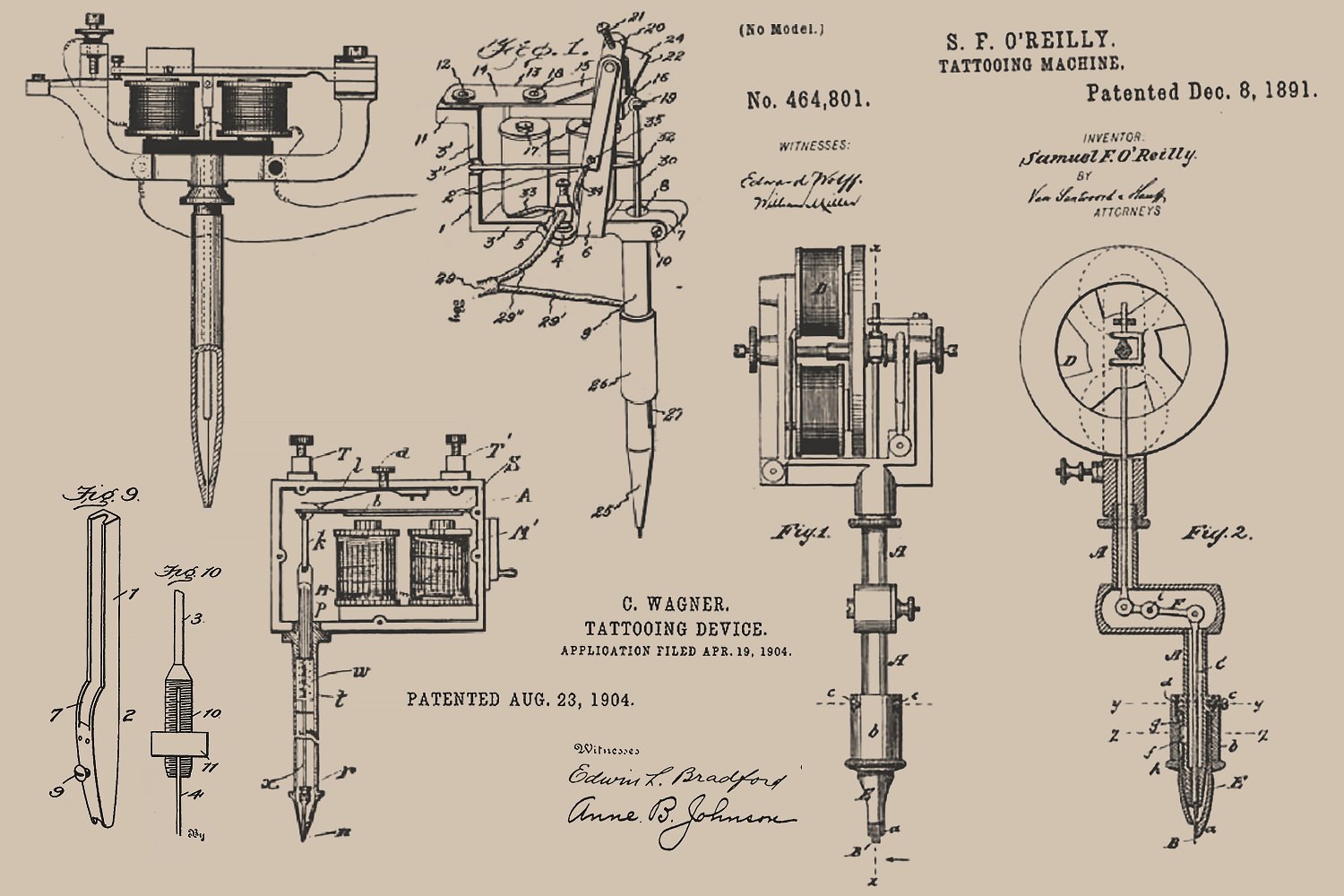
The Story of the First Tattoo Machine
O’Reilly was not working from a single flash of inspiration when he built his tattoo machine. In a 1898 interview with the New York Sun, he described trying a dental plugger first — an electromagnetic device invented by William Bonwill for filling teeth — and then an Edison pen, but found each “too weak.” After what he described as many trials, he (…).
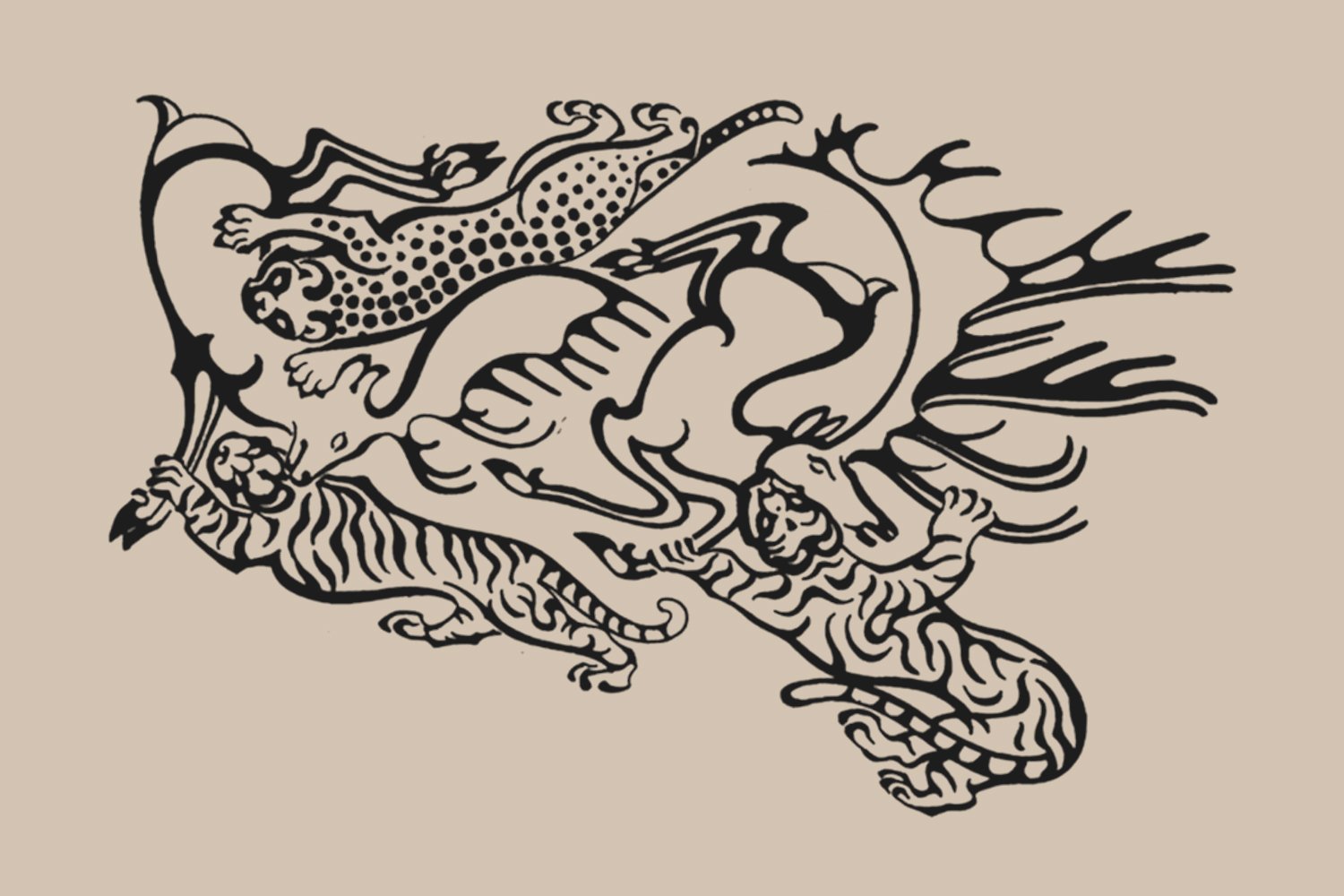
Tattoos on the Oldest Mummies
These mummies — from the Alps, the Nile Valley, the Chilean coast, the Siberian steppe — were preserved by accident of environment: ice, sand, permafrost, desert air. They represent a tiny, arbitrary fraction of all the tattooed people who have ever lived. For every Ötzi frozen in a glacier, there are tens of thousands of tattooed individuals whose skin (…)
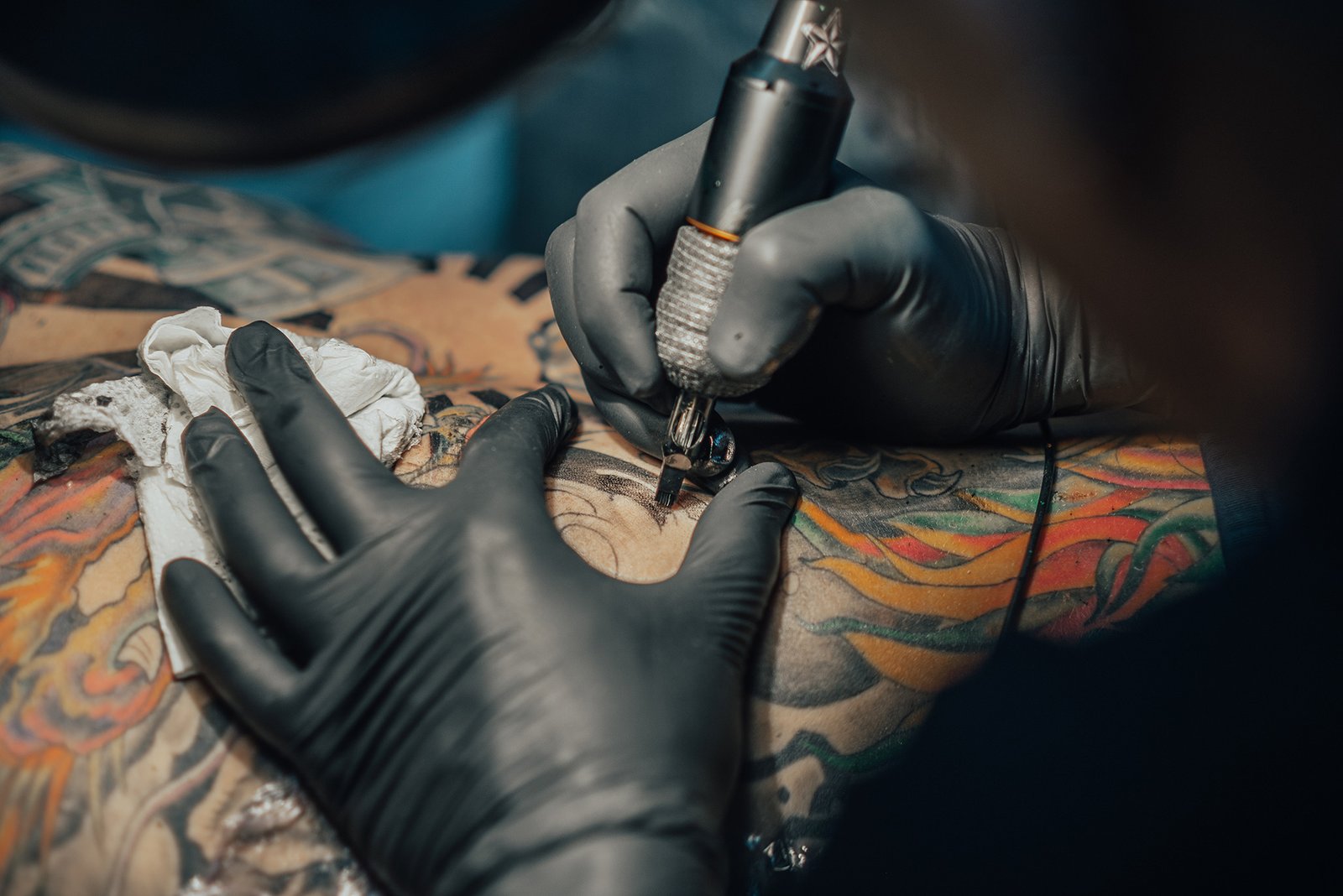
Tattooing – how does it work?
A tattoo is ink trapped in the second layer of the skin. Everything else exists to get the ink to that layer and keep it there. The process is mechanical (a needle punctures the skin and deposits pigment), biological (the body reacts to the wound and to the foreign material), and a negotiation between the ink’s desire to stay put and the body’s effort to remove it.
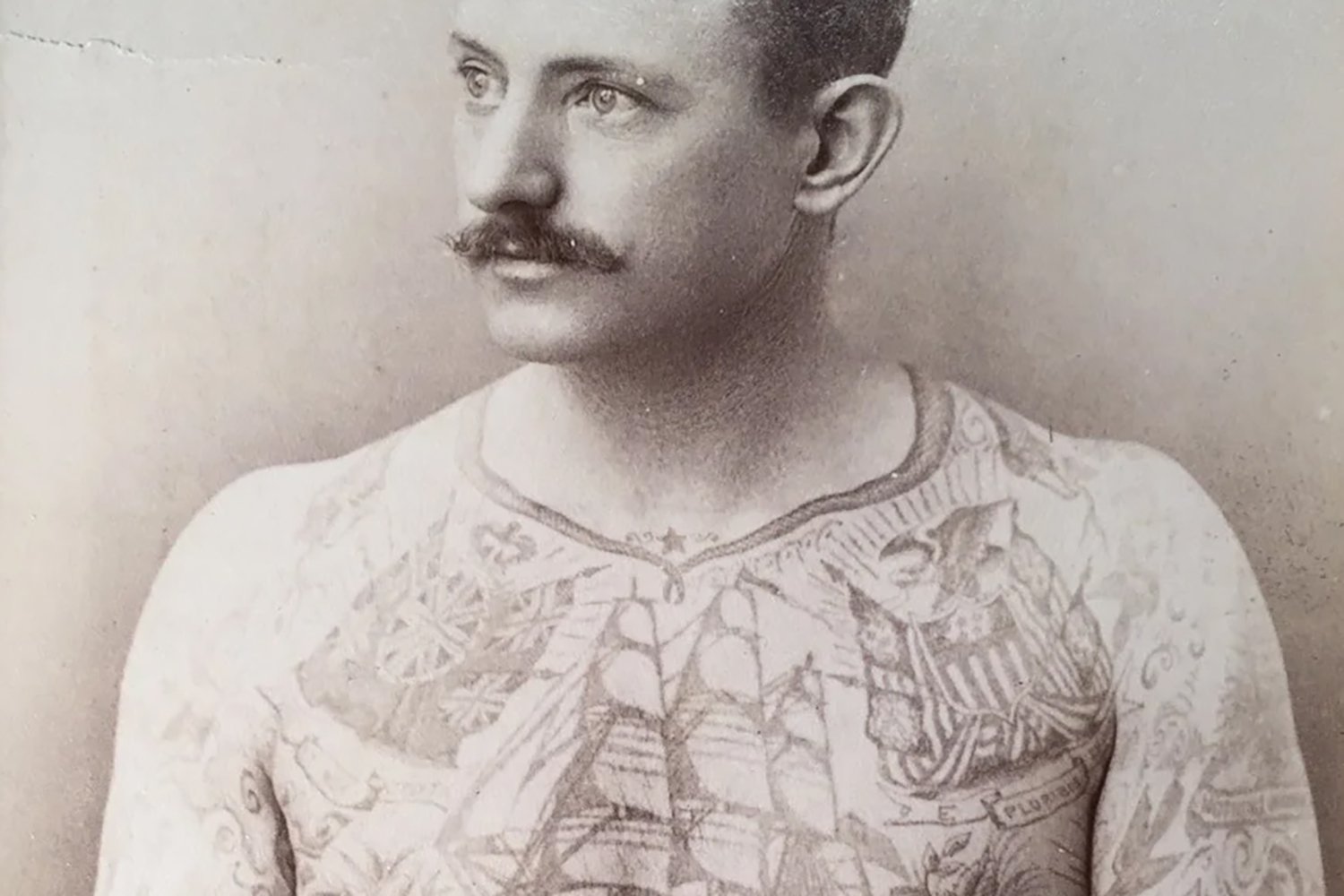
Tattoos in the American Civil War
Tattoo designs chosen by Civil War soldiers fall into recognisable categories, reconstructed from Navy enlistment records, prison admission ledgers, regimental histories, and period newspaper accounts. Identification marks were the most useful, and pragmatic: a man’s name, initials, regiment, and home state, usually on the forearm or chest
Samoan tatau
The Samoan tatau tradition has been practised continuously, in its traditional form, from pre-contact times to the present. The tools have changed materials, the pigment is now commercially manufactured, and the hygiene protocols have been formalised — but the method, the design system and the cultural protocols are unbroken.
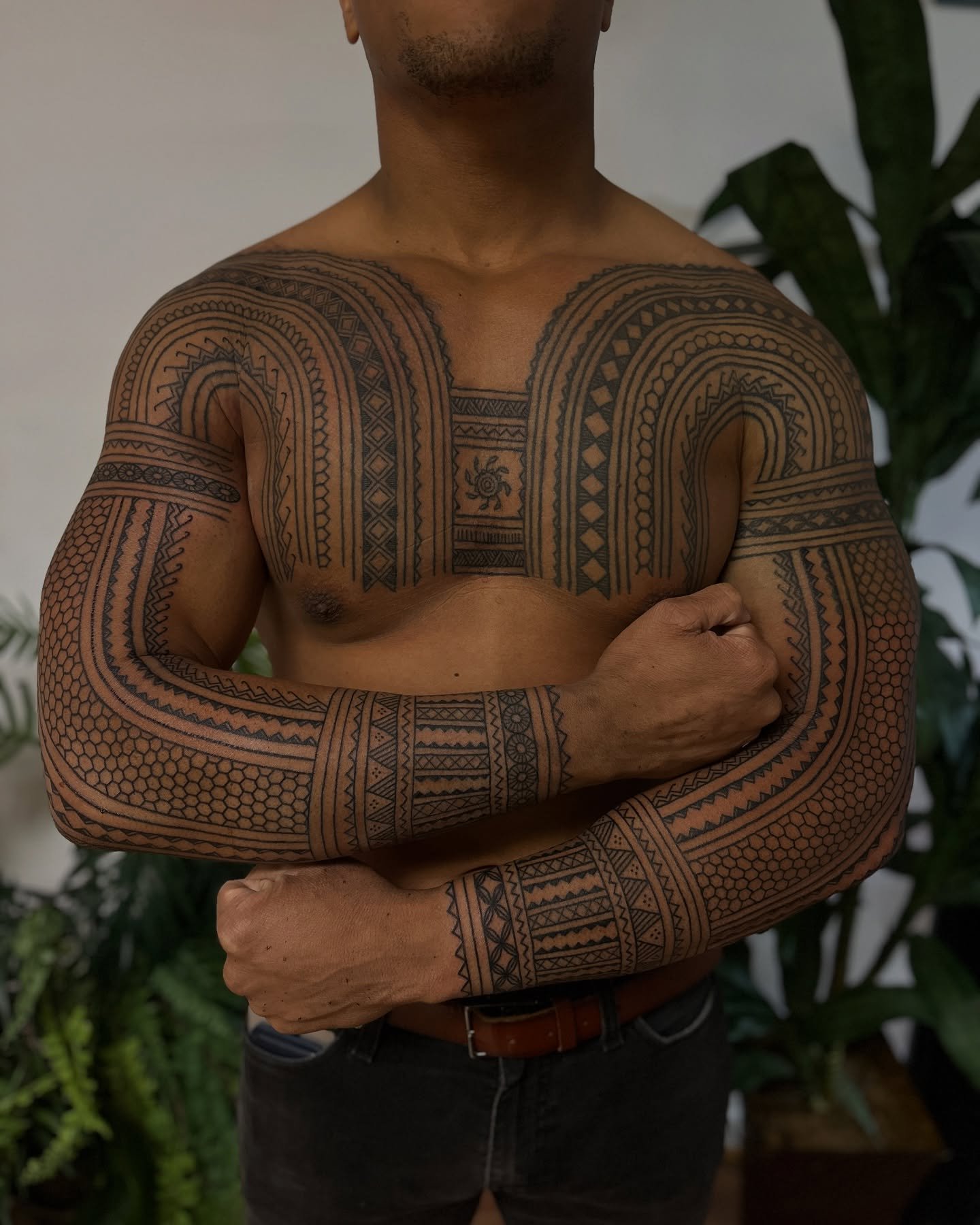
Filipino batok/batuk/patik
The Philippines has one of the deepest and most diverse tattooing traditions in the Austronesian world. Before the Spanish colonial period, tattooing was practised by almost every ethnic group across the archipelago — in the Visayas, Luzon, Mindanao, and the smaller island groups.
