Here, you can find articles focused on the tattoo craft itself — its history, technologies, styles, and the artists who have shaped its development. It covers how tattooing is done, how it has changed over time, and how different approaches to line, colour, and composition have emerged and spread. This section examines the structure of tattooing: the tools, methods, and references that define the medium.
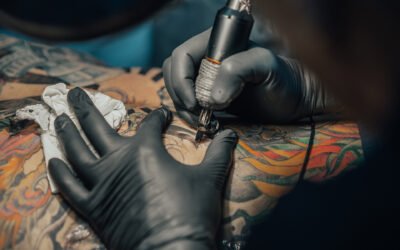
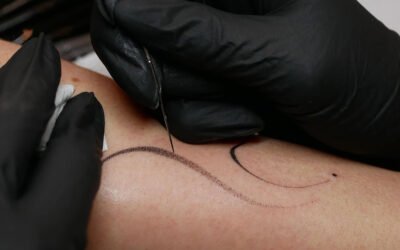
A tattoo is ink trapped in the second layer of the skin. Everything else exists to get the ink to that layer and keep it there. The process is mechanical (a needle punctures the skin and deposits pigment), biological (the body reacts to the wound and to the foreign material), and a negotiation between the ink’s desire to stay put and the body’s slow, patient effort to remove it.
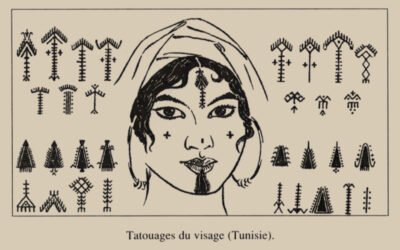
Amazigh tattooing (ticharet) was overwhelmingly a women’s practice. Women received the tattoos; applied them; held the knowledge of which symbols meant what and which designs belonged to which occasions. This makes Amazigh tattooing one of the few tattoo traditions in the world that was created and controlled entirely by women.
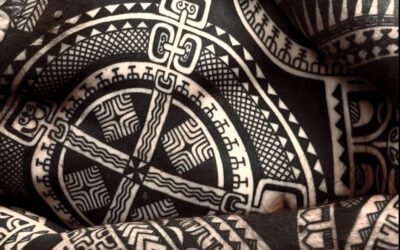
The word “tribal” refers to two distinct practices that share a visual resemblance and almost nothing else. The first is the set of Indigenous tattooing traditions that have used black abstract patterning on the body for centuries. The second is the Western commercial style of abstract black patterns inspired by Indigenous designs but detached from their cultural contexts.
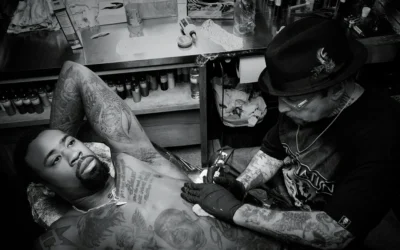
Freddy Negrete is one of pioneers in black-and-grey tattooing. His life has included gang membership, incarceration, a decade of evangelical ministry, addiction and recovery, the loss of a son, and — through all of it — a career in tattooing that helped define one of the most important stylistic developments in the craft’s modern history.
Cosmetic tattooing uses the same fundamental mechanism as decorative tattooing — a needle deposits pigment into the dermis — but applies it to a different purpose: replicating or enhancing the appearance of makeup, correcting skin irregularities, and restoring features lost to surgery, injury, or other medical conditions.
Handpoke tattooing — also called stick-and-poke — is any tattooing method in which the needle is driven into the skin by hand rather than by an electric machine. The artist holds a needle (or a group of needles mounted in a handle) and pushes it into the skin one puncture at a time. The needle is dipped in ink before each puncture (…)
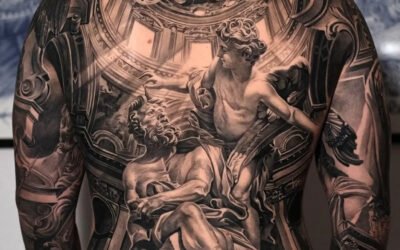
Realism in tattooing is older than most accounts suggest. Sailors in the nineteenth century commissioned portraits of loved ones, and prison tattooing in multiple traditions produced recognisable likenesses centuries before the electric machine. The idea of putting realistic depictions on skin is not a late-twentieth-century invention.
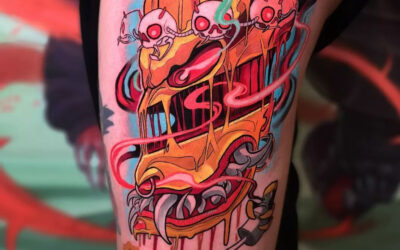
New school is the most maligned of the major tattoo styles. Some of that reputation is earned; some of it comes from a reflex against cartoon imagery in a craft tradition that has come to prefer fine-art references. The style is also one of the most technically demanding in the tattooing repertoire, and the work of the best new-school artists has aged considerably better(…).
Neo-traditional is in a period of consolidation. The experimental energy of the 2000s and early 2010s has given way to a more established set of conventions, and a recognisable neo-traditional aesthetic now exists within which an artist can work without feeling they are reinventing anything. This has produced a great deal of competent work and some criticism from within(…).
American traditional is a port-town style. It grew up in the tattoo shops that clustered near naval bases and harbours in the first half of the twentieth century — Honolulu, San Diego, Norfolk, the Bowery in New York, and Chatham Square. The clientele was sailors, soldiers, and the people who worked the docks. The constraints of the trade shaped the style completely.
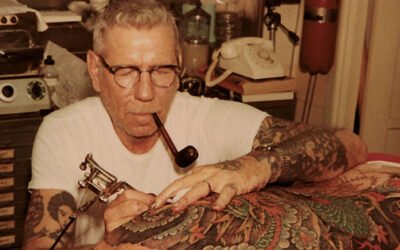
Norman Keith Collins (1911–1973), best known as “Sailor Jerry,” was a U.S.-based tattoo artist who worked primarily in Honolulu and became a key bridge between early 20th‑century American flash tattooing and later “tattoo renaissance” practice that treated tattooing as a serious craft with international artistic references.