Tattoo styles are not a fixed system but a set of working conventions — ways of drawing, lining, shading, and composing that have developed over time within different traditions. Some names point to established visual systems with clear rules, while others describe how the tattoo is made or how it looks in terms of tone. There are also practices in which style cannot be separated from cultural meaning and protocol. At the same time, newer labels often emerge from trends and hybridisation, borrowing freely from existing approaches without forming a stable canon. In practice, “style” serves less as a strict category and more as a shared reference point — helping align expectations between artist and client around form, durability, and intent.
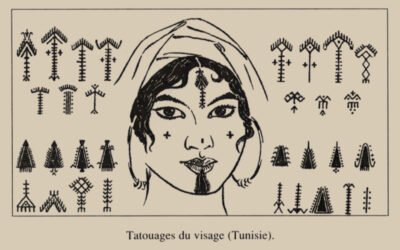
Amazigh tattooing (ticharet) was overwhelmingly a women’s practice. Women received the tattoos; applied them; held the knowledge of which symbols meant what and which designs belonged to which occasions. This makes Amazigh tattooing one of the few tattoo traditions in the world that was created and controlled entirely by women.
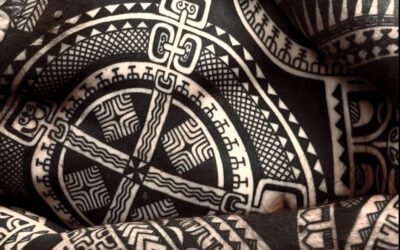
The word “tribal” refers to two distinct practices that share a visual resemblance and almost nothing else. The first is the set of Indigenous tattooing traditions that have used black abstract patterning on the body for centuries. The second is the Western commercial style of abstract black patterns inspired by Indigenous designs but detached from their cultural contexts.