Related Posts
Ornamental
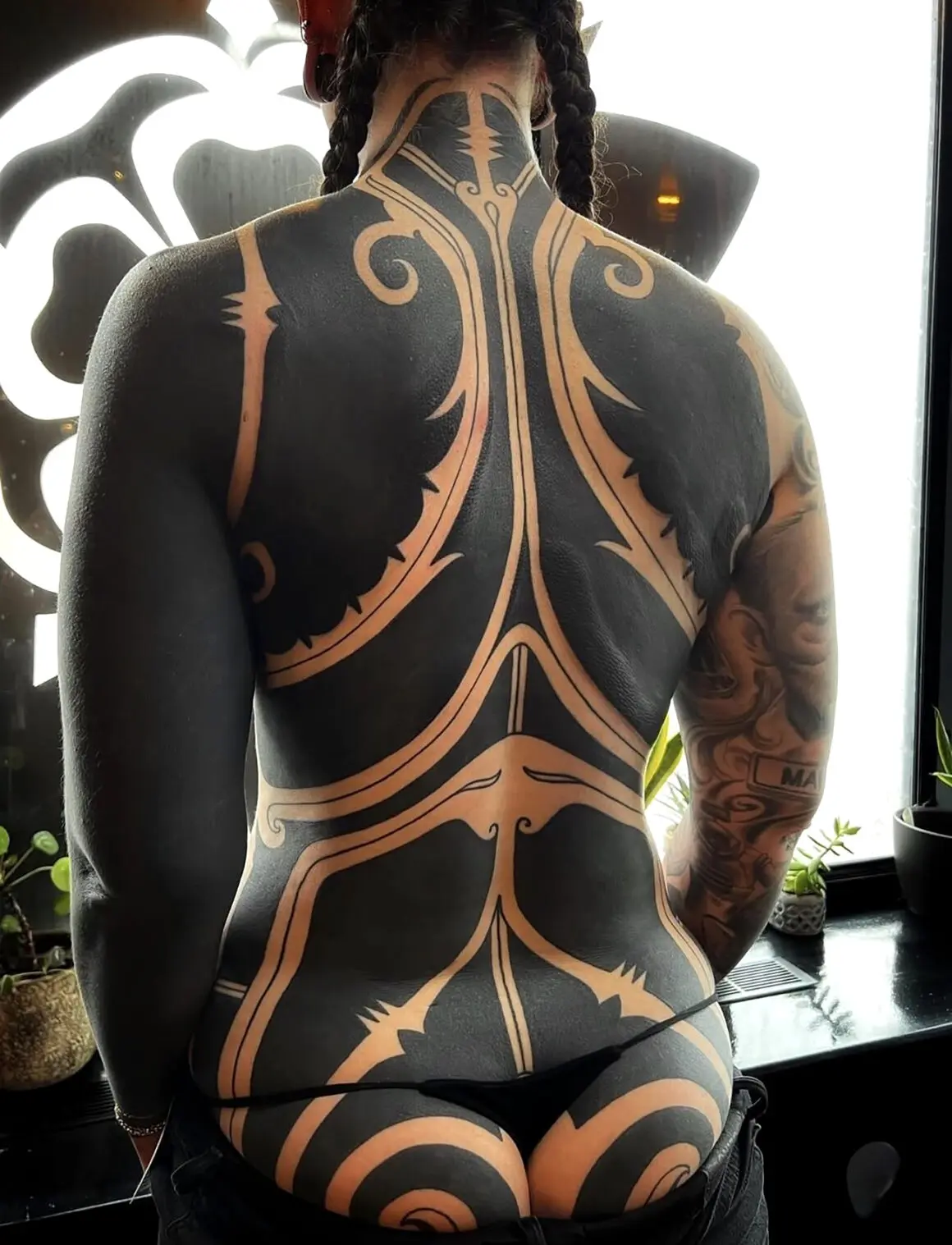
Ornamental tattoos: Decoration as the whole point
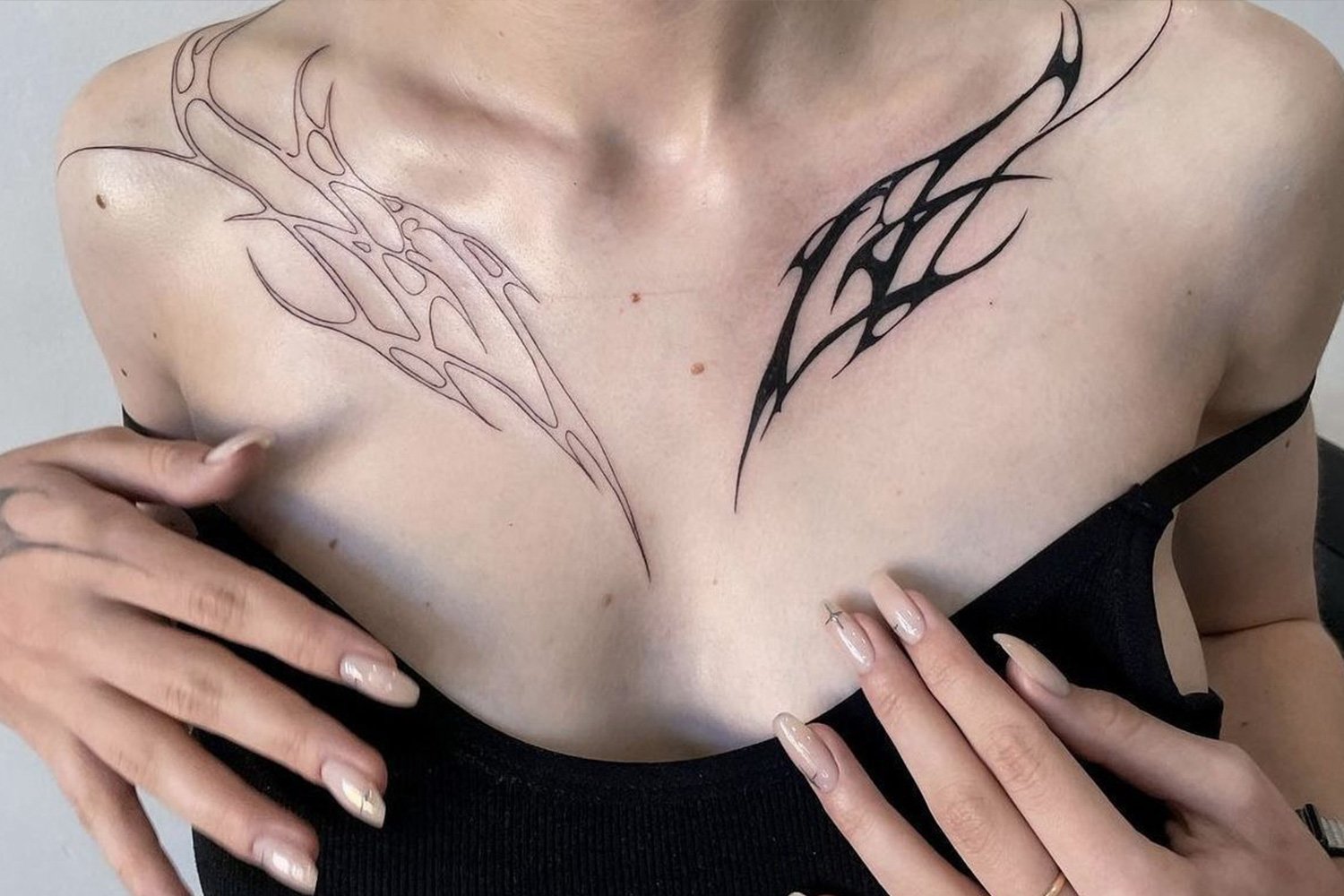
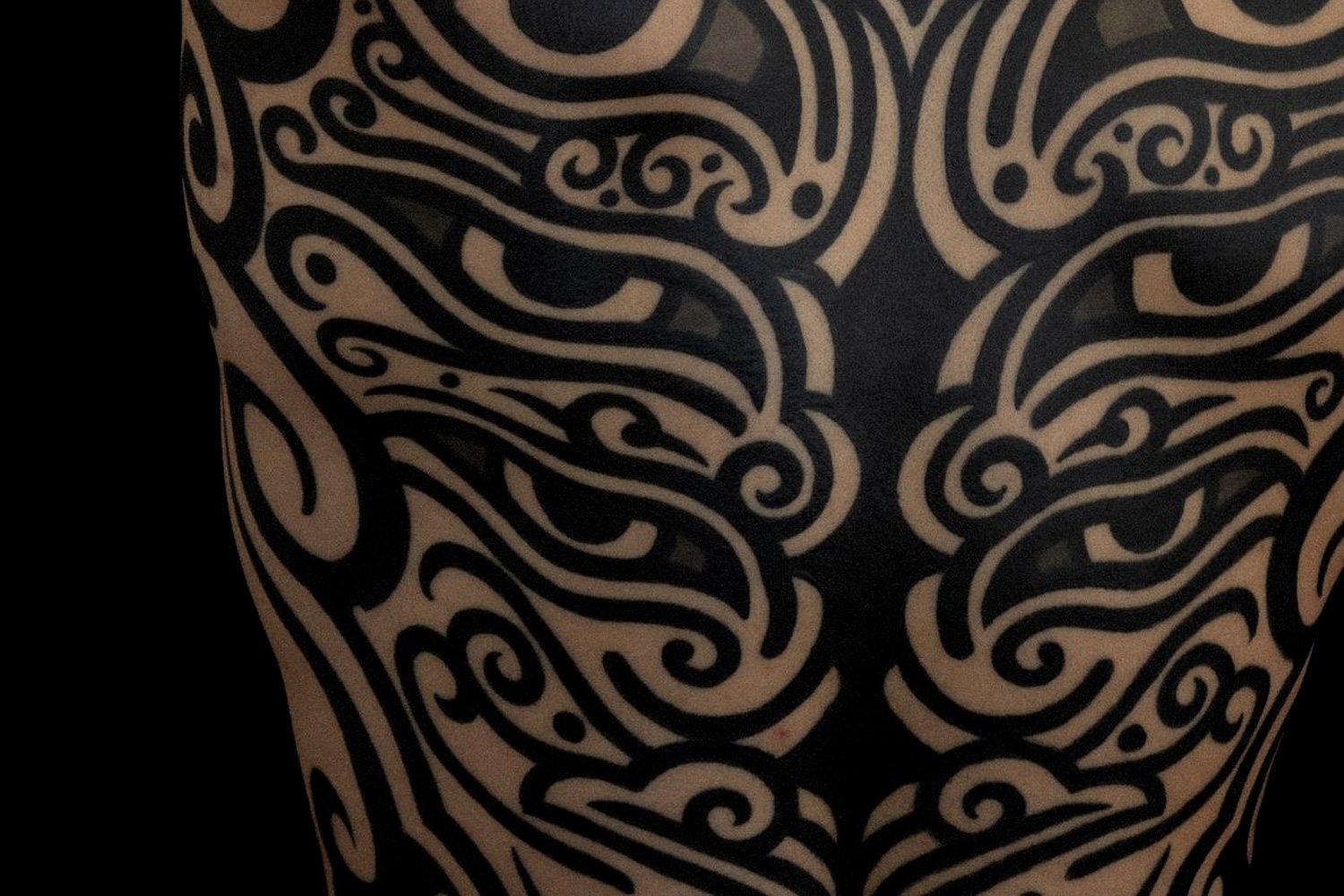
Most tattoo styles represent something. A realism piece represents a face or an animal. A traditional piece represents a symbol — an anchor, a rose, a swallow. An illustrative piece represents a scene from a book or a specimen from a field guide. Even abstract geometric work represents a mathematical structure. Ornamental tattooing is the style where the representation drops away, and the decoration itself becomes the subject. The pattern is the content. The beauty of the arrangement is the meaning.
This is a simple principle with deep roots. Ornamental design — pattern, motif, and decorative composition applied to surfaces for the purpose of making them beautiful — is one of the oldest human visual practices. It appears on pottery from the Neolithic, on textiles from the Bronze Age, on architecture from every major civilisation, and on human skin from the earliest documented tattoo traditions. The impulse to decorate a surface with a repeating, structured, visually satisfying pattern is as old as the impulse to make images, and possibly older.
Ornamental tattooing draws on this long history. It borrows its visual vocabulary from specific decorative traditions — Islamic tilework, Indian mehndi, Victorian lace, Moorish stucco, Baroque scrollwork, Art Nouveau organic form, Eastern European folk motifs, and Japanese ornamental patterning — and applies it to the body. The result is a tattoo that looks like a piece of decorative art worn on the skin: intricate, structured, and beautiful in the way a carved doorframe or an illuminated manuscript border is.
What makes a tattoo ornamental
The style has a set of consistent characteristics that distinguish it from adjacent styles, though the boundaries — particularly with geometric, blackwork, and neo-traditional — are frequently crossed.
Pattern and repetition
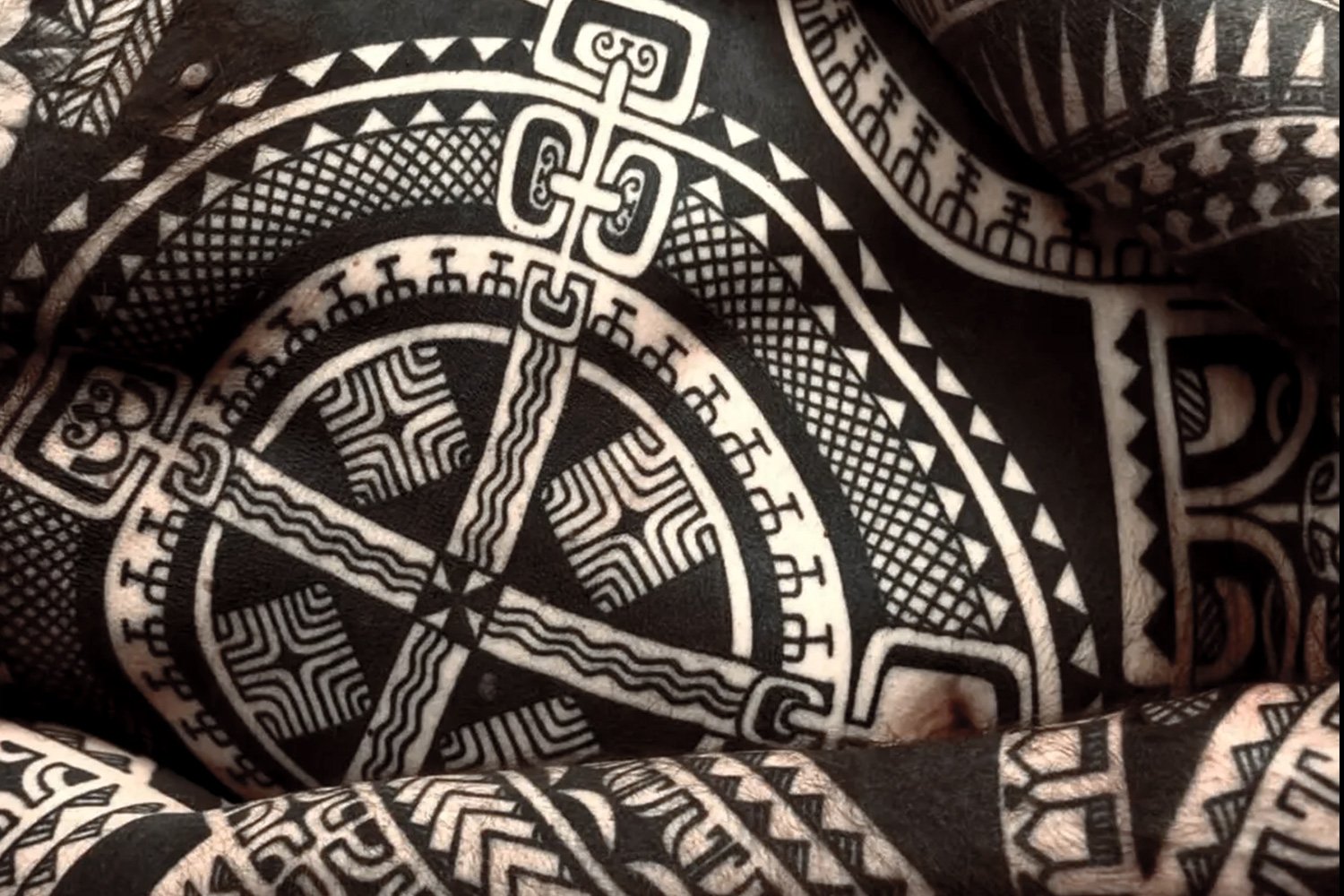
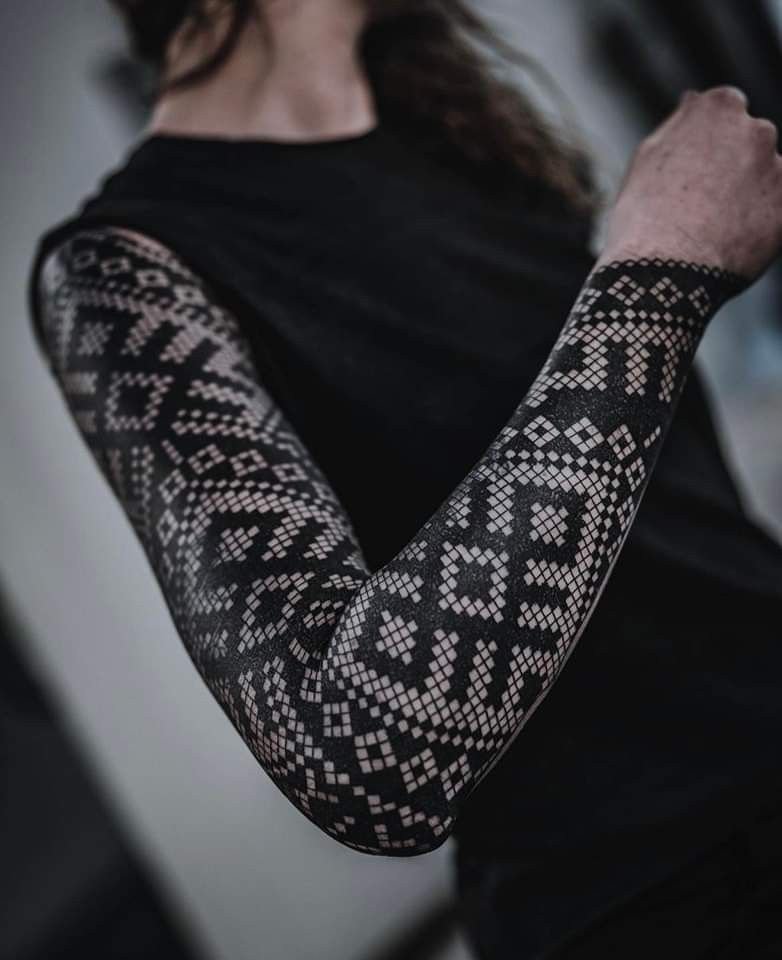
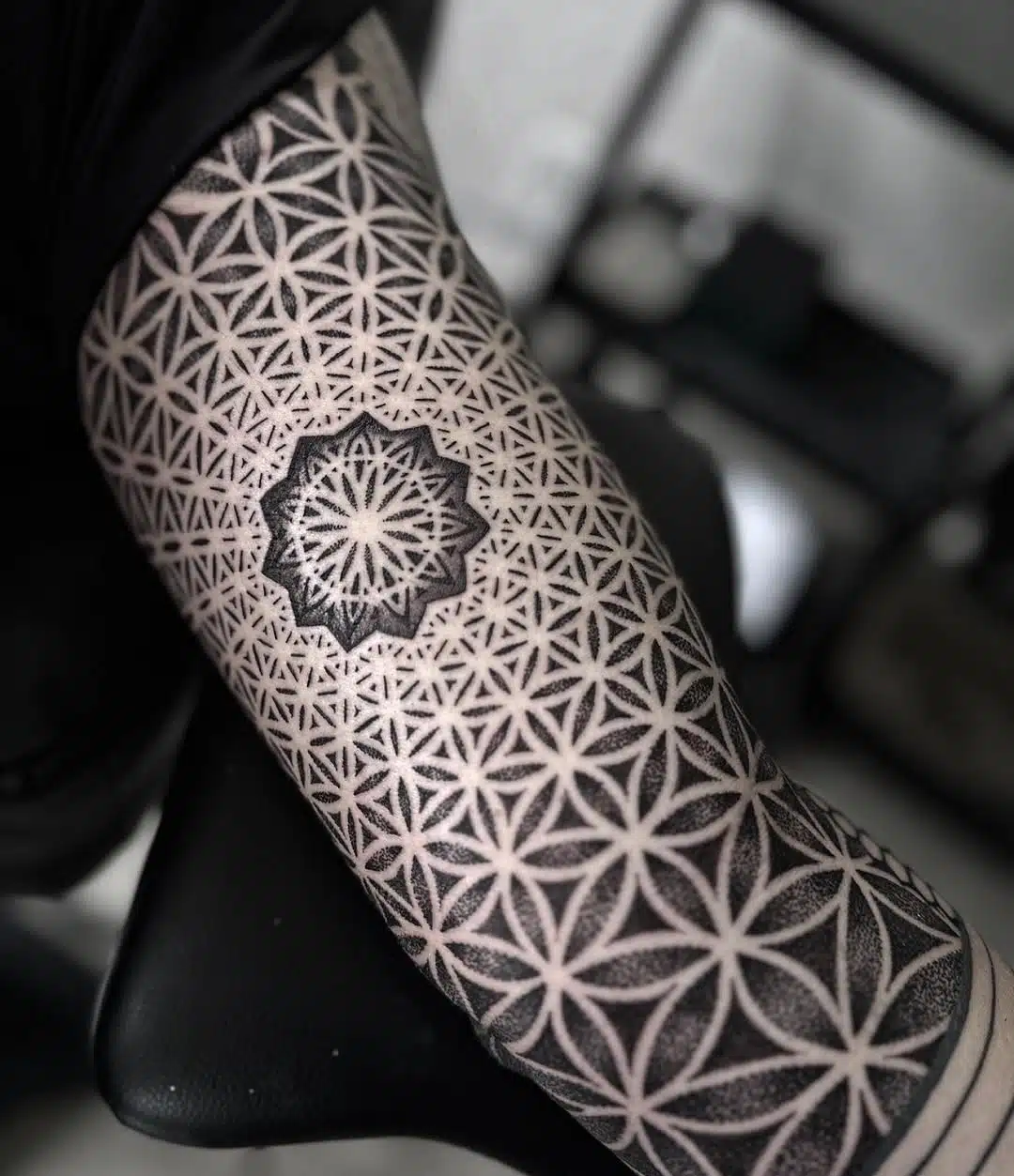
Ornamental work is built from repeating motifs — units of design that recur across the composition in regular or semi-regular arrangements. The repetition creates visual rhythm, and the rhythm is a defining quality of the style. A single motif placed once is a symbol; the same motif repeated across the body in a structured arrangement becomes an ornament.
Symmetry
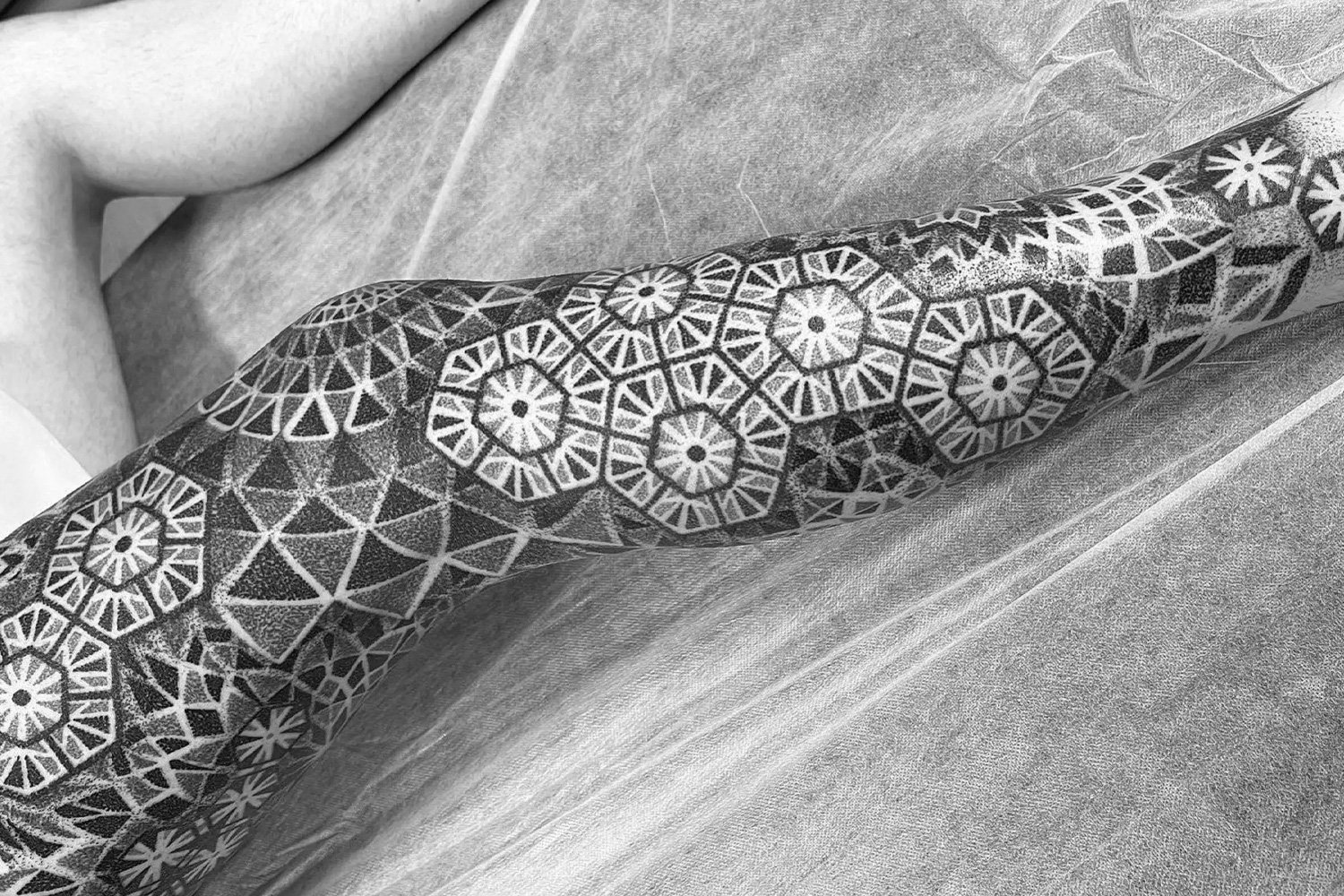
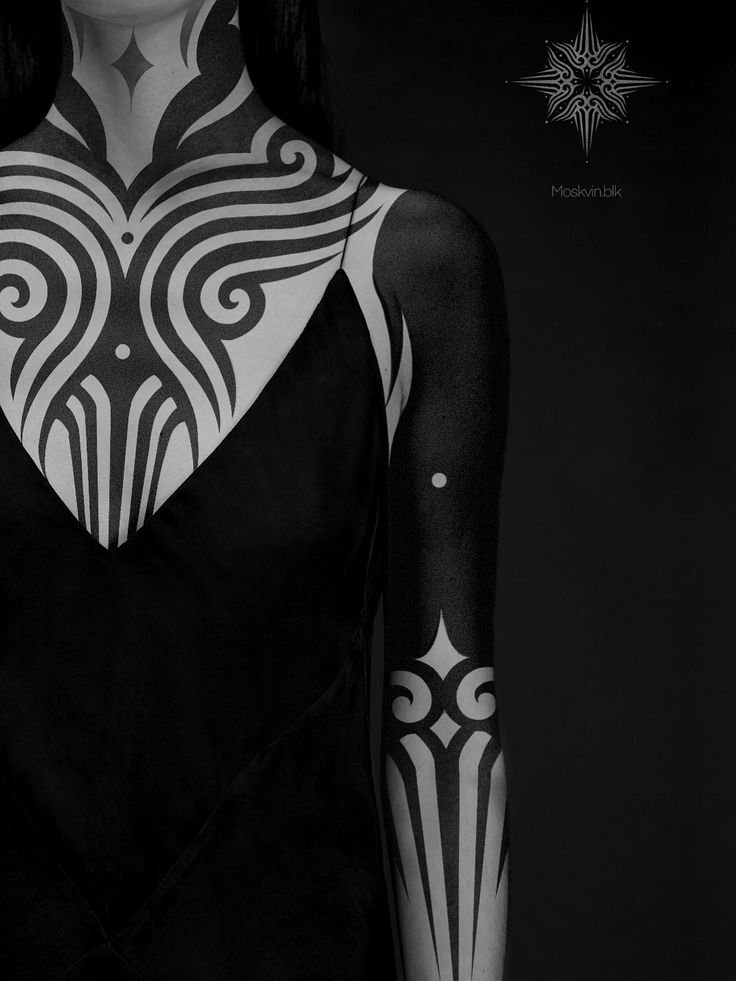
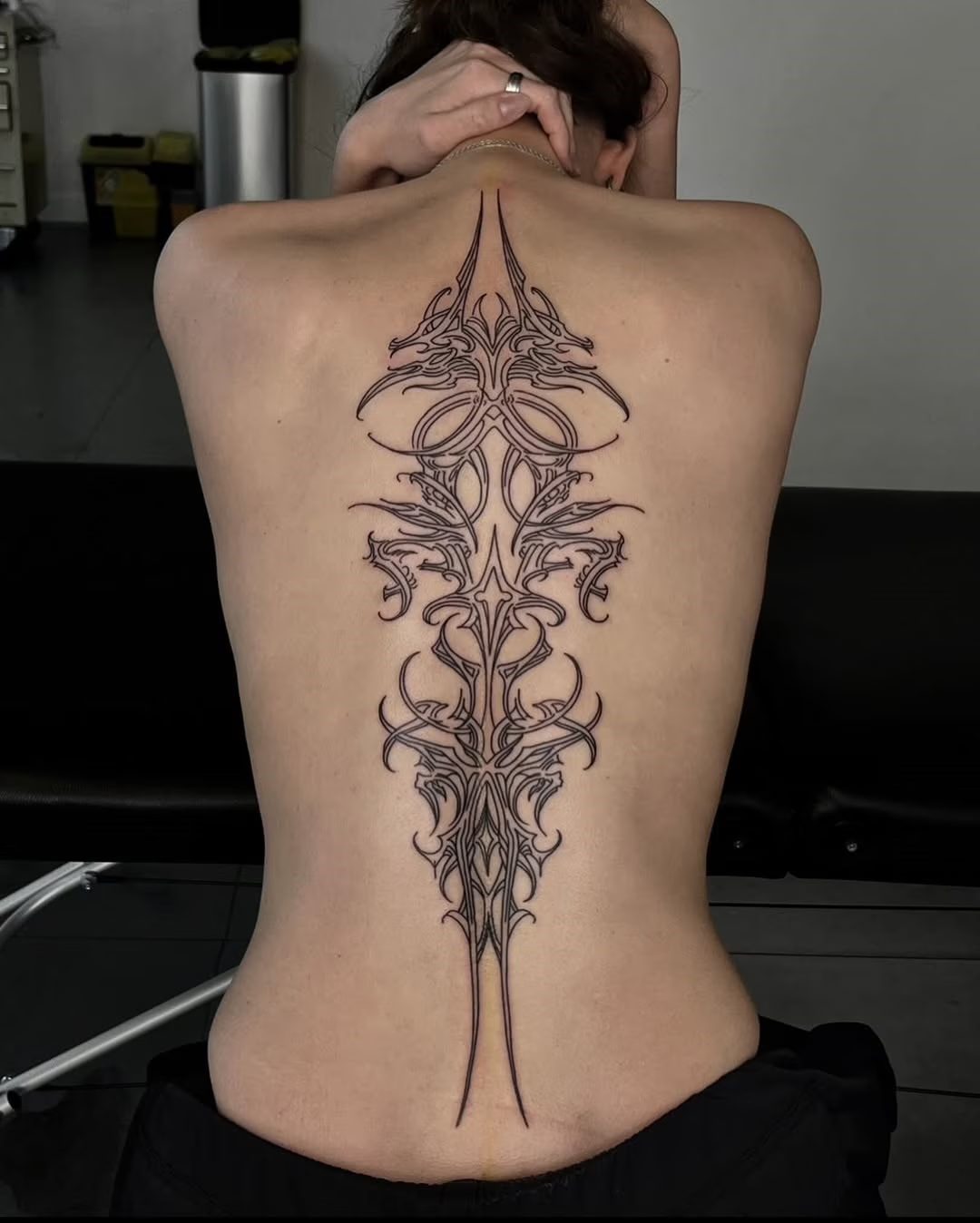
Most ornamental compositions are symmetrical — bilaterally (mirrored left-to-right), radially (arranged around a central point), or translationally (repeating along an axis). The symmetry gives ornamental work its composed, architectural quality and connects it to the decorative traditions it draws from, where symmetry is a foundational principle.
Surface-following composition
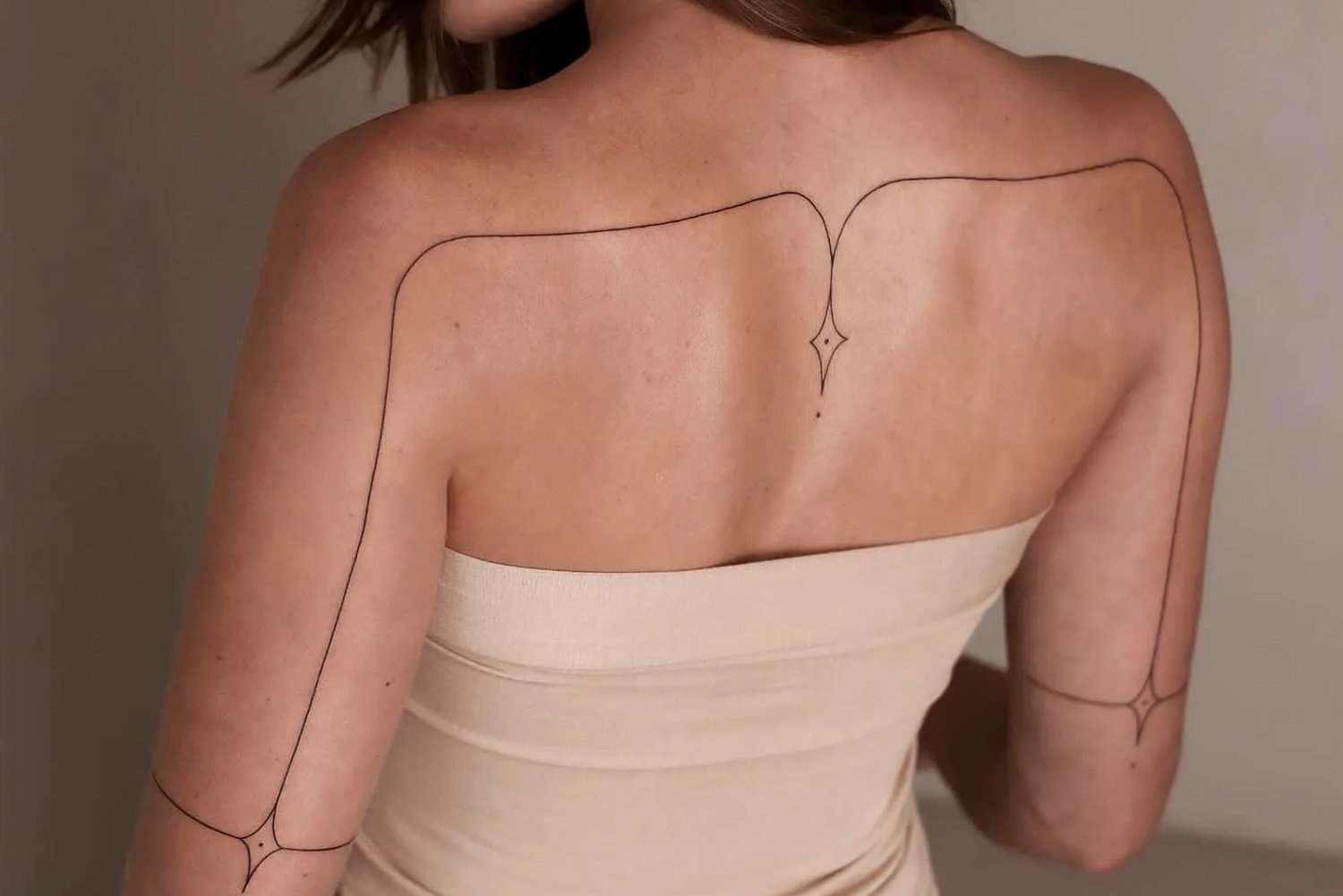
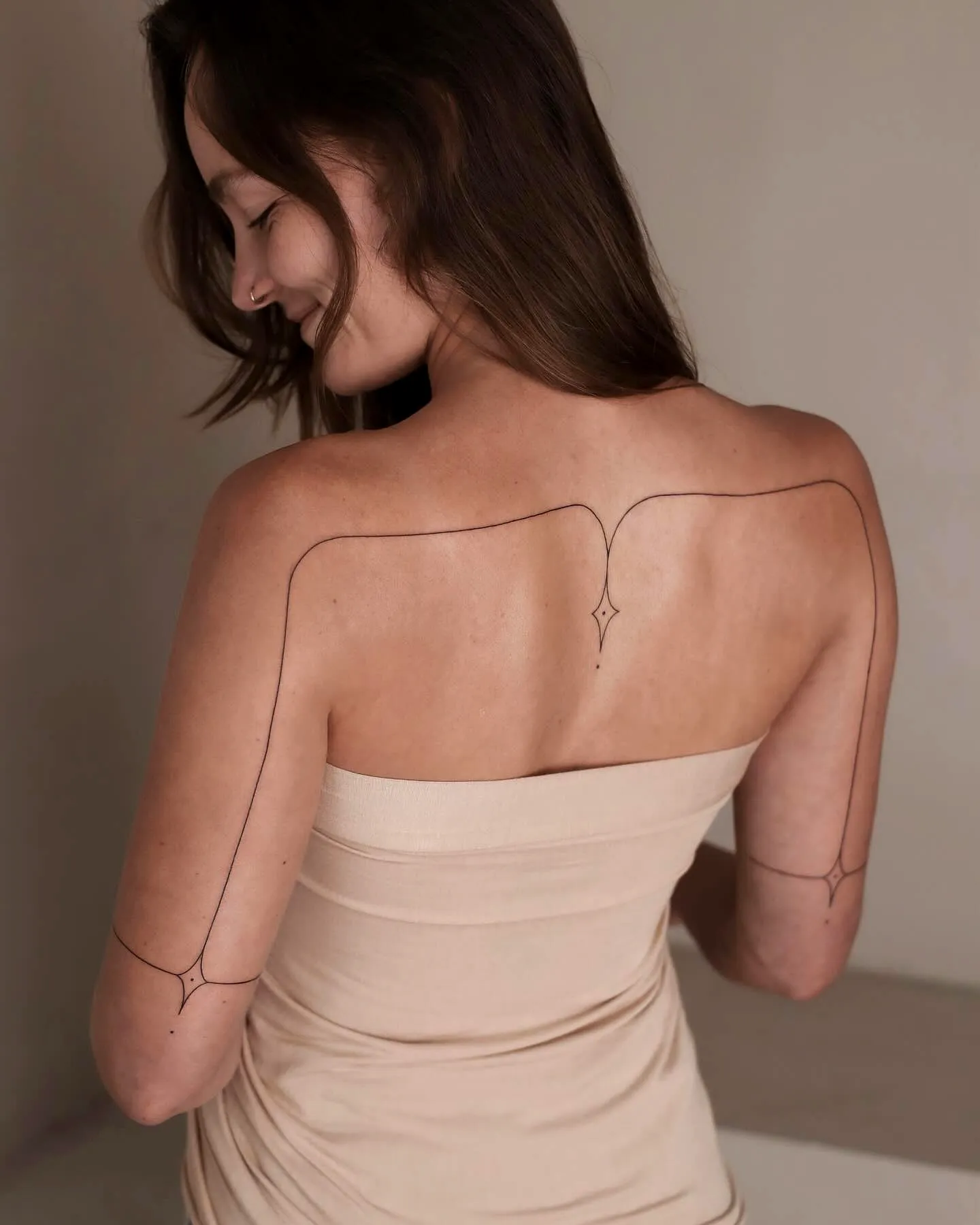
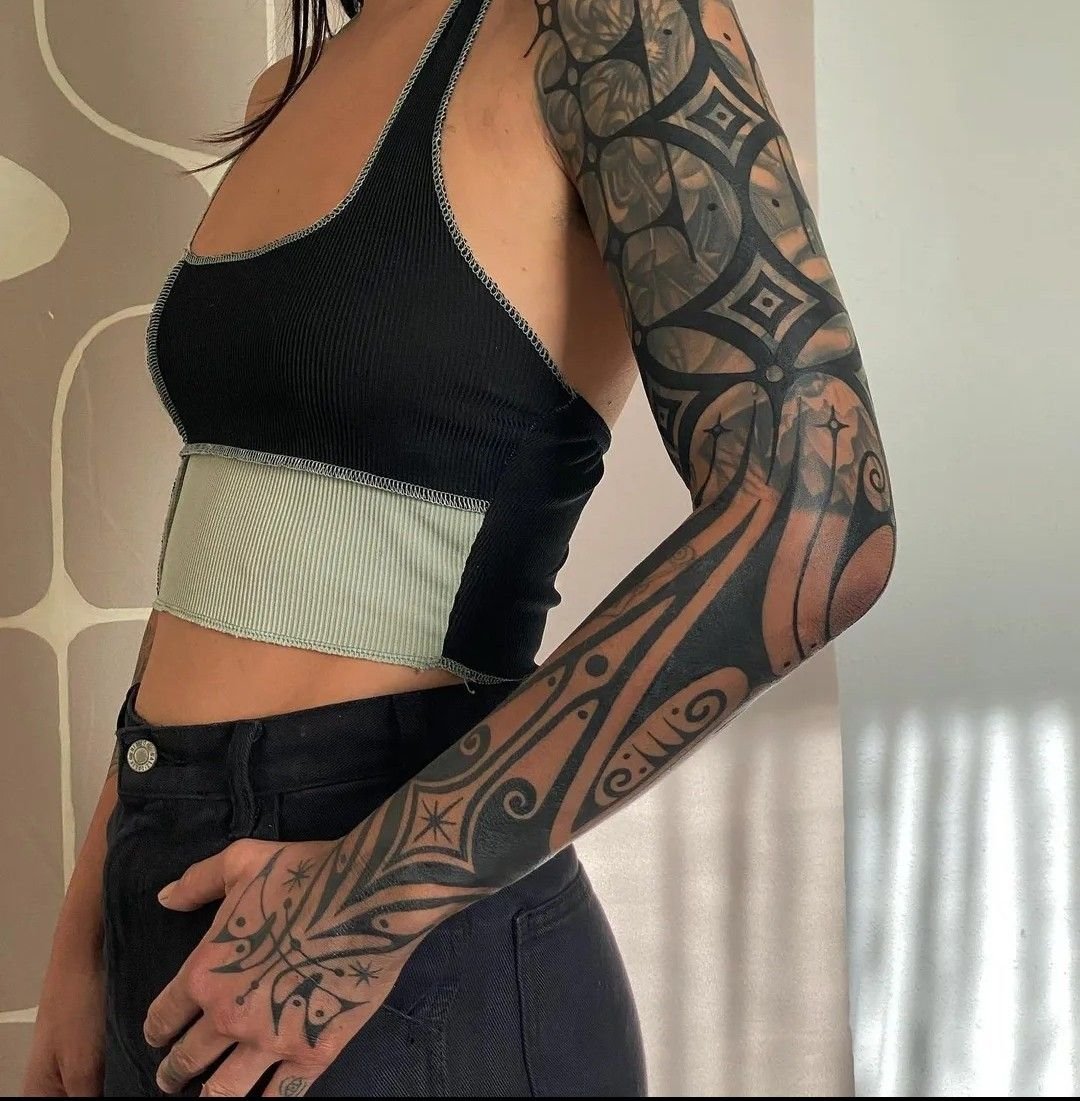
Ornamental designs are composed to wrap around, flow along, and conform to the surface they occupy. In architecture, ornament follows walls, arches, and columns. On the body, ornamental tattoos follow the curves of limbs, the planes of the chest and back, the lines of the skeleton. This body-following quality is one of the strongest visual features of ornamental tattooing and one of the things that distinguishes it from styles that treat the skin as a flat canvas for a rectangular image.
Absence of figurative representation
Pure ornamental work contains no images of recognisable objects — no faces, no animals, no plants rendered as botanical specimens. The visual elements are abstract or formalised: scrolls, arabesques, lace patterns, filigree, rosettes, interlocking geometric forms, and stylised floral motifs abstracted beyond species recognition. When figurative elements appear in ornamental compositions — a face within a mandala, an animal surrounded by decorative framing — the piece is usually classified as an ornamental-figurative hybrid rather than pure ornamental.
Black ink predominance
The majority of ornamental tattoo work is done in black ink only — solid black, fine line, or dotwork. Colour ornamental work exists (and can be striking), but the decorative traditions that most strongly inform the style — Islamic geometry, Indian henna, Victorian lace, engraving — are themselves predominantly monochrome, and the tattoo style follows.
Detail density
Ornamental work tends toward density — many small elements within a larger composition, fine internal detail within each element, layers of pattern within pattern. The density is what gives the work its textile or architectural quality; a sparse ornamental composition risks looking unfinished.
The decorative traditions
Ornamental tattooing is explicitly derivative — it derives its visual vocabulary from historical decorative art traditions, and naming those traditions is essential to understanding why the style looks the way it does.
Islamic ornament
The most elaborate surface-decoration tradition in human history. Islamic ornamental art developed three principal modes — geometric interlace (discussed in the geometric tattoo article on this site), arabesque (stylised vegetal scrolling), and calligraphic ornament — and combined them across architectural surfaces, textiles, ceramics, metalwork, and manuscript illumination. The arabesque in particular — an endlessly scrolling, branching, interweaving pattern of stylised leaves and stems — has been one of the most direct sources for ornamental tattooing. The visual qualities of the arabesque translate well to skin: the forms are curvilinear, the branching structure follows the body naturally, and the pattern can be extended or terminated at any point without losing coherence.
The muqarnas (honeycomb vaulting), the zellij (cut-tile mosaic), and the carved stucco panels of Moorish and Persianate architecture are additional sources, particularly for ornamental work that combines geometric and floral elements.
Indian ornament and mehndi
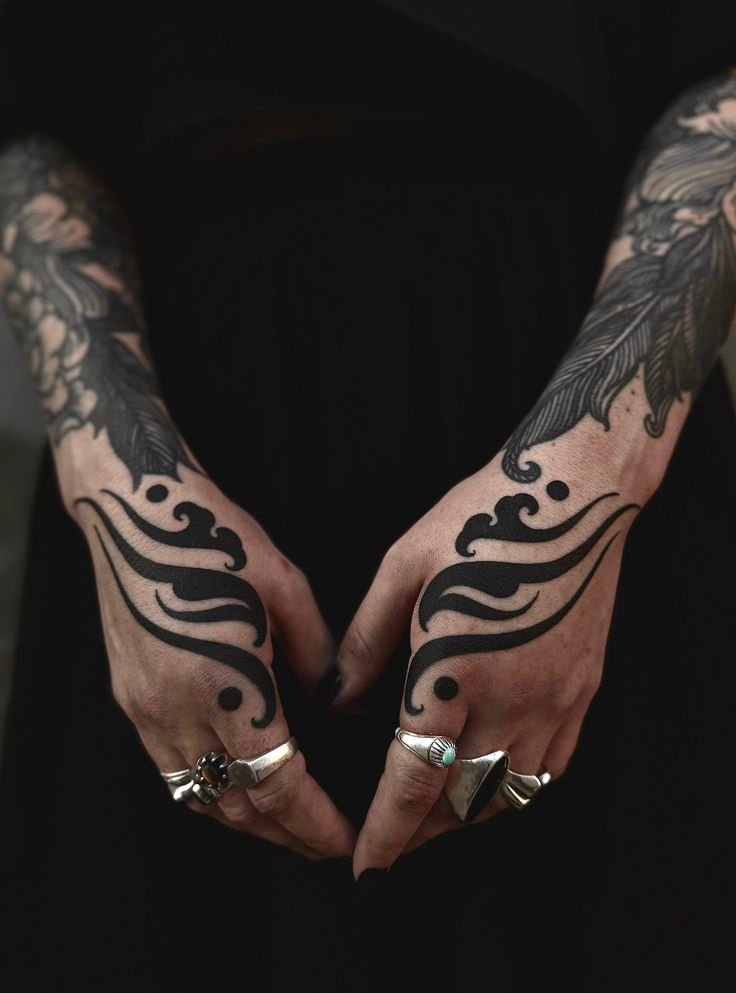
Mehndi deserves particular attention because it is itself a form of temporary body decoration. Henna paste applied to the hands and feet in intricate patterns — paisleys, lotus forms, mandalas, vine scrolls, fine geometric fills — produces a temporary stain that lasts one to three weeks. The mehndi visual vocabulary has been imported directly into ornamental tattooing: many ornamental tattoo designs, particularly those on the hands, forearms, and feet, draw their motifs, their density, and their body-following composition from mehndi practice.
The cultural context is relevant. Mehndi is a ceremonial practice in South Asian, Middle Eastern, and North African cultures, applied for weddings, festivals, and other celebrations. The designs carry cultural meaning within those traditions, and borrowing the visual vocabulary for permanent tattoos involves the same considerations that apply to any use of culturally specific imagery.
European ornament
Several European decorative traditions feed into ornamental tattooing.
Victorian lace and filigree. The intricate patterns of bobbin lace, needlepoint lace, and metalwork filigree — characterised by fine lines, repeating motifs, and a visual texture that balances density with transparency — have become one of the most recognisable ornamental tattoo vocabularies. Lace-pattern tattoos, particularly on the thigh, shoulder, chest, and upper arm, are a substantial subcategory of the style.
Baroque and Rococo scrollwork. The acanthus scroll, the cartouche, the volute, and the other curving ornamental forms of seventeenth and eighteenth-century European decoration appear in ornamental tattooing, particularly in pieces that frame or surround figurative elements (a portrait within a Baroque frame, for example).
Art nouveau. The organic, curving, nature-derived ornamental forms of the art nouveau movement (1890–1910) — associated with Alphonse Mucha, Hector Guimard, Louis Comfort Tiffany, and others — are a major influence on ornamental tattooing. The whiplash curve, the stylised flower and stem, the flowing female hair rendered as ornamental line — these are imported from art nouveau posters, architectural metalwork, and decorative panels into tattoo compositions.
Celtic interlace. The knotwork and interlace patterns from Insular manuscript art (the Book of Kells, the Lindisfarne Gospels) and from Celtic metalwork and stone carving — characterised by continuous, self-crossing lines that weave over and under without terminating — are a long-established ornamental tattoo vocabulary. The construction of Celtic knotwork follows specific rules (documented by George Bain and others), and the patterns produce a distinctive visual texture of interlocked ribbons.
Eastern European and folk ornament
Japanese ornamental patterning
Branches of ornamental tattooing
Dotwork ornamental
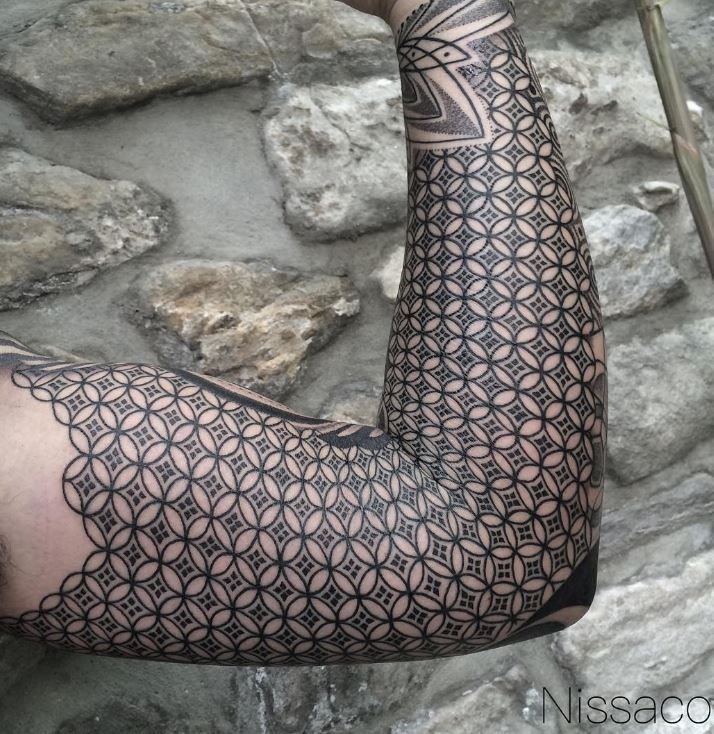
Ornamental compositions built from individually placed dots — mandalas, rosettes, paisleys, and other motifs rendered entirely in stipple. The dotwork technique gives the ornament a granular, textile-like texture that distinguishes it from line-based ornamental work. This branch is closely connected to geometric dotwork and to the sacred geometry tradition, and many dotwork ornamental artists work across both categories. Thomas Hooper, Chaim Machlev (DotsToLines), and Nissaco are among the artists who have been central to the development of dotwork ornamental tattooing.
Line-based ornamental
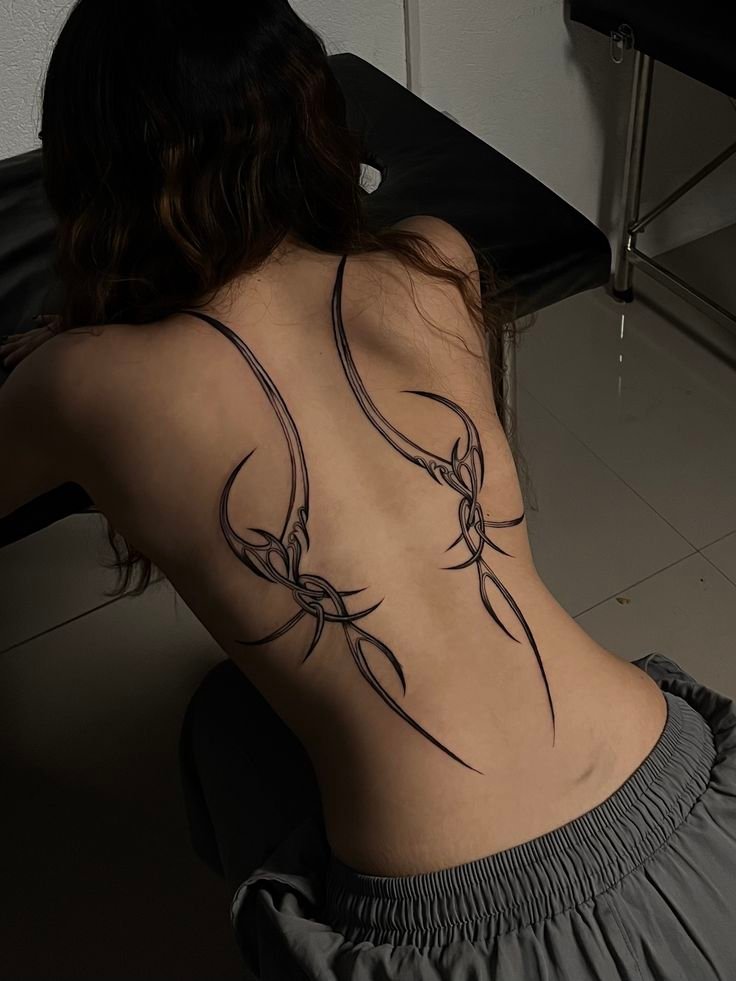
Ornamental compositions built from continuous lines — fine contour lines, scrollwork, filigree, interlace. The visual effect is more graphic and more architecturally precise than dotwork ornamental. This branch draws most directly on European ornamental traditions (lace, filigree, Celtic knotwork, art nouveau) and on Islamic arabesque.
Ornamental blackwork
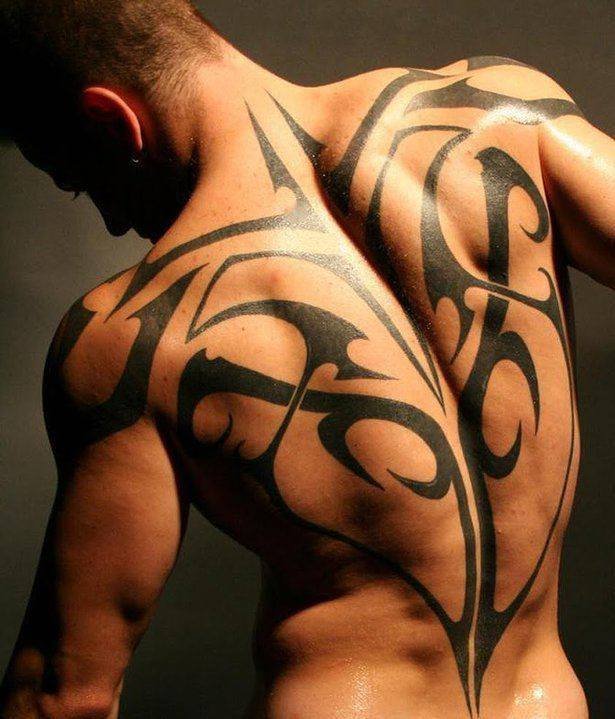
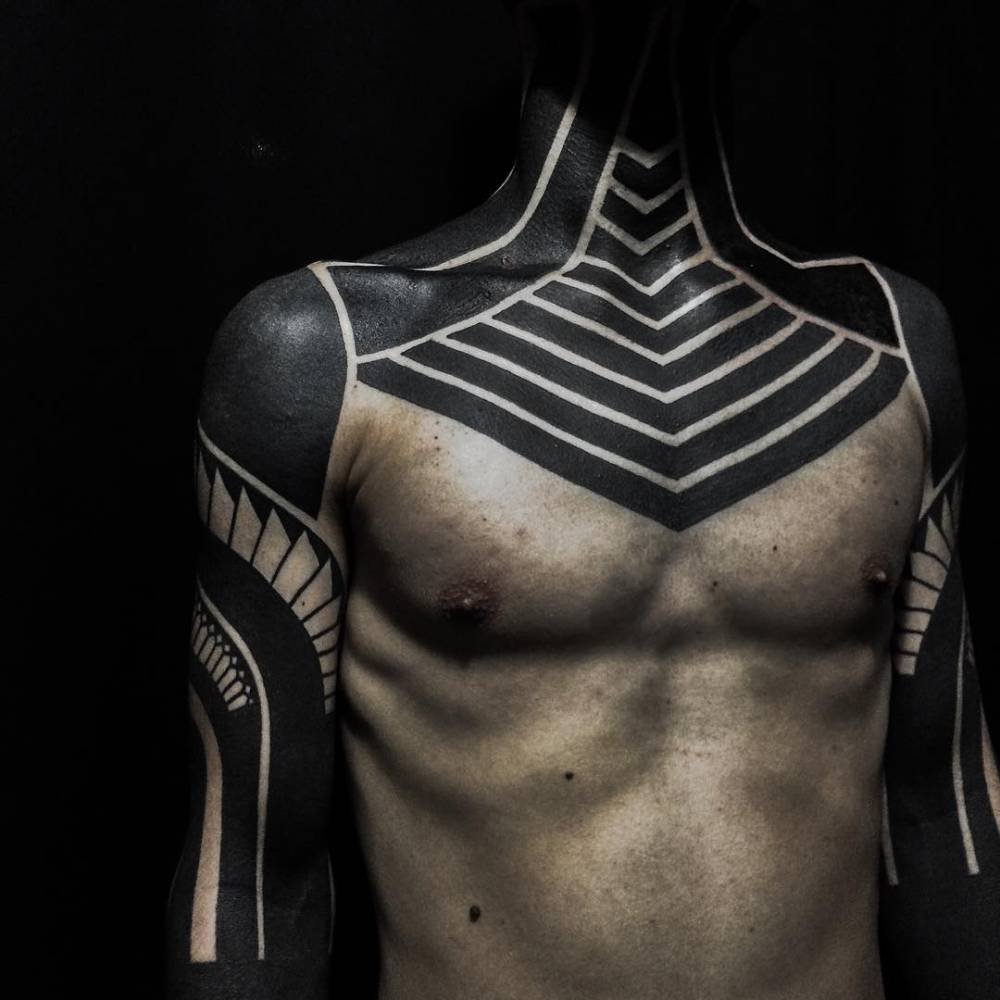
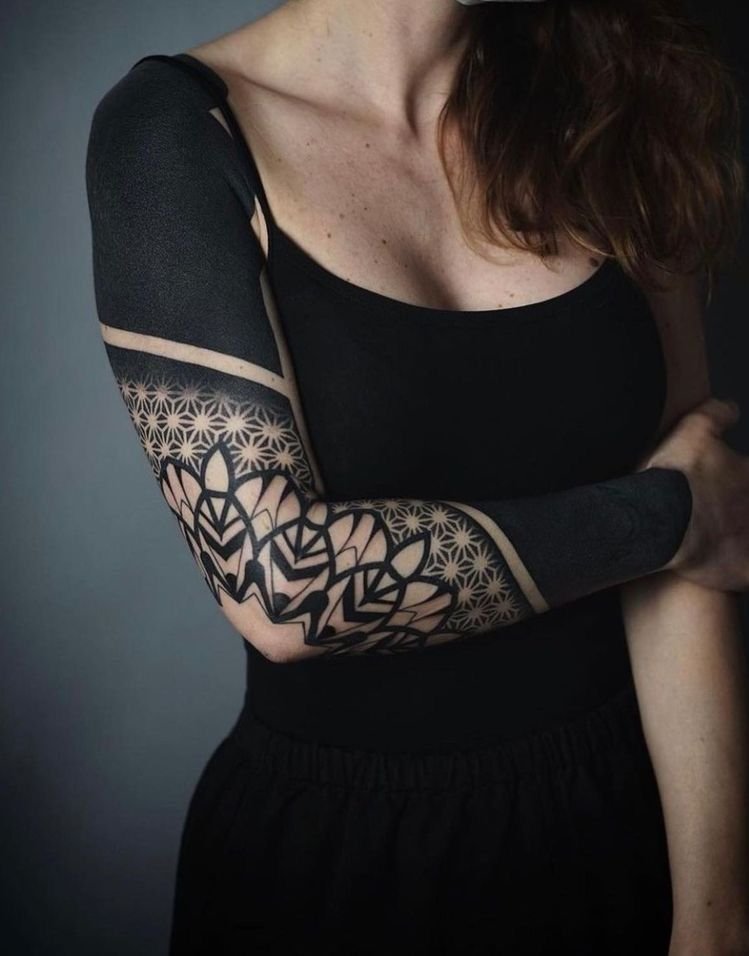
Ornamental compositions using solid black fills alongside fine-line and dotwork elements — dense, high-contrast work that combines the visual weight of blackwork with the patterned intricacy of ornament. This branch overlaps with the broader blackwork category and is discussed in the blackwork article on this site.
Ornamental-figurative hybrid
Compositions that surround, frame, or integrate figurative elements — portraits, animals, flowers, religious imagery — within an ornamental structure. A woman’s portrait framed by art nouveau scrollwork, a skull centred in a mandala, a sacred heart surrounded by Baroque cartouches. This is one of the most popular applications of ornamental work in contemporary tattooing and sits at the boundary between ornamental and neo-traditional.
Mehndi-inspired
Compositions that draw directly on the mehndi visual vocabulary — the paisleys, the vine scrolls, the mandala palm designs, the fine geometric fills of henna body decoration. This branch is particularly common on the hands and forearms and often functions as a permanent version of the temporary henna tradition.
Lace and textile-inspired
Compositions that mimic the visual qualities of lace, embroidery, or woven textile — the transparency and overlay of lace, the stitched quality of embroidery, the warp-and-weft structure of weaving. These compositions are most commonly placed on the thigh (lace garter), the shoulder and upper chest, or the back.
Technical demands of ornamental tattoos
Ornamental work makes specific demands on the artist’s skill, and the demands are consistent across branches.
Line consistency. In ornamental work, every line exists within a pattern — surrounded by other lines at consistent intervals, at consistent angles, with consistent weight. Any variation in a single line is amplified by the contrast with its neighbours. A wobble in a portrait can be absorbed by shading; a wobble in a repeating ornamental pattern disrupts the entire passage.
Spacing regularity. The visual rhythm of ornamental work depends on consistent spacing between elements. If the motifs are supposed to be evenly distributed, they must be evenly distributed — the eye detects irregularity in a repeating pattern more readily than in any other composition type. This applies to the spacing between major elements, between individual dots in dotwork, and between lines in hatched or interlaced passages.
Symmetry execution. Ornamental compositions are almost always symmetrical, and — as noted in the geometric article — the human eye detects asymmetry in decorative patterns immediately. Achieving symmetry on a curved, three-dimensional body surface is substantially harder than achieving it on paper. The stencil or the freehand drawing must account for the curvature, and the execution must follow the drawing precisely.
Body adaptation. Ornamental patterns designed for flat surfaces (architectural tile, textile, paper) must be adapted when transferred to the body. The adaptation involves decisions about how the pattern wraps, where it terminates, how it handles anatomical features (nipples, navels, scars, joint curvature), and how it relates to the body’s movement. An ornamental sleeve that looks perfect when the arm hangs straight but distorts when the arm bends has not been adequately adapted. The best ornamental tattoo artists design specifically for the body from the start, rather than adapting flat patterns after the fact.
Sustained concentration. Ornamental pieces are often large and densely detailed, requiring many hours of consistent, precise work. The technical demands do not decrease as the session progresses — the last dot must be as consistent as the first. Fatigue produces inconsistency, and that inconsistency is visible in ornamental work.
Aging
Ornamental tattoos in black ink age well, for the same reasons all black tattoo work ages well: carbon black is chemically stable, UV-resistant, and holds its tone over decades.
Solid elements — filled shapes, dense dotwork passages, heavy scrollwork — are the most durable components and will hold their form for the life of the tattoo.
Fine line elements — thin contour lines, delicate filigree, light lace patterns — will thicken slightly over time as pigment migrates. In ornamental work, this thickening can cause closely spaced lines to merge, which changes the visual texture of the passage. Artists who understand this build their ornamental compositions with slightly more space between fine elements than would be optimal on paper, knowing that time will close the gaps.
Dotwork passages will soften — individual dots spread very slightly, and the crisp pointillism of fresh dotwork becomes a softer, more blended texture over the years. Dense dotwork holds up better than sparse dotwork.
Colour ornamental work is subject to the same colour fading and shifting that affect all colour tattoo work. Fine ornamental detail in colour is particularly vulnerable because the detail depends on precise colour relationships that may drift over time.
The general principle: ornamental tattoos built with strong structural anchors (solid fills, heavy lines, dense dotwork) and adequate spacing between fine elements age gracefully. Ornamental tattoos built entirely from the finest possible marks — hairline filigree, sparse dotwork, delicate lace — age less well, and the finest details may merge or fade within a decade.
What works on the skin
Scale. Ornamental work rewards a generous scale. The detail density that defines the style needs room to breathe — each motif, each dot, each scroll needs enough space to be individually readable. A mandala with fifty concentric detail elements, at the size of a dinner plate, is a legitimate ornamental composition; the same design, at the size of a coaster, will lose its inner rings within years. Most ornamental artists have a minimum size below which they will not attempt the kind of detail density the style requires.
Placement. Ornamental work excels on large, gently curved surfaces: the upper arm, the thigh, the back, the chest, the ribs, the forearm. The sternum and the spine are particularly strong placements for symmetrical ornamental compositions. Flat or gently curved surfaces allow the pattern to sit without distortion; highly curved areas (the front of the elbow, the knee, the armpit) distort repeating patterns and are generally avoided for ornamental work unless the design is adapted for the curvature.
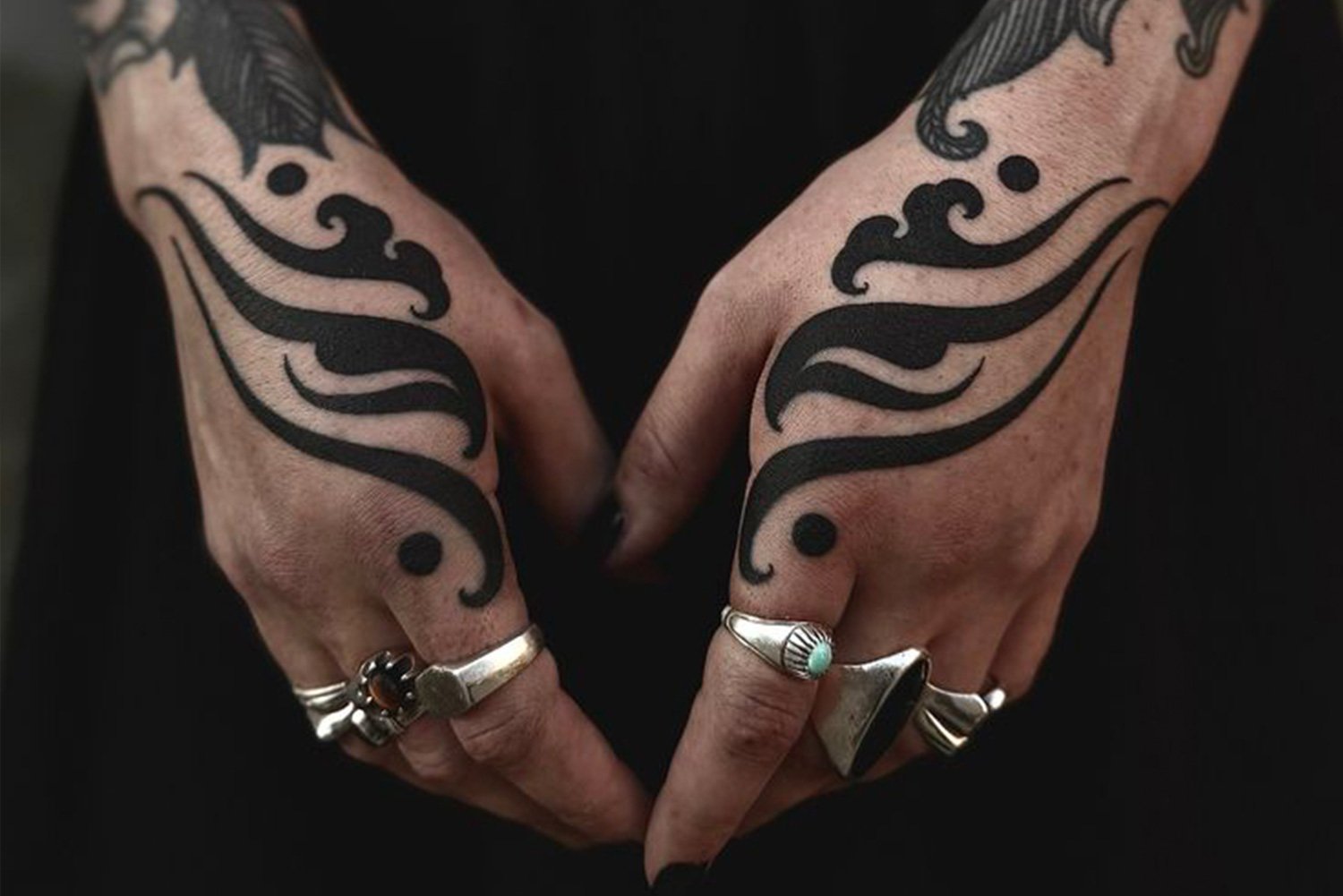
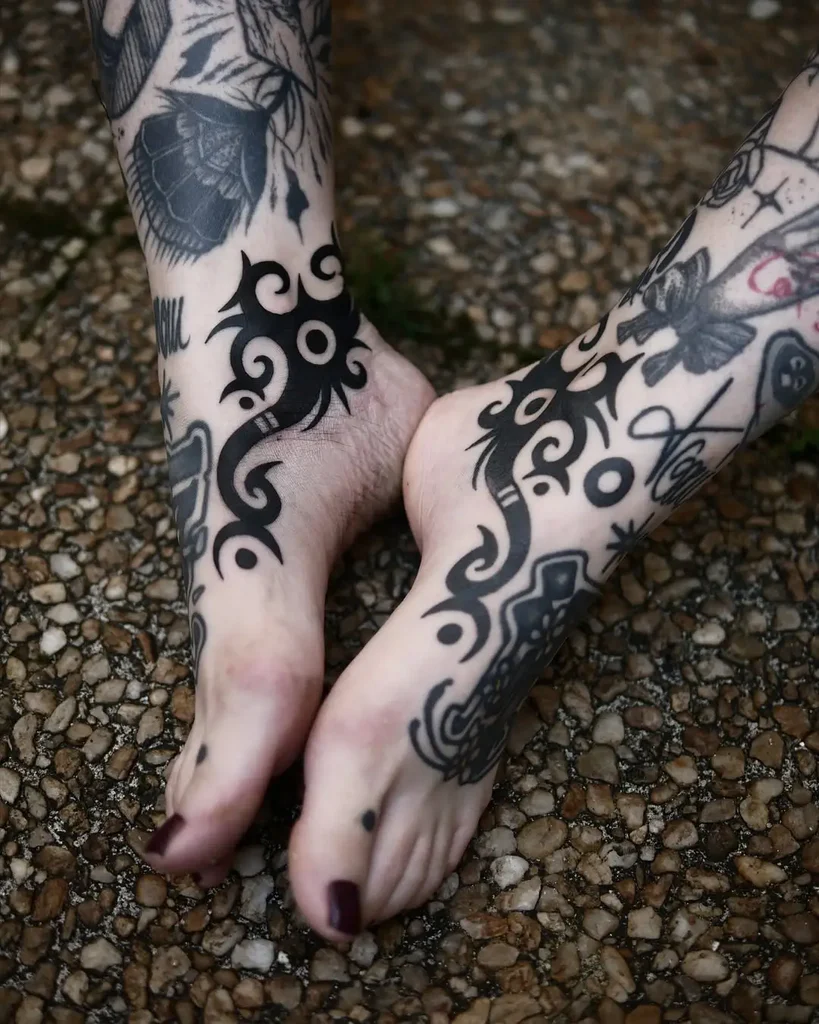
Hands and feet. Mehndi-inspired ornamental work on the hands and feet is a specific and popular application, but it ages faster than the same work on the upper arm or back — the skin is thin, the friction is high, and the sun exposure is constant. Clients choosing hand or foot ornamental work should understand the maintenance that may be required.
Choosing an ornamental tattoo artist
Identify the tradition. An artist who specialises in mehndi-inspired ornamental work will produce different work from one who specialises in Celtic interlace, and both will differ from an artist working in Islamic-derived arabesque. The source tradition determines the visual vocabulary, and matching the tradition to the client’s intention produces better results than asking a generalist to work in an unfamiliar ornamental idiom.
Check pattern consistency in healed work. The regularity of the spacing, the evenness of the dots (in dotwork), the straightness of the lines (in line work), and the accuracy of the symmetry — all in healed photographs at six months and beyond. Fresh ornamental work always looks precise; the healed result reveals whether the precision holds.
Look for body-fitting. The best ornamental work is designed for the specific body and the specific placement. A pattern that wraps the upper arm should be designed for that arm’s diameter and muscle shape, not scaled from a flat template. Evidence of custom body fitting in the portfolio is the strongest indicator of quality.
Discuss the source. If the ornamental design draws on a specific cultural tradition (Indian mehndi, Islamic arabesque, Celtic knotwork), the conversation about that source — what it is, where it comes from, whether the client has a personal connection to it — is part of the design process. An artist who approaches the source tradition with knowledge and care will produce more coherent work than one who treats it as an aesthetic menu.
Sources & further reading
- Oleg Grabar, The Mediation of Ornament. Princeton University Press, 1992.
- Ernst Gombrich, The Sense of Order: A Study in the Psychology of Decorative Art. Phaidon, 1979.
- Owen Jones, The Grammar of Ornament. Day and Son, 1856; multiple reprints, including Dorling Kindersley, 2001.
- Alois Riegl, Problems of Style: Foundations for a History of Ornament. Princeton University Press, 1992 (original German 1893).
- Eric Broug, Islamic Geometric Patterns. Thames & Hudson, 2008.
- Eric Broug, Islamic Geometric Design. Thames & Hudson, 2013.
- Jay Bonner, Islamic Geometric Patterns: Their Historical Development and Traditional Methods of Construction. Springer, 2017.
- Eva Wilson, Islamic Designs for Artists and Craftspeople. Dover, 1988.
- George Bain, Celtic Art: The Methods of Construction. Constable, 1951; reprinted Dover, 1973.
- Aidan Meehan, Celtic Design series (multiple volumes). Thames & Hudson, 1991–2003.
- Catherine Cartwright-Jones, Henna’s Secret History: The History, Mystery, and Folklore of Henna. TapDancing Lizard Publications, 2006.
- Loretta Leu, Mehndi: The Art of Henna Body Painting. Three Rivers Press, 1999.
- Anna Felicity Friedman, The World Atlas of Tattoo. Yale University Press, 2015.
- Matt Lodder, Painted People: Humanity in 21 Tattoos. Harper, 2024.
- Nick Schonberger and Rob Kingston, Forever: The New Tattoo. Gestalten, 2012.
- Margo DeMello, Bodies of Inscription: A Cultural History of the Modern Tattoo Community. Duke University Press, 2000.
- Lars Krutak, Spiritual Skin: Magical Tattoos and Scarification. Edition Reuss, 2012.