Related Posts


Blackwork
The oldest ink, the widest range
Black is the first tattoo pigment. Every tattooing tradition in human history — from Ötzi’s Alpine line tattoos five thousand years ago, through Polynesian tatau, Japanese irezumi, Berber facial marking, Inuit skin-stitching, and the improvised single-needle work of the California prison system — began with black. Carbon soot, lampblack, charcoal, India ink, and their regional equivalents were what was available, and black pigment on skin is the foundation on which every subsequent development in tattooing was built.
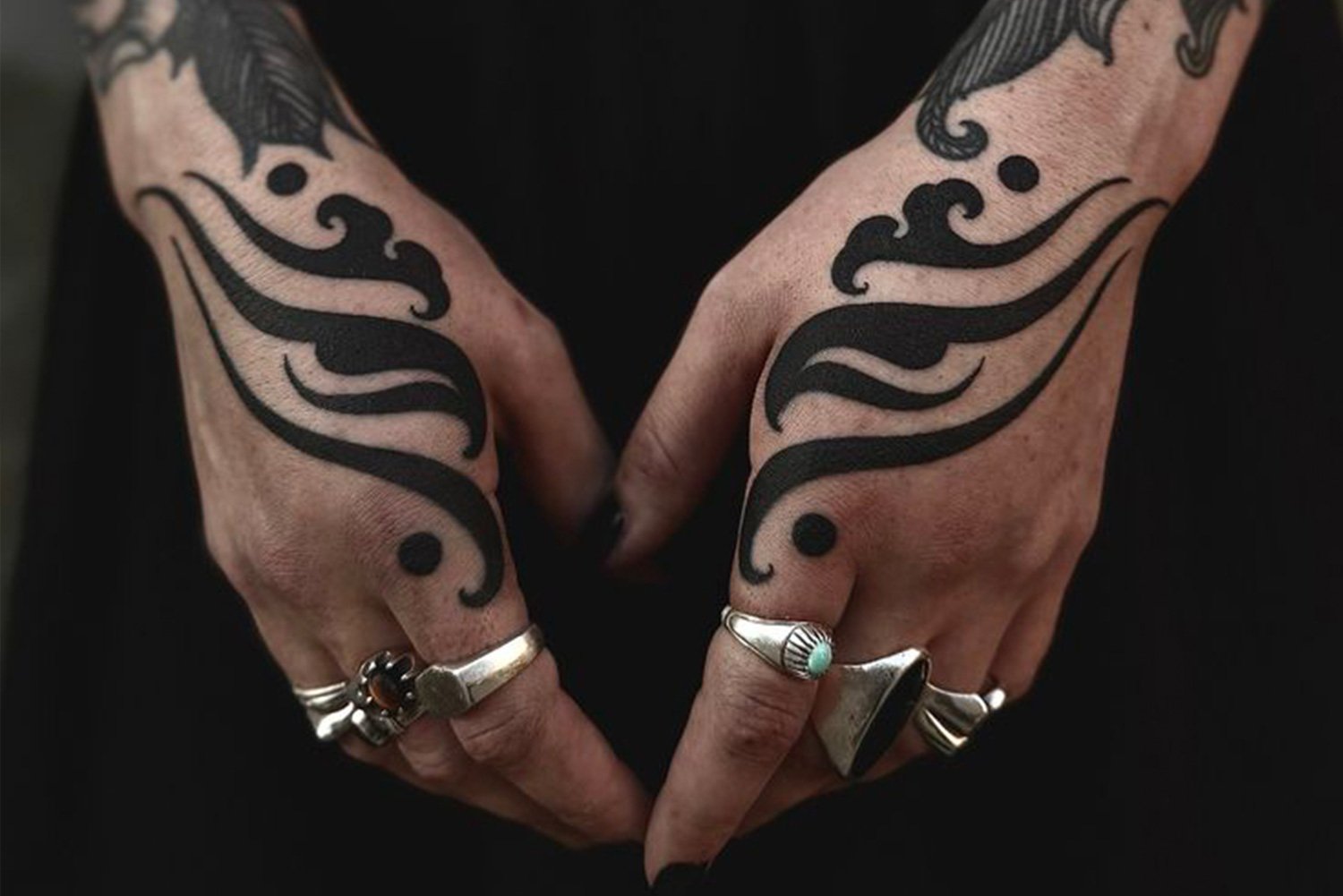
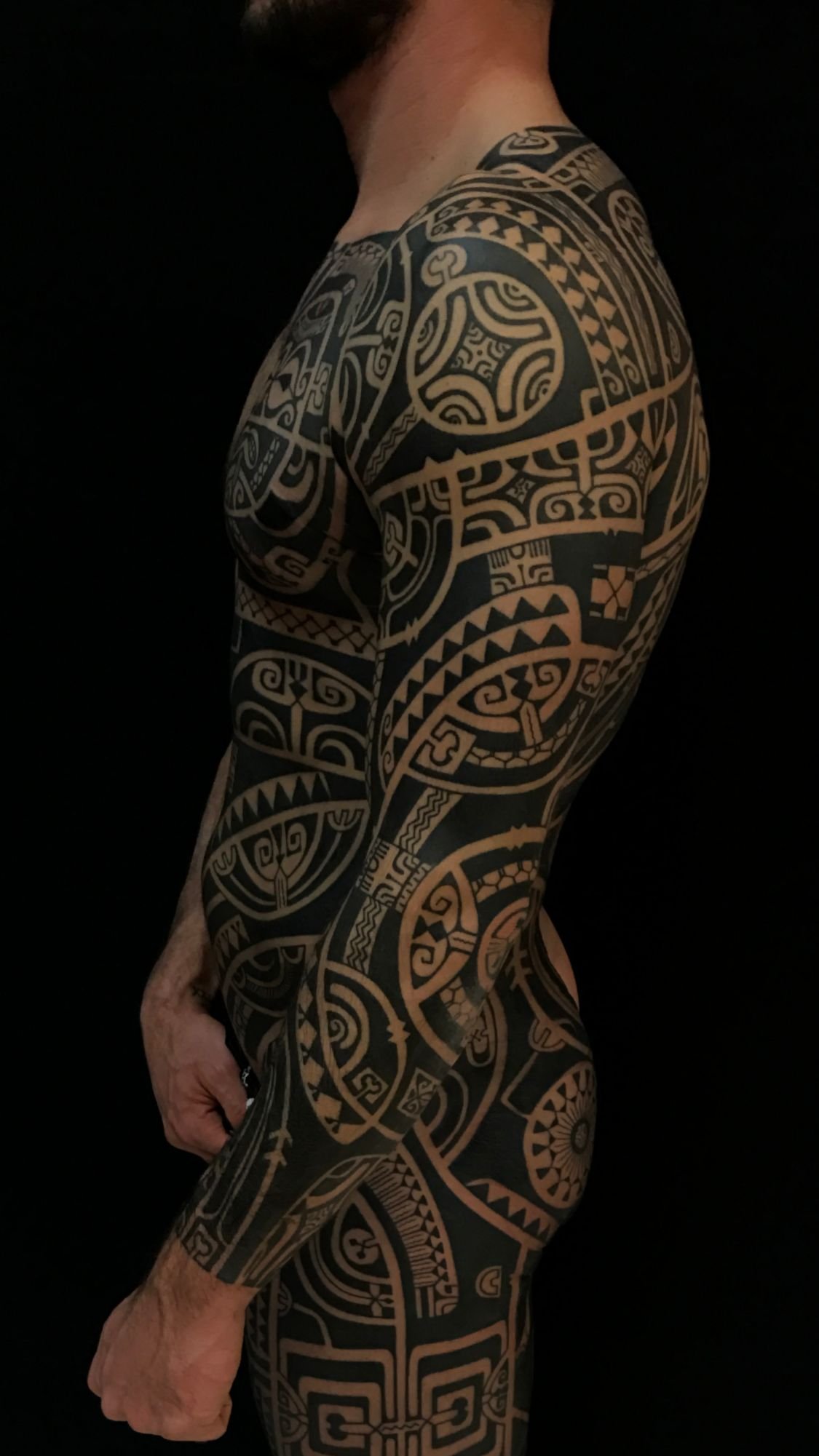
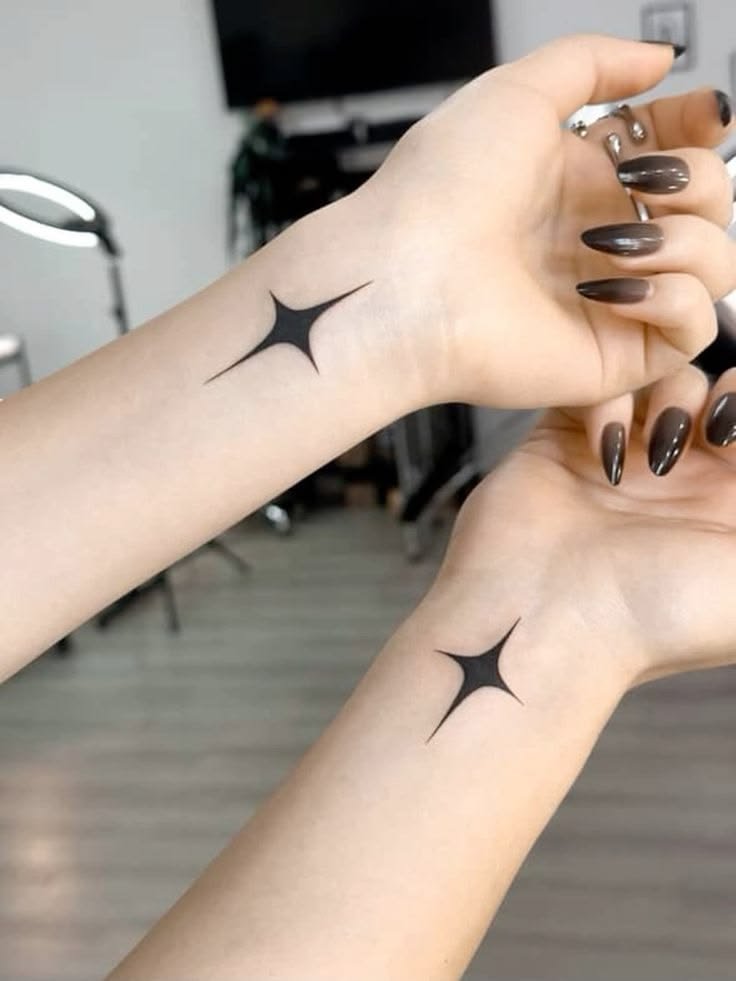
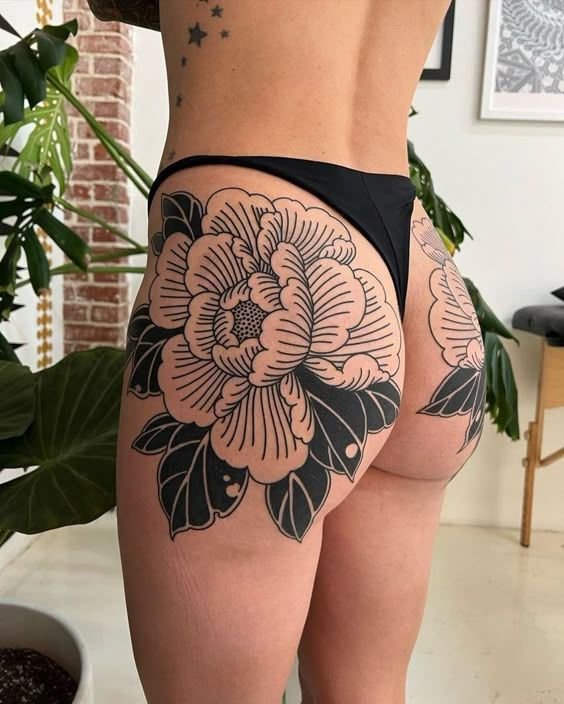
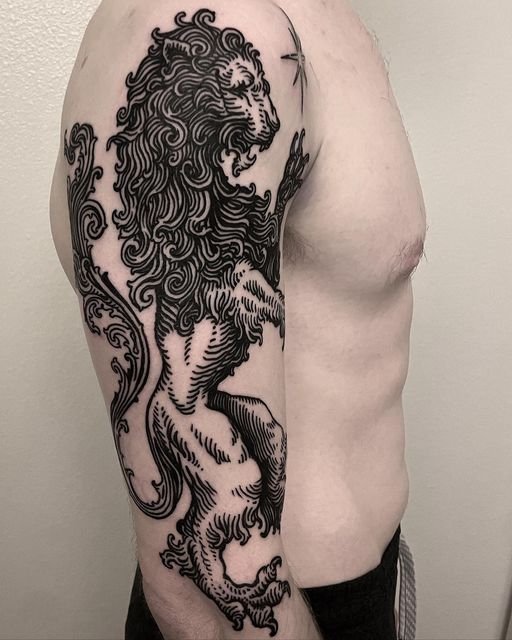
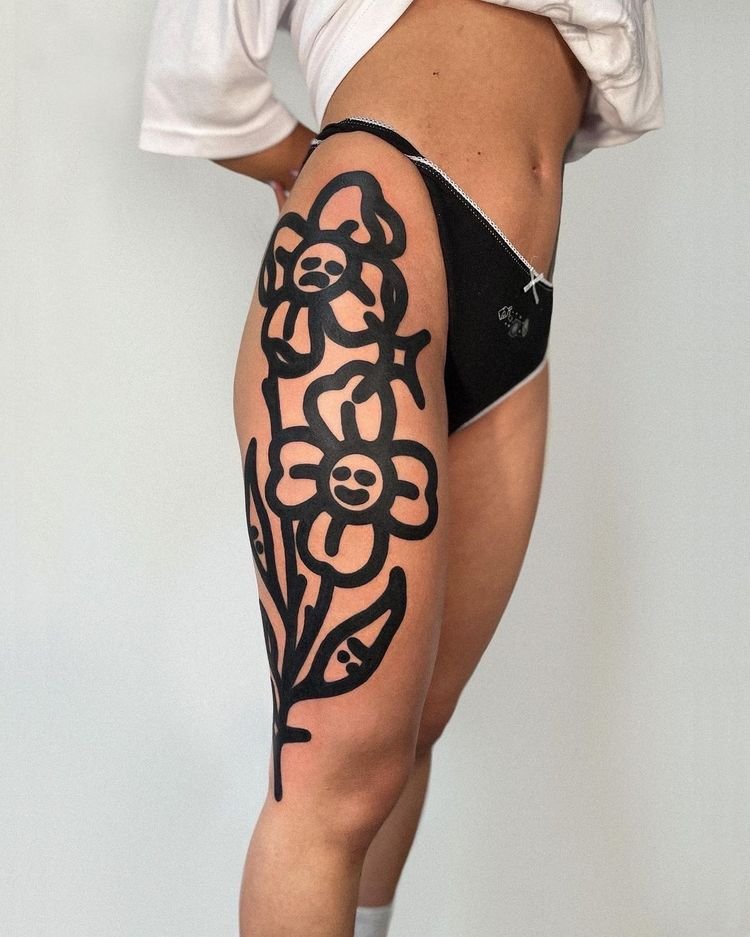
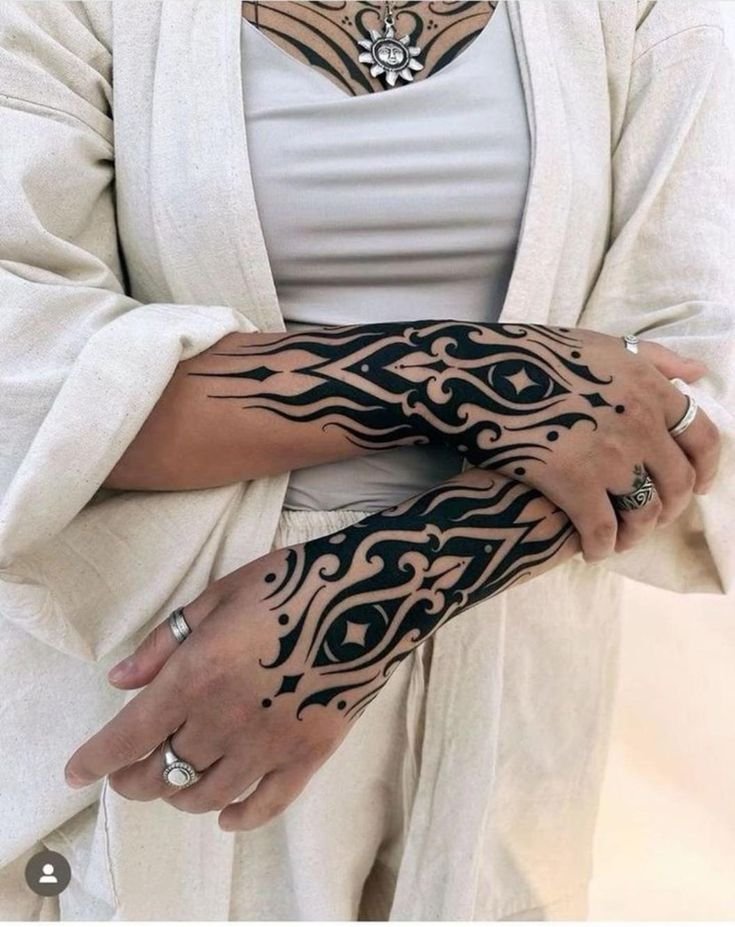
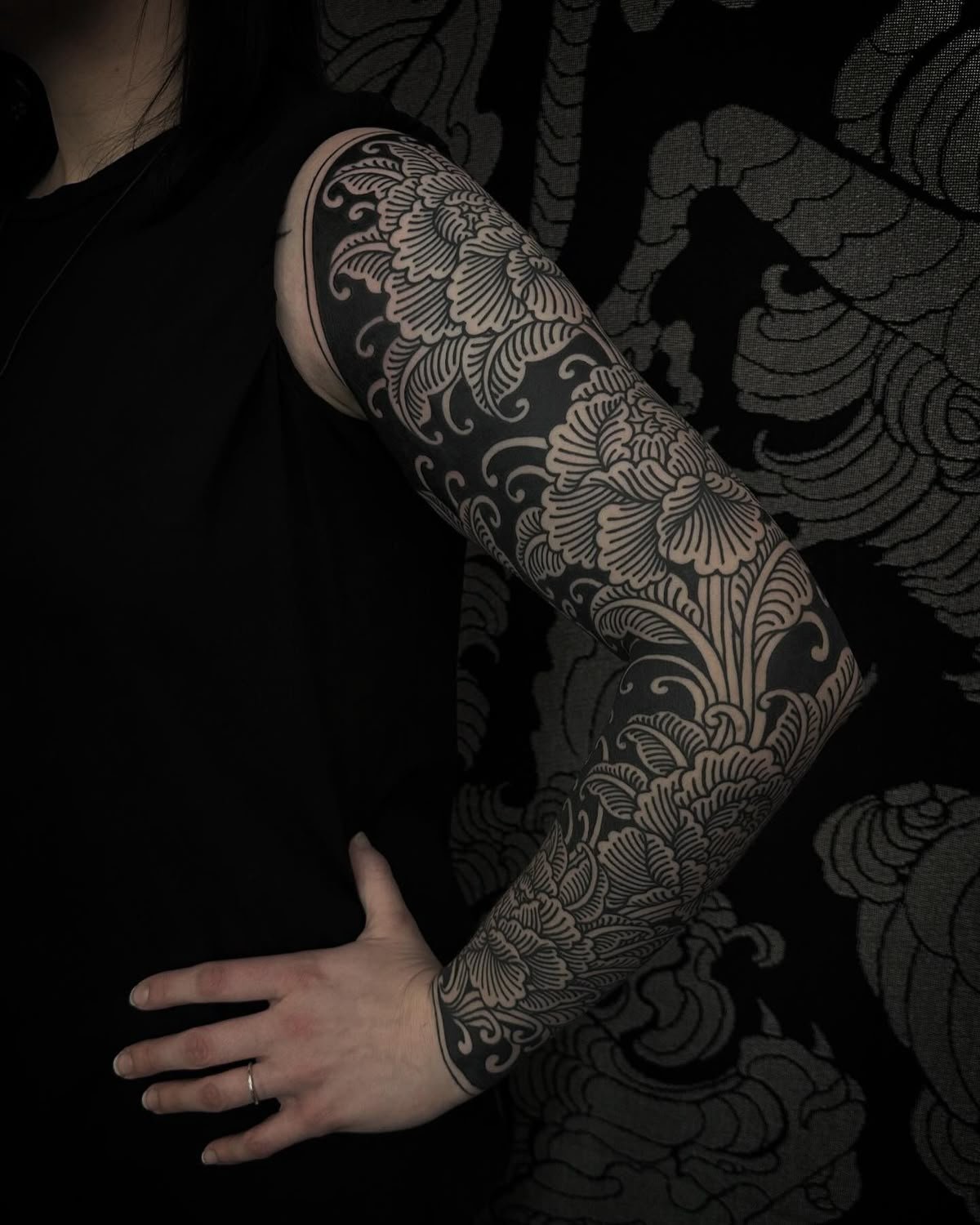
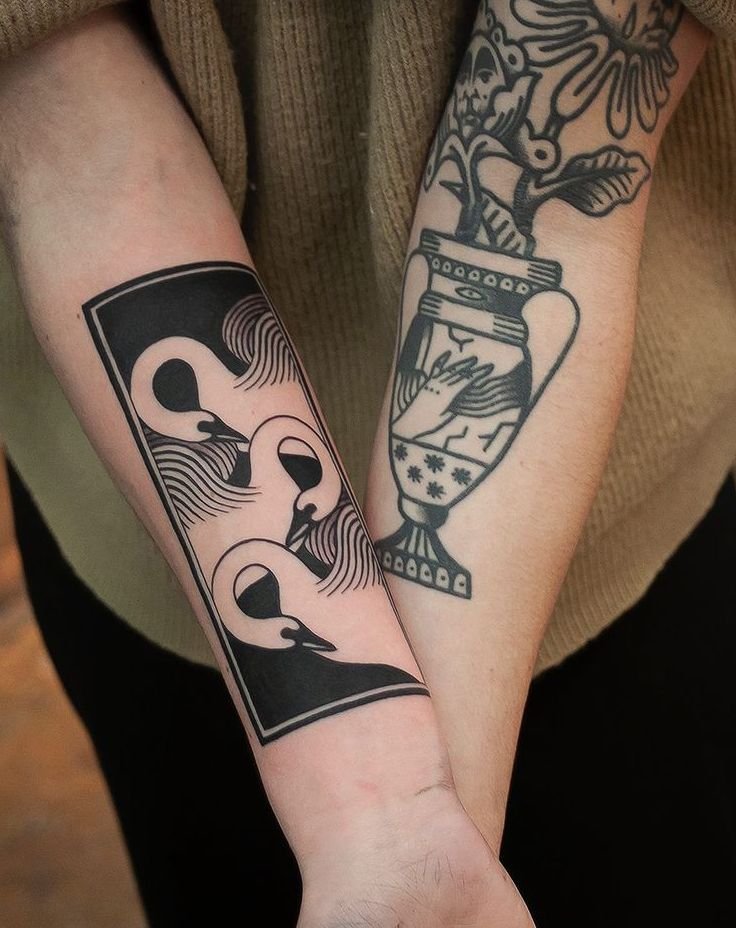
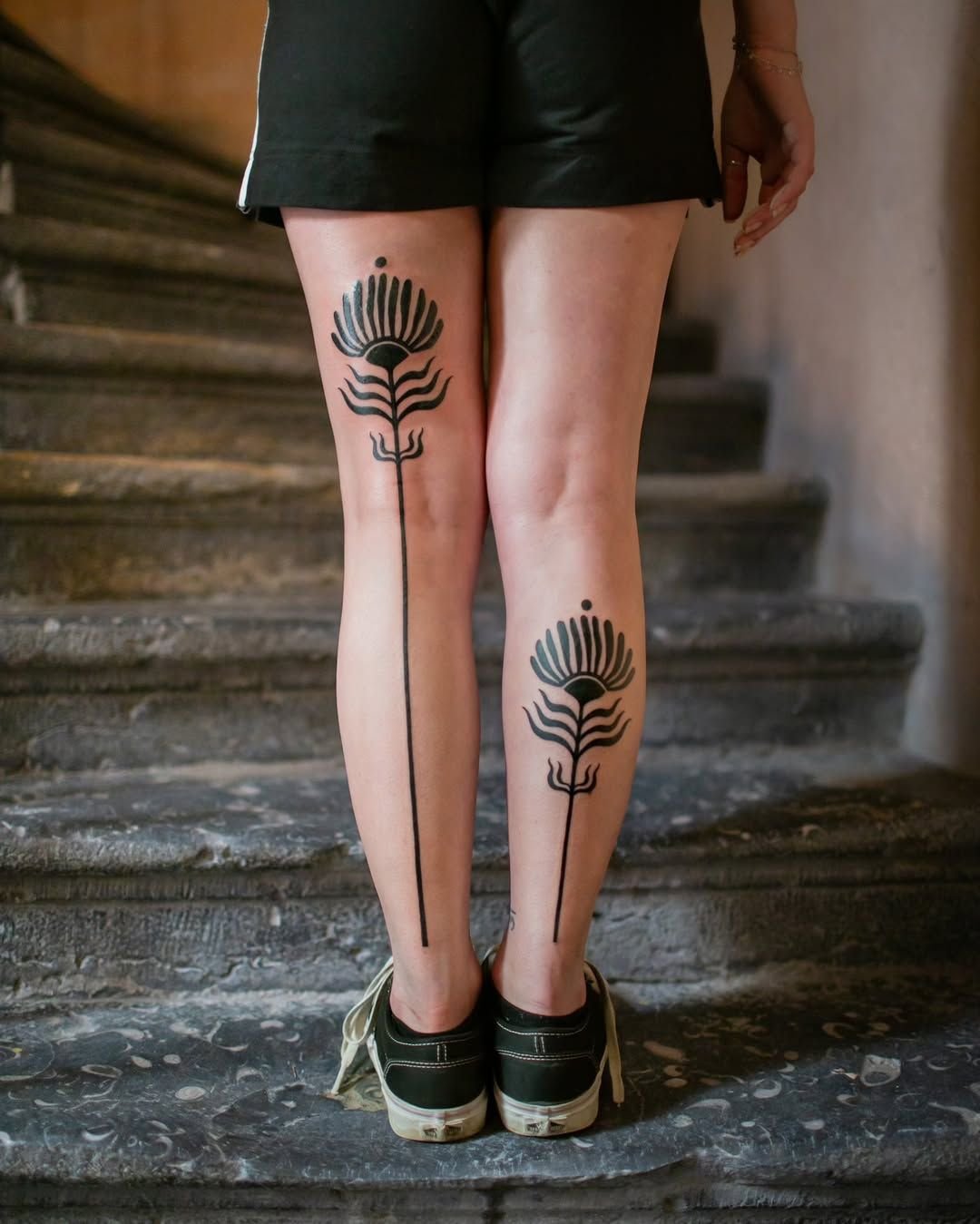
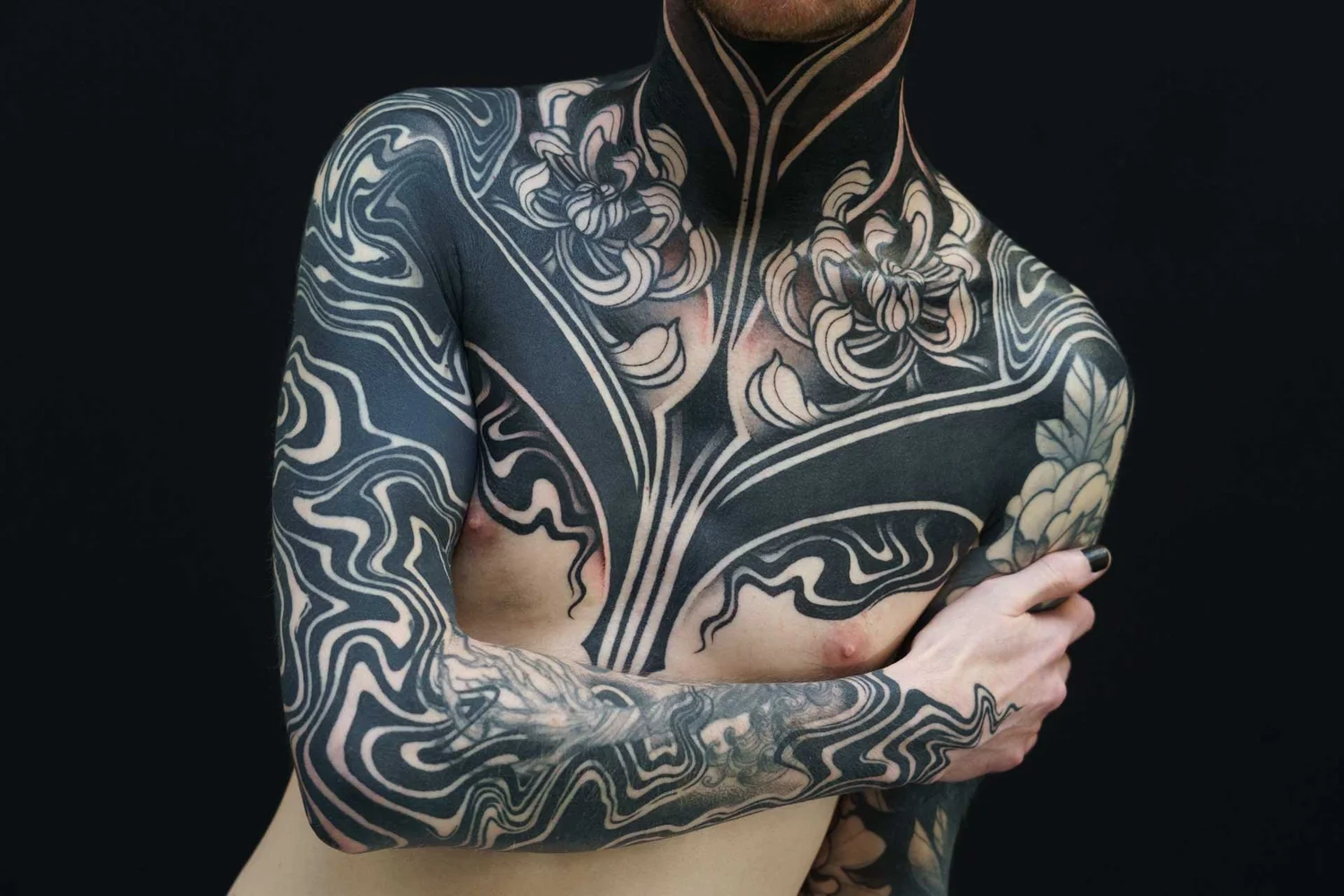
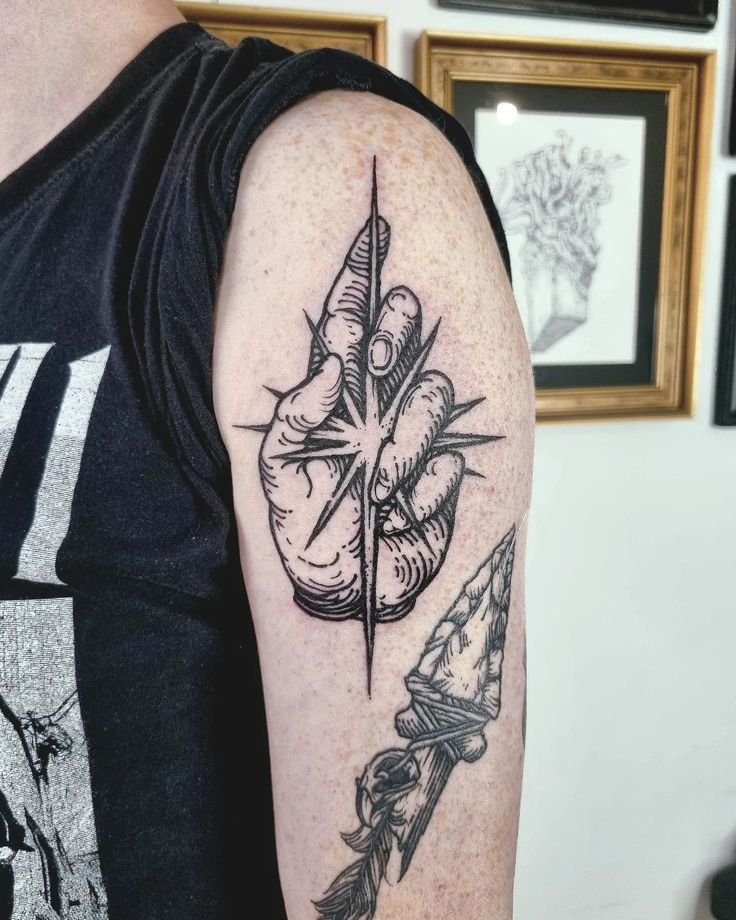
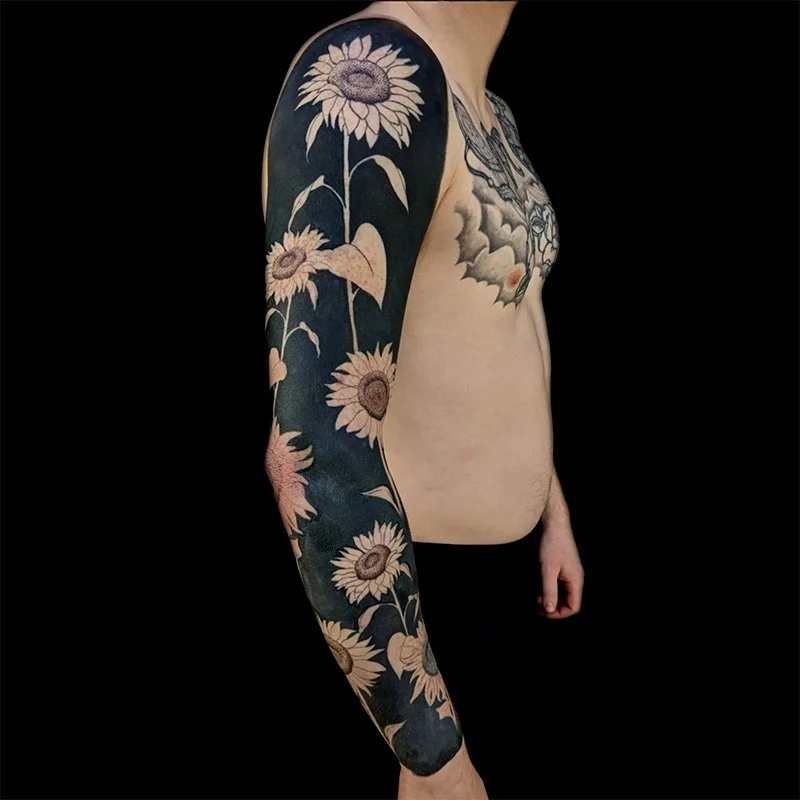
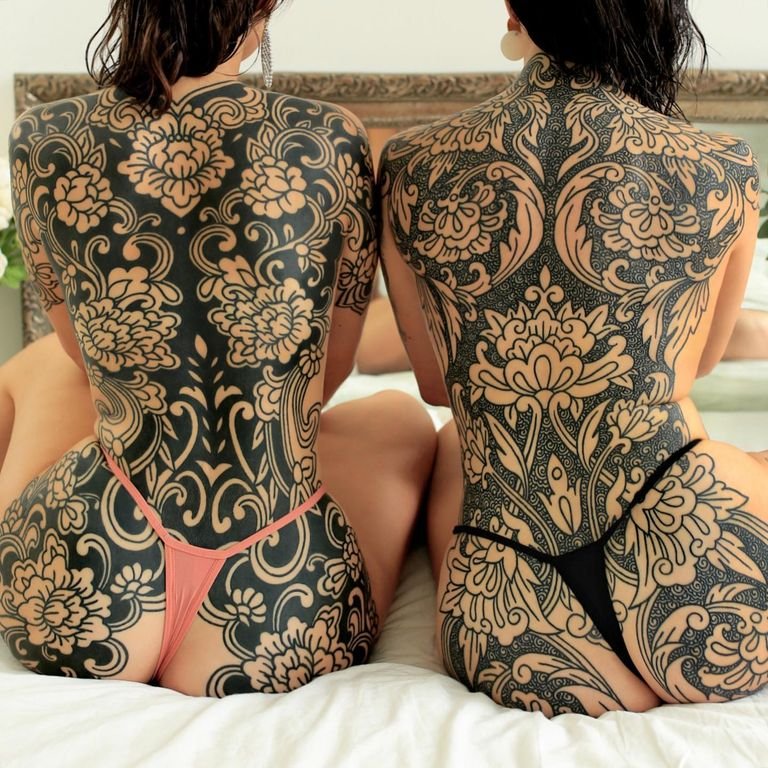
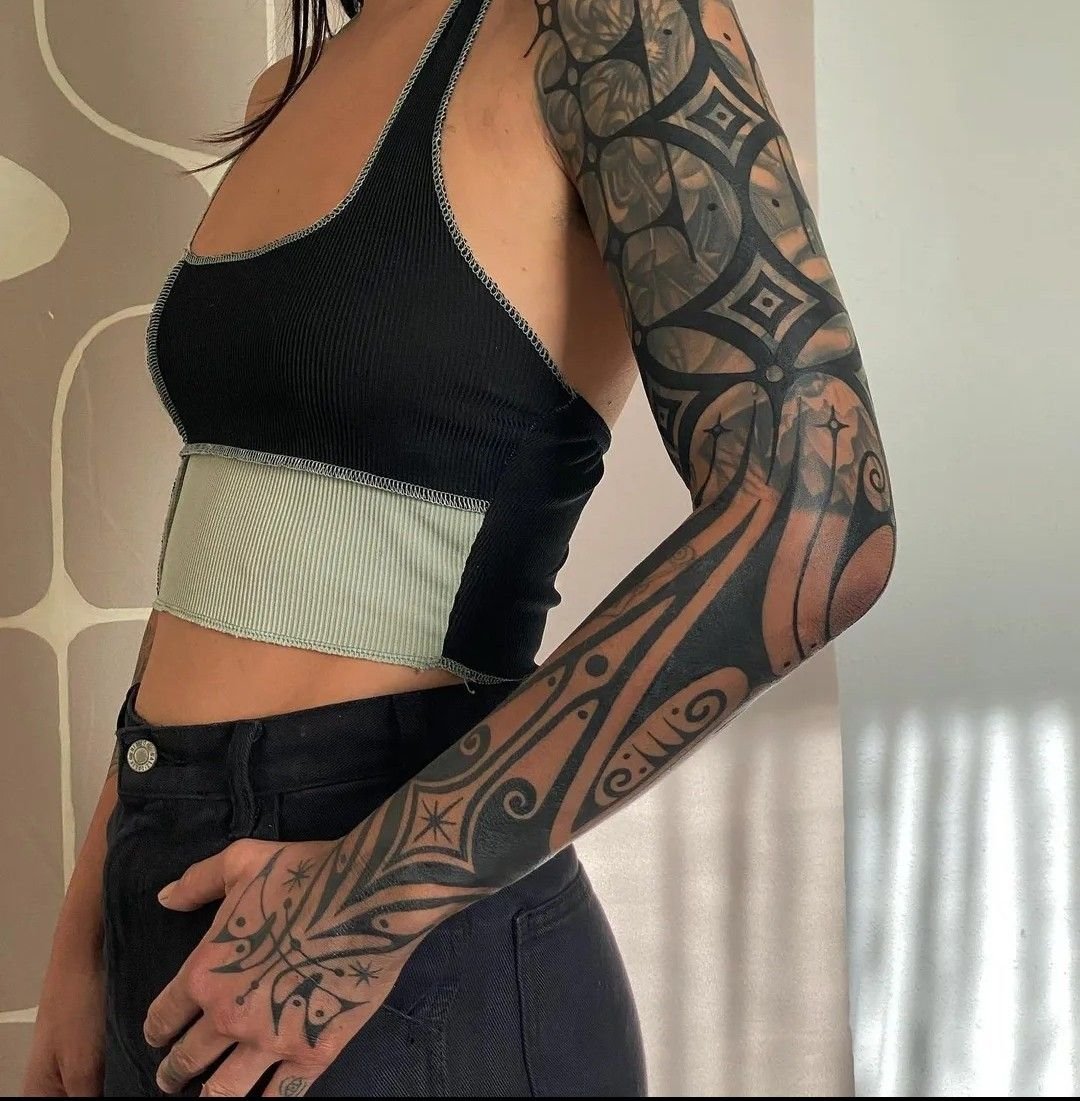
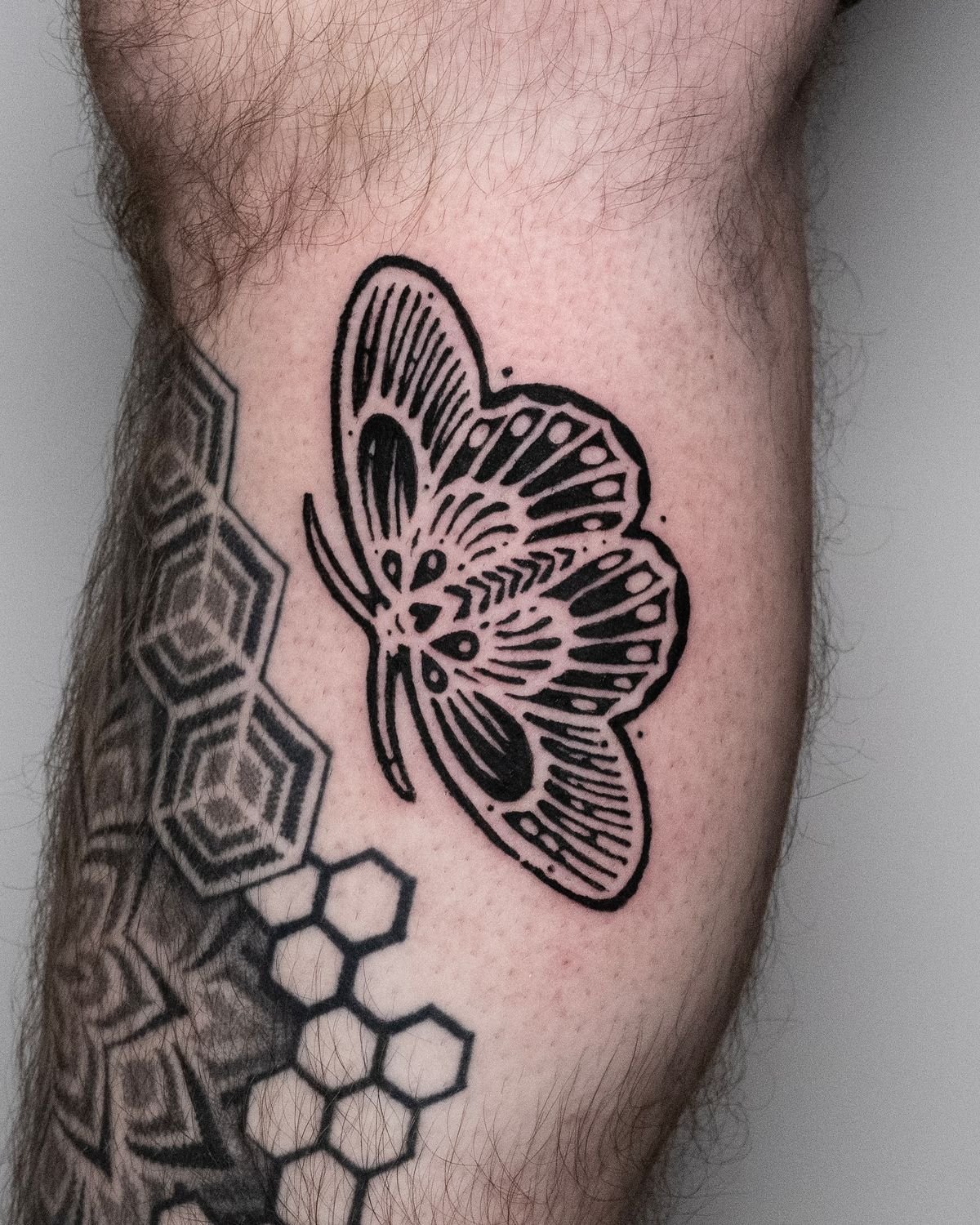
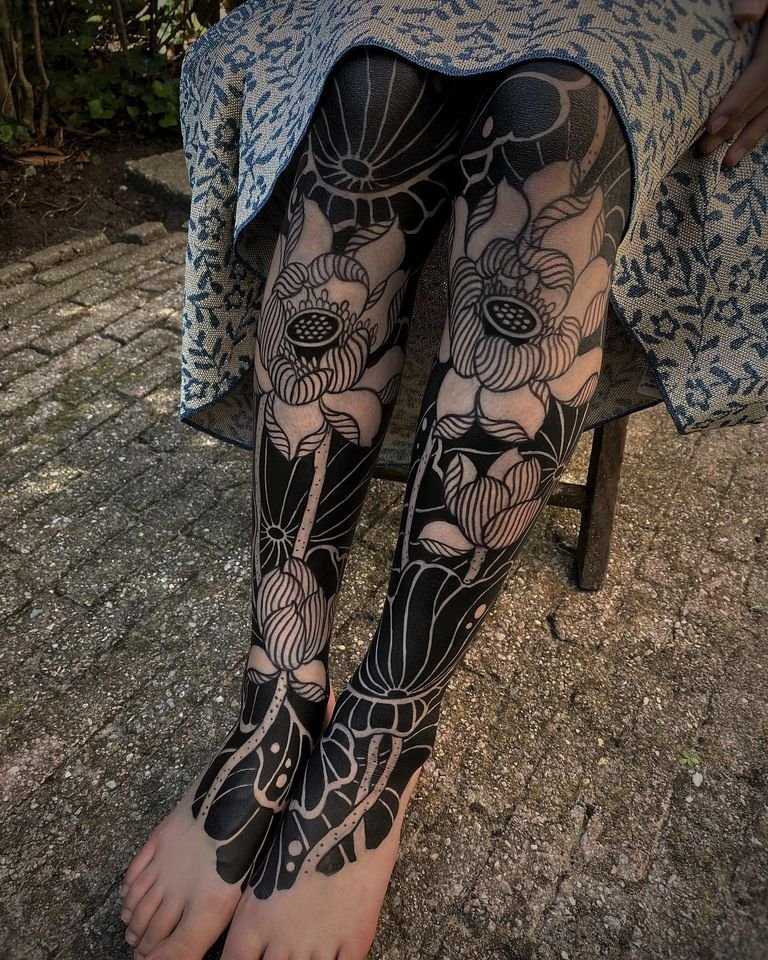
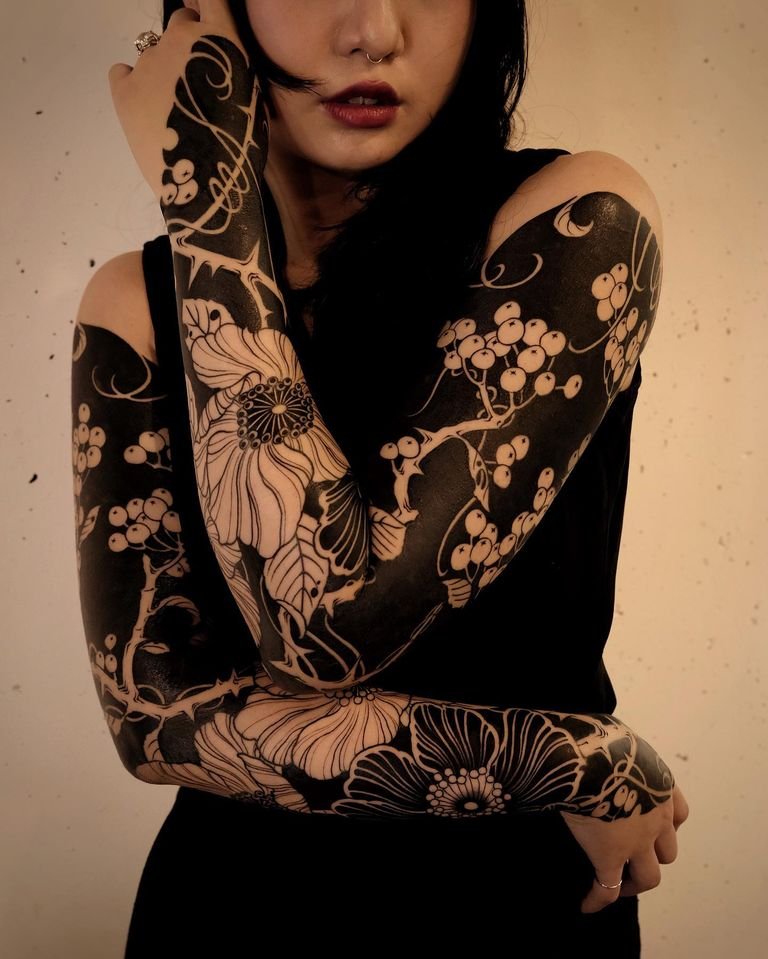
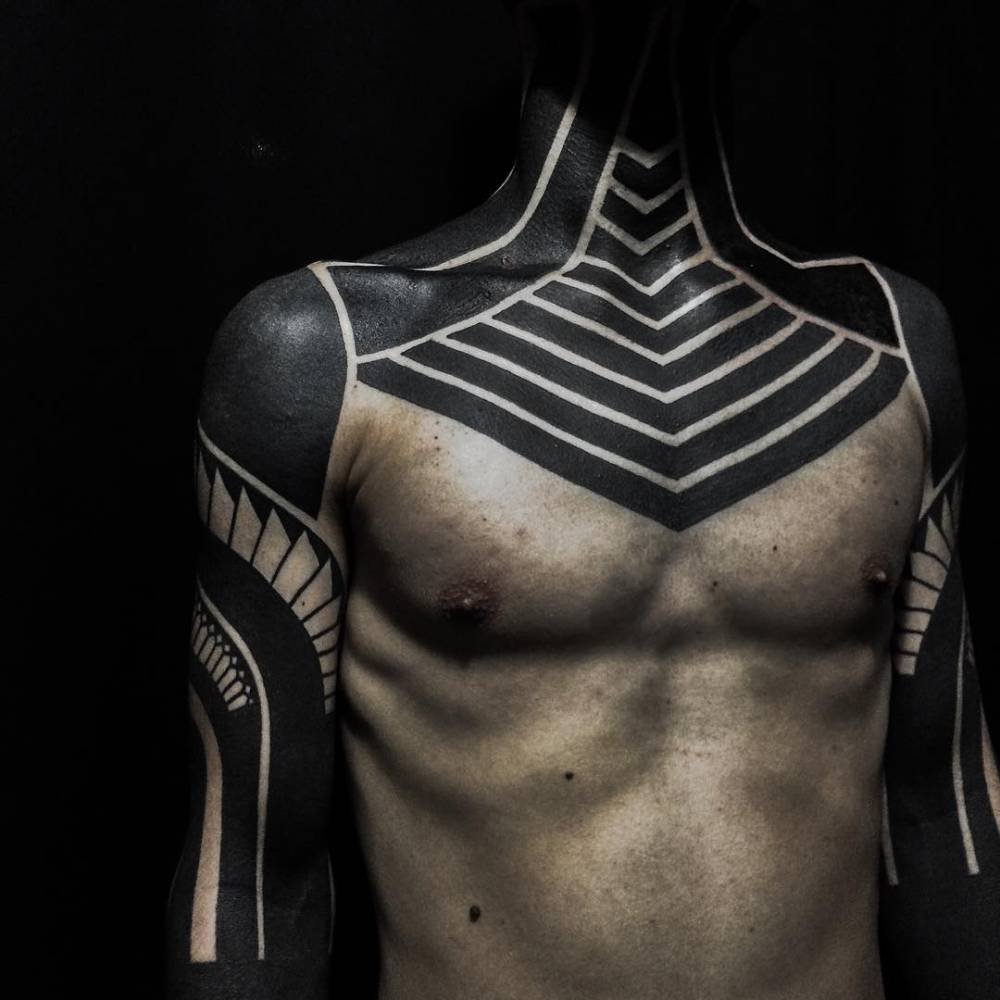
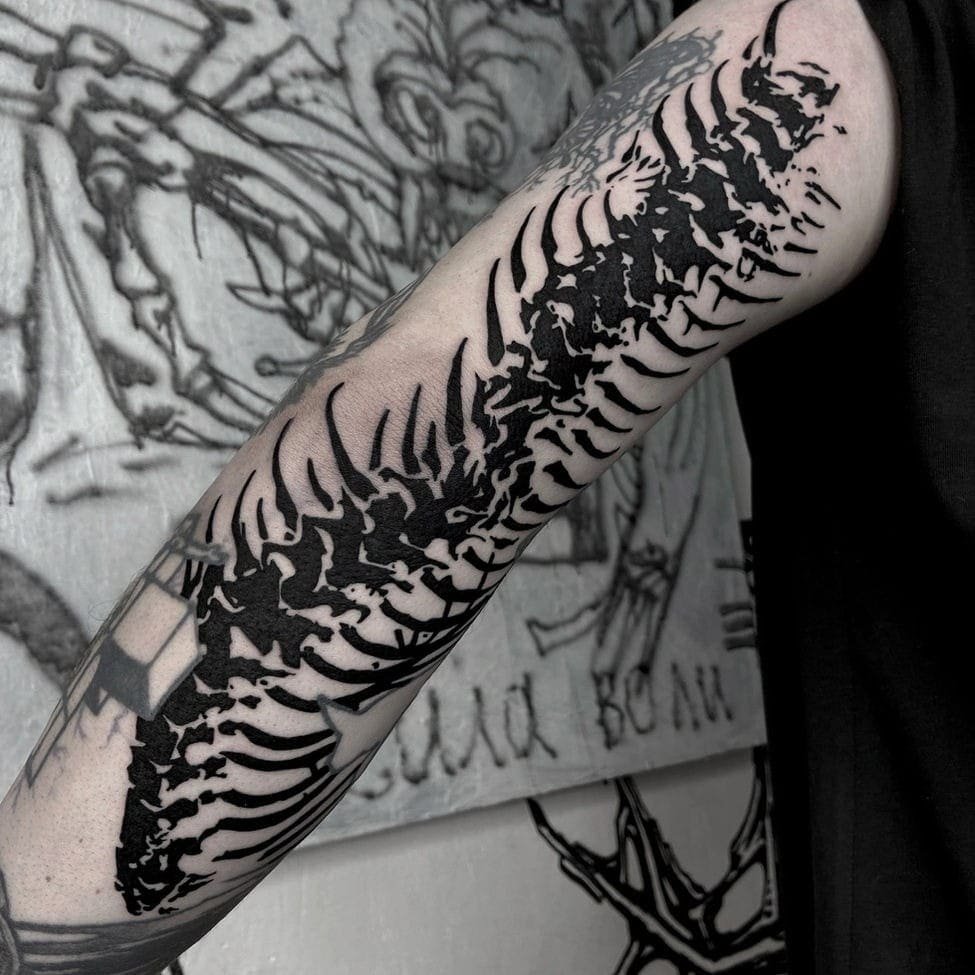
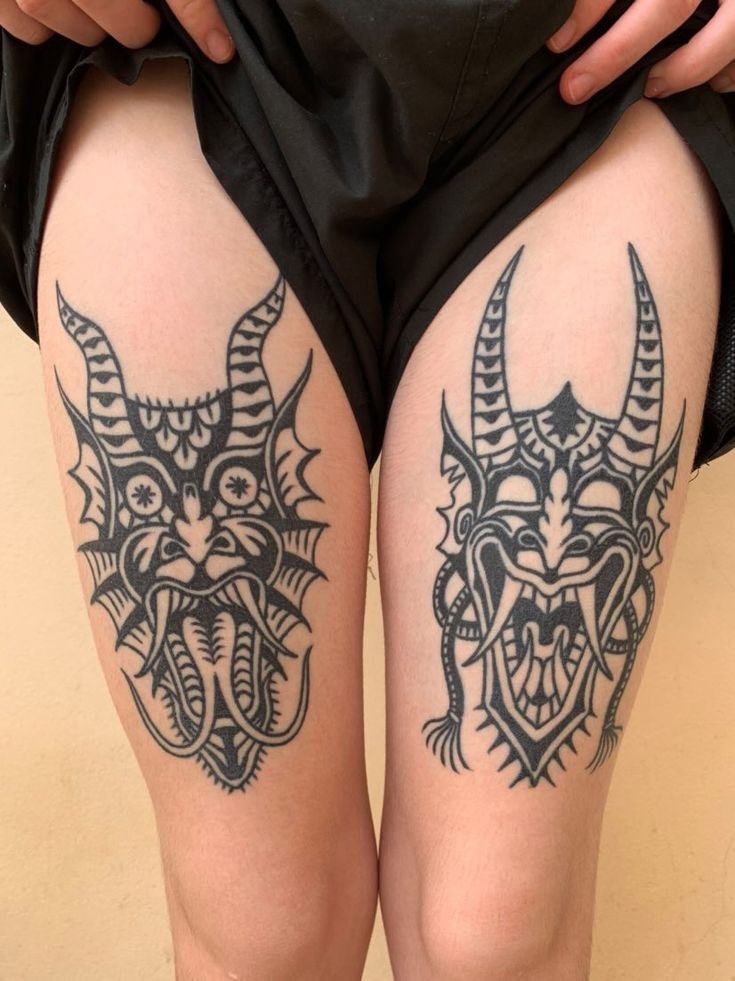
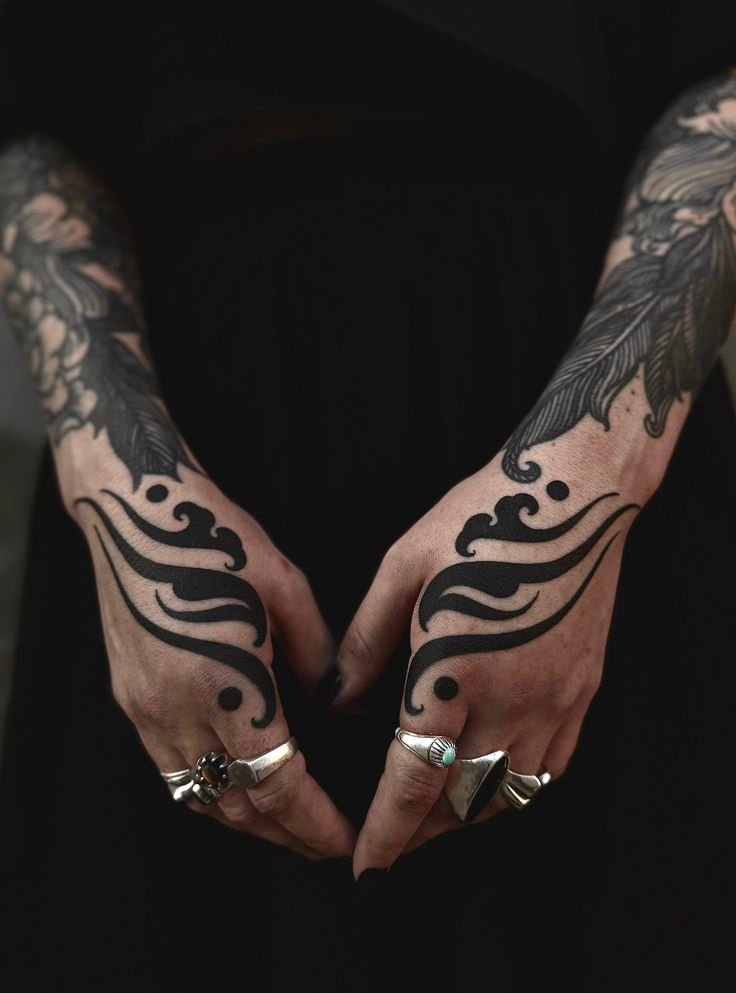
Blackwork, as a named contemporary tattoo style, refers to work done exclusively or predominantly in solid black ink — no colour, no greywash, no diluted tones. The term covers an enormous range of visual approaches, from geometric abstraction to dense figurative illustration, from Polynesian-derived pattern work to large-scale solid coverage, from ornamental mandalas to botanical renderings in the manner of woodcut prints. What holds the category together is the restriction to a single pigment used at full concentration, and the visual consequences of that restriction: high contrast, graphic clarity, and a relationship to light and skin tone that no other palette can produce.
The range is the challenge of writing about blackwork. The term encompasses practices with deep cultural roots (Polynesian tatau, Borneo hand-tapping) and practices with none (geometric abstraction developed in twenty-first-century European studios). It includes work that takes hours of meditative dotwork and work that involves flooding large areas of skin with solid black in a single session. Treating all of this as one style requires some care about what connects the branches and what separates them.
The ancestral traditions
Several Indigenous tattooing traditions work exclusively in black and have done so for centuries or millennia. These are not “blackwork” in the contemporary Western sense — they are complete, culturally embedded practices that predate and are independent of the Western tattoo industry — but they are the historical precedent for the idea that black ink alone can carry a full visual and symbolic vocabulary.
Polynesian tatau
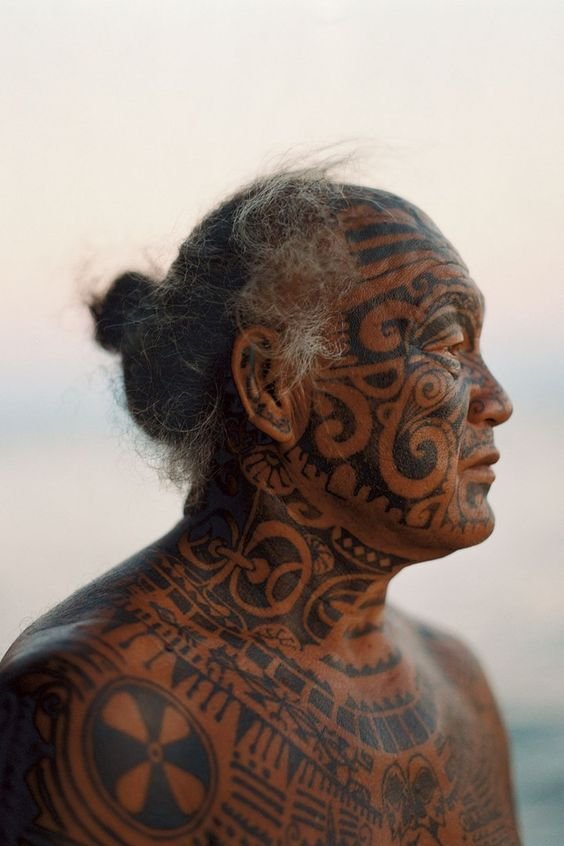
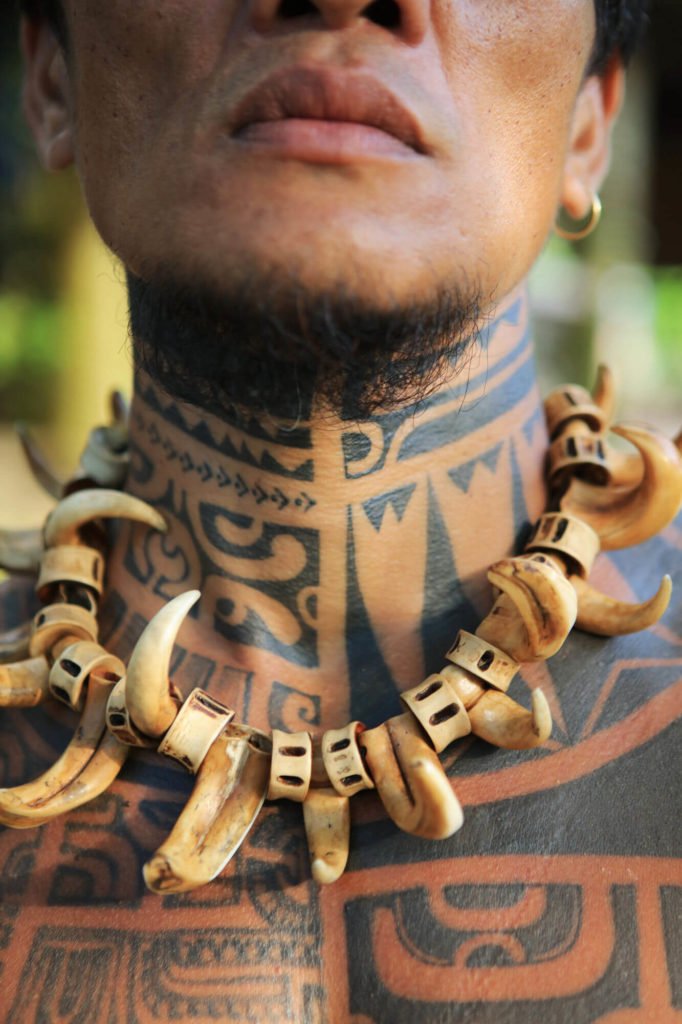
The tattooing traditions of Samoa, Tonga, Fiji, Hawai’i, Aotearoa (New Zealand), the Marquesas, and other Pacific Island nations are among the most sophisticated blackwork traditions in the world. Samoan pe’a (the full male body tattoo) and malu (the female leg tattoo) use dense geometric patterns — lines, arcs, solid fields, and repeated motifs — to cover large areas of the body in compositions that carry specific cultural meaning tied to genealogy, rank, and social role. The Māori tā moko tradition uses curvilinear designs carved into the skin with chisels (uhi) rather than punctured with needles, producing a textured surface distinct from needle-based tattooing. Marquesan tattooing uses dense geometric patterning that can cover the entire body.
These traditions use black pigment exclusively — traditionally made from candlenut soot (lama) mixed with water — and the visual vocabulary is built entirely from pattern, density, and the contrast between black ink and bare skin. The design systems are complex, rule-governed, and culturally specific: the patterns are not decorative choices but carry information about the wearer’s identity, family, achievements, and social position.
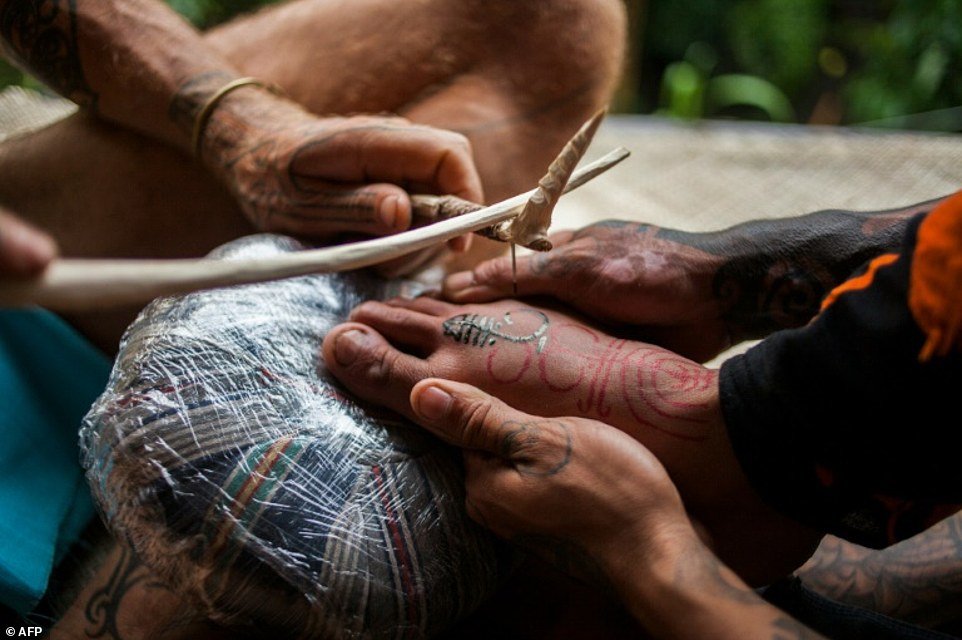
Bornean hand-tapping
Inuit skin-stitching
These traditions are not subcategories of Western blackwork. They are independent art forms with their own histories, rules, and cultural protocols. Including them here is a matter of acknowledging the historical depth of black-ink-only tattooing, and of being clear that the contemporary Western style called “blackwork” exists within a much longer global history of working in black. Artists and clients drawing on these traditions should understand the cultural context and approach the imagery with the respect that any borrowed cultural material demands.
The Western blackwork development
Contemporary Western blackwork emerged gradually through the 1990s and 2000s, consolidating as a recognised style category by roughly 2010. Several influences converged.
The tribal movement
Dotwork & sacred geometry
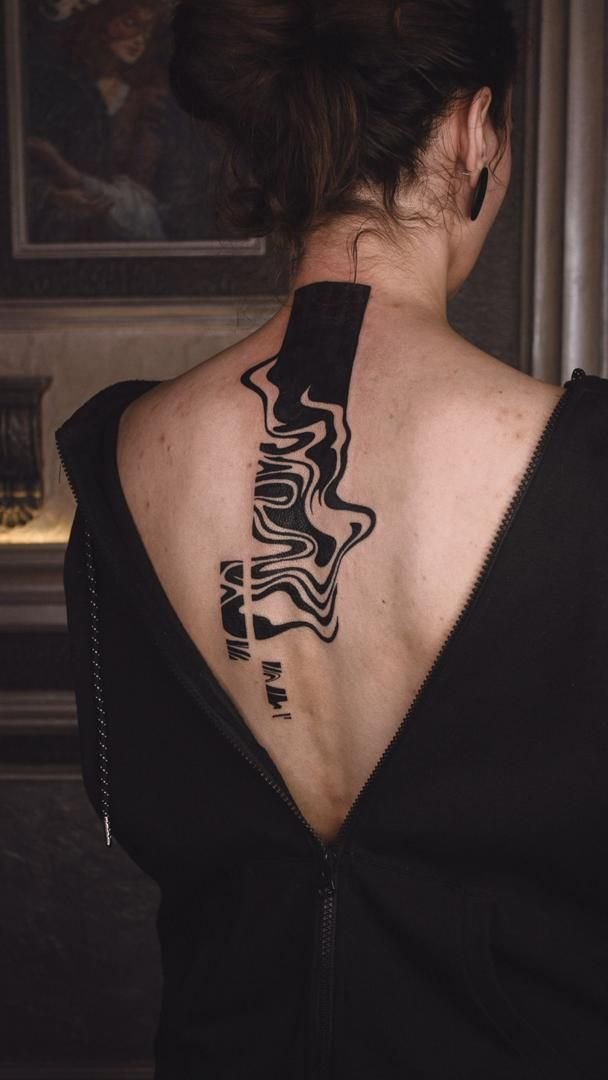
Ornamental blackwork
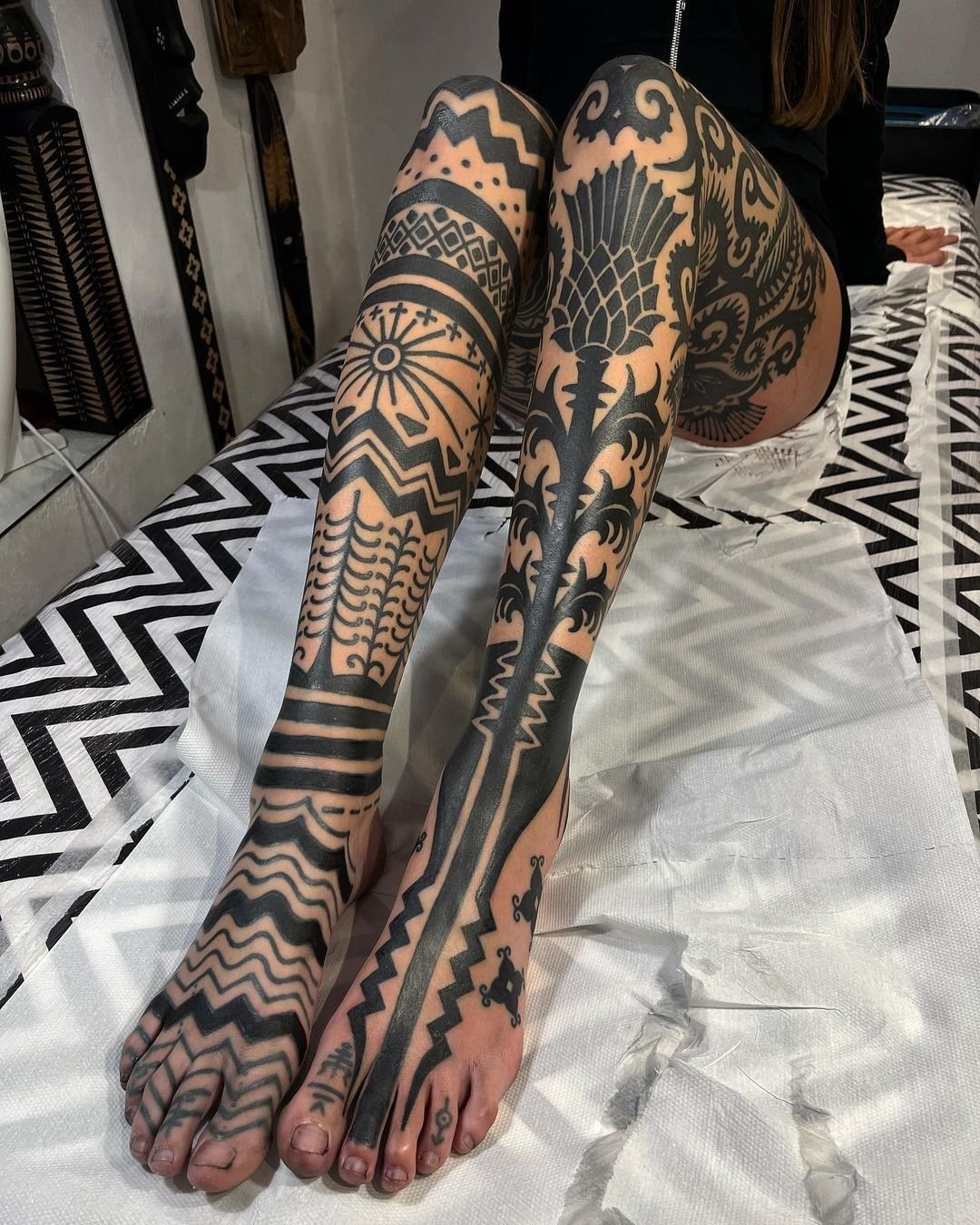
Heavy blackwork & blackout
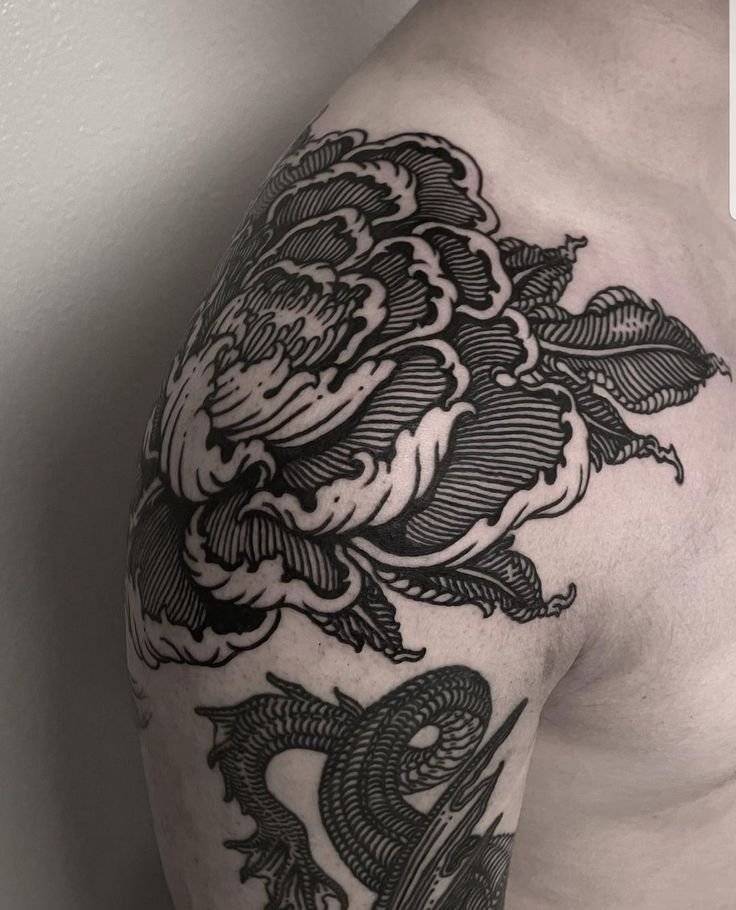
Illustrative blackwork
What connects the branches
Black ink only
Skin as positive space
Graphic clarity
Durability
Technical considerations
Blackwork makes specific demands on the artist’s skill, and the demands vary by branch.
Solid fill
Dotwork
Line consistency
Symmetry
Skin tone interaction
Ageing and longevity
What works on skin and what does not

Scale

Placement

Cover-ups
Choosing a blackwork artist
- For geometric and ornamental work, look for mathematical precision — clean lines, accurate symmetry, consistent spacing. Check whether the artist works from their own geometric constructions or executes client-supplied designs. Artists with backgrounds in graphic design, architecture, or mathematics often produce the strongest geometric work.
- For dotwork, check the consistency of the dots across healed pieces — are they uniform in size and spacing? Does the gradient read smoothly? Dotwork is one of the styles where the difference between good and excellent is most visible in healed photographs.
- For solid blackwork and heavy coverage, check healed pieces for even saturation — no patchiness, no grey spots, no texture inconsistencies. Large-scale solid black is technically demanding, and the healed result is the only honest measure of the artist’s ability.
- For illustrative blackwork, look for drawing skill — the ability to compose an image, to control line weight, and to create visual depth using only black and skin. A strong illustrative blackwordemonstrate shows evidence of a drawing practice independent of tattooing.
Cultural considerations
Blackwork nowadays
Sources & further reading
- Lars Krutak, Spiritual Skin: Magical Tattoos and Scarification. Edition Reuss, 2012.
- Lars Krutak, Tattoo Traditions of Native North America: Ancient and Contemporary Expressions of Identity. LM Publishers, 2014.
- Lars Krutak and Aaron Deter-Wolf (eds.), Ancient Ink: The Archaeology of Tattooing. University of Washington Press, 2017.
- Tricia Allen, Tattoo Traditions of Hawai’i. Mutual Publishing, 2006.
- Sean Mallon, Tatau: A History of Sāmoan Tattooing. Te Papa Press, 2002.
- Sean Mallon and Sébastien Galliot, Tatau: Sāmoan Tattoo, New Zealand Art, Global Culture. Te Papa Press, 2018.
- Ngahuia Te Awekotuku with Linda Waimarie Nikora, Mau Moko: The World of Māori Tattoo. Penguin New Zealand, 2007.
- Alfred Gell, Wrapping in Images: Tattooing in Polynesia. Clarendon Press, 1993.
- Anna Felicity Friedman, The World Atlas of Tattoo. Yale University Press, 2015.
- Matt Lodder, Painted People: Humanity in 21 Tattoos. Harper, 2024.
- Margo DeMello, Bodies of Inscription: A Cultural History of the Modern Tattoo Community. Duke University Press, 2000.
- Nick Schonberger and Rob Kingston, Forever: The New Tattoo. Gestalten, 2012.
- Steve Gilbert, Tattoo History: A Source Book. Juno Books, 2000.