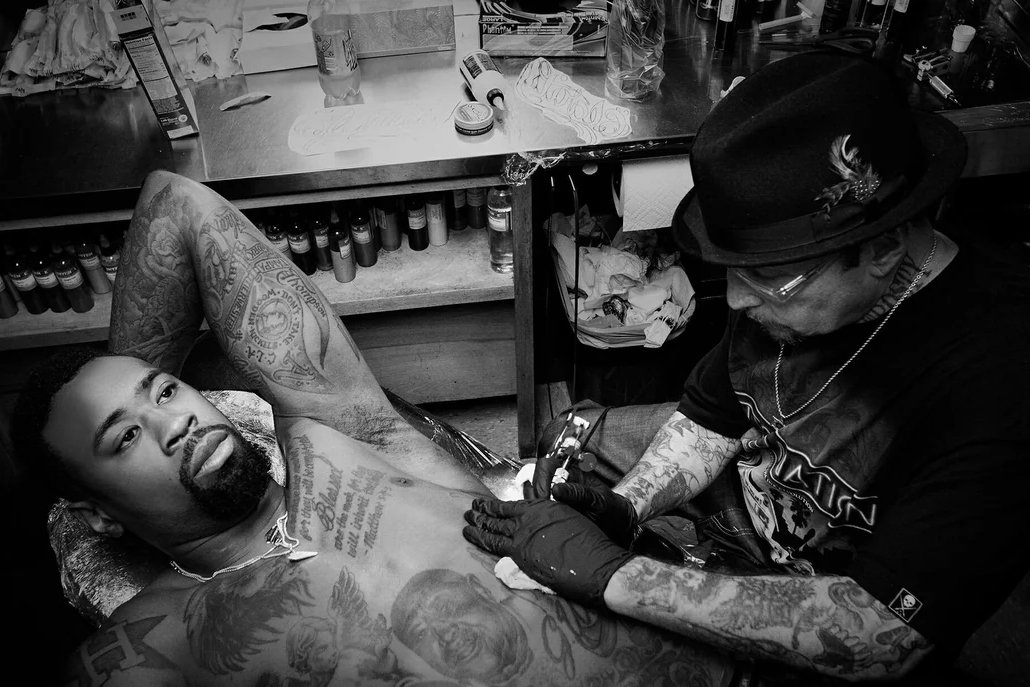
Freddy Negrete
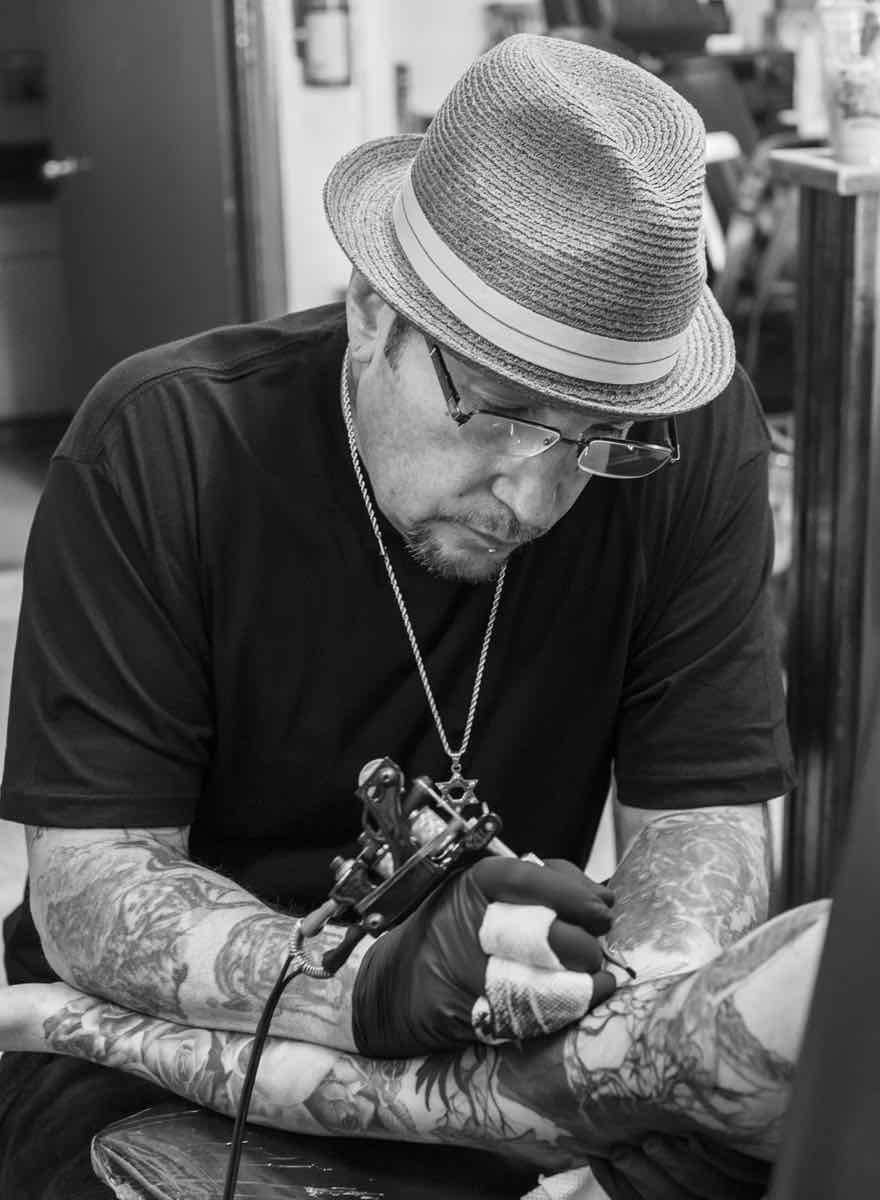
Freddy Negrette: the man who brought the prison style out
Every tattoo artist working in black-and-grey today — every portrait artist in Moscow, every fine-line specialist in Seoul, every realism practitioner in London or São Paulo or Athens — is using a technical vocabulary that was developed in the California prison system by incarcerated Mexican-American men in the 1960s and 70s, and brought into professional shops by a small group of pioneers in East Los Angeles. Freddy Negrete is one of those pioneers. His life has included gang membership, incarceration, a decade of evangelical ministry, a degree in Biblical Literature, addiction and recovery, Hollywood film work, the loss of a son, and — through all of it — a career in tattooing that helped define one of the most important stylistic developments in the craft’s modern history.
His story is difficult, and he has told it himself in his memoir Smile Now, Cry Later: Guns, Gangs, and Tattoos. My Life in Black and Gray (2016).
Early life
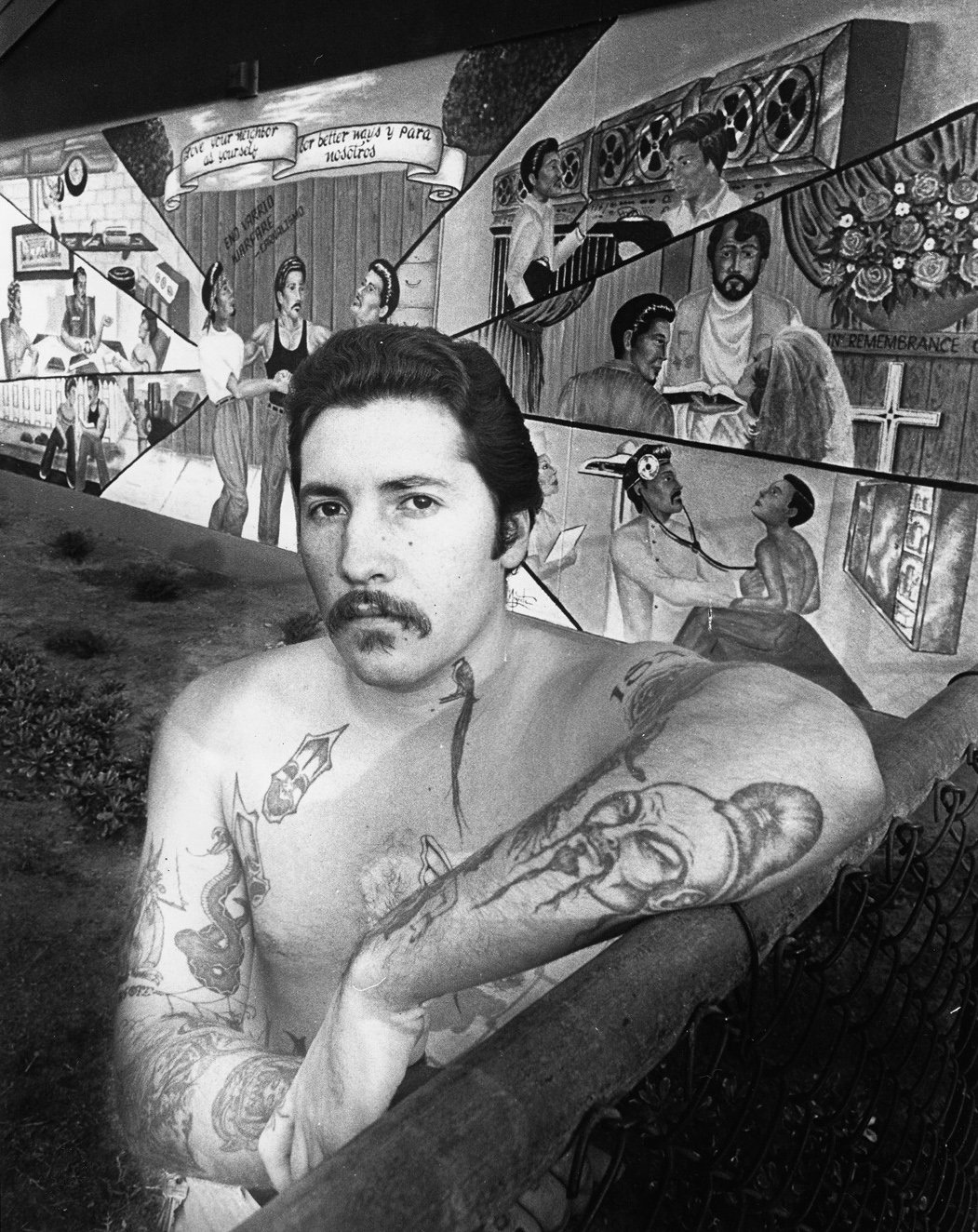
He joined La Sangra, an East Los Angeles gang, while still a juvenile. By the age of twenty-one, he had spent most of his life as a ward of the state in one institution or another — juvenile halls, detention facilities, and eventually the California state prison system. It was inside these institutions that he learned to tattoo.
Learning the craft
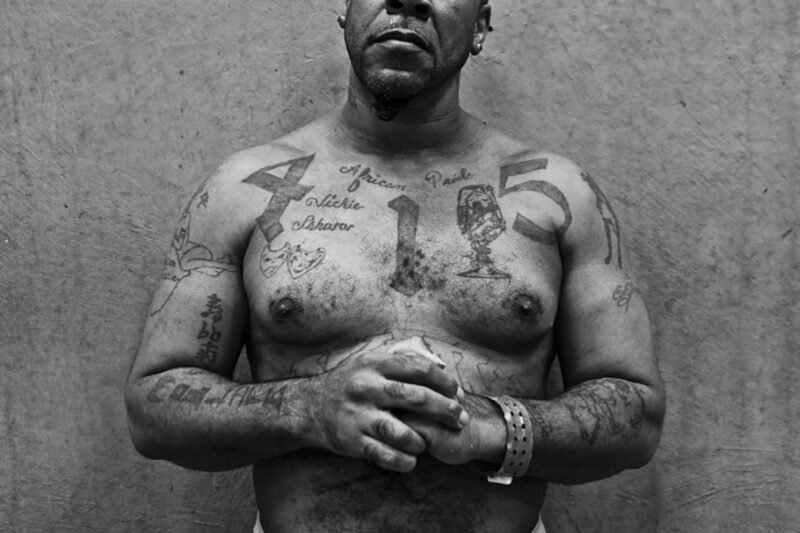
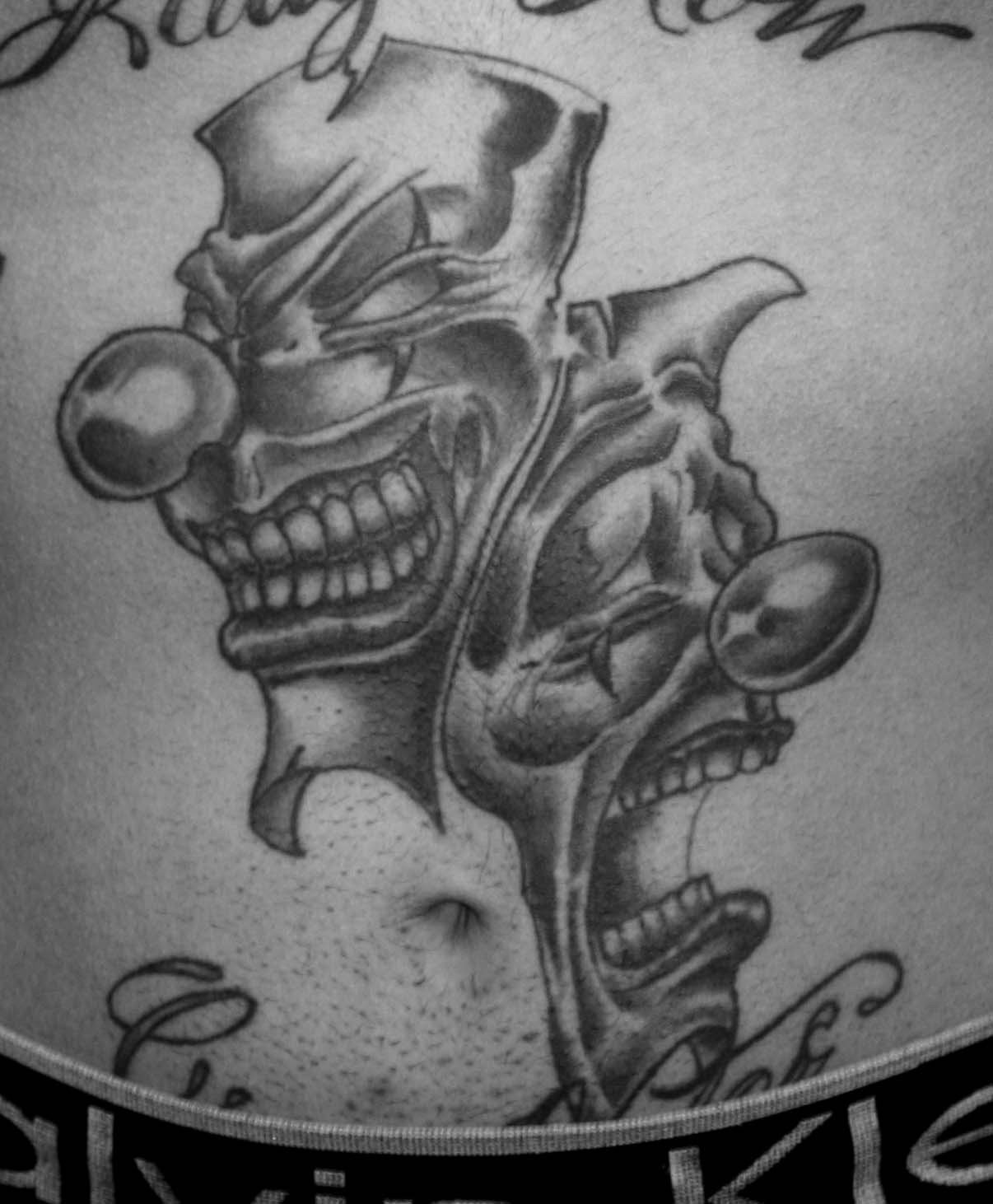
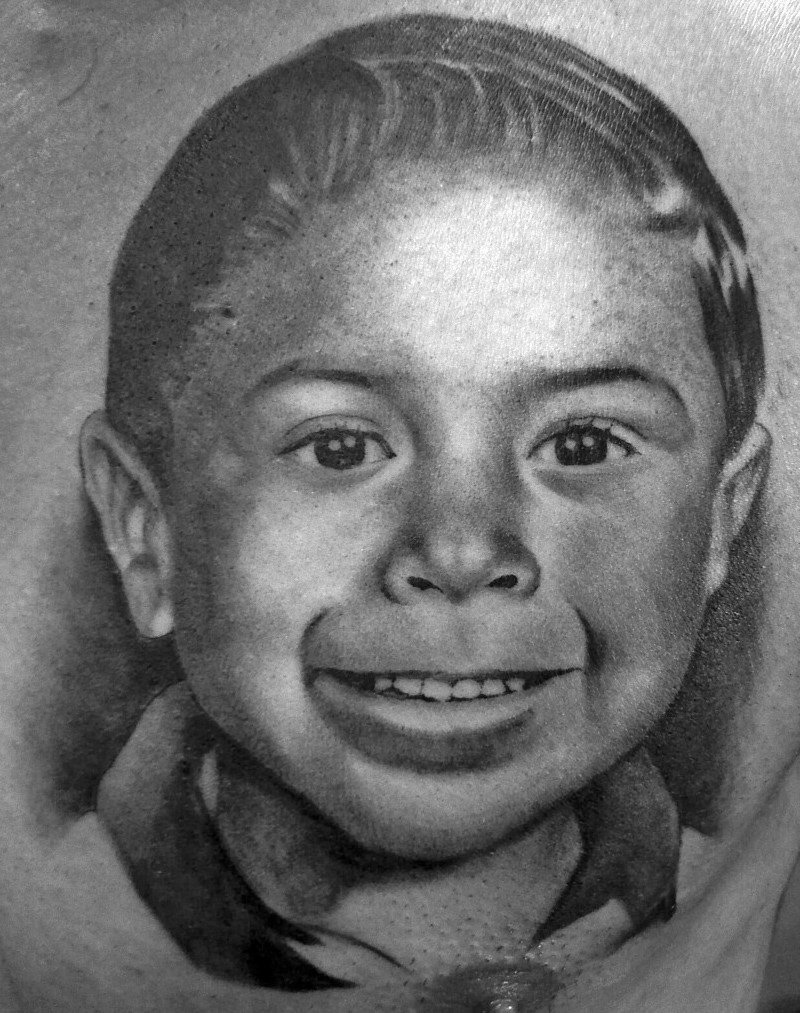
The visual world he drew from was the one he inhabited. Religious Catholic imagery — the Virgin of Guadalupe, Christ, the Sacred Heart, praying hands, and crosses. Chicano identity markers — Pachuco and Cholo figures, gang script, place names, and the names of the dead. Clown girls, roses, Aztec warriors. The imagery was specific to the community and carried meanings tied to lived experience: faith, loss, loyalty, neighbourhood, and the performance of composure under pressure. These were the images that mattered to the people wearing them, and they were the images Freddy Negrete learned to render with increasing skill.
The conditions were harsh. Sterilisation was improvised. The equipment broke and had to be rebuilt. The work was done in secret, under time pressure, with real consequences if caught. The technical discipline the work required — precision with crude tools, smooth tonal transitions with unreliable ink, the ability to produce a recognisable image quickly and under stress — was learned through practice rather than instruction.
Good Time Charlie's Tattooland
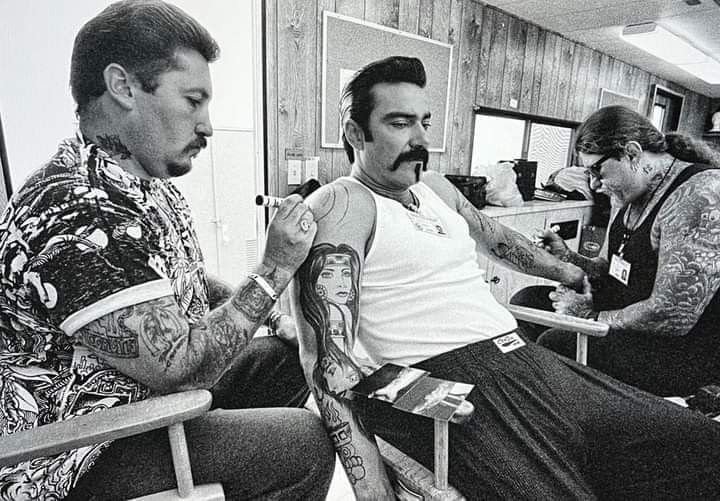
Negrete worked alongside Jack Rudy, who is often credited with adapting the single-needle setup for use with a professional tattoo machine. This modification made the fine-line precision of the prison style reproducible under shop conditions. Together with Cartwright, the three of them established the technical and visual standards that professional Chicano black-and-grey tattooing would follow for decades. In 1980, Freddy Negrete received a Tattoo Artist of the Year award — recognition, within the industry, that the work coming out of East Los Angeles represented something new and significant.
The work attracted attention from other tattooers, including Ed Hardy, who recognised the technical achievement and became a mentor and advocate. Hardy’s support helped bring the Chicano black-and-grey style to the attention of the broader American tattoo community at a time when East Los Angeles and the mainstream tattoo world were largely separate.
The hiatus
The hiatus makes more sense in the context of his life than it does as a curiosity about his career. Freddy Negrete had come through gang life, incarceration, and the particular pressures of being a Chicano artist in a world that had not yet decided whether what he did was art or criminal behaviour. Religious conversion offered something that tattooing, at that point, may not have been able to provide. He has spoken about this period in his memoir and in interviews, honestly about what drove the decision.
He returned to tattooing after the hiatus and resumed professional work.
Hollywood and film
The film work represents one of the specific channels through which Chicano tattoo imagery entered mainstream American visual culture. When a production needed a character to look authentically tattooed — particularly a character from the world Negrete knew firsthand — he was one of the people Hollywood called.
Addiction, recovery, and counselling
The counselling work is connected to his tattooing in a specific way: many of the young men he worked with came from the same neighbourhoods, the same institutions, and the same pressures that had shaped his own life. The experience of having survived those pressures — and of having built a career and a reputation from inside them — gave his counselling work a credibility that formal training alone could not have provided.
The loss
The memoir
Freddy Negrete’s book, titled Smile Now, Cry Later: Guns, Gangs, and Tattoos — My Life in Black and Gray, was published by Seven Stories Press in 2016 and co-written with the English playwright Steve Jones.
The book traces Negrete’s life from his childhood in foster care through gang membership, incarceration, the development of the black-and-grey style at Good Time Charlie’s, the evangelical hiatus, the return to tattooing, addiction and recovery, and his career in Hollywood. It is the most detailed first-person account of the origins of professional Chicano black-and-grey tattooing, and one of the most important primary sources in modern tattoo history.
The title is drawn from one of the style’s central motifs — the smile-now-cry-later masks that represent the stoic Chicano philosophical position of enduring both joy and suffering.
Current work
Freddy Negrete's place in tattoo history
He did this while navigating a life that included most of the hardships the communities he came from were subject to: poverty, family disruption, gang involvement, incarceration, addiction, and loss. The fact that the work survived all of that, and that the technical tradition he helped establish has outlived the specific circumstances of its origin by decades, is the measure of what he contributed.
He is still working. The shop is still open. The technique is still in use in tens of thousands of studios in dozens of countries by artists who may or may not know where it came from. The ones who do know cite his name.
Sources & further reading
- Freddy Negrete with Steve Jones, Smile Now, Cry Later: Guns, Gangs, and Tattoos — My Life in Black and Gray. Seven Stories Press, 2016.
- Negrete’s official website: freddynegrete.com, and @freddy_negrete on Instagram.
- Marked: Barrio of Blood. History Channel, 2009.
- Soft White Underbelly interview with Freddy Negrete. YouTube, March 2023.
- Tattoo Nation, dir. Eric Schwartz, 2013.
- Deborah Vankin. Tattoo you: Freddy Negrete, the black-and-gray style and an L.A. museum’s new interactive exhibition. Los Angeles Times, 2017.