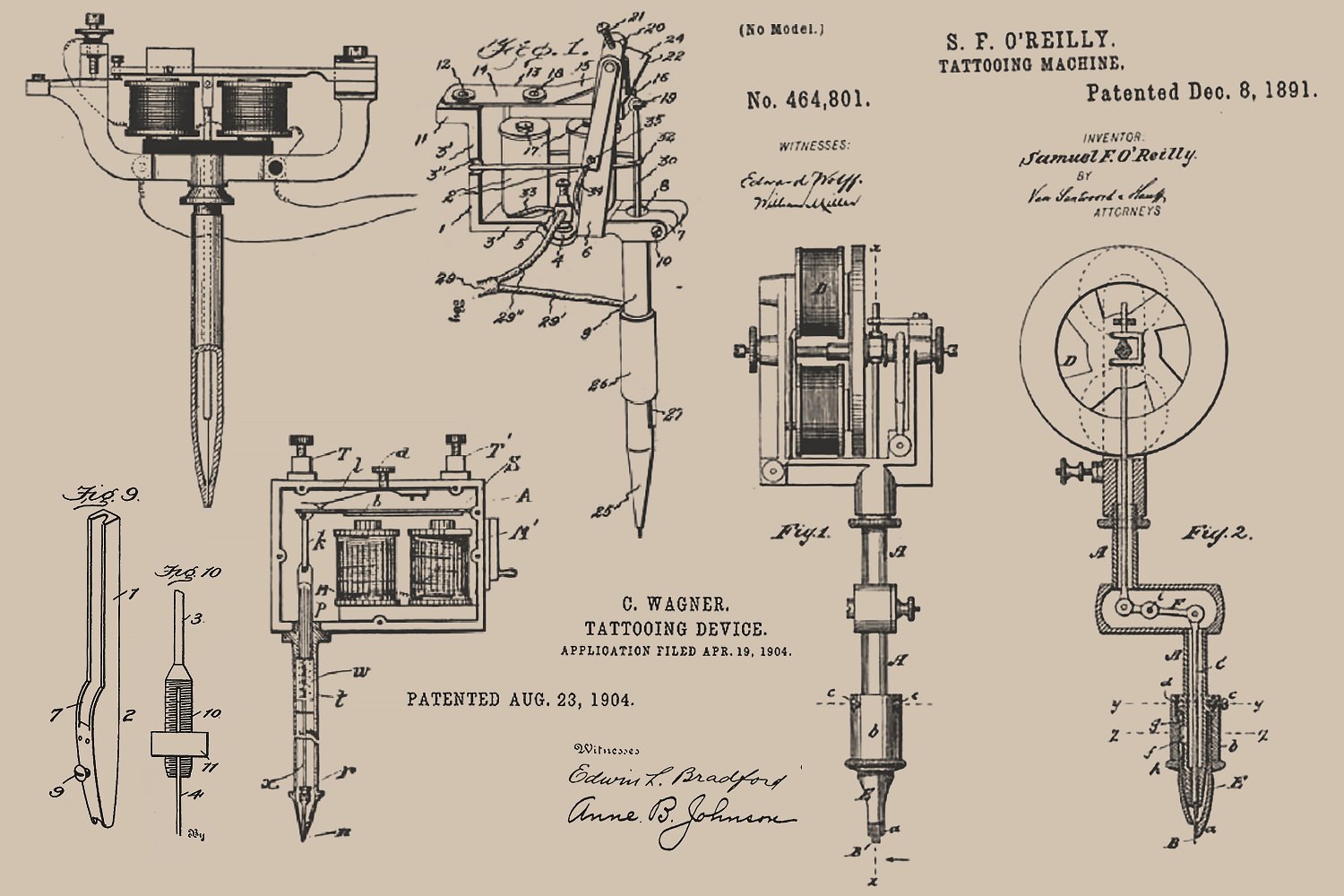
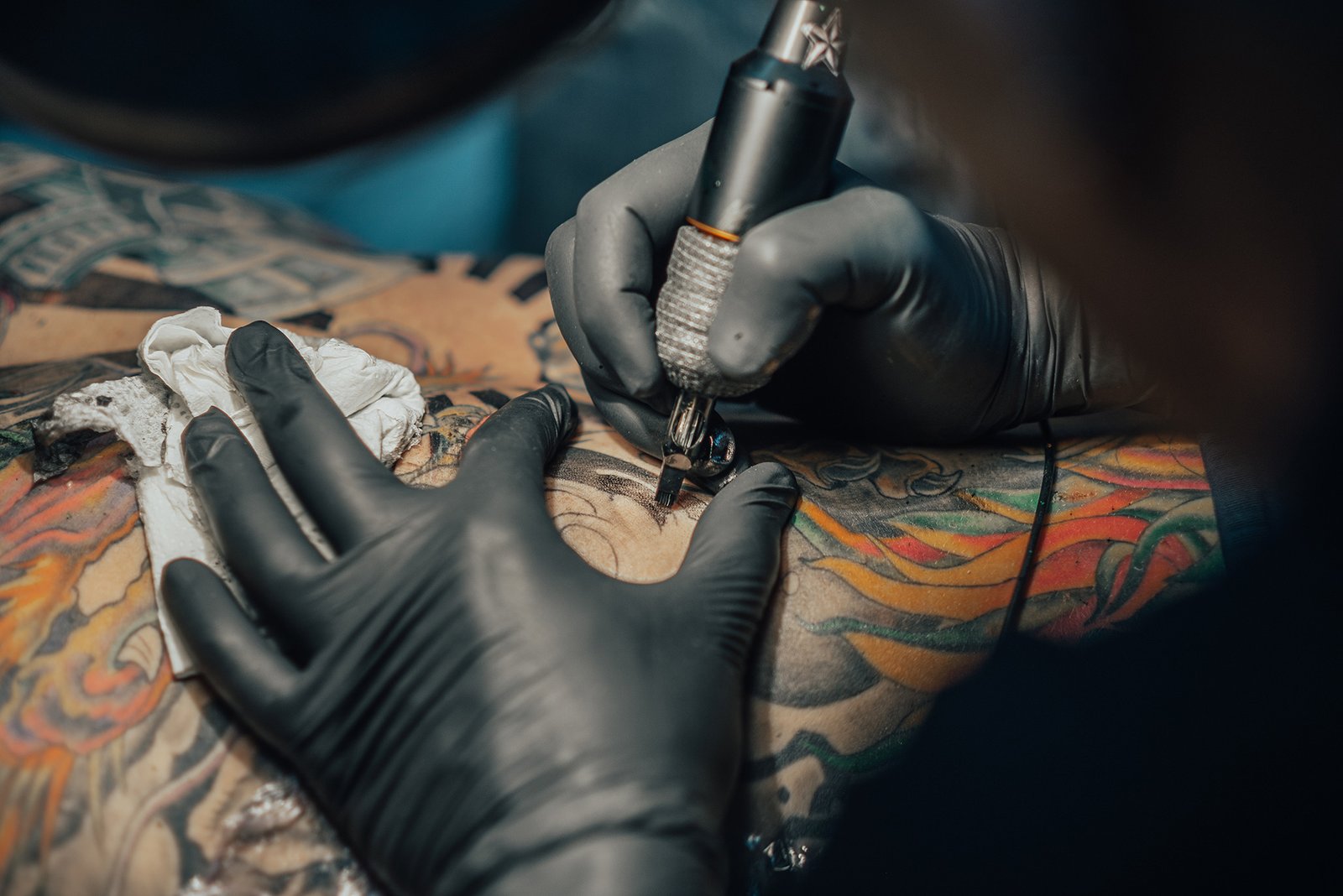
Every tattoo is produced by a system of interacting variables — the device, the needle configuration, the stroke mechanics, the ink, and the skin receiving it. Change one, and the others behave differently. The tattoo technology is not just the machine in the artist’s hand — it is the full chain of decisions and physical properties that determine what the needle does to the skin and what the skin does with the ink. No two setups produce identical results, and the differences are not subtle.
The craft that puts those tools to use is equally specific. How a line is pulled, how colour is packed, how a gradient is built, how pressure and speed and angle interact with a given needle configuration on a given skin type — tattooing techniques like these live mostly in apprenticeships and studio practice, rarely written down with any precision. The articles in this section cover both how the equipment works and how the physical craft of using it determines what ends up on the skin.