A fresh tattoo is a wound. The skin has been punctured thousands of times, ink has been deposited in the dermis, and the body’s repair systems have already begun responding. Tattoo aftercare — how the tattoo is cared for during the healing period — directly determines how much ink survives, how evenly the tattoo settles, and whether complications develop.
Tattoo Science & History
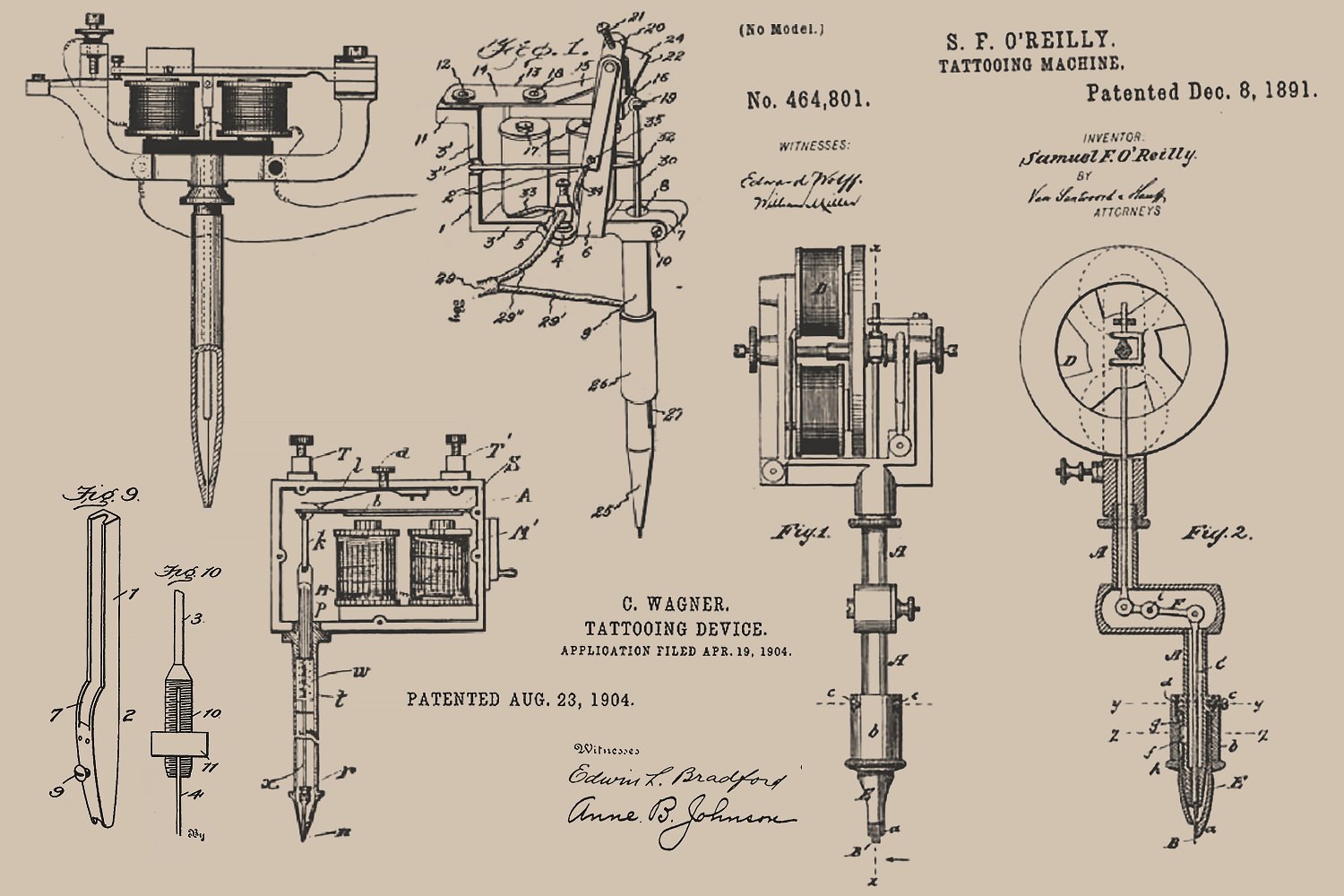
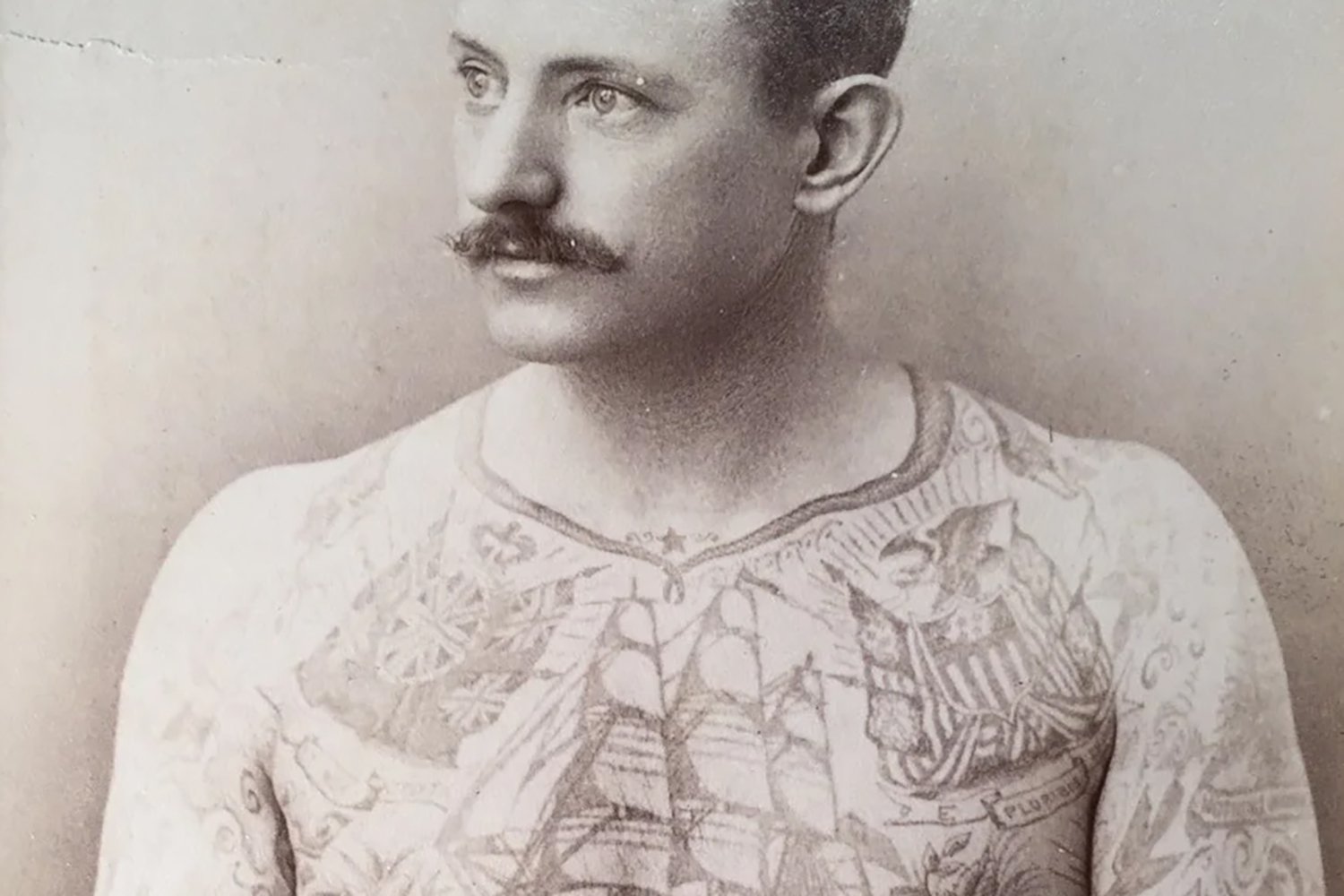
The documented tattoo history is long. It stretches across Polynesia, Japan, North Africa, the Arctic, Southeast Asia, the Americas, and eventually the industrialised tattoo shops of nineteenth-century Europe and the United States. Each of these traditions developed its own tools, techniques, pigments, and reasons for marking the body. The science of tattooing is just as fascinating. How ink stays in the skin, why it degrades, how needle technology and ink chemistry have changed what is physically possible, and how the process of being tattooed can affect our perception of the craft itself — these are questions with specific, documented answers.
The articles here cover the history of tattooing across cultures and periods, as well as the biology, chemistry, psychology, various tattooing techniques, and the technology behind the practice itself.

All | Science | Technology & Craft | History
Tattooing – how does it work?
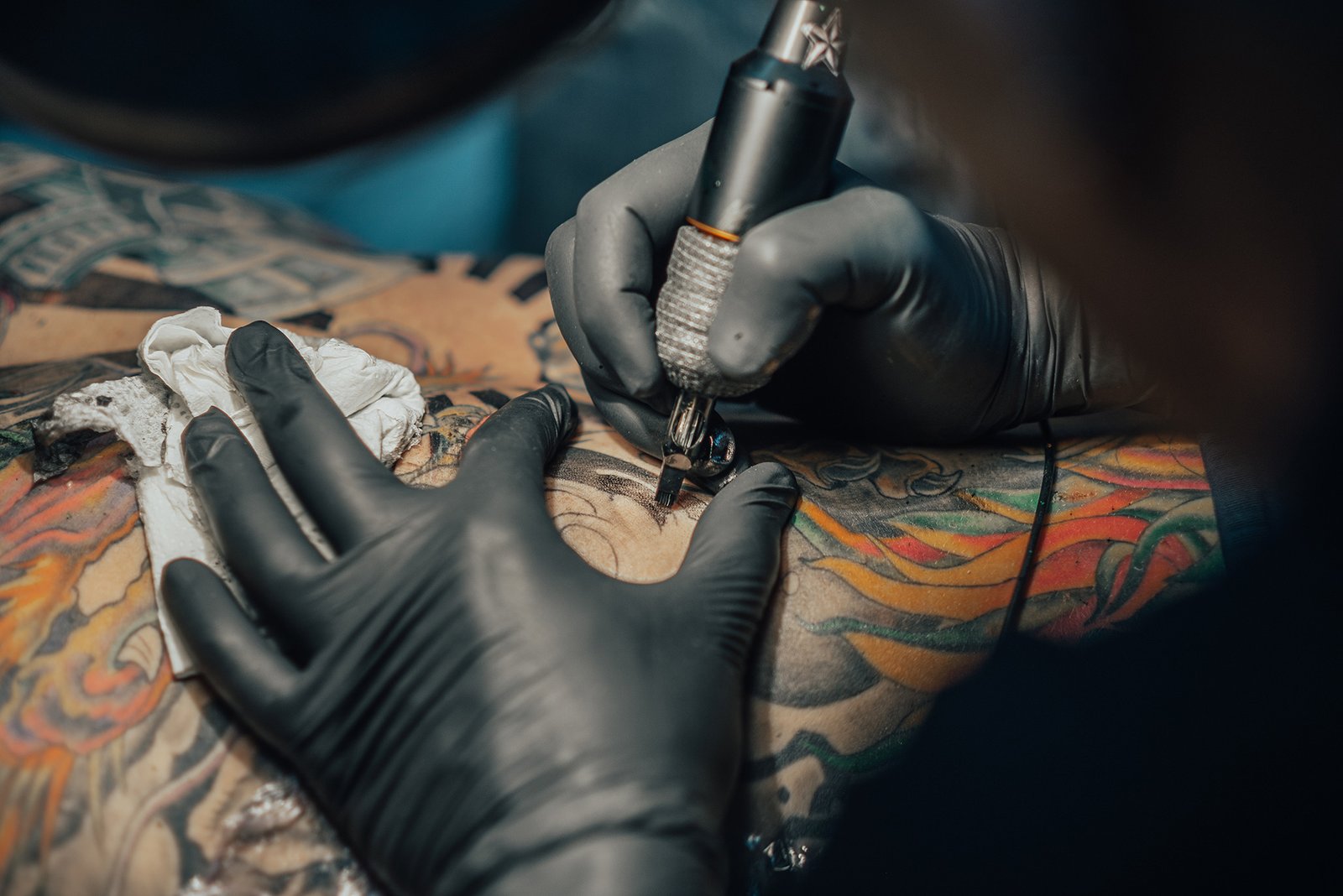
A tattoo is ink trapped in the second layer of the skin. Everything else exists to get the ink to that layer and keep it there. The process is mechanical (a needle punctures the skin and deposits pigment), biological (the body reacts to the wound and to the foreign material), and a negotiation between the ink’s desire to stay put and the body’s effort to remove it.
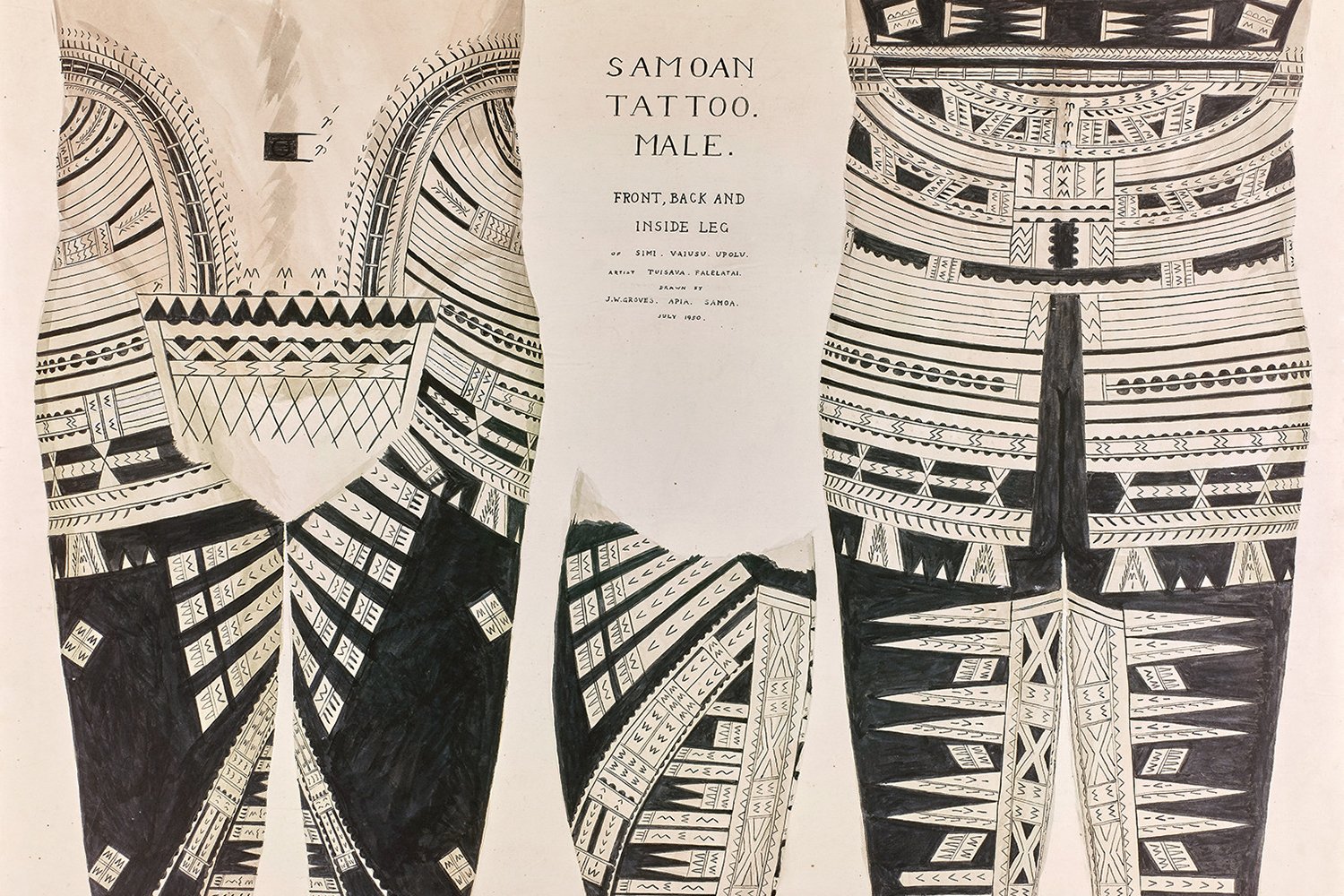
Samoan tatau
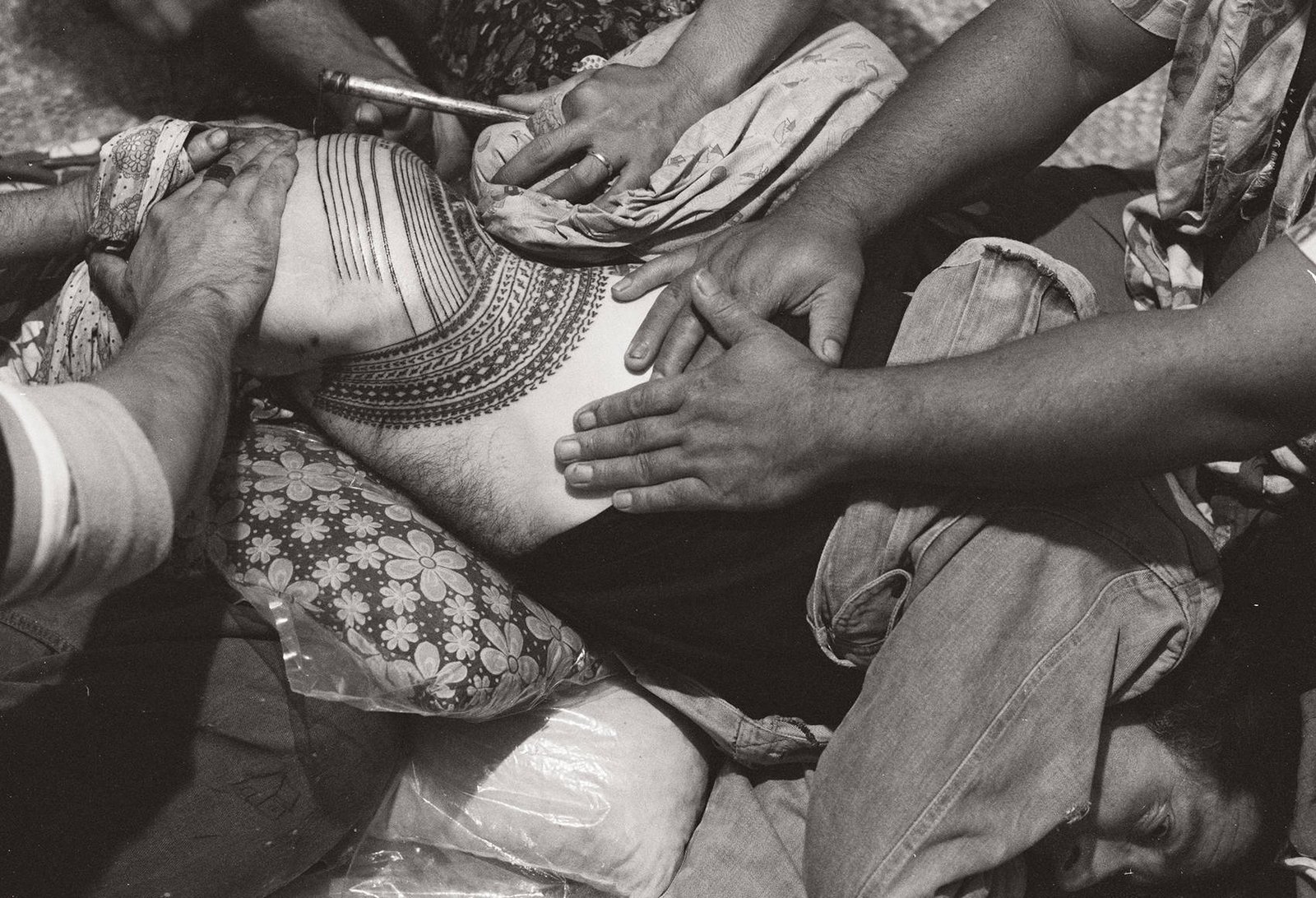
The Samoan tatau tradition has been practised continuously, in its traditional form, from pre-contact times to the present. The tools have changed materials, the pigment is now commercially manufactured, and the hygiene protocols have been formalised — but the method, the design system and the cultural protocols are unbroken.
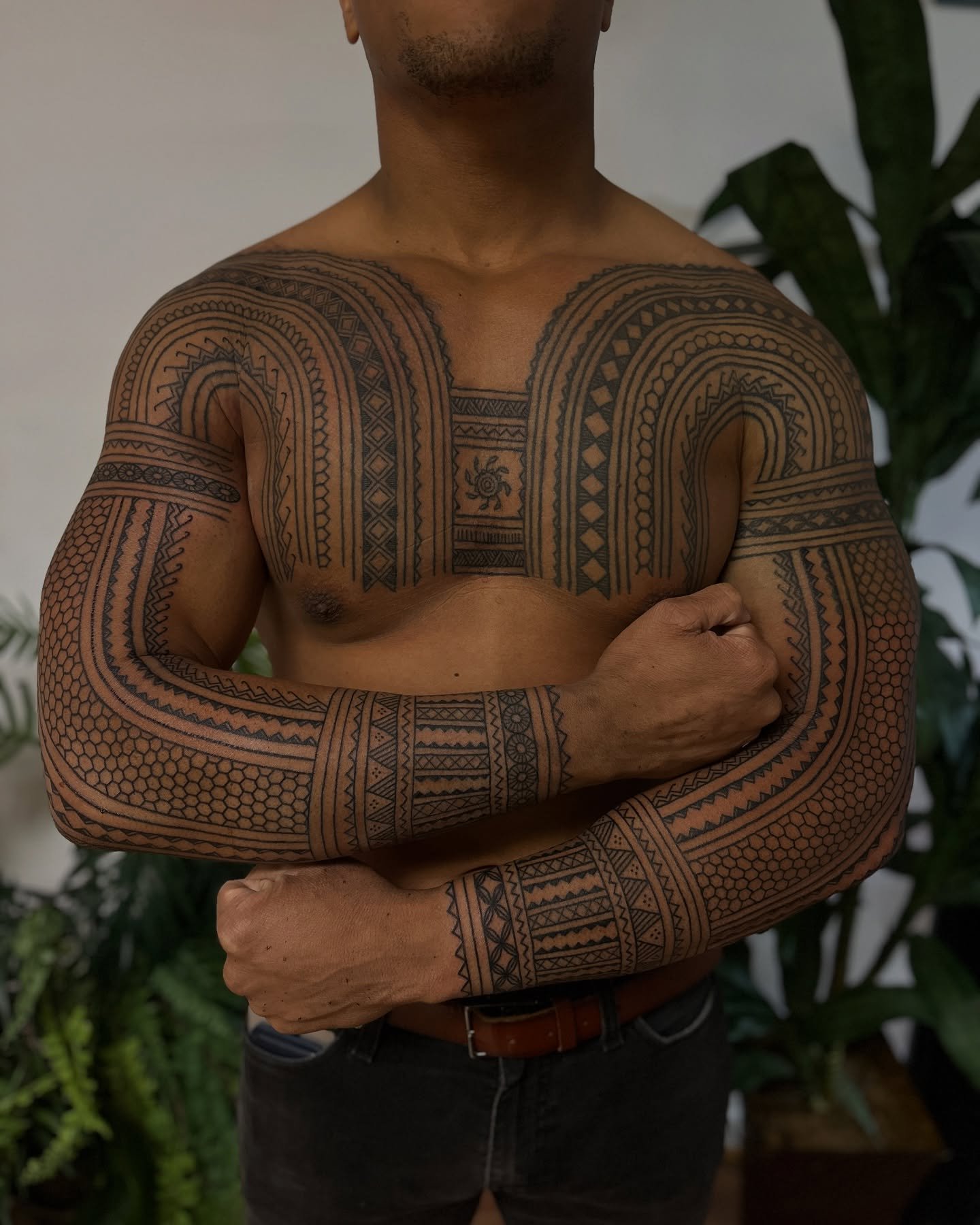
Filipino batok/batuk/patik
The Philippines has one of the deepest and most diverse tattooing traditions in the Austronesian world. Before the Spanish colonial period, tattooing was practised by almost every ethnic group across the archipelago — in the Visayas, Luzon, Mindanao, and the smaller island groups.
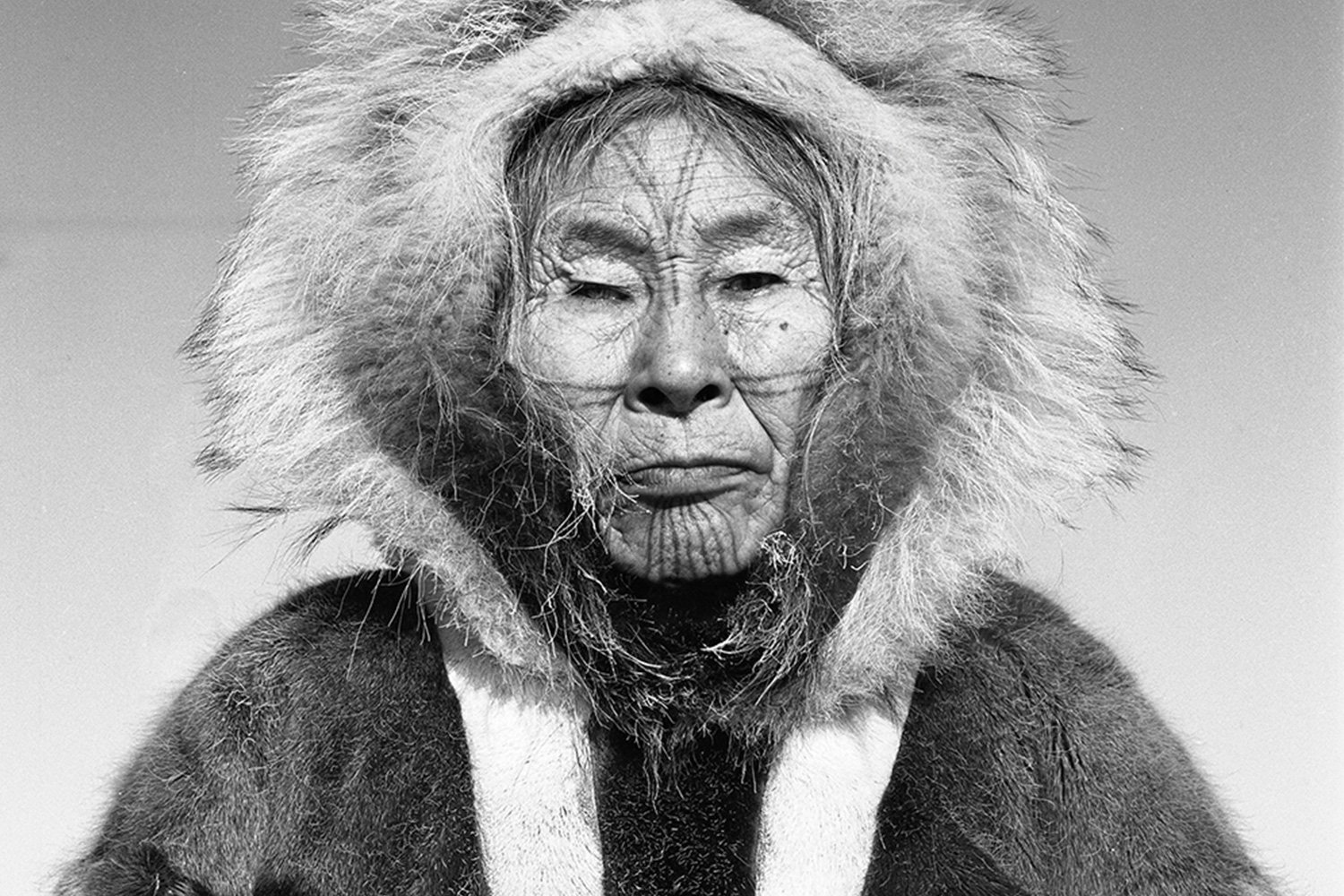
Inuit kakiniit
Inuit tattoo tradition is called kakiniit, facial tattoos are called tunniit. The practice spans the entire Inuit world — from Siberia across Alaska, through Arctic Canada to Greenland — and, until missionaries suppressed it in the early XX century, was one of the most important cultural practices in Inuit life. It is now in active revival, led almost entirely by Inuit women.
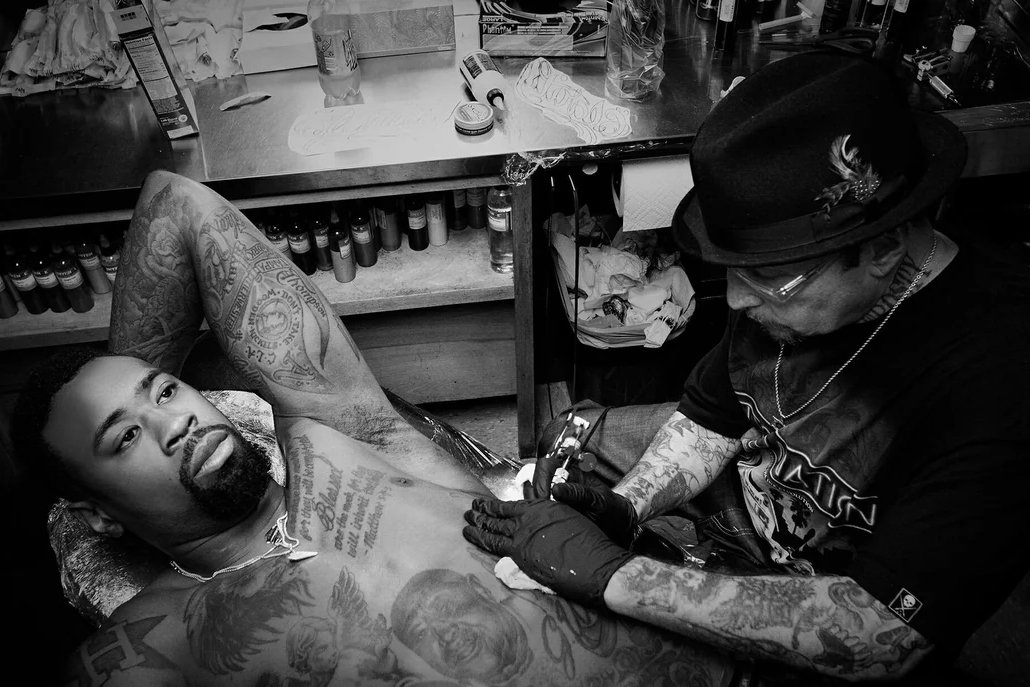
Freddy Negrete
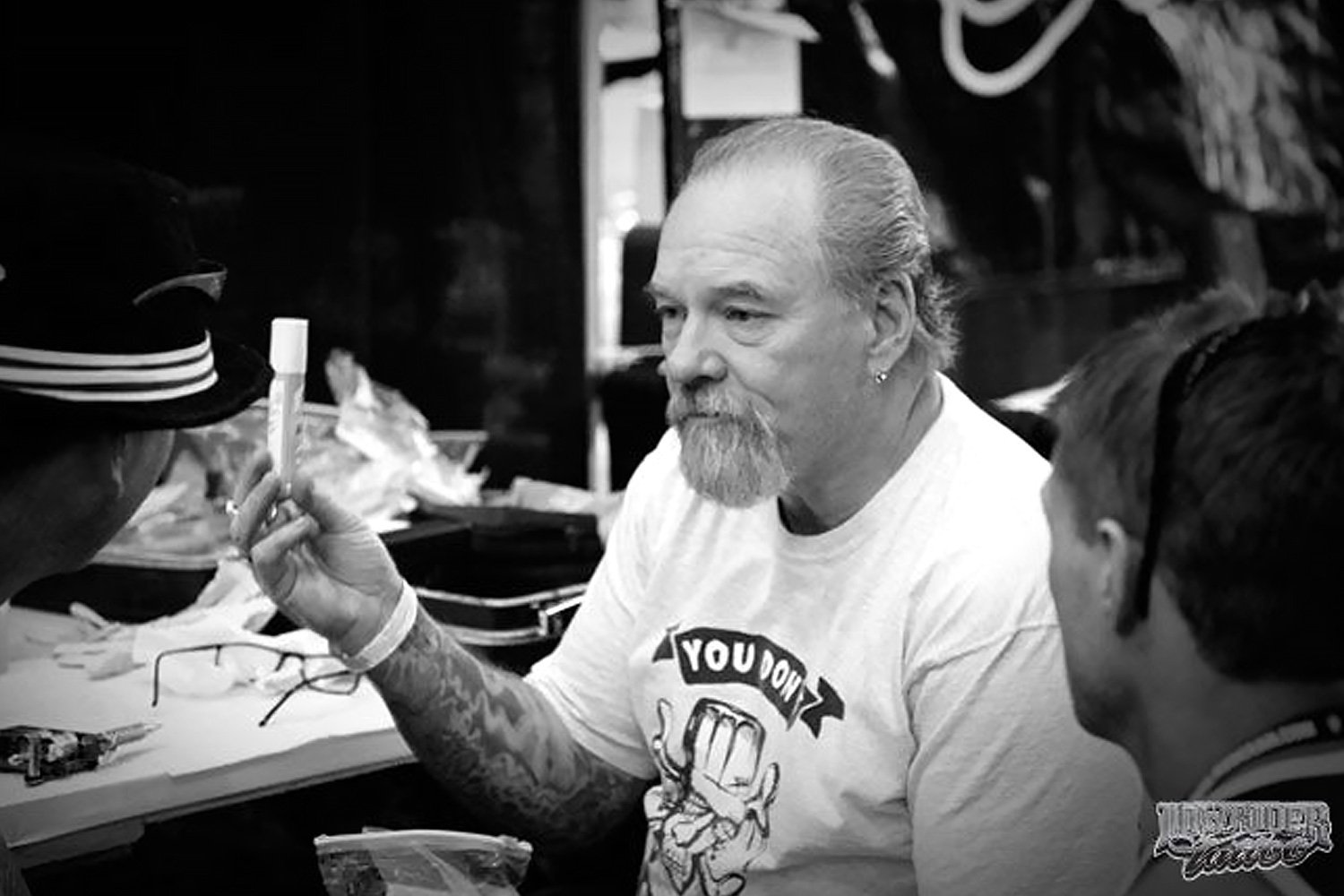
Freddy Negrete is one of pioneers in black-and-grey tattooing. His life has included gang membership, incarceration, a decade of evangelical ministry, addiction and recovery, the loss of a son, and — through all of it — a career in tattooing that helped define one of the most important stylistic developments in the craft’s modern history.
Hawaiian kākau uhi
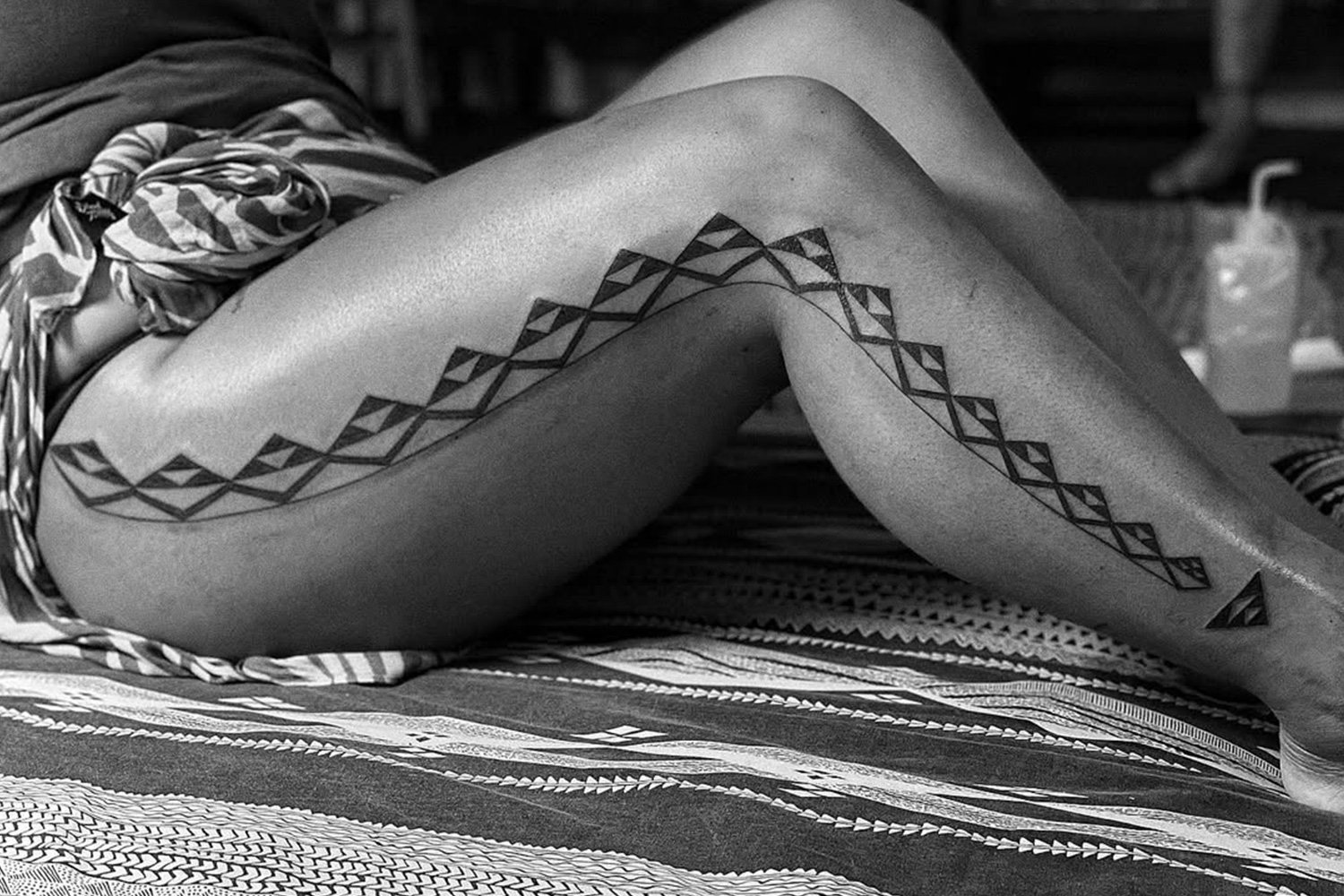
Hawaiian tattooing is among the least documented of the major Polynesian traditions, but what was documented reveals a distinctive, culturally embedded practice with its own visual characteristics. Hawaiian kākau is bold and asymmetrical, uses large geometric fields and heavy solid-black coverage in compositions that treat the body as a sculptural surface.
Māori tā moko
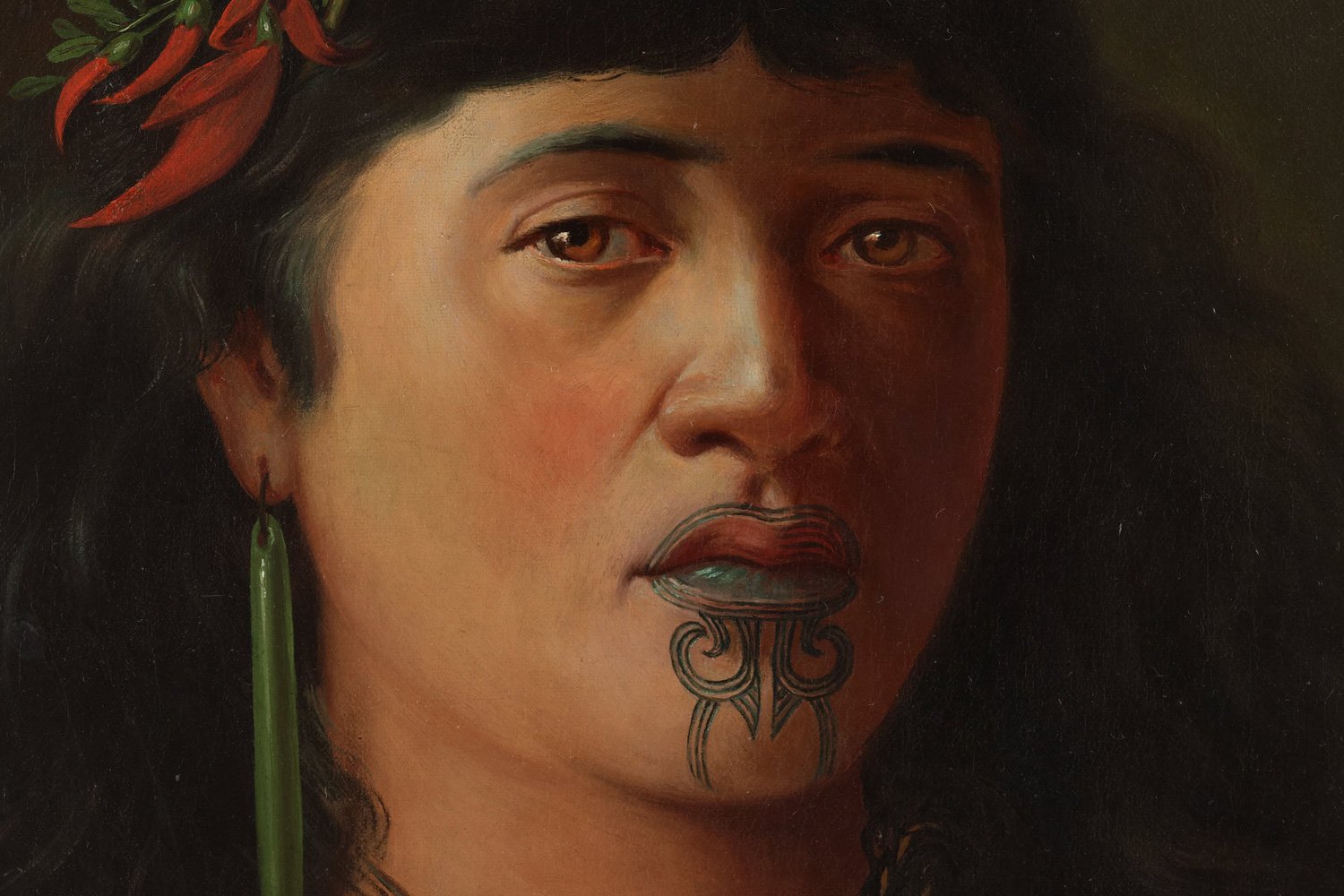
Māori tattooing — tā moko — is the only Polynesian tattoo tradition that carved the skin rather than puncturing it. The practitioner, called a tohunga tā moko, used a bone chisel (uhi) to cut grooves directly into the skin. The designs encoded the wearer’s whakapapa — genealogy, tribal affiliation, and personal history — in curvilinear patterns.
Polynesian tattooing
Polynesian tattooing is not one tradition. It is a family of traditions, developed across the thousands of islands of the Polynesian Triangle — the vast area of the Pacific bounded by Hawai’i, Aotearoa and Rapa Nui. Each island group has its own tattooing practice, with own tools, design vocabulary, rules, and relationship to the community’s social structure.
Sua Sulu’ape Paulo II
Sua Sulu’ape Paulo II was a Samoan master tattooist, tufuga ta tatau, born into one of the hereditary families that have held the tatau tradition for centuries. Based in Auckland, he connected with the New Zealand art world, worked extensively across Europe, and played a direct role in the revival of tattooing traditions in Hawaiʻi, Tahiti, and among the Māori.
Jack Rudy
His position in the lineage of American fine-line tattooing is as the technical innovator. It was Jack Rudy who solved the engineering problem — who built the machine, developed the greywash method, and refined the technique to the point where it could produce photorealistic portraiture on skin using a single needle and black ink.
Good Time Charlie Cartwright
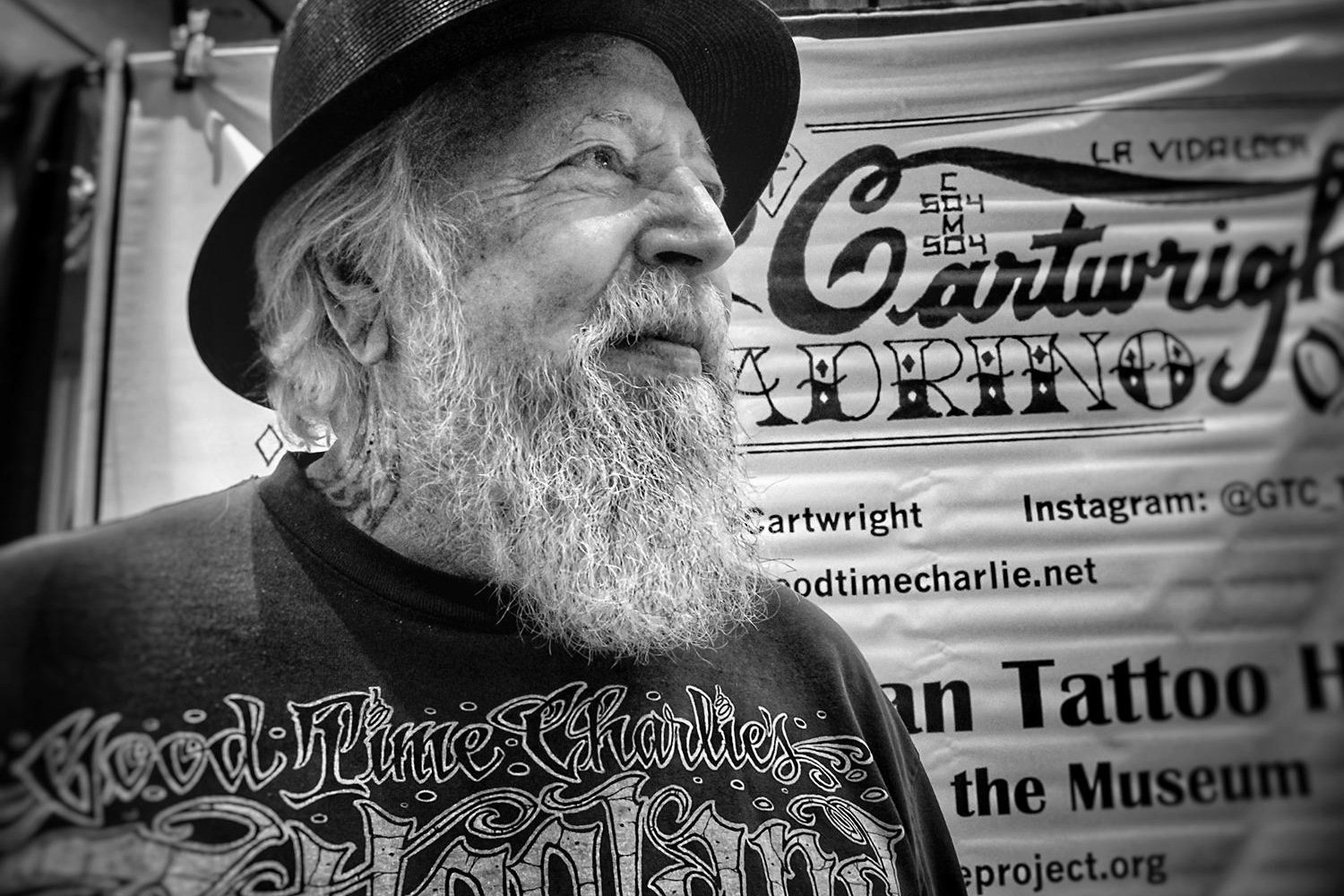
Charlie Cartwright’s contribution to tattooing is architectural. He built the structure — the shop, the team, the conditions — within which the single-needle black-and-grey technique was professionalised. The technique existed before him (in the prisons), and the technique was refined by others alongside and after him. But he was the one who opened the door.
Sailor Jerry — Norman Keith Collins
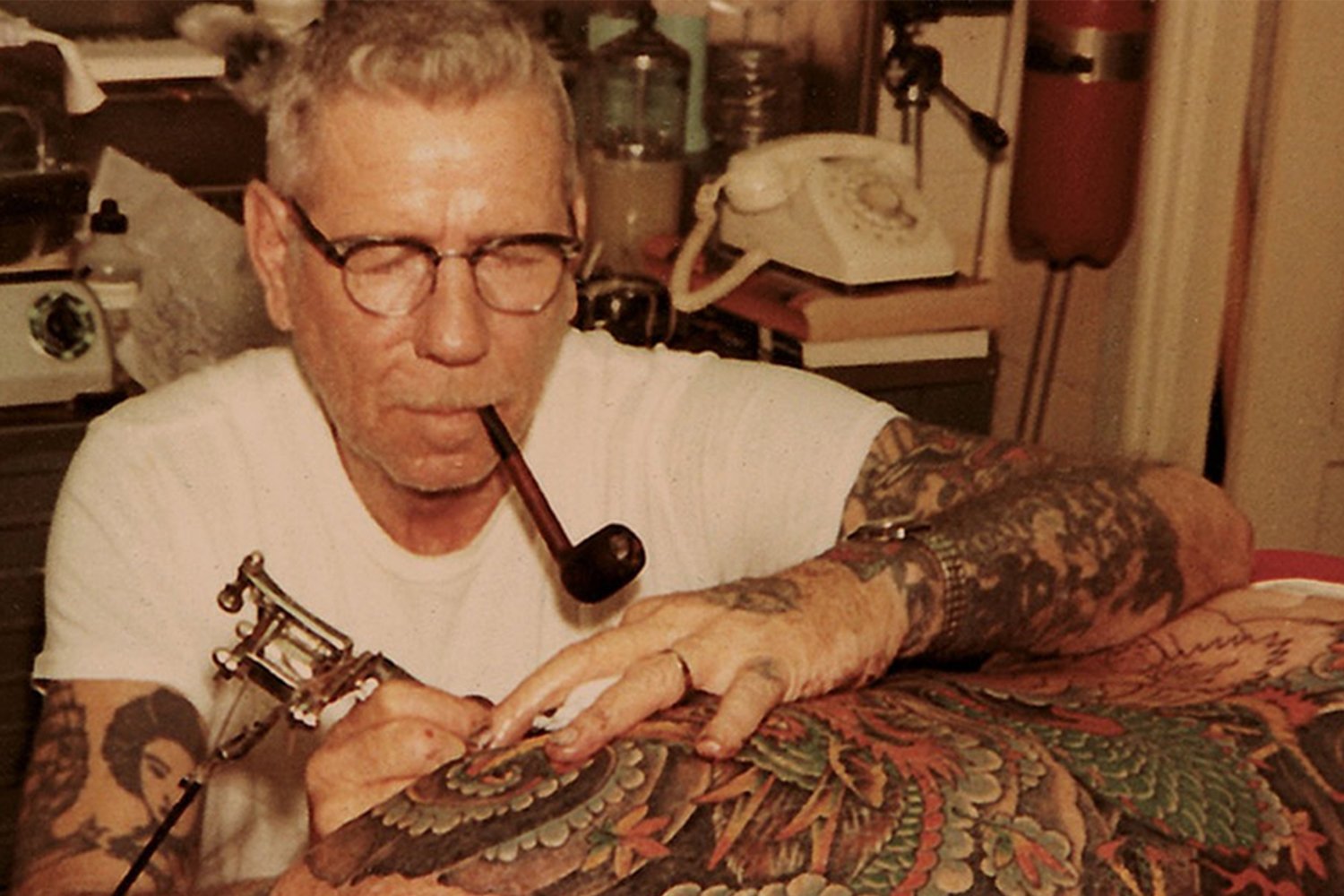
Norman Keith Collins (1911–1973), best known as “Sailor Jerry,” was a U.S.-based tattoo artist who worked primarily in Honolulu and became a key bridge between early 20th‑century American flash tattooing and later “tattoo renaissance” practice that treated tattooing as a serious craft with international artistic references.