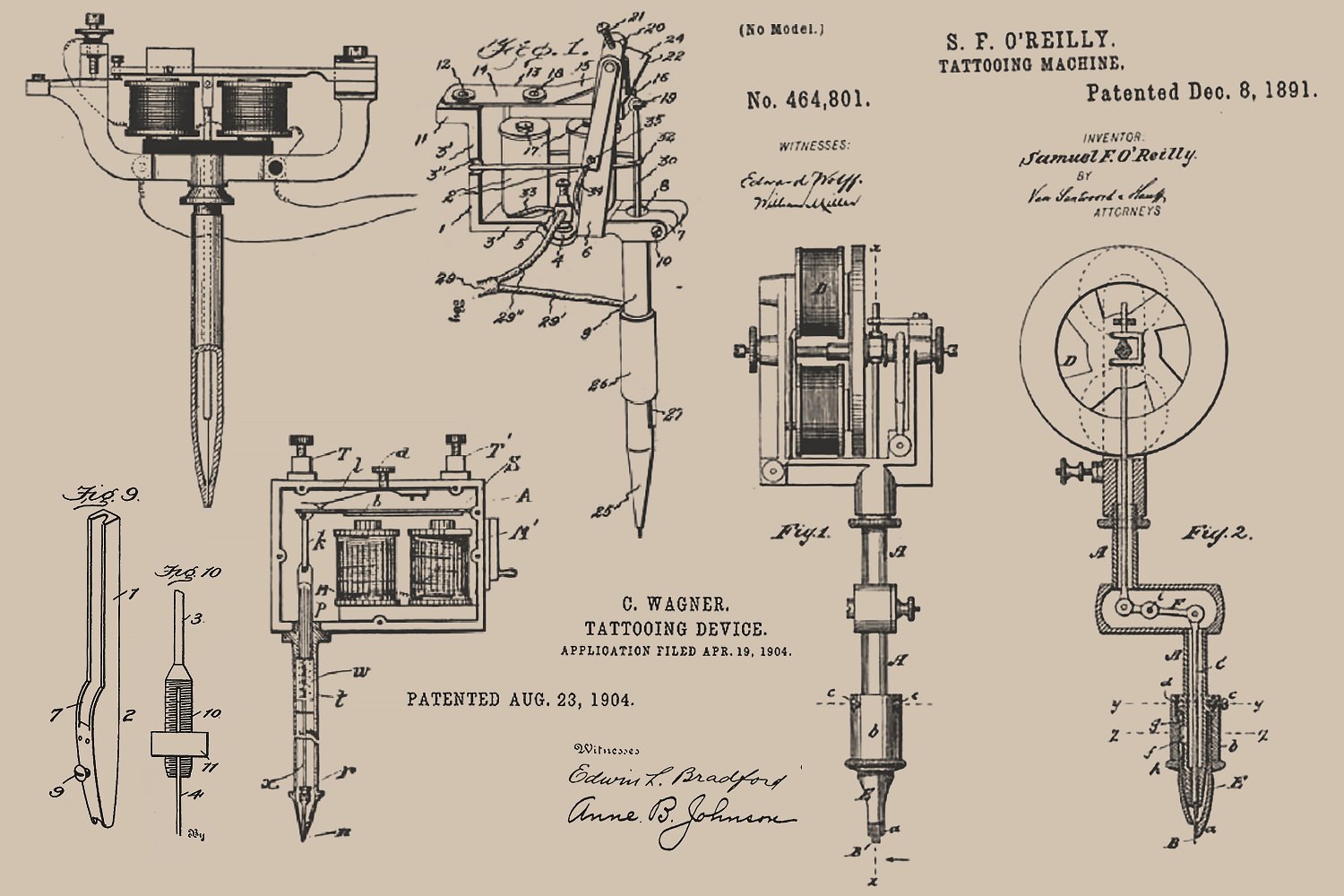
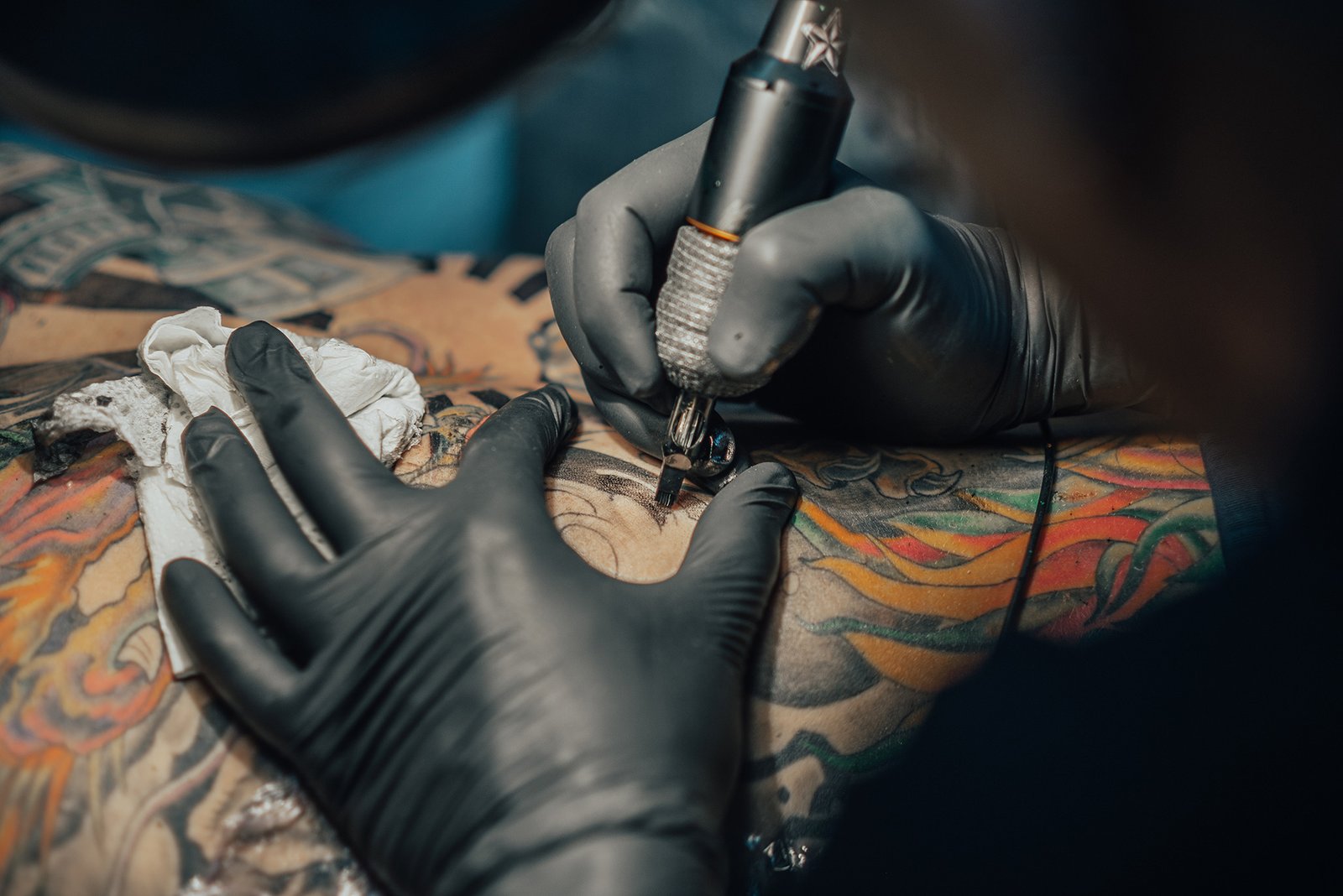
A fresh tattoo is a wound. The skin has been punctured thousands of times, ink has been deposited in the dermis, and the body’s repair systems have already begun responding. Tattoo aftercare — how the tattoo is cared for during the healing period — directly determines how much ink survives, how evenly the tattoo settles, and whether complications develop.
Science of getting tattooed
Every tattoo is a fascinating negotiation between ink and body, and between the act and the mind. How a needle deposits pigment, how the immune system responds, how skin structure varies by placement, why certain inks fade or shift colour over decades, and what the entire process does to the person psychologically, from anticipation through the session itself to the behavioural changes that follow it. Tattoo science answers questions that most artists learn through trial and error, if they learn them at all, and that most clients experience without ever understanding. The articles here cover the biology, chemistry, physics, sociology, and neuropsychology of what happens before, during, and after getting tattooed.

All | Science | Technology & Craft | History
Tattooing – how does it work?
A tattoo is ink trapped in the second layer of the skin. Everything else exists to get the ink to that layer and keep it there. The process is mechanical (a needle punctures the skin and deposits pigment), biological (the body reacts to the wound and to the foreign material), and a negotiation between the ink’s desire to stay put and the body’s effort to remove it.