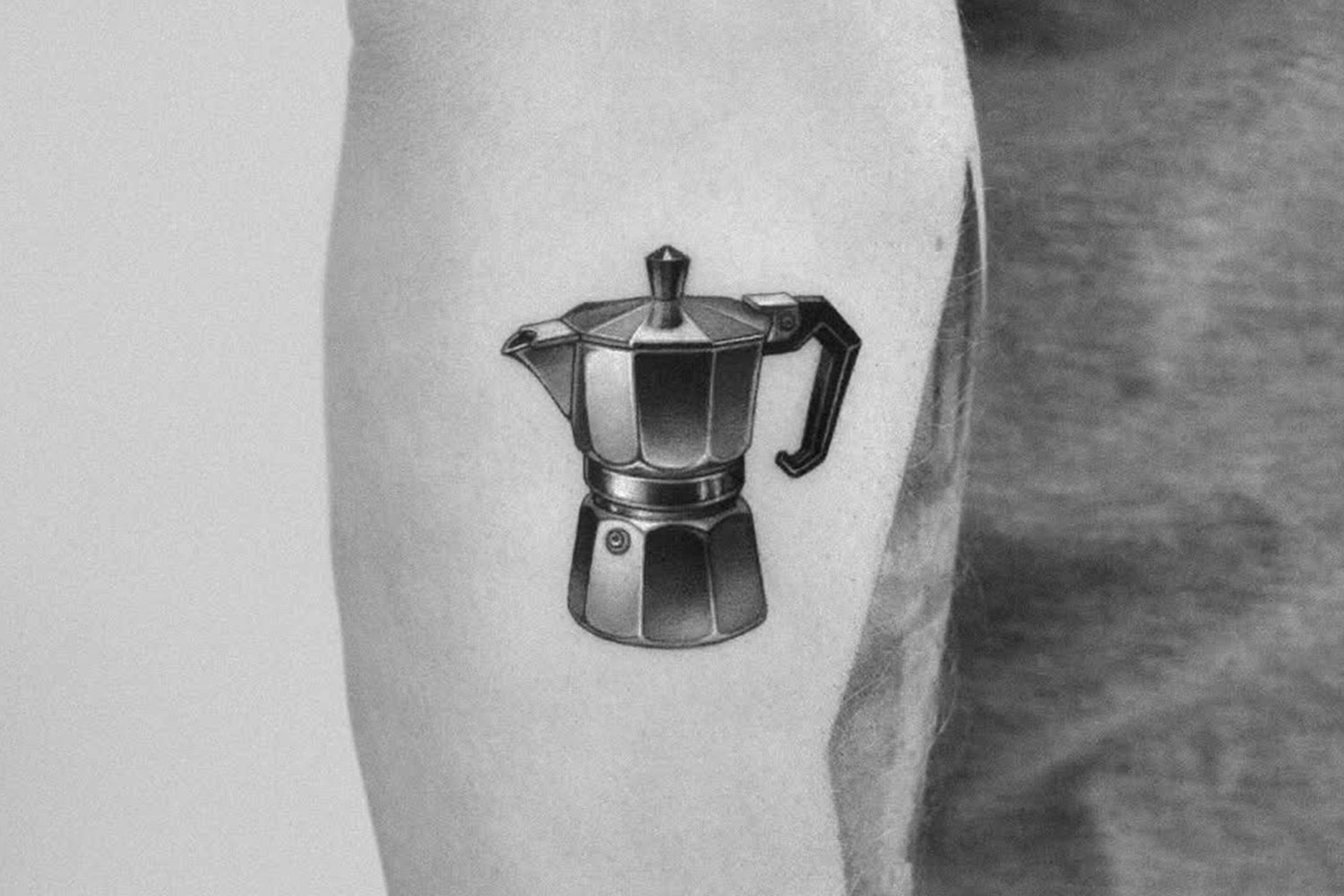
Microrealism sits at the intersection of two trends: the technical development of photographic realism in tattooing, and the recent preference for small, discreet, placement-sensitive work that reads well in phone photography. Understanding micro-realism requires understanding those strands and the technical shift that made it possible.
Realism tattoo styles
Realism in tattooing aims to reproduce visual reality on skin — photographic detail, accurate light and shadow, three-dimensional depth, and tonal range that mimics what the eye actually sees. It is among the most technically demanding approaches in the craft because the work relies entirely on tonal control, smooth gradients, and accurate rendering with no compositional conventions to provide structure. However, the same tonal subtlety that makes a fresh realism piece striking is exactly what makes it vulnerable to degradation as the skin ages, moves, and is exposed to light. How an artist manages that tension — between fidelity to the image and durability in the medium — is what separates accomplished realism from work that looks impressive in a photograph and uncertain on a body years later. The articles here cover realism and its variations as tattooing styles — what defines them technically, what they demand from the artist and skin, and how they hold up over time.

All | Contemporary | Culture-Bound | Graphic | Traditional | Realism | Artists
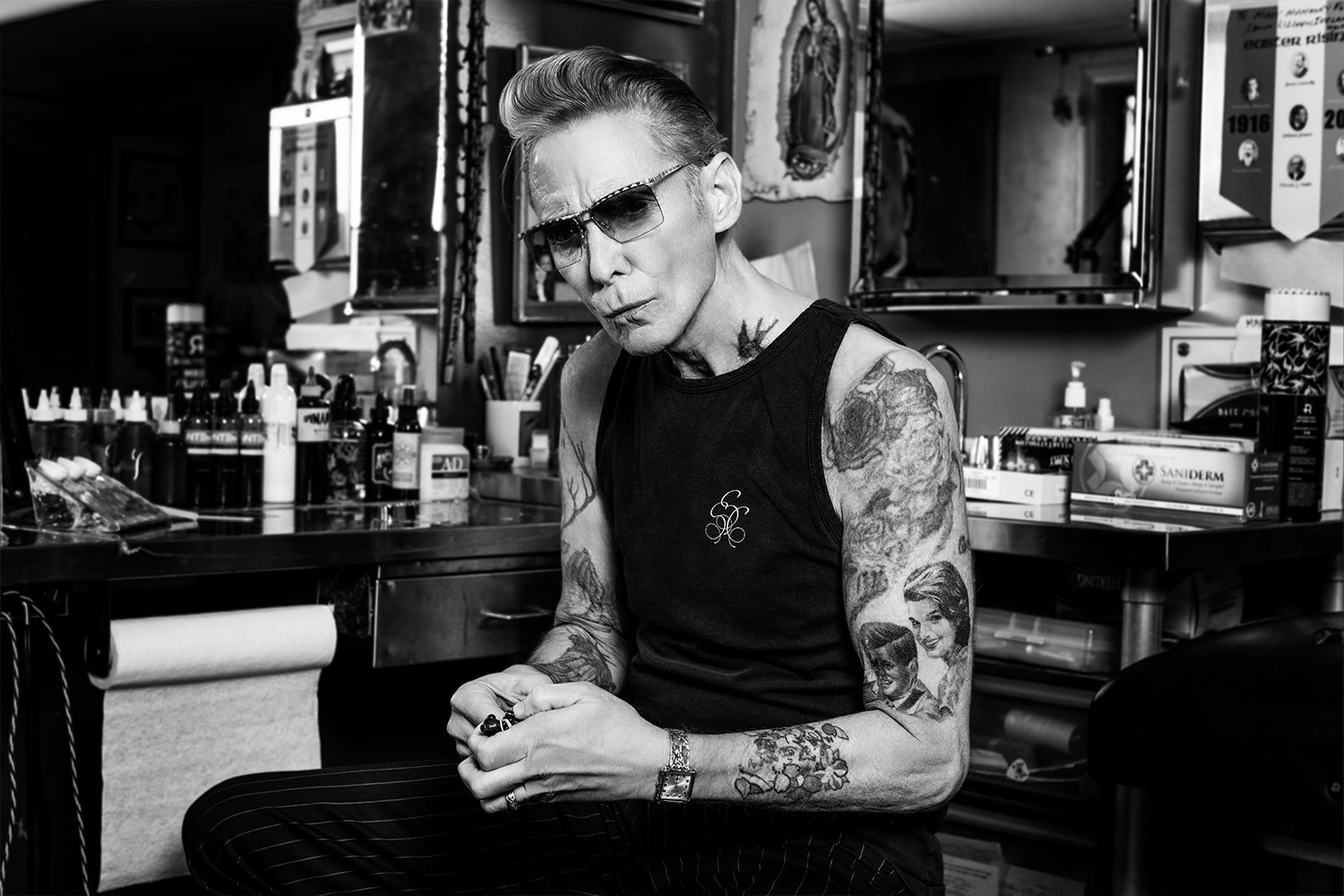
Mark Mahoney tattoo artist
Mahoney’s career spans the full arc of the transformation of American tattooing from underground craft to mainstream cultural practice. He started in 1977, tattooing illegally in Boston motorcycle clubhouses. He tattooed punk legends on the Lower East Side when tattooing was illegal in New York. He learned the Chicano tradition at the Pike (…)
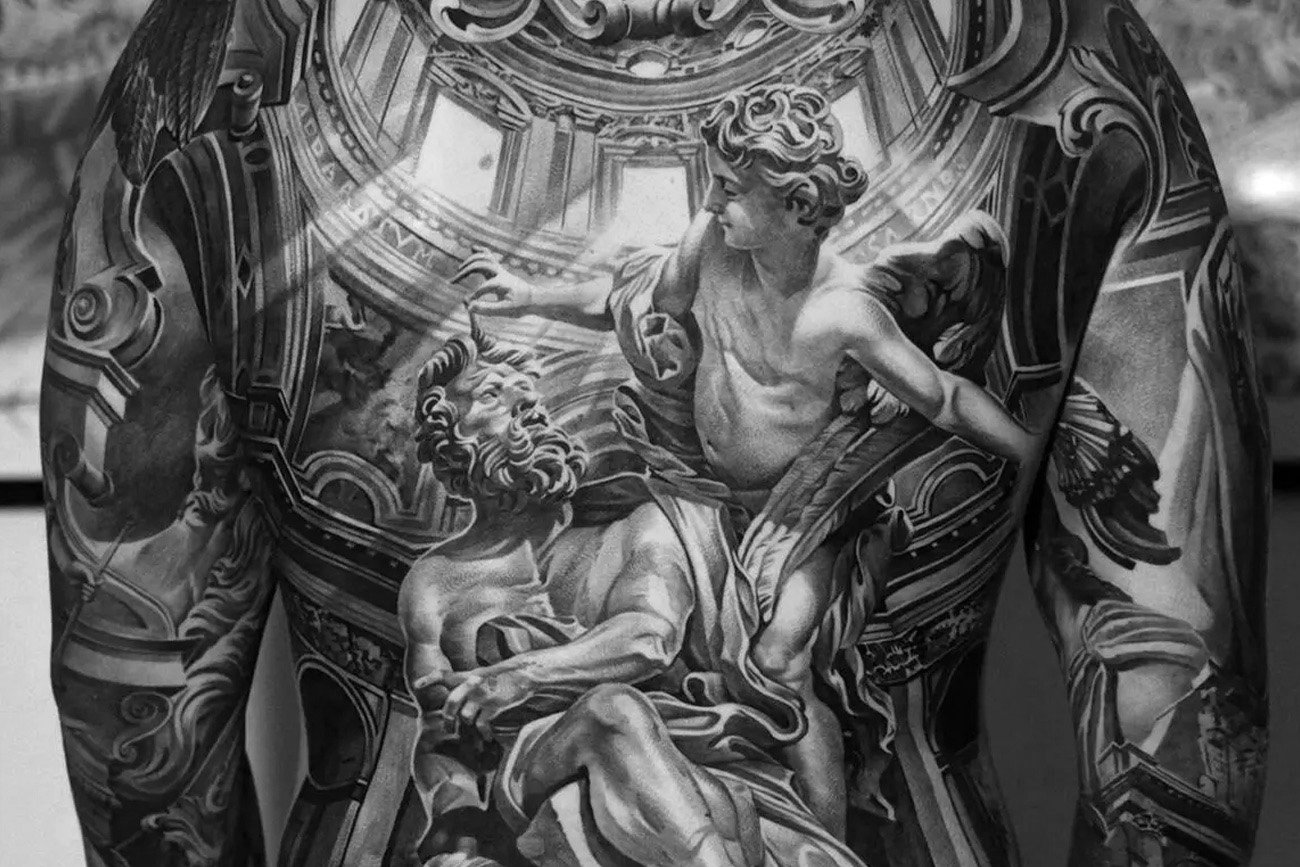
Realism
Realism in tattooing aims to reproduce visual reality on skin — photographic detail, accurate light and shadow, three-dimensional depth, and tonal range that mimics what the eye actually sees. It is among the most technically demanding approaches in the craft because the work relies entirely on tonal control, smooth gradients, and accurate rendering with (…)
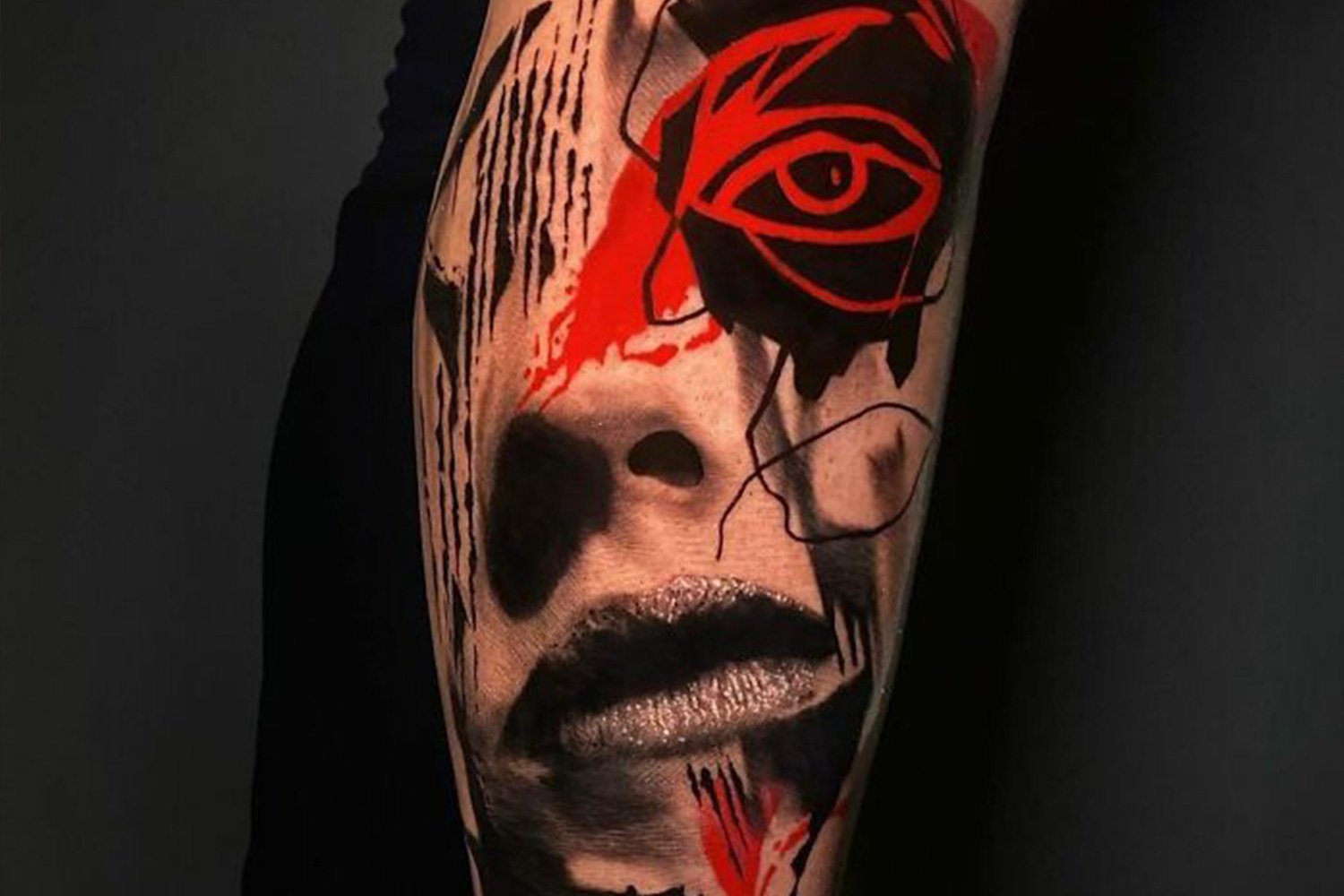
Trash Polka
Trash Polka is one of the few tattoo styles in the world that can be traced to two named individuals, a single studio, a specific city, and an approximate date. The style was created by Volko Merschky and Simone Pfaff at the Buena Vista Tattoo Club in Würzburg, Germany. The name was coined in 1998. Trash Polka is a registered trademark held by its creators.
List of tattooing styles
A comprehensive list of tattoo styles, traditions, and techniques — from American Traditional to Polynesian tatau, from realism to cybersigilism, from biomechanical to Sak Yant. Each entry covers what defines the style technically, where it comes from, and how it relates to the broader landscape of tattooing. Styles, techniques(…)