Tattoo Styles & Traditions

Style is not a matter of taste alone — it is a set of technical commitments with material consequences and a set of decisions made before and during the work. Technology, line weight, needle configuration, ink density, shading method, colour palette, and compositional rules vary across styles, and these differences affect how a tattoo looks and how it reads years later. Many entries here describe tattooing traditions — practices in which method, meaning, and cultural context are inseparable. 

All  |  Contemporary  |  Culture-Bound  |  Graphic  |  Traditional  |  Realism  |  Artists

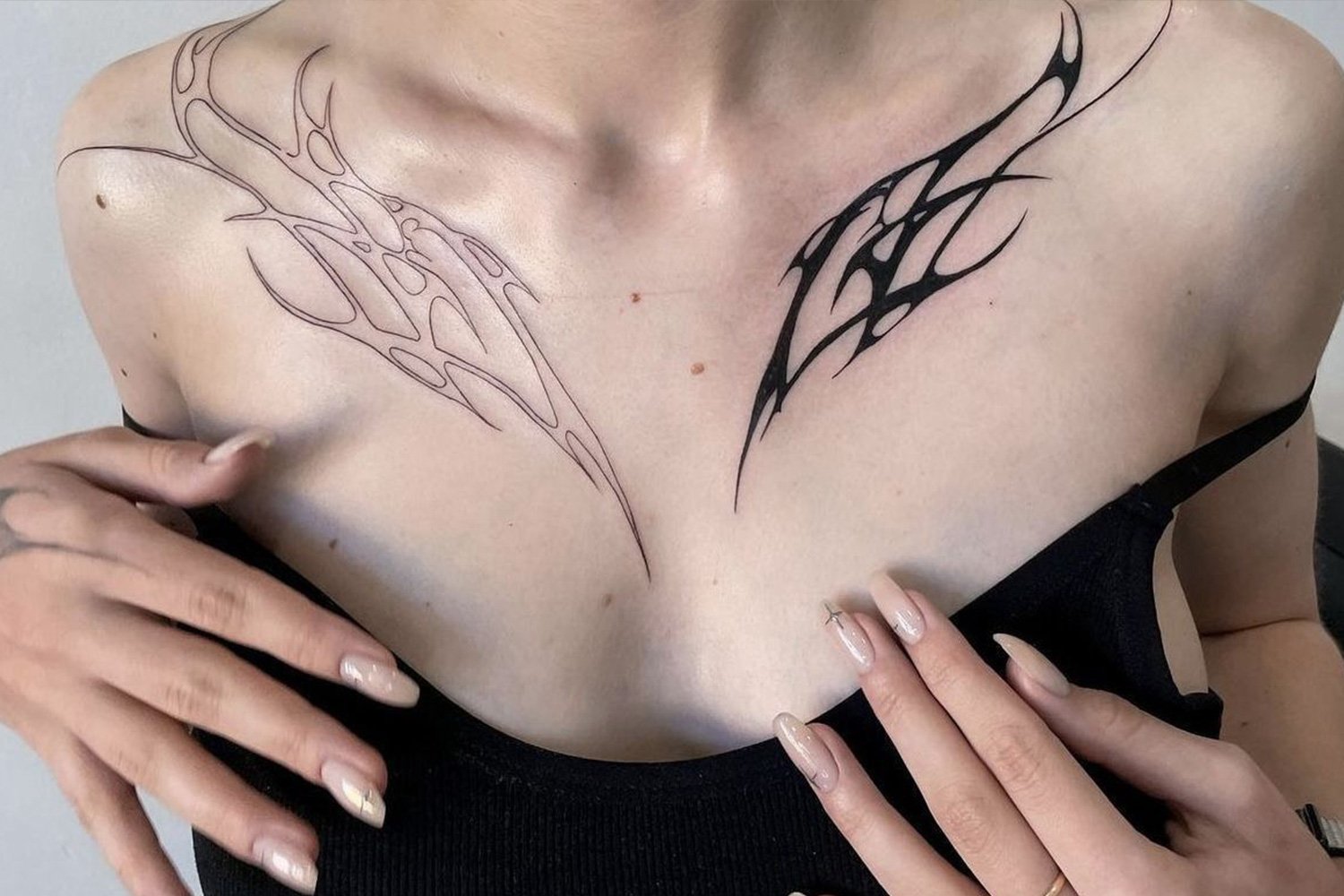
Cybersygilism tattooing style

Cybersygilism tattooing style

Thin black lines radiating outward from a central point on the sternum, tapering to needle-fine tips, curving along the collarbones and down between the ribs. The pattern is symmetrical, angular, and organic at the same time — part skeletal diagram, part circuit board, part occult symbol, part something that does not have an analogue in any older visual tradition.
Microrealism

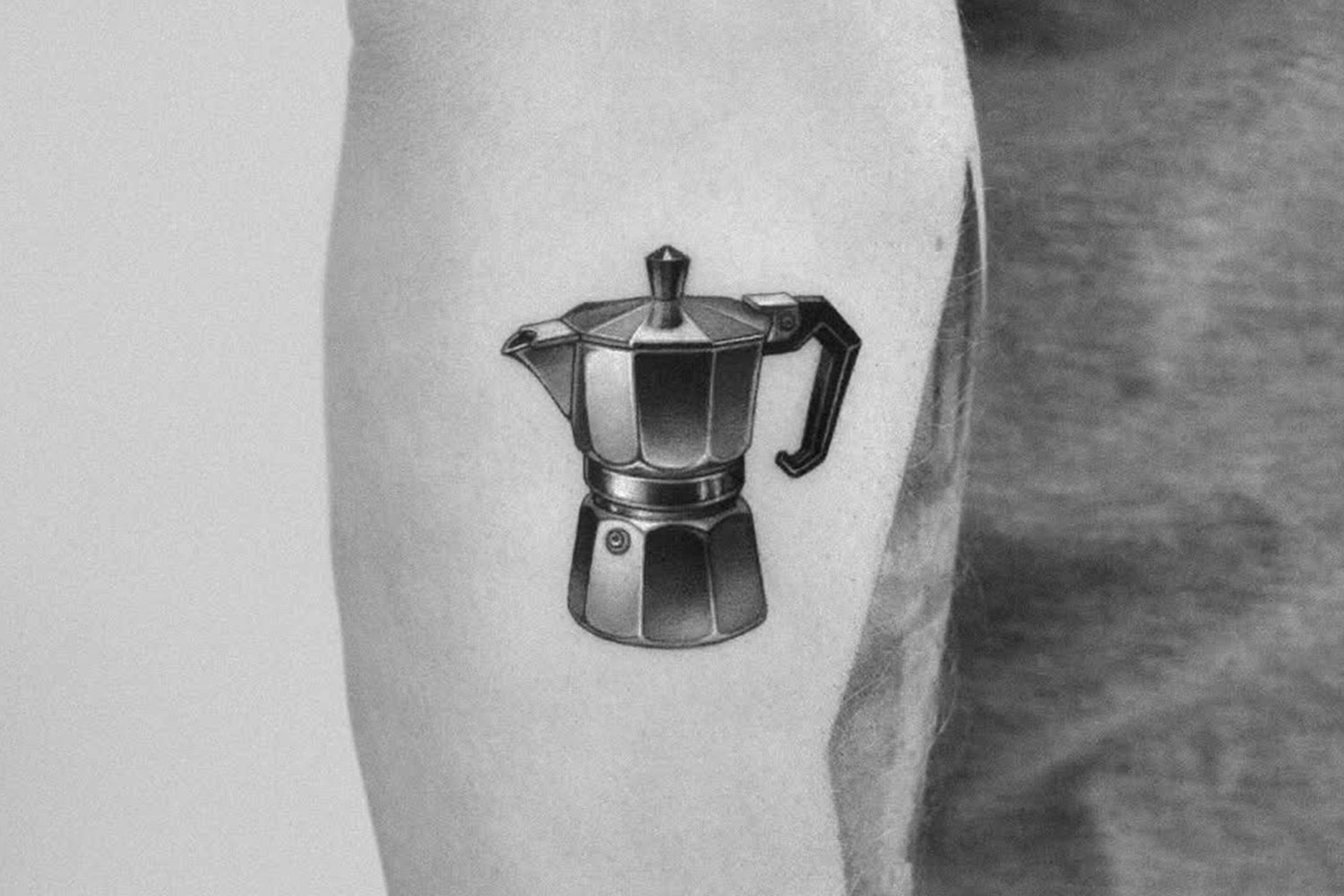
Microrealism

Microrealism sits at the intersection of two trends: the technical development of photographic realism in tattooing, and the recent preference for small, discreet, placement-sensitive work that reads well in phone photography. Understanding micro-realism requires understanding those strands and the technical shift that made it possible.

Thai Sak Yant

Thai Sak Yant

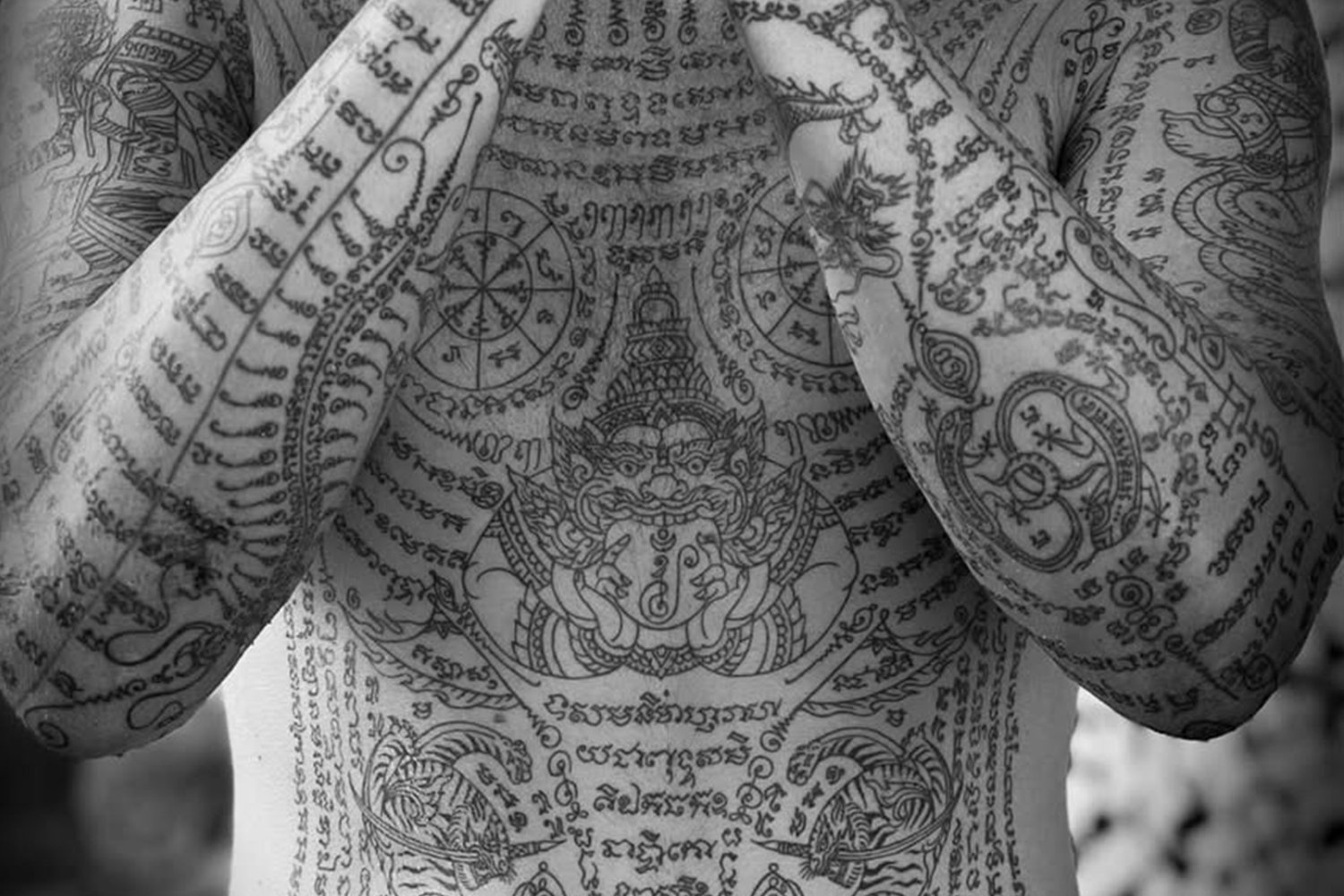
Sak Yant is the sacred tattoo tradition of mainland Southeast Asia. Sak means “to tap” in Thai (the action of the needle). Yant derives from the Sanskrit yantra — a geometric diagram used in Hindu and Buddhist meditation and ritual practices as a receptacle for spiritual power. A Sak Yant tattoo is a yantra tapped into the skin.

Prison tattooing

Prison tattooing

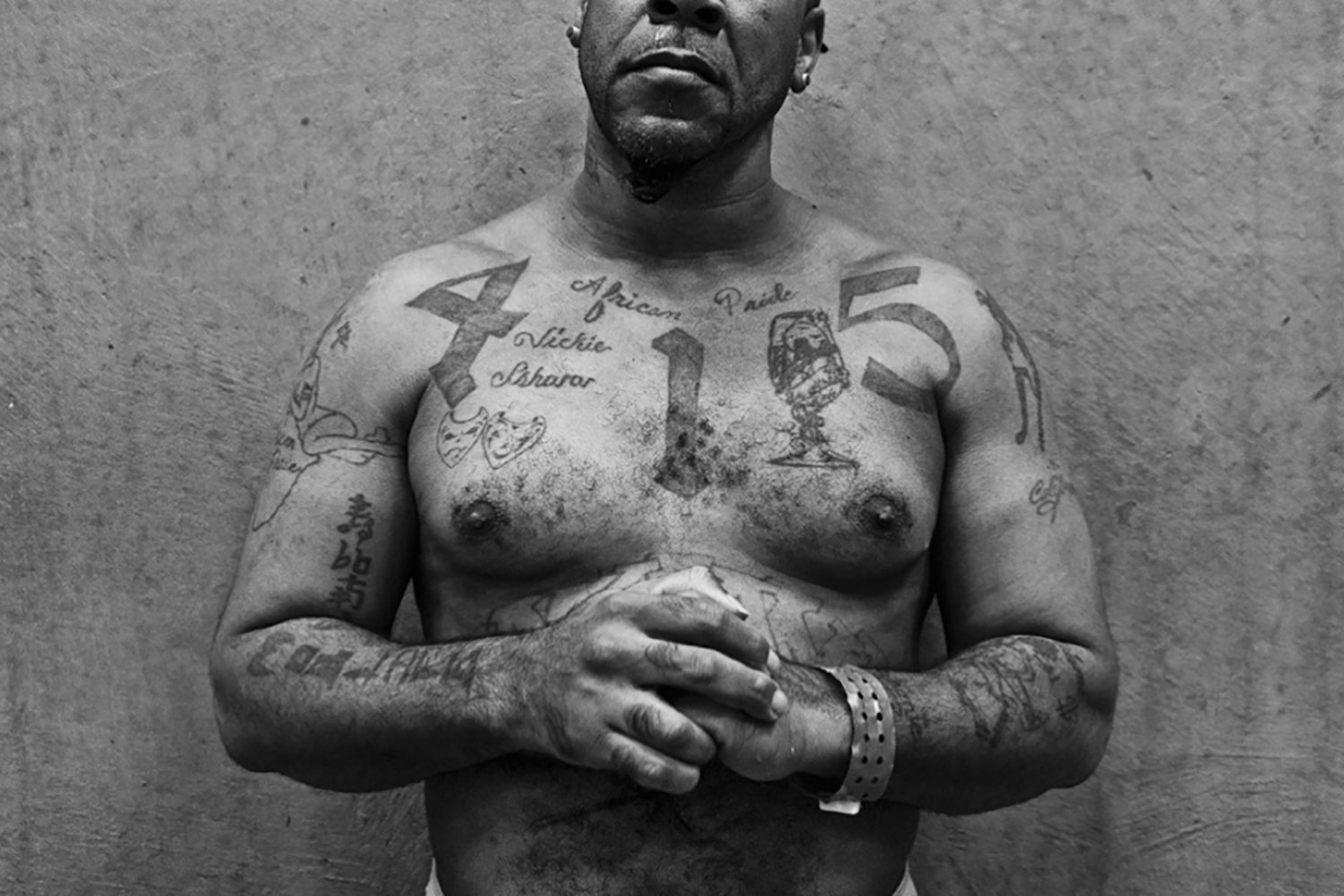
Prison tattooing exists wherever incarceration exists. It has been documented in the United States, Russia, Japan, Mexico, Australia, and across Europe, Africa, and South America. The specifics vary — the tools are improvised from whatever the institution contains and the iconography reflects the local culture — but the fundamental dynamic is universal.

Illustrative tattooing style

Illustrative tattooing style

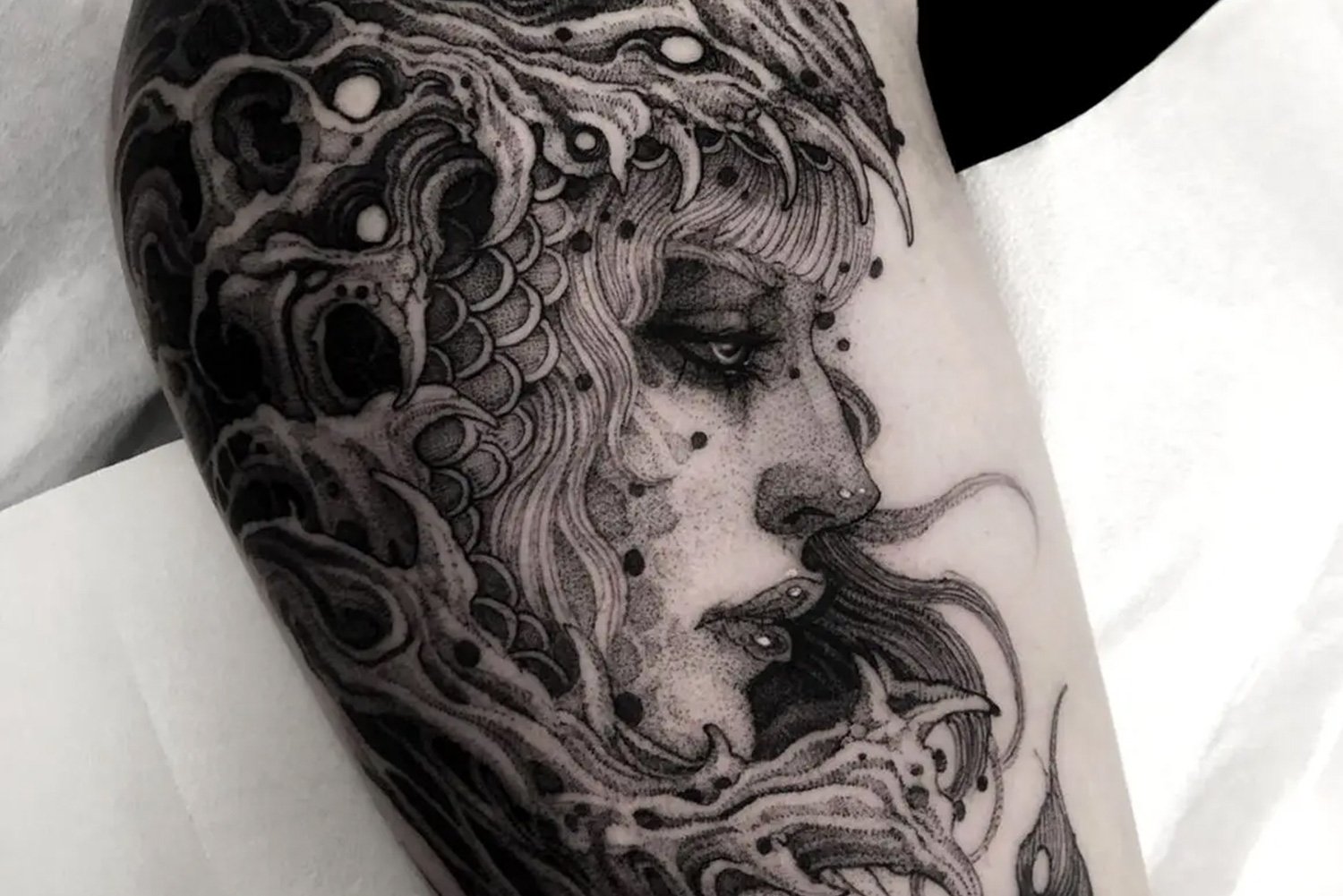
Illustrative tattooing is the style that draws most directly from traditions outside tattooing — book illustration, printmaking, pen-and-ink drawing, woodcut, engraving, and lithography. Where American traditional draws from flash sheets and Japanese irezumi draws from ukiyo-e and painted scrolls, illustrative work draws from the printed page.

Samoan tatau

Samoan tatau

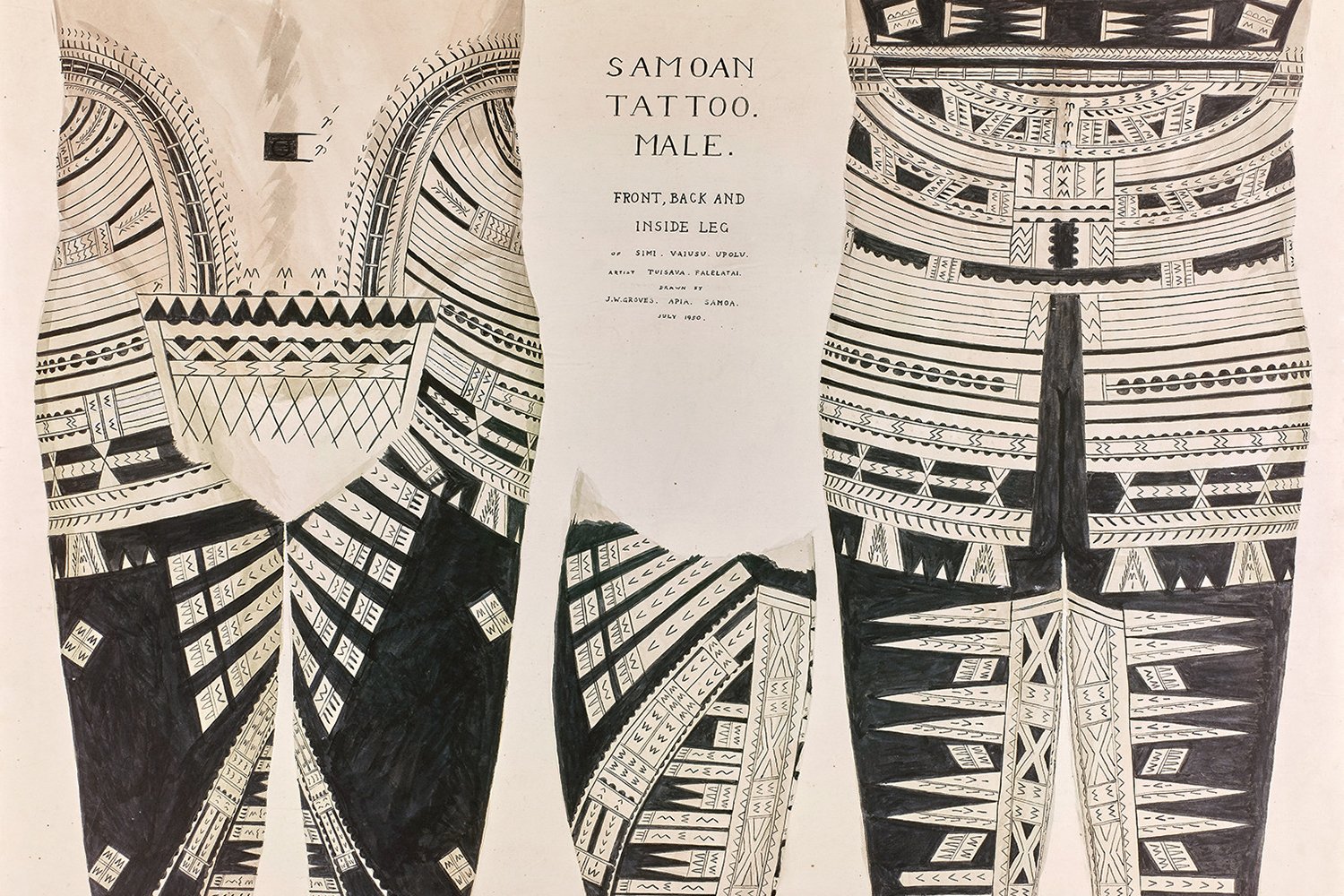
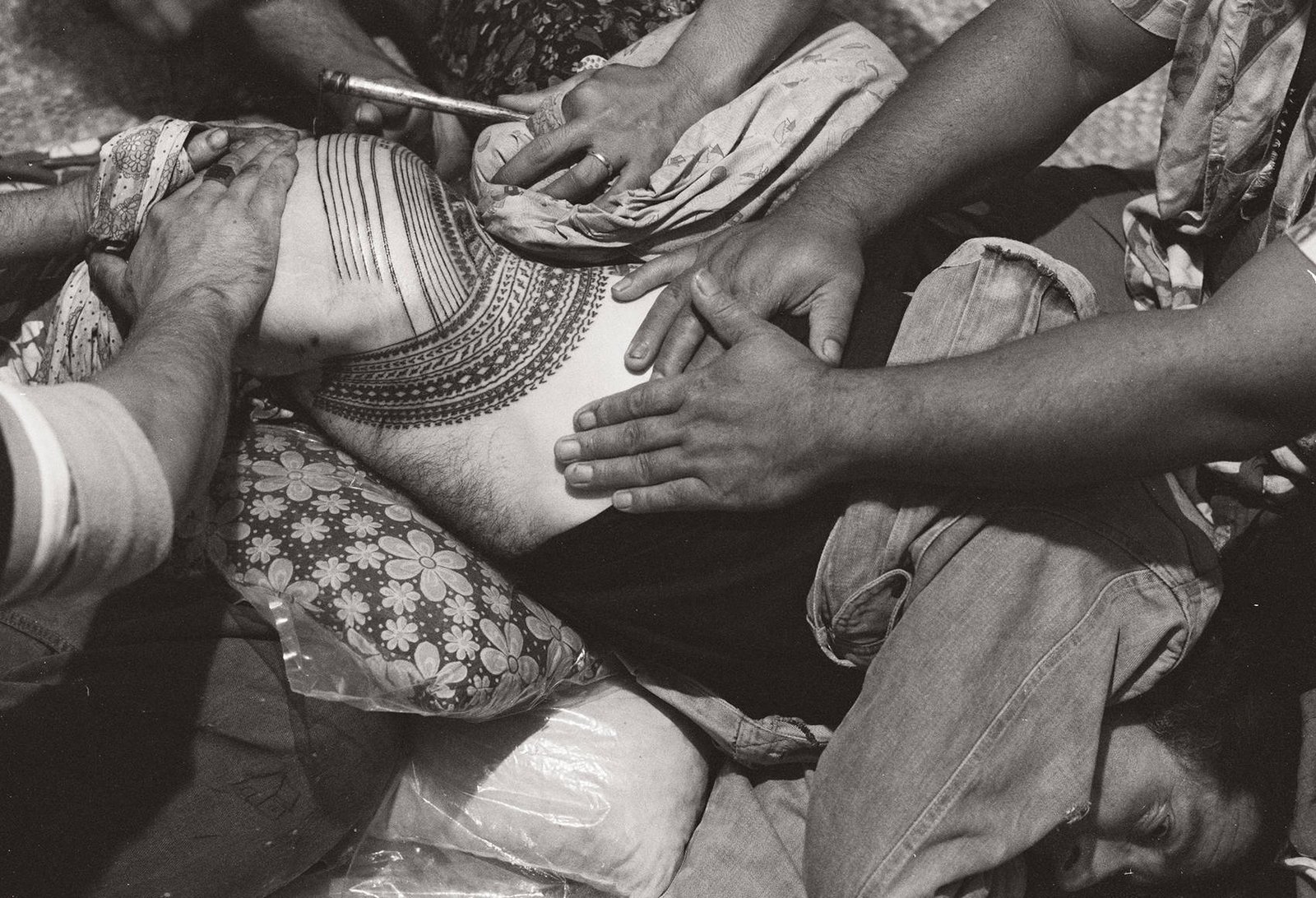
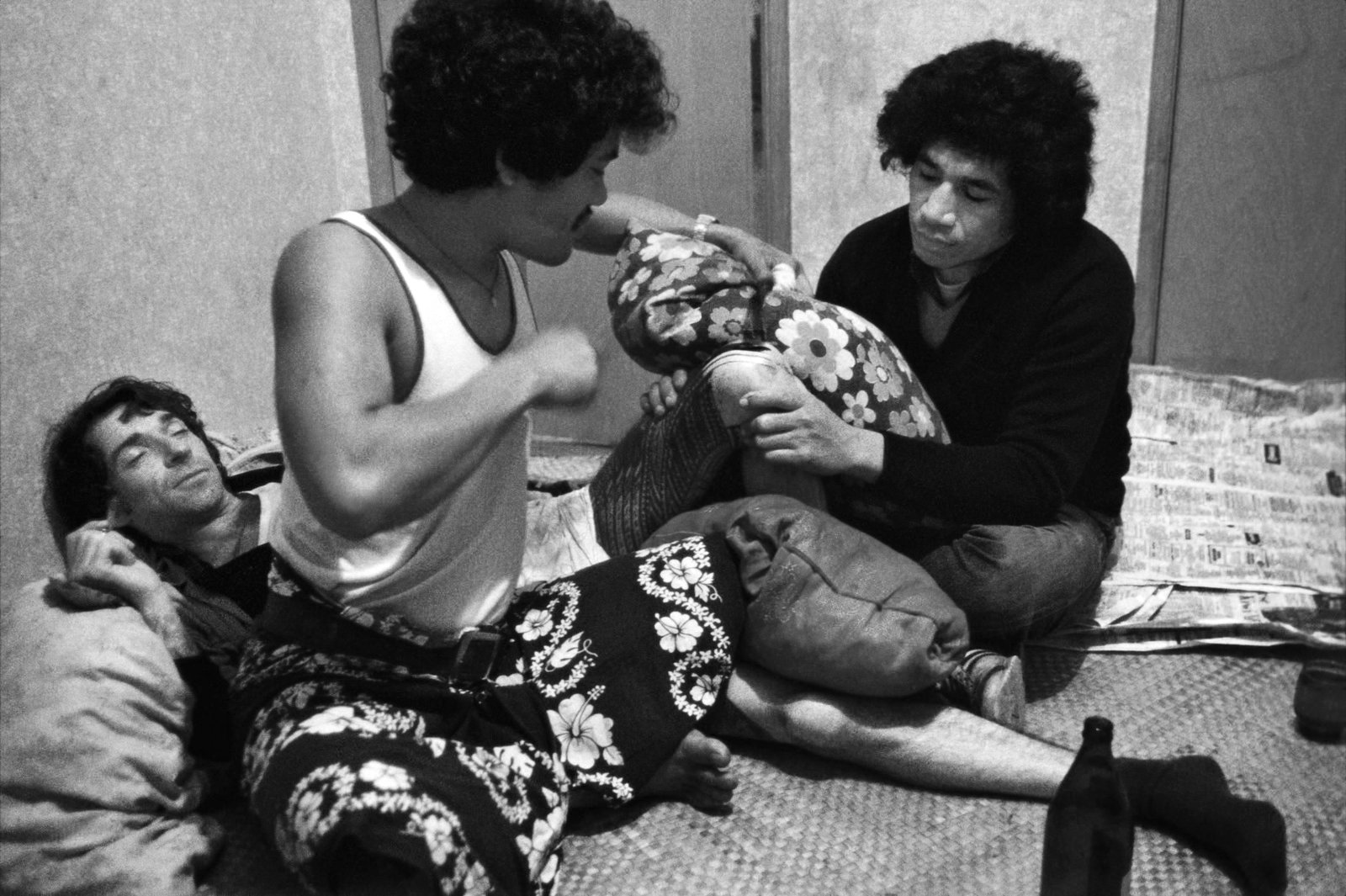
The Samoan tatau tradition has been practised continuously, in its traditional form, from pre-contact times to the present. The tools have changed materials, the pigment is now commercially manufactured, and the hygiene protocols have been formalised — but the method, the design system and the cultural protocols are unbroken.

Minimalism

Minimalism

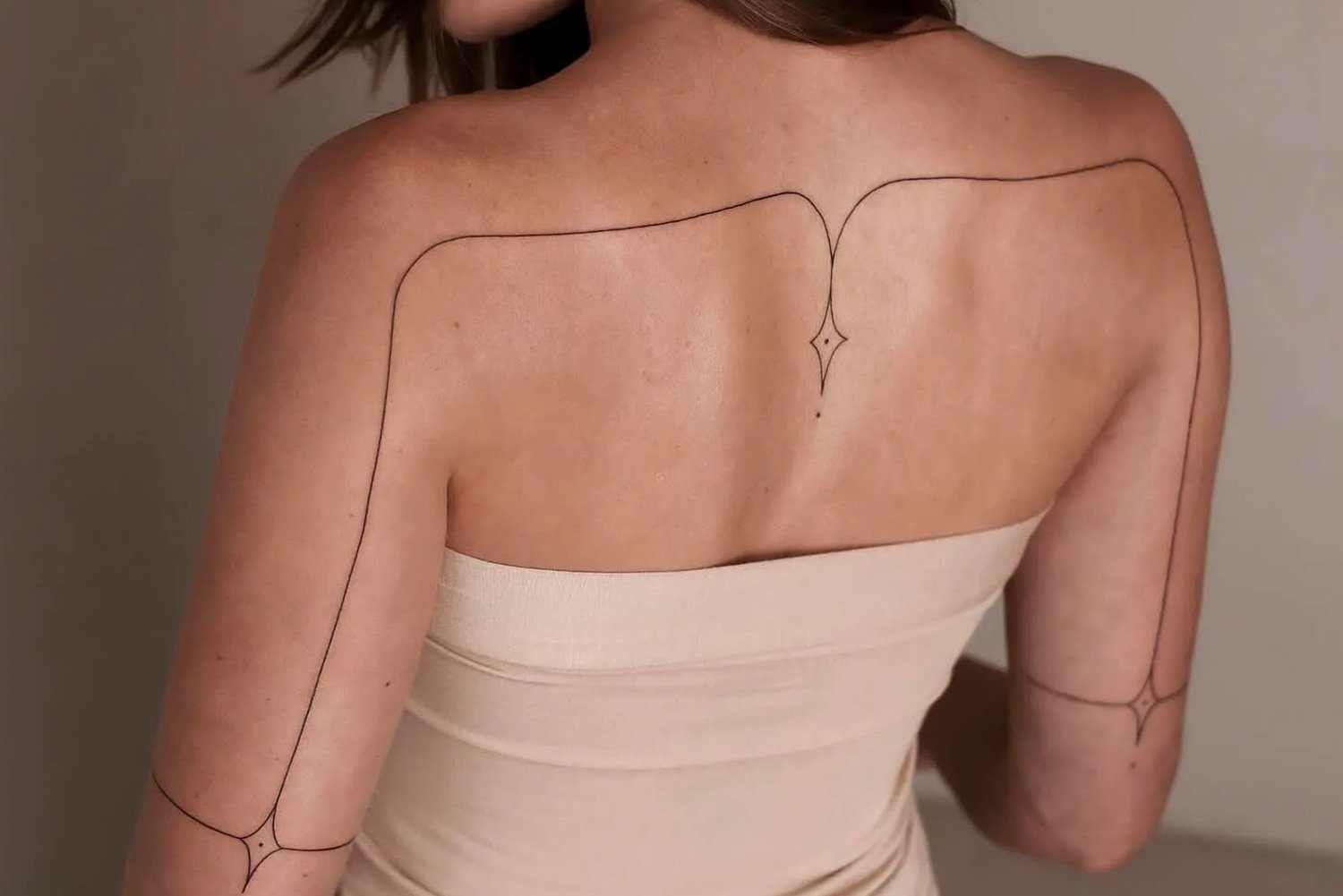
Minimalism is not a technique in the way that realism or blackwork or illustrative tattooing are techniques. It is a design philosophy applied to tattooing: an approach to composition that values economy, negative space, and reduction. A minimalist tattoo can be executed in fine line, in blackwork, in dotwork, in single-needle greywash, or in simple bold line.

Japanese traditional tattooing style

Japanese traditional tattooing style

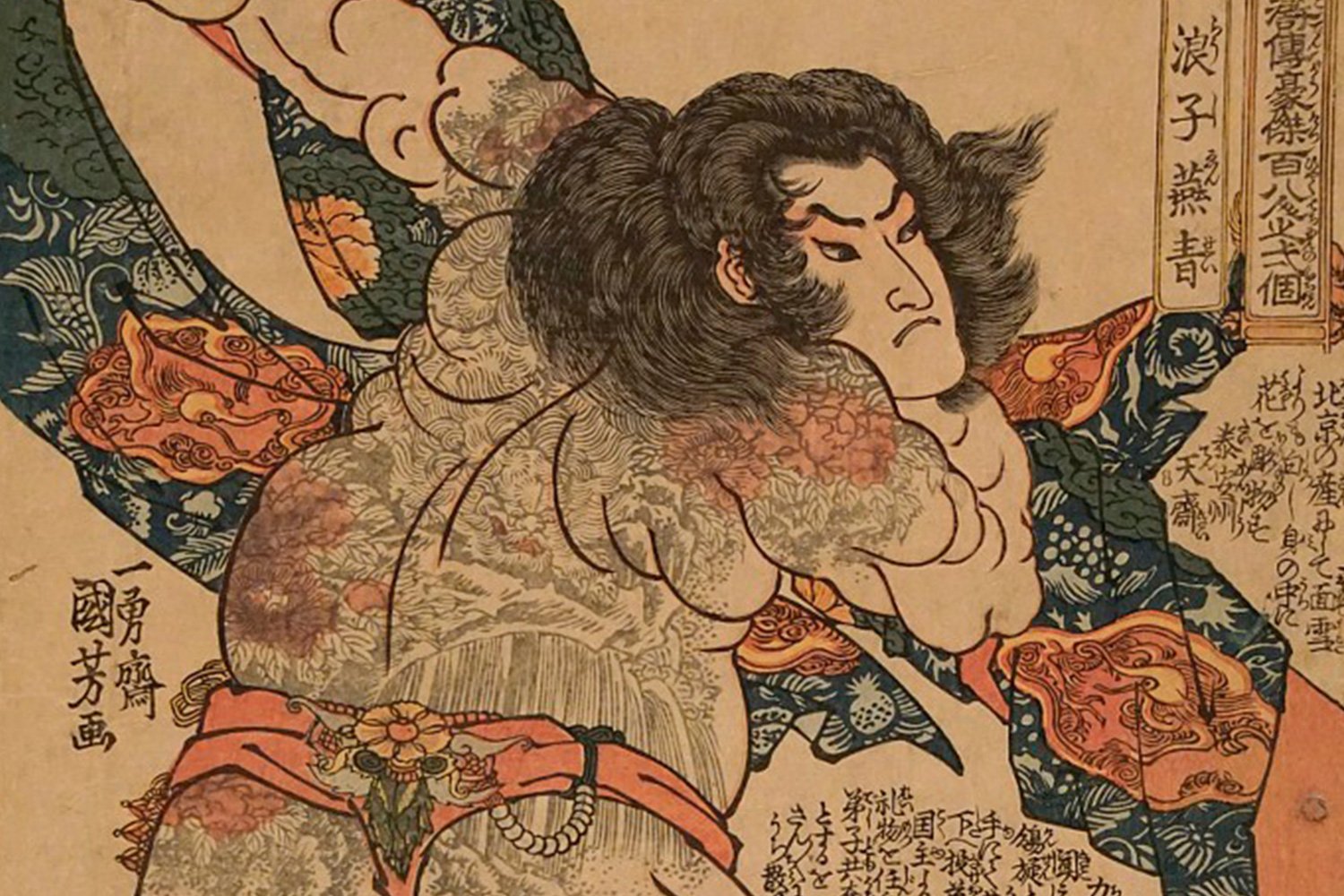
Traditional Japanese tattooing — irezumi or horimono — is arguably the most developed tattoo tradition in the world. No other culture has produced a tattoo system of comparable compositional ambition, iconographic depth, or technical sophistication. A full Japanese bodysuit can take dozens of weekly sessions and cost upwards of thirty thousand dollars.

Apo Whang-Od

Apo Whang-Od

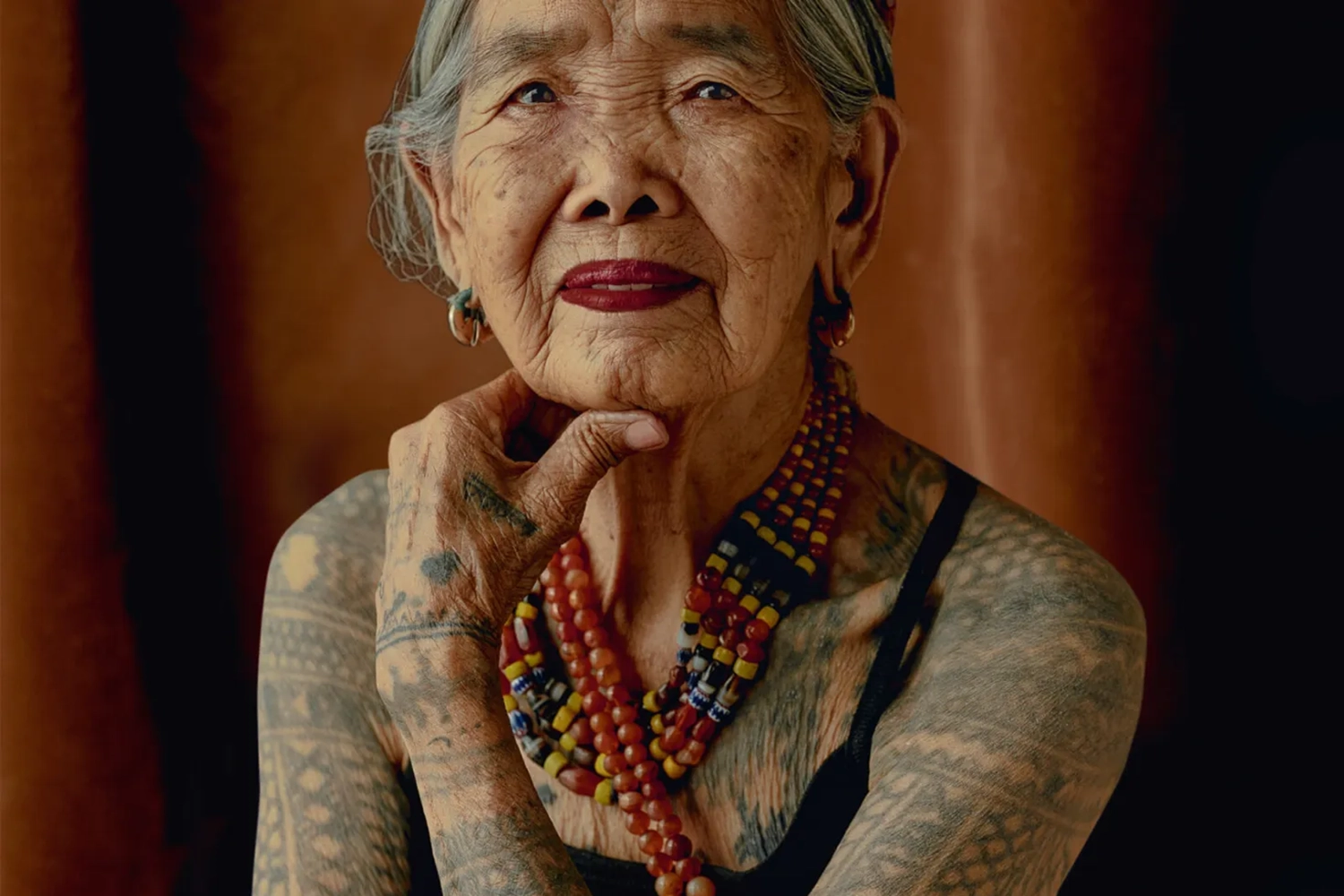
Whang-Od is the first and only female mambabatok of her generation. In the traditional practice, the mambabatok was not only a tattooist. The role included chanting during the tattooing process, reading the designs as indicators of the recipient’s fate, and performing the rituals that — in Kalinga belief — ensured the tattoo’s spiritual protection.

Patchwork

Patchwork

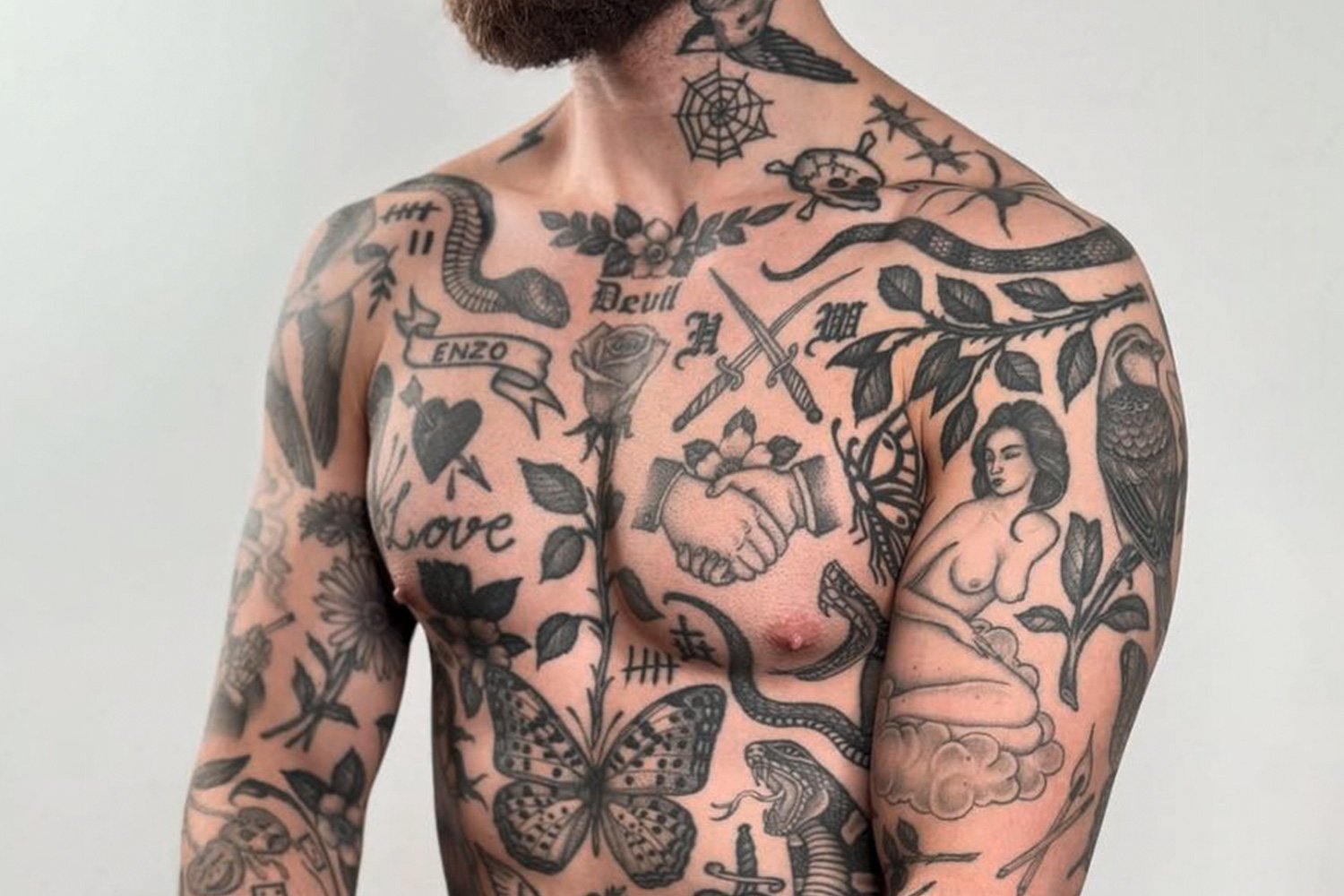
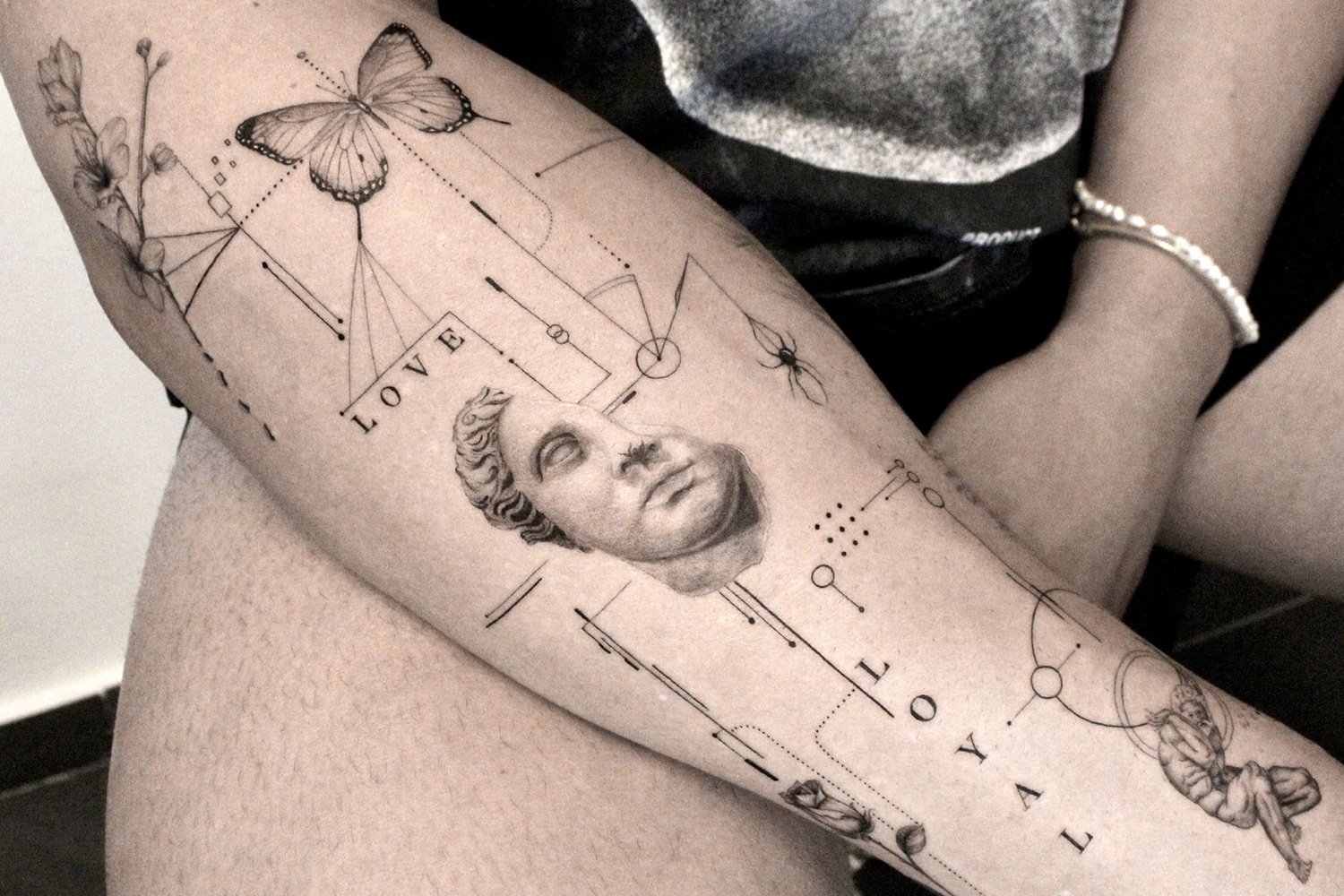
Patchwork is a way of collecting tattoos. It is an approach to how pieces are arranged on the body, not a technique for making individual pieces. Each piece in a patchwork collection can be in any style — traditional, realism, minimalist or anything else. What makes the collection patchwork style is the relationship between the pieces.

Fine line

Fine line

Fine line is the dominant first-tattoo style of the 2020s in most Western markets. Its appeal is clear: it is visually light, personally scaled, discreet by default, and legible to people who may not identify with the heavier visual traditions of tattooing. It has broadened the tattoo client base substantially, bringing in people who might not have considered a tattoo in (…)

Blackwork

Blackwork

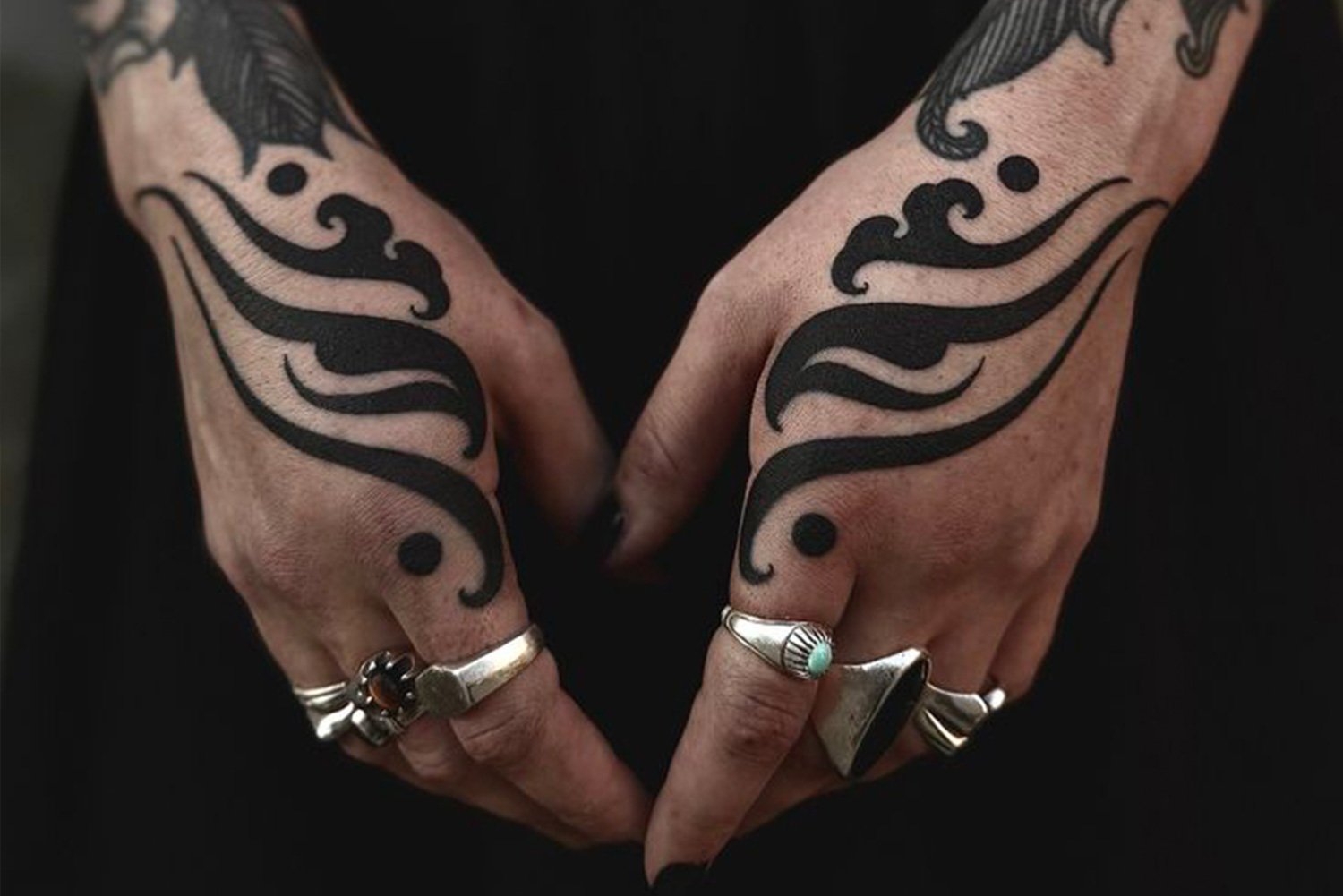
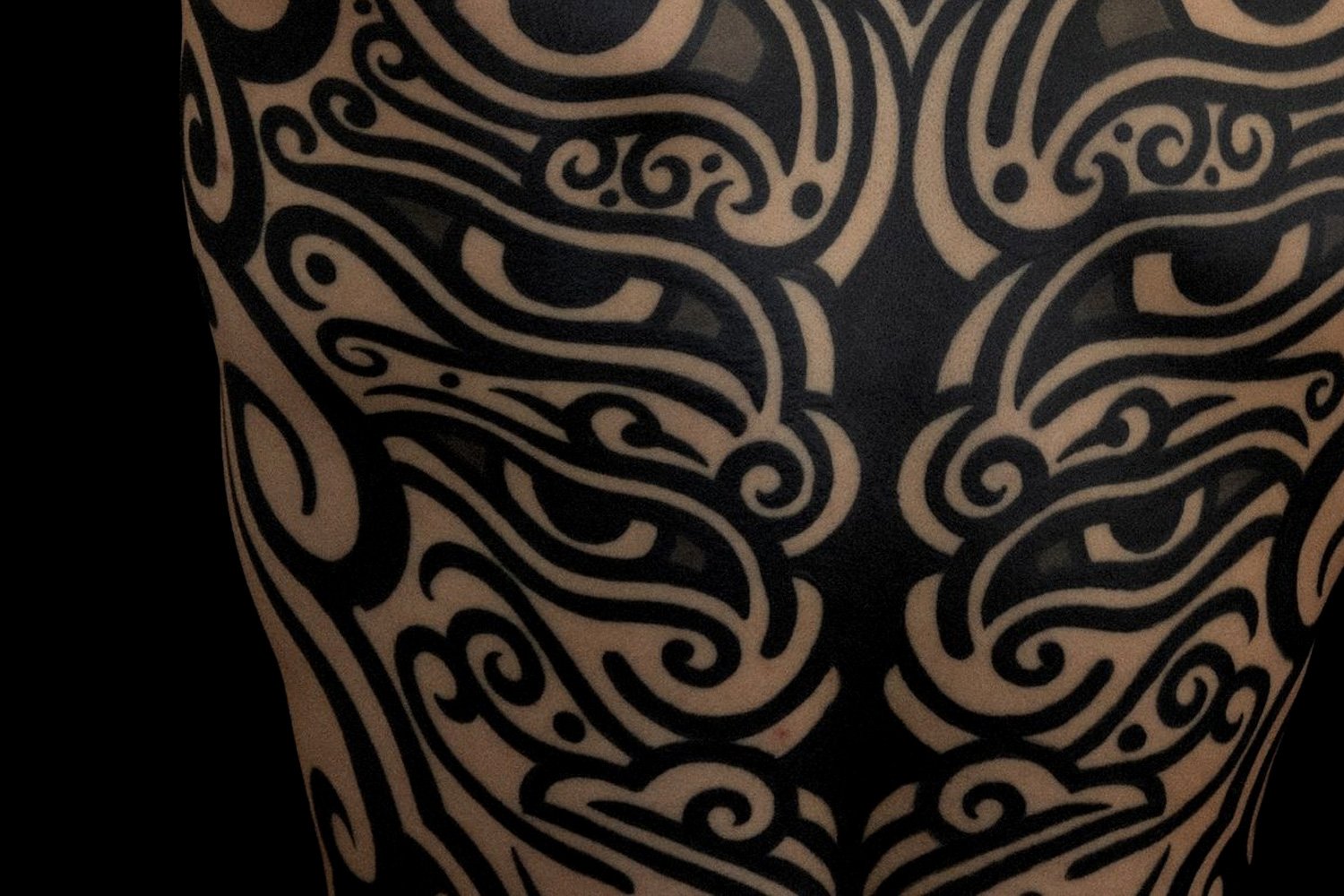
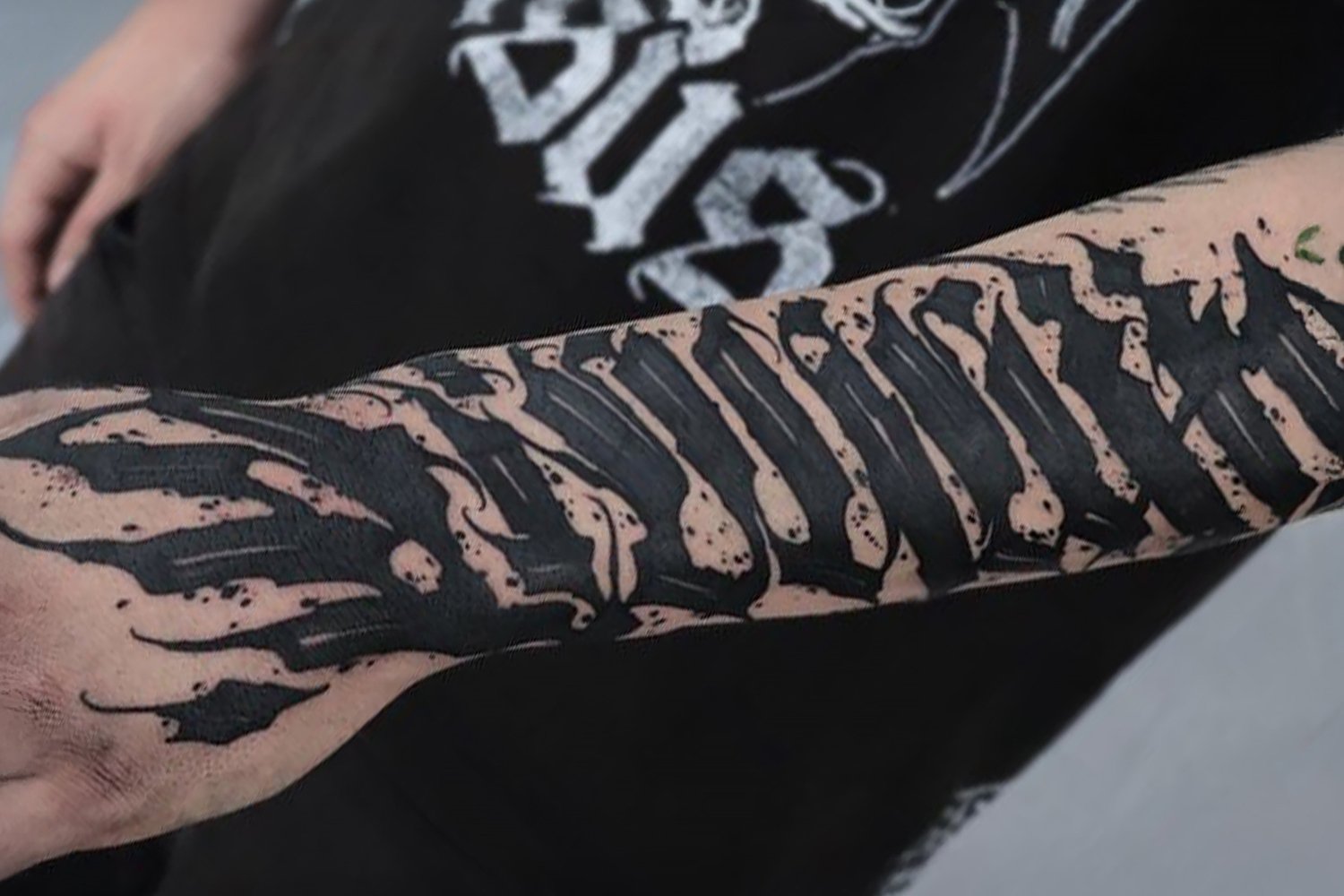
Blackwork, as a named contemporary tattoo style, refers to work done exclusively or predominantly in solid black ink. The term covers an enormous range of visual approaches, from geometric abstraction to dense figurative illustration, from Polynesian pattern work to large-scale solid coverage, from mandalas to botanical renderings.

Filipino batok/batuk/patik

Filipino batok/batuk/patik

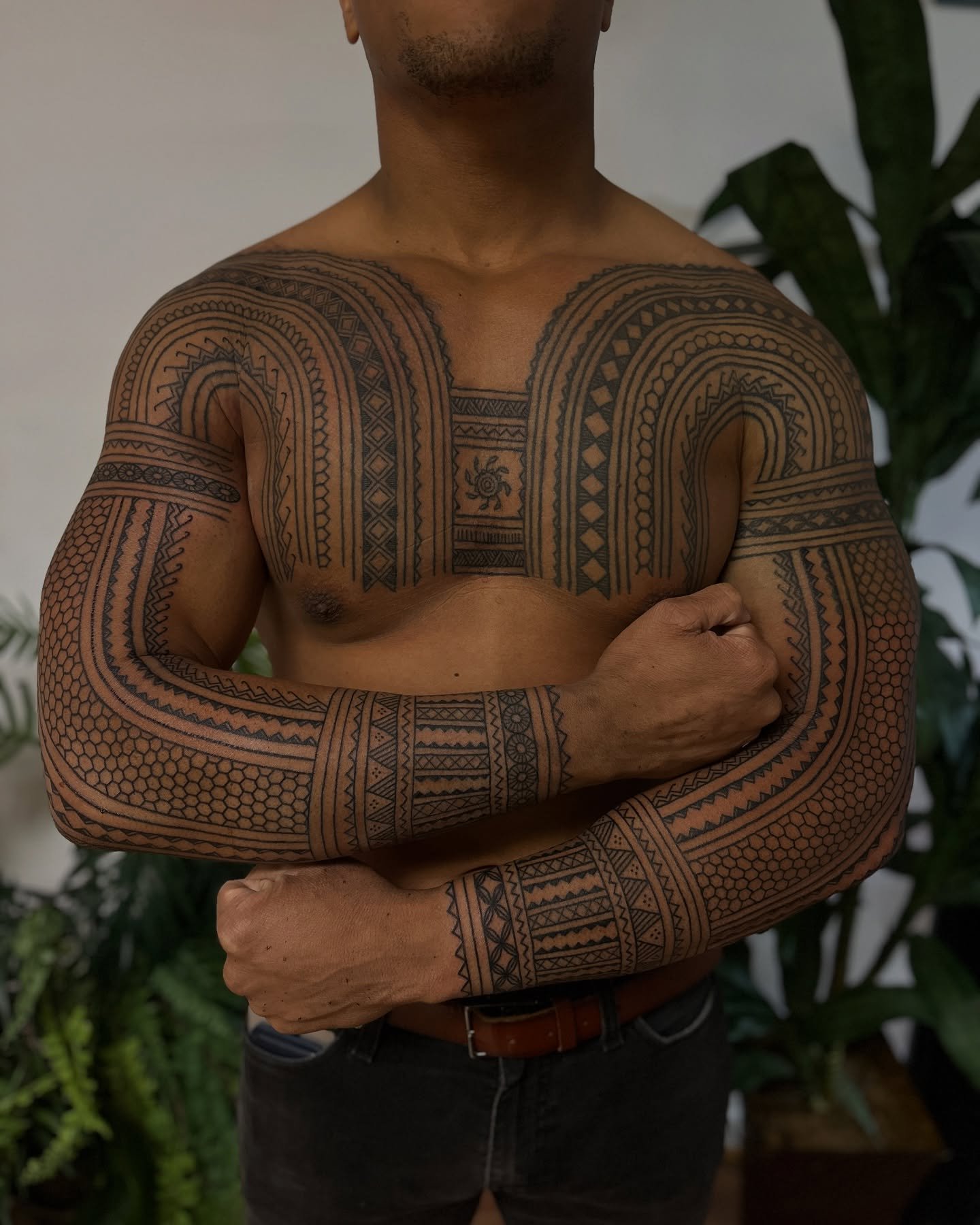
The Philippines has one of the deepest and most diverse tattooing traditions in the Austronesian world. Before the Spanish colonial period, tattooing was practised by almost every ethnic group across the archipelago — in the Visayas, Luzon, Mindanao, and the smaller island groups.

Mark Mahoney tattoo artist

Mark Mahoney tattoo artist

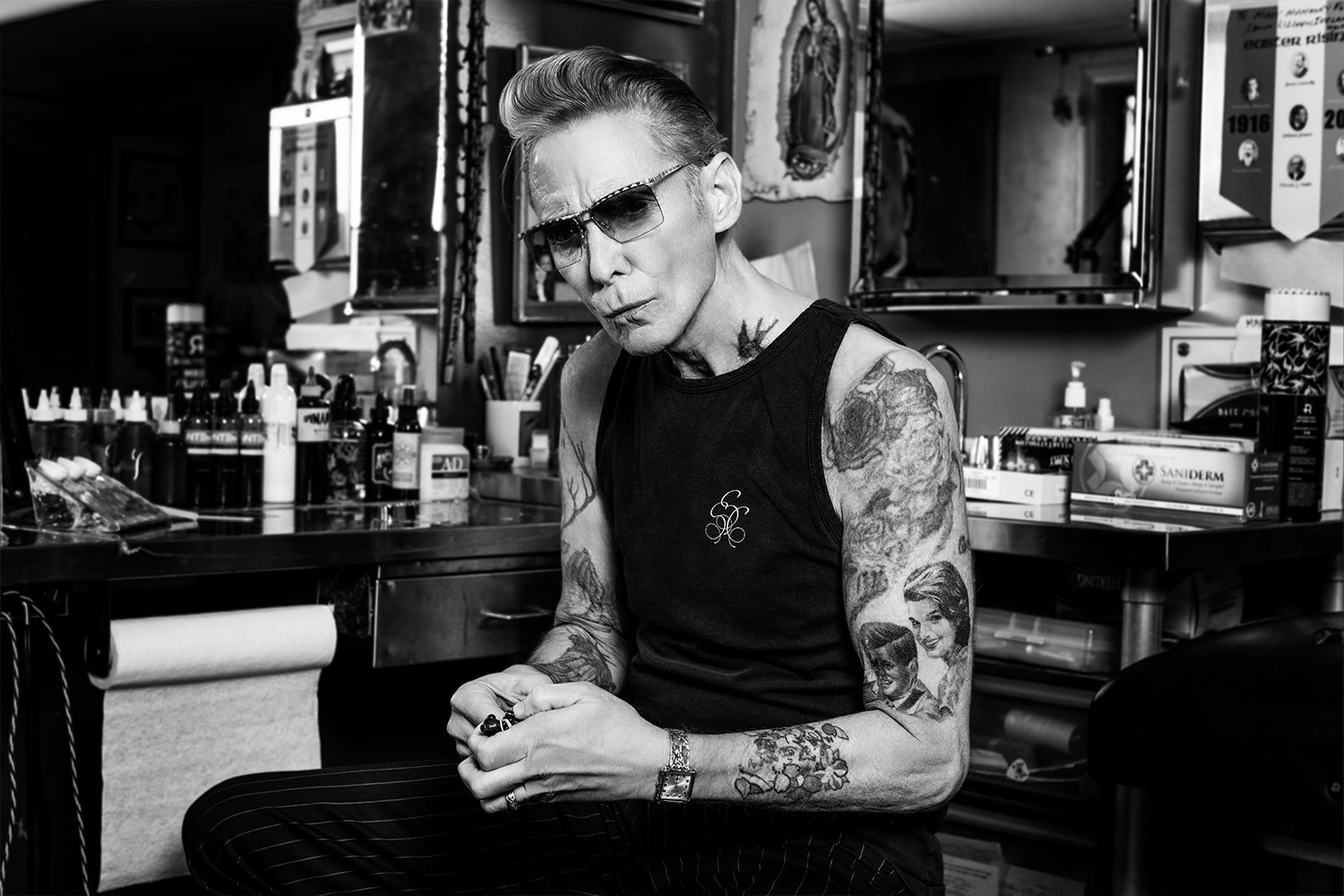
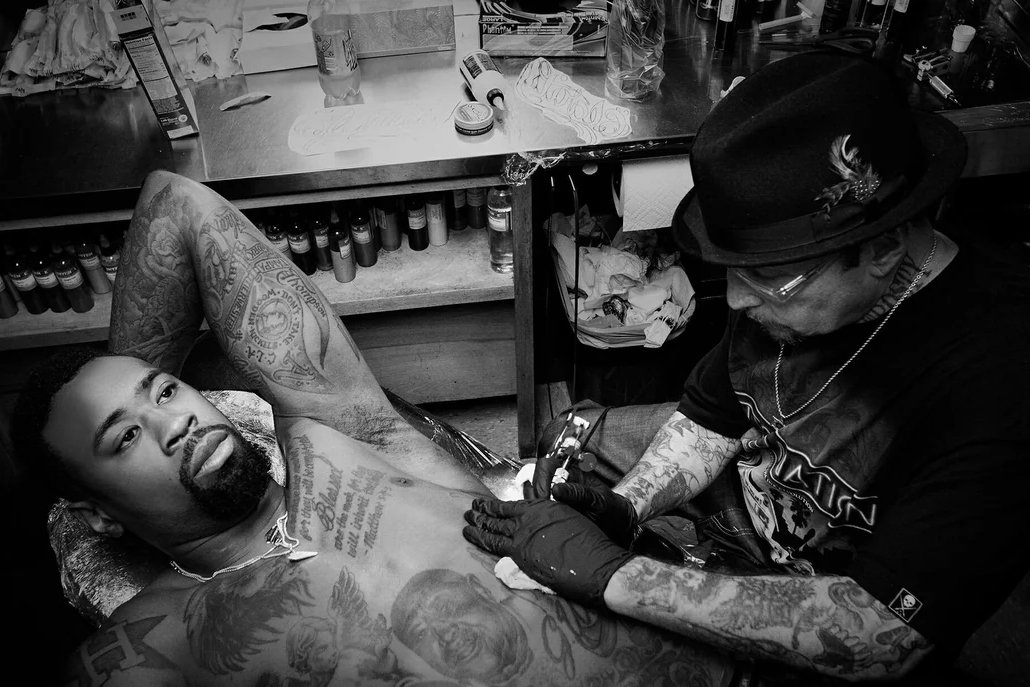
Mahoney’s career spans the full arc of the transformation of American tattooing from underground craft to mainstream cultural practice. He started in 1977, tattooing illegally in Boston motorcycle clubhouses. He tattooed punk legends on the Lower East Side when tattooing was illegal in New York. He learned the Chicano tradition at the Pike (…)

Blackout

Blackout

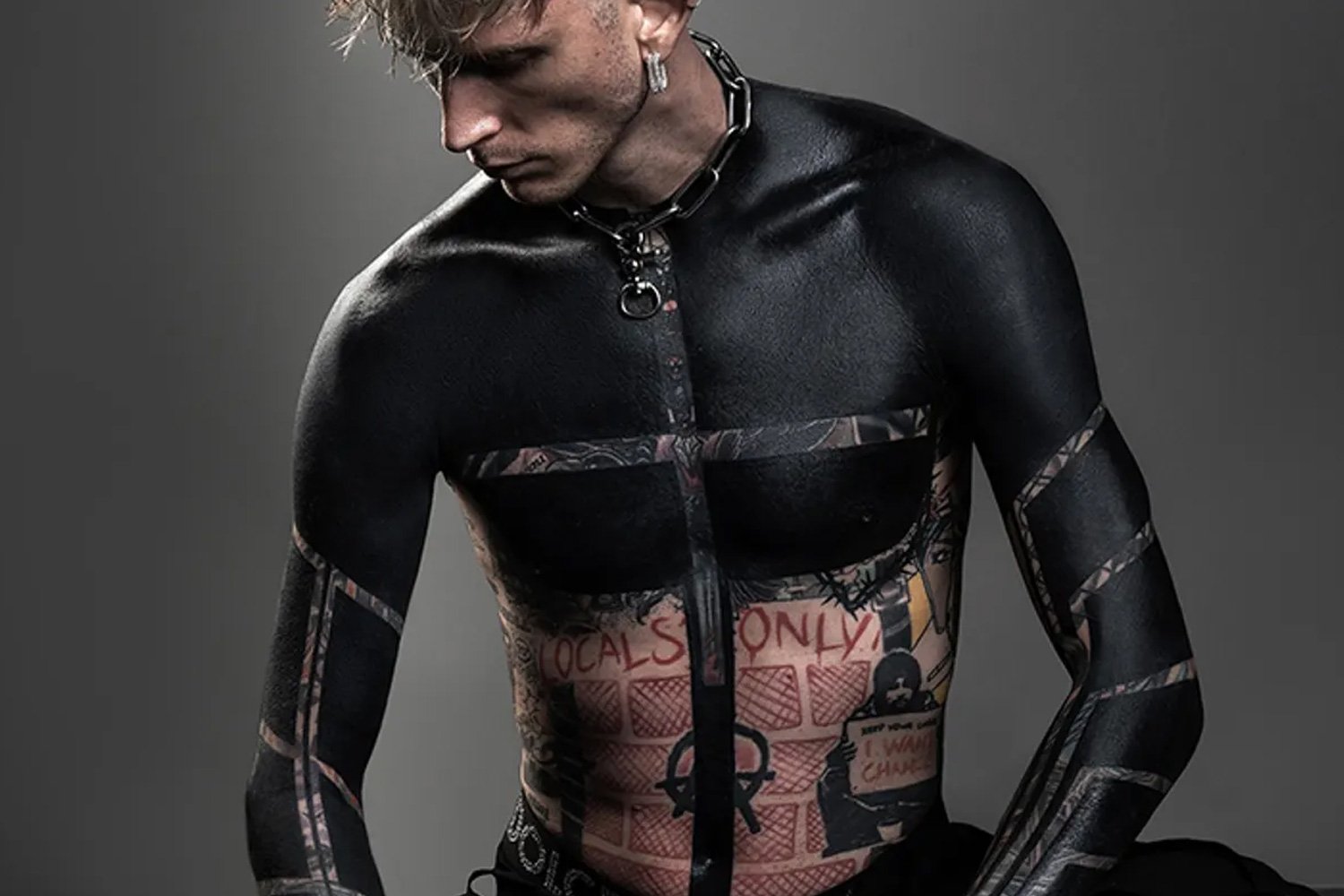
Blackout sits at one end of the blackwork spectrum. Where most blackwork styles use the interplay between black ink and bare skin — pattern, line, dot, negative space — blackout eliminates the interplay. The skin within the designated area becomes a black surface. Whatever the skin was before disappears under the thick layer of black ink.

Ornamental

Ornamental

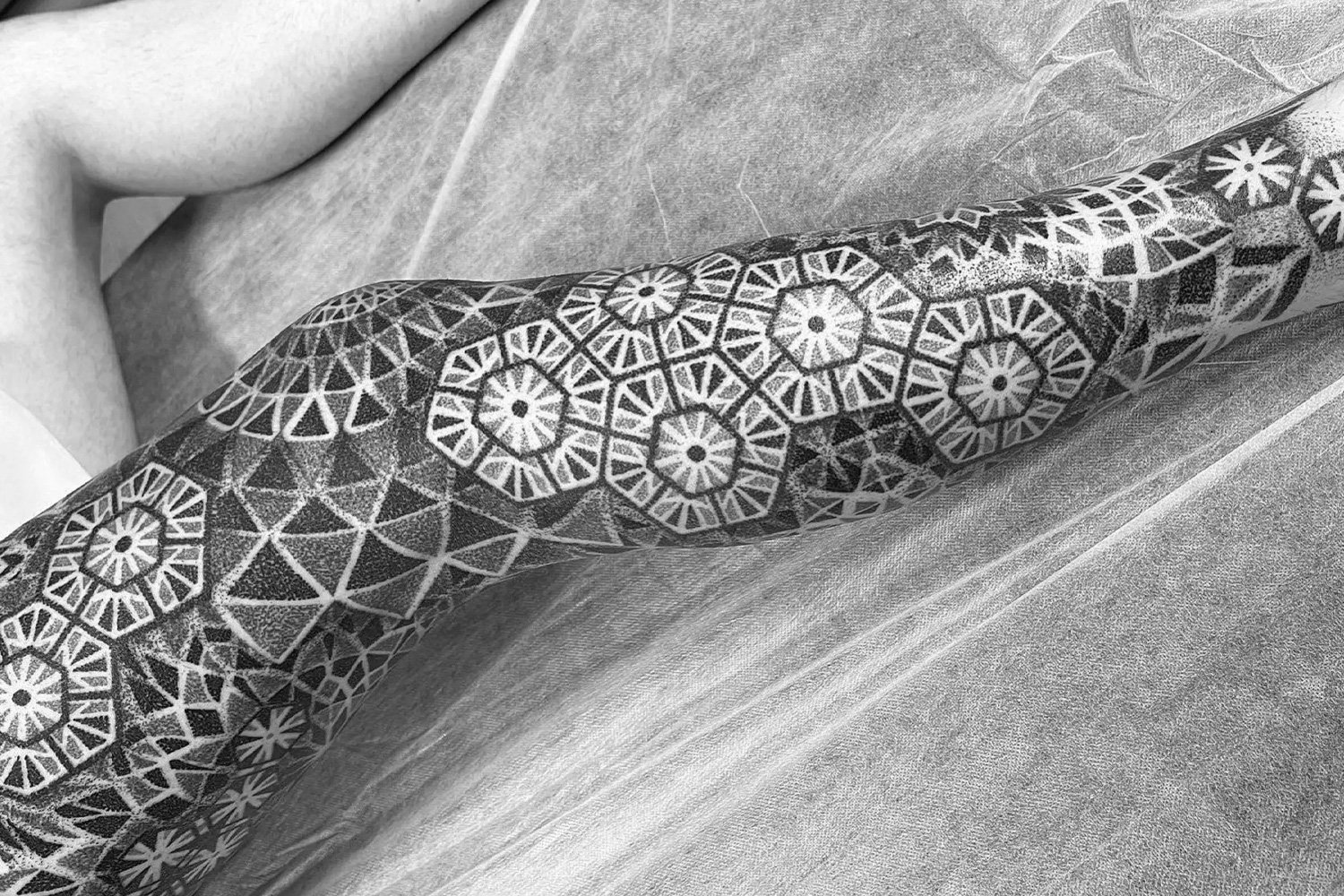
Ornamental tattooing is the style where the representation drops away and the decoration itself becomes the subject. The pattern is the content. The beauty of the arrangement is the meaning. Ornamental design — pattern, motif, and decorative composition applied to surfaces to make them beautiful — is one of the oldest human visual practices.

Berber (Amazigh) ticharet

Berber (Amazigh) ticharet

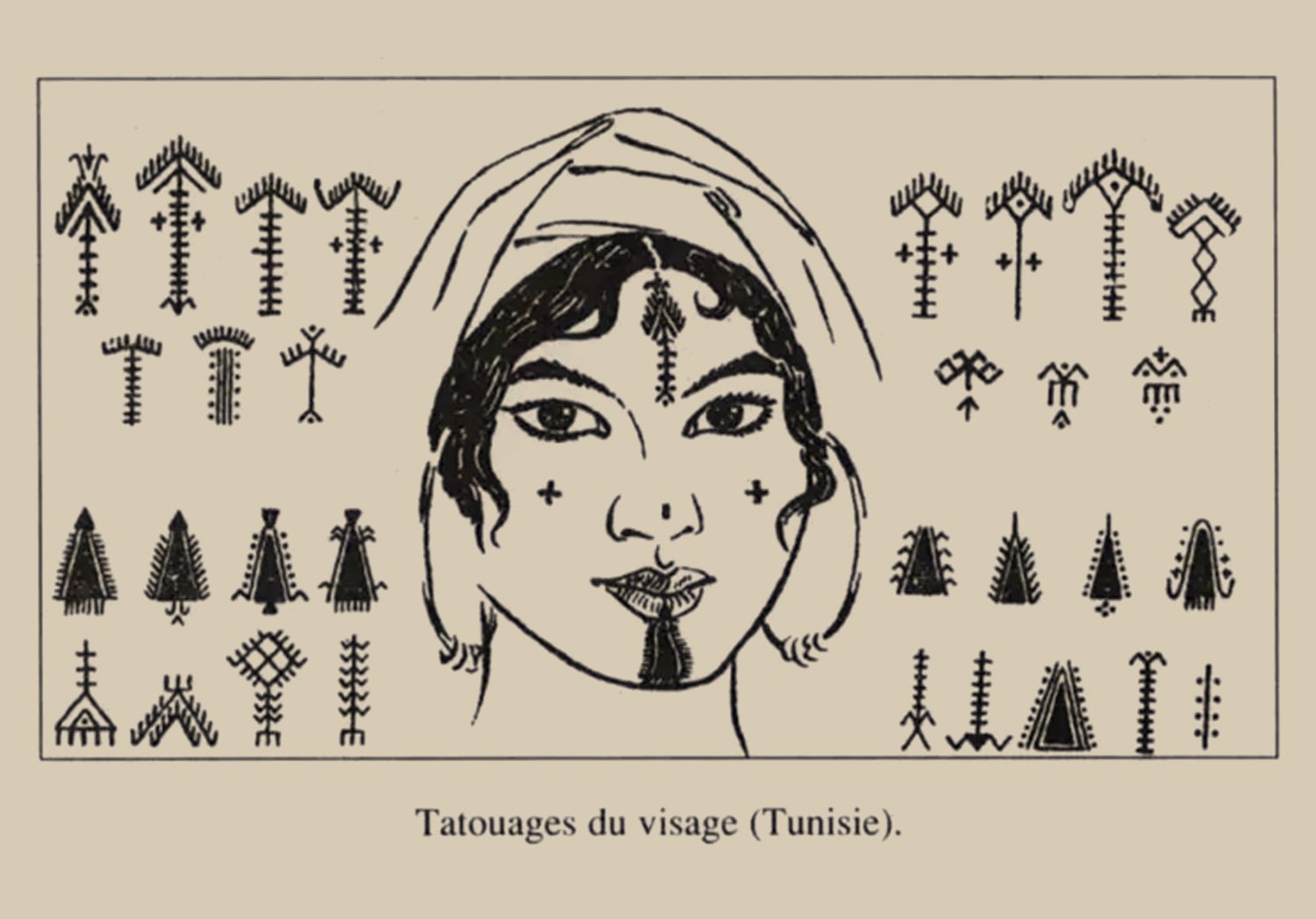
Amazigh tattooing (ticharet) was overwhelmingly a women’s practice. Women received the tattoos; applied them; held the knowledge of which symbols meant what and which designs belonged to which occasions. This makes Amazigh tattooing one of the few tattoo traditions in the world that was created and controlled entirely by women.

Dr. Woo — Biran Woo tattoo artist

Dr. Woo — Biran Woo tattoo artist

Dr. Woo occupies a specific position in the arc of American tattooing. He is the artist who took the Chicano single-needle tradition and translated it into the visual language of the 2010s and 2020s: fine, detailed, fashion-conscious, Instagram-native, and accessible to a clientele that extends far beyond the working-class and subcultural communities.

Script / Lettering / Calligraphy

Script / Lettering / Calligraphy

Script and lettering tattoos are the most common category of tattooing worldwide. Among tattooed Americans, the most popular tattoo category is “a meaningful word, phrase, or quote.” The number is consistent with what tattoo artists report: lettering accounts for a substantial share of the work done in most commercial studios.

Biomechanical

Biomechanical

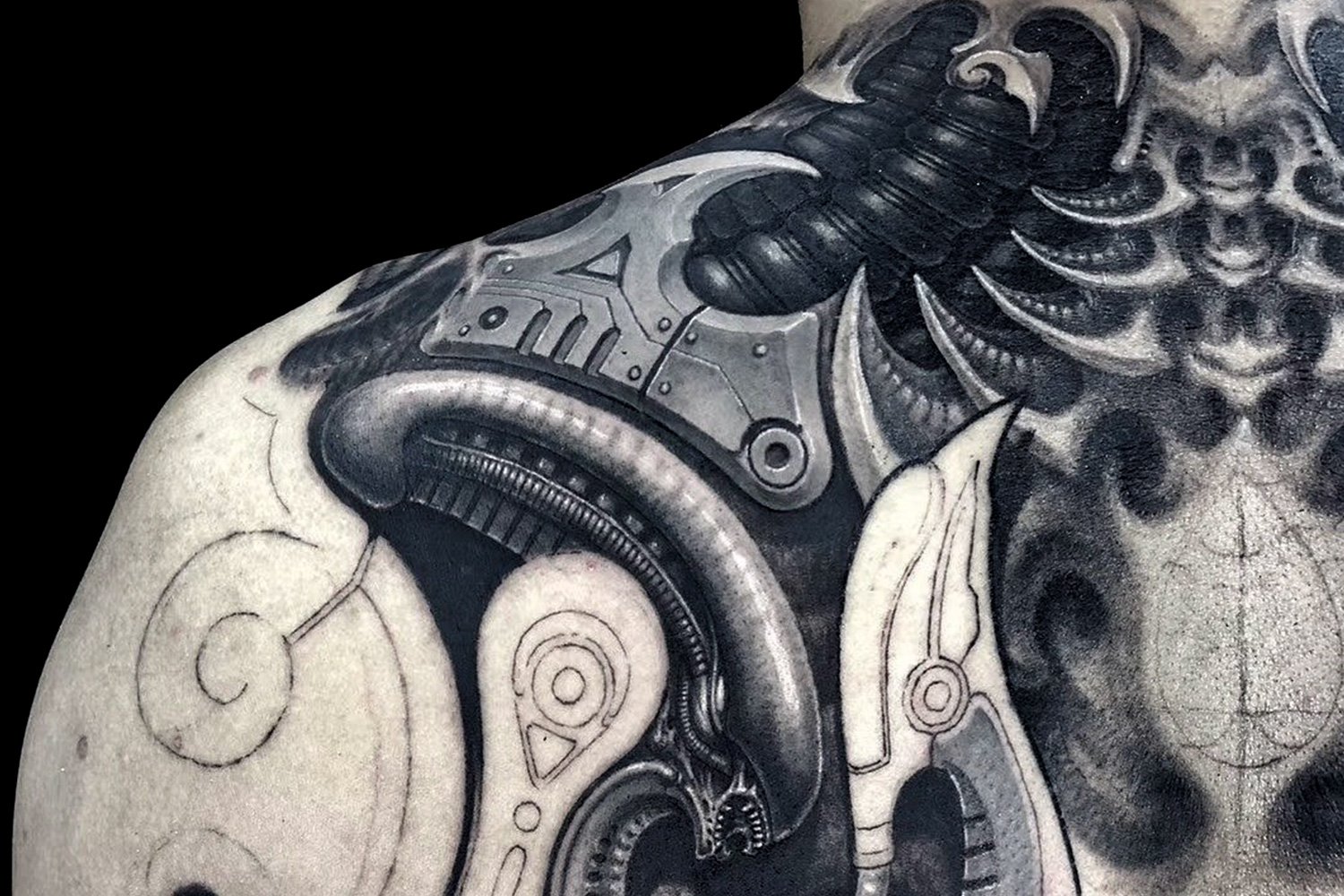
Biomechanical tattooing creates the illusion that the body contains machinery. The skin is treated as a surface that can be opened, peeled back, or made transparent, revealing an interior that is part biological and part technological. The style fuses organic anatomy with mechanical components into a single coherent system.

Geometric tattoo style

Geometric tattoo style

Geometric tattooing — work built primarily from geometric shapes, mathematical relationships, and abstract pattern — draws on this long history. The style has become one of the most requested categories in contemporary tattooing, encompassing everything from a single fine-line triangle on the wrist to a dense dotwork mandala covering the entire back.

Realism

Realism

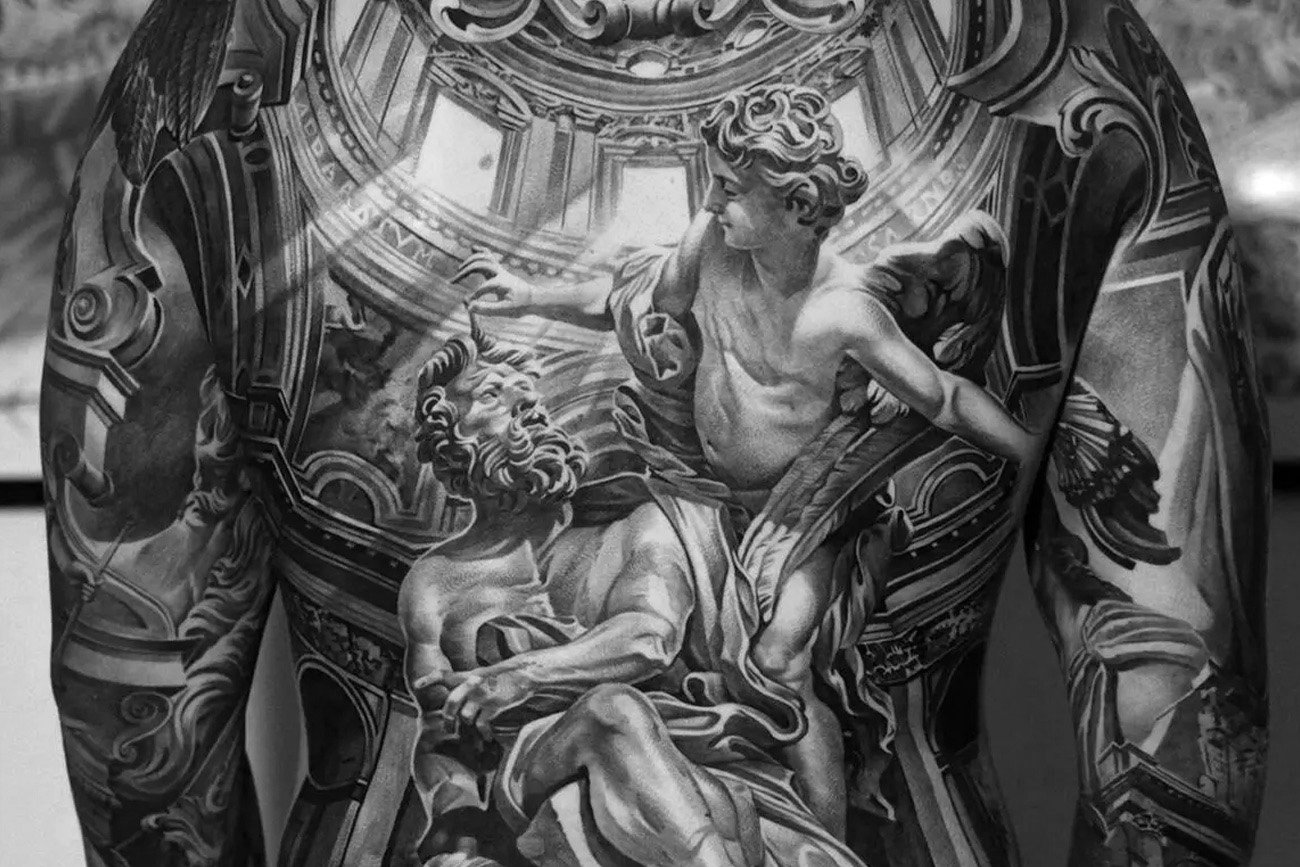
Realism in tattooing aims to reproduce visual reality on skin — photographic detail, accurate light and shadow, three-dimensional depth, and tonal range that mimics what the eye actually sees. It is among the most technically demanding approaches in the craft because the work relies entirely on tonal control, smooth gradients, and accurate rendering with (…)

Handpoke

Handpoke

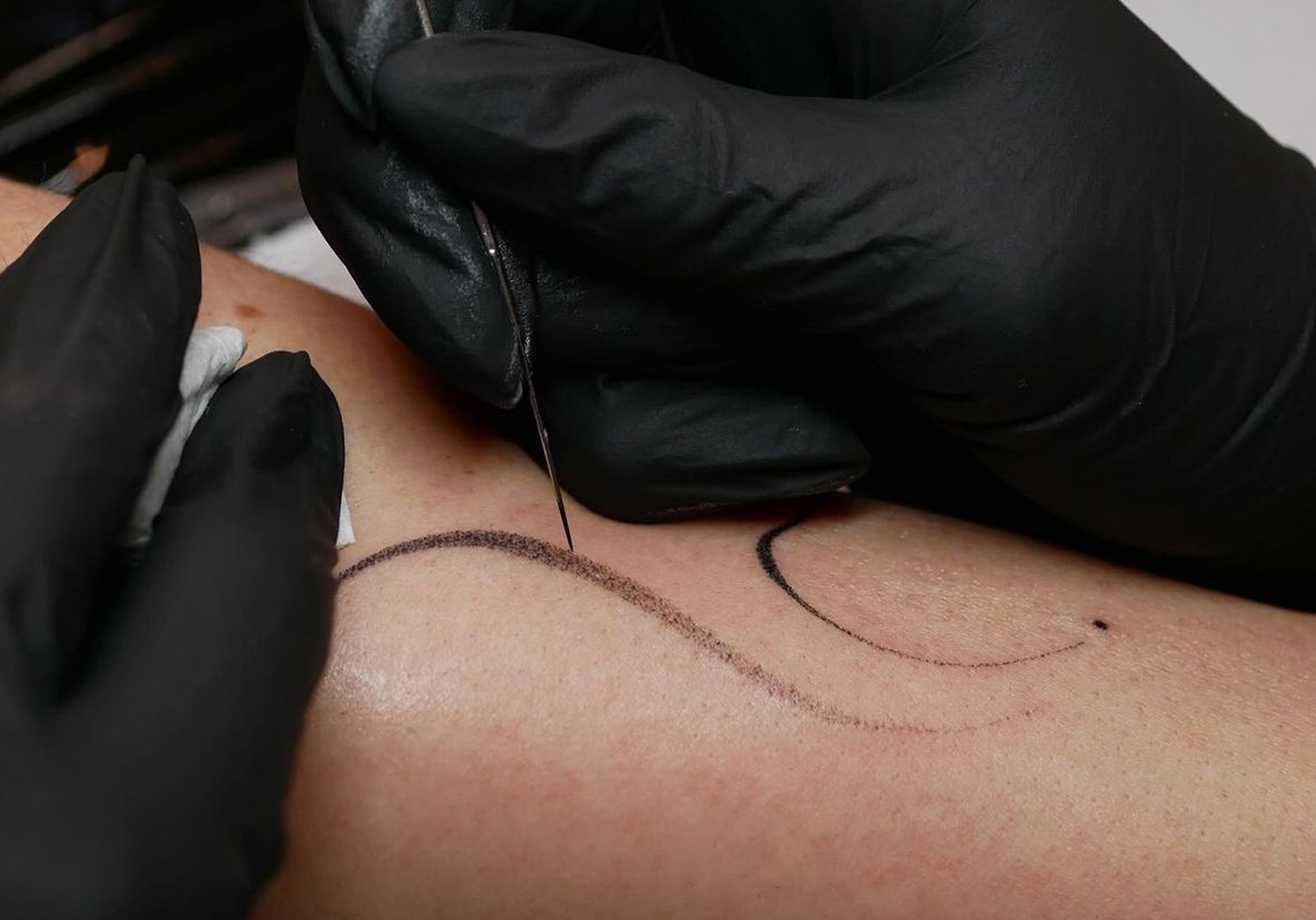
Non-electric tattooing as a deliberate contemporary studio choice. Handpoke uses a single needle or a small grouping pushed by hand. Produces a texture that differs from machine work — softer saturation, visible dot structure, a different skin trauma profile and healing process. The method is ancient and shared by traditional practices (…)

Inuit kakiniit

Inuit kakiniit

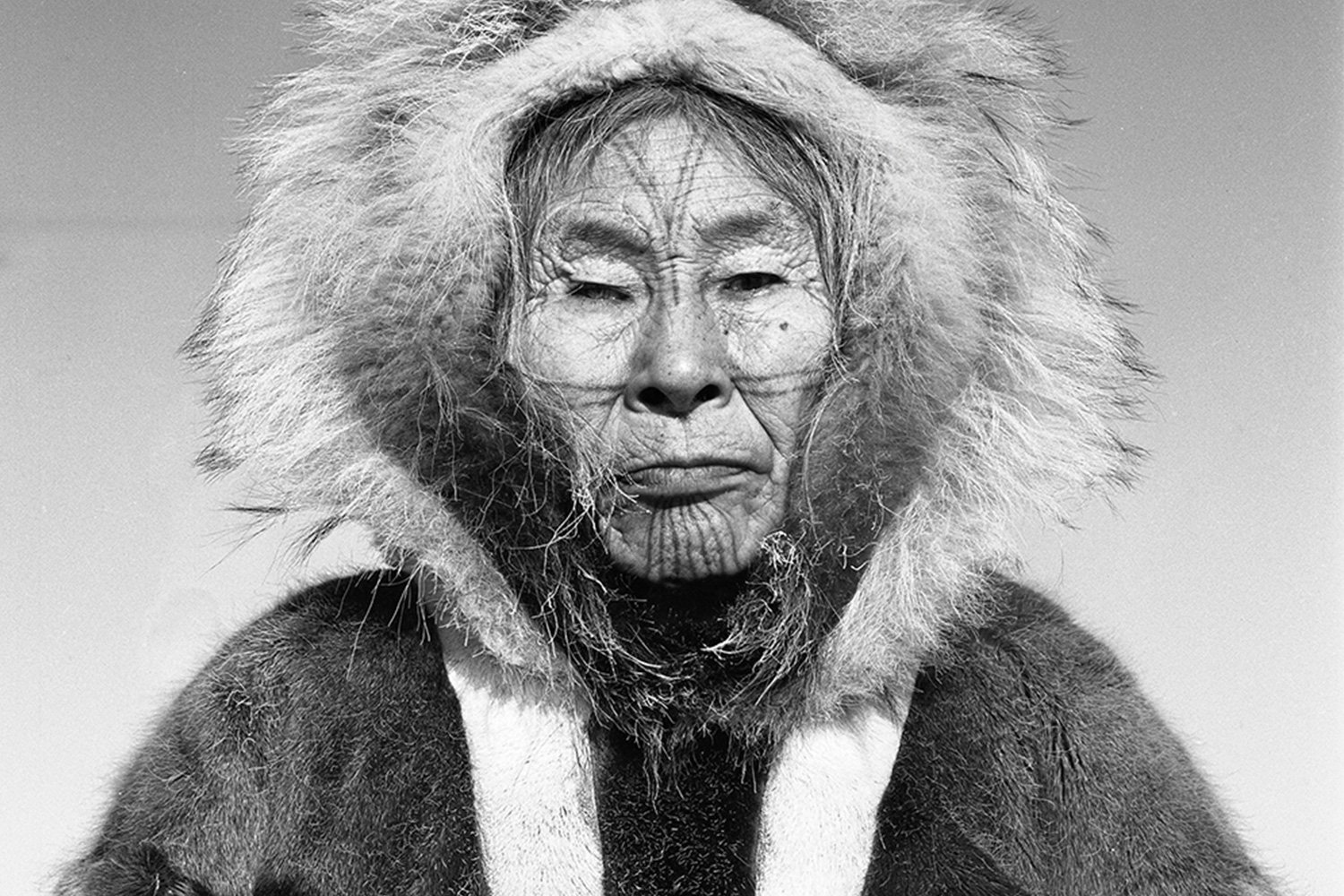
Inuit tattoo tradition is called kakiniit, facial tattoos are called tunniit. The practice spans the entire Inuit world — from Siberia across Alaska, through Arctic Canada to Greenland — and, until missionaries suppressed it in the early XX century, was one of the most important cultural practices in Inuit life. It is now in active revival, led almost entirely by Inuit women.

Chicano

Chicano

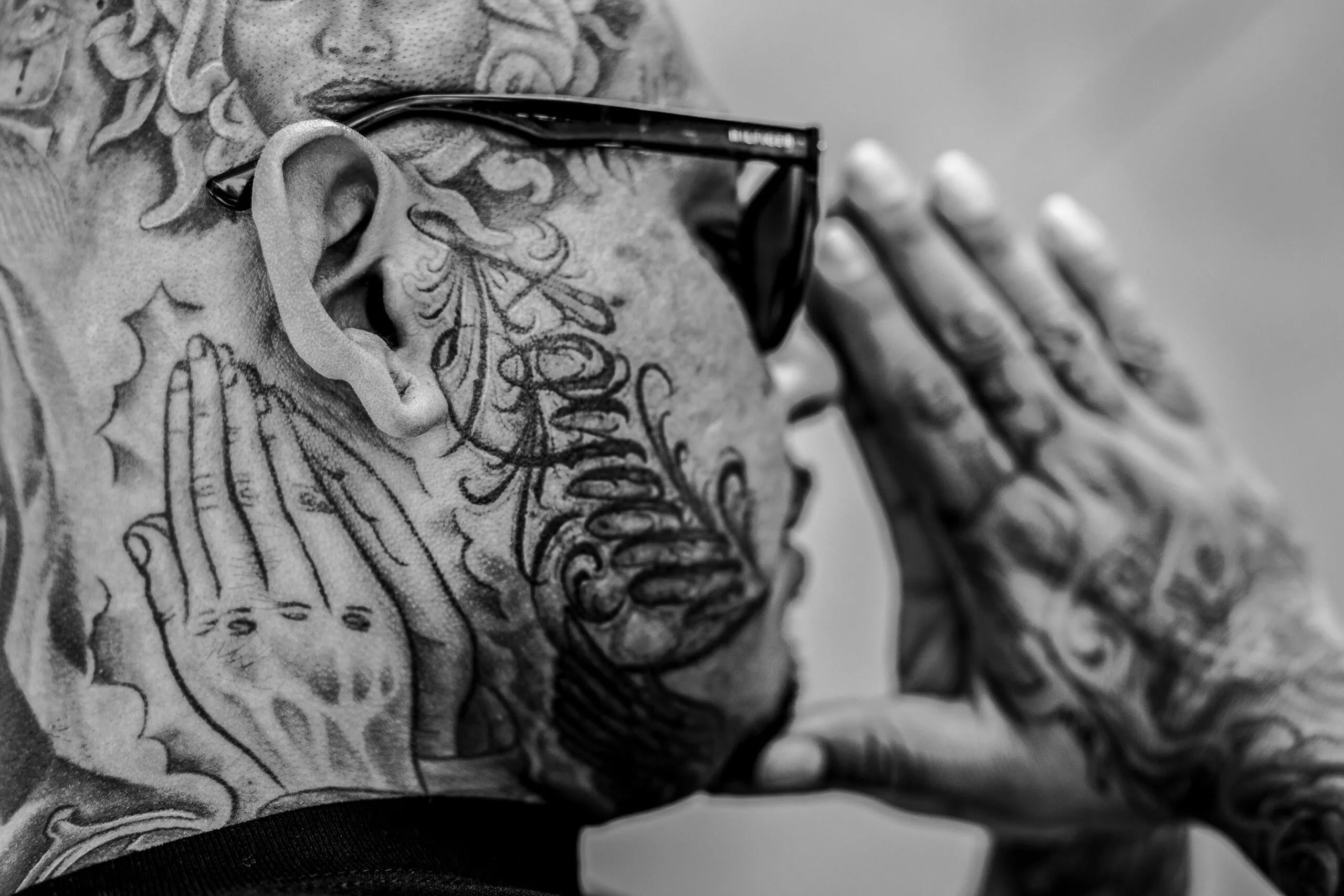
Most tattoo styles can be described in technical terms first and cultural terms second. Chicano cannot. The style is so completely bound up with the community that produced it — Mexican-American working-class life in California and the Southwest, the Pachuco and lowrider cultures of mid-century Los Angeles, the prison systems of the same period and (…)

Freddy Negrete

Freddy Negrete

Freddy Negrete is one of pioneers in black-and-grey tattooing. His life has included gang membership, incarceration, a decade of evangelical ministry, addiction and recovery, the loss of a son, and — through all of it — a career in tattooing that helped define one of the most important stylistic developments in the craft’s modern history.

Black-and-grey

Black-and-grey

Take a single pigment and dilute it in graduated steps. This sounds simple. Yet, it is one of the most technically demanding disciplines in tattooing, and the style that has produced the broadest range of applications from a single technical foundation. The same greywash method can be used in Chicano, realism, photorealism and botanical fine-line pieces.

Marquesan patutiki

Marquesan patutiki

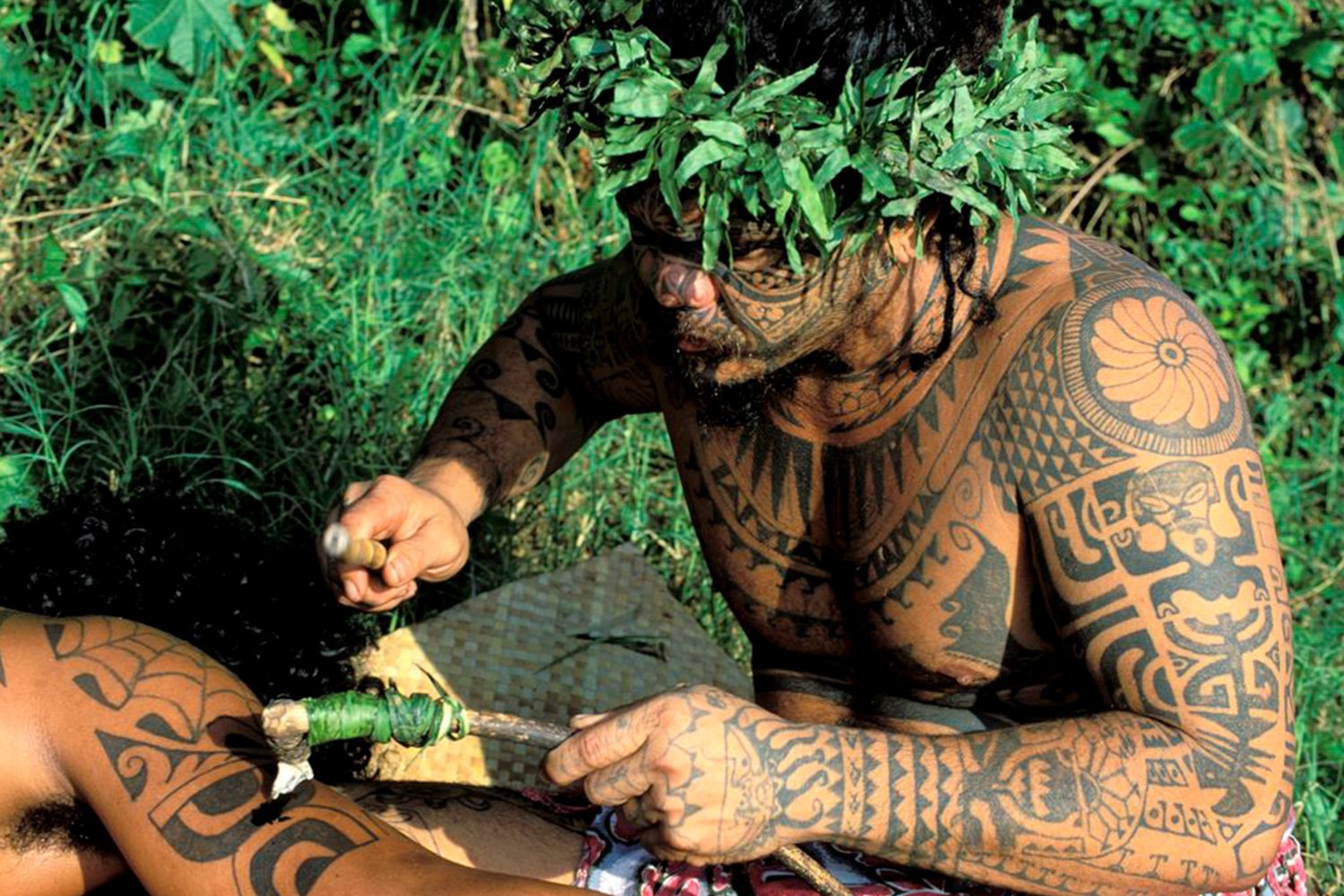
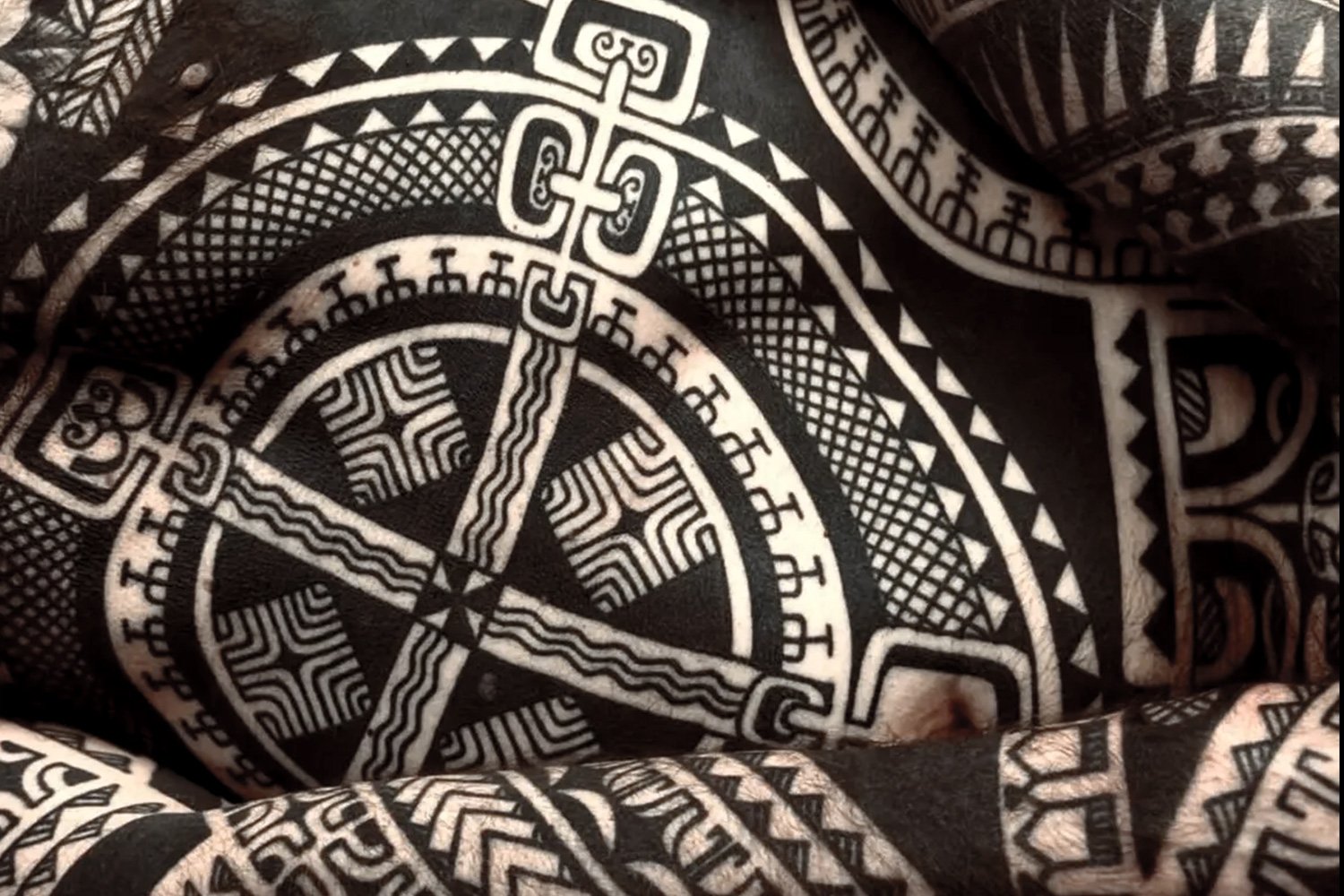
The Marquesan word for tattooing is patutiki — patu meaning “to strike” and tiki meaning “image.” A tattoo is a struck image. The practitioner was called a tuhuka patu tiki — a master of striking images — and the title carried authority and social prestige comparable to the other tuhuka (specialists, experts) who held essential roles in Marquesan society.

Hawaiian kākau uhi

Hawaiian kākau uhi

Hawaiian tattooing is among the least documented of the major Polynesian traditions, but what was documented reveals a distinctive, culturally embedded practice with its own visual characteristics. Hawaiian kākau is bold and asymmetrical, uses large geometric fields and heavy solid-black coverage in compositions that treat the body as a sculptural surface.

Tribal

Tribal

The word “tribal” refers to two distinct practices that share a visual resemblance and almost nothing else. The first is the set of Indigenous tattooing traditions that have used black abstract patterning on the body for centuries. The second is the Western commercial style of abstract black patterns inspired by Indigenous designs but detached from their cultural contexts.

Māori tā moko

Māori tā moko

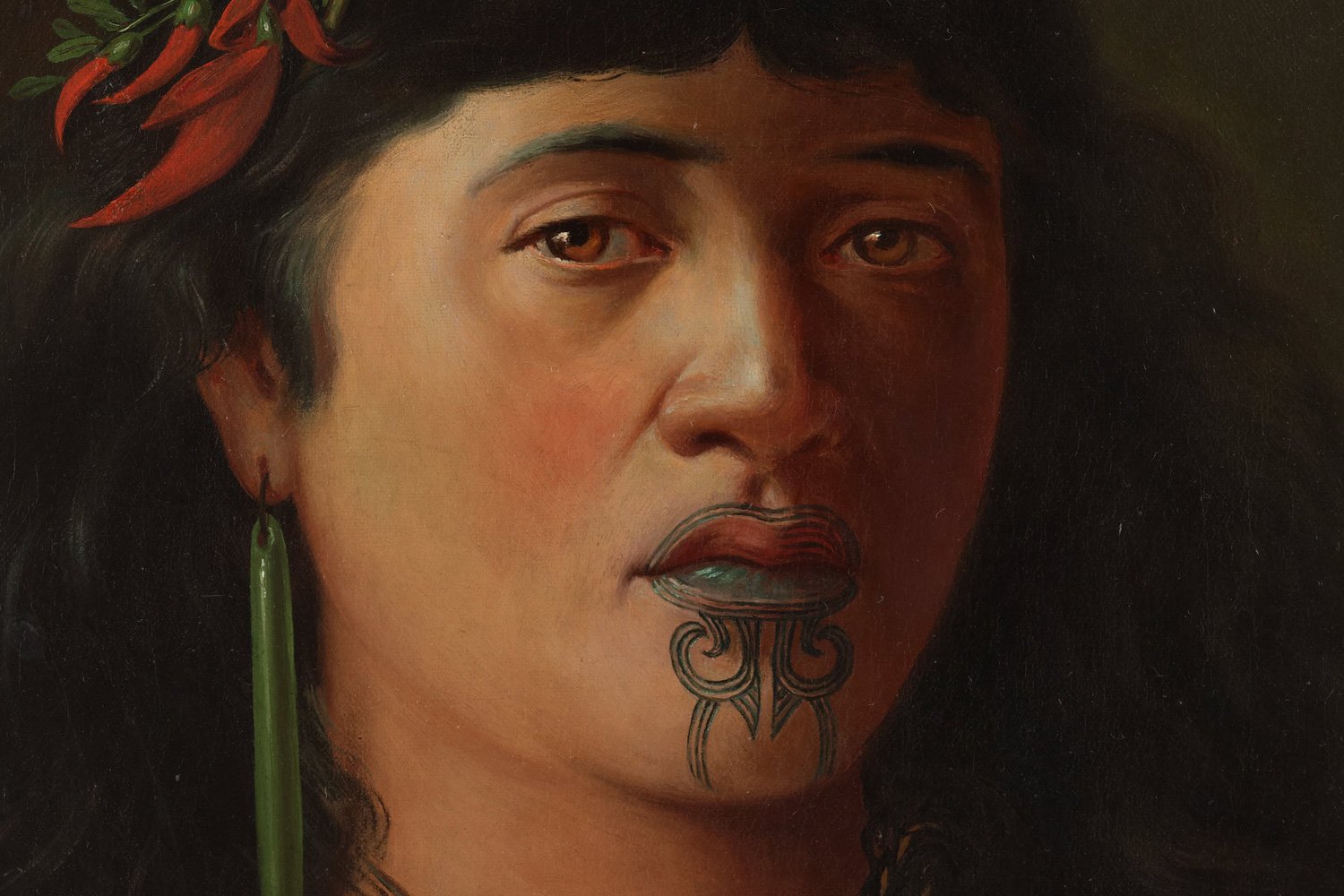
Māori tattooing — tā moko — is the only Polynesian tattoo tradition that carved the skin rather than puncturing it. The practitioner, called a tohunga tā moko, used a bone chisel (uhi) to cut grooves directly into the skin. The designs encoded the wearer’s whakapapa — genealogy, tribal affiliation, and personal history — in curvilinear patterns.

Polynesian tattooing

Polynesian tattooing

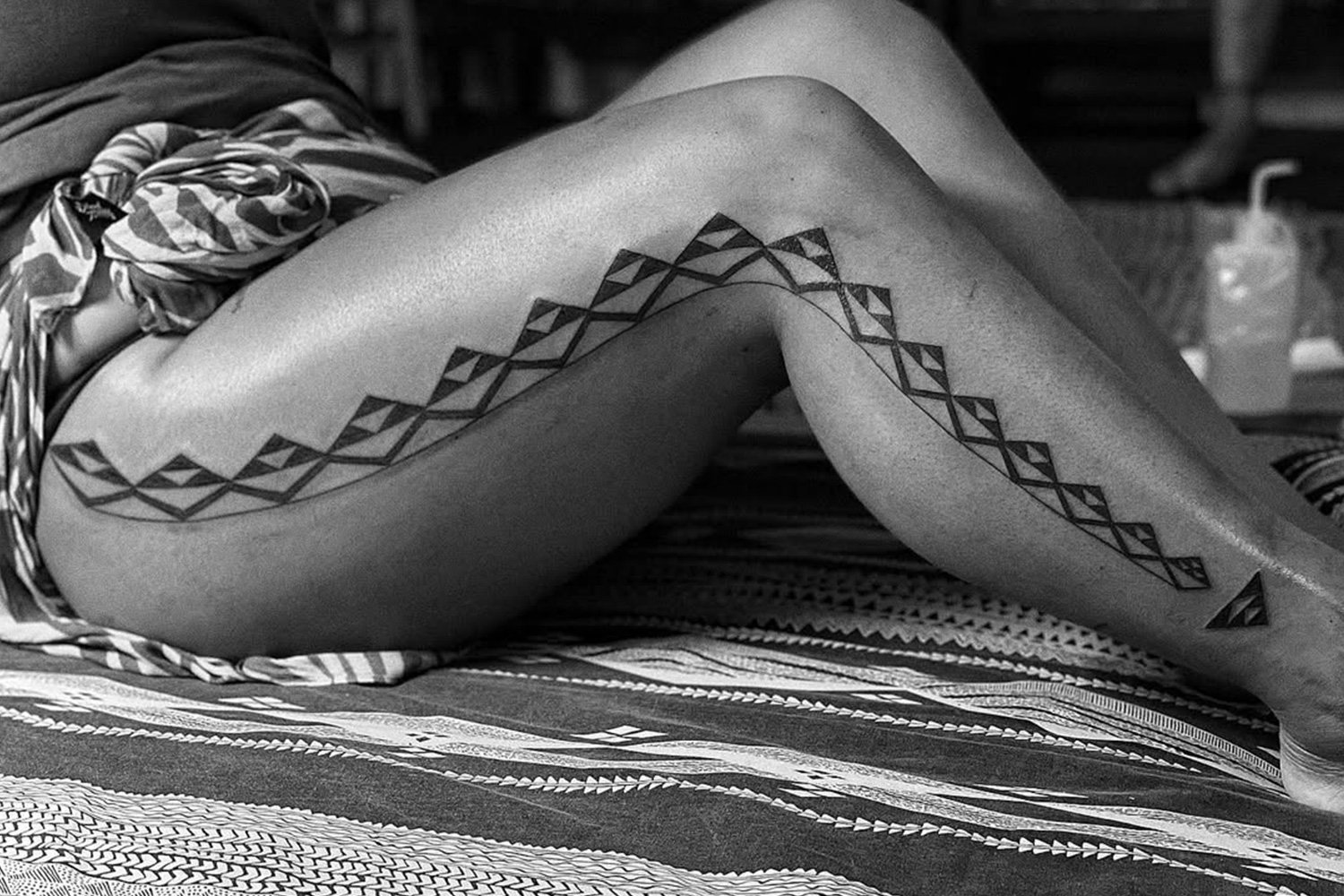
Polynesian tattooing is not one tradition. It is a family of traditions, developed across the thousands of islands of the Polynesian Triangle — the vast area of the Pacific bounded by Hawai’i, Aotearoa and Rapa Nui. Each island group has its own tattooing practice, with own tools, design vocabulary, rules, and relationship to the community’s social structure.
Sua Sulu’ape Paulo II

Sua Sulu’ape Paulo II

Sua Sulu’ape Paulo II was a Samoan master tattooist, tufuga ta tatau, born into one of the hereditary families that have held the tatau tradition for centuries. Based in Auckland, he connected with the New Zealand art world, worked extensively across Europe, and played a direct role in the revival of tattooing traditions in Hawaiʻi, Tahiti, and among the Māori.

Keone Nunes

Keone Nunes

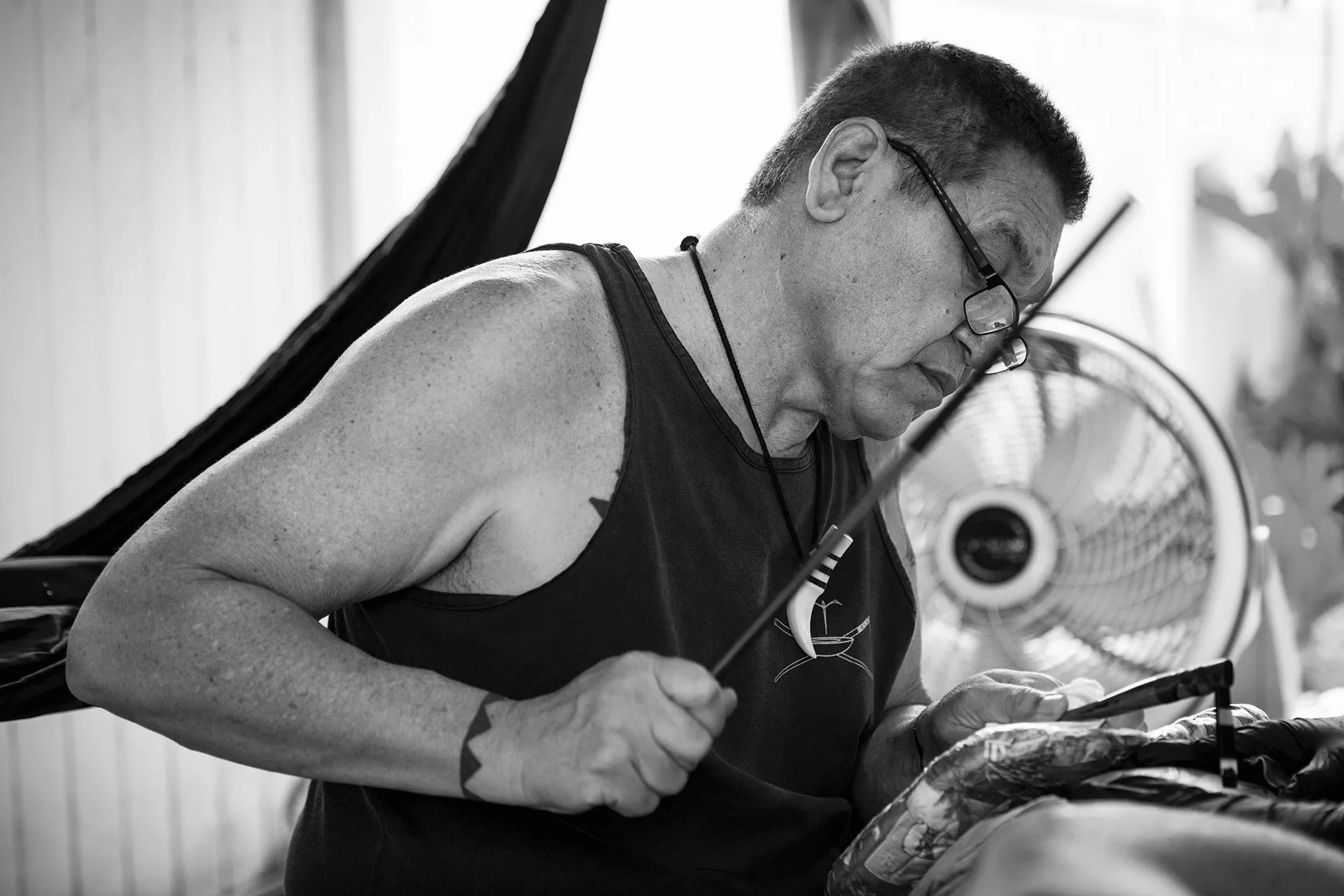
Sulu’ape Keone Nunes is the practitioner most responsible for the revival of kākau uhi, traditional Hawaiian hand-tapped tattooing, from its near-disappearance in the twentieth century. His formal title, Kahuna Kā Uhi, places him in the category of Hawaiian specialist priest and master. He prefers the term cultural practitioner over tattooist.

Trash Polka

Trash Polka

Trash Polka is one of the few tattoo styles in the world that can be traced to two named individuals, a single studio, a specific city, and an approximate date. The style was created by Volko Merschky and Simone Pfaff at the Buena Vista Tattoo Club in Würzburg, Germany. The name was coined in 1998. Trash Polka is a registered trademark held by its creators.

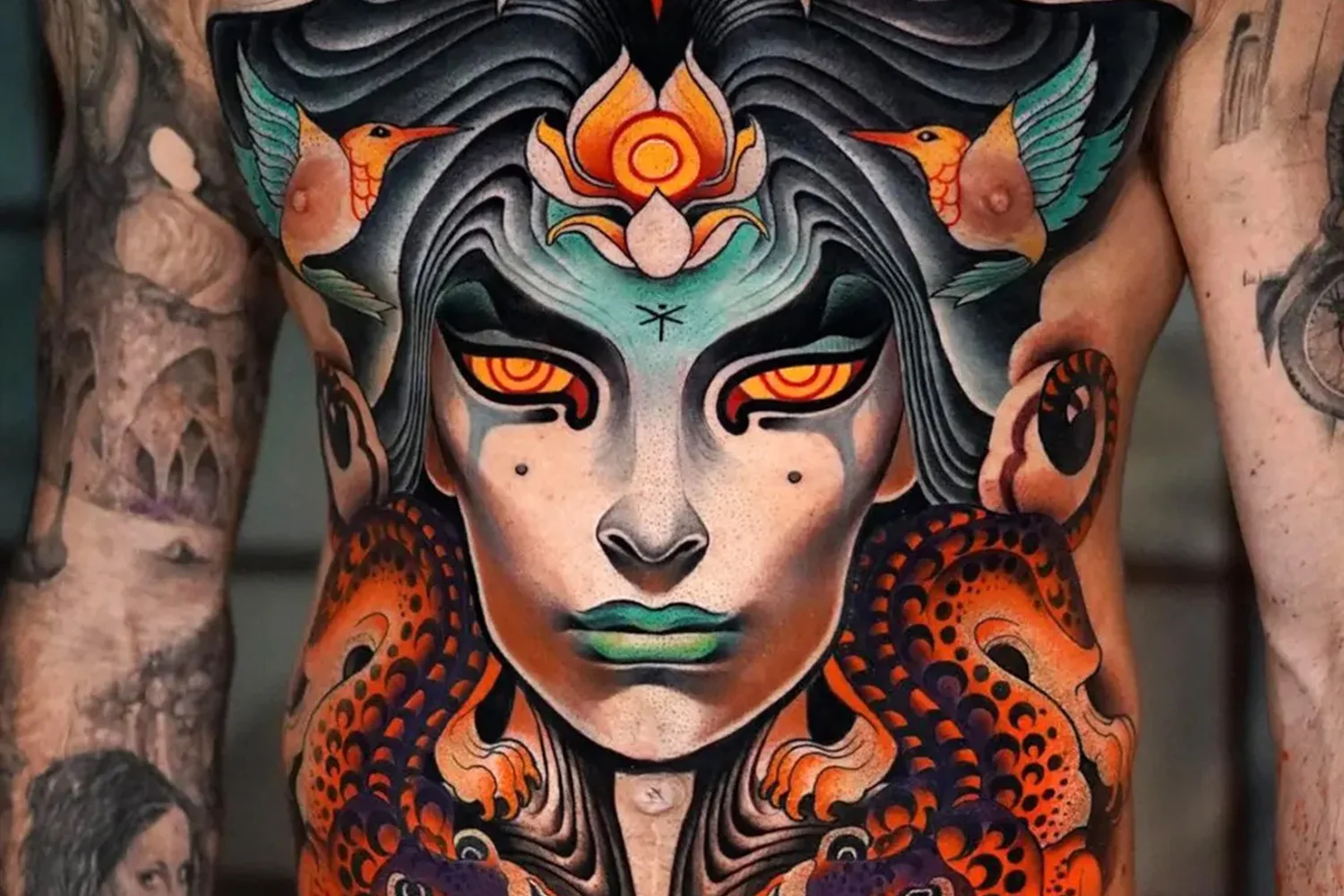
Neo-traditional

Neo-traditional

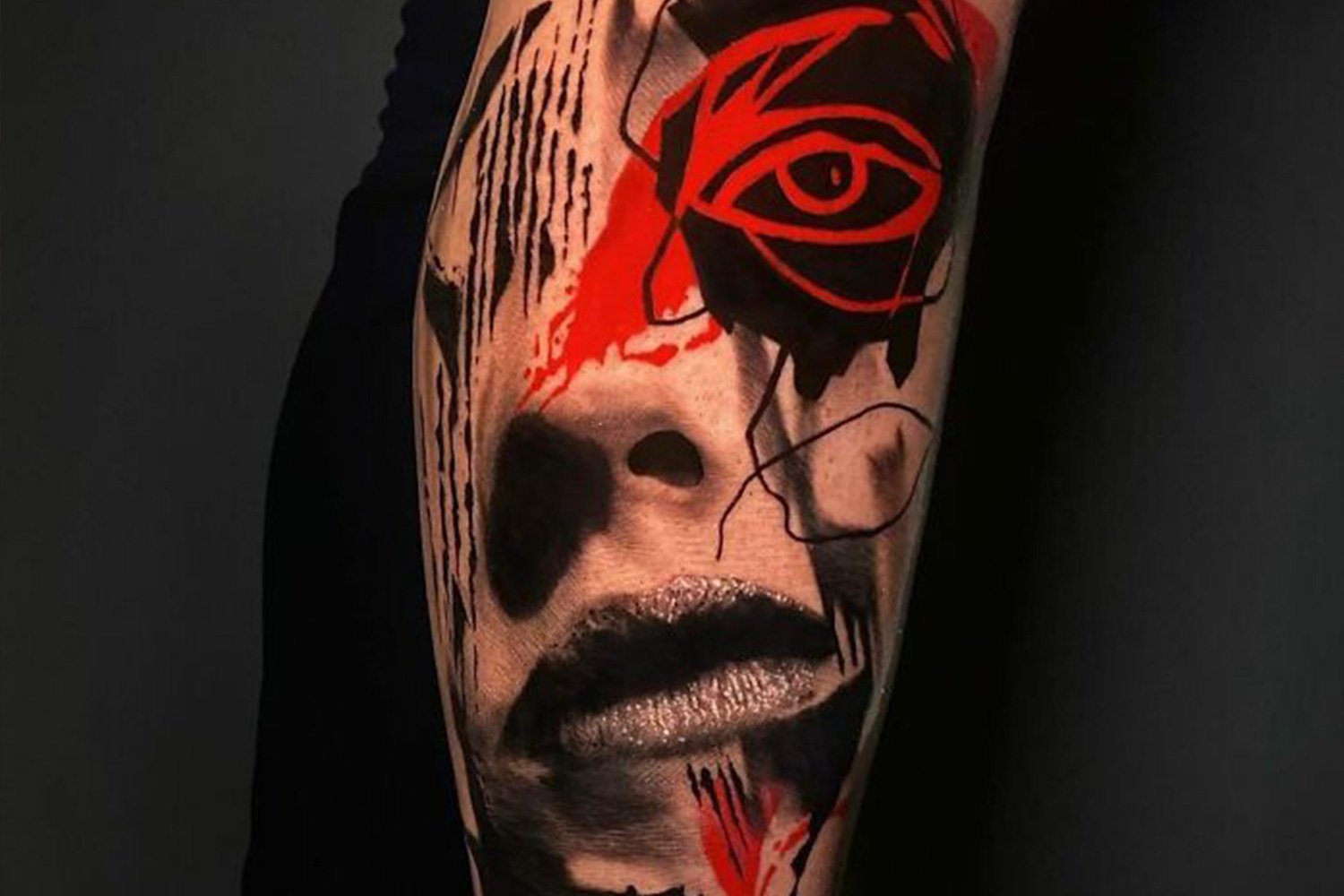
Neo-traditional is in a period of consolidation. The experimental energy of the 2000s and early 2010s has given way to a more established set of conventions, and a recognisable neo-traditional aesthetic now exists within which an artist can work without feeling they are reinventing anything. This has produced a great deal of competent work and some criticism(…).