Culture-bound tattoo styles

Some tattooing practices belong entirely to the culture that produced them. The tools, the imagery, the rules governing who can give and receive the work, and the meaning it carries are all determined by a specific cultural, spiritual, or social context. Reproducing the visual appearance of these tattoos in a contemporary studio without that context creates something that looks similar but functions differently, and in some cases constitutes a transgression — one that within the source culture may be seen as a socially reprehensible act. The articles here cover tattooing traditions where style, meaning, and cultural protocol are inseparable.

All  |  Contemporary  |  Culture-Bound  |  Graphic  |  Traditional  |  Realism  |  Artists

Thai Sak Yant

Thai Sak Yant

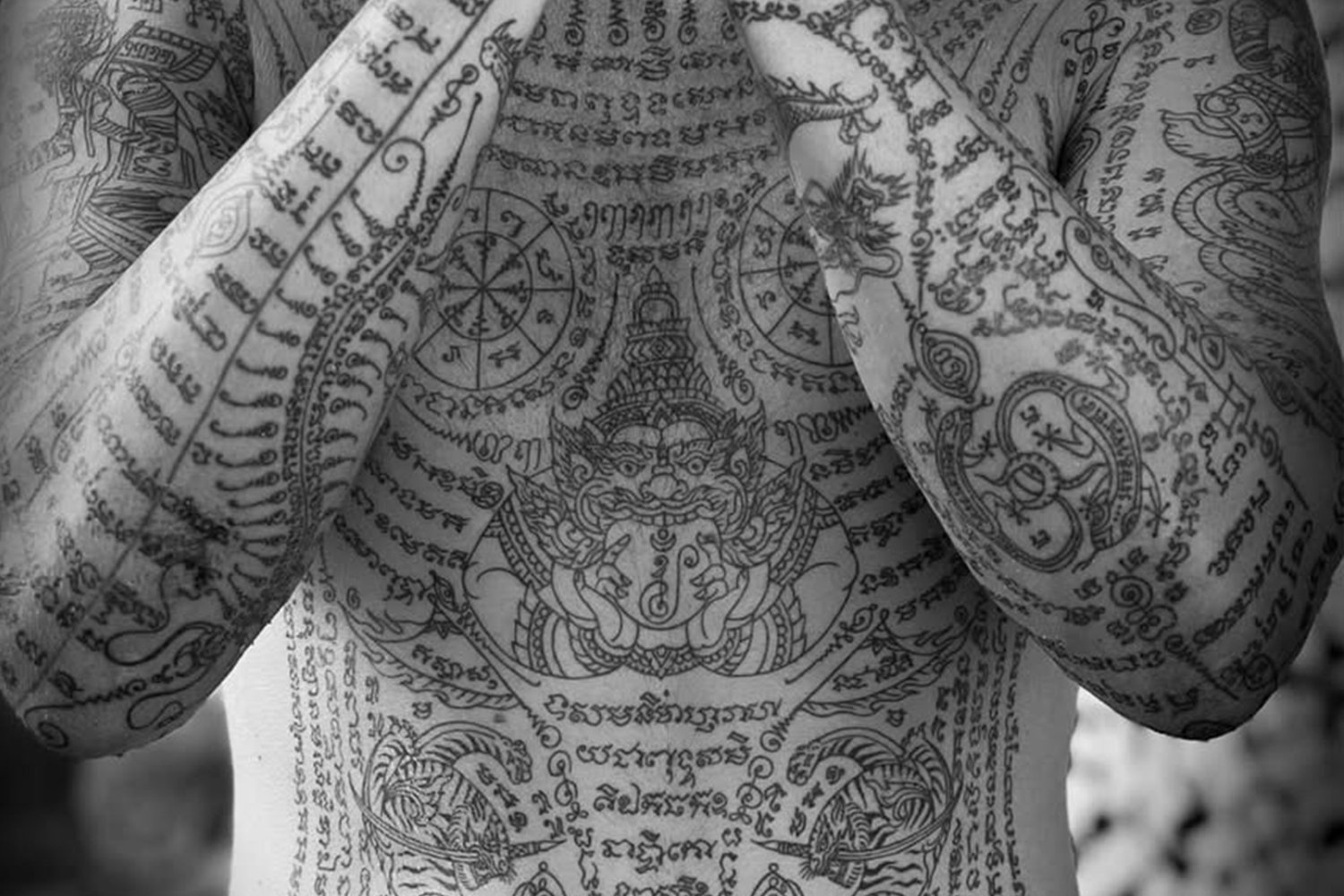
Sak Yant is the sacred tattoo tradition of mainland Southeast Asia. Sak means “to tap” in Thai (the action of the needle). Yant derives from the Sanskrit yantra — a geometric diagram used in Hindu and Buddhist meditation and ritual practices as a receptacle for spiritual power. A Sak Yant tattoo is a yantra tapped into the skin.
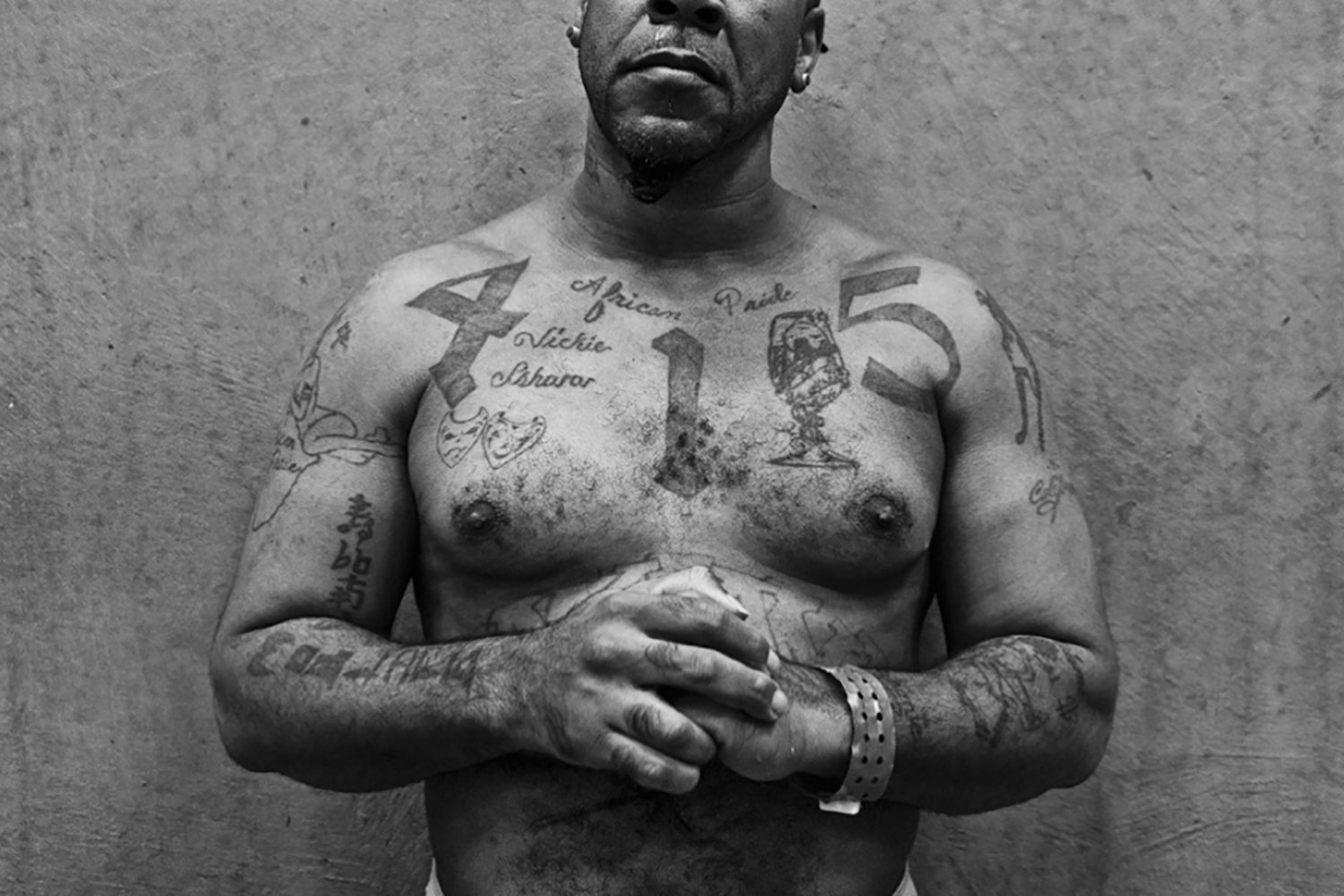
Prison tattooing

Prison tattooing

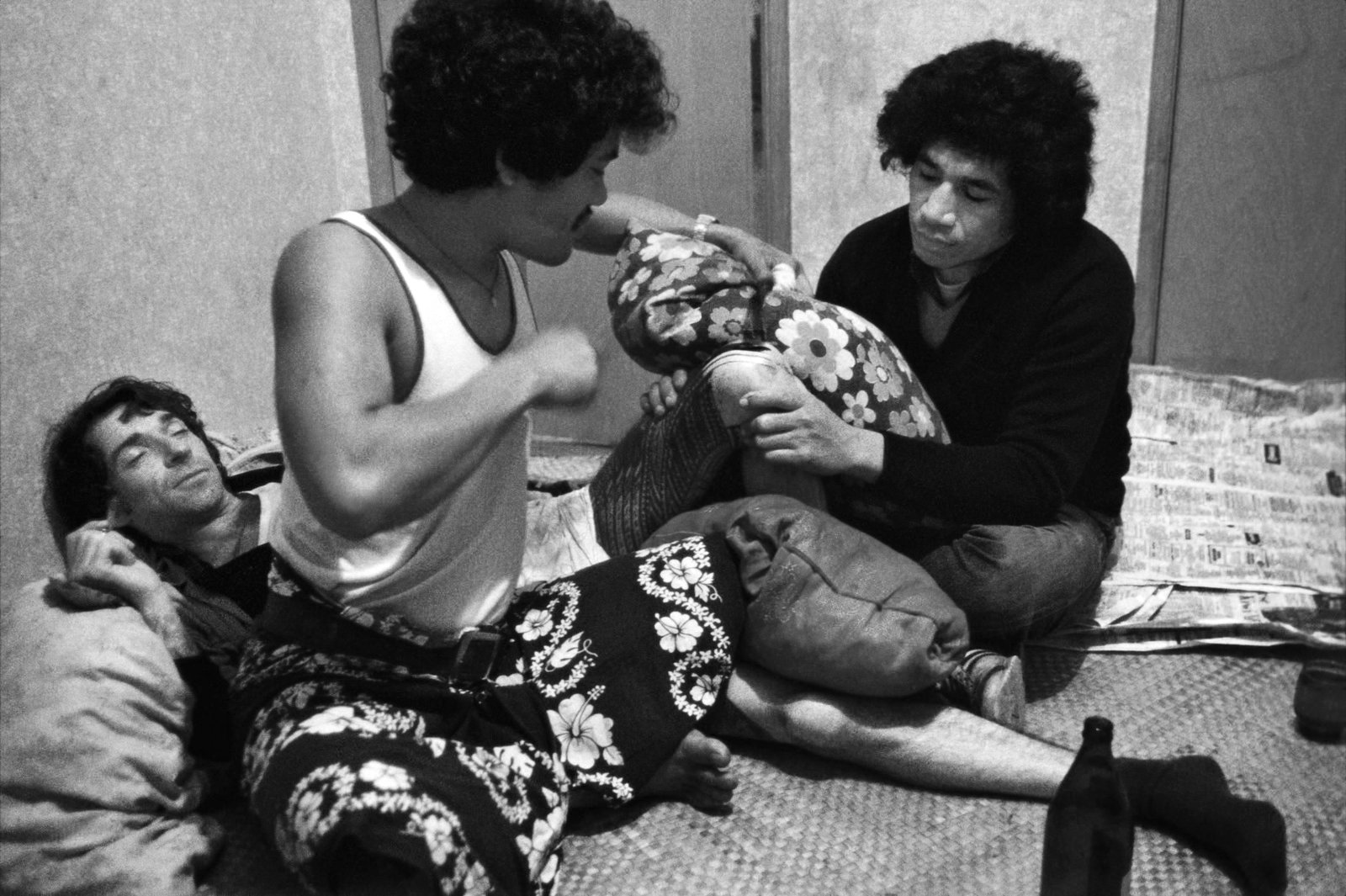
Prison tattooing exists wherever incarceration exists. It has been documented in the United States, Russia, Japan, Mexico, Australia, and across Europe, Africa, and South America. The specifics vary — the tools are improvised from whatever the institution contains and the iconography reflects the local culture — but the fundamental dynamic is universal.

Samoan tatau

Samoan tatau

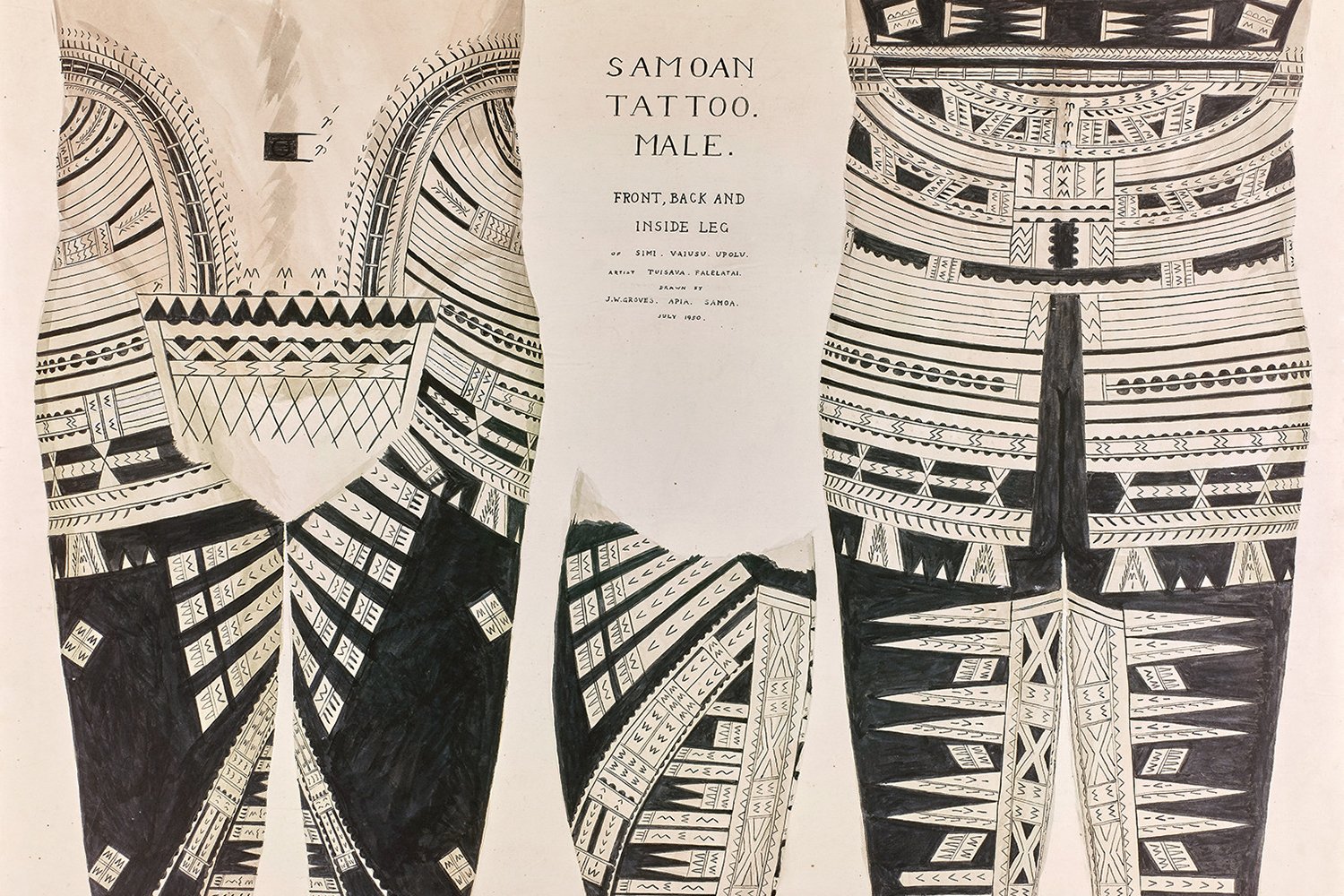
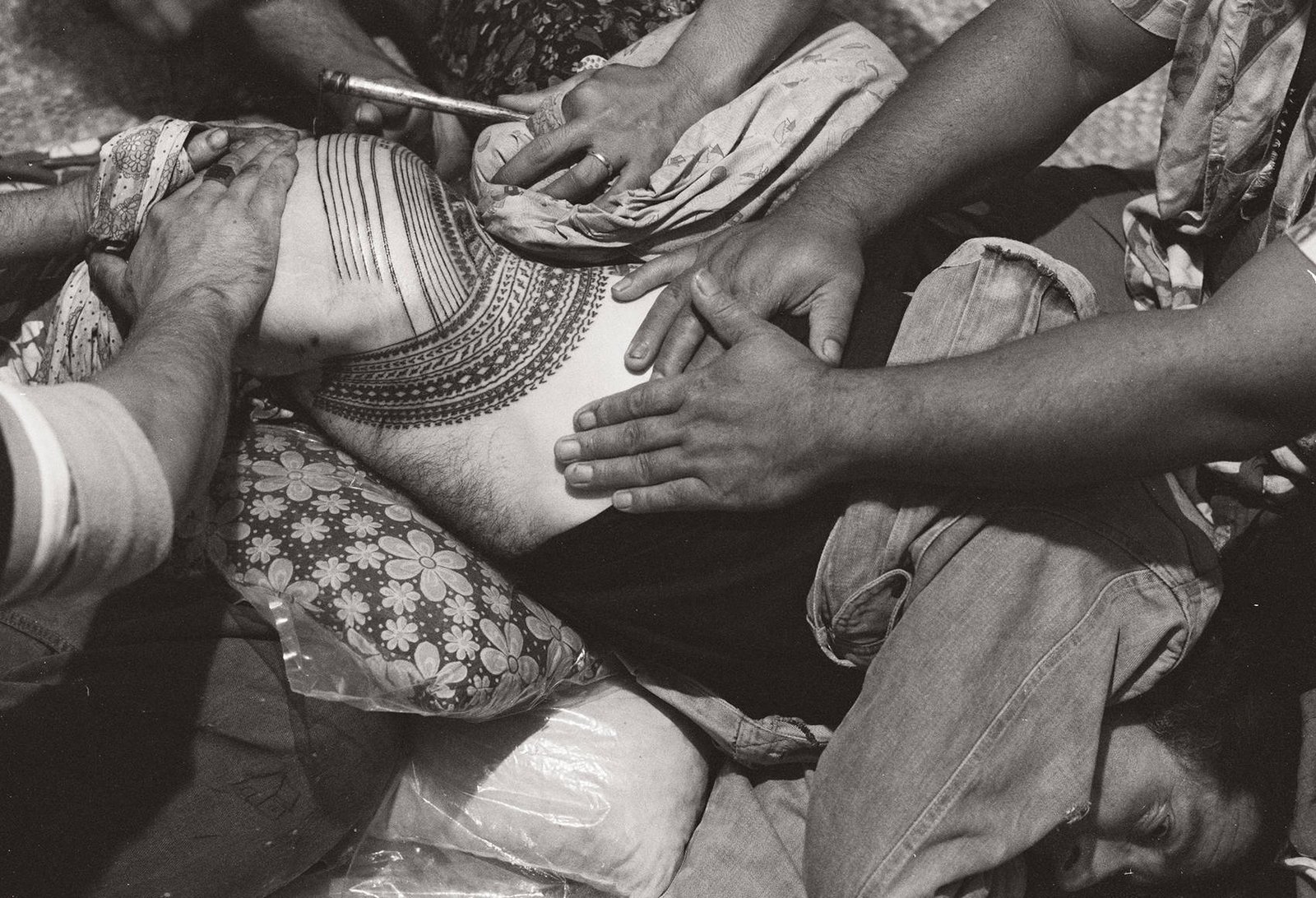
The Samoan tatau tradition has been practised continuously, in its traditional form, from pre-contact times to the present. The tools have changed materials, the pigment is now commercially manufactured, and the hygiene protocols have been formalised — but the method, the design system and the cultural protocols are unbroken.

Japanese traditional tattooing style

Japanese traditional tattooing style

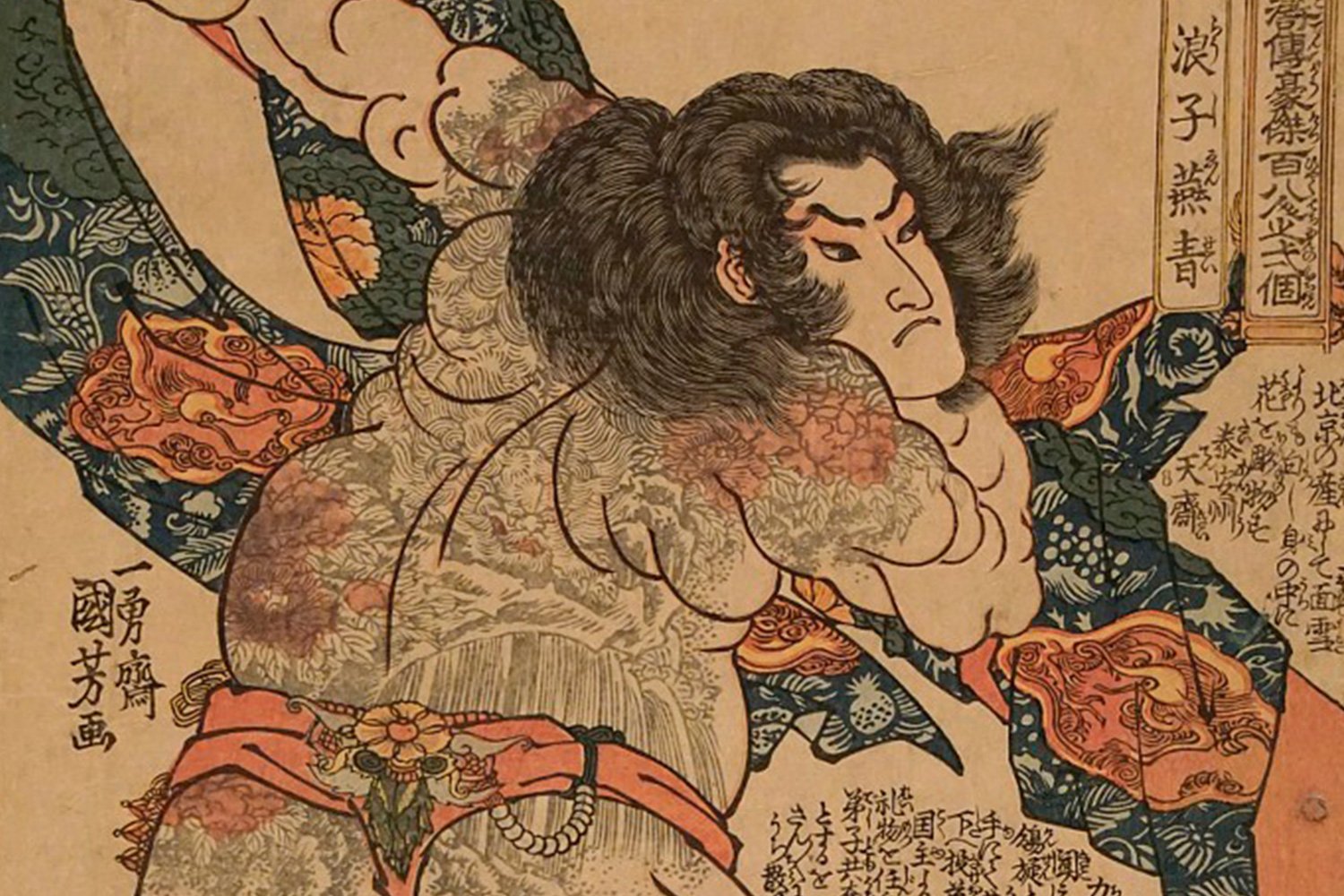
Traditional Japanese tattooing — irezumi or horimono — is arguably the most developed tattoo tradition in the world. No other culture has produced a tattoo system of comparable compositional ambition, iconographic depth, or technical sophistication. A full Japanese bodysuit can take dozens of weekly sessions and cost upwards of thirty thousand dollars.

Apo Whang-Od

Apo Whang-Od

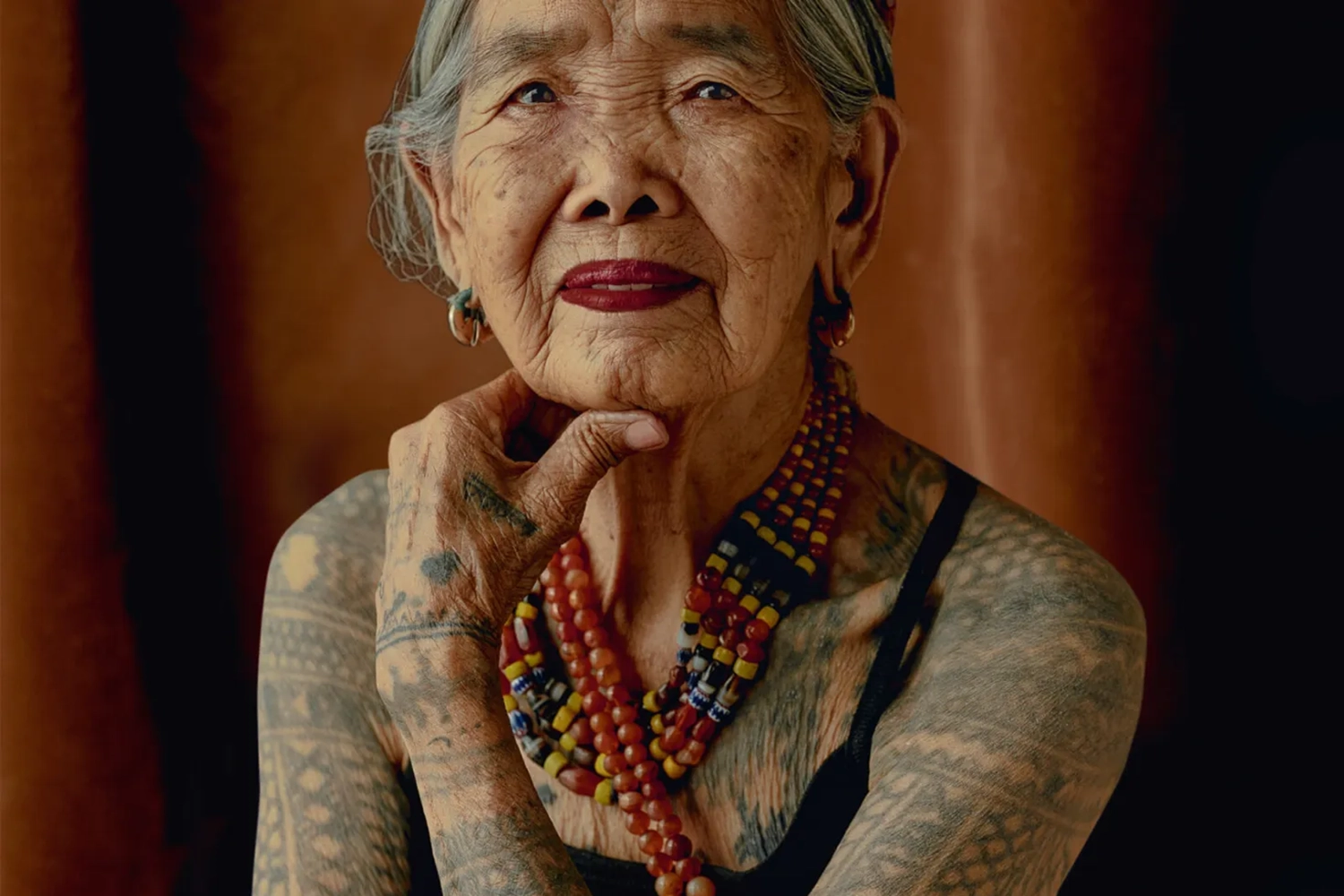
Whang-Od is the first and only female mambabatok of her generation. In the traditional practice, the mambabatok was not only a tattooist. The role included chanting during the tattooing process, reading the designs as indicators of the recipient’s fate, and performing the rituals that — in Kalinga belief — ensured the tattoo’s spiritual protection.

Filipino batok/batuk/patik

Filipino batok/batuk/patik

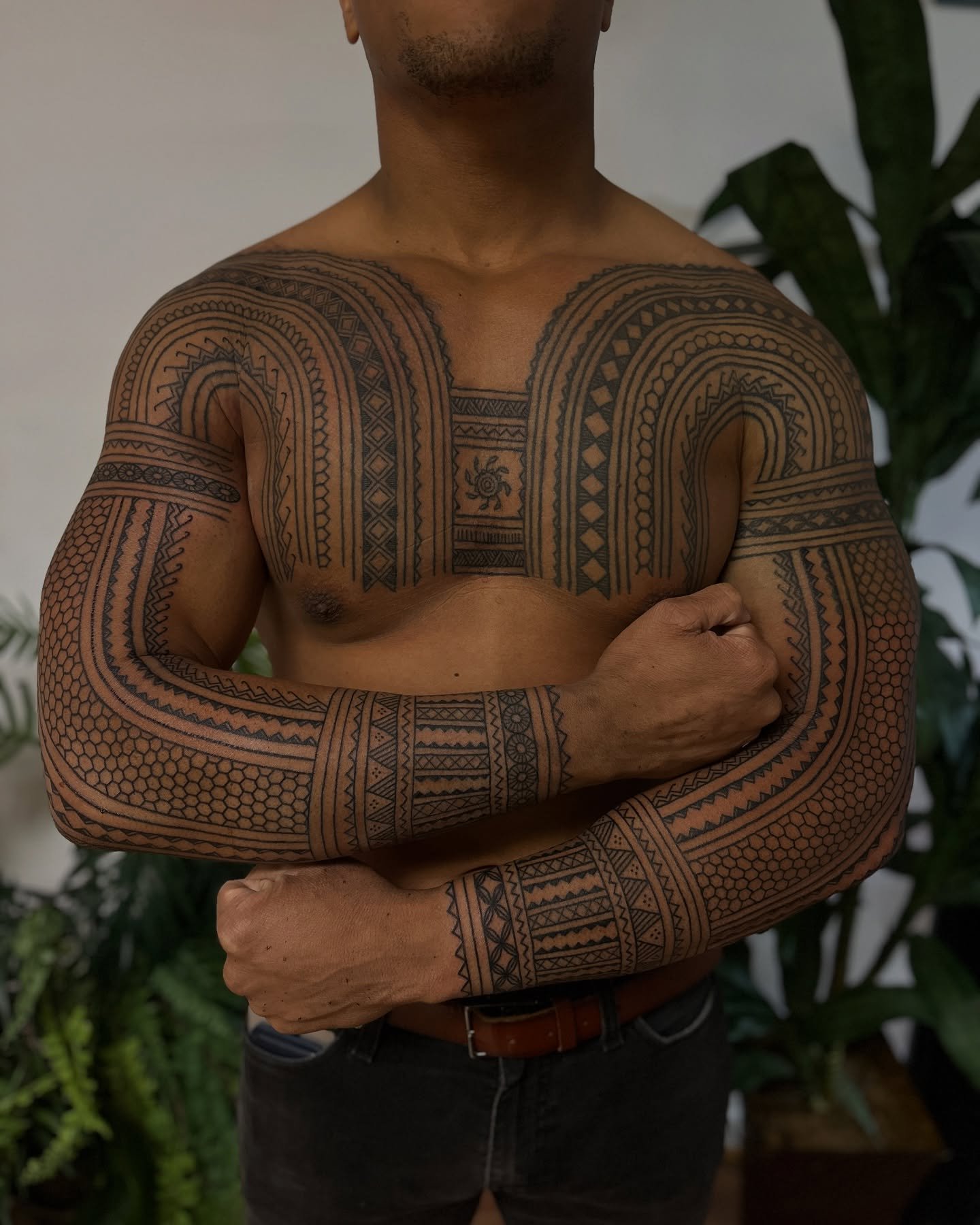
The Philippines has one of the deepest and most diverse tattooing traditions in the Austronesian world. Before the Spanish colonial period, tattooing was practised by almost every ethnic group across the archipelago — in the Visayas, Luzon, Mindanao, and the smaller island groups.

Berber (Amazigh) ticharet

Berber (Amazigh) ticharet

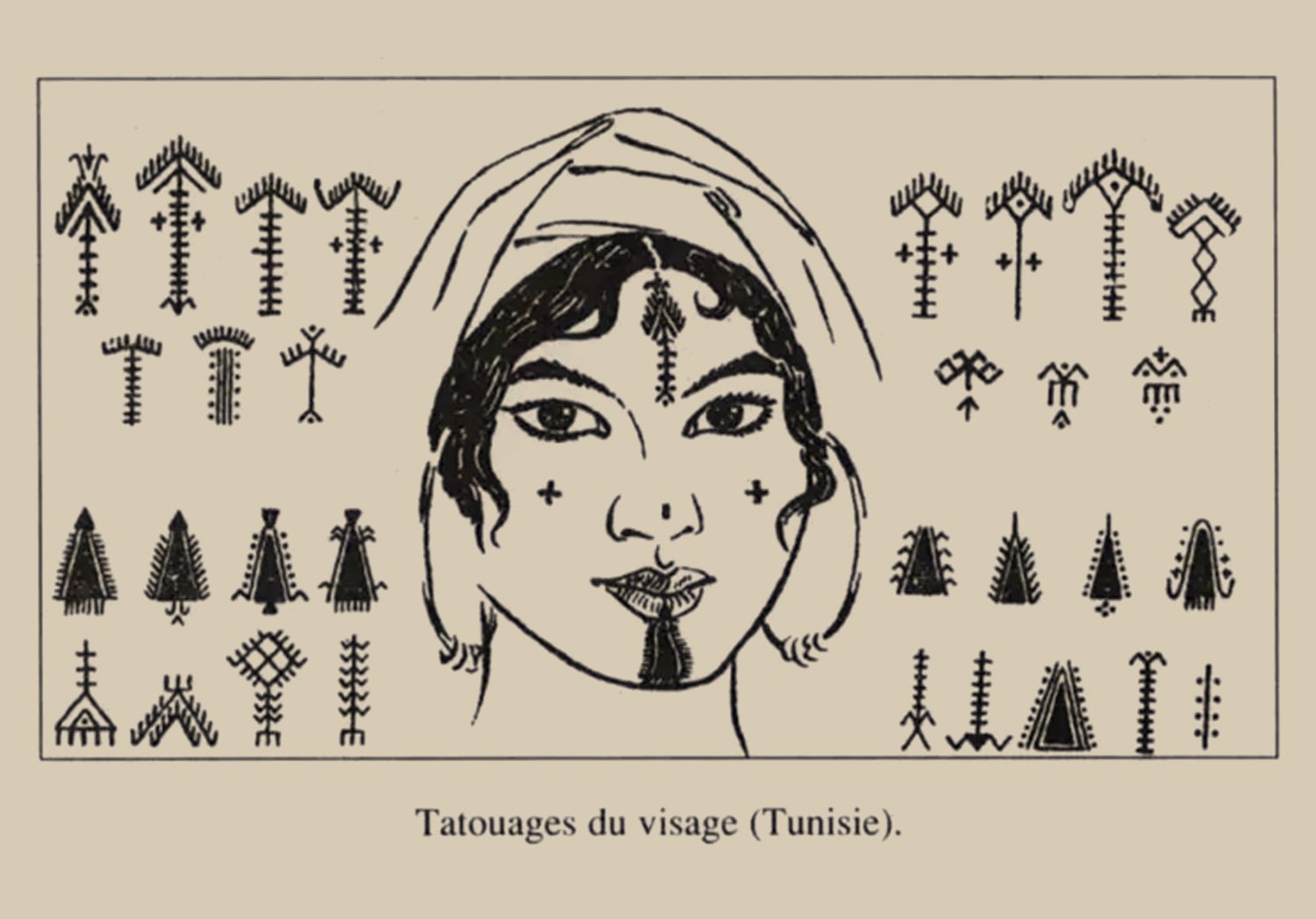
Amazigh tattooing (ticharet) was overwhelmingly a women’s practice. Women received the tattoos; applied them; held the knowledge of which symbols meant what and which designs belonged to which occasions. This makes Amazigh tattooing one of the few tattoo traditions in the world that was created and controlled entirely by women.

Handpoke

Handpoke

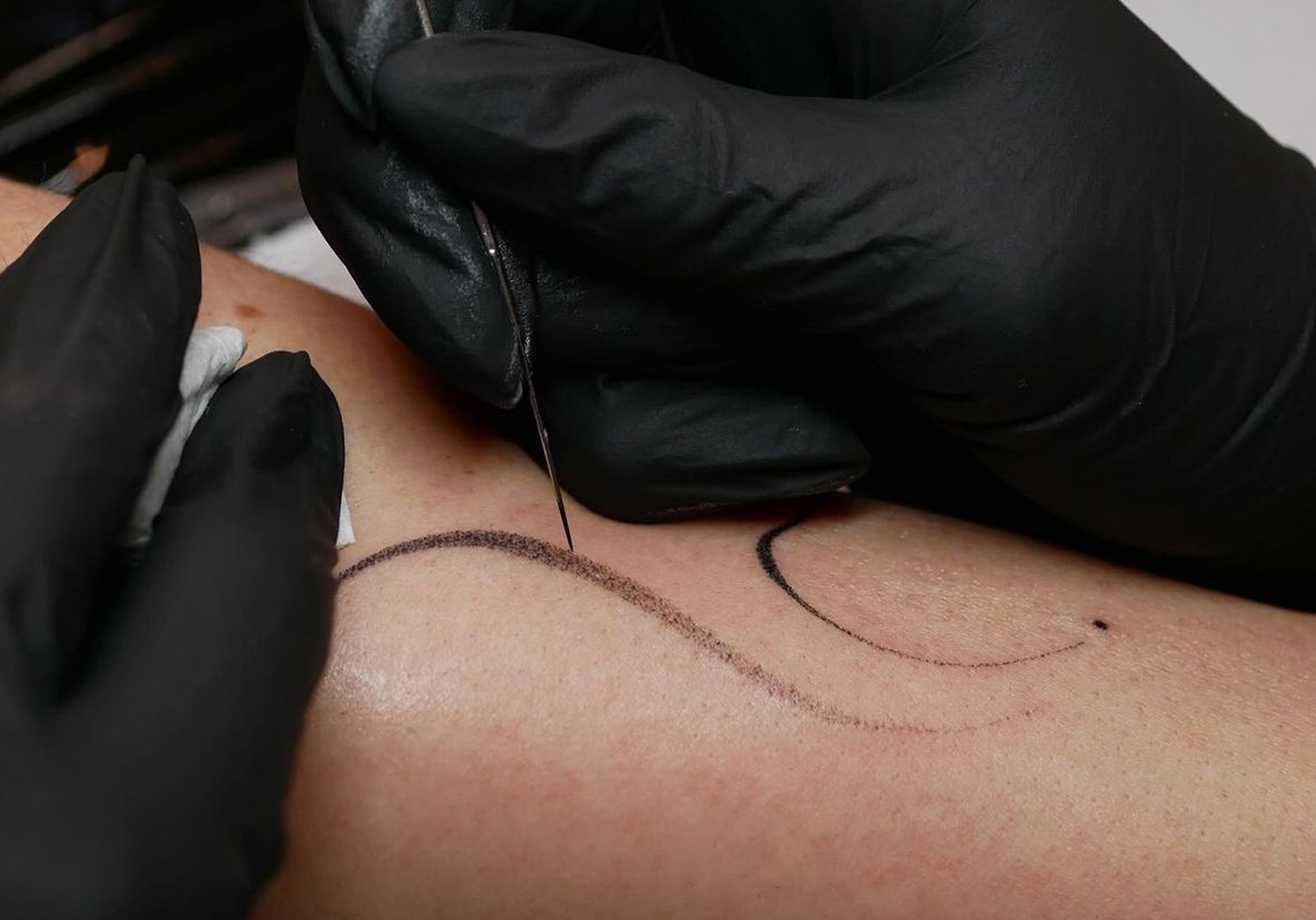
Non-electric tattooing as a deliberate contemporary studio choice. Handpoke uses a single needle or a small grouping pushed by hand. Produces a texture that differs from machine work — softer saturation, visible dot structure, a different skin trauma profile and healing process. The method is ancient and shared by traditional practices (…)

Inuit kakiniit

Inuit kakiniit

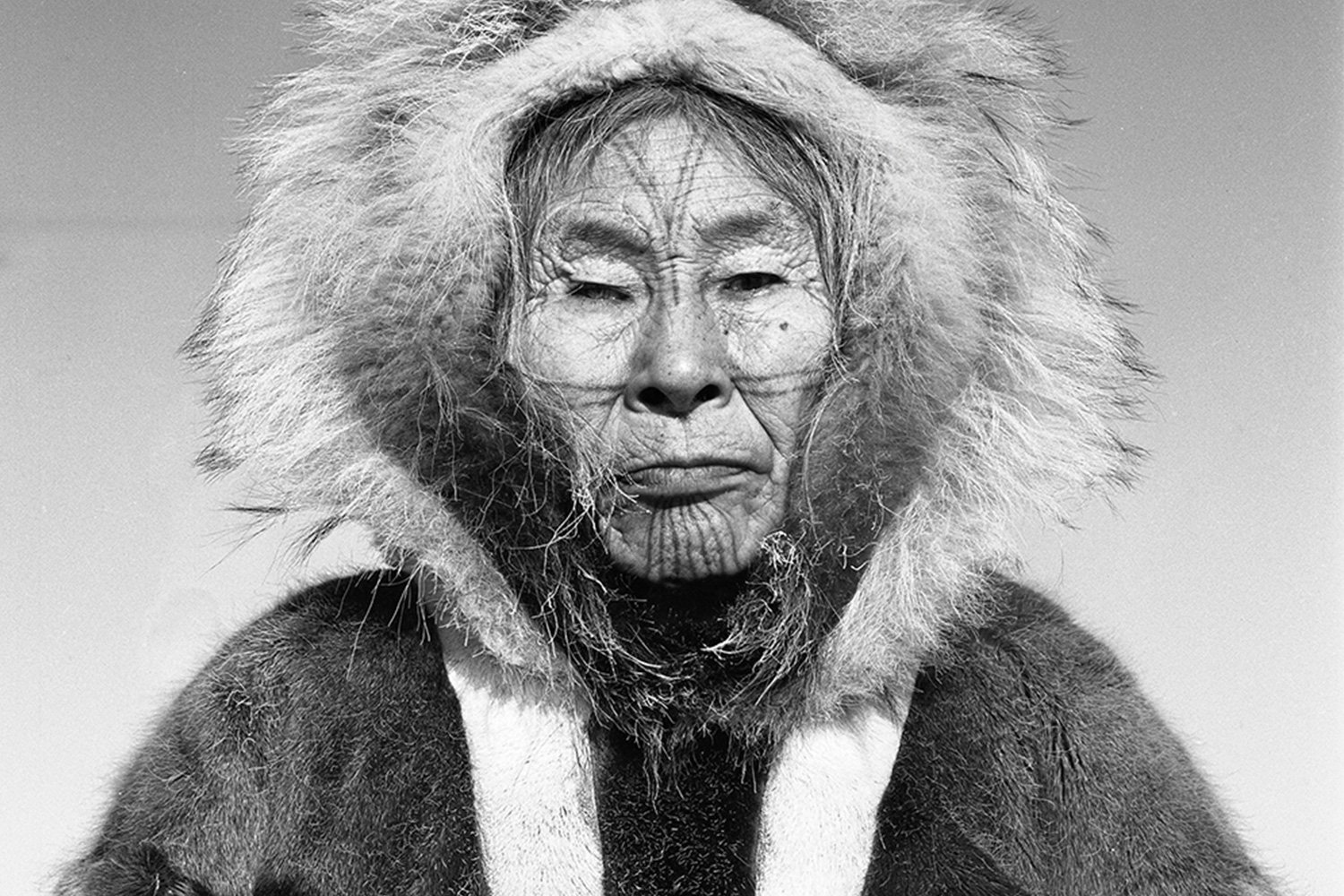
Inuit tattoo tradition is called kakiniit, facial tattoos are called tunniit. The practice spans the entire Inuit world — from Siberia across Alaska, through Arctic Canada to Greenland — and, until missionaries suppressed it in the early XX century, was one of the most important cultural practices in Inuit life. It is now in active revival, led almost entirely by Inuit women.

Marquesan patutiki

Marquesan patutiki

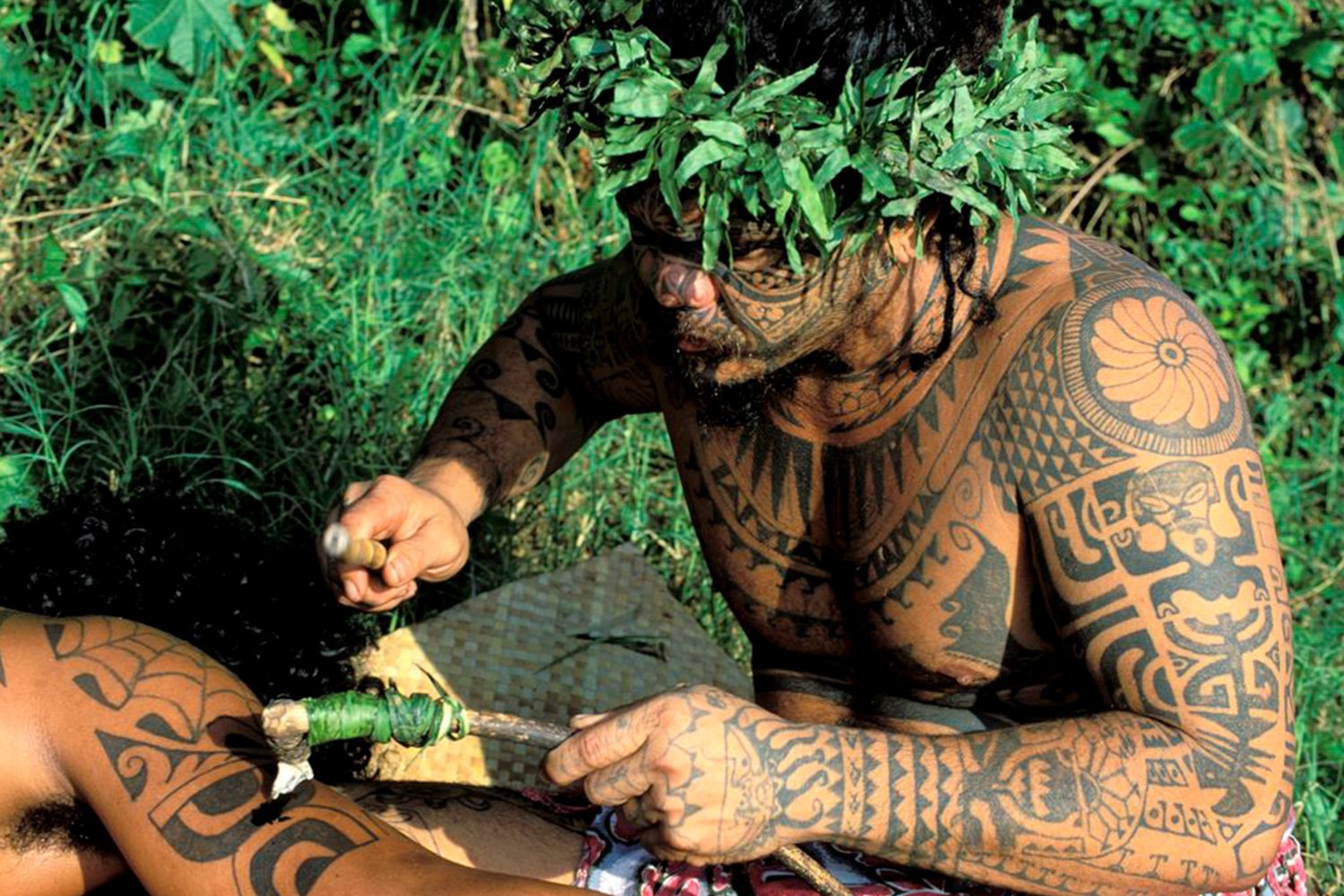
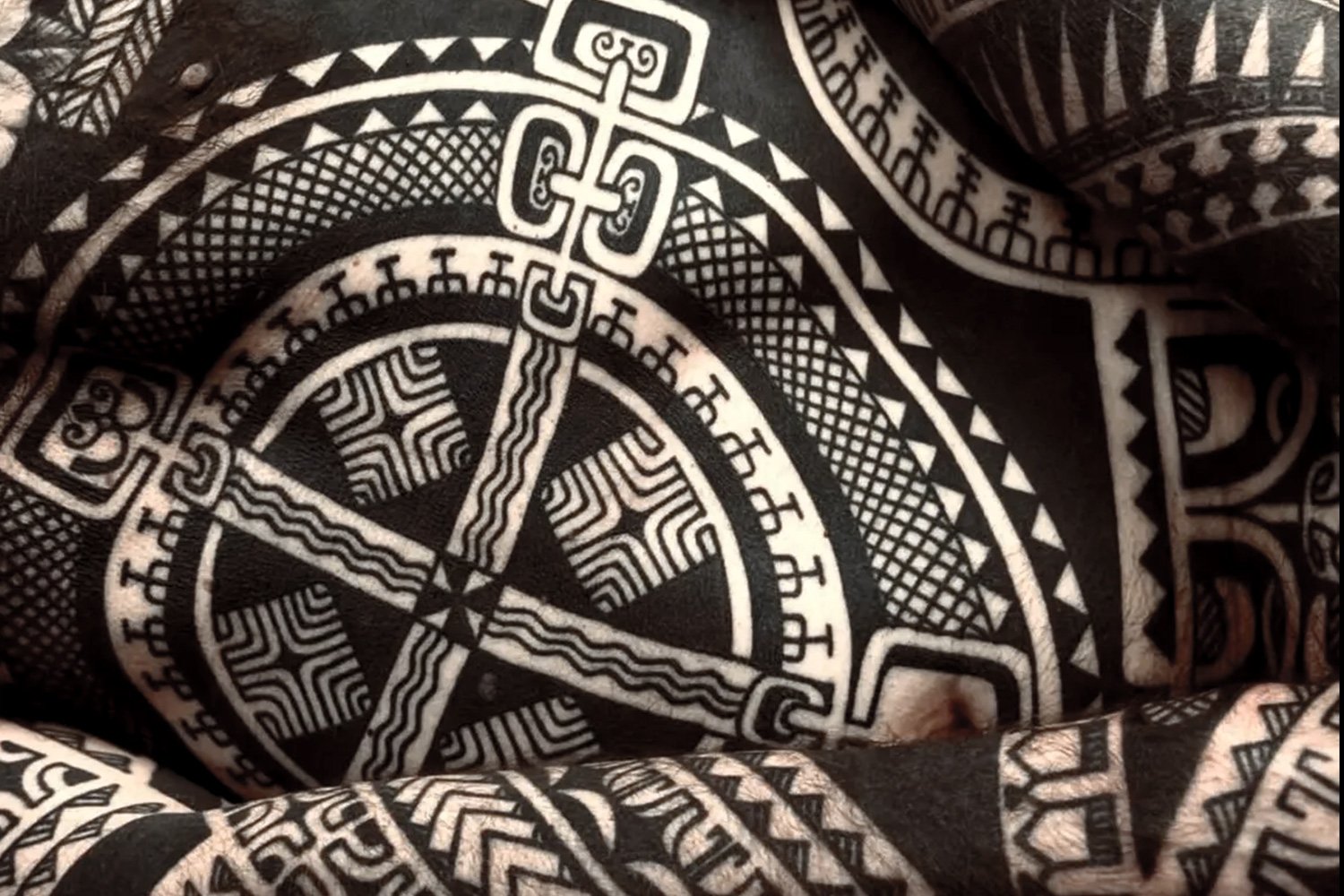
The Marquesan word for tattooing is patutiki — patu meaning “to strike” and tiki meaning “image.” A tattoo is a struck image. The practitioner was called a tuhuka patu tiki — a master of striking images — and the title carried authority and social prestige comparable to the other tuhuka (specialists, experts) who held essential roles in Marquesan society.

Hawaiian kākau uhi

Hawaiian kākau uhi

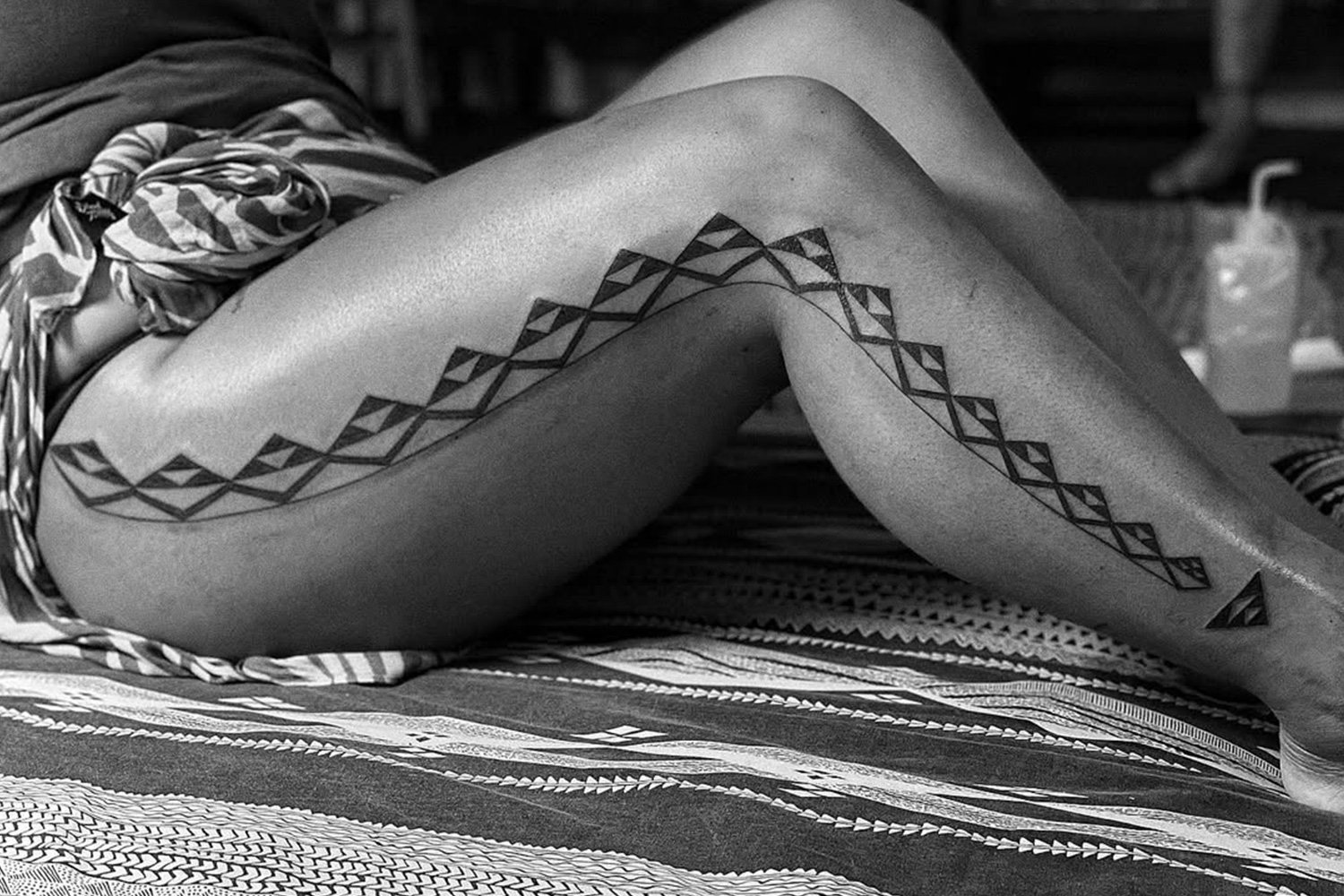
Hawaiian tattooing is among the least documented of the major Polynesian traditions, but what was documented reveals a distinctive, culturally embedded practice with its own visual characteristics. Hawaiian kākau is bold and asymmetrical, uses large geometric fields and heavy solid-black coverage in compositions that treat the body as a sculptural surface.

Tribal

Tribal

The word “tribal” refers to two distinct practices that share a visual resemblance and almost nothing else. The first is the set of Indigenous tattooing traditions that have used black abstract patterning on the body for centuries. The second is the Western commercial style of abstract black patterns inspired by Indigenous designs but detached from their cultural contexts.

Māori tā moko

Māori tā moko

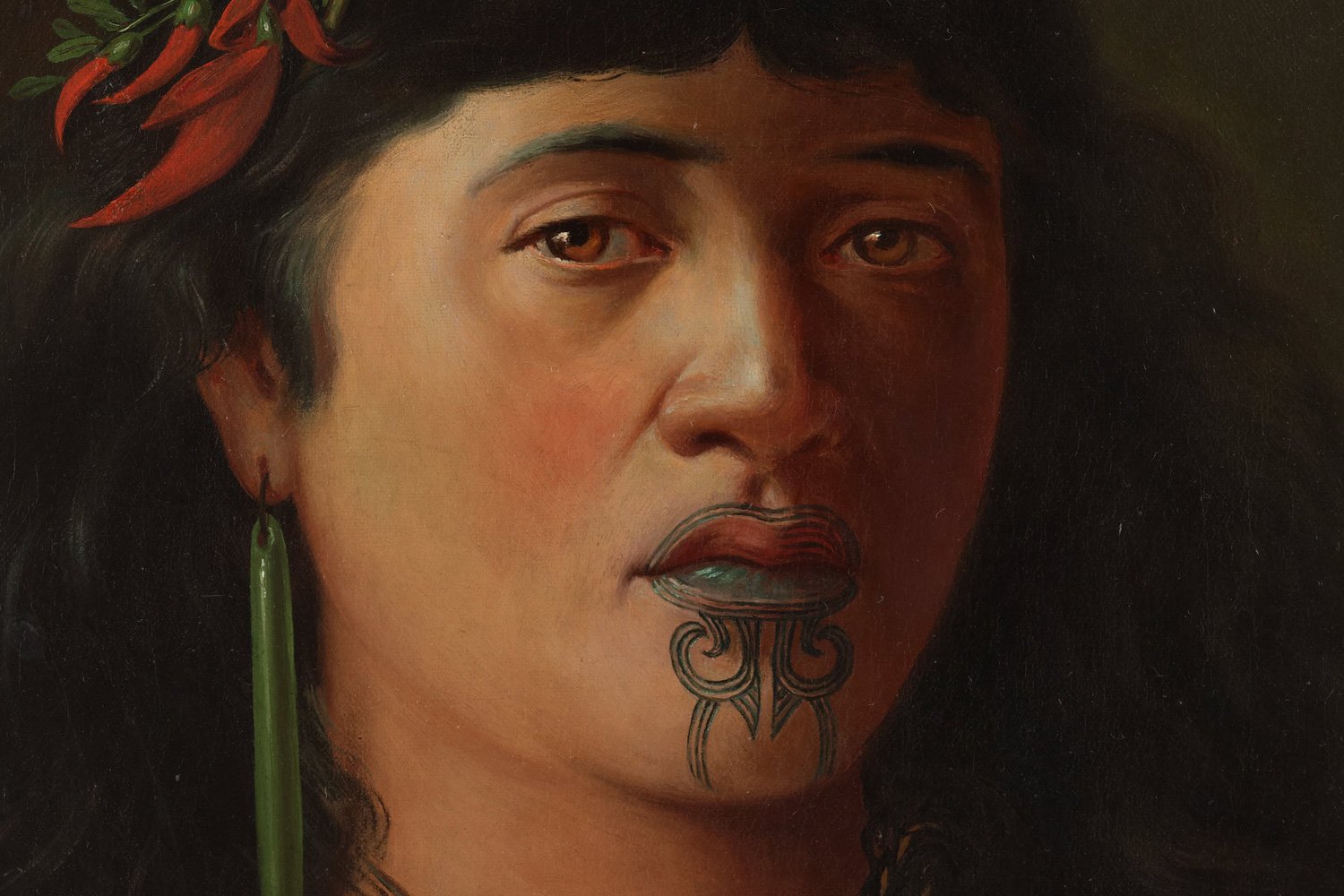
Māori tattooing — tā moko — is the only Polynesian tattoo tradition that carved the skin rather than puncturing it. The practitioner, called a tohunga tā moko, used a bone chisel (uhi) to cut grooves directly into the skin. The designs encoded the wearer’s whakapapa — genealogy, tribal affiliation, and personal history — in curvilinear patterns.

Polynesian tattooing

Polynesian tattooing

Polynesian tattooing is not one tradition. It is a family of traditions, developed across the thousands of islands of the Polynesian Triangle — the vast area of the Pacific bounded by Hawai’i, Aotearoa and Rapa Nui. Each island group has its own tattooing practice, with own tools, design vocabulary, rules, and relationship to the community’s social structure.

Sua Sulu’ape Paulo II

Sua Sulu’ape Paulo II

Sua Sulu’ape Paulo II was a Samoan master tattooist, tufuga ta tatau, born into one of the hereditary families that have held the tatau tradition for centuries. Based in Auckland, he connected with the New Zealand art world, worked extensively across Europe, and played a direct role in the revival of tattooing traditions in Hawaiʻi, Tahiti, and among the Māori.

Keone Nunes

Keone Nunes

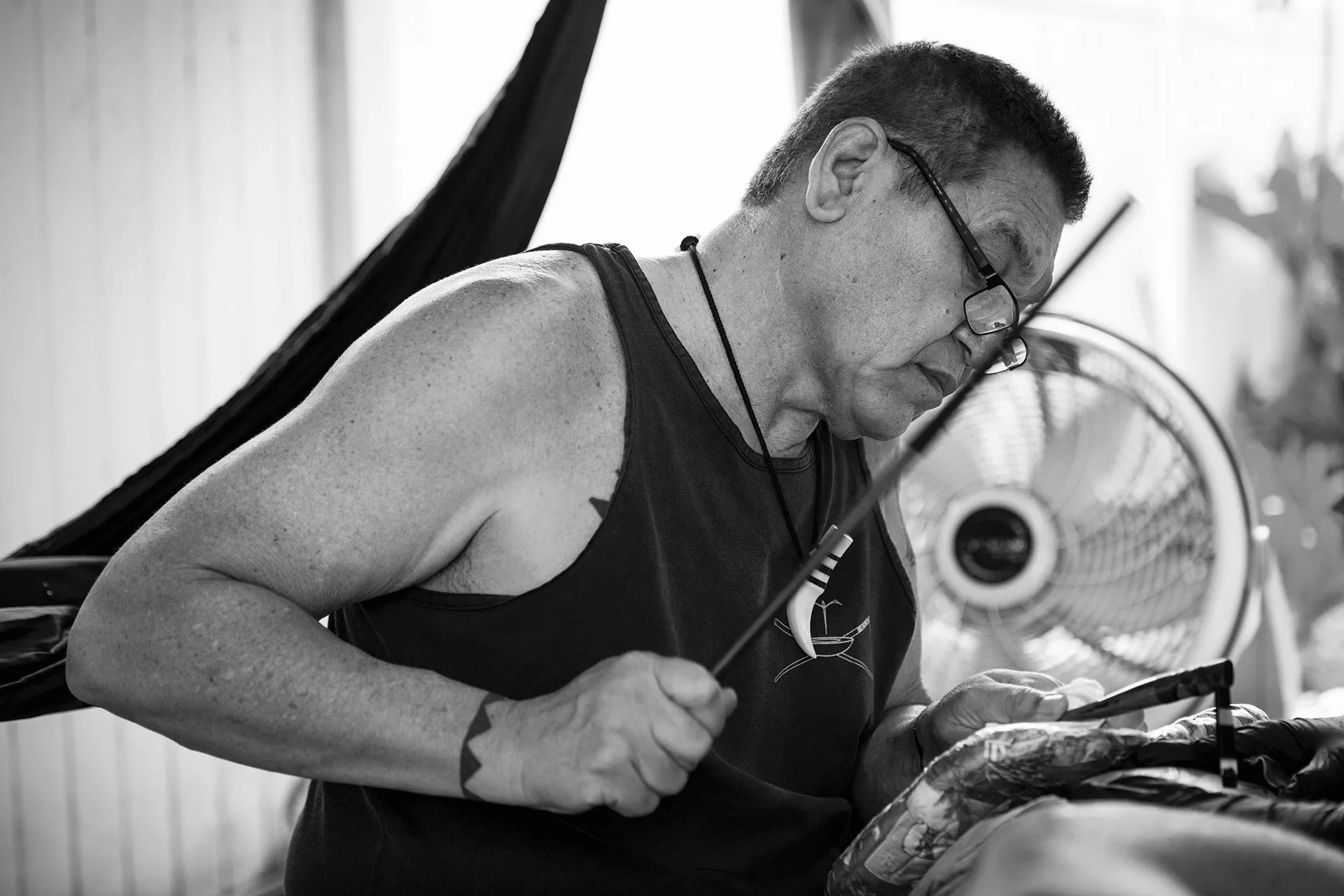
Sulu’ape Keone Nunes is the practitioner most responsible for the revival of kākau uhi, traditional Hawaiian hand-tapped tattooing, from its near-disappearance in the twentieth century. His formal title, Kahuna Kā Uhi, places him in the category of Hawaiian specialist priest and master. He prefers the term cultural practitioner over tattooist.

Gifu Horihide / Kazuo Oguri

Gifu Horihide / Kazuo Oguri

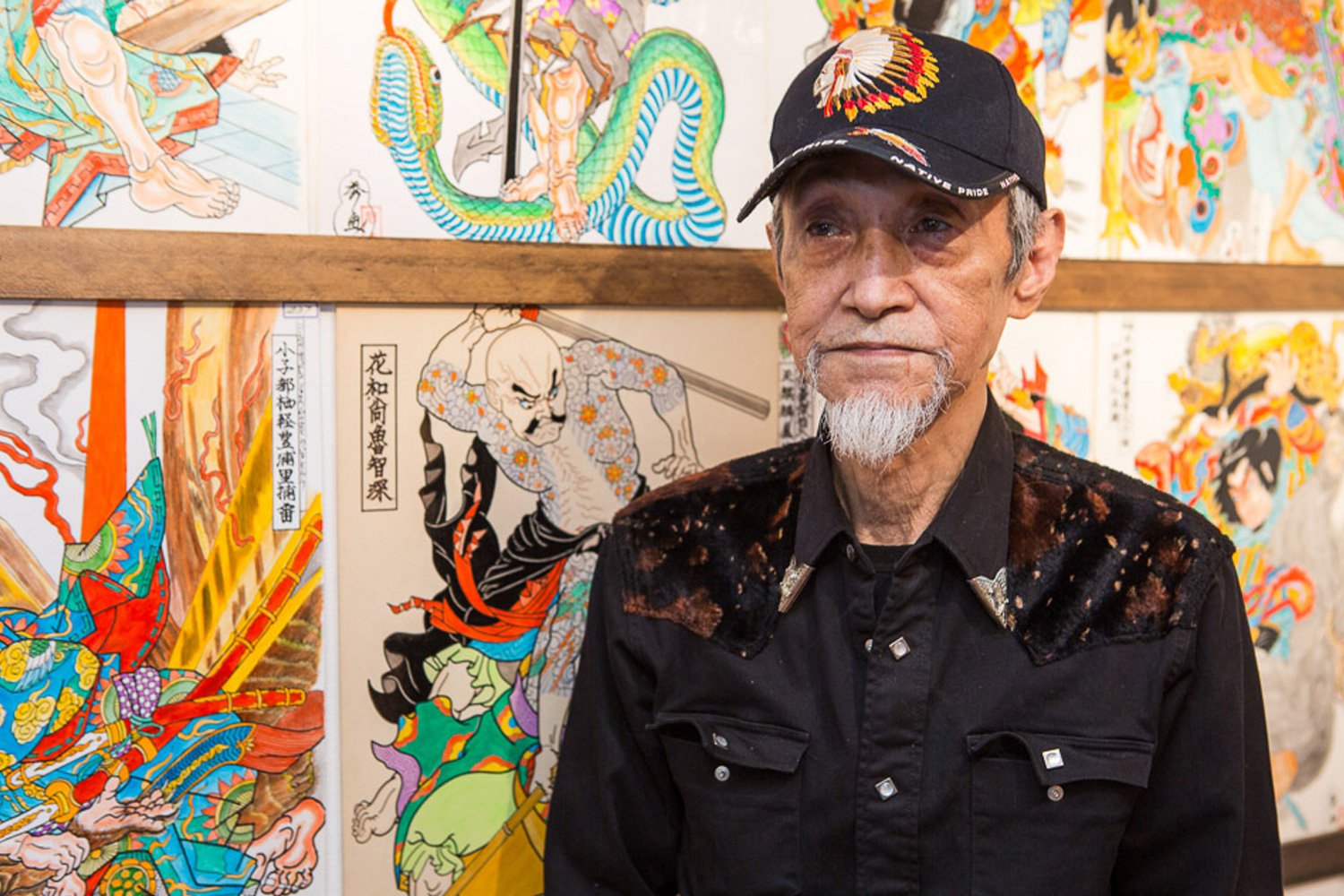
Oguri’s position in the history of tattooing is defined by a single act, repeated across decades: he shared. He shared his knowledge with Sailor Jerry through letters. He shared his techniques and his studio with Ed Hardy. He shared his tradition with Western students who would not have gained access to it without his willingness to open the door.