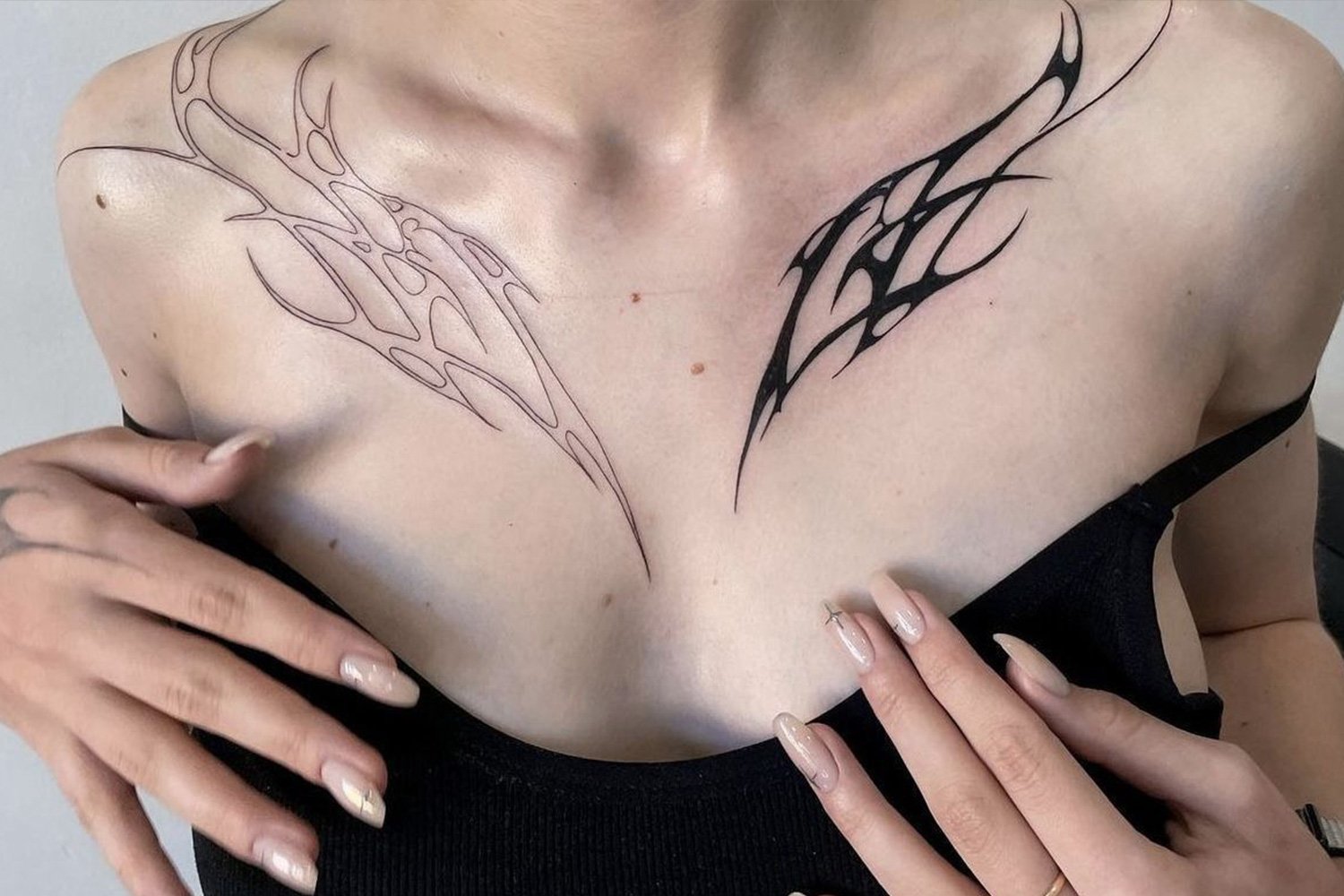
Thin black lines radiating outward from a central point on the sternum, tapering to needle-fine tips, curving along the collarbones and down between the ribs. The pattern is symmetrical, angular, and organic at the same time — part skeletal diagram, part circuit board, part occult symbol, part something that does not have an analogue in any older visual tradition.
Graphic tattoo styles
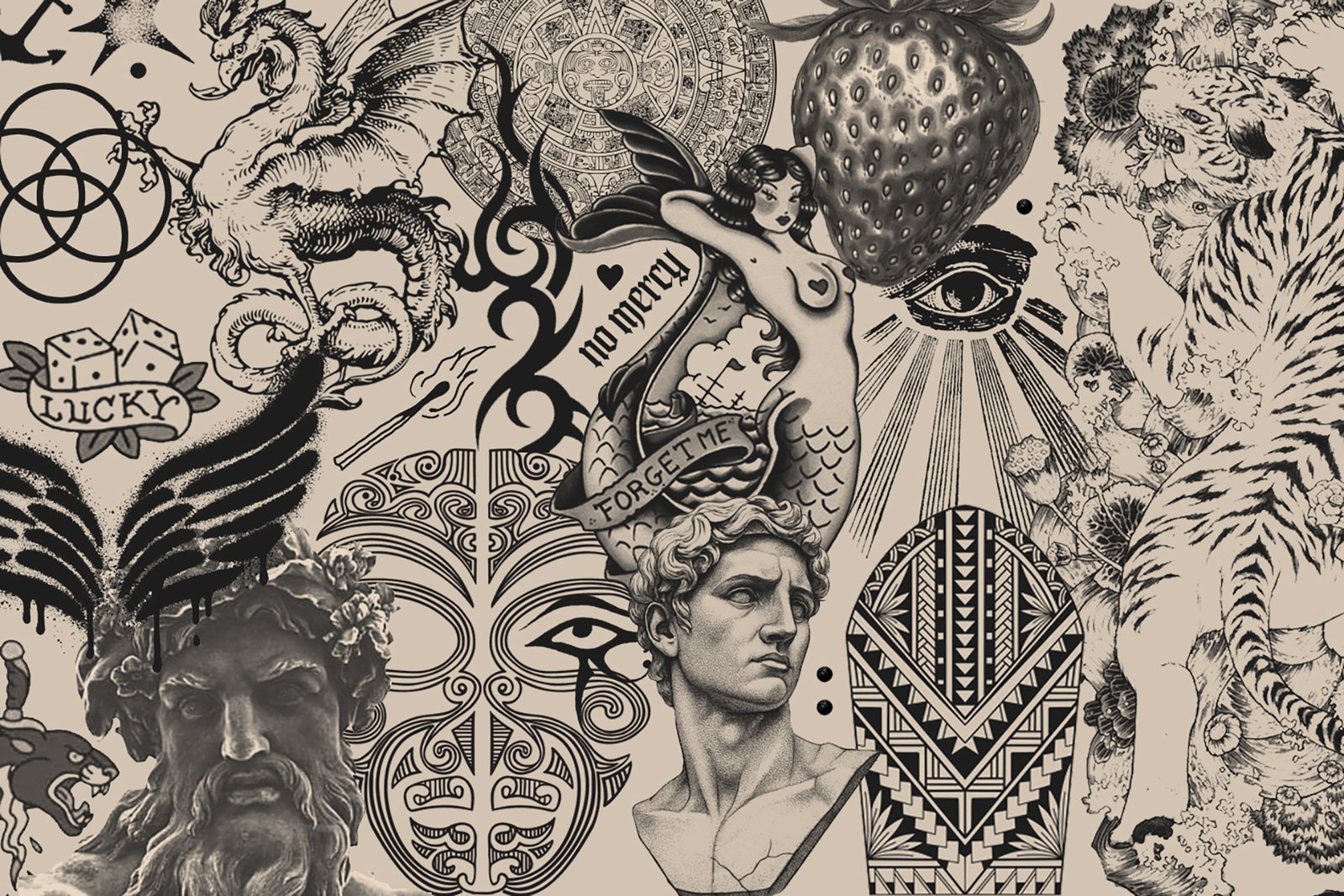
Graphic tattoo styles draw primarily from visual traditions outside tattooing — printmaking, drawing, illustration, engraving, comic art, typography and more. What connects them is a relationship to the drawn, designed or printed image as a source. They tend to treat the skin as a surface for composition, and the visual references they pull from are often more legible to designers and illustrators than to tattooers trained in other traditions. The articles here cover styles that operate mainly in this graphic language — what source of inspiration or stylistic idea each one draws from, what defines them technically, and how their graphic origins affect the way the work behaves on skin over time.
All | Contemporary | Culture-Bound | Graphic | Traditional | Realism | Artists
Illustrative tattooing style
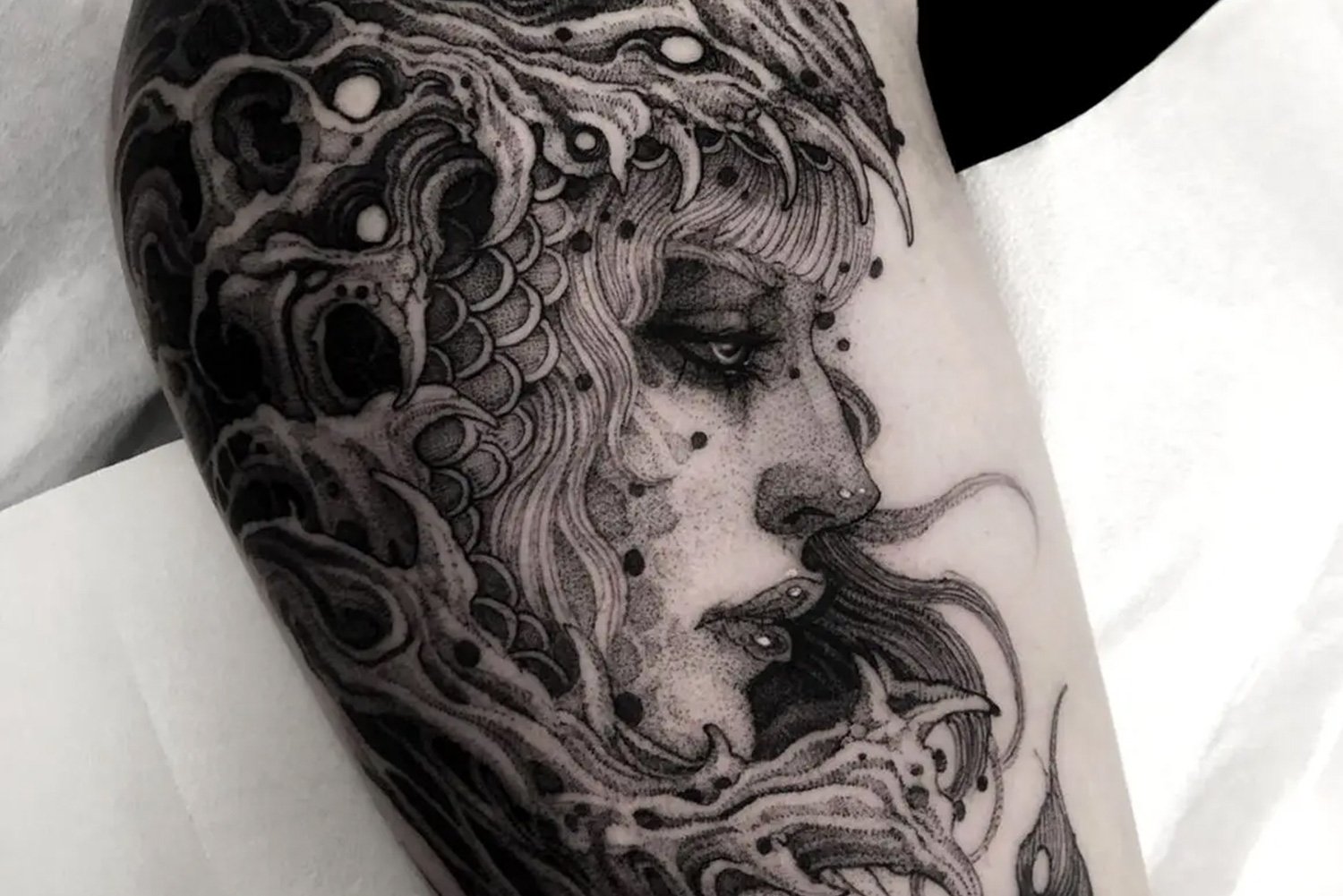
Illustrative tattooing is the style that draws most directly from traditions outside tattooing — book illustration, printmaking, pen-and-ink drawing, woodcut, engraving, and lithography. Where American traditional draws from flash sheets and Japanese irezumi draws from ukiyo-e and painted scrolls, illustrative work draws from the printed page.
Minimalism
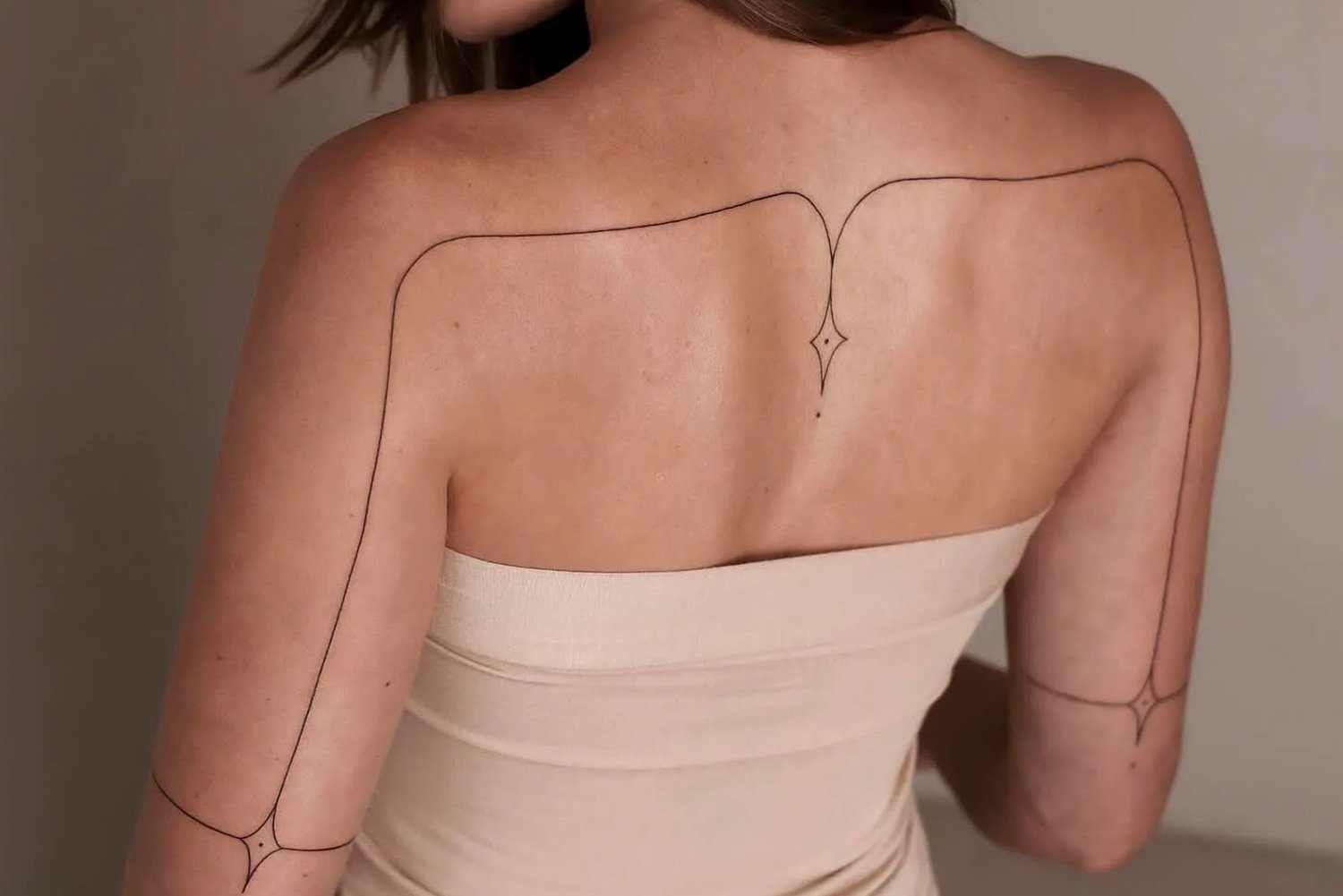
Minimalism is not a technique in the way that realism or blackwork or illustrative tattooing are techniques. It is a design philosophy applied to tattooing: an approach to composition that values economy, negative space, and reduction. A minimalist tattoo can be executed in fine line, in blackwork, in dotwork, in single-needle greywash, or in simple bold line.
Blackwork
Blackwork, as a named contemporary tattoo style, refers to work done exclusively or predominantly in solid black ink. The term covers an enormous range of visual approaches, from geometric abstraction to dense figurative illustration, from Polynesian pattern work to large-scale solid coverage, from mandalas to botanical renderings.
Blackout
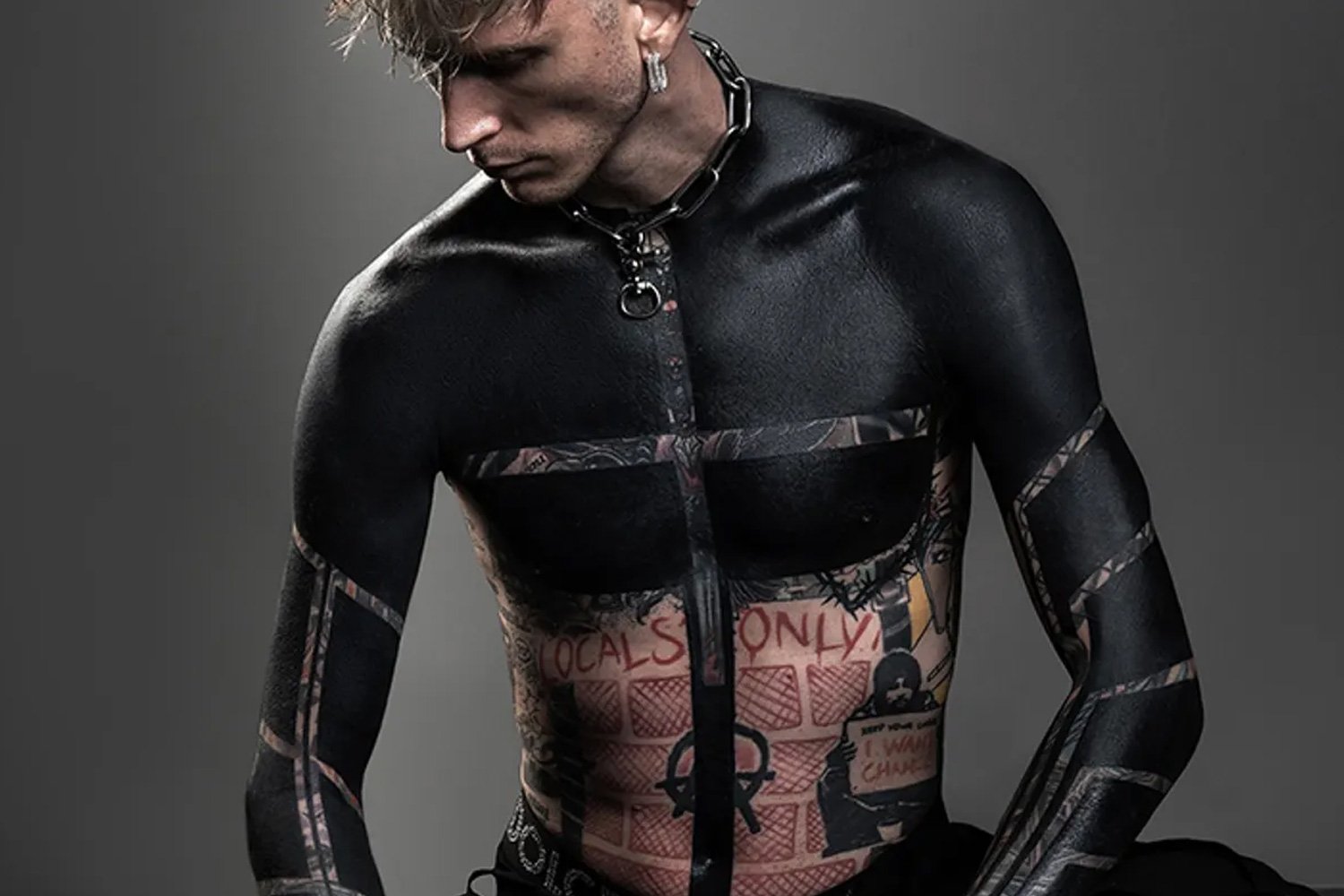
Blackout sits at one end of the blackwork spectrum. Where most blackwork styles use the interplay between black ink and bare skin — pattern, line, dot, negative space — blackout eliminates the interplay. The skin within the designated area becomes a black surface. Whatever the skin was before disappears under the thick layer of black ink.
Ornamental
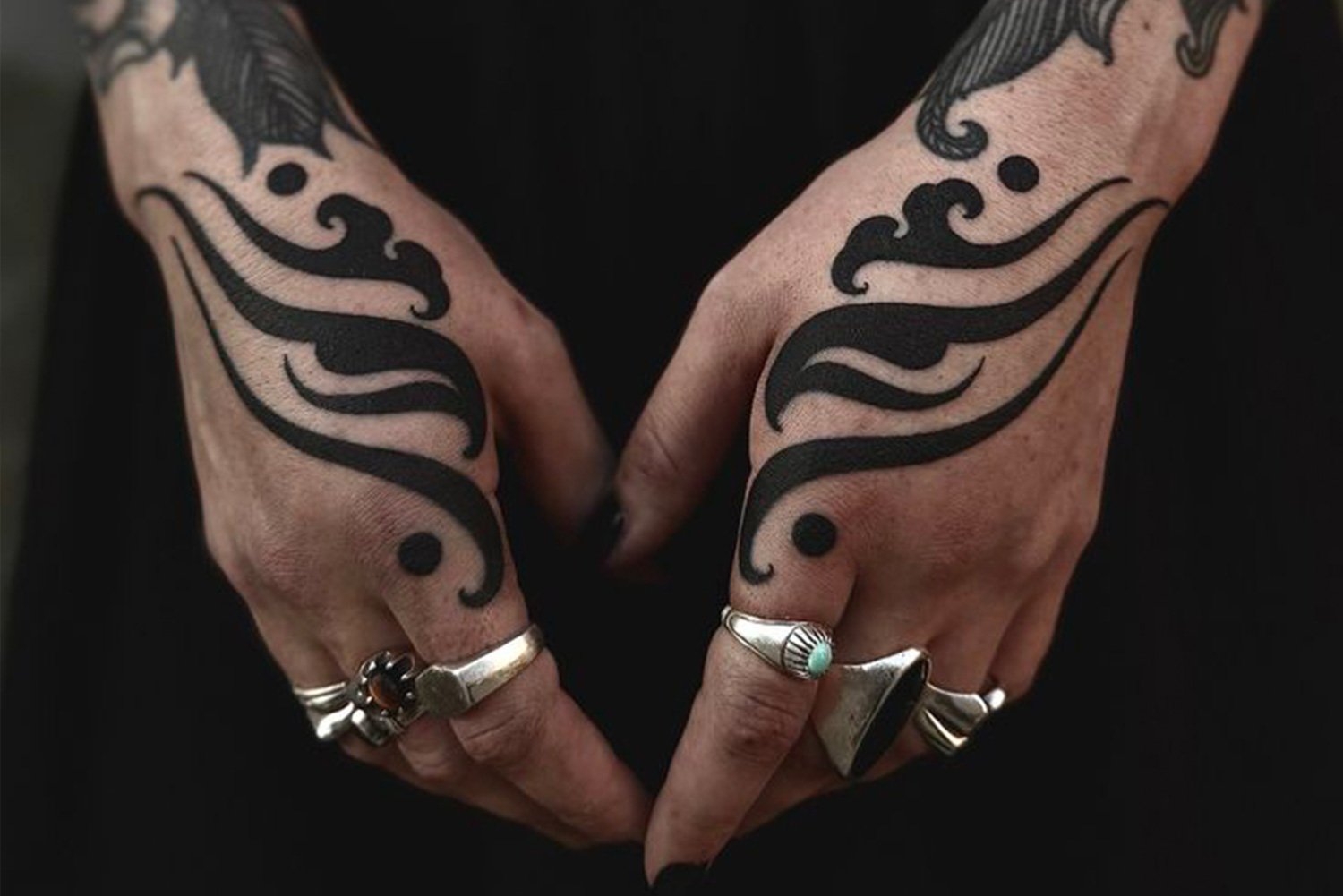
Ornamental tattooing is the style where the representation drops away and the decoration itself becomes the subject. The pattern is the content. The beauty of the arrangement is the meaning. Ornamental design — pattern, motif, and decorative composition applied to surfaces to make them beautiful — is one of the oldest human visual practices.
Script / Lettering / Calligraphy
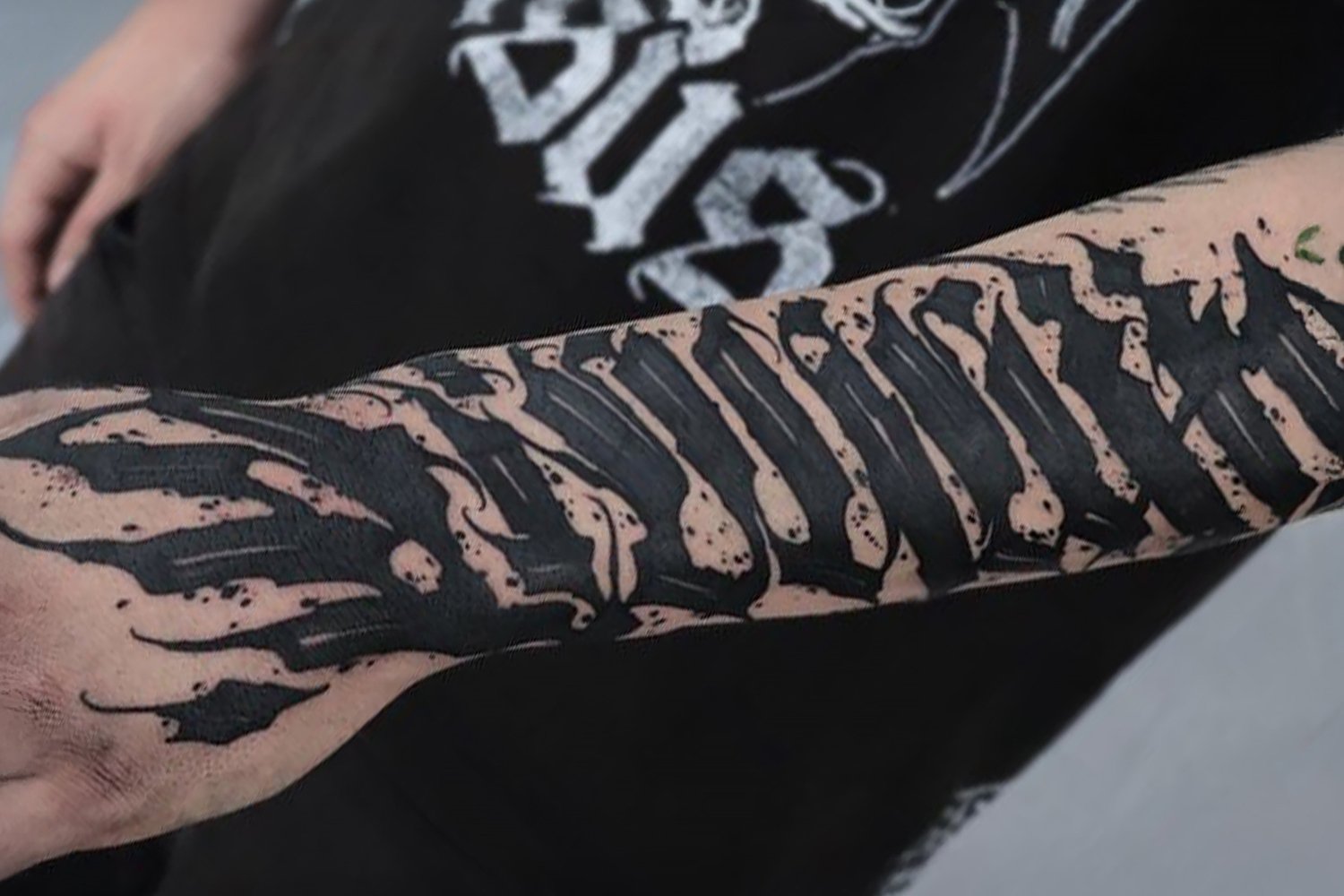
Script and lettering tattoos are the most common category of tattooing worldwide. Among tattooed Americans, the most popular tattoo category is “a meaningful word, phrase, or quote.” The number is consistent with what tattoo artists report: lettering accounts for a substantial share of the work done in most commercial studios.
Biomechanical
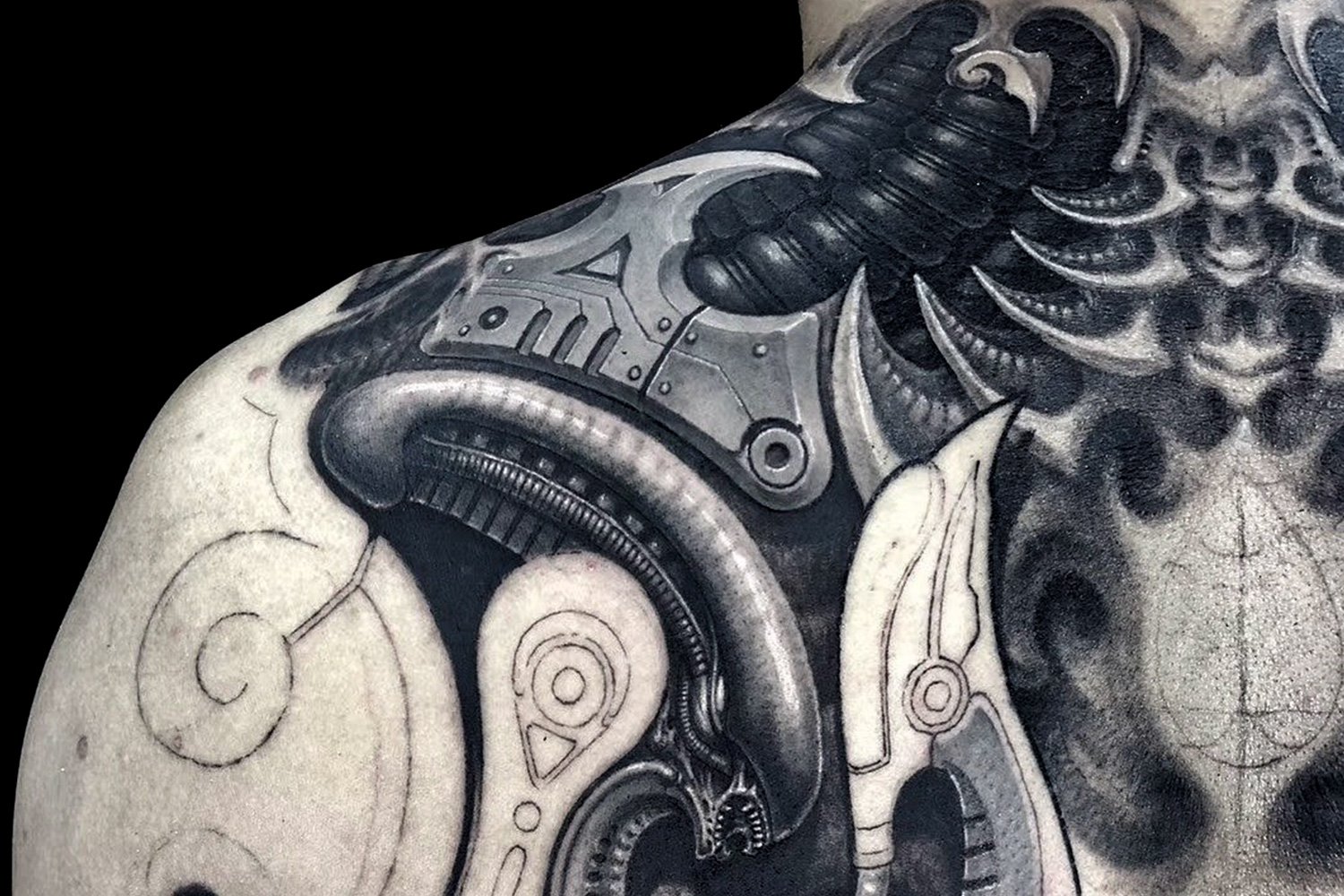
Biomechanical tattooing creates the illusion that the body contains machinery. The skin is treated as a surface that can be opened, peeled back, or made transparent, revealing an interior that is part biological and part technological. The style fuses organic anatomy with mechanical components into a single coherent system.
Geometric tattoo style
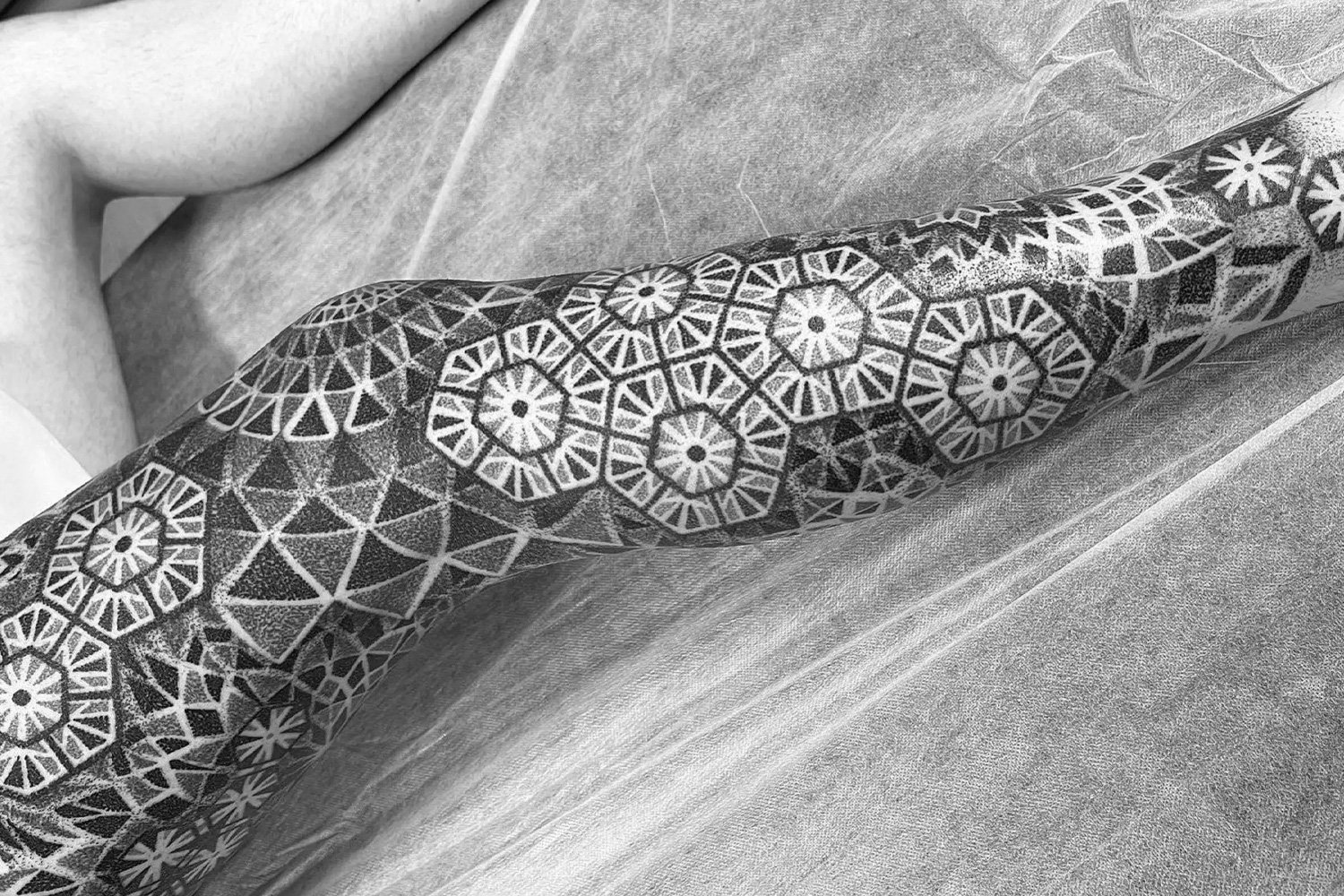
Geometric tattooing — work built primarily from geometric shapes, mathematical relationships, and abstract pattern — draws on this long history. The style has become one of the most requested categories in contemporary tattooing, encompassing everything from a single fine-line triangle on the wrist to a dense dotwork mandala covering the entire back.
Tribal
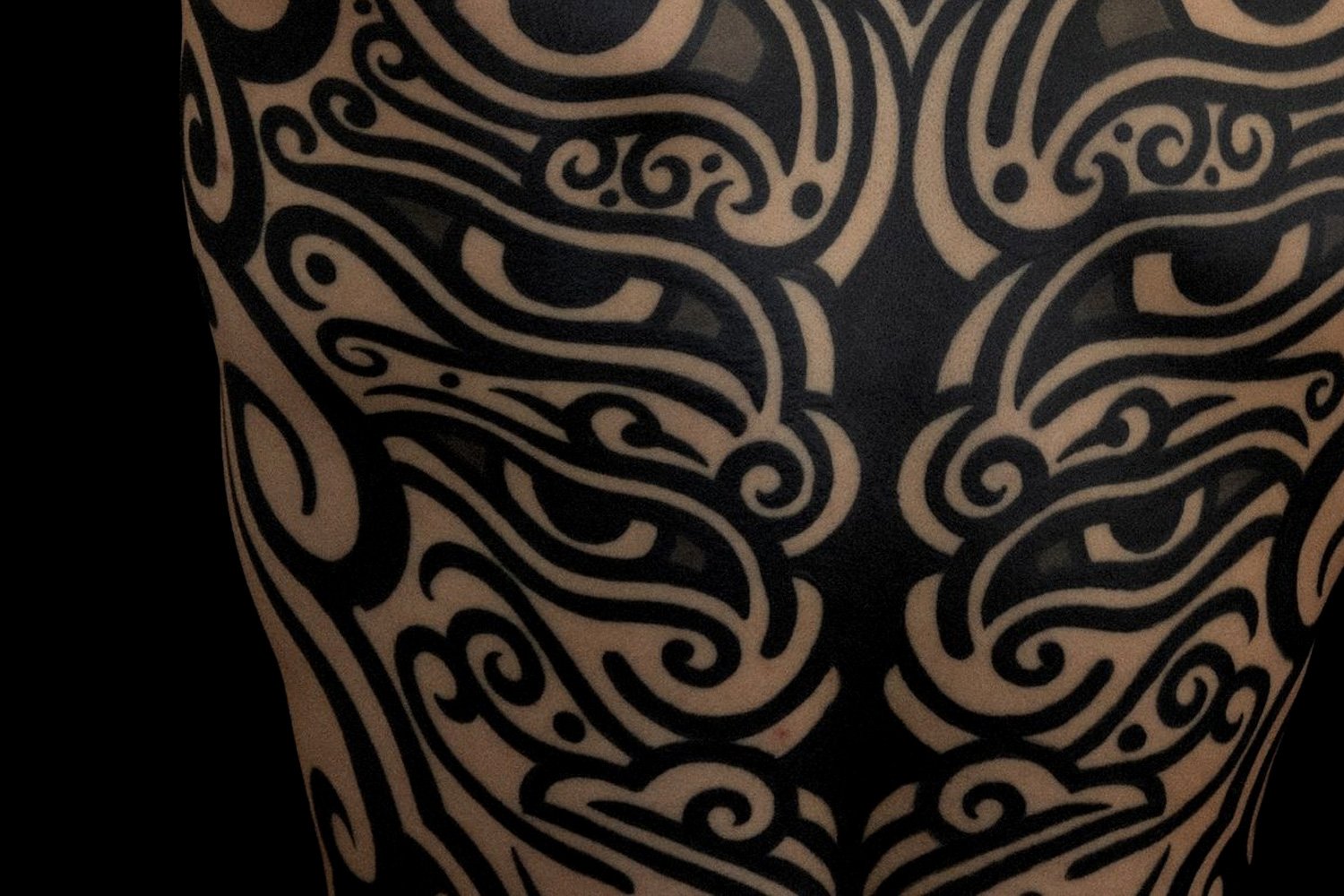
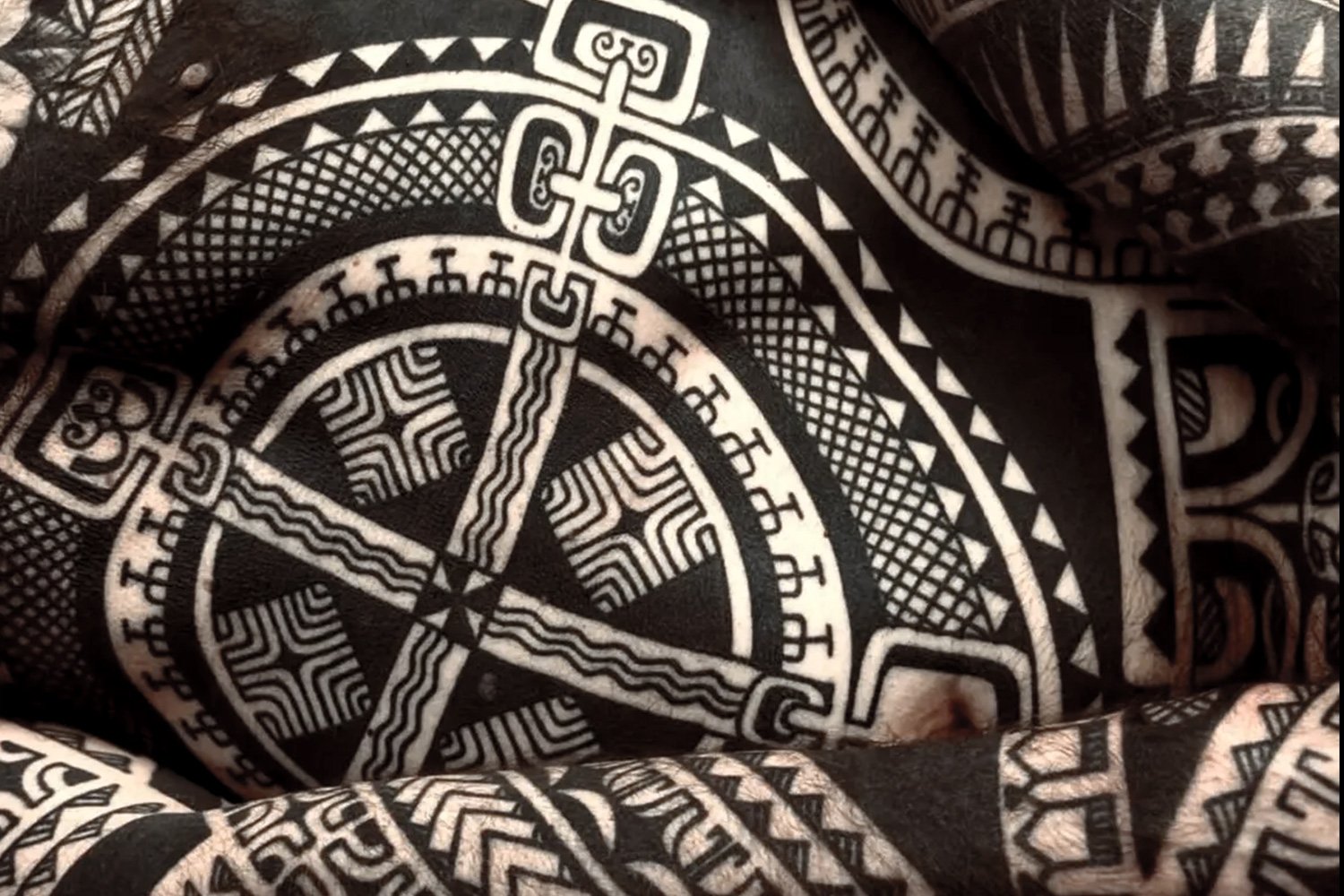
The word “tribal” refers to two distinct practices that share a visual resemblance and almost nothing else. The first is the set of Indigenous tattooing traditions that have used black abstract patterning on the body for centuries. The second is the Western commercial style of abstract black patterns inspired by Indigenous designs but detached from their cultural contexts.
List of tattooing styles
A comprehensive list of tattoo styles, traditions, and techniques — from American Traditional to Polynesian tatau, from realism to cybersigilism, from biomechanical to Sak Yant. Each entry covers what defines the style technically, where it comes from, and how it relates to the broader landscape of tattooing. Styles, techniques(…)