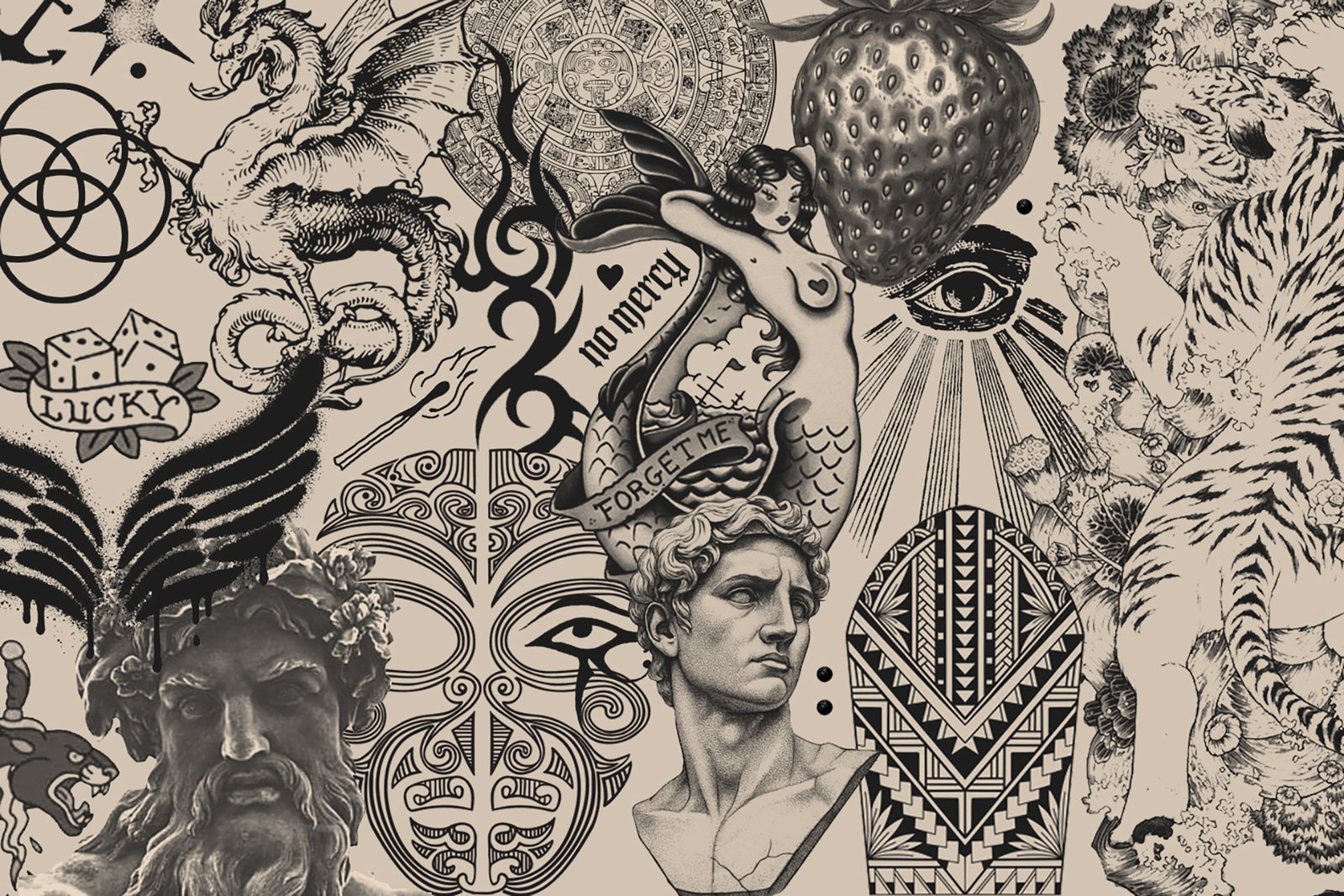
Contemporary tattoo styles

Contemporary tattoo styles are the ones still forming. They borrow from established traditions, from graphic design, from digital art, from fashion, and from each other — often without the decades of codification that gave older styles their fixed parameters. What defines them is not a shared visual system but a shared condition: they are being shaped in real time by artists, social media, client demand, and technology that did not exist a generation ago. Some will stabilise into lasting conventions. Others will prove to be trends with a shelf life. The articles here cover contemporary styles as they stand now — where they emerged from, what defines them technically, who is driving them, and how they relate to the older traditions they draw on.

All  |  Contemporary  |  Culture-Bound  |  Graphic  |  Traditional  |  Realism  |  Artists

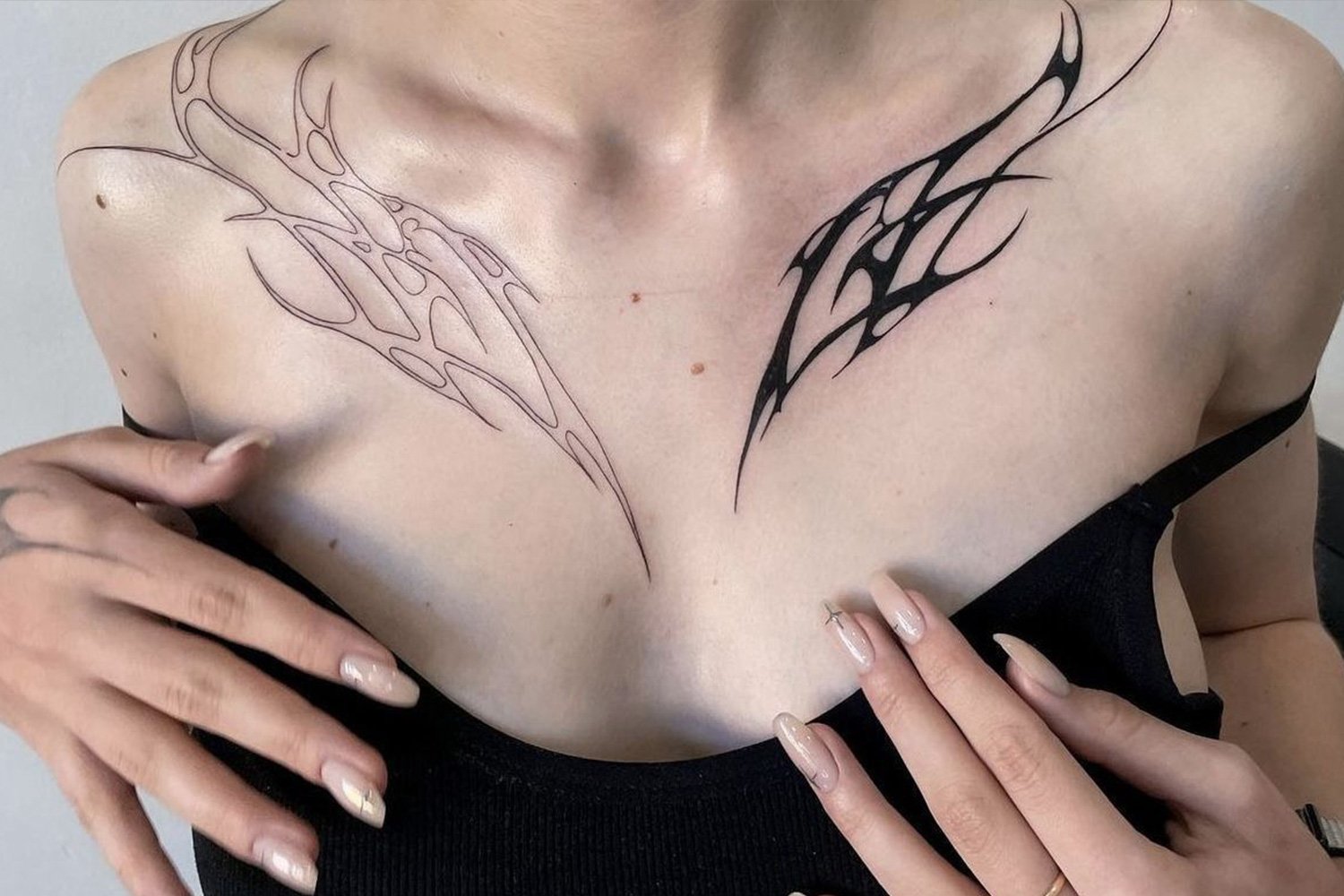
Cybersygilism tattooing style

Cybersygilism tattooing style

Thin black lines radiating outward from a central point on the sternum, tapering to needle-fine tips, curving along the collarbones and down between the ribs. The pattern is symmetrical, angular, and organic at the same time — part skeletal diagram, part circuit board, part occult symbol, part something that does not have an analogue in any older visual tradition.

Microrealism

Microrealism

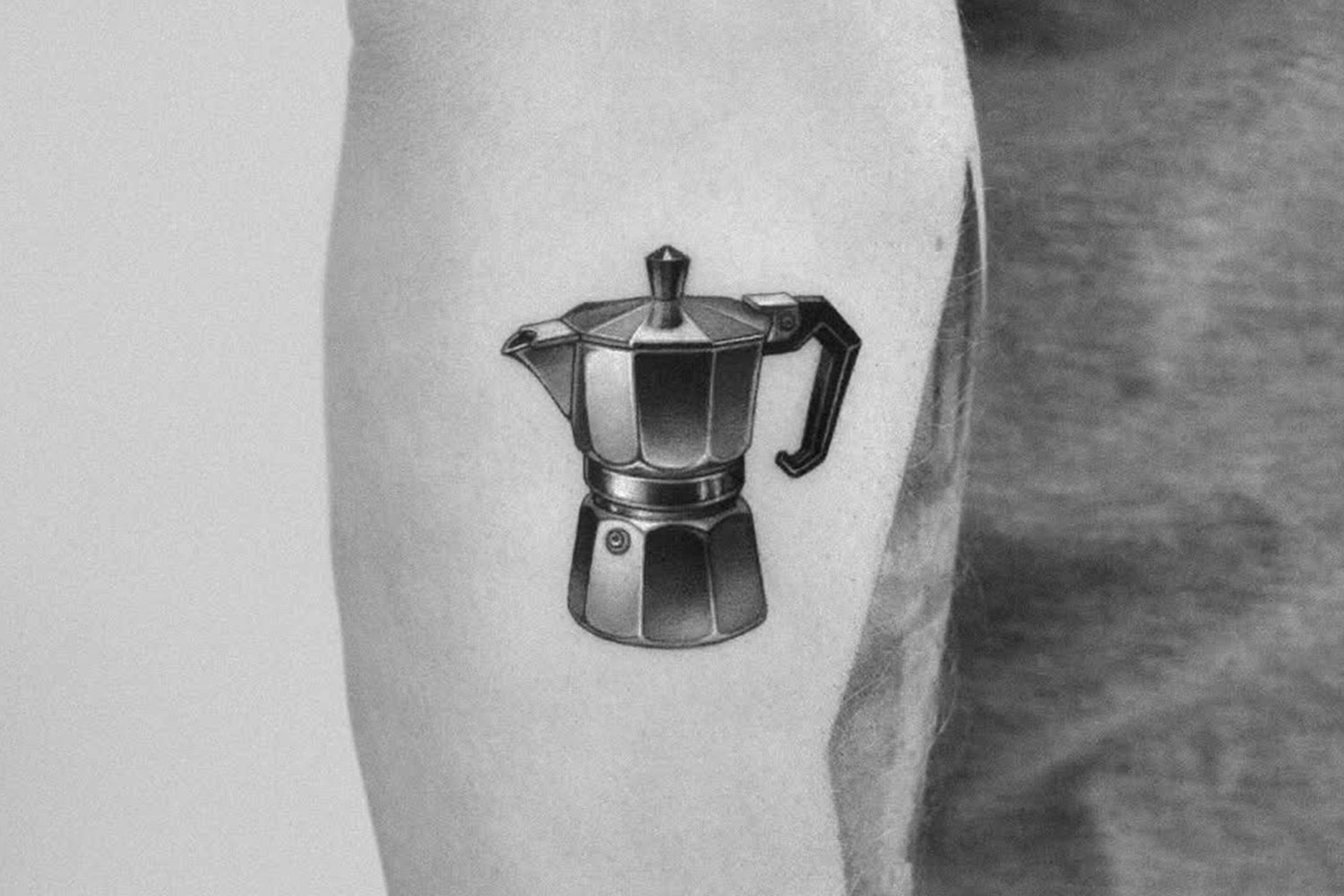
Microrealism sits at the intersection of two trends: the technical development of photographic realism in tattooing, and the recent preference for small, discreet, placement-sensitive work that reads well in phone photography. Understanding micro-realism requires understanding those strands and the technical shift that made it possible.

Minimalism

Minimalism

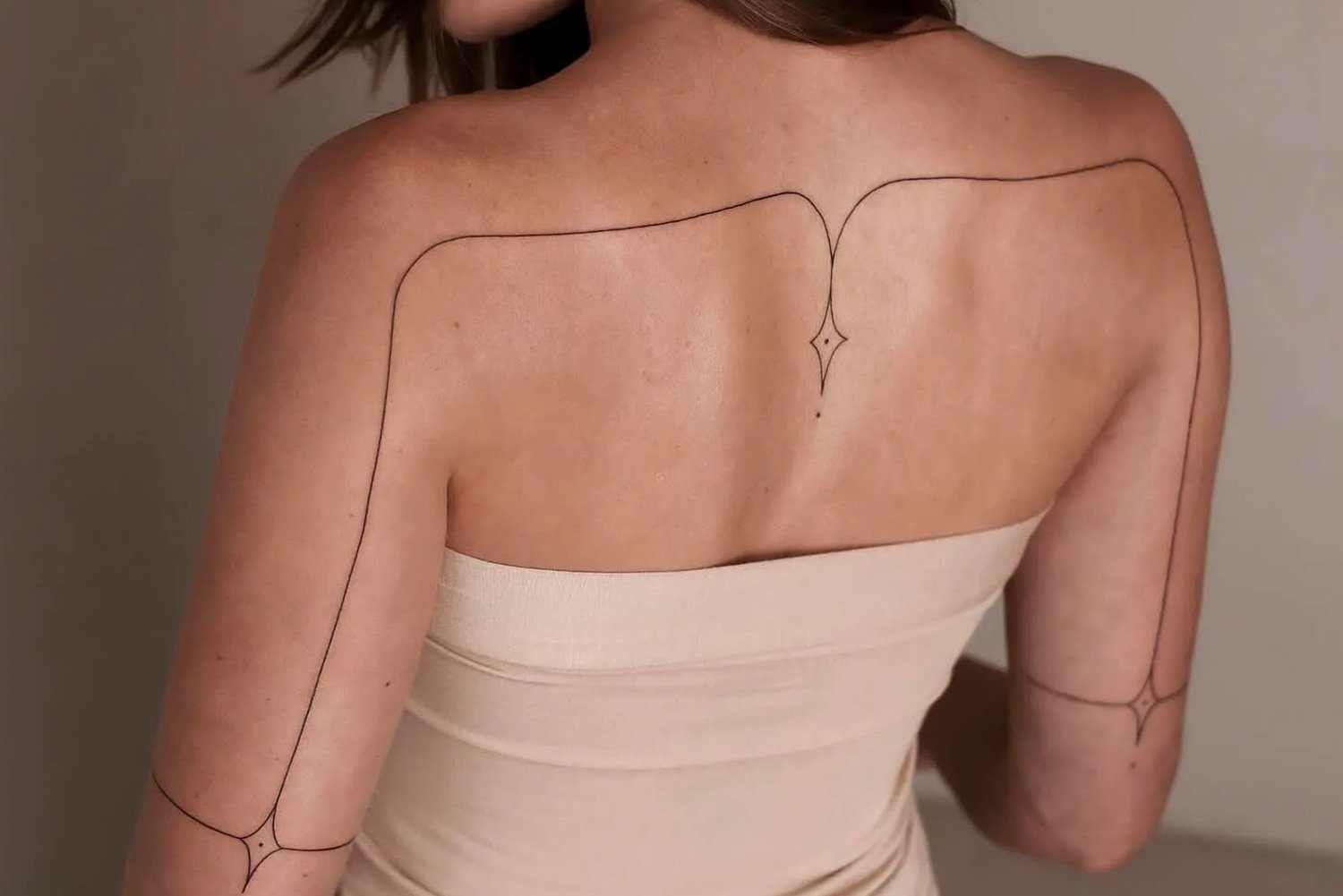
Minimalism is not a technique in the way that realism or blackwork or illustrative tattooing are techniques. It is a design philosophy applied to tattooing: an approach to composition that values economy, negative space, and reduction. A minimalist tattoo can be executed in fine line, in blackwork, in dotwork, in single-needle greywash, or in simple bold line.

Patchwork

Patchwork

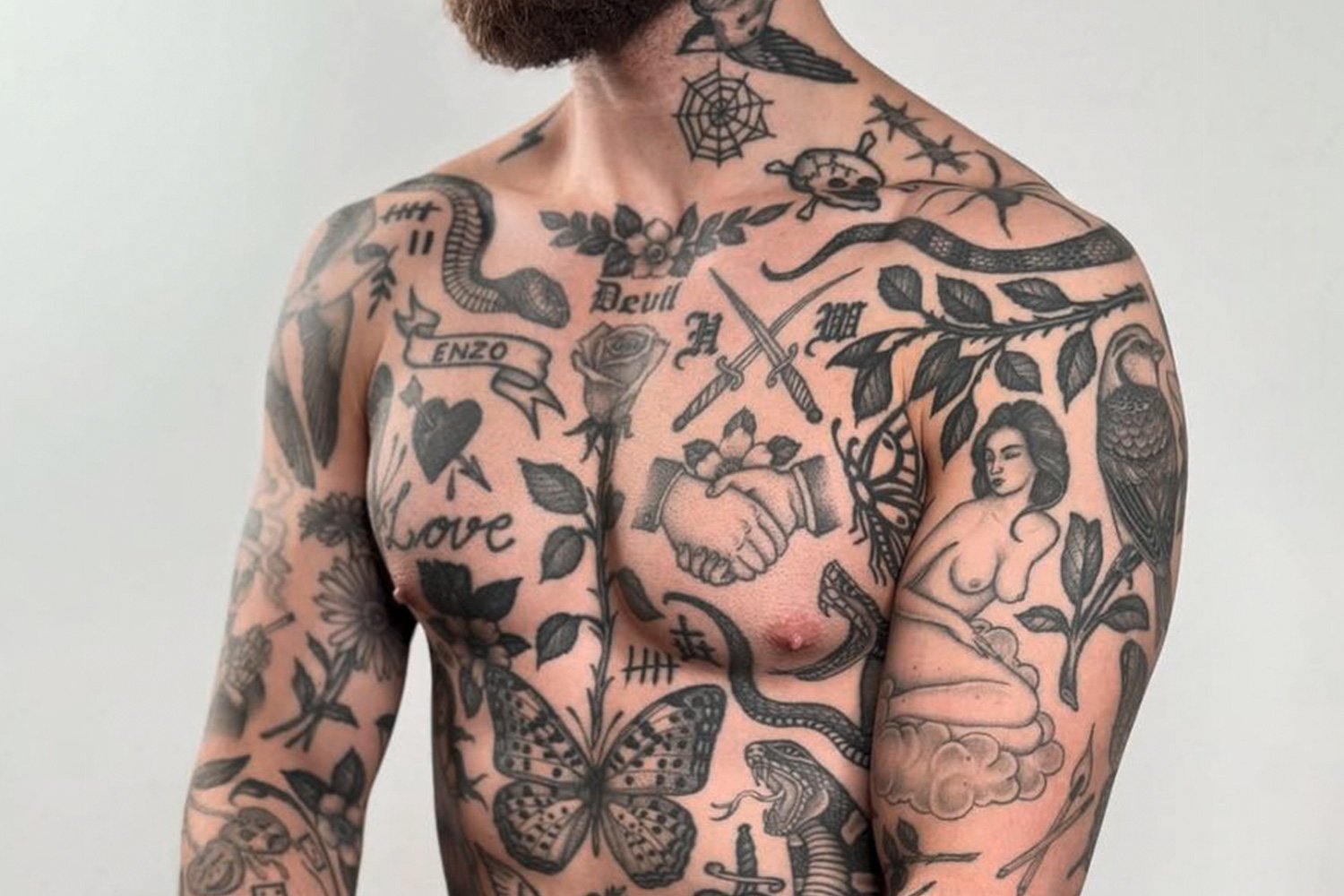
Patchwork is a way of collecting tattoos. It is an approach to how pieces are arranged on the body, not a technique for making individual pieces. Each piece in a patchwork collection can be in any style — traditional, realism, minimalist or anything else. What makes the collection patchwork style is the relationship between the pieces.

Fine line

Fine line

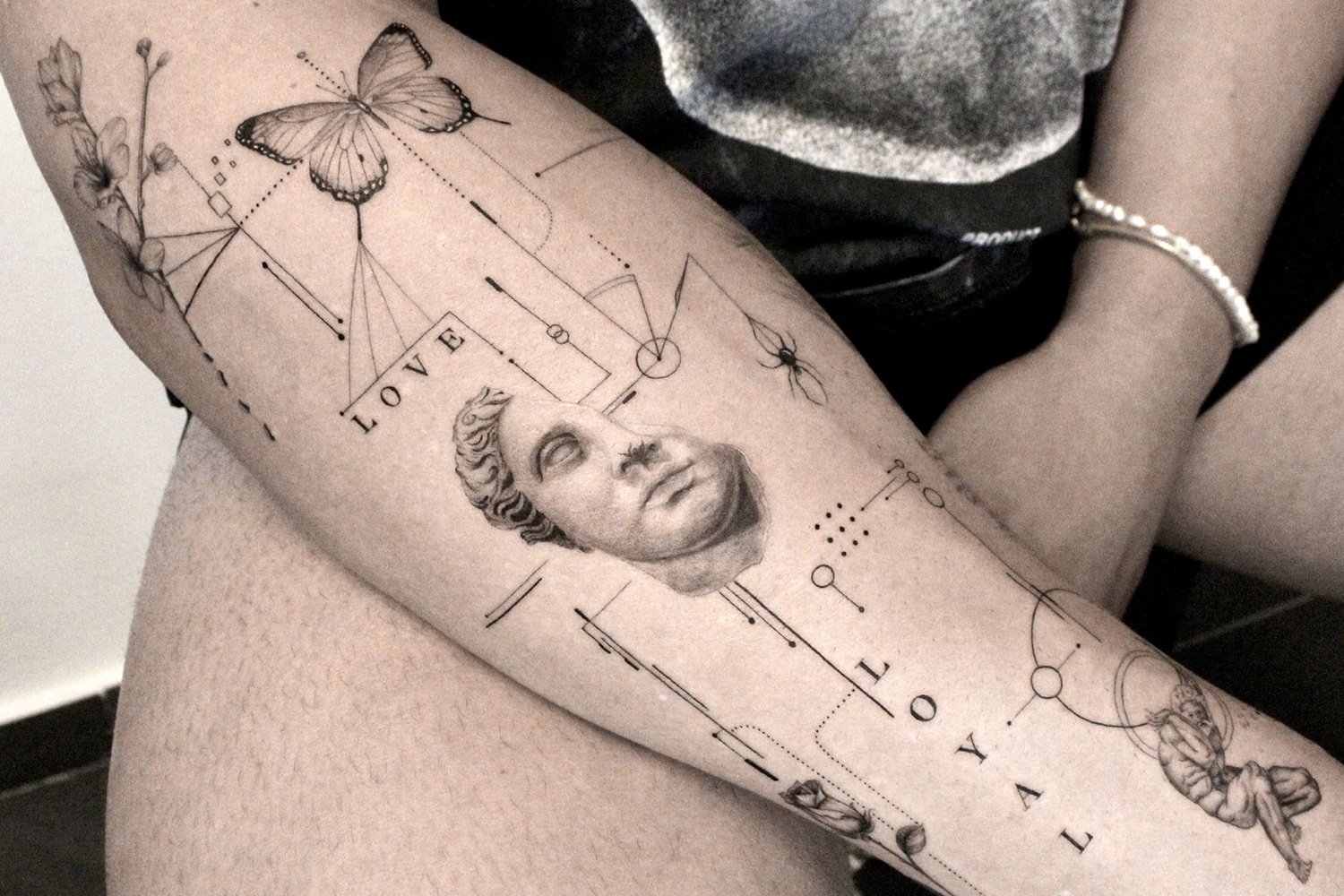
Fine line is the dominant first-tattoo style of the 2020s in most Western markets. Its appeal is clear: it is visually light, personally scaled, discreet by default, and legible to people who may not identify with the heavier visual traditions of tattooing. It has broadened the tattoo client base substantially, bringing in people who might not have considered a tattoo in (…)

Dr. Woo — Biran Woo tattoo artist

Dr. Woo — Biran Woo tattoo artist

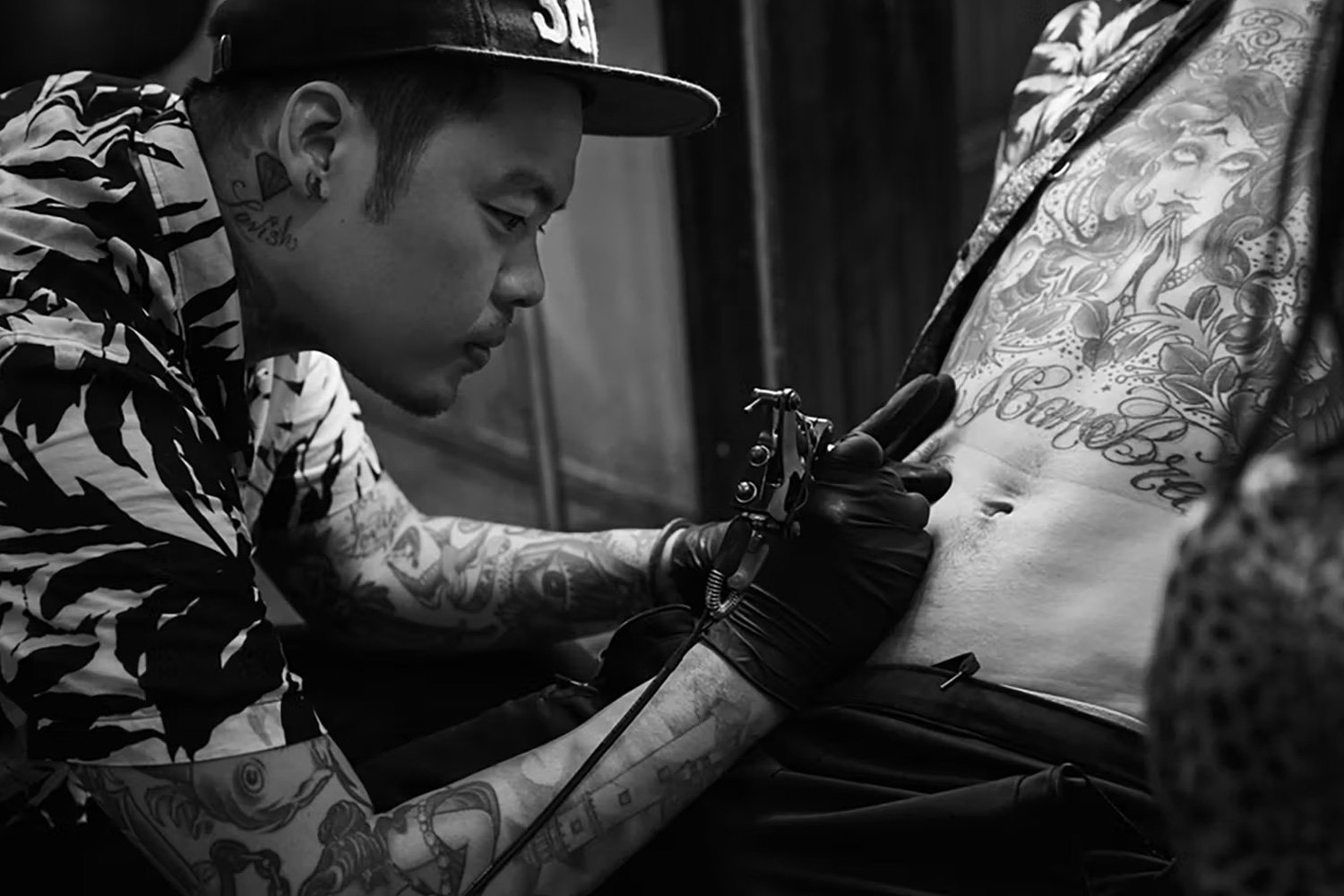
Dr. Woo occupies a specific position in the arc of American tattooing. He is the artist who took the Chicano single-needle tradition and translated it into the visual language of the 2010s and 2020s: fine, detailed, fashion-conscious, Instagram-native, and accessible to a clientele that extends far beyond the working-class and subcultural communities.

Script / Lettering / Calligraphy

Script / Lettering / Calligraphy

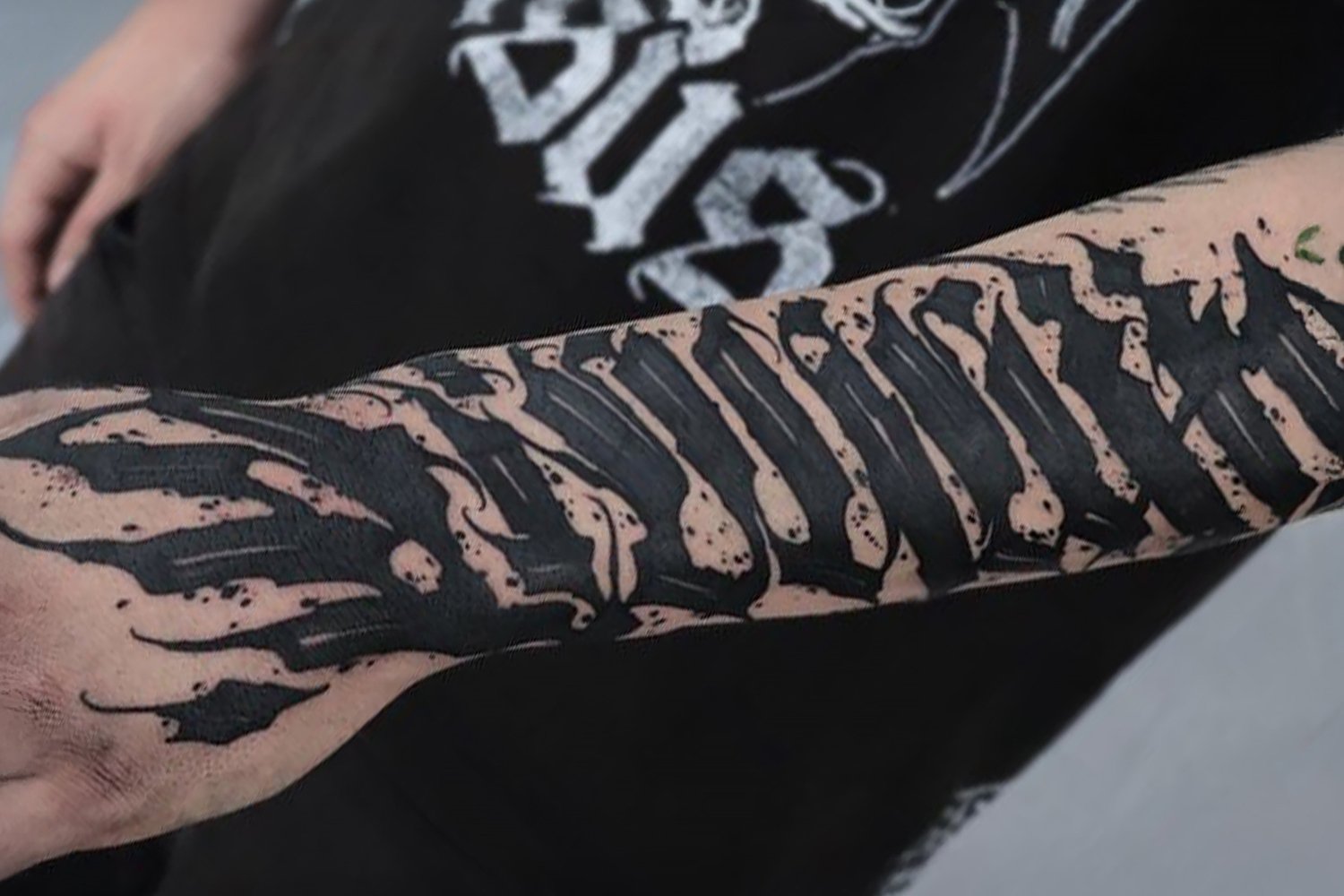
Script and lettering tattoos are the most common category of tattooing worldwide. Among tattooed Americans, the most popular tattoo category is “a meaningful word, phrase, or quote.” The number is consistent with what tattoo artists report: lettering accounts for a substantial share of the work done in most commercial studios.

Handpoke

Handpoke

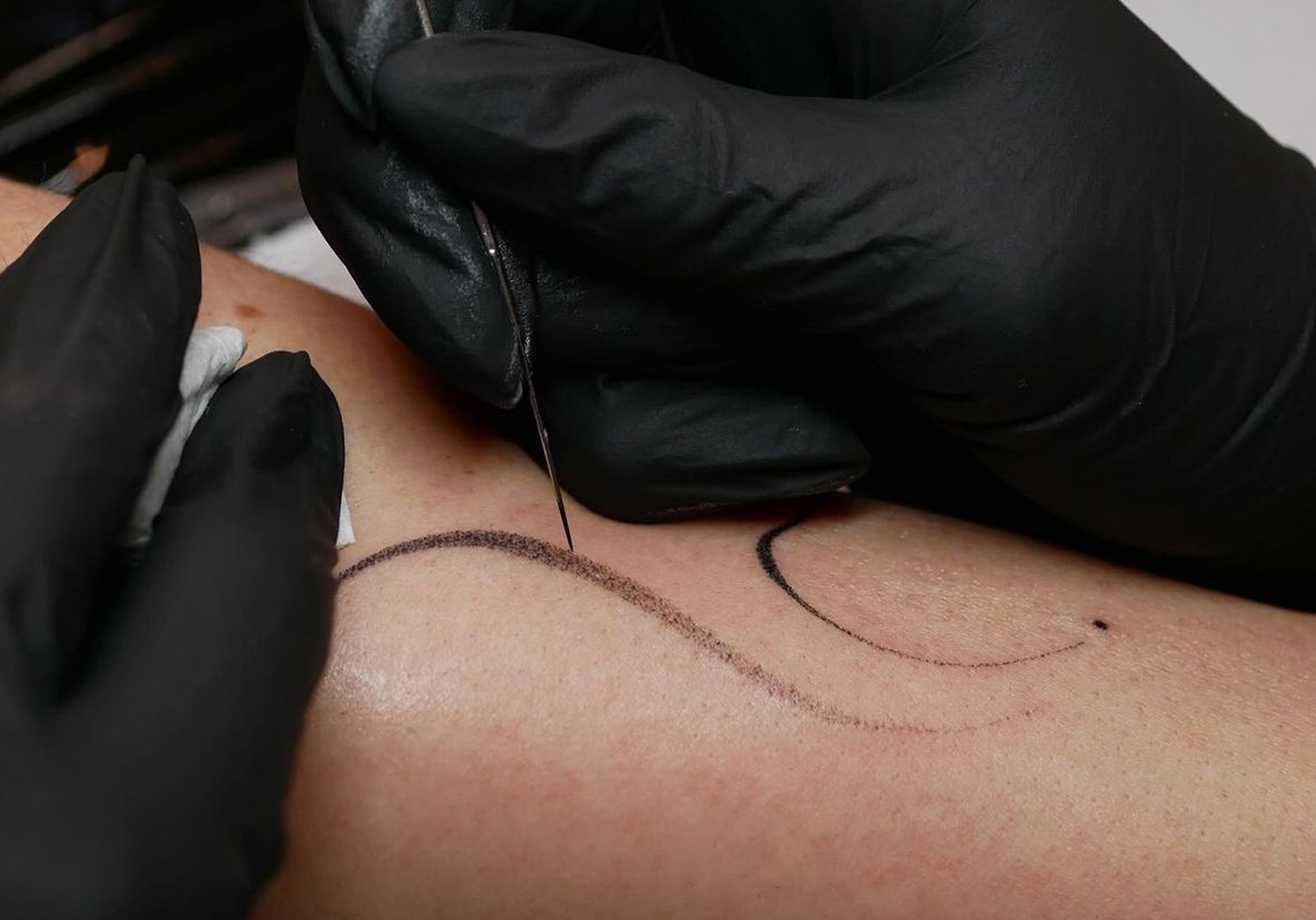
Non-electric tattooing as a deliberate contemporary studio choice. Handpoke uses a single needle or a small grouping pushed by hand. Produces a texture that differs from machine work — softer saturation, visible dot structure, a different skin trauma profile and healing process. The method is ancient and shared by traditional practices (…)

Watercolour

Watercolour

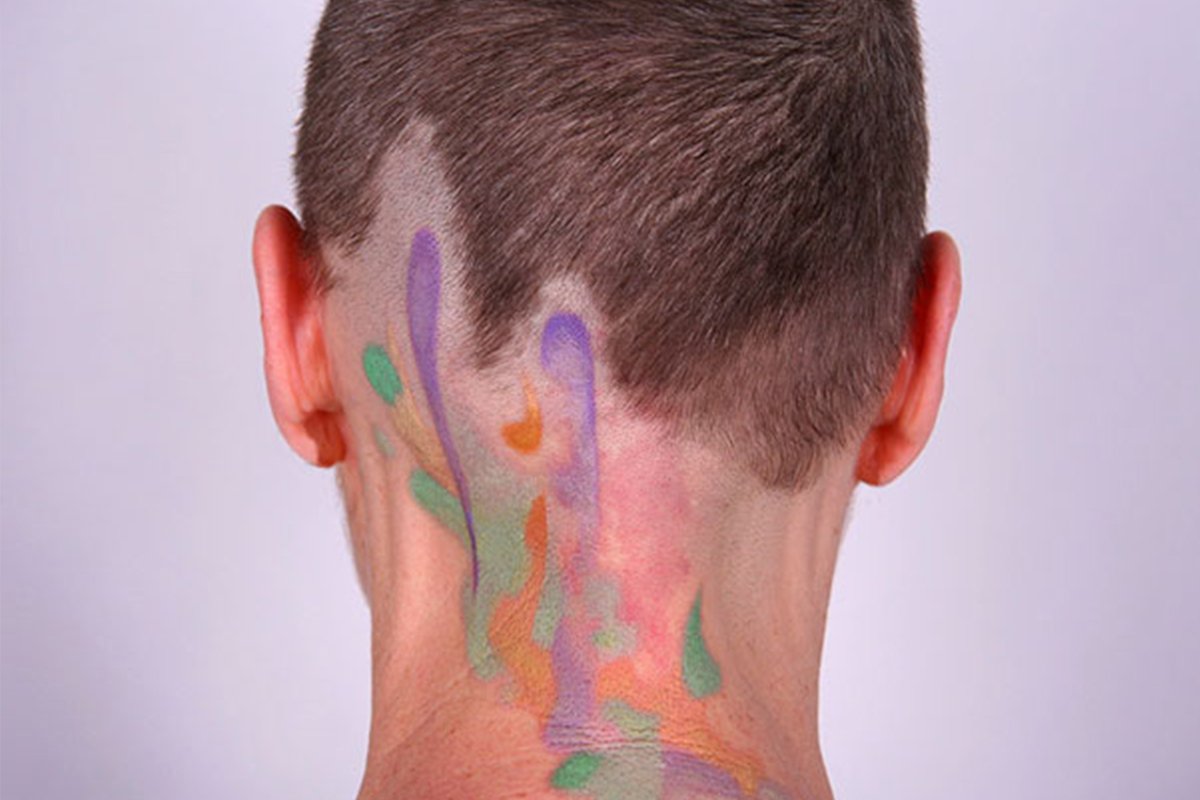
It takes its name from the painting medium it imitates: watercolour paint on paper, with its characteristic translucency, its soft edges, its colour bleeds, and its quality of apparent spontaneity. The tattoo version attempts to reproduce these visual qualities on skin using tattoo ink — technically demanding translation from one medium to another.

List of tattooing styles

List of tattooing styles

A comprehensive list of tattoo styles, traditions, and techniques — from American Traditional to Polynesian tatau, from realism to cybersigilism, from biomechanical to Sak Yant. Each entry covers what defines the style technically, where it comes from, and how it relates to the broader landscape of tattooing. Styles, techniques(…)