Handpoke
Handpoke tattooing: before the machines and after
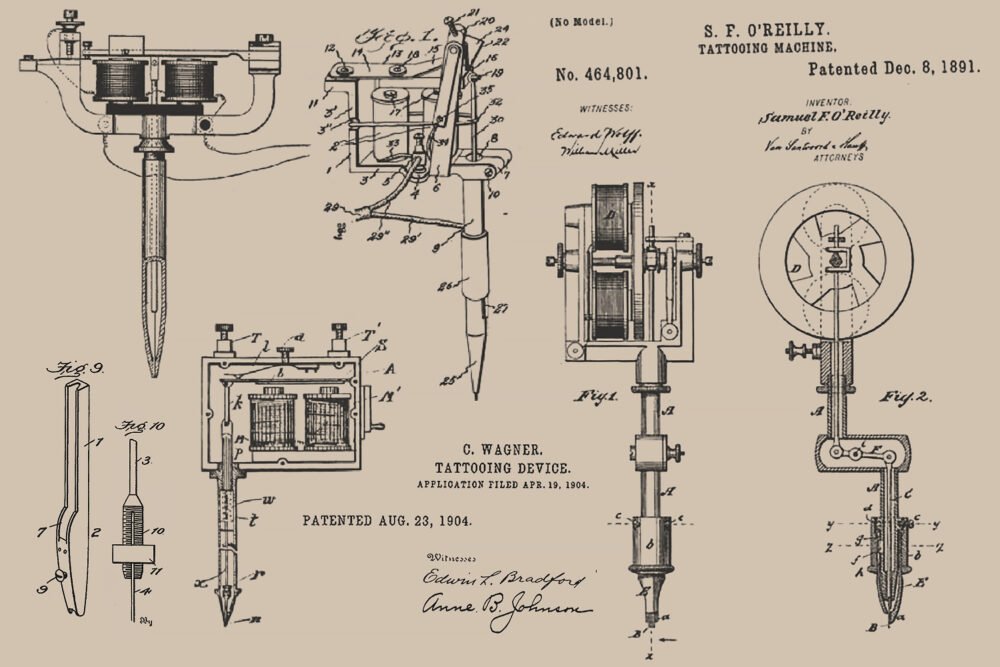
The electric tattoo machine changed what was possible, and within a few decades of Samuel O’Reilly’s 1891 patent, machine tattooing became the commercial standard in the West. Handpoke continued in Indigenous traditions, prison tattooing, DIY subcultures, and the practices of individual artists who preferred the older method, but it was no longer mainstream. By the late twentieth century, most people in Western countries had never seen a tattoo made without a machine, and many assumed that handpoke was either a primitive precursor or a rough prison technique — something less than what a machine could do.
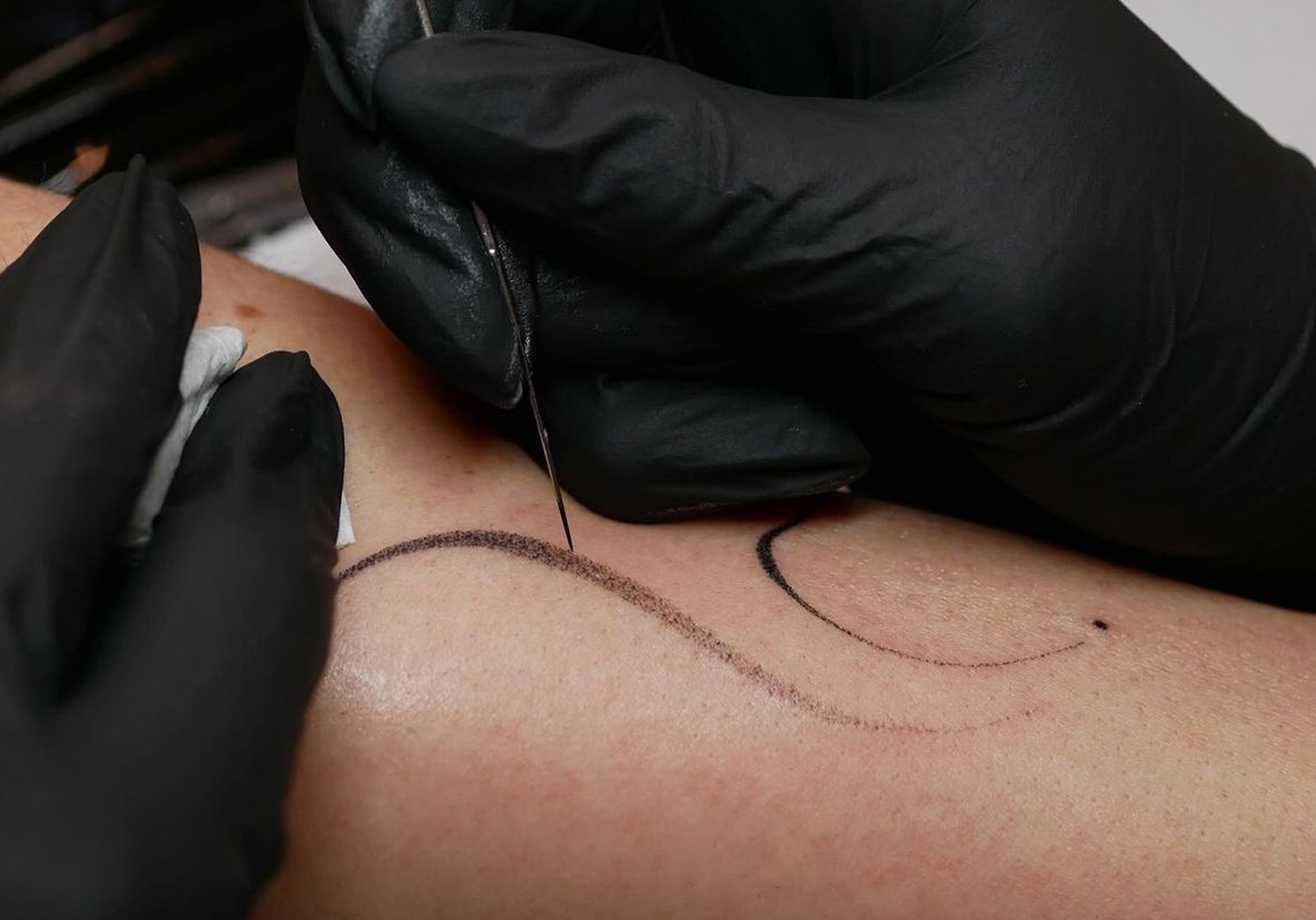
The reversal has been substantial. Over the past fifteen years, handpoke has experienced a major professional revival. Artists working by hand, using professional supplies and sterile technique, produce work with a level of precision and visual sophistication that matches or exceeds machine work in certain applications. Handpoke is now offered as a deliberate choice in studios worldwide — not as a novelty, not as a budget option, but as a method with specific qualities that some artists and clients prefer.
What handpoke is
The Indigenous traditions
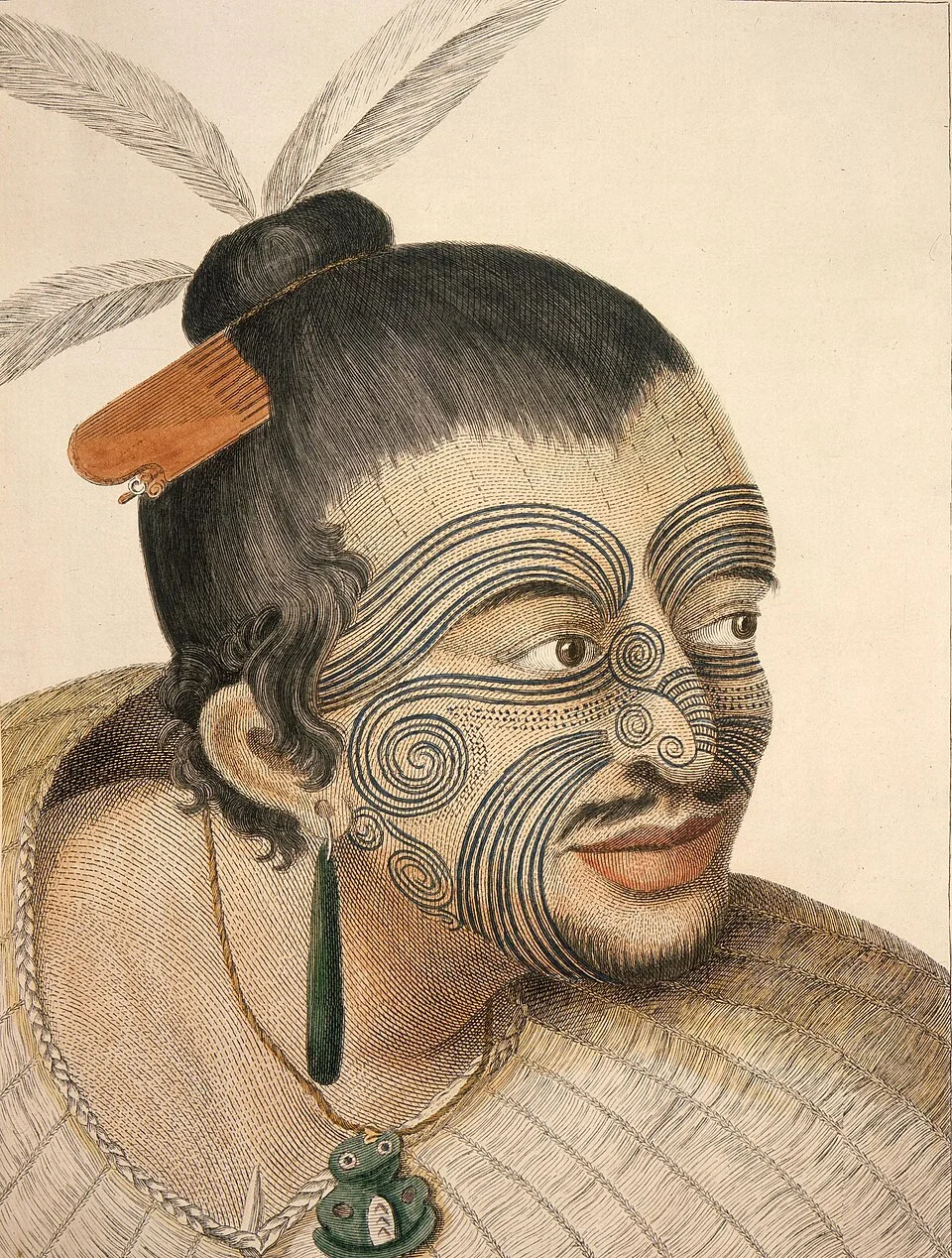
Handpoke is the method of every pre-electric tattoo tradition. The specific tools and techniques vary by culture, and each tradition constitutes a complete practice — not a primitive version of modern tattooing but a fully developed system with its own tools, visual vocabulary, and cultural protocols. Here are some examples.
Polynesian hand-tapping
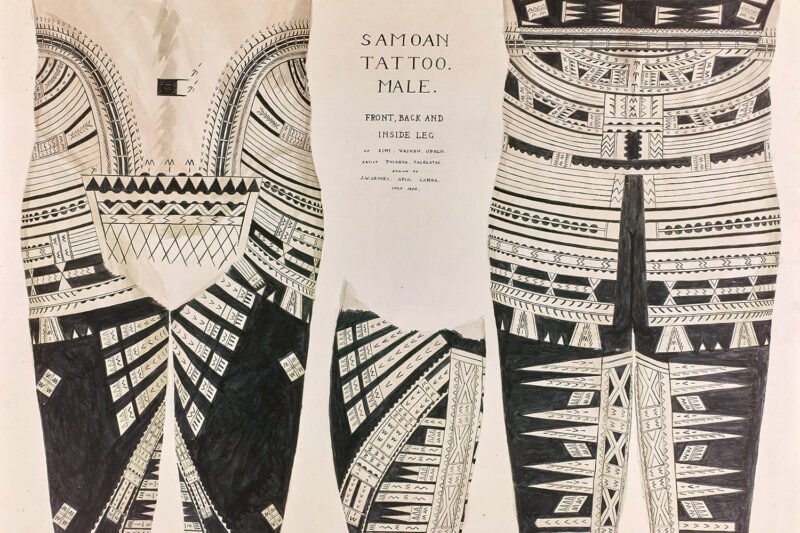
The Samoan tatau tradition, the Tongan tradition, and related Pacific Island practices use a comb of needles (made historically from bone, tusk, or shell, now sometimes from steel) mounted in a handle and struck with a mallet. The tapping motion drives the comb into the skin in a rapid series of punctures, depositing ink across a line or area with each tap. The technique is fast by handpoke standards — faster than single-needle poke — and it produces dense, even coverage suited to the solid fills and bold patterns of Polynesian design. The tufuga ta tatau (Samoan master tattooer) uses a set of combs of different widths for different applications: narrow combs for fine lines, wide combs for filling large areas.
Japanese tebori
The traditional Japanese hand-tattooing method uses a bundle of needles mounted at the end of a wooden or metal handle. The artist holds the handle and uses a pushing or raking motion to drive the needles into the skin, working with a rhythm and a speed that experienced tebori practitioners maintain for hours. Tebori is still practised in Japan alongside machine tattooing, and some of the most respected Japanese tattoo artists — including masters in the horishi tradition — work exclusively or primarily by hand. The visual quality of tebori work is often described as softer and more tonal than machine work, with smoother gradients and a particular subtlety in the greywash and colour transitions that the hand method facilitates.
Thai Sak Yant
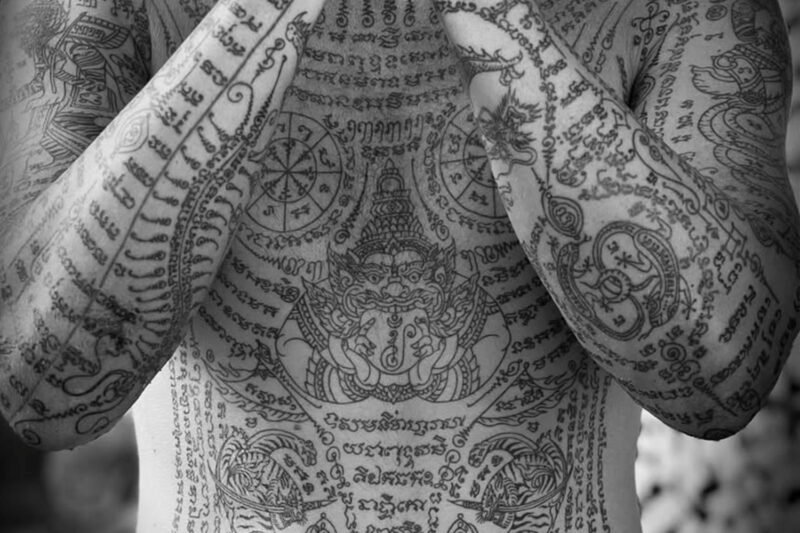
The sacred tattoo tradition of Thailand. Sak Yant is applied using a long metal rod (khem sak) or a bamboo needle, with the practitioner (a monk or ajarn) tapping or pushing the needle into the skin. The method is part of the ritual — the hand application, the prayers recited during the process, and the spiritual authority of the practitioner are all integral to the tattoo’s protective function.
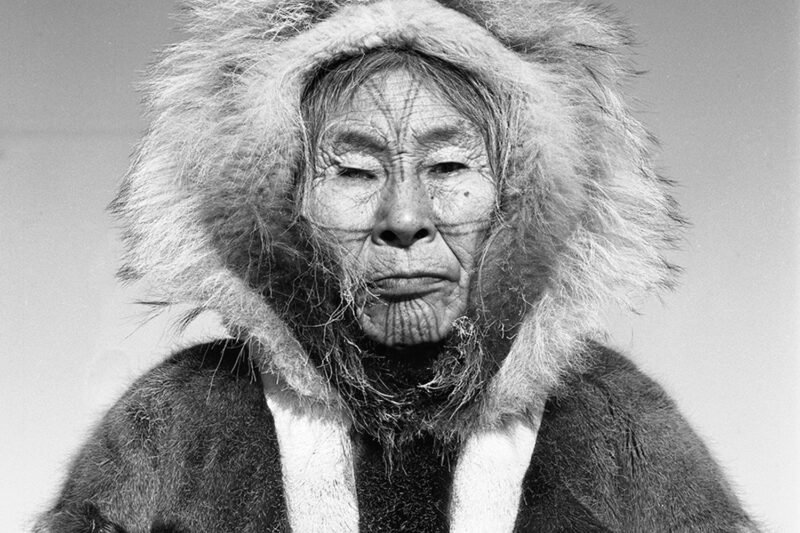
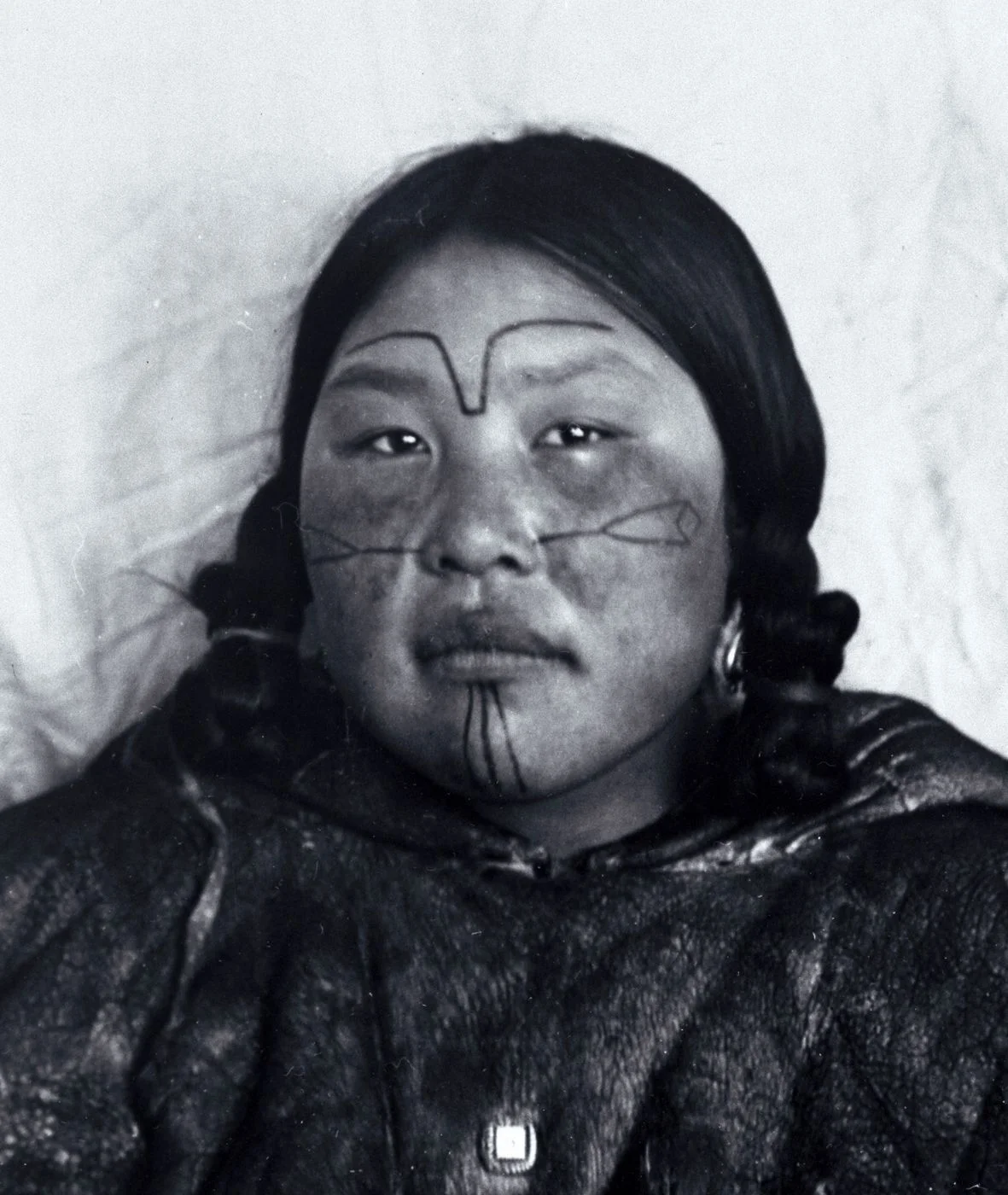
Inuit skin-stitching
A needle threaded with soot-coated sinew or thread is drawn through the skin, leaving a line of pigment beneath the surface. The method produces a distinctive visual quality — fine, slightly irregular lines with a handmade character.
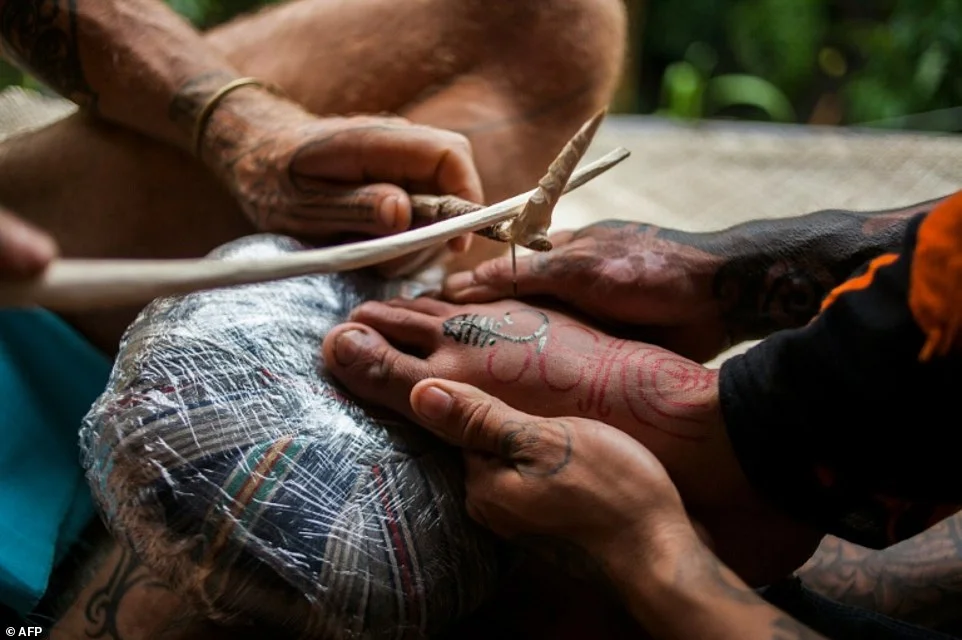
Bornean hand-tapping
Needles set in a handle, struck with a mallet, in a technique similar to the Polynesian method but producing the different visual vocabulary of the Dayak tattoo tradition.
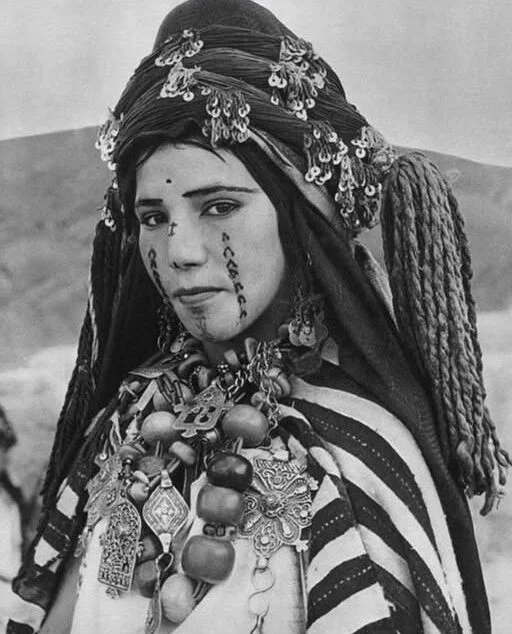
Berber (Amazigh) needle-and-soot
The North African tradition of facial and hand tattoos applied with a needle dipped in soot-based pigment, puncturing the skin dot by dot.
The Western handpoke lineages
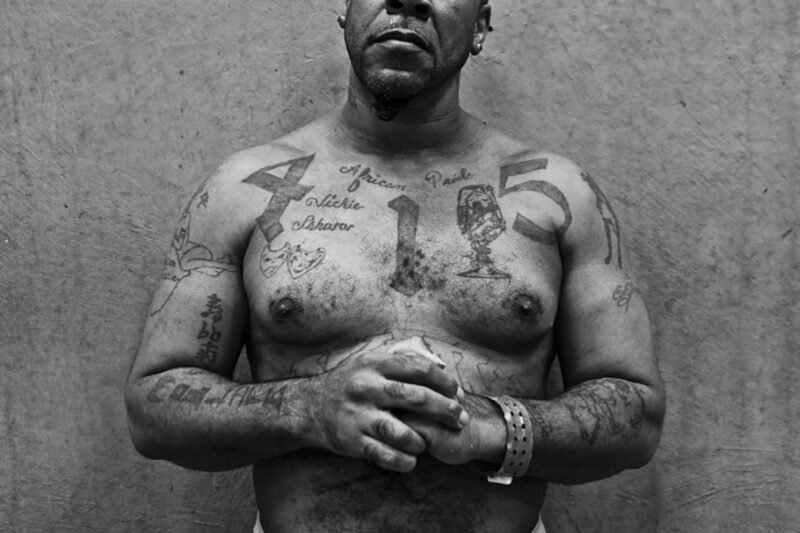
Prison and DIY
DIY handpoke — self-tattooing and friend-tattooing with basic supplies, outside of any professional or institutional context — has existed as long as needles and ink have been available. The practice experienced a specific cultural moment in the punk and hardcore scenes of the 1970s and 1980s, where DIY tattooing was part of a broader ethos of self-sufficiency and rejection of commercial norms. The Black Flag bars logo — tattooed on fans by fans, usually by handpoke — became one of the most recognisable DIY tattoos of the era. Stewart Roper’s 2013 book Barred for Life documents the phenomenon through photographs of the logo on the bodies of the people who wore it.
The professional revival
The contemporary professional handpoke movement — artists working by hand in professional studios, with professional supplies, sterile technique, and the same standards of hygiene and quality as machine artists — emerged gradually through the 2000s and consolidated in the 2010s.
Several artists were central to the revival’s visibility:
- Tati Compton (@taticompton, Los Angeles) is one of the most widely cited figures in the professional handpoke revival. Her work — fine-line, folk-influenced, often incorporating medieval and botanical imagery — brought handpoke to a broader audience through Instagram from the early 2010s onward. Compton’s practice demonstrated that handpoke could produce visually refined, stylistically distinctive work at a professional standard, and her influence on younger handpoke artists has been substantial.
- Sarah Lu (@needleandchopsticktattoo, London) developed a handpoke practice focused on fine line and illustrative work, contributing to the establishment of handpoke as a recognised option in the London tattoo scene.
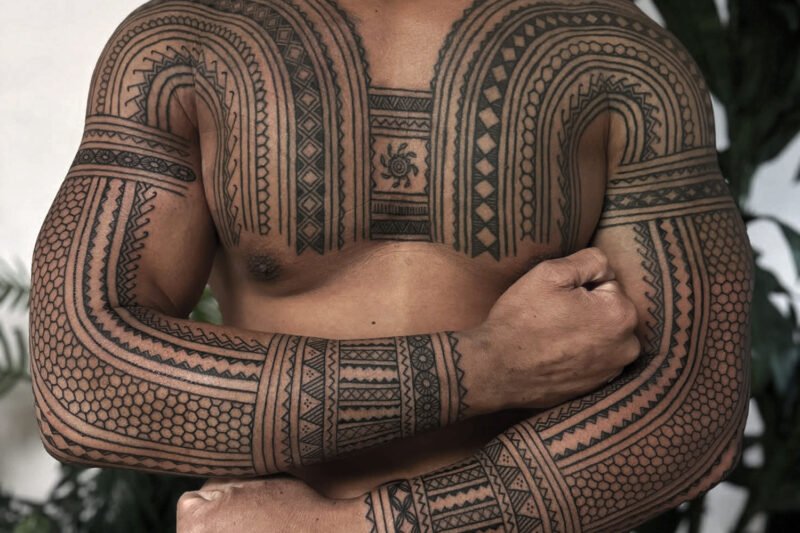
- Jon Diaz Jondix (@jondix, Barcelona/London) works in a handpoke practice that draws on sacred geometry, mandala construction, and ornamental traditions. His large-scale geometric and ornamental handpoke work — full sleeves, chest panels, back pieces — demonstrated that handpoke could operate at scales and levels of detail previously assumed to require a machine.
- Grace Neutral (@graceneutral, Bristol) brought handpoke tattooing to significant mainstream visibility through her work and through her role as a presenter on the Vice series Needles & Pins and related media. Her practice combined handpoke with body modification and a broader engagement with alternative body culture.
- Blame Max (@blamemax, Berlin), Sema Dayoub (various), Pony Reinhardt (Portland — who works in both handpoke and machine, as do many artists), and a broad international cohort of practitioners have collectively established handpoke as a full professional practice with its own scene, its own conventions, and its own client base.
- The Korean fine-line scene — while predominantly machine-based — has also included handpoke practitioners, and the aesthetic overlap between Korean fine line and handpoke is significant.
The independent studio movement
The handpoke revival has been closely connected to the broader shift toward independent and collectively-operated tattoo studios that has characterised the 2010s and 2020s tattoo landscape. Many handpoke artists work from private studios, shared spaces, or collectives rather than from traditional walk-in shops. The NPR feature on Nice Try Tattoo in Brooklyn (2024) documented this connection: artists working by hand, in non-hierarchical spaces, producing work that is often more intimate and more client-collaborative than the traditional shop model supports. The reasons for the connection are partly practical (handpoke is quieter and requires less infrastructure than machine work) and partly cultural (handpoke attracts artists and clients who value a slower, more meditative process, which aligns with the ethos of the independent studio model).
What handpoke produces
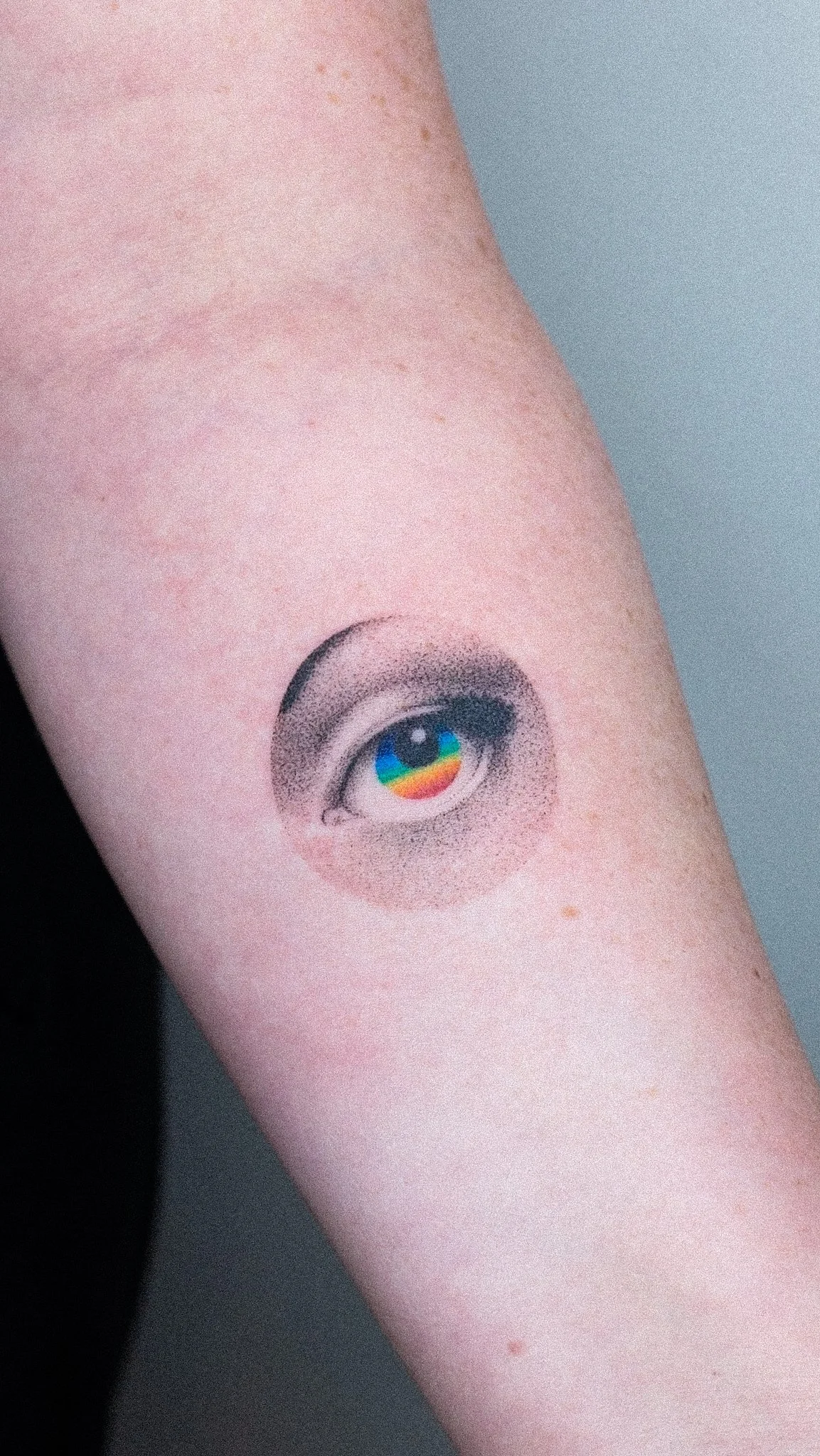
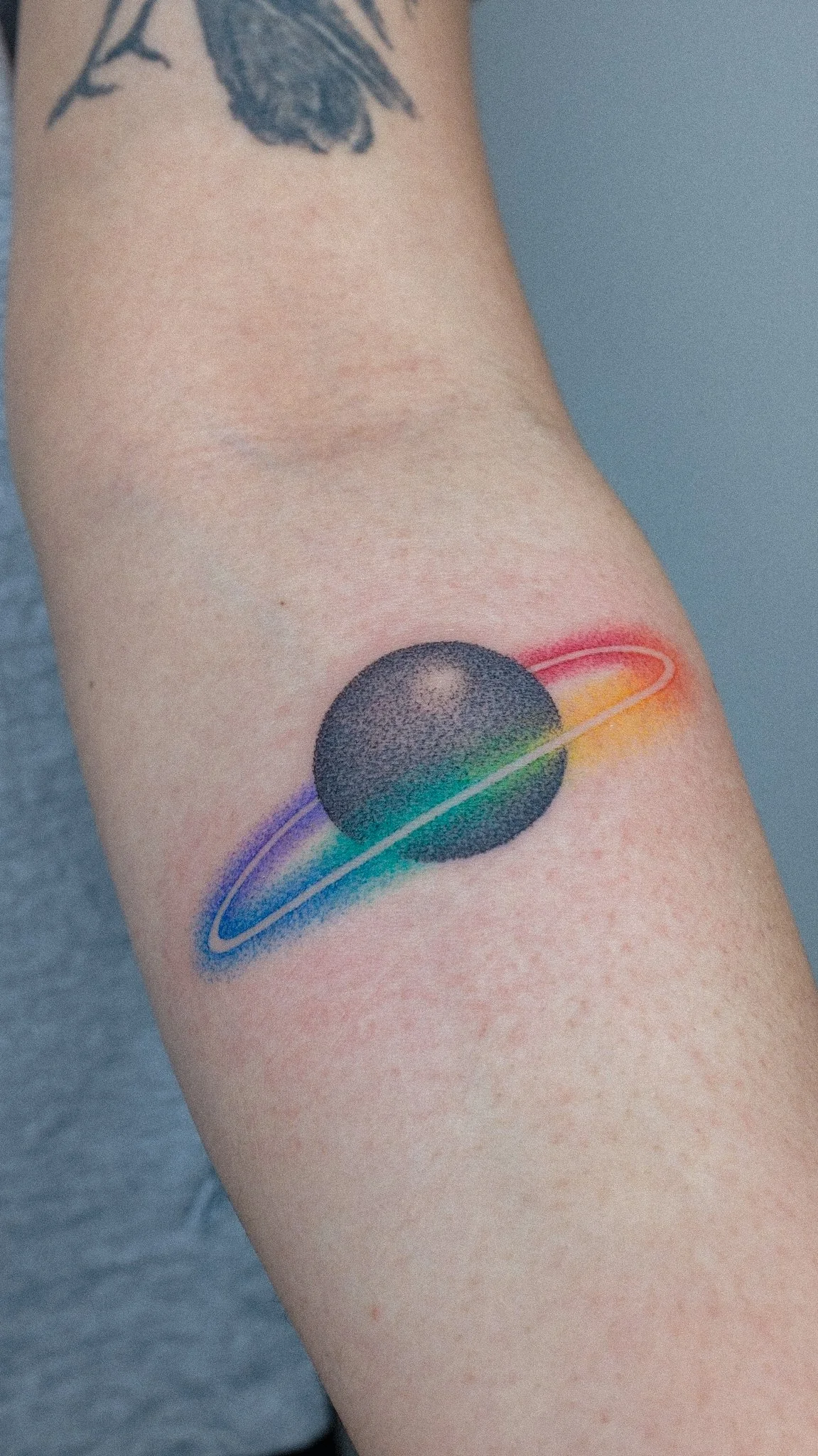
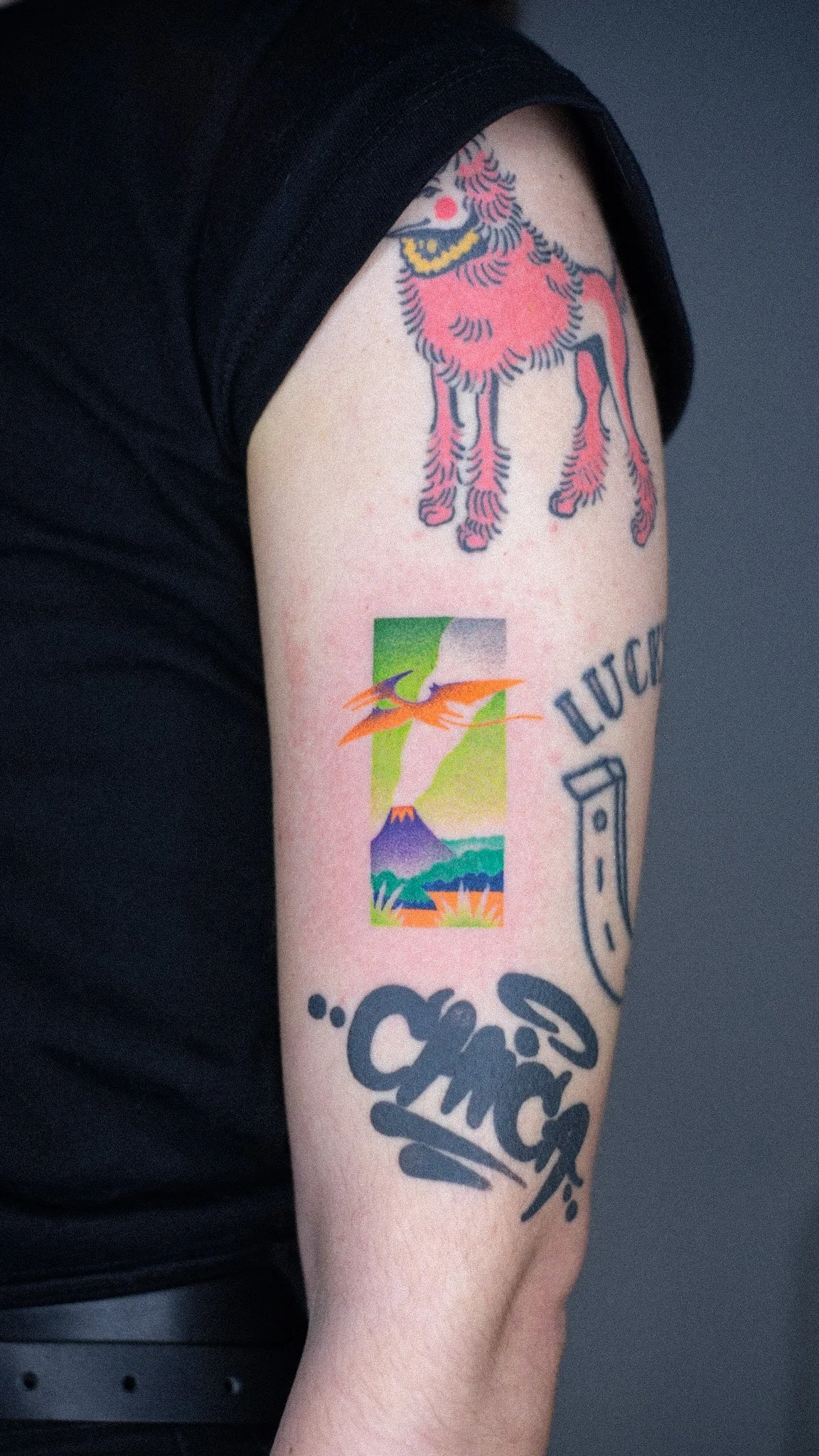
The visual result of professional handpoke and professional machine work can be very similar — in many cases, indistinguishable once healed. The ink is in the same place (the dermis), deposited by the same mechanism (needle puncture), and subject to the same biological processes. A skilled handpoke artist and a skilled machine artist can produce the same line, fill, and gradient.
Where the methods diverge in their visual results, the differences tend to stem from the qualities the techniques encourage.
Dot texture
Softer gradients
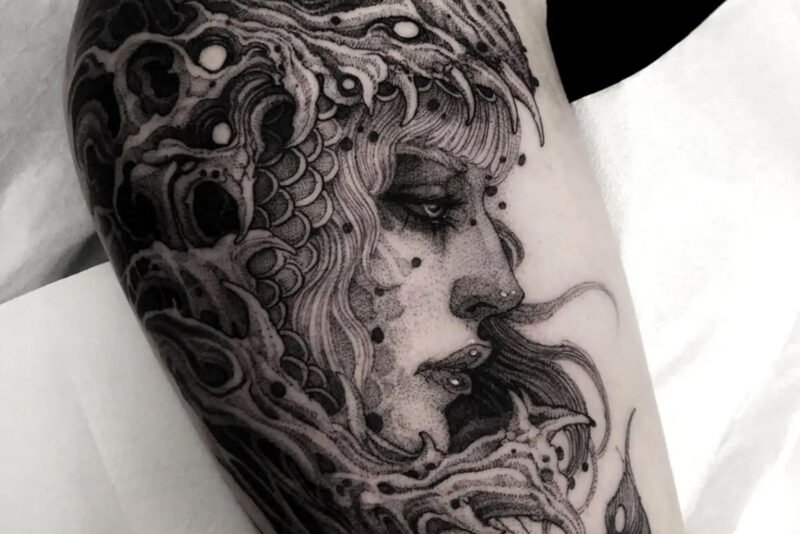
The one-puncture-at-a-time method gives the artist very fine control over tonal density. Each puncture deposits a small amount of ink, and the artist can build gradients by varying the spacing and depth of the punctures incrementally. Tebori practitioners are particularly noted for the tonal subtlety of their greywash and colour work. Some handpoke artists argue that the gradients they achieve are smoother and more nuanced than what a machine can produce; the claim is debated within the industry, but the potential for fine tonal control is real.
Less skin trauma
A machine needle strikes the skin dozens of times per second. A handpoke needle enters once. The cumulative trauma to the skin is lower per unit of time in handpoke, which means less swelling, less bleeding, and — in many cases — a faster, less painful healing process. The reduced trauma is one of the reasons some clients prefer handpoke, and it is one of the reasons handpoke can sometimes be placed successfully on sensitive body areas where machine work would be more aggressive.
Slower pace
A handpoke session takes significantly longer than a machine session for comparable coverage. A piece that takes two hours by machine might take six to eight hours by handpoke. The slower pace changes the experience for both artist and client — the session is more meditative, more conversational, and more physically demanding in terms of endurance. Some clients and artists describe handpoke sessions as more intimate or more ritualistic than machine sessions.
What handpoke can and cannot do
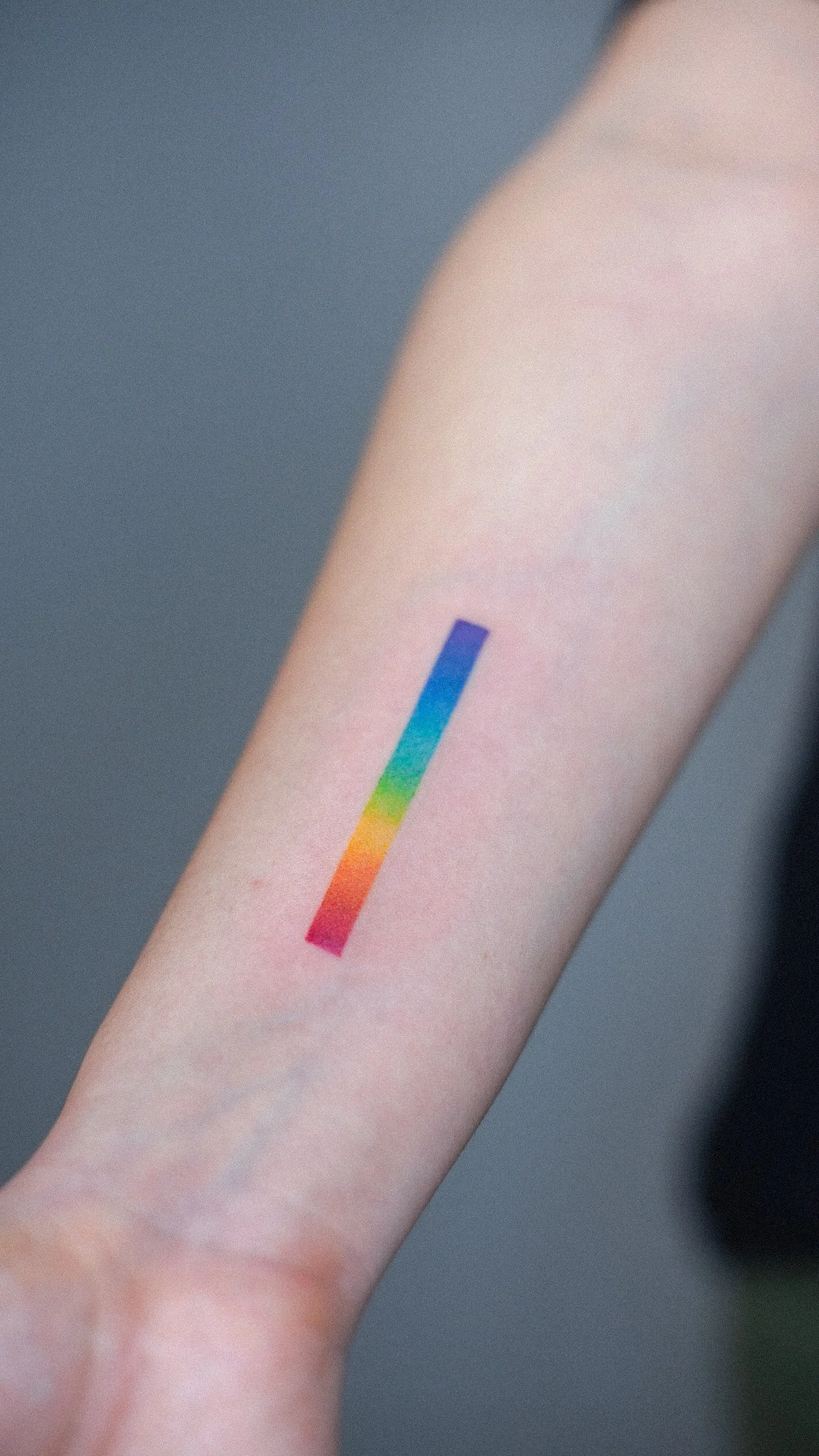
Handpoke can produce: fine-line work, dotwork, ornamental and geometric compositions, illustrative work, blackwork, lettering, botanical illustrations, small to medium figurative pieces, and — in the hands of the most skilled practitioners — large-scale compositions including full sleeves and back pieces. The range is wide and continues to expand as more artists push the method’s boundaries.
Handpoke is less suited to: large-area solid fill (which is extremely time-consuming by hand and difficult to pack evenly), photographic realism at high fidelity (which requires the speed and consistency of a machine for the densest tonal passages), and any application where speed is a clinical concern (very large pieces where the session length would exceed the body’s tolerance for sustained trauma).
Handpoke is well suited to: fine-line and minimalist work, dotwork and stipple-based compositions, ornamental and geometric work, illustrative work in a hand-drawn register, small to medium standalone pieces, and any application where the handmade quality of the mark — the visible dot, the slightly organic line — is part of the intended aesthetic.
Ageing
The caveat: the deposit method affects how consistently the ink is applied, and inconsistent placement affects ageing. A machine delivers the needle to a mechanically set depth with each cycle; a handpoke artist controls the depth entirely by feel. An experienced handpoke artist achieves consistent depth through years of practice. A less experienced one may deposit ink at varying depths across a piece, resulting in uneven healing and ageing — some areas holding well while others fade.
The practical conclusion: the ageing of a handpoke tattoo is determined by the artist’s skill, not by the method. A skilled handpoke artist’s work will last as long as a skilled machine artist’s work. The method is not the variable; the practitioner is.
Health and safety
Professional handpoke tattooing uses the same hygiene and safety standards as professional machine tattooing: single-use sterile needles, professional tattoo inks, disposable gloves, autoclave-sterilised or single-use equipment, and clean working environments. The reduced number of punctures per unit of time does not reduce the need for sterile technique — each puncture is a potential site of infection, and the standards are the same.
The DIY handpoke tradition — self-tattooing and amateur tattooing outside professional settings — carries real health risks: unsterilised needles, non-professional inks (India ink, pen ink, homemade concoctions), inadequate wound care, and a lack of training in cross-contamination prevention. The risks also include bacterial infection, viral transmission (hepatitis, in the case of shared needles), allergic reactions to non-professional inks, and scarring from improper technique.
The professional handpoke community is clear and consistent on this point: professional handpoke and DIY handpoke share a method but differ fundamentally in their safety practices, and conflating the two is one of the community’s ongoing frustrations.
Choosing a handpoke artist
Look for professional credentials. A professional handpoke artist works in a studio environment (their own, a shared space, or a guest spot at an established shop), uses sterile single-use needles and professional inks, and can demonstrate their hygiene practices. A portfolio on Instagram is not, by itself, evidence of professional practice — the working conditions matter as much as the visual result.
Look at healed work. The same advice applies to every style. Fresh handpoke work looks clean and crisp; the healed result — at one month, six months, or a year — reveals whether the ink was deposited at a consistent depth and whether the lines and fills held their form.
Assess the artist’s specific strengths. Handpoke artists tend to specialise within the method — some focus on fine line, some on dotwork, some on ornamental, some on illustrative, some on large-scale blackwork. Matching the artist’s speciality to the intended piece produces better results than choosing any handpoke artist for any design.
Discuss session length. Handpoke sessions are long. A piece that a machine artist might complete in two hours could take an entire day by handpoke. The artist should be able to estimate the session length and discuss whether the piece should be completed in a single session or split across multiple sessions.
Ask about the artist’s relationship to the method. Some artists work exclusively in handpoke; others use both handpoke and machine, choosing the method based on the piece. Both approaches are legitimate. An artist who has chosen handpoke exclusively has usually done so for considered reasons — the quality of the mark, the pace of the work, the experience for the client — and understanding those reasons gives the client a better sense of what they are choosing.
Sources & further reading
- Lars Krutak, Spiritual Skin: Magical Tattoos and Scarification. Edition Reuss, 2012.
- Lars Krutak, Tattoo Traditions of Native North America: Ancient and Contemporary Expressions of Identity. LM Publishers, 2014.
- Lars Krutak and Aaron Deter-Wolf (eds.), Ancient Ink: The Archaeology of Tattooing. University of Washington Press, 2017.
- Sean Mallon, Tatau: A History of Sāmoan Tattooing. Te Papa Press, 2002.
- Sean Mallon and Sébastien Galliot, Tatau: Sāmoan Tattoo, New Zealand Art, Global Culture. Te Papa Press, 2018.
- Ngahuia Te Awekotuku with Linda Waimarie Nikora, Mau Moko: The World of Māori Tattoo. Penguin New Zealand, 2007.
- Alfred Gell, Wrapping in Images: Tattooing in Polynesia. Clarendon Press, 1993.
- Stewart Roper, Barred for Life: How Black Flag’s Iconic Logo Became Punk Rock’s Secret Handshake. PM Press, 2013.
- NPR / Linnea E. Anderson, “‘A real shift in the vibe’: The tattoo industry is changing.” Published August 2024.
- Anna Felicity Friedman, The World Atlas of Tattoo. Yale University Press, 2015.
- Matt Lodder, Painted People: Humanity in 21 Tattoos. Harper, 2024.
- Margo DeMello, Bodies of Inscription: A Cultural History of the Modern Tattoo Community. Duke University Press, 2000.