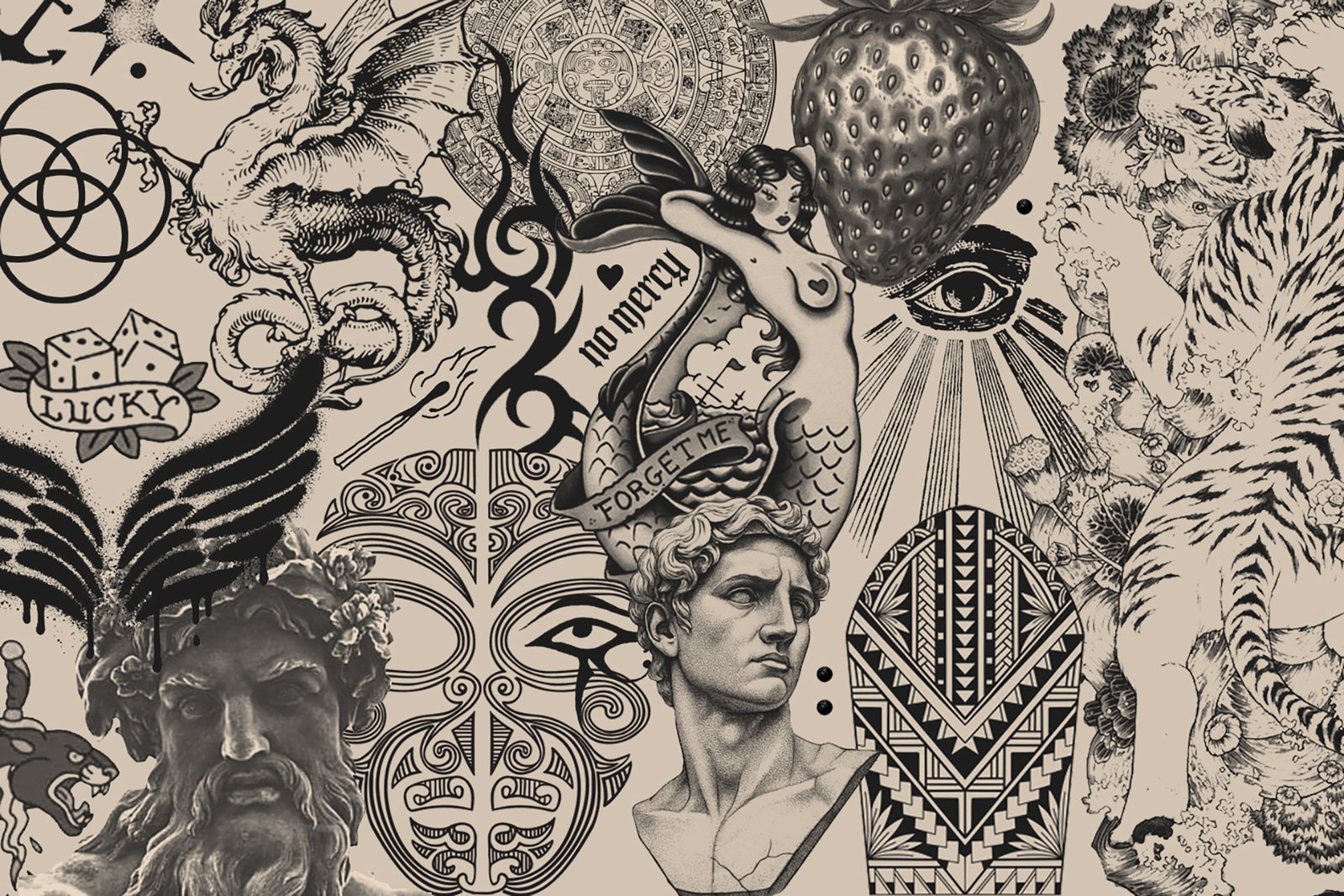
Traditional tattoo styles

In the tattoo industry, “traditional” refers to a specific family of styles rooted in American traditional and, generally, the Western commercial tattoo shop — its flash conventions, its studio practices, and its transmission through apprenticeship. The term can be misleading because tattooing traditions far older and more codified exist across Japanese, Polynesian, Southeast Asian, and other cultures — these are covered under Culture-bound, where the cultural context that governs the work is more important, and often inseparable from the style itself. Within the Western lineage, the styles grouped here diverge significantly in sociocultural context, visual language, iconography, and technique, but they remain connected by a shared origin. The articles cover what technically defines each one, where it developed, how it relates to the others in this group, and what its conventions achieve in practice.

All  |  Contemporary  |  Culture-Bound  |  Graphic  |  Traditional  |  Realism  |  Artists

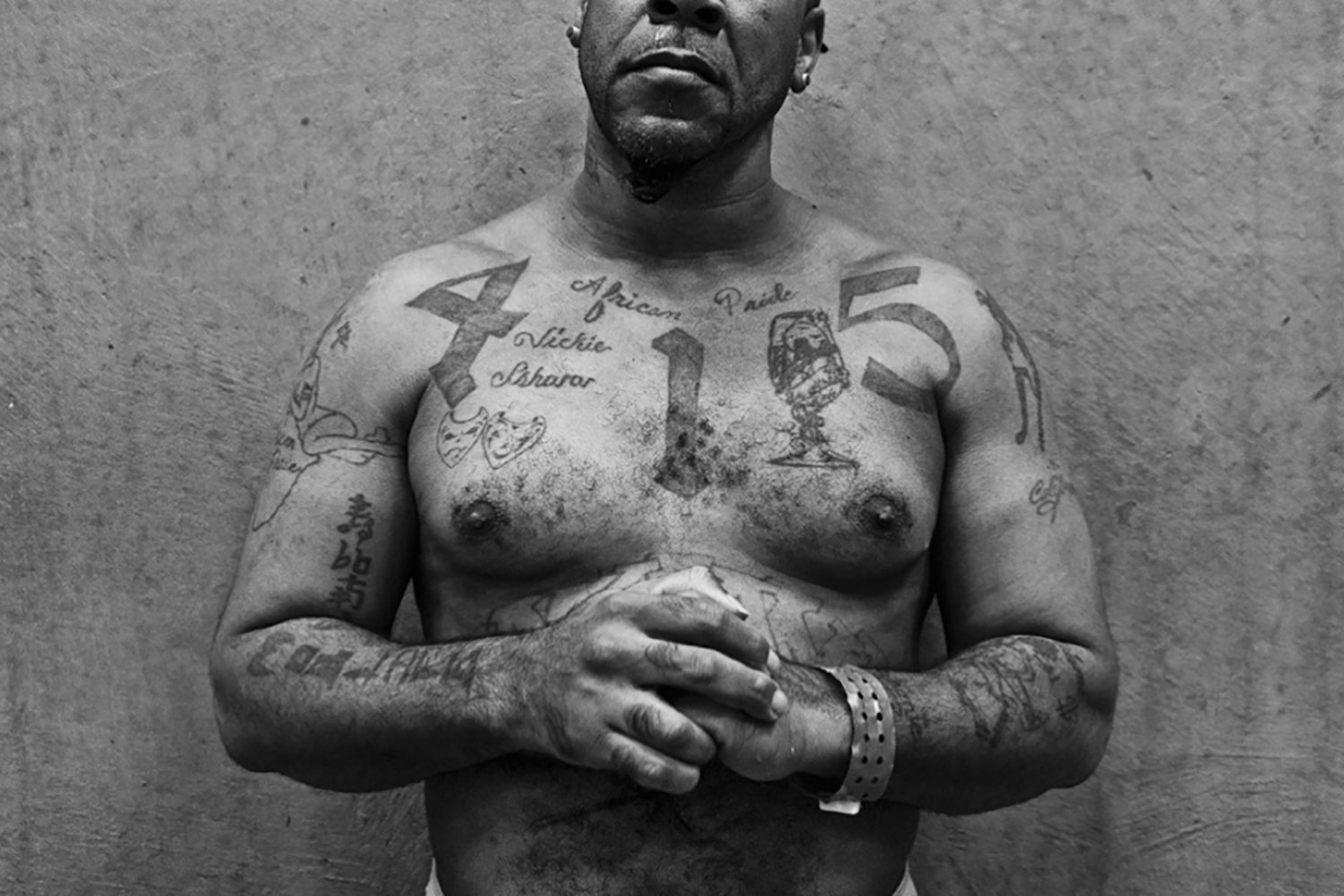
Prison tattooing

Prison tattooing

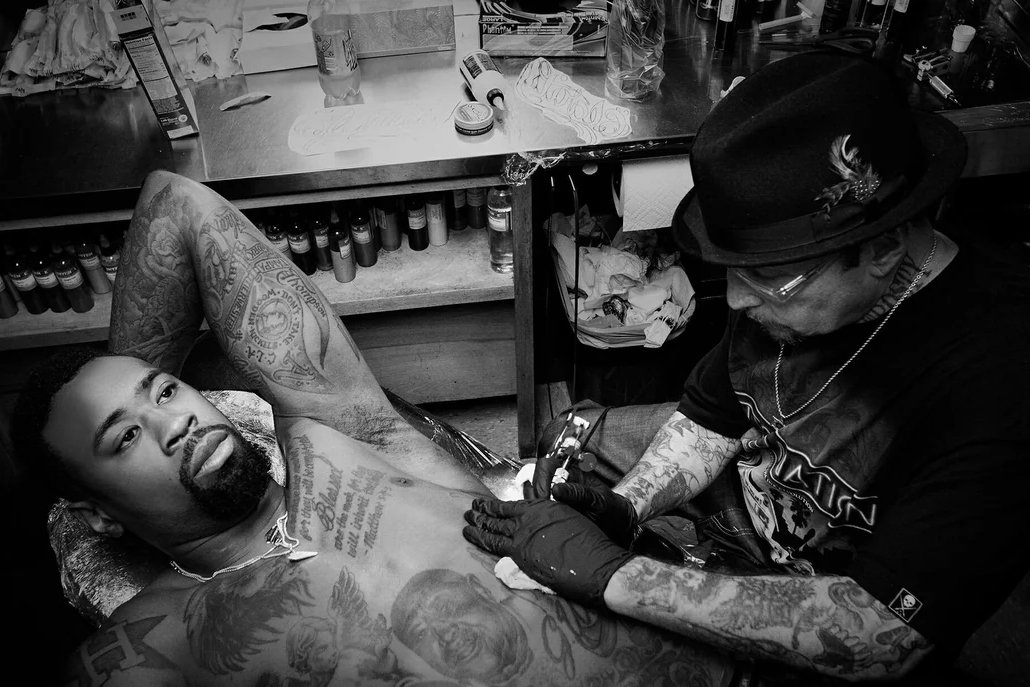
Prison tattooing exists wherever incarceration exists. It has been documented in the United States, Russia, Japan, Mexico, Australia, and across Europe, Africa, and South America. The specifics vary — the tools are improvised from whatever the institution contains and the iconography reflects the local culture — but the fundamental dynamic is universal.

Patchwork

Patchwork

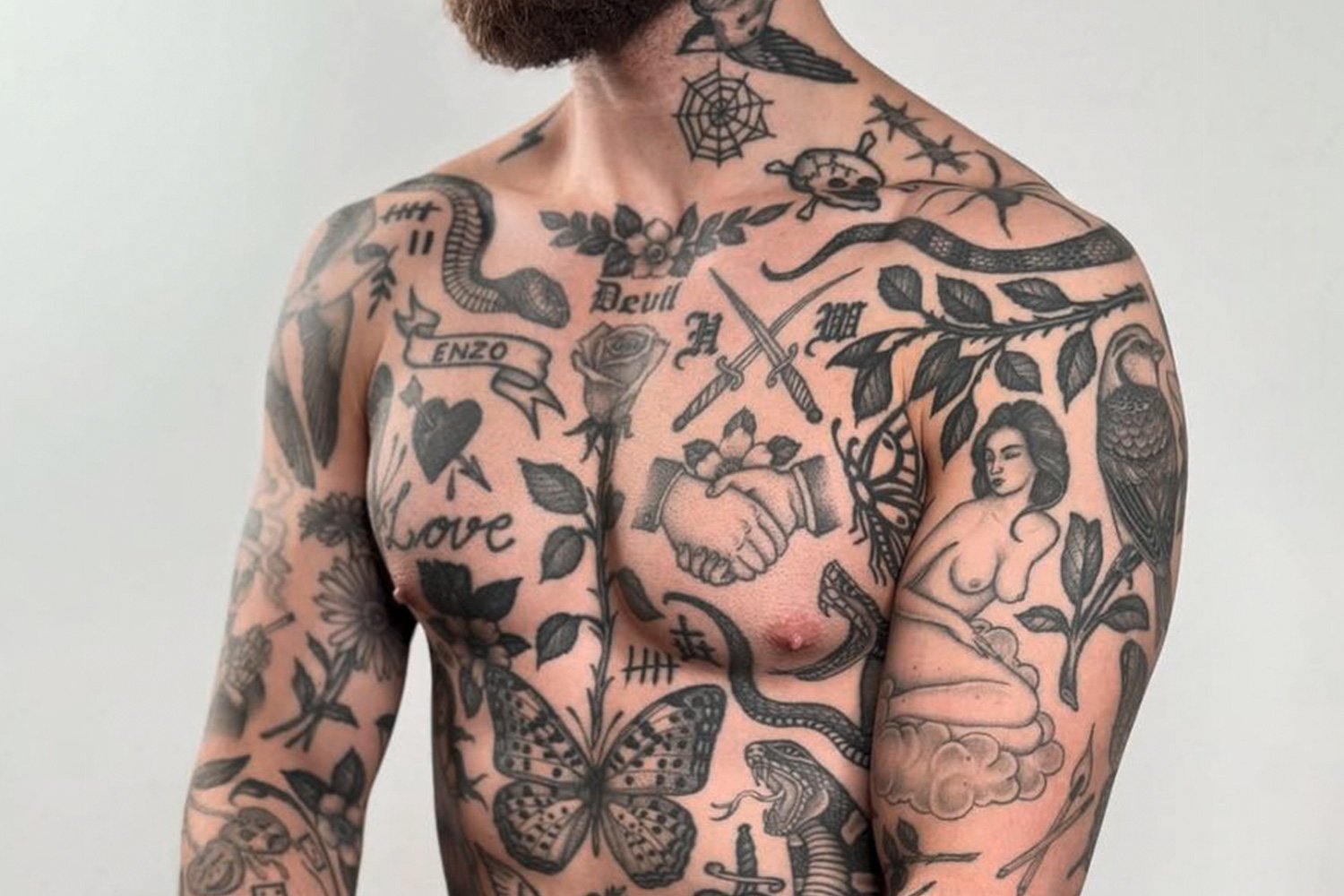
Patchwork is a way of collecting tattoos. It is an approach to how pieces are arranged on the body, not a technique for making individual pieces. Each piece in a patchwork collection can be in any style — traditional, realism, minimalist or anything else. What makes the collection patchwork style is the relationship between the pieces.

Mark Mahoney tattoo artist

Mark Mahoney tattoo artist

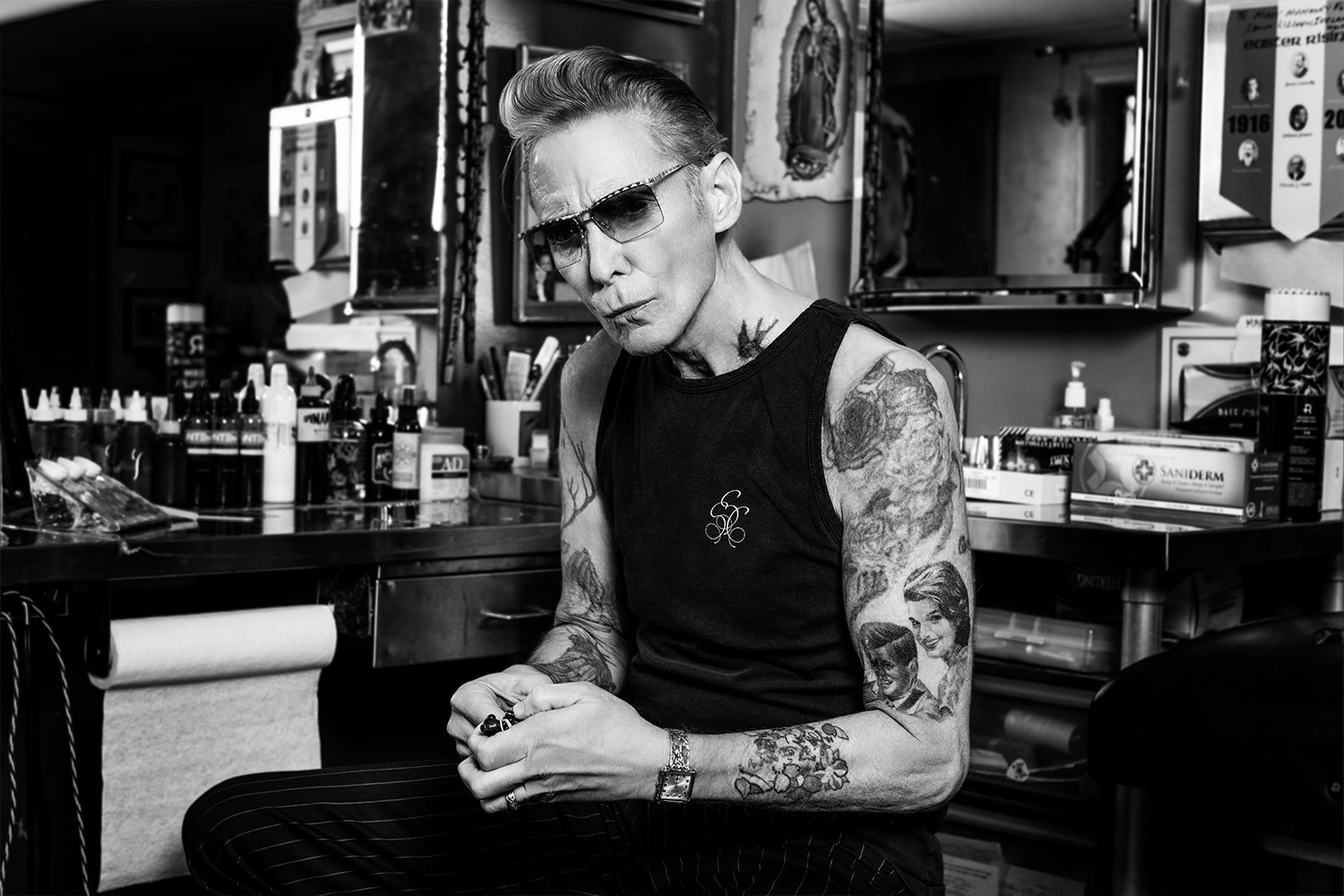
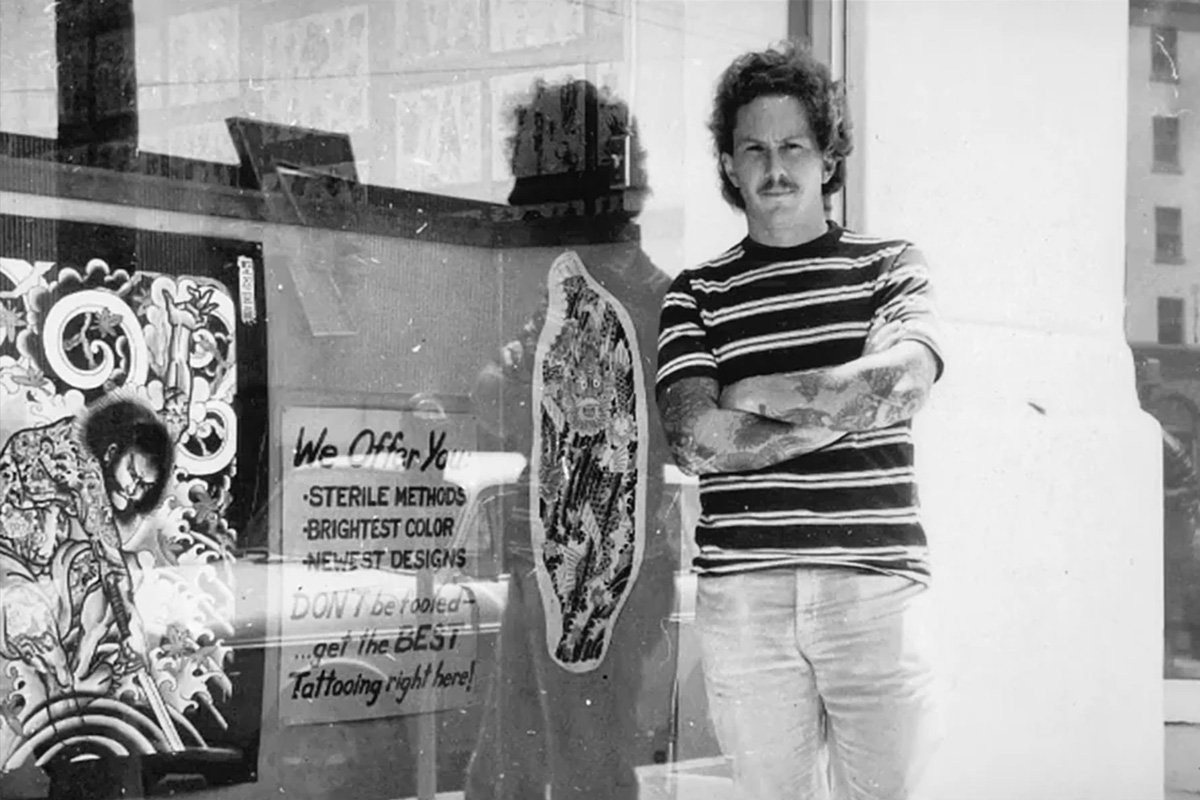
Mahoney’s career spans the full arc of the transformation of American tattooing from underground craft to mainstream cultural practice. He started in 1977, tattooing illegally in Boston motorcycle clubhouses. He tattooed punk legends on the Lower East Side when tattooing was illegal in New York. He learned the Chicano tradition at the Pike (…)

Chicano

Chicano

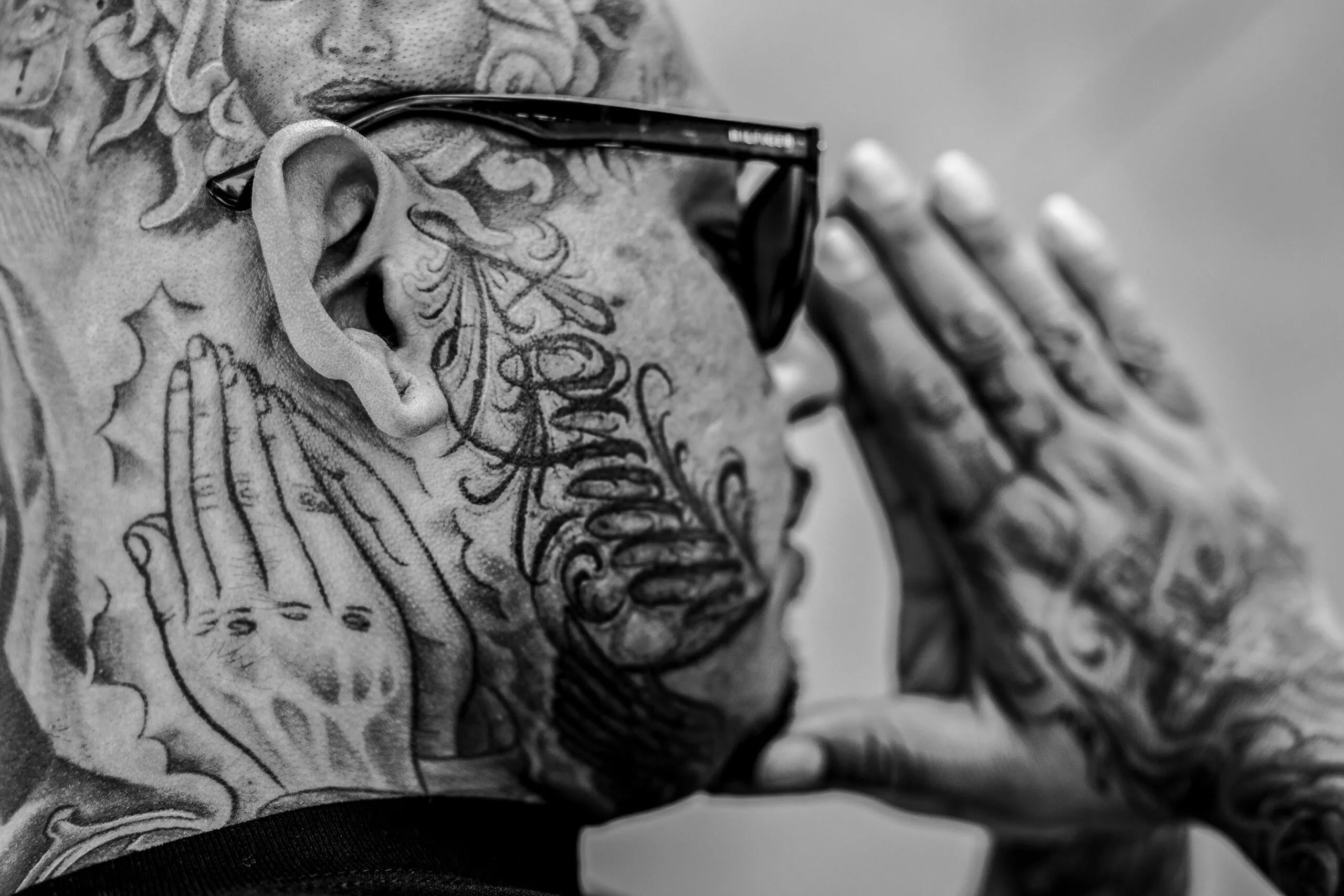
Most tattoo styles can be described in technical terms first and cultural terms second. Chicano cannot. The style is so completely bound up with the community that produced it — Mexican-American working-class life in California and the Southwest, the Pachuco and lowrider cultures of mid-century Los Angeles, the prison systems of the same period and (…)

Freddy Negrete

Freddy Negrete

Freddy Negrete is one of pioneers in black-and-grey tattooing. His life has included gang membership, incarceration, a decade of evangelical ministry, addiction and recovery, the loss of a son, and — through all of it — a career in tattooing that helped define one of the most important stylistic developments in the craft’s modern history.

Black-and-grey

Black-and-grey

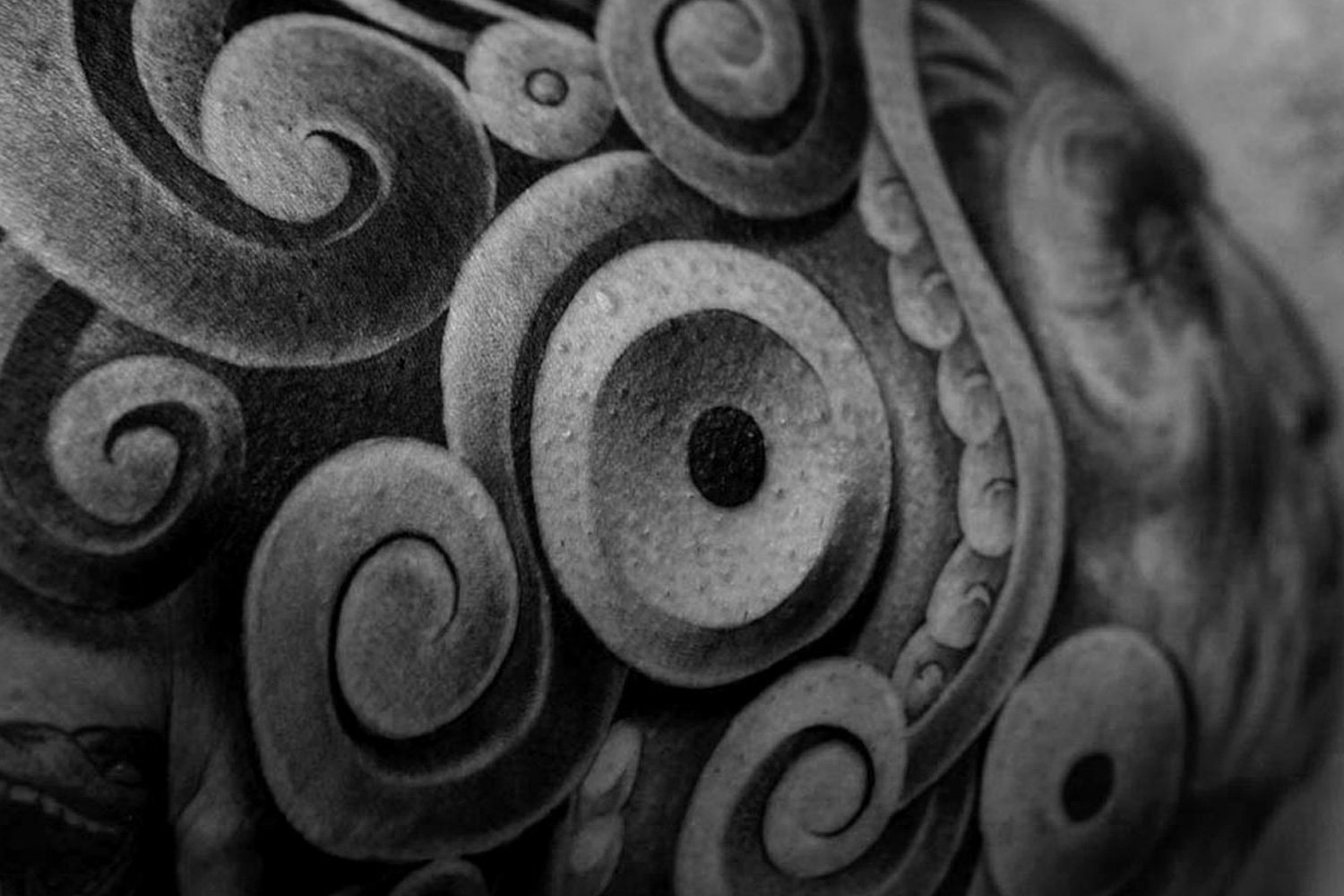
Take a single pigment and dilute it in graduated steps. This sounds simple. Yet, it is one of the most technically demanding disciplines in tattooing, and the style that has produced the broadest range of applications from a single technical foundation. The same greywash method can be used in Chicano, realism, photorealism and botanical fine-line pieces.

Neo-traditional

Neo-traditional

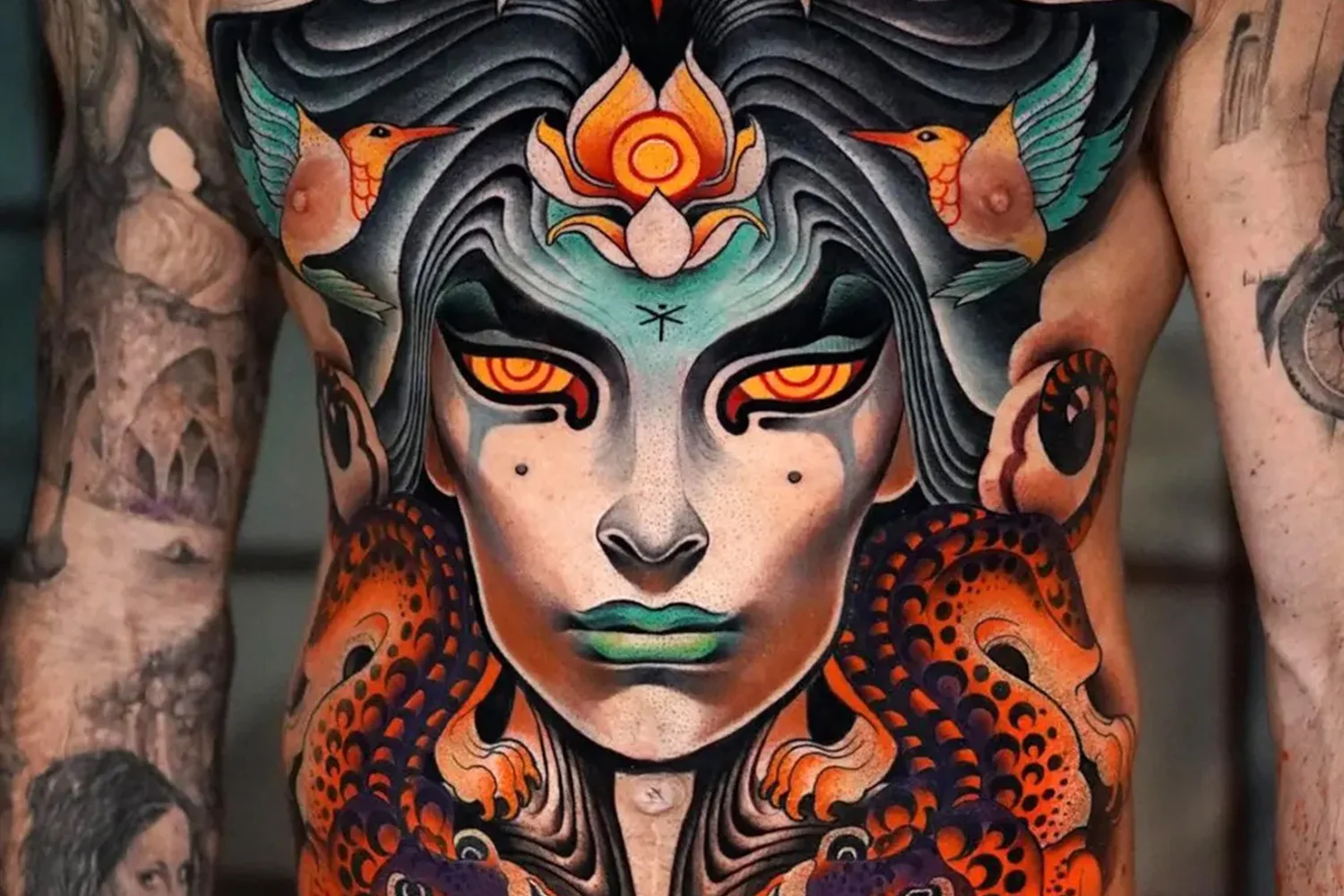
Neo-traditional is in a period of consolidation. The experimental energy of the 2000s and early 2010s has given way to a more established set of conventions, and a recognisable neo-traditional aesthetic now exists within which an artist can work without feeling they are reinventing anything. This has produced a great deal of competent work and some criticism(…).

American traditional

American traditional

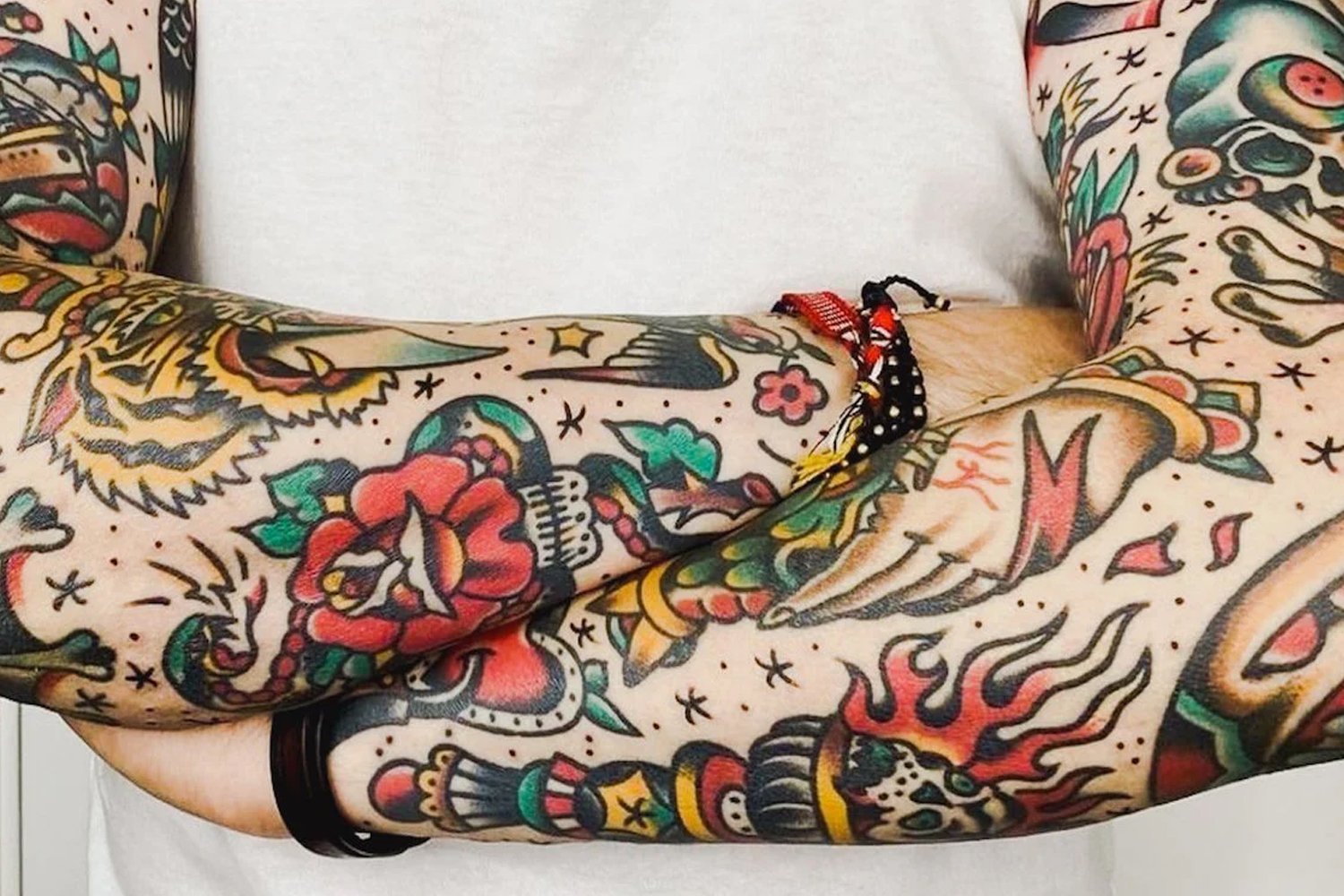
American traditional is a port-town style. It grew up in the tattoo shops that clustered near naval bases and harbours in the first half of the twentieth century — Honolulu, San Diego, Norfolk, the Bowery in New York, and Chatham Square. The clientele was sailors, soldiers, and the people who worked the docks. The constraints of the trade shaped the style.

Jack Rudy

Jack Rudy

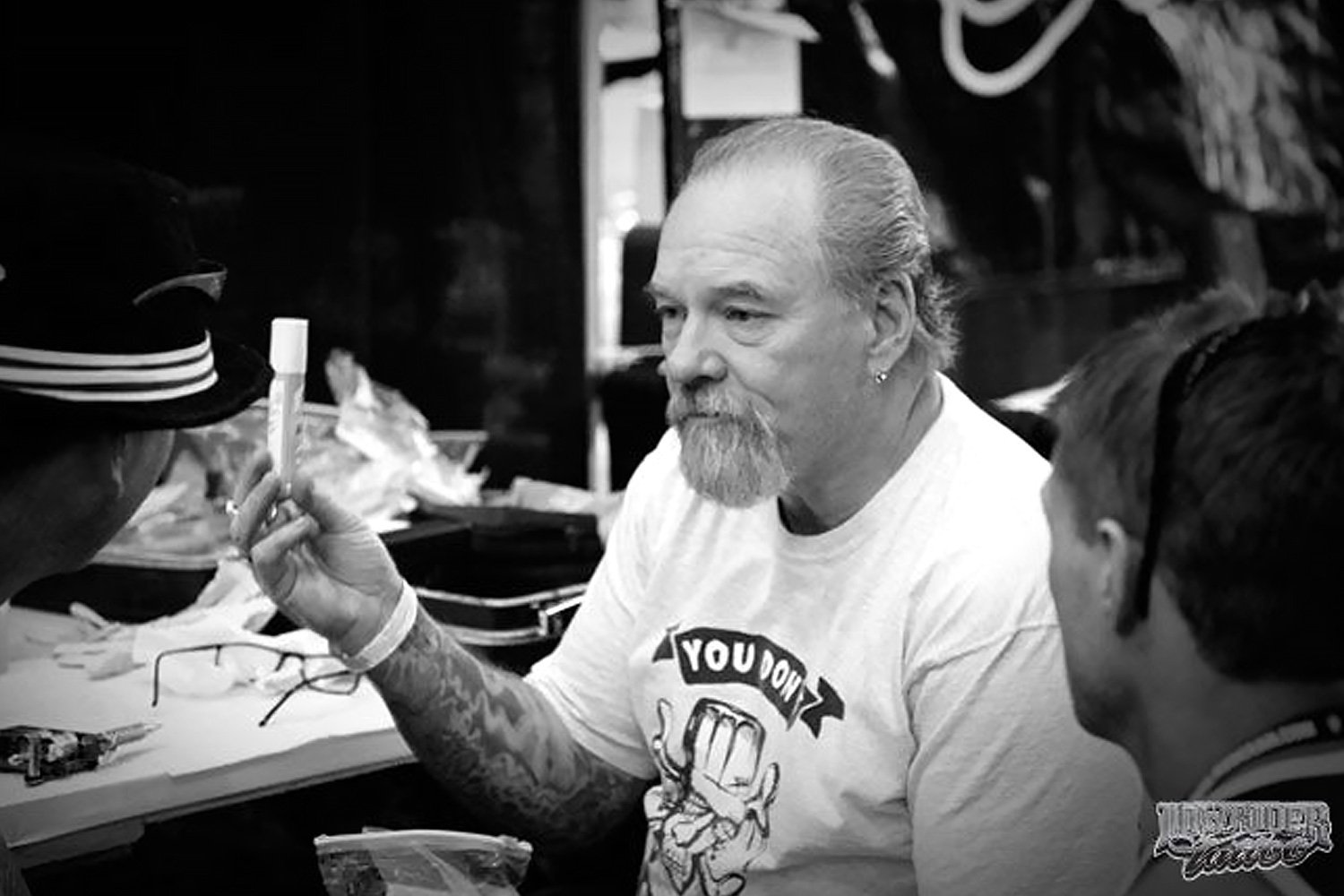
His position in the lineage of American fine-line tattooing is as the technical innovator. It was Jack Rudy who solved the engineering problem — who built the machine, developed the greywash method, and refined the technique to the point where it could produce photorealistic portraiture on skin using a single needle and black ink.

Don Ed Hardy

Don Ed Hardy

Don Ed Hardy is the most important figure in the transformation of American tattooing from a trade into an art form. This is a claim that can be stated without qualification, because the evidence for it is structural: before Hardy, American tattooing was a craft practised in street-level shops by self-taught tradespeople who selected designs from tattoo flash.

Good Time Charlie Cartwright

Good Time Charlie Cartwright

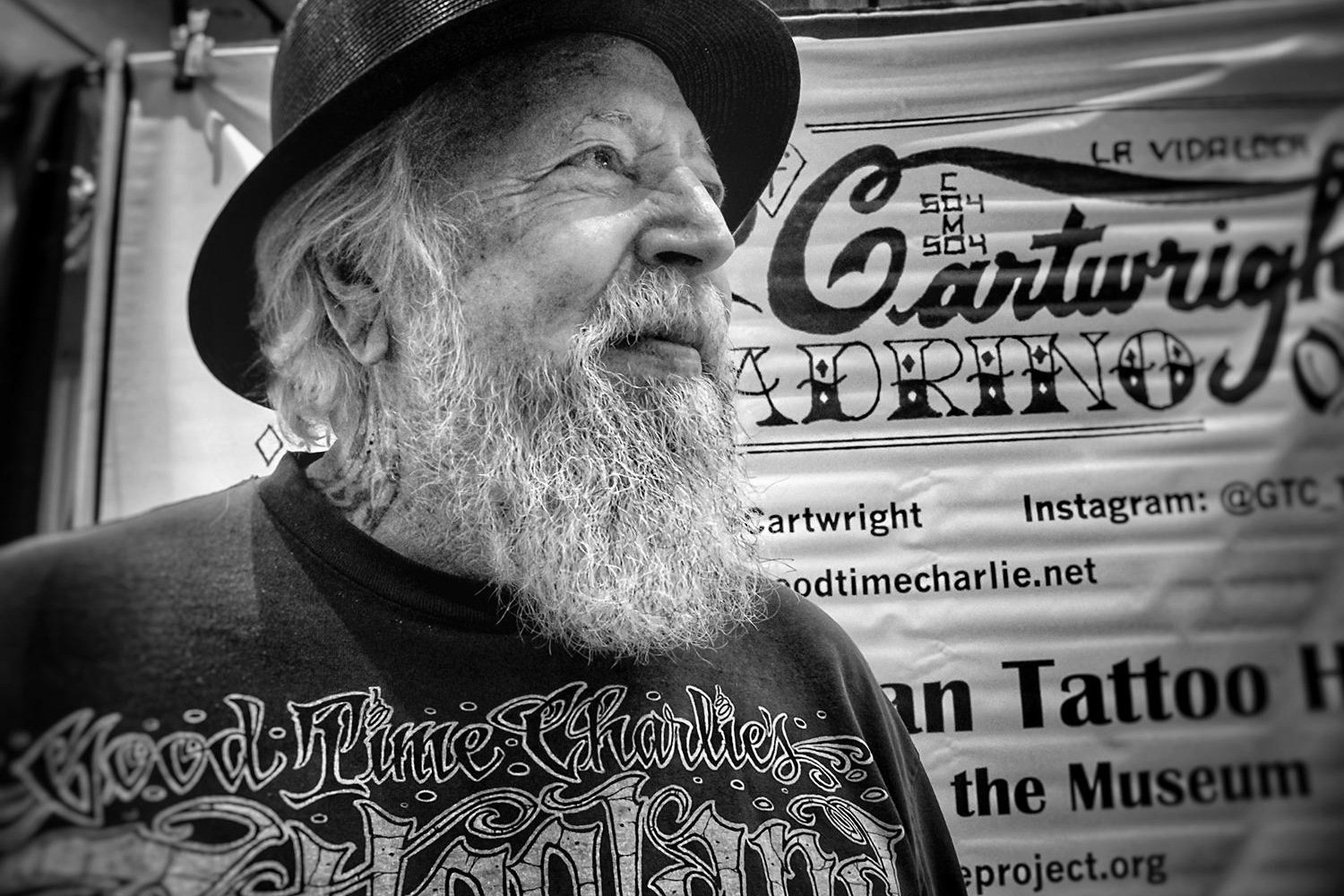
Charlie Cartwright’s contribution to tattooing is architectural. He built the structure — the shop, the team, the conditions — within which the single-needle black-and-grey technique was professionalised. The technique existed before him (in the prisons), and the technique was refined by others alongside and after him. But he was the one who opened the door.

New school

New school

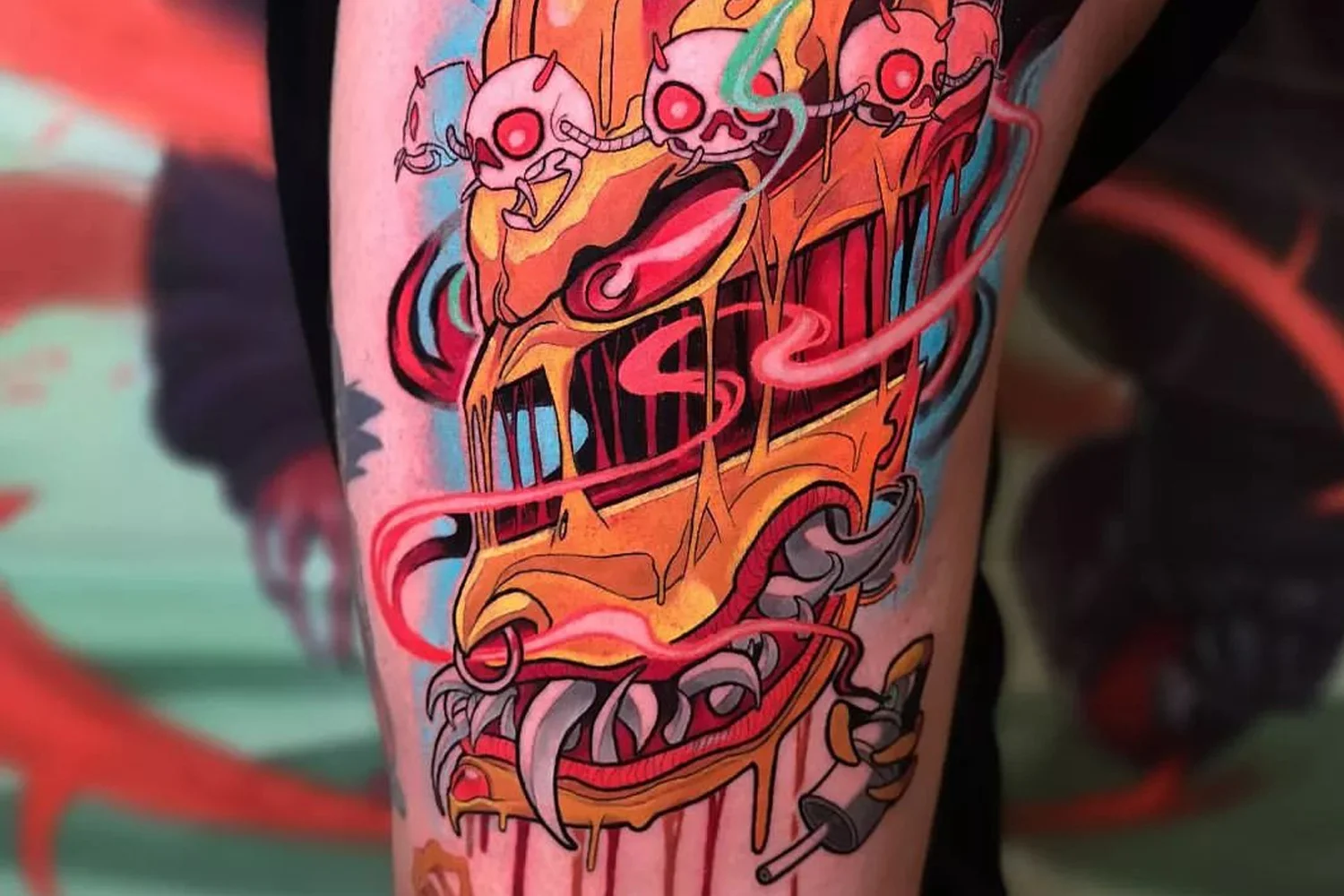
New school is the most maligned of the major tattoo styles. Some of that reputation is earned; some of it comes from a reflex against cartoon imagery in a craft tradition that has come to prefer fine-art references. The style is also one of the most technically demanding in the tattooing repertoire, and the work of the best new-school artists has aged considerably better(…).

Sailor Jerry — Norman Keith Collins

Sailor Jerry — Norman Keith Collins

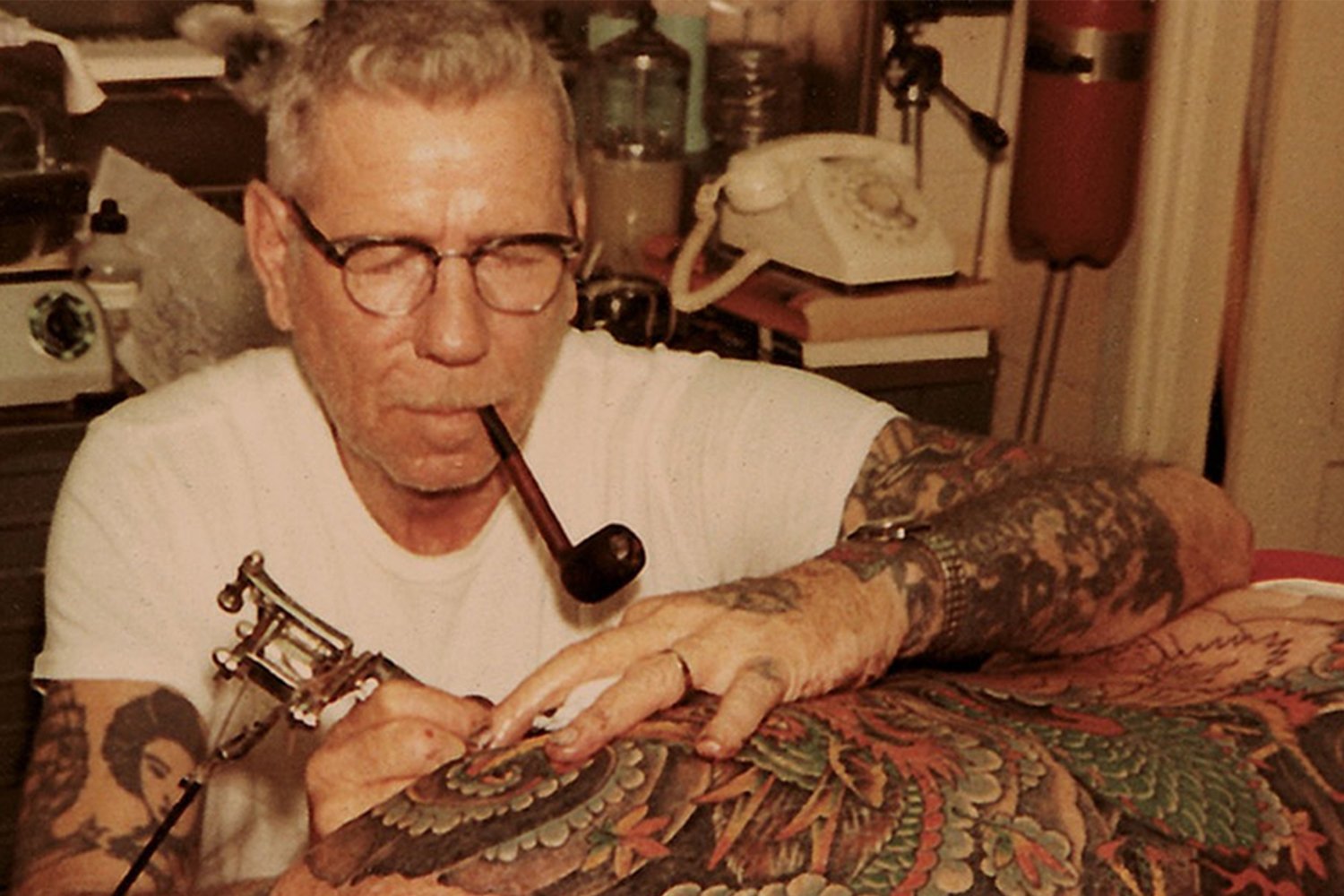
Norman Keith Collins (1911–1973), best known as “Sailor Jerry,” was a U.S.-based tattoo artist who worked primarily in Honolulu and became a key bridge between early 20th‑century American flash tattooing and later “tattoo renaissance” practice that treated tattooing as a serious craft with international artistic references.

List of tattooing styles

List of tattooing styles

A comprehensive list of tattoo styles, traditions, and techniques — from American Traditional to Polynesian tatau, from realism to cybersigilism, from biomechanical to Sak Yant. Each entry covers what defines the style technically, where it comes from, and how it relates to the broader landscape of tattooing. Styles, techniques(…)