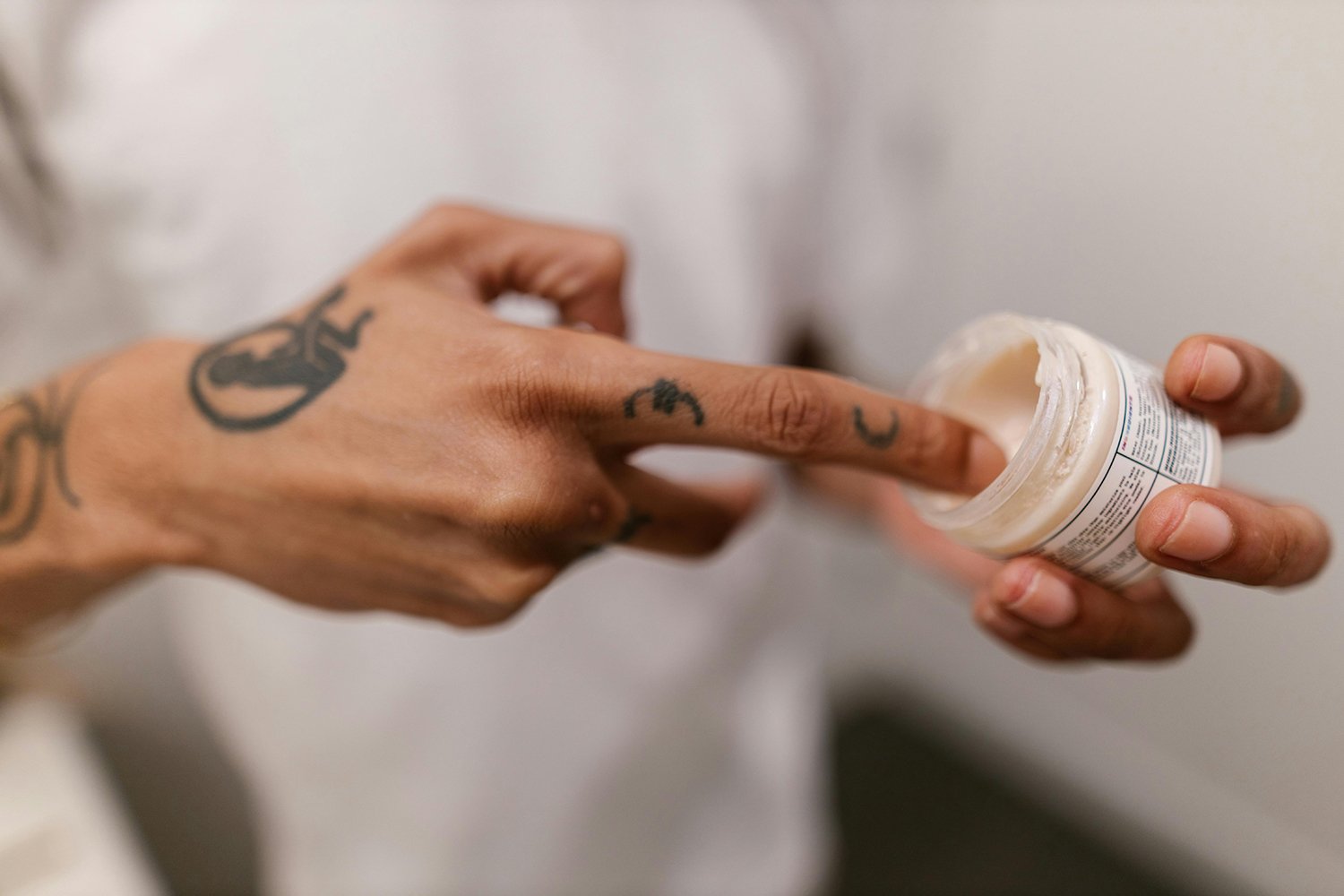
A fresh tattoo is a wound. The skin has been punctured thousands of times, ink has been deposited in the dermis, and the body’s repair systems have already begun responding. Tattoo aftercare — how the tattoo is cared for during the healing period — directly determines how much ink survives, how evenly the tattoo settles, and whether complications develop.
Tattoo Guides
Tattoo guides bring together the practical knowledge behind both sides of the process: tattooing and getting tattooed. The articles here explain how tattoos are made, how tools, needles, ink, skin, placement, pain, healing, and aftercare affect the final result, and what clients should understand before choosing a design or sitting for an appointment. The goal here is not to replace the judgment of a good tattoo artist, but to make the process easier to understand — from the first idea through consultation and preparation to the tattoo’s healing time and beyond. Some guides focus on the craft of tattooing itself; others follow the experience of the person being tattooed, with clear explanations of what happens, what matters, and what is worth thinking about before getting a permanent mark.

Tattooing – how does it work?
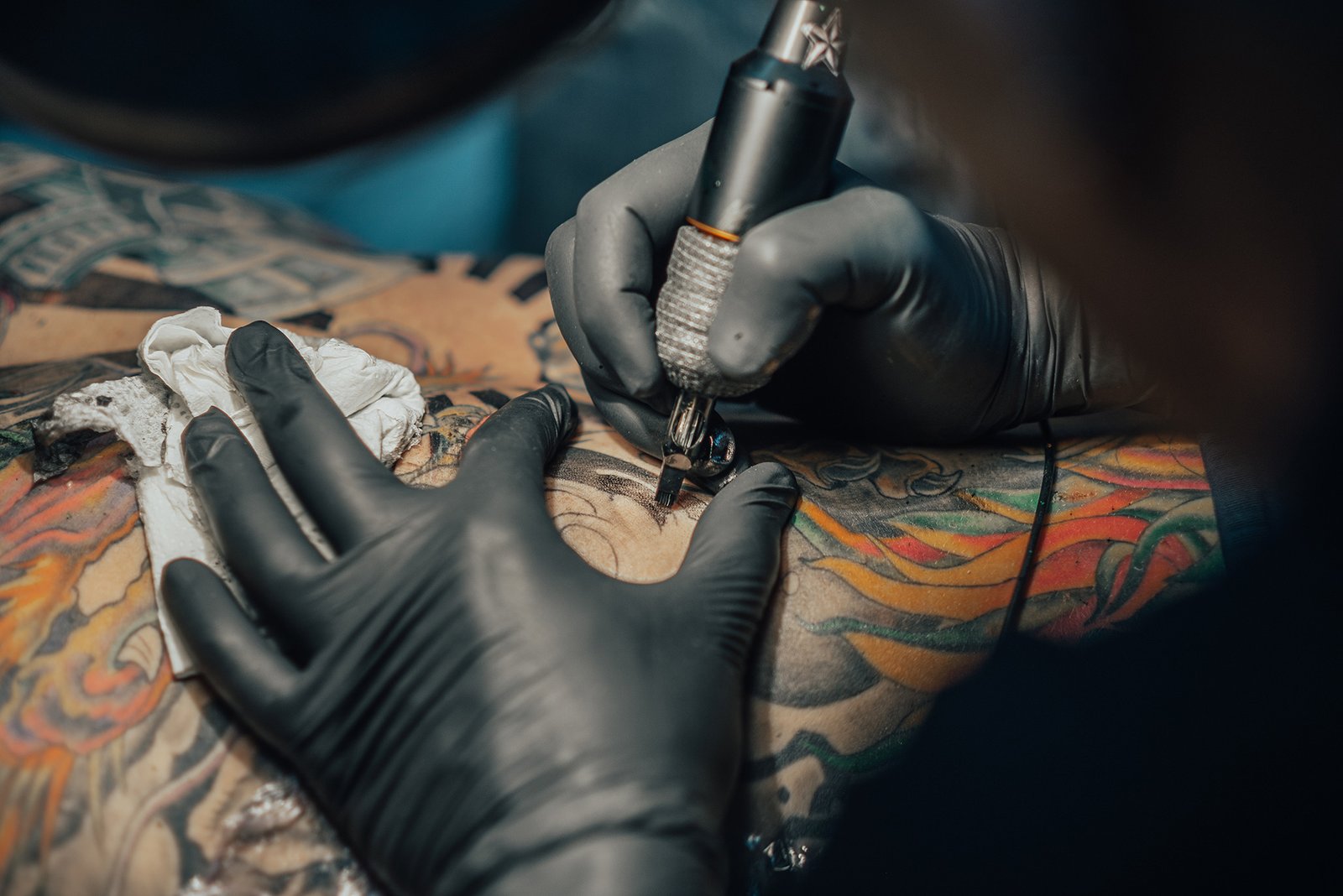
A tattoo is ink trapped in the second layer of the skin. Everything else exists to get the ink to that layer and keep it there. The process is mechanical (a needle punctures the skin and deposits pigment), biological (the body reacts to the wound and to the foreign material), and a negotiation between the ink’s desire to stay put and the body’s effort to remove it.
List of tattooing styles
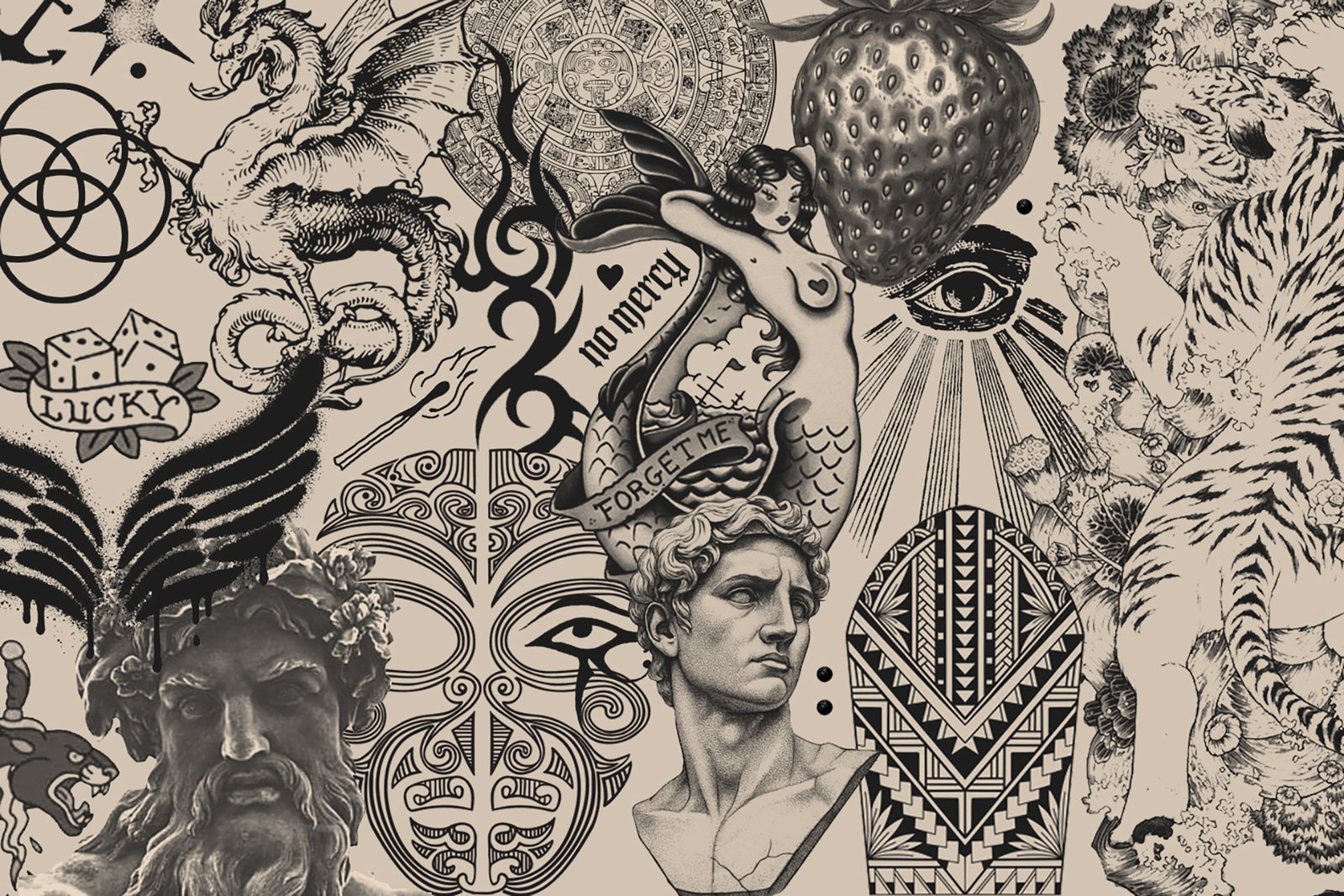
A comprehensive list of tattoo styles, traditions, and techniques — from American Traditional to Polynesian tatau, from realism to cybersigilism, from biomechanical to Sak Yant. Each entry covers what defines the style technically, where it comes from, and how it relates to the broader landscape of tattooing. Styles, techniques(…)