Fish tattoo
Fish: a symbol from under the chisel, brush, pen and tattoo machine
Fish are among the oldest symbolic animals in human culture. They appear in the earliest known art — carved, painted, and etched into surfaces from the Palaeolithic onward — and they hold sacred or symbolic positions in virtually every civilisation that lived near water, which is to say virtually every civilisation that has ever existed. Fish symbolise fertility, abundance, knowledge, transformation, freedom, the unconscious, the soul, the divine, and — in the Christian tradition — God incarnate. No other animal category carries such a wide range of meanings across so many unrelated cultures.
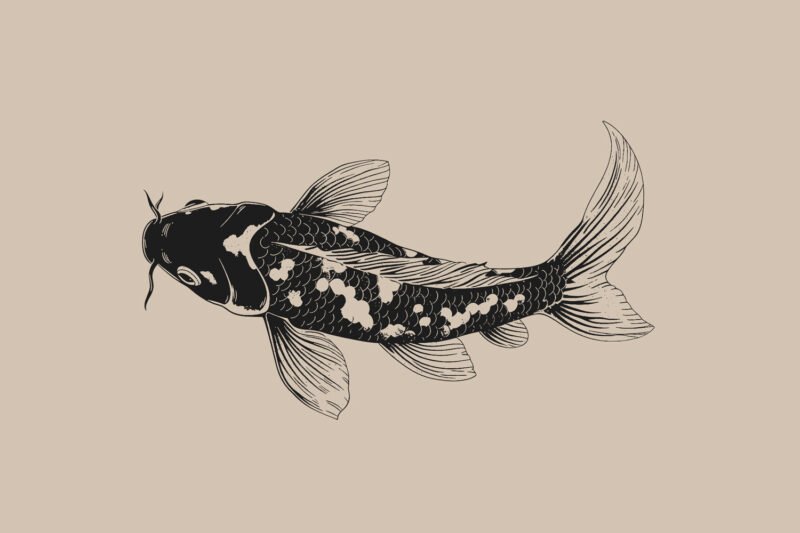
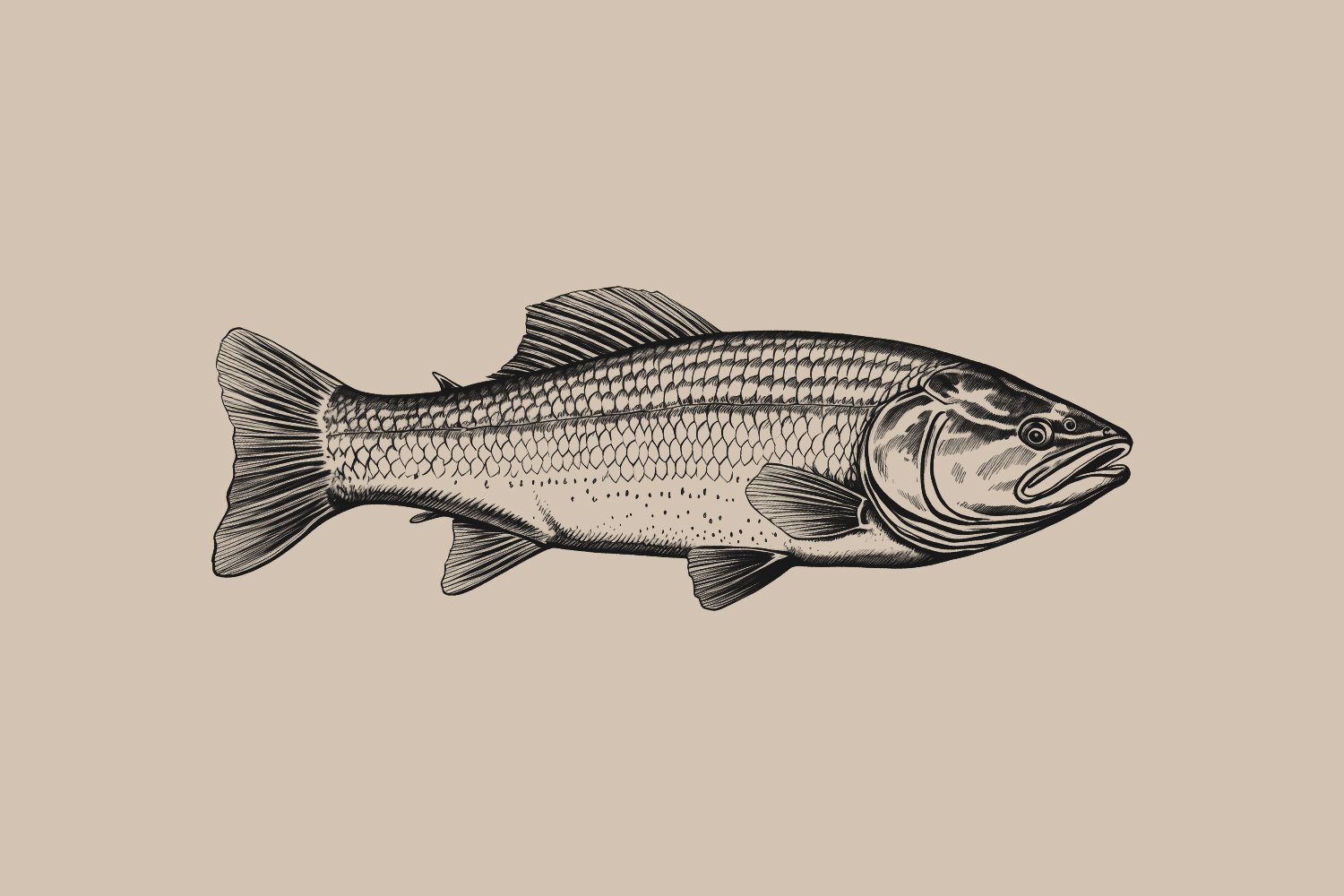
In tattooing, fish are equally pervasive. The koi is the most symbolically codified fish in tattoo iconography. But the koi is one species within a vast symbolic ocean. The Christian ichthys, the Celtic salmon of knowledge, the Japanese tai (red sea bream), the Buddhist golden fish, the Polynesian fish motif, the catfish, the goldfish, the marlin, the trout, the shark, the piranha, and the fishbone — each carries its own symbolic weight, its own cultural lineage, and its own visual language in tattooing. A “fish tattoo” is not one thing. It is dozens of things, and the species chosen defines the meaning.
Fish tattoo meanings

Fertility and abundance. Fish reproduce in enormous numbers. A single female cod can release millions of eggs. This reproductive capacity made fish a natural symbol for fertility, abundance, and the generative power of nature in cultures from Mesopotamia to China to Polynesia. The association extended to agriculture and prosperity: where there were fish, there was food; where there was food, there was life.
Transformation. Fish undergo metamorphosis — from egg to larva to fry to adult — in a medium (water) that humans cannot inhabit. The transformation happens out of sight, below the surface, in a world that is visible but unreachable. This made fish symbols of hidden transformation, a change that occurs in places the conscious mind cannot access. The koi’s transformation into a dragon is the most dramatic expression of this theme, but it runs through fish symbolism broadly.
The unconscious and the depths. Water in symbolic traditions almost universally represents the unconscious, the emotional, the hidden, the uncontrolled. Fish — the beings that live in water, that are at home in the depths — became symbols of the forces that operate beneath the surface of conscious life. In Jungian psychology, the fish is an archetype of content emerging from the unconscious into awareness.
Freedom and fluidity. A fish in water moves without visible effort, in three dimensions, without the constraints that gravity imposes on land animals. This quality of effortless, fluid, boundaryless movement made the fish a symbol of freedom, adaptability, and the ability to navigate life with grace.
The sacred and the divine. In multiple traditions — Hindu, Buddhist, Christian, Celtic, Polynesian — fish are sacred beings, connected directly to gods, spiritual practice, or cosmic order. The reasons vary by tradition, but the pattern is consistent: fish occupy a position closer to the divine than most animals do.
Ichthys: Christianity
The fish is the oldest visual symbol of the Christian faith, predating the widespread use of the cross by centuries.
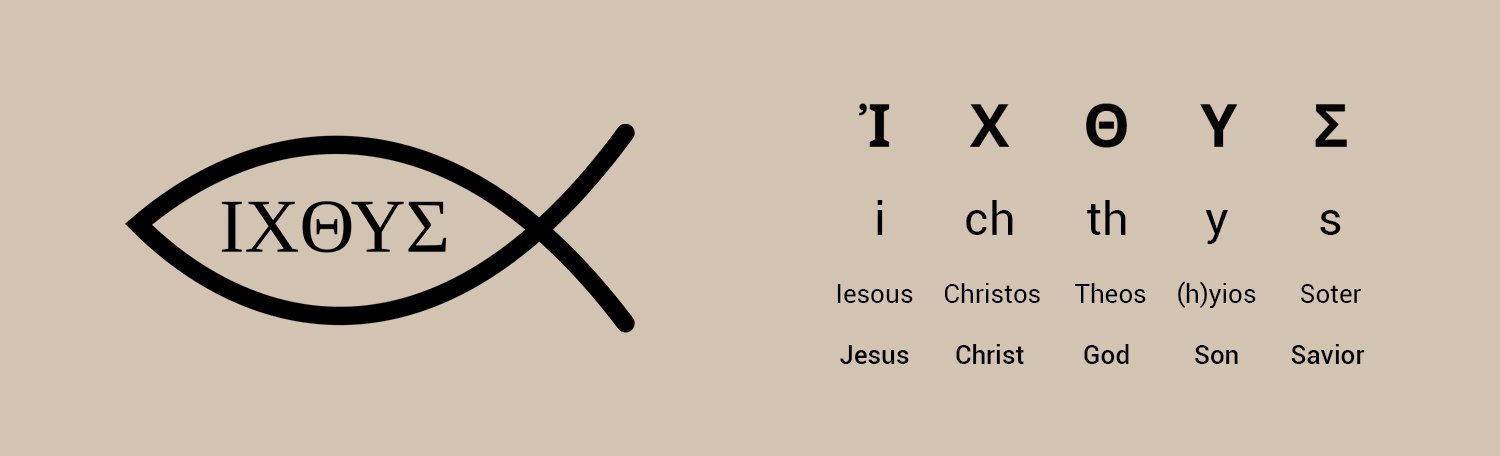
The ichthys — the simple outline of a fish, recognisable today as the “Jesus fish” seen on bumper stickers and jewellery — derives from the Greek word ichthys (ΙΧΘΥΣ), meaning “fish.” Each letter of the word forms an acrostic: Iesous Christos, Theou Yios, Soter — “Jesus Christ, God’s Son, Saviour.” This acrostic was used by early Christians as a coded identifier during the Roman persecution of the 2nd and 3rd centuries. According to tradition, one believer would draw a single arc in the dirt; if the stranger they were meeting drew the second arc to complete the fish, both knew they were among fellow Christians. The symbol appeared on meeting places, tombs, and catacombs throughout the Roman Empire.
The theological connection between Christ and the fish runs deeper than the acrostic. Jesus called his disciples to be “fishers of men.” The multiplication of loaves and fishes is among the central miracles. Baptism — the foundational sacrament — takes place in water. Tertullian described Christians as little fish born in water after the image of Christ, the great fish. Augustine wrote that Christ, like a fish, could live without sin in the depths of mortal existence.
The ichthys is one of the most commonly tattooed religious symbols in the world. It functions as a declaration of Christian faith — simple, recognisable, and compact enough to work at any scale. The traditional outline form (two intersecting arcs forming a fish shape) is a minimalist design that suits fine-line, blackwork, and small-scale placement. More elaborate versions include the word “Jesus” or “ΙΧΘΥΣ” in the centre, a cross for the eye, or the simple outline rendered in a specific tattoo style (traditional, neo-traditional, ornamental). Some wearers choose a realistic fish rather than the stylised ichthys outline, connecting the Christian symbolism to a specific species, though this is less common.
Salmon: Celtic and Norse traditions
The salmon holds a position in Celtic mythology comparable to the koi in Japanese mythology: it is the fish of wisdom, the most sacred aquatic creature, the animal whose consumption grants knowledge of the world.
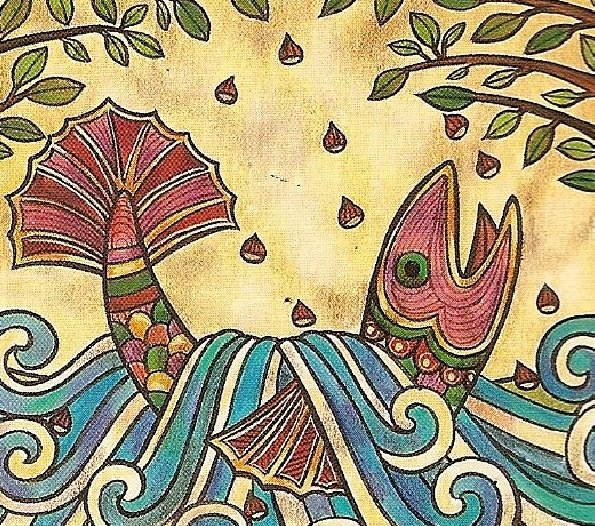
The most famous salmon in Celtic lore is the Salmon of Knowledge (Bradán Feasa) from the Fenian Cycle of Irish mythology. The salmon lived in the Well of Segais (or in a pool on the River Boyne), where it fed on hazelnuts that fell from the nine hazel trees of wisdom surrounding the well. Each hazelnut consumed added a spot to its skin and increased its knowledge. A prophecy stated that whoever ate the salmon would gain all the world’s wisdom. The poet Finegas (Finn Eces) spent seven years fishing for the salmon and finally caught it. He set his young apprentice, Fionn mac Cumhaill, to cook it — with strict instructions not to eat any of it. While turning the fish, Fionn burned his thumb on the cooking juices and instinctively put it in his mouth. In that instant, the salmon’s knowledge transferred to him. Finegas, seeing the change in the boy’s eyes, recognised what had happened and gave him the rest of the fish. Fionn went on to become the leader of the Fianna, the legendary warrior band of Irish mythology, and for the rest of his life could access the salmon’s knowledge by biting his thumb.
The salmon’s symbolic power in Celtic tradition is rooted in its observed biology. Salmon return from the ocean to the exact river and stream where they were born, swimming upstream against powerful currents, leaping waterfalls, and navigating hundreds of miles of freshwater to spawn. This drive to return — the memory of origin, the determination to reach it — made the salmon a symbol of wisdom (it knows where it came from), perseverance (it fights to get there), and cyclical return (the journey repeats across generations). The salmon’s spots, in Celtic lore, were evidence of its wisdom — each spot a hazelnut consumed, each hazelnut a unit of knowledge.
In Welsh mythology, the Salmon of Llyn Llyw is described as the oldest and wisest of all living creatures. In the tale of Culhwch and Olwen, the salmon carries Arthur’s men on its back to locate the imprisoned divine child Mabon — a journey that no other animal in the story was ancient or wise enough to undertake.
In Norse mythology, Loki transformed himself into a salmon to escape the wrath of the gods after orchestrating the death of Baldr. Thor caught him by the tail — which, according to the myth, is why salmon taper toward the rear. The salmon in Norse tradition carries associations with cunning, escape, and transformation between forms.
In the Pacific Northwest, salmon are central to the culture, spirituality, and survival of Indigenous peoples, including the Haida, Tlingit, Salish, and many others. Salmon imagery appears in the formline art tradition and carries meanings of abundance, renewal, and the cyclical relationship between humans, animals, and the natural world. Non-Indigenous use of Pacific Northwest salmon imagery in tattoos raises cultural questions similar to those discussed in the Culture-bound section of this encyclopedia.
A salmon tattoo in a Celtic context is associated with wisdom, knowledge, a return to origin, and the cyclical nature of life. Rendered in Celtic knotwork, in Pictish carved-stone style, or in a contemporary illustrative treatment with Celtic visual references (interlace patterns, hazel branches, riverine settings), the salmon connects to one of the deepest layers of Irish, Scottish, and Welsh mythology. For wearers with Celtic heritage, it is a lineage symbol as well as a mythological one — the salmon appears on the heraldic arms of multiple Scottish clans and Irish families.
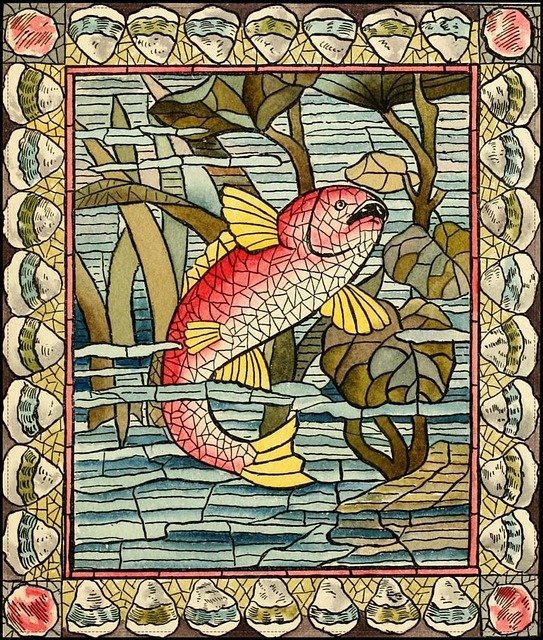
The red sea bream (tai), Koi and Goldfish (kingyo): Japan
The red sea bream (tai, 鯛) is the most auspicious fish in Japanese culture. Its name plays on the word medetai, meaning “auspicious” or “congratulatory,” and it has been Japan’s celebratory fish for centuries — served at weddings, New Year’s, and other occasions marking good fortune.
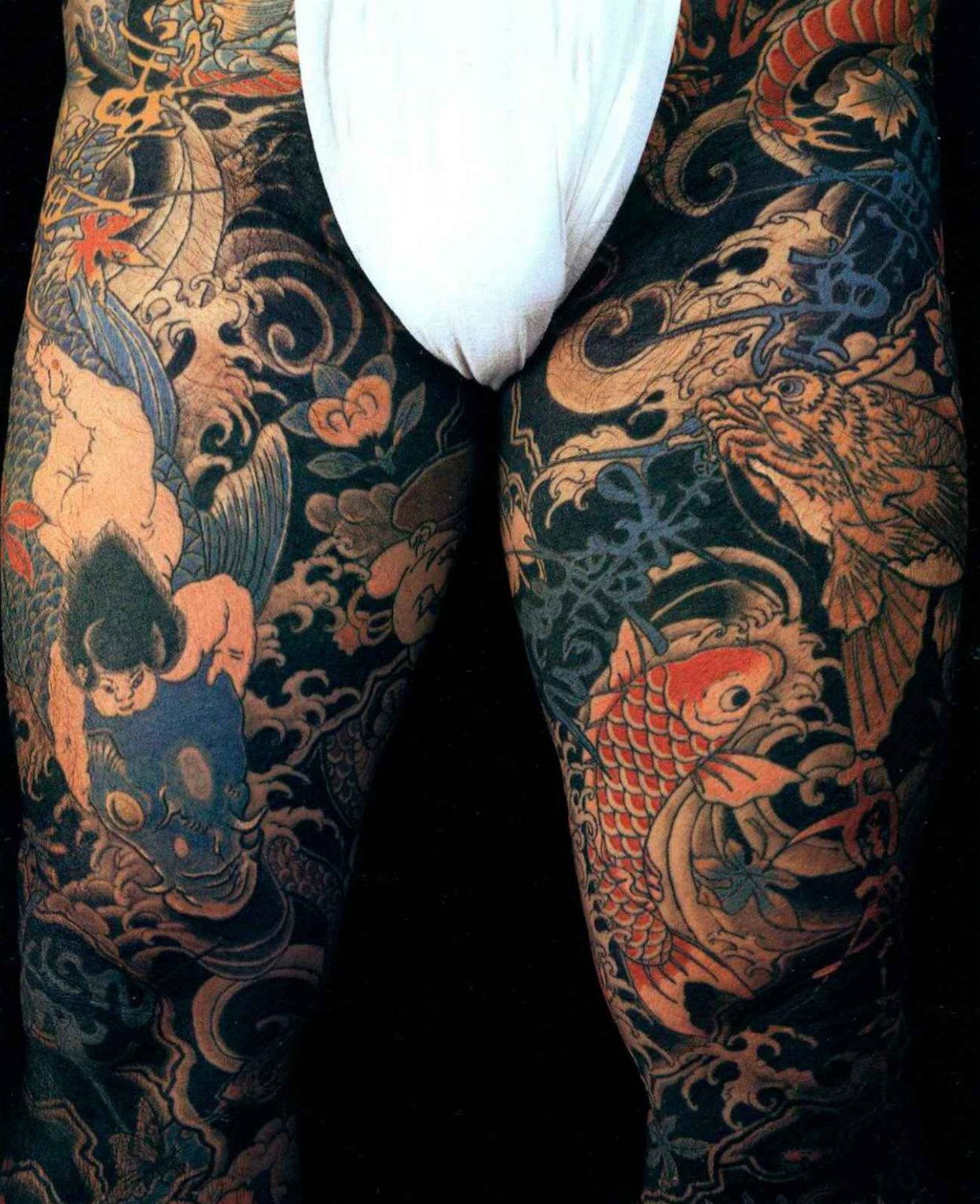
In irezumi, the tai is a recognised subject, though far less common than the iconic koi carp. It represents good luck, celebration, prosperity, and the blessings of the sea. The deity Ebisu — one of the Seven Lucky Gods (Shichifukujin) — is traditionally depicted holding a fishing rod in one hand and a large tai under his arm, grinning with satisfaction. A tai tattoo can reference Ebisu directly, carrying associations with honest work, good fortune, and the rewards of patient effort.
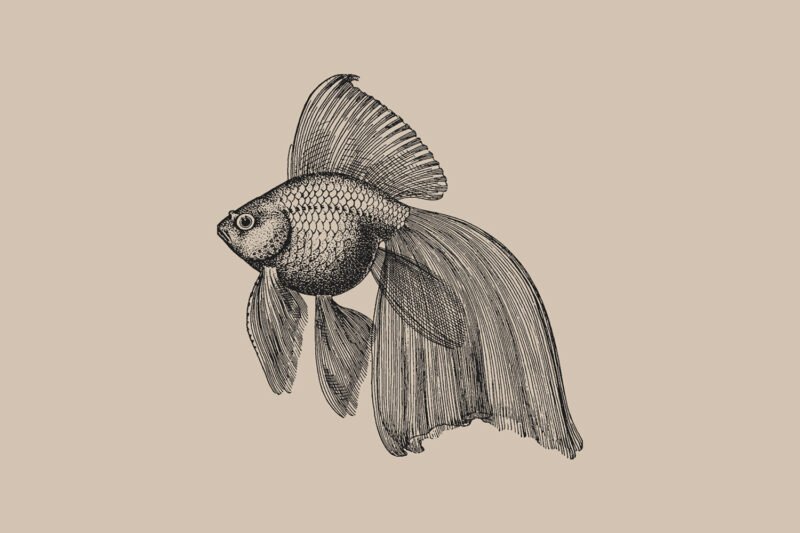
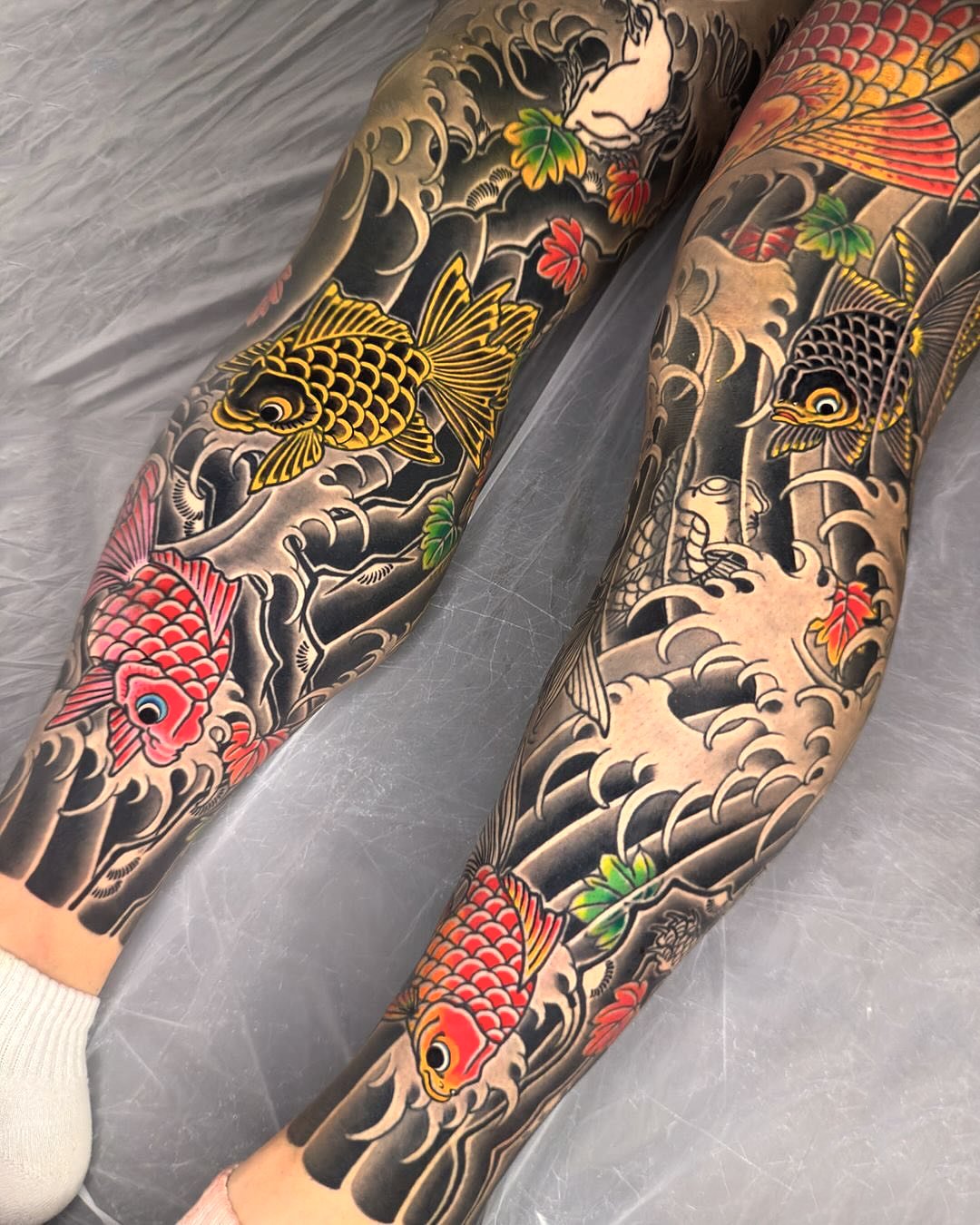
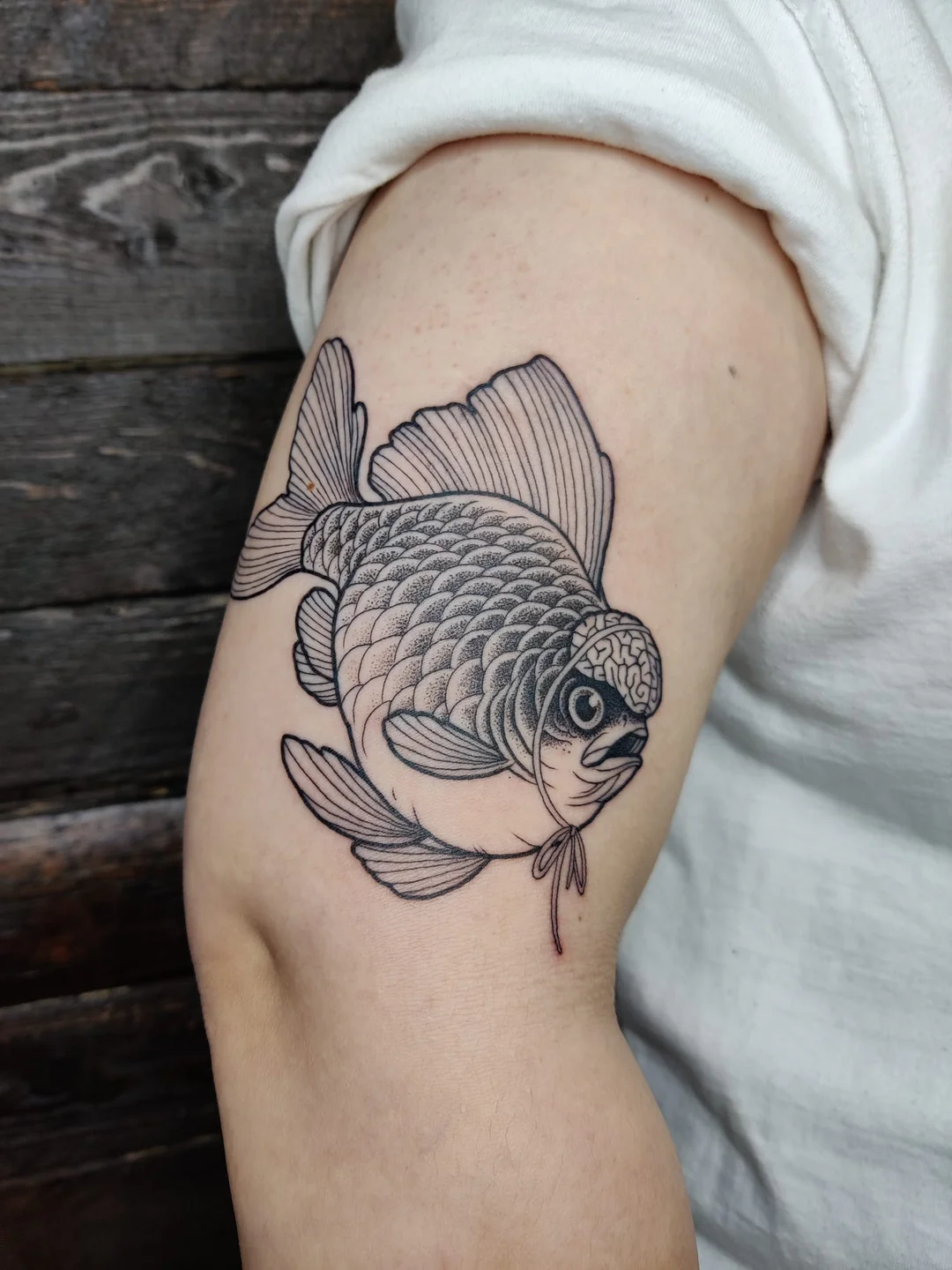
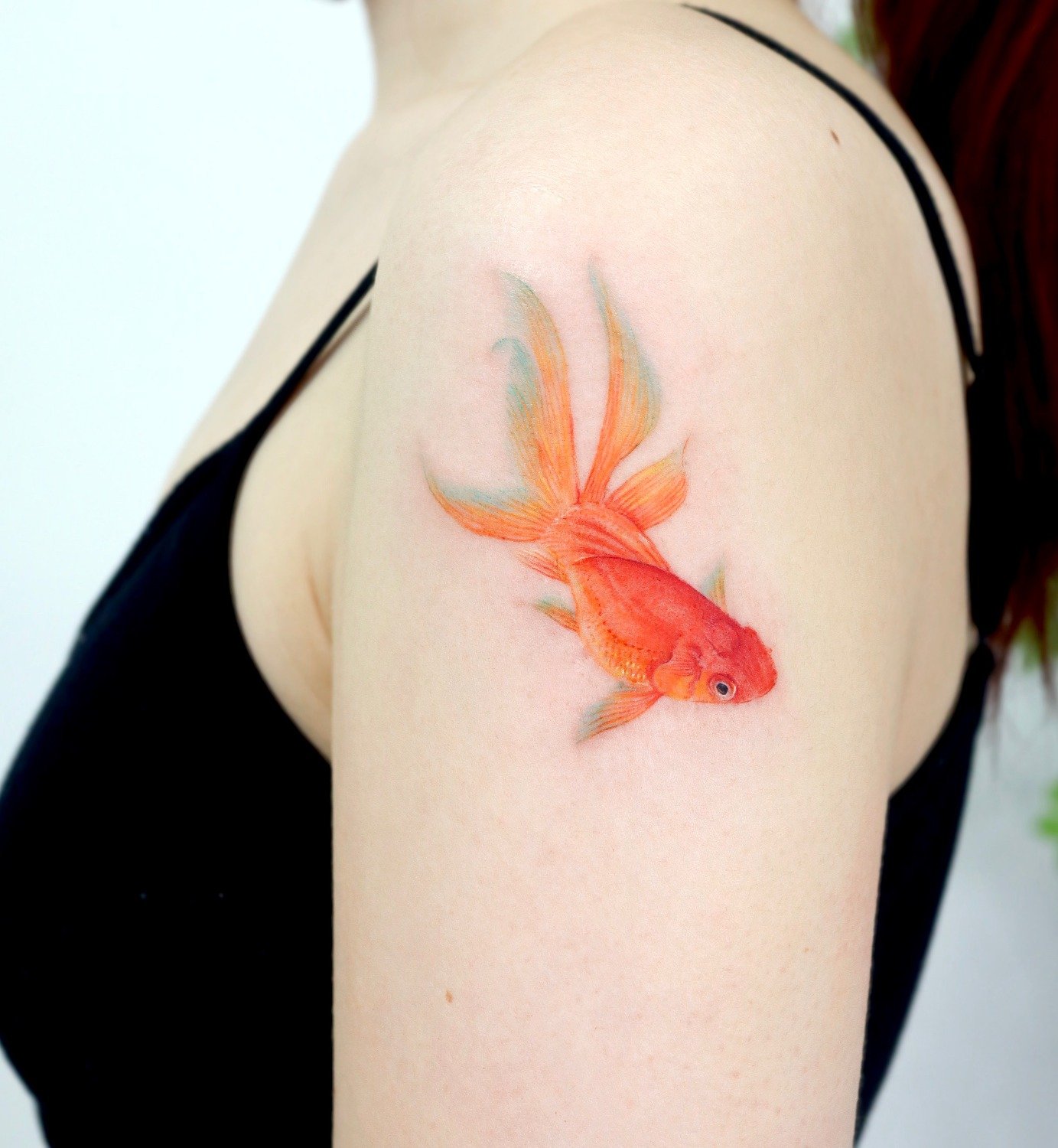
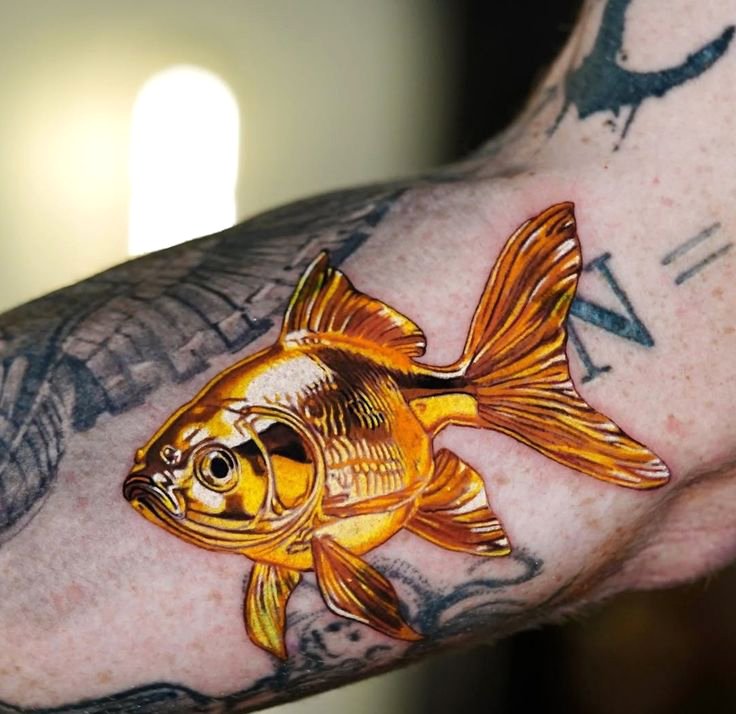
The goldfish (kingyo, 金魚) — literally “gold fish” in both Japanese and English — is another traditional subject in Japanese tattooing. Goldfish are derived from carp, making them distant relatives of the koi, but they carry a distinct symbolic register: beauty, grace, elegance, and the appreciation of refined aesthetics. In irezumi bodysuits, a small goldfish sometimes appears tucked into the background waves of a larger composition — a subtle, charming element that contrasts with the drama of the primary subjects. Goldfish tattoos carry associations with wealth (the “gold” in the name), femininity, and the quiet pleasure of domestic beauty.
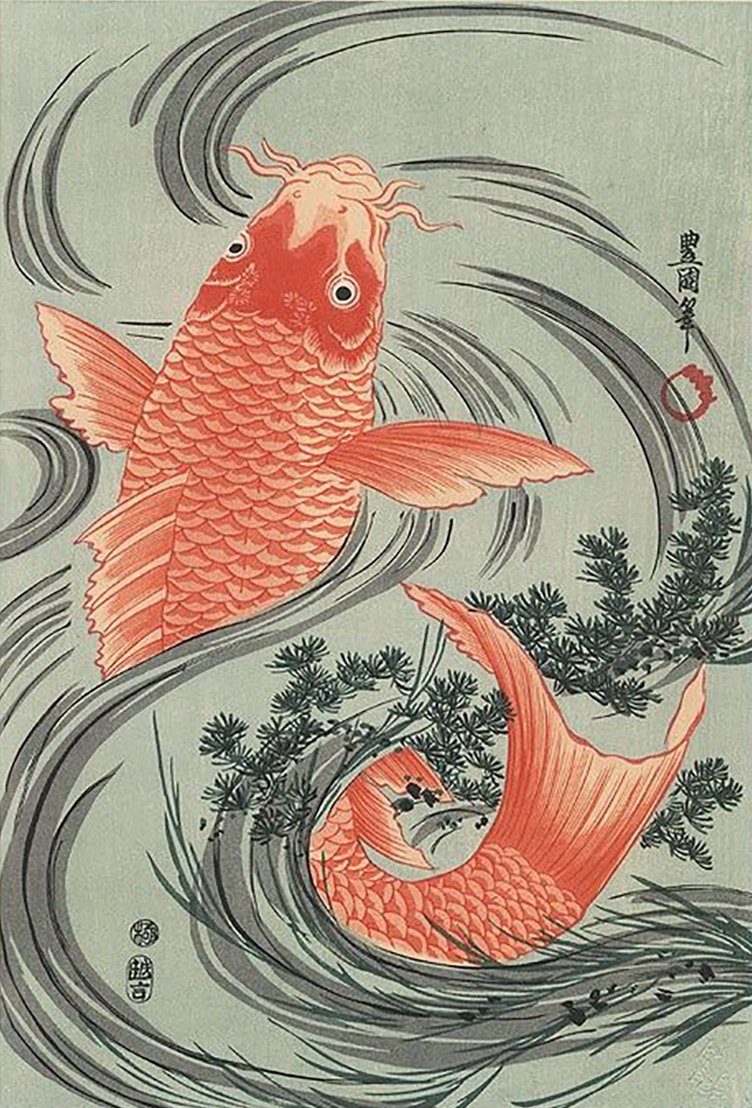
The giant catfish (namazu): Japan
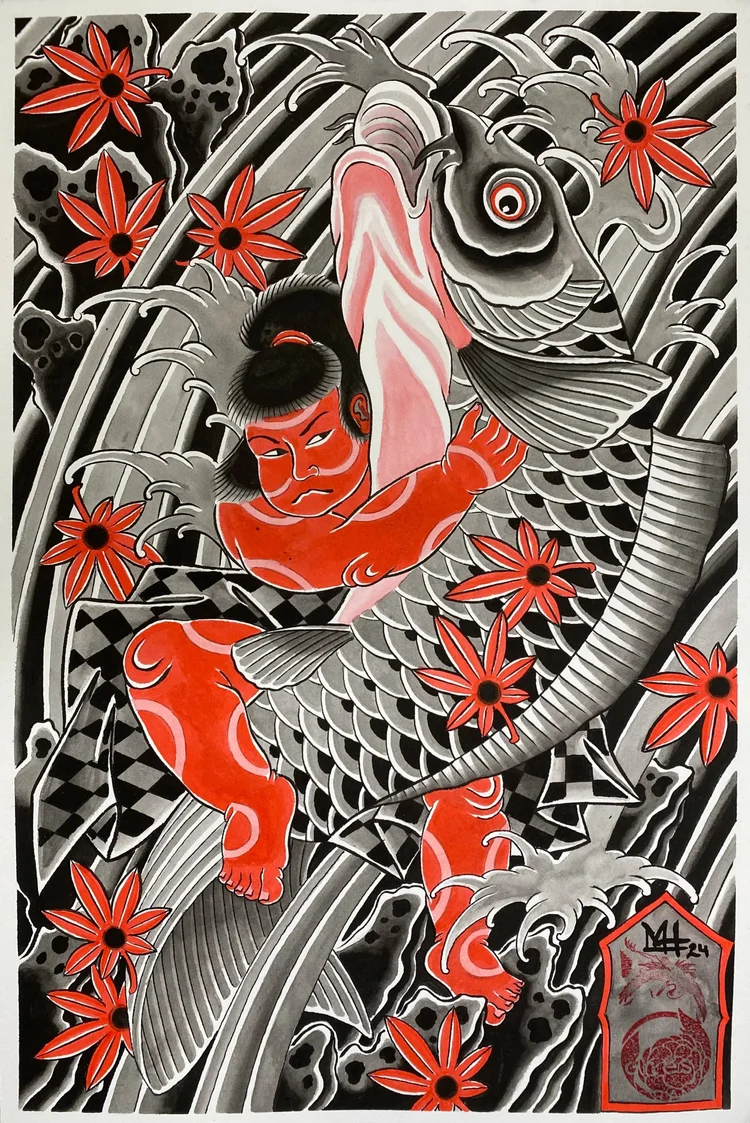
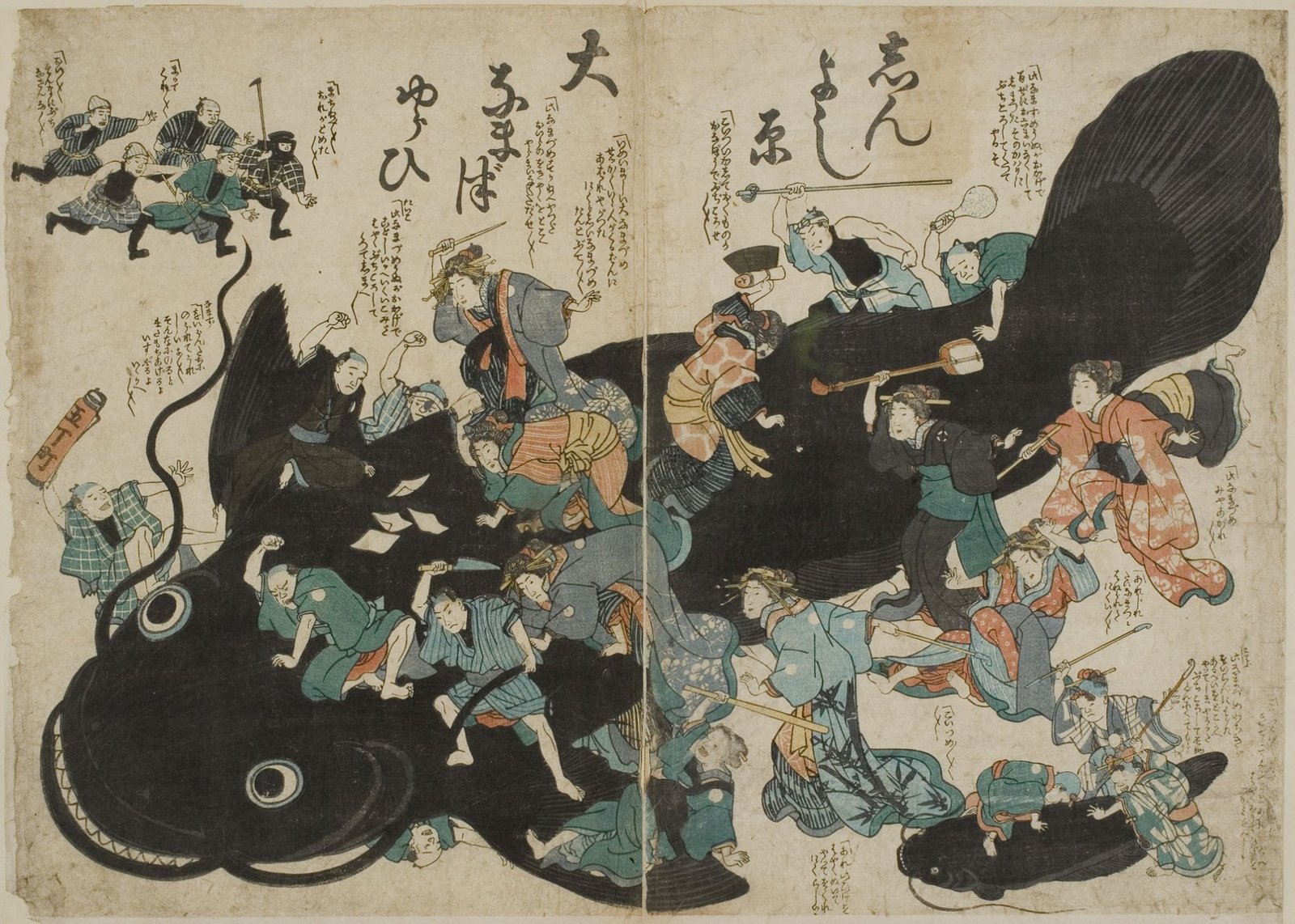
The namazu (鯰) — the giant catfish of Japanese mythology — is a creature that lives beneath the Japanese islands and causes earthquakes when it thrashes. The deity Kashima restrains the namazu by pinning it with a great stone (kaname-ishi), but when Kashima’s attention lapses, the catfish moves and the earth shakes. After the devastating Ansei Edo earthquake of 1855, a flood of popular woodblock prints (namazu-e) depicted the catfish — sometimes as a villain, sometimes as a redistributor of wealth (since earthquakes destroyed the property of the rich, allowing money to flow to rebuilders and labourers).
The namazu carries a complex symbolic charge: destructive power, the unpredictability of nature, the forces that lie beneath the surface of stability, and — in the post-earthquake prints — a dark, ambivalent justice. As a tattoo, the catfish is an unusual and culturally specific choice within the Japanese visual vocabulary. It suits wearers drawn to the more ambiguous, less straightforwardly heroic subjects in Japanese mythology.
The golden fish in Buddhism
In Buddhist iconography, the golden fish (suvarnamatsya) is one of the Ashtamangala — the Eight Auspicious Symbols of Buddhism, which include the conch shell, the lotus flower, the parasol, the Dharma wheel, the endless knot, the banner of victory, the treasure vase, and the pair of golden fish. The two fish are typically depicted as golden carp, swimming in parallel or circling each other, their bodies curved and tails flowing.
The golden fish represent happiness, freedom, and liberation from suffering — the ability to move freely through the ocean of existence without fear. They also represent fertility and abundance, and in some interpretations, the two fish symbolise the Ganges and Yamuna rivers, India’s two most sacred waterways.
As a tattoo, the Buddhist golden fish pair is a compact, symmetrical composition that works well as a standalone design. The two fish circling each other share visual territory with the yin-yang principle (as in paired koi compositions) but carry specifically Buddhist rather than Taoist or broadly East Asian associations. The design suits placement on the sternum, between the shoulder blades, the inner forearm, or anywhere that accommodates a balanced, vertical composition.
Polynesian fish and sharks
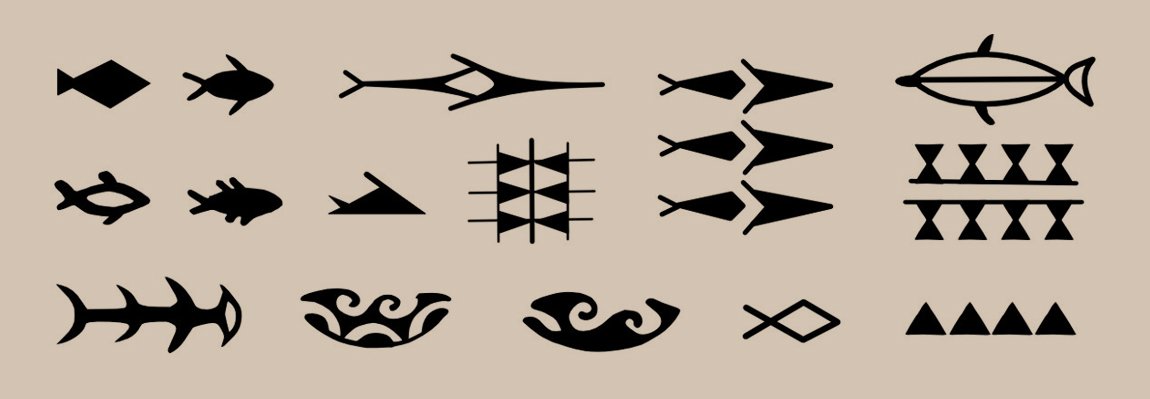
Fish are fundamental symbols in Polynesian tattooing traditions. The ocean provided the foundation of Polynesian life — food, travel, identity — and fish appear across Polynesian visual art as symbols of abundance, prosperity, and the sea’s provision.
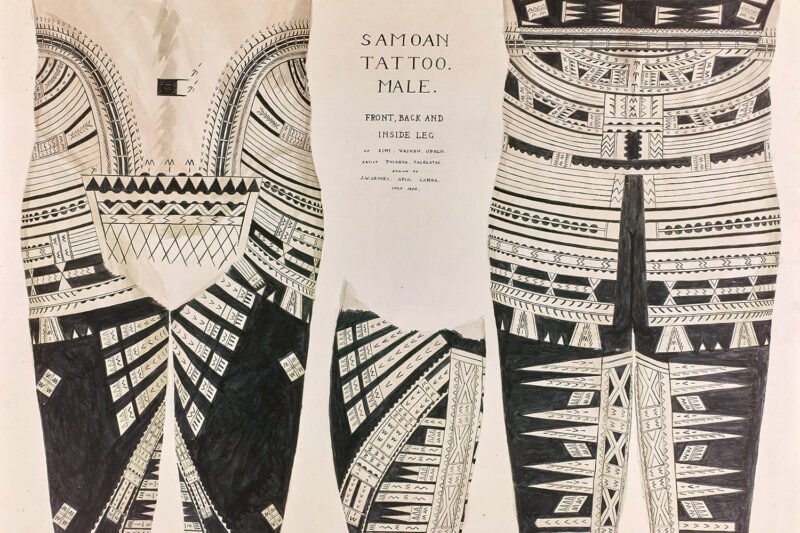
In Polynesian tattoo motifs, fish are frequently rendered as stylised geometric forms rather than naturalistic depictions. The hammerhead shark (mano kihikihi in Hawaiian) — technically a fish — is among the most powerful Polynesian tattoo symbols, representing tenacity, strength, and protection. Rows of stylised fish represent community, a group of warriors, or collective prosperity. The shark teeth motif (niho mano), one of the most recognisable elements in Polynesian tattooing, is associated with protection, strength, and the ocean’s predatory power.
The cultural protocols governing Polynesian tattooing apply to fish motifs as they apply to all Polynesian tattoo content — these are symbols belonging to specific communities, carrying genealogical and social meaning that does not transfer to a flash sheet. The Culture-bound section of this encyclopedia covers these traditions in detail.
Sport and game fish
Marlin, sailfish, and swordfish — billfish are among the most dramatic fish in form and movement. Their elongated bills, powerful bodies, and association with deep-sea sport fishing make them popular tattoo subjects for anglers, boat captains, and anyone whose identity is connected to offshore fishing. The marlin in particular carries associations with Hemingway’s The Old Man and the Sea — the great fish as a worthy adversary, a test of endurance and will. A leaping marlin tattoo is one of the most visually dynamic fish compositions available: the arched body, the spray of water, the sense of explosive power.
Trout, bass, and freshwater game fish are tattooed by fly fishers, river anglers, and people whose connection to specific waterways runs deep. These tattoos carry personal and regional meaning: a specific species from a specific river, a record catch, a practice that defines the wearer’s leisure time, identity, or relationship to landscape. A brook trout tattoo on someone from the Appalachian Mountains or a brown trout on someone from the Scottish Highlands is a statement of place as much as a statement of interest.
Sharks occupy their own symbolic category — predatory power, fear, survival, and the apex of the marine food chain. Shark tattoos range from Polynesian stylised forms (carrying specific cultural weight) to realistic renderings (great white, hammerhead, tiger shark) to traditional flash treatments. The shark in tattooing sits at the intersection of respect and fear — an animal that commands attention in every visual treatment.
These tattoos draw their meaning from the wearer’s personal experience rather than from a shared mythological tradition. A marlin tattoo on a charter captain and a salmon tattoo on a Celtic heritage enthusiast reference entirely different symbolic systems — one personal and experiential, the other mythological and cultural. Both are legitimate; the distinction matters for understanding what the image carries.
The fish skeleton
The fish skeleton — fishbone — is a distinct tattoo motif, separate from the living fish. Where a living fish represents abundance, fertility, freedom, and the sacred, the skeleton represents the structure that remains after everything else is gone. It carries associations with mortality, impermanence, the essential form beneath the surface, and — in some readings — survival stripped to its bones.
The fish skeleton is visually striking: the clean symmetry of the spine, the regular repetition of the ribs, the geometric head structure. As a tattoo composition, it is naturally linear and well-suited to placement along the forearm, spine, calf, or ribcage. Its graphic quality makes it effective for blackwork, fine-line, and illustrative styles. Some fish skeleton tattoos reference specific species (identifiable by skull shape and fin structure); others are generalised, using the skeleton form as a graphic element rather than an anatomical record.
The fish skeleton also appears in humorous or ironic contexts — a “cat ate the fish” tattoo, a skeleton on a plate, a bone with a single remaining eye — using the form for visual play rather than symbolic weight.
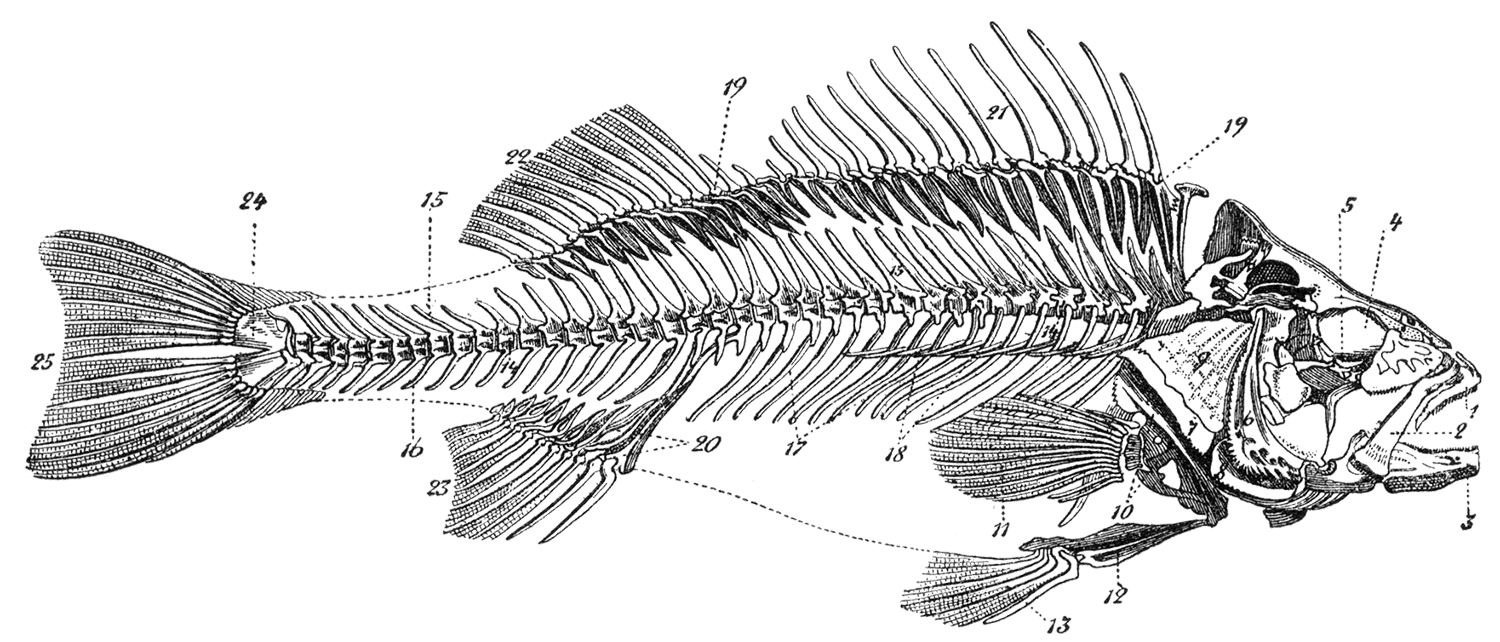
Fish across tattoo styles
Irezumi treats fish as core subjects within its compositional system — koi, tai, goldfish, catfish, and other species rendered with bold outlines, integrated water backgrounds, and seasonal consistency. The Japanese tradition offers the most fully developed visual vocabulary for fish in tattooing.
American traditional uses fish less frequently than some other subjects, but when they appear — typically as game fish (marlin, bass) or as part of maritime-themed flash — they follow the style’s conventions: bold outlines, limited palette, flat colour, readable silhouette.
Realism pushes fish toward photographic accuracy: the iridescence of scales, the translucency of fins, the way light refracts through water around the body. Realistic fish tattoos are among the most technically demanding aquatic subjects because the rendering must convey both the fish and its medium — the water, the light, the depth.
Blackwork and dotwork reduce fish to graphic essentials — silhouette, line, pattern. A blackwork fish can reference scientific illustration (specimen-plate aesthetic, anatomical precision), ukiyo-e printmaking (bold line, flat form), or pure graphic design (the fish as a shape).
Watercolour is a natural style for fish — the soft, fluid colour washes mimic the medium the fish inhabits. A watercolour fish tattoo can produce effects of transparency, iridescence, and aquatic light that no other style achieves, though the ageing limitations of the watercolour technique apply.
Fine line and minimalist treatments work exceptionally well for fish — the streamlined body, the flowing fins, and the simple silhouette translate to minimal mark-making. A single continuous line can describe a fish with remarkable clarity.
Neo-traditional gains decorative elaboration: Art Nouveau curves in the fins and tail, jewel-tone colours, ornamental framing. Neo-traditional fish can be visually stunning — the natural decorative qualities of scales, fins, and flowing water lend themselves to the style’s emphasis on pattern and detail.
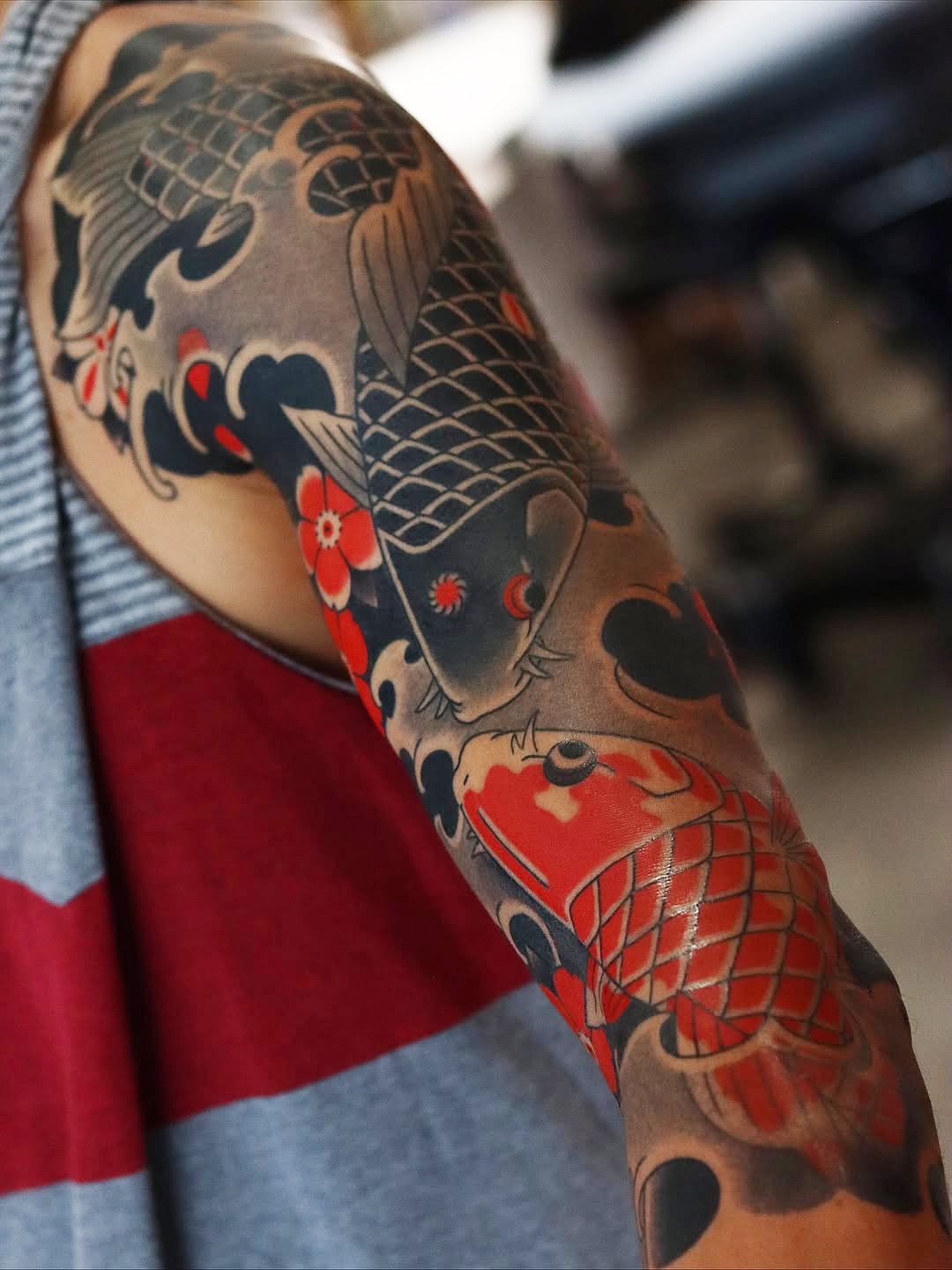
Composition and placement
Direction matters — as with the koi, though less codified for other species. A fish swimming upward or forward on the body communicates active movement, progress, and purpose. A fish swimming downward communicates descent, completion, or return. A fish rendered in profile (the standard orientation) creates a directional composition; a fish rendered from above (dorsal view, as with some flatfish or skeleton designs) creates a symmetrical composition suited to midline placements.

Water as a design element applies to fish tattoos as it applies to ship and koi compositions. The treatment of the water — present or absent, calm or violent, realistic or stylised — changes the mood and reading of the piece. A fish with no water background reads as an icon, a specimen, a symbol. A fish surrounded by flowing water reads as a living creature in its element. Both are valid; the choice is compositional.

Common pairings depend on the species and the tradition being referenced.
- Koi fish pairs well with waves, plants and flowers, especially peonies and cherry blossoms.
- Celtic salmon pairs with hazel branches, knotwork, and river settings.
- The ichthys pairs with crosses, scripture references, and other Christian symbols.
- Japanese fish pair with waves, seasonal flowers, and other elements of the irezumi vocabulary.
- Game fish pair with rods, hooks, coordinates, or natural settings that reference specific waterways.
- Fish skeletons pair with other mortality symbols (botanical motifs, skulls, hourglasses) or stand alone as graphic compositions.
What a fish can do for you
The species defines the meaning. A fish tattoo that knows which fish it has chosen, and why that fish rather than another, draws on a symbolic tradition as deep as any in human culture. The ocean of meaning is there. The question is which current the wearer chooses to follow.
Sources & further reading
- Ichthys, Salmon of Knowledge, Fionn mac Cumhaill, Namazu on Wikipedia, the Free Encyclopedia.
- Patricia Monaghan. The Encyclopedia of Celtic Mythology and Folklore (PDF). 2004
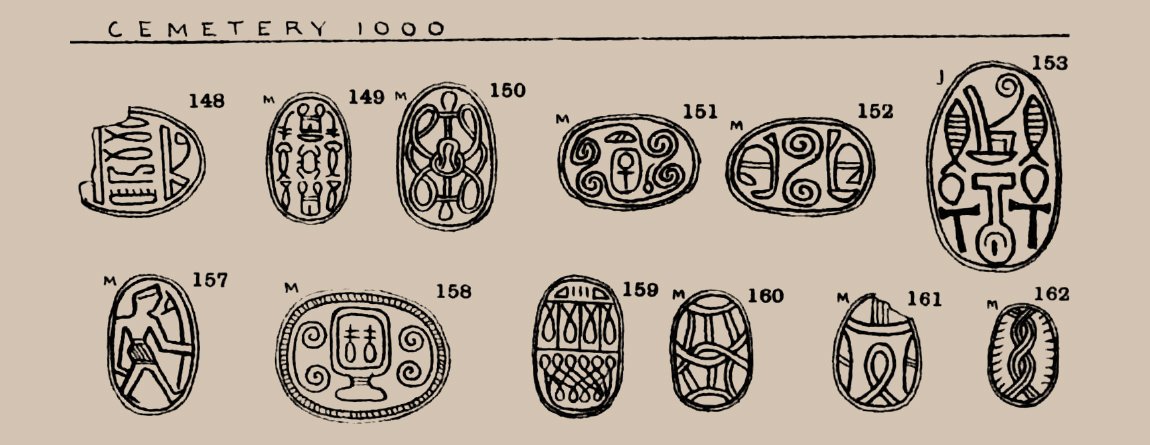
- Sir William Mathew Flinders Petrie, Ancient Gaza 2 Volume Set (Cambridge Library Collection – Egyptology). Cambridge University Press, 2013.
- Andrew Gough. The sacred salmon. andrewgough.co.uk, 2015.
- Polynesian tattoo symbols. Polynesian tattoo symbol: fish.
- Matt Lodder, Painted People: Humanity in 21 Tattoos. Harper, 2024.
- Anna Felicity Friedman (ed.), The World Atlas of Tattoo. Yale University Press, 2015.