Cosmetic tattooing
Cosmetic tattooing: imitating the absence of a tattoo
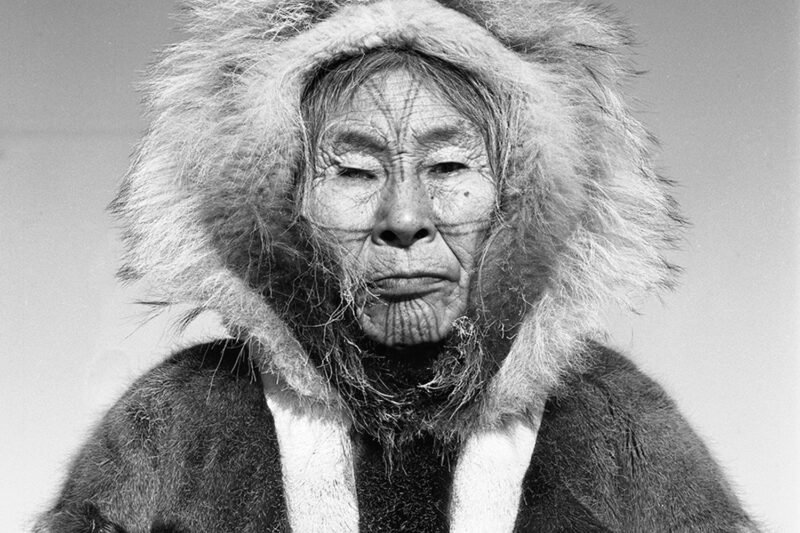
The history of cosmetic tattooing
Cosmetic tattooing procedures
Eyebrows
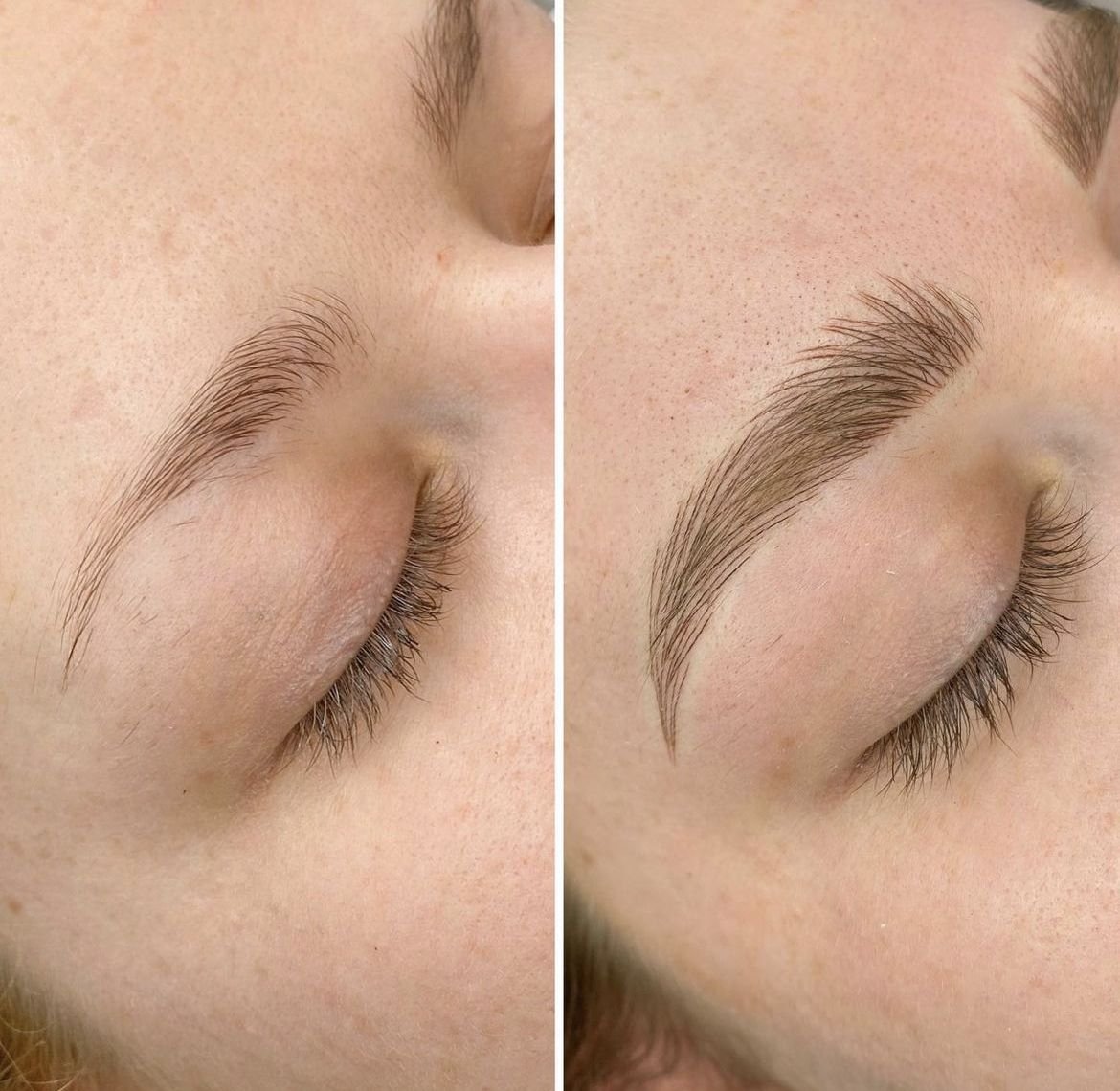
Eyebrow work is the most commonly requested cosmetic tattoo procedure, and it includes several distinct techniques.
Microblading
Microshading (powder brows / ombré brows)
A machine-based technique that deposits pigment in a stippled, gradient pattern across the brow area, producing a soft, powdery effect similar to brow makeup applied with an angled brush. The result is less hair-like than microblading and more like a filled-in brow. Microshading works on a wider range of skin types than microblading (including oily skin) and tends to last longer — eighteen to thirty-six months between touch-ups, depending on the client’s skin and aftercare.
Combination brows
A hybrid technique that combines microbladed hair strokes at the front of the brow (for a natural, feathered appearance) with microshaded fill through the body and tail (for density and definition). Combination brows attempt to capture the strengths of both techniques.
Nano brows
A newer machine-based technique using a single ultra-fine needle to create hair-like strokes with a tattoo machine rather than with a manual blade. Nano brows offer results similar to microblading, with potentially more consistent depth control (because the machine regulates the needle’s movement) and greater suitability for a wider range of skin types. The technique is gaining popularity as an alternative to microblading.
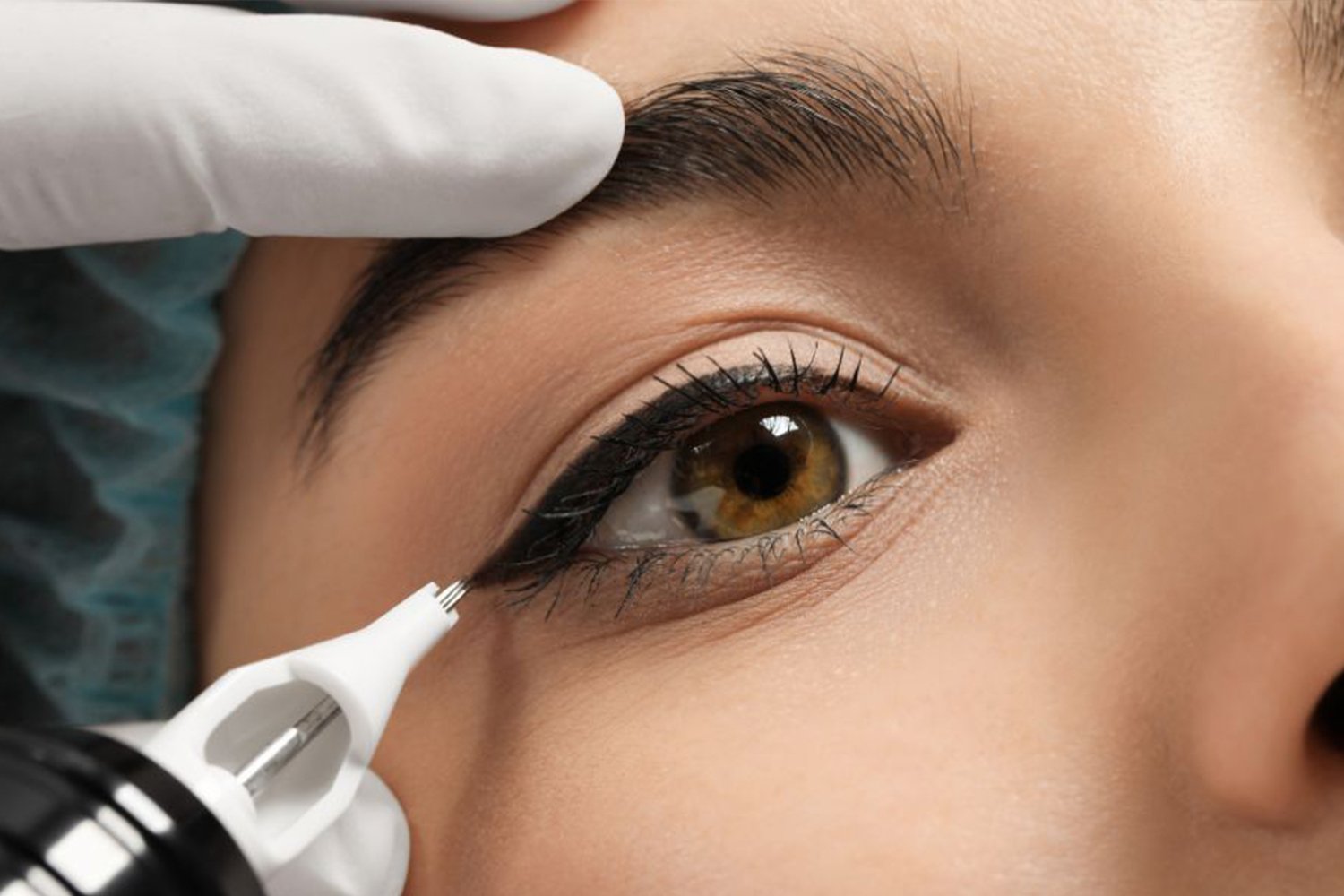
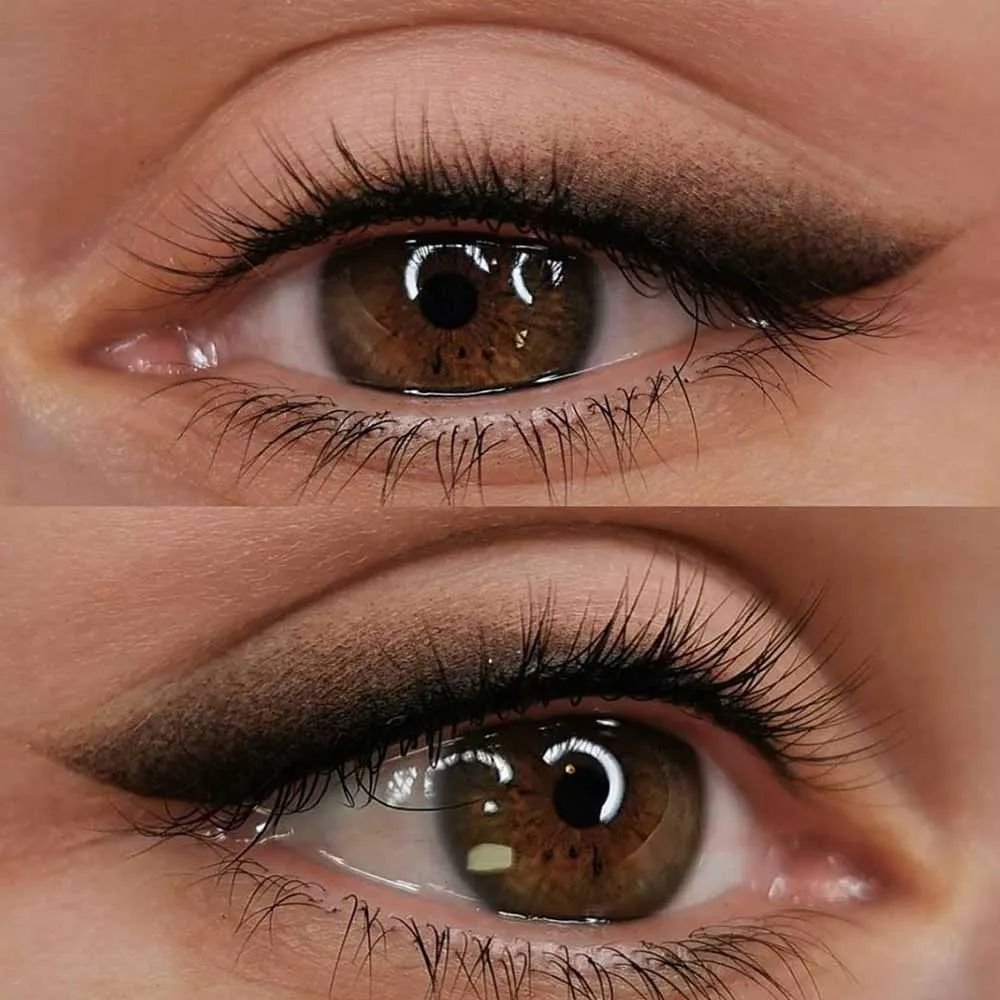
Eyeliner
Lips
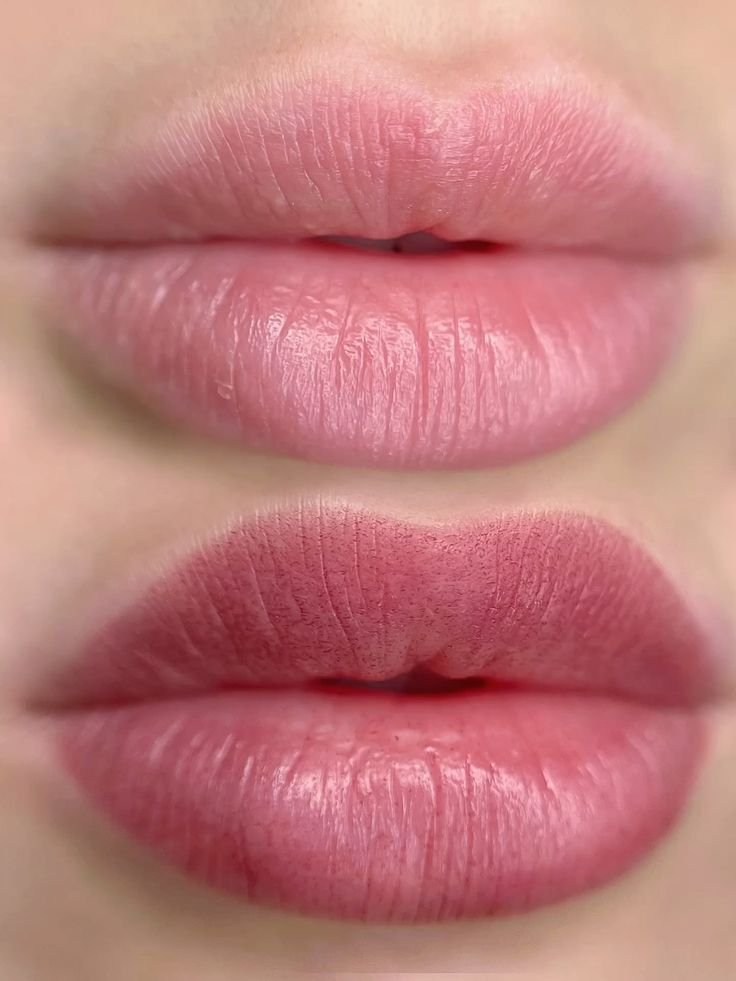
Lip procedures include lip liner (pigment deposited along the lip border to define the shape), lip blushing (a soft wash of colour across the full lip, producing a tinted, flushed appearance), and full lip colour (a denser pigment application that replaces lipstick). The natural colour of the client’s lips interacts with the deposited pigment, and the healed colour is always a blend of the two — the practitioner must anticipate this interaction when selecting the pigment.
Lip work has a longer healing period than brow work (the lips swell more, crust more, and take longer to settle), and the colour typically goes through a significant shift during healing — appearing very dark immediately after application, then flaking and appearing pale or patchy during the peeling phase, then settling to the intended shade over four to six weeks. Clients who are not prepared for this healing cycle can be alarmed by the intermediate stages.
Freckles
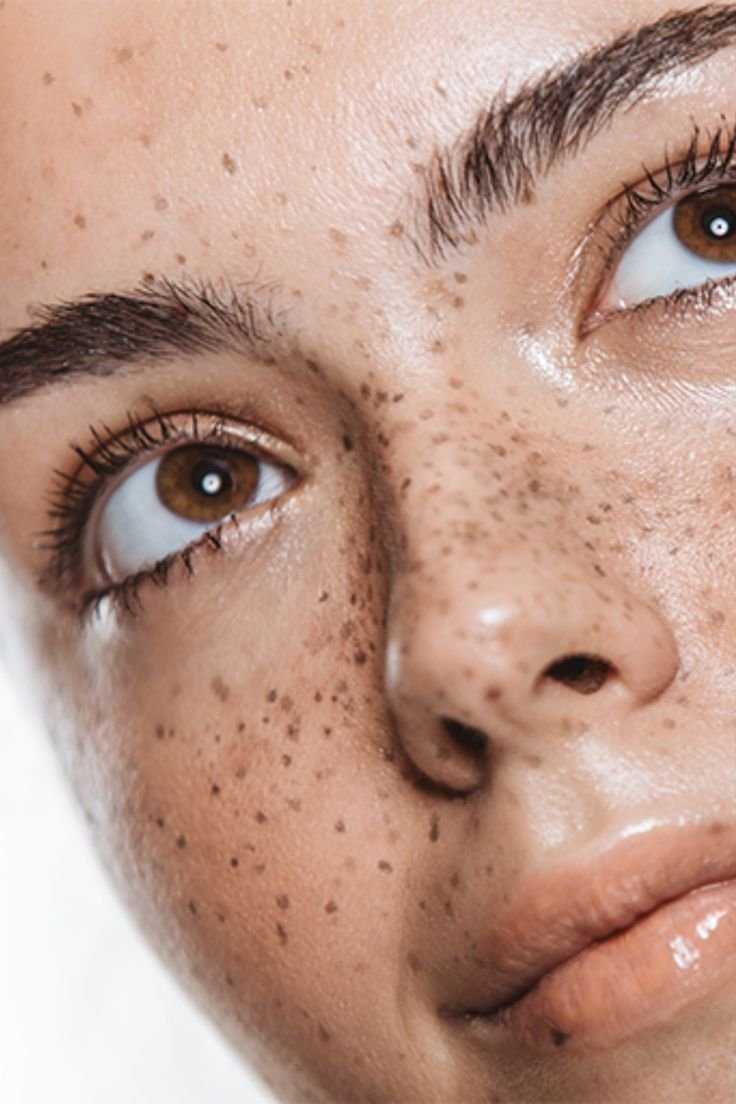
Faux freckle tattooing — small dots of pigment placed across the nose and cheeks to mimic natural freckles — emerged as a cosmetic trend in the late 2010s and continues to be popular. The technique is simple in principle (individual dots at controlled depth) but demands a specific aesthetic judgment: the placement, the size variation, the colour, and the density of the dots must look natural rather than mechanical. Evenly spaced, identically sized dots look wrong; varied, asymmetric, casually distributed dots look convincing.
Beauty marks
A single dot is placed to mimic a natural beauty mark (mole) — usually on the cheek, above the lip, or near the eye. A minor procedure, but one that requires precise placement, because the beauty mark’s effect depends entirely on its position on the face.
Medical and paramedical applications
Areola reconstruction
After mastectomy and breast reconstruction, the nipple and areola are often absent or visually incomplete. Paramedical tattoo artists — some of them nurses or medical professionals, others specialised tattoo artists — use micropigmentation to recreate the appearance of the areola and nipple in three dimensions, using pigment and shading to produce a realistic illusion of depth and colour. This is one of the most important paramedical applications of cosmetic tattooing and one of the most personally significant for the clients who receive it.
The quality range is wide — the best paramedical tattooists produce areola restorations of remarkable realism; the worst produce flat, discoloured circles. The procedure is often offered free or at reduced cost through cancer charities and hospital programmes.
Scar camouflage
Pigment matched to the client’s skin tone can be deposited into scar tissue to reduce the visual contrast between the scar and the surrounding skin. The technique works best on mature, stable scars (at least a year old) with a relatively smooth surface. It is used for surgical, burn, stretch, and injury scars. The colour-matching challenge is substantial — skin tone is not uniform, and a camouflage pigment that matches in one light may not match in another. Multiple sessions and careful assessment are standard.
Vitiligo treatment
Vitiligo — a condition in which patches of skin lose their pigment, producing pale or white areas against the surrounding skin tone — can be treated with cosmetic tattooing that deposits pigment into the depigmented areas. The treatment can significantly reduce the visual impact of vitiligo, though it does not address the underlying condition, and the colour match must be maintained as the surrounding skin changes with sun exposure and ageing.
Cleft lip correction
Children and adults with repaired cleft lip sometimes have residual scarring and asymmetry in the lip line. Cosmetic tattooing can define and correct the lip border, producing a more symmetrical and natural-looking lip.
Alopecia
Eyebrow tattooing for clients who have lost their brow hair to alopecia (areata or universalis) is one of the most common medical applications of cosmetic tattooing. Scalp micropigmentation (SMP) — a specialised technique that deposits small dots of pigment across the scalp to simulate the appearance of a close-cropped haircut or of denser hair — is used for clients with hair loss from alopecia, pattern baldness, or chemotherapy.
How cosmetic tattooing differs from decorative tattooing
The two practices share the same fundamental mechanism but differ in several important ways.
Depth. Cosmetic tattooing generally deposits pigment slightly shallower than decorative tattooing — in the upper dermis, sometimes described as the dermal-epidermal junction. The shallower placement contributes to the gradual fading that cosmetic tattooing is designed for. Decorative tattooing targets the mid-dermis and is intended to be permanent.
Pigment. Cosmetic tattooing uses pigments formulated specifically for the face — iron oxides, titanium dioxide, and organic pigments in smaller particle sizes than those used in decorative tattooing. These pigments are designed to fade gradually over one to five years, allowing the colour to be refreshed and adjusted as the client’s skin, colouring, and preferences change. Decorative tattoo inks — particularly carbon black — are designed for maximum permanence.
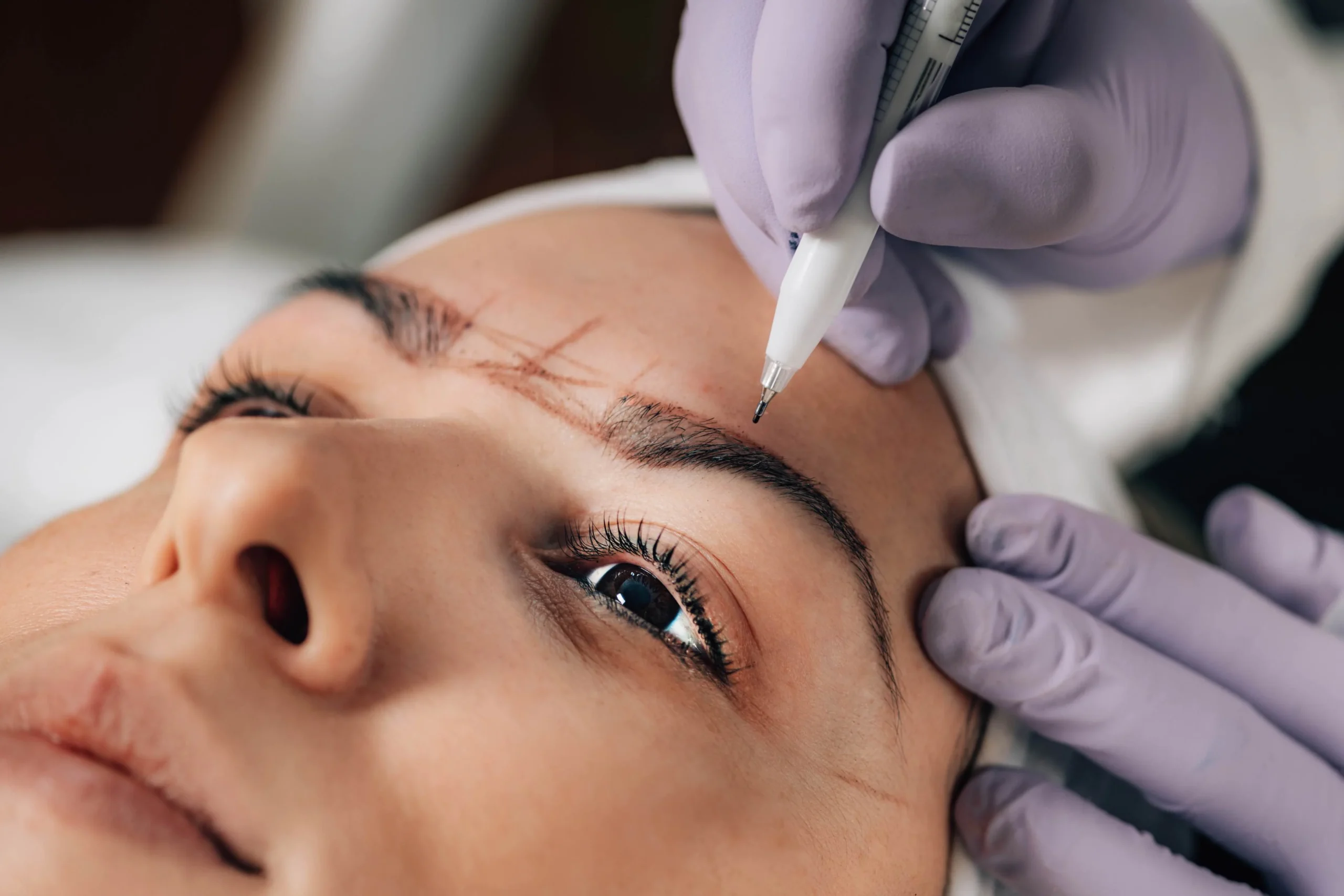
Equipment. Cosmetic tattooing uses specialised PMU devices — pen-style machines with very fine needles that operate at lower power and with shorter stroke lengths than standard tattoo machines. Microblading uses a manual hand tool. The equipment is designed for the precision and gentleness that facial work requires.
Scale. Cosmetic tattoos are small and precise — a brow is a few centimetres long; a lip is a few square centimetres of surface. The scale demands a different kind of precision from a sleeve or a chest panel.
Intended lifespan. Cosmetic tattooing is designed to fade. The industry-standard expectation is that most cosmetic tattoo procedures will require a touch-up every 1 to 3 years, depending on the technique, pigment, client’s skin type, and body area. Decorative tattooing is designed to last a lifetime.
Regulation. The regulatory environment for cosmetic tattooing varies enormously by country and jurisdiction. In some places, cosmetic tattooing is regulated as a beauty therapy; in others, as a medical procedure; in others, as a form of tattooing subject to the same regulations as decorative work; and in some jurisdictions, it is minimally regulated. The EU’s REACH regulation (Regulation (EU) 2020/2081, effective January 2022) restricts certain substances in tattoo and permanent makeup inks. Clients should verify that their practitioner uses compliant pigments and operates within the relevant regulatory framework.
Risks and complications
Cosmetic tattooing carries risks specific to its application area (the face) and to the pigments used.
Allergic reactions. Iron oxide pigments can provoke allergic reactions in a small percentage of clients. Patch testing before the procedure can identify most sensitivities.
Colour change. Cosmetic pigments can change colour over time. Iron oxides in brow pigments can shift toward orange, pink, or grey as they fade. Red pigments in lip work can shift toward blue or purple. The colour-shift behaviour is one of the most challenging aspects of cosmetic tattooing and one of the reasons touch-ups and colour correction are a standard part of the practice.
Migration. Pigment can spread beyond the intended area, particularly in the thin, mobile skin around the eyes. Migrated eyeliner pigment is difficult to correct and can produce a permanent discolouration.
Scarring. Improper technique — particularly in microblading, where the blade creates incisions rather than punctures — can produce scarring if the cuts are too deep or too close together. Repeated microblading over the same area can cause cumulative scarring that is visible once the pigment fades.
Infection. As with any procedure that breaks the skin, cosmetic tattooing carries a risk of infection. Sterile technique, single-use needles and blades, and proper aftercare minimise the risk.
MRI interaction. Cosmetic tattoo pigments containing iron oxide can, in rare cases, interact with the magnetic field during an MRI scan, producing localised warmth or tingling. The risk is low and well-documented; clients should inform their MRI technician about any cosmetic tattoos.
Unsatisfactory results. Poorly shaped brows, uneven colour, incorrect pigment choice, and asymmetry are the most common complaints. Correction and removal of unsatisfactory cosmetic tattooing is possible, but is more difficult, more expensive, and more painful than the original procedure.
Choosing a practitioner
The quality range in cosmetic tattooing is extreme — arguably wider than in decorative tattooing — because the field attracts practitioners from diverse backgrounds with varying levels of training.
Check credentials and training. The minimum acceptable standard is a recognised training programme in the specific procedure being performed (microblading, machine brows, eyeliner, lips, or paramedical work), plus certification in hygiene and blood-borne pathogen safety. In jurisdictions with licensing requirements, verify that the practitioner holds the relevant licence. A weekend course and an Instagram account do not constitute adequate training.
Look at healed work. The advice that applies to every form of tattooing, and that applies with particular urgency in cosmetic work. Fresh cosmetic tattoos look dramatically different from healed ones — the colour is darker, the shape is more defined, and the overall appearance is more intense. The healed result at four to six weeks is the true measure of the practitioner’s skill. Ask to see healed photographs, and be cautious of any practitioner who shows only fresh work.
Look at work on a range of skin types and skin tones. Cosmetic tattooing behaves differently on different skin types — oily skin, dry skin, mature skin, young skin, fair skin, dark skin. A practitioner whose portfolio shows consistent quality across a range of skin types is demonstrating real competence. A portfolio that shows only one skin type may indicate limited experience.
Ask about pigments. A knowledgeable practitioner will be able to tell you which pigment brand they use, what the pigment is made of, whether it is REACH-compliant (in the EU), and how the specific pigment is expected to fade on your skin type. Vague answers to questions about pigment are a warning sign.
Understand the touch-up schedule. Cosmetic tattooing is not a one-time procedure. Most techniques require a follow-up session four to eight weeks after the initial application (to refine the shape, fill in areas where the pigment did not hold, and adjust the colour), plus periodic refreshing every one to three years. The cost of these touch-ups should be part of the financial calculation.
For paramedical work, seek specialised training. Areola reconstruction, scar camouflage, and vitiligo treatment require specific skills beyond standard cosmetic tattooing. A practitioner trained specifically in paramedical micropigmentation — ideally with clinical experience and a portfolio of healed paramedical work — is the appropriate choice for these procedures.
Sources & further reading
- Permanent makeup. Wikipedia. The Free Encyclopedia.
- Deirdre Hooper et al., “Permanent makeup: A review of its technique, regulation, and complications.” Journal of the American Academy of Dermatology, 2024.
- Cleveland Clinic, “Micropigmentation (Permanent Makeup): How it’s Done, Risks.” Available at my.clevelandclinic.org.
- The Aesthetic Society, “Permanent Makeup (Micropigmentation).” Available at theaestheticsociety.org.
- Charles Zwerling, Annette Walker, and Norman Goldstein, Permanent Cosmetics. 1984.
- George Burchett, Memoirs of a Tattooist (edited by Peter Leighton). Oldbourne, 1958.
- Jørgen Serup, Nicolas Kluger, and Wolfgang Bäumler (eds.), Tattooed Skin and Health. Current Problems in Dermatology, vol. 48, Karger, 2015.
- European Chemicals Agency (ECHA), REACH restriction on substances in tattoo inks and permanent make-up. Entry 75 of Annex XVII, Regulation (EU) 2020/2081, entered into force in January 2022.
- Anna Felicity Friedman, The World Atlas of Tattoo. Yale University Press, 2015.
- Matt Lodder, Painted People: Humanity in 21 Tattoos. Harper, 2024.