

Tattoo Symbols
A collection of tattoo symbols, their meanings, origins, history, and what they carry into contemporary tattooing.

Styles & Traditions
Discover what defines each tattoo style or tradition technically, visually, and culturally — and how it behaves on skin.

Science & History
Tattooing through history, technology and techniques, as well as its biological, chemical and psychological aspects.

Publications & Shop
Hand-drawn tattoo albums, design packs, and books — available as downloadable PDFs or in print through Amazon.
Tattoo symbols
The meanings people assign to tattoos shift across cultures, centuries, and between individuals who wear them. A symbol that reads as sacred in one context reads as decorative in another, and occasionally as offensive in a third. Knowing the lineage does not dictate what a tattoo must mean to its wearer, but it prevents the wearer from carrying something they did not intend to carry.
Each article in this collection covers a specific tattoo symbol — its origin, the cultures that used it, the meanings it accumulated over time, and the forms it takes in contemporary tattooing — organised by subject: animals, botanicals, maritime, mythology and fantasy, sacred and spiritual, subculture, objects, and patterns.
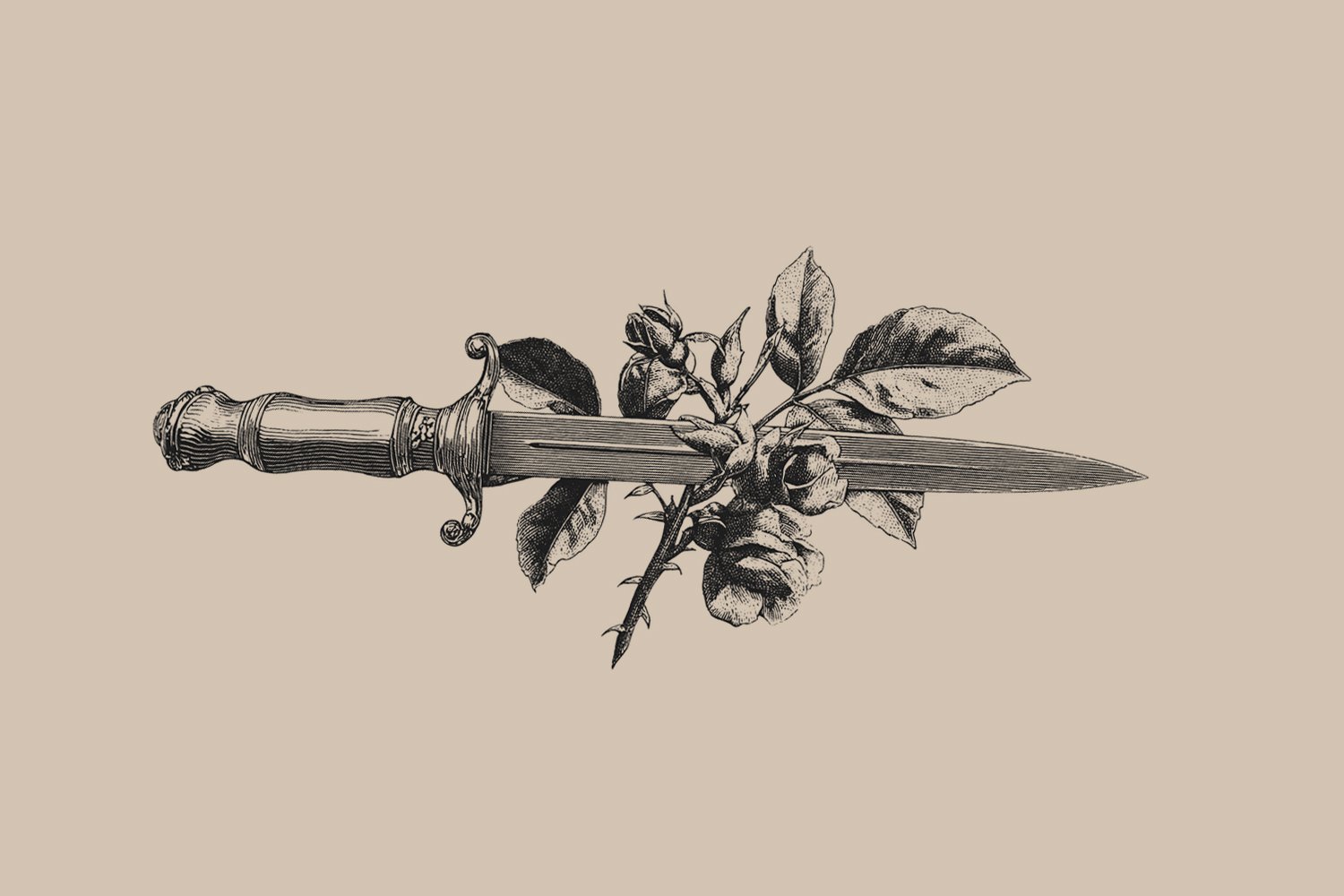
Dagger tattoo
The dagger is one of the most ancient objects humans have made, and it carries the accumulated weight of every function it has served — weapon, tool, ritual instrument, status symbol, sacred article, and element of visual art. A dagger tattoo can carry many meanings at once: personal and historical, martial and aesthetic, aggressive and protective.
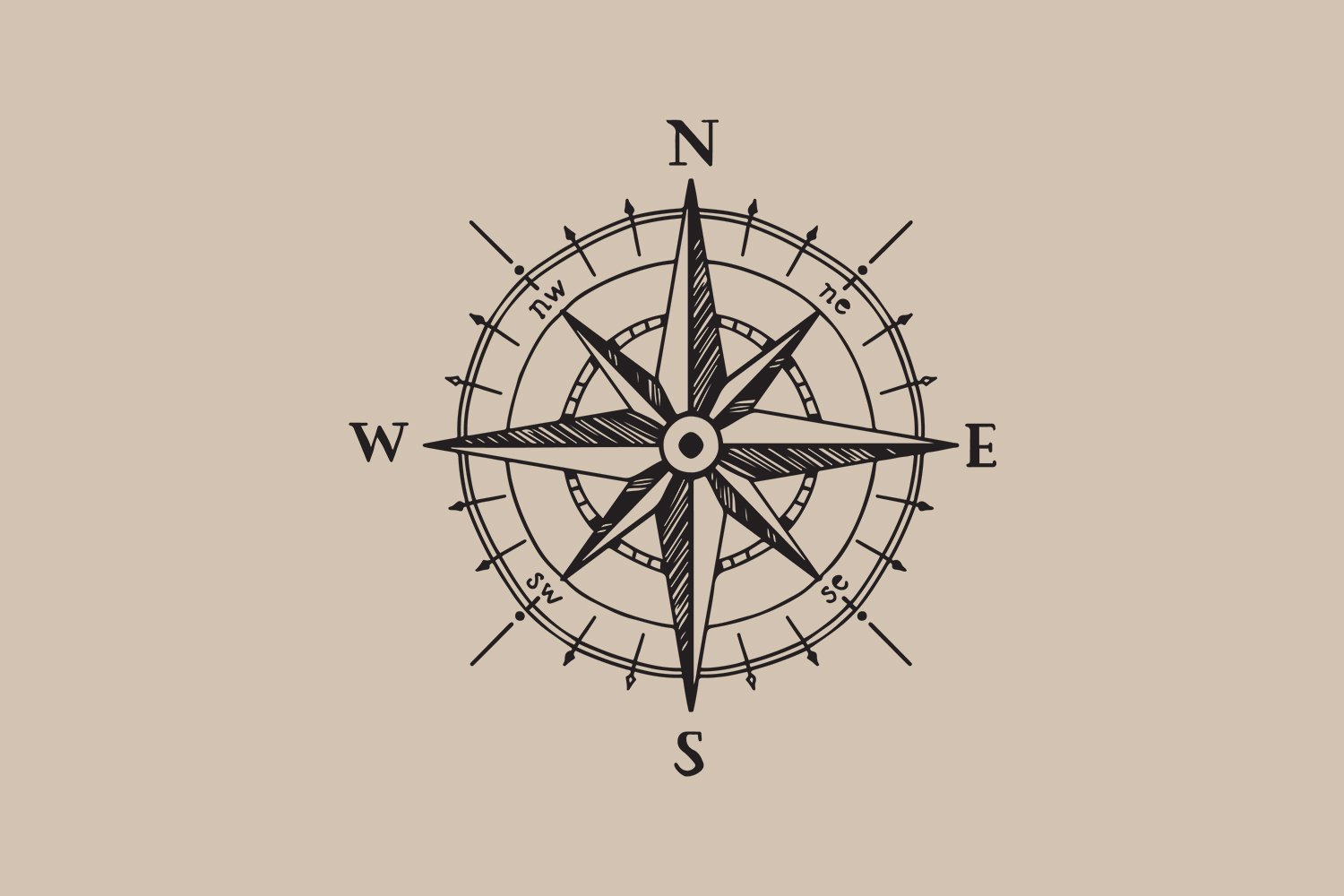
Compass tattoo
The compass has been a tool of sailors, soldiers, explorers, surveyors, hikers, pilots, and anyone who has ever needed to know which direction they were facing. It has been in continuous use for over a thousand years. As a tattoo, it draws on all of that accumulated use — every hand that has held a compass and used it to find a way through.

Tall ship tattoo
A sailor wearing a fully rigged ship tattoo in 1920 was displaying a credential. A person wearing a fully rigged ship tattoo today may be referencing that tradition, or they may be referencing personal resilience, a love of maritime history, a specific life transition, the romance of the age of sail, or the sheer beauty of a vessel under canvas. All of these readings are legitimate.
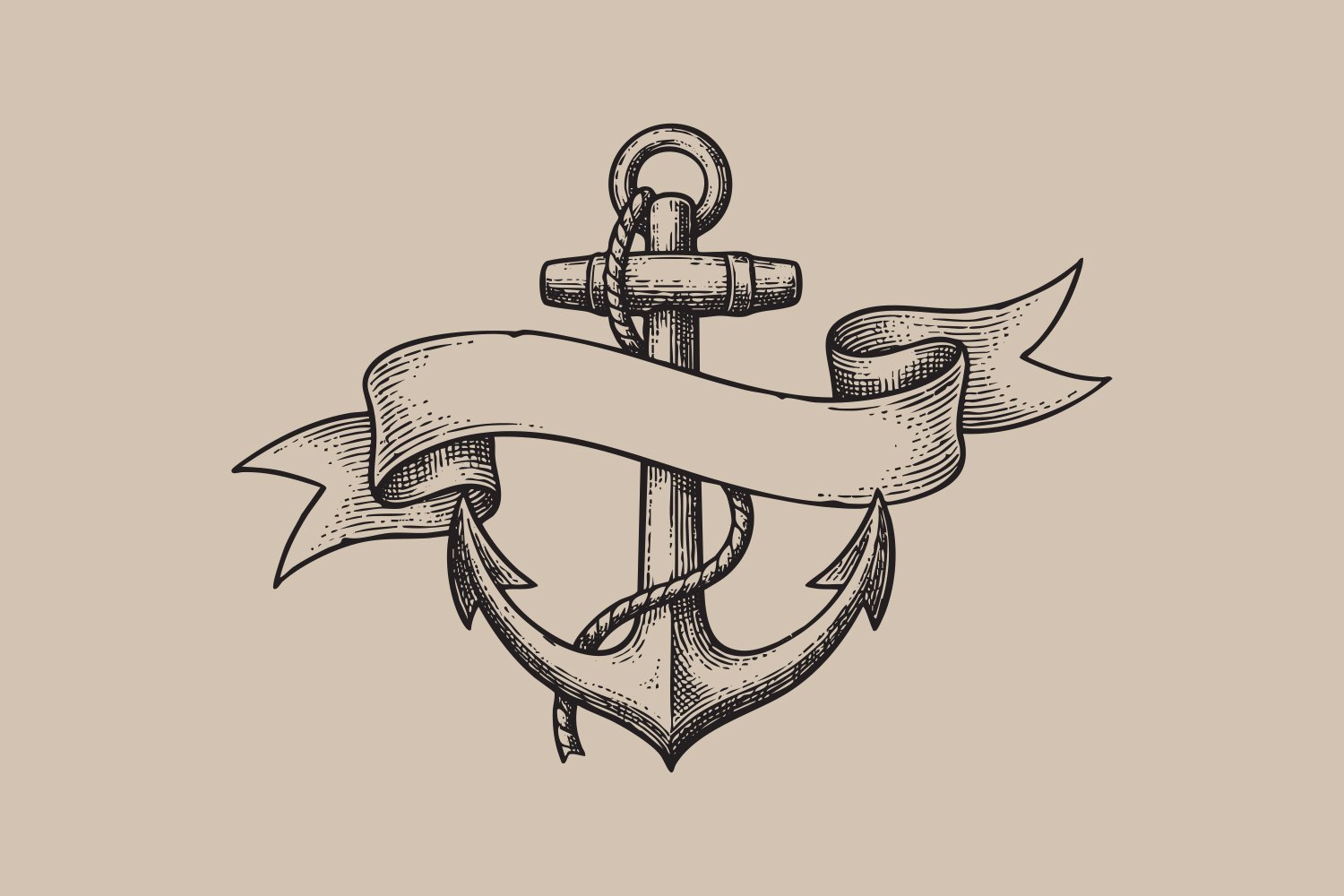
Anchor tattoo
The anchor tattoo is one of the oldest and most recognisable motifs in the world of body art. Simple in shape, yet rich in meaning, this symbol has been etched into the skin of seafarers, soldiers, and civilians alike for centuries. Far more than a decorative choice, the anchor carries deep historical, cultural, and personal significance.
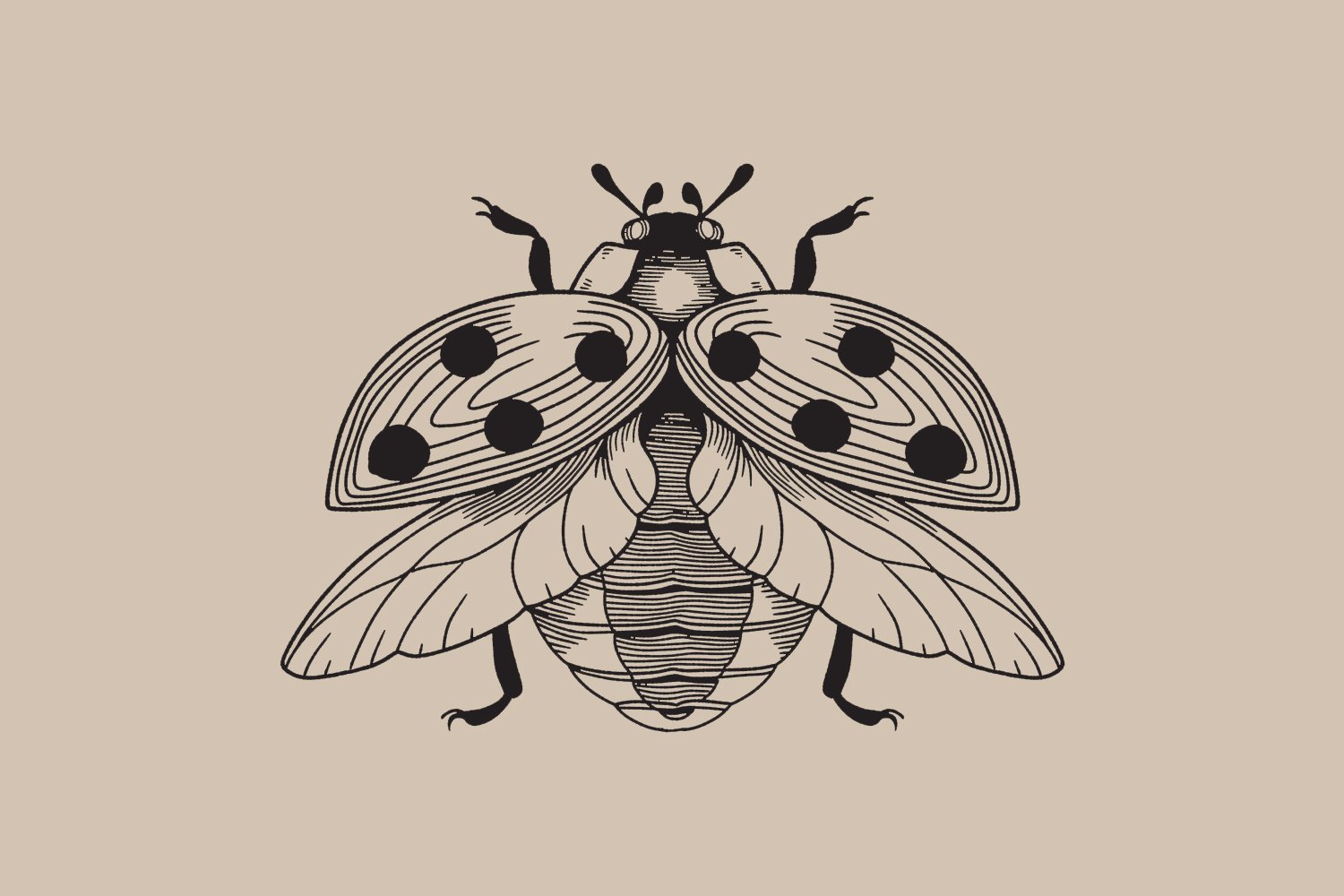
Ladybug / Lady beetle tattoo
The ladybug is one of the few insects almost nobody finds disgusting. Its folkloric meaning is positive across every culture that has a tradition for it. For someone who wants a tattoo carrying meaning without baggage, the ladybug tattoo offers something genuinely rare: a symbol most people read as warm without needing the wearer to explain why.
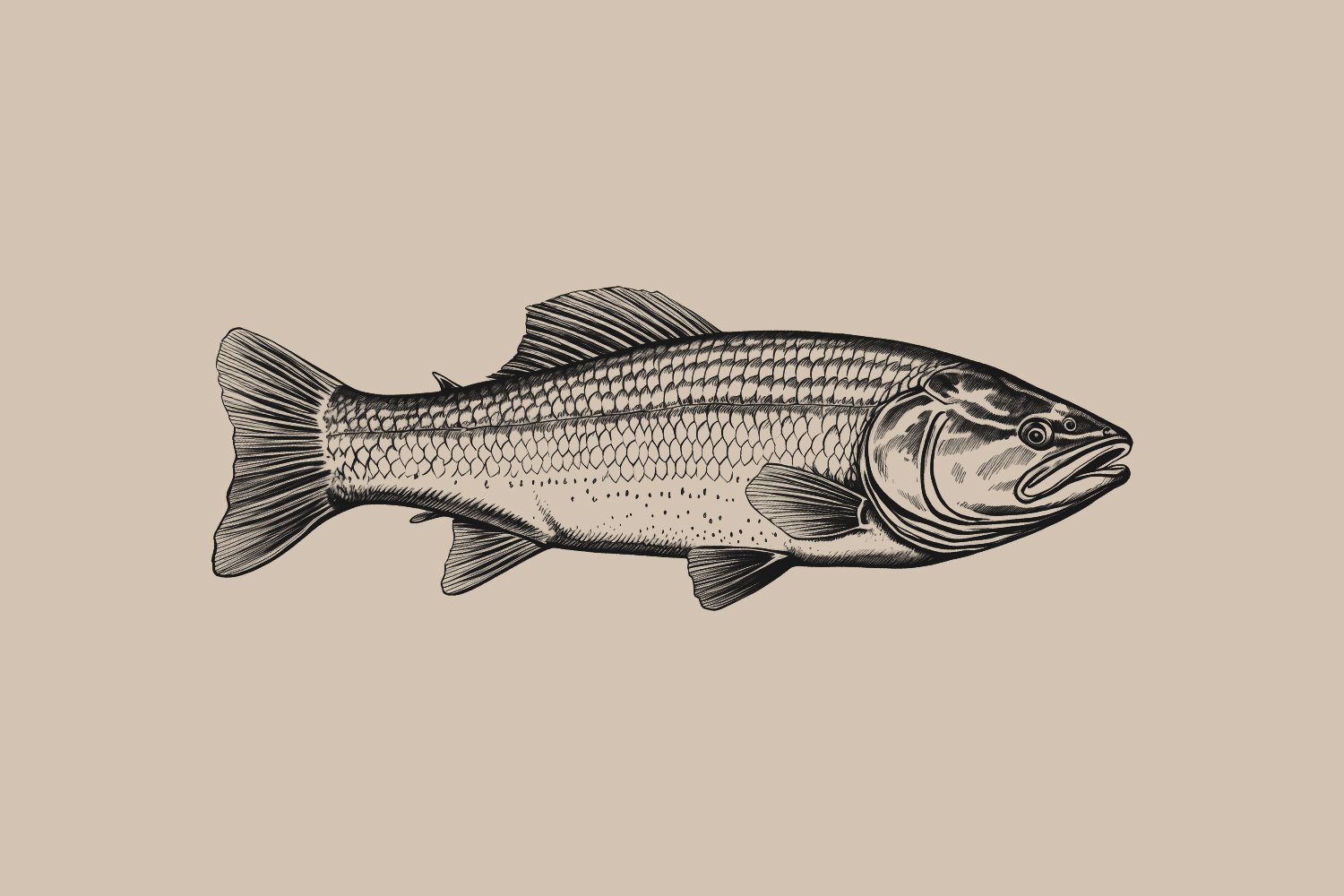
Fish tattoo
Fish are among the oldest symbolic animals in human culture. They appear in the earliest known art, and they hold sacred or symbolic positions in virtually every civilisation that lived near water, so every civilisation that has ever existed. Fish symbolise fertility, abundance, knowledge, transformation, freedom, the unconscious, the soul, and the divine.
Tattooing styles & traditions
Style is not a matter of taste alone — it is a set of technical commitments with material consequences and a set of decisions made before and during the work. Technology, line weight, needle configuration, ink density, shading method, colour palette, and compositional rules vary across styles, and these differences affect how a tattoo looks and how it reads years later. Many entries here describe tattooing traditions — practices in which method, meaning, and cultural context are inseparable.
If you’re looking for a good starting point for learning tattoo styles, check out my article: List of Tattooing Styles.
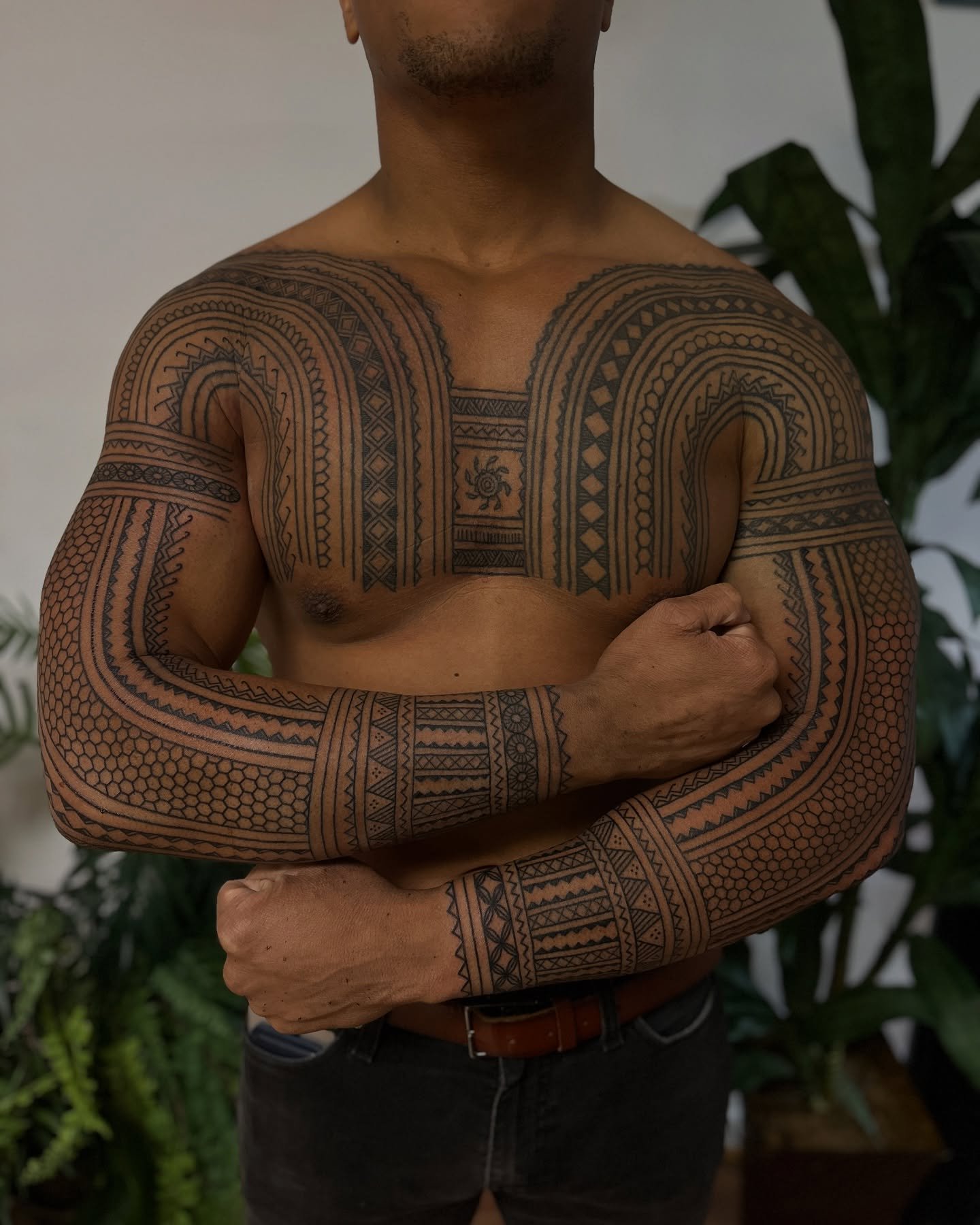
Filipino batok/batuk/patik
The Philippines has one of the deepest and most diverse tattooing traditions in the Austronesian world. Before the Spanish colonial period, tattooing was practised by almost every ethnic group across the archipelago — in the Visayas, Luzon, Mindanao, and the smaller island groups.
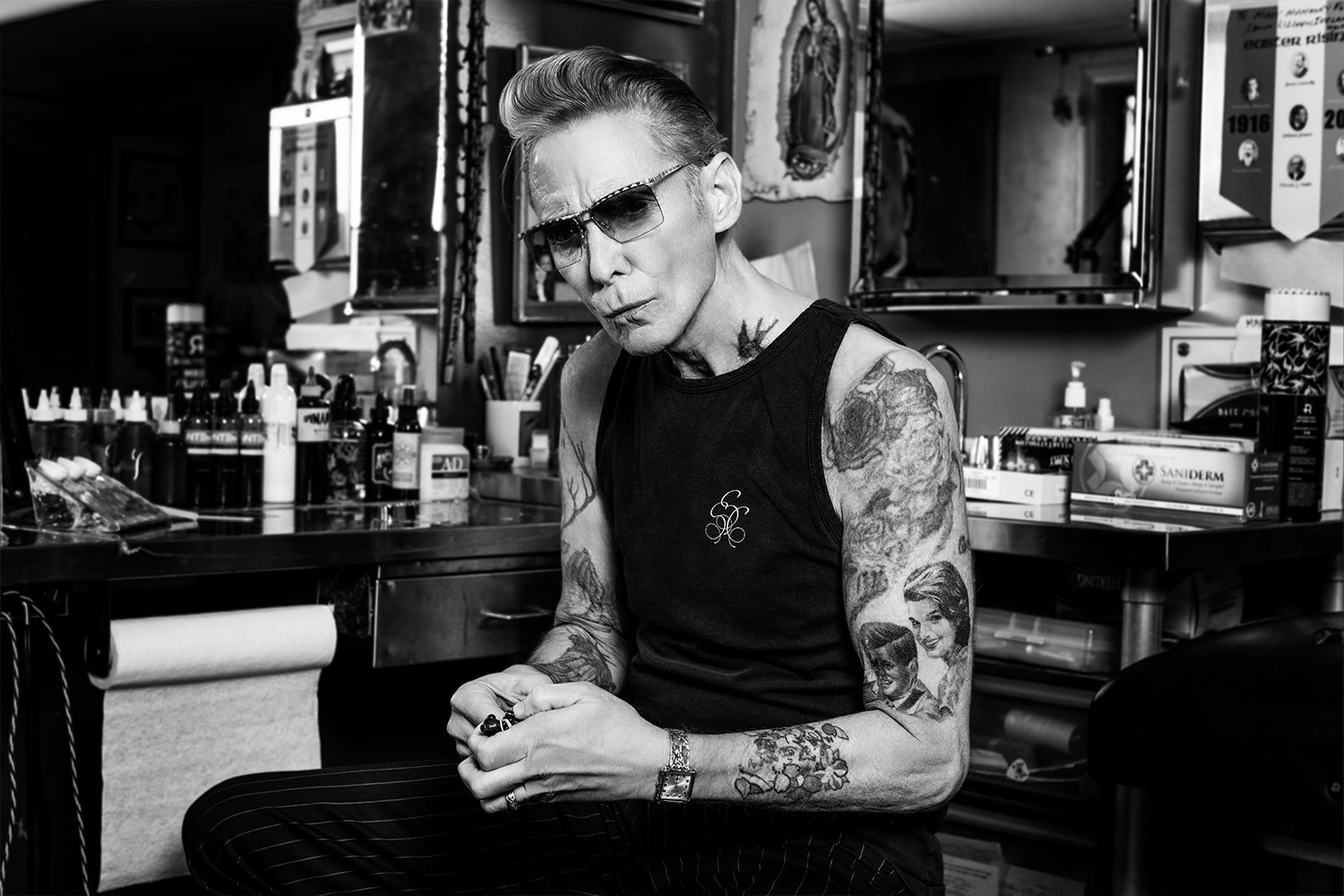
Mark Mahoney tattoo artist
Mahoney’s career spans the full arc of the transformation of American tattooing from underground craft to mainstream cultural practice. He started in 1977, tattooing illegally in Boston motorcycle clubhouses. He tattooed punk legends on the Lower East Side when tattooing was illegal in New York. He learned the Chicano tradition at the Pike (…)
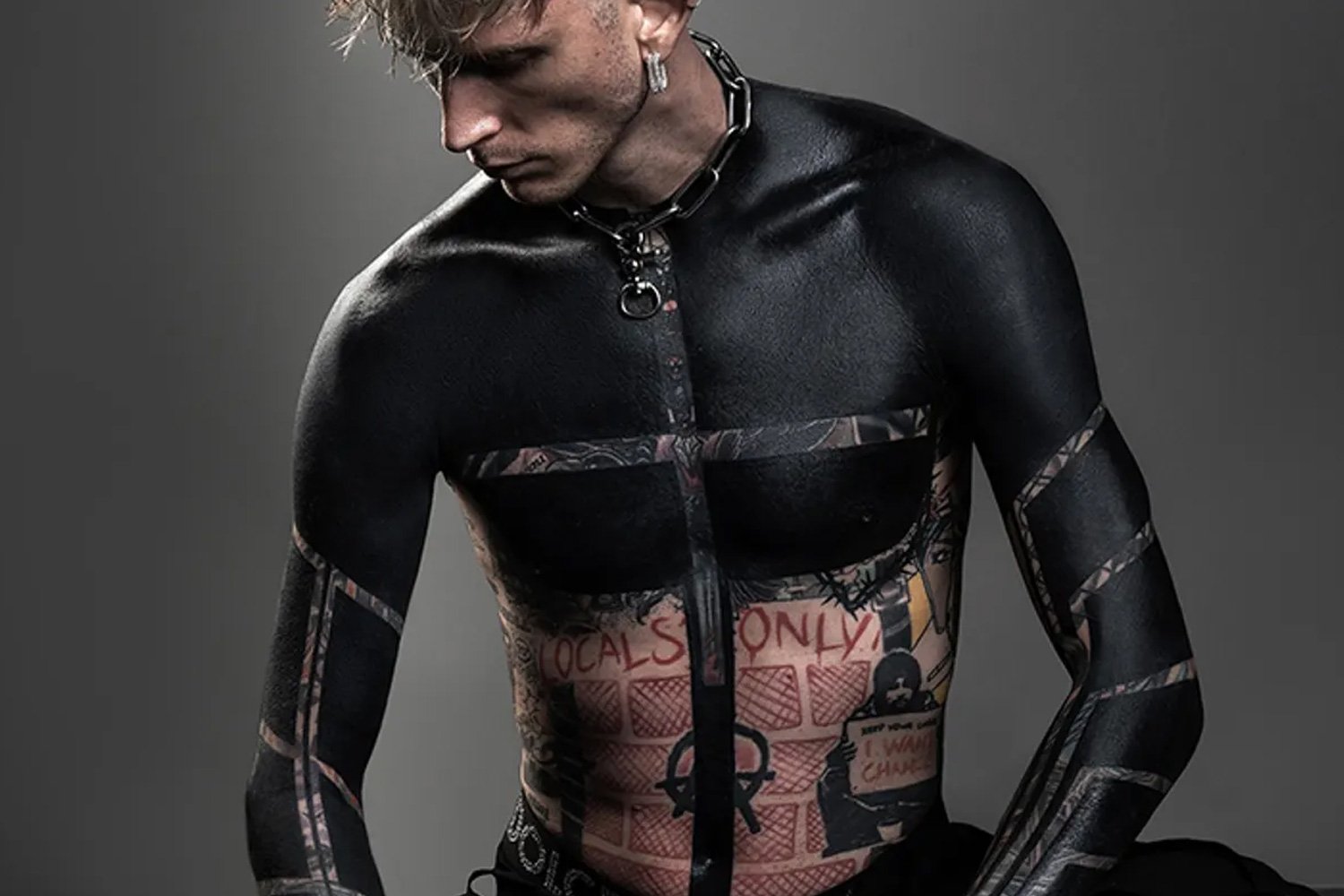
Blackout
Blackout sits at one end of the blackwork spectrum. Where most blackwork styles use the interplay between black ink and bare skin — pattern, line, dot, negative space — blackout eliminates the interplay. The skin within the designated area becomes a black surface. Whatever the skin was before disappears under the thick layer of black ink.
Ornamental
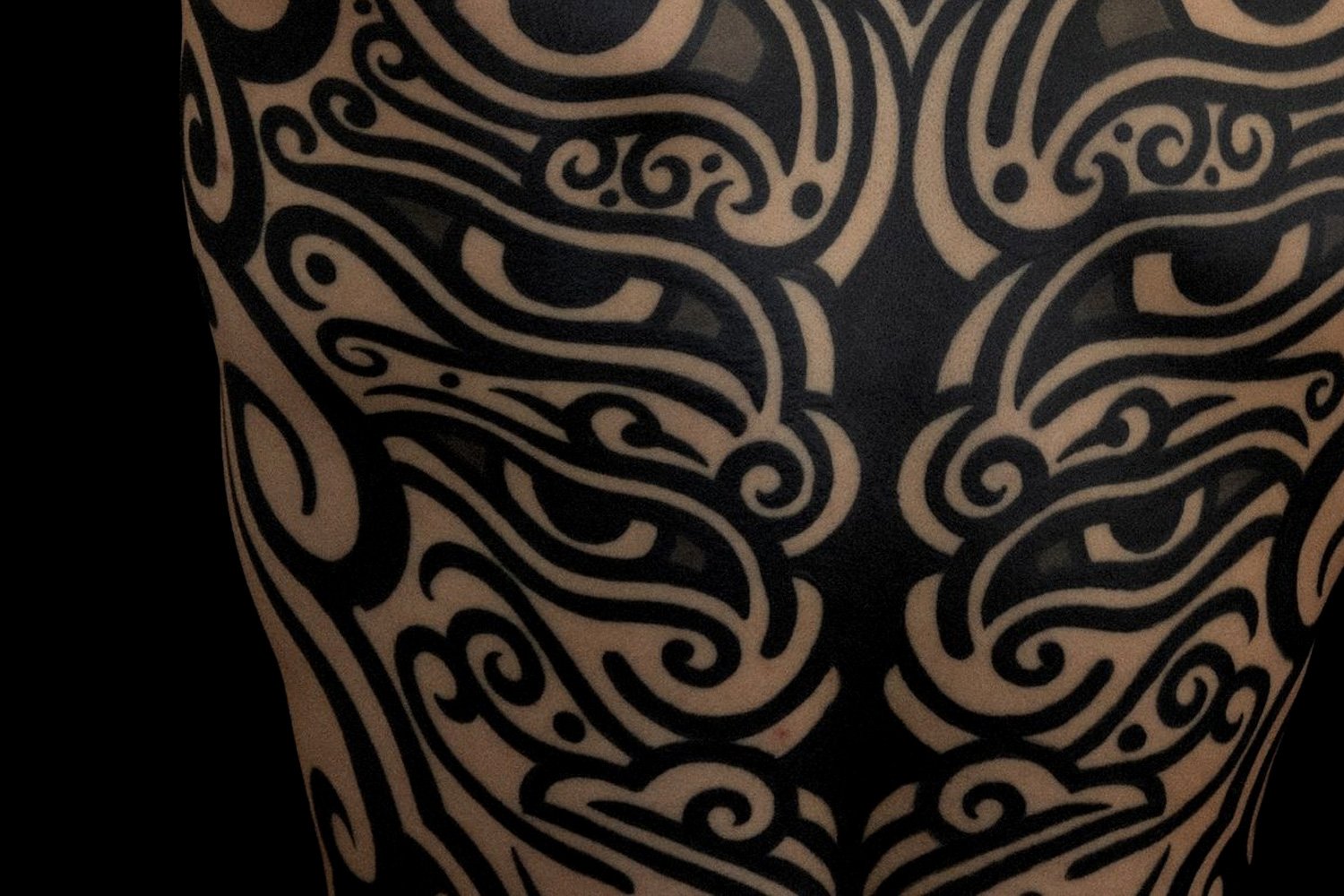
Ornamental tattooing is the style where the representation drops away and the decoration itself becomes the subject. The pattern is the content. The beauty of the arrangement is the meaning. Ornamental design — pattern, motif, and decorative composition applied to surfaces to make them beautiful — is one of the oldest human visual practices.
Berber (Amazigh) ticharet
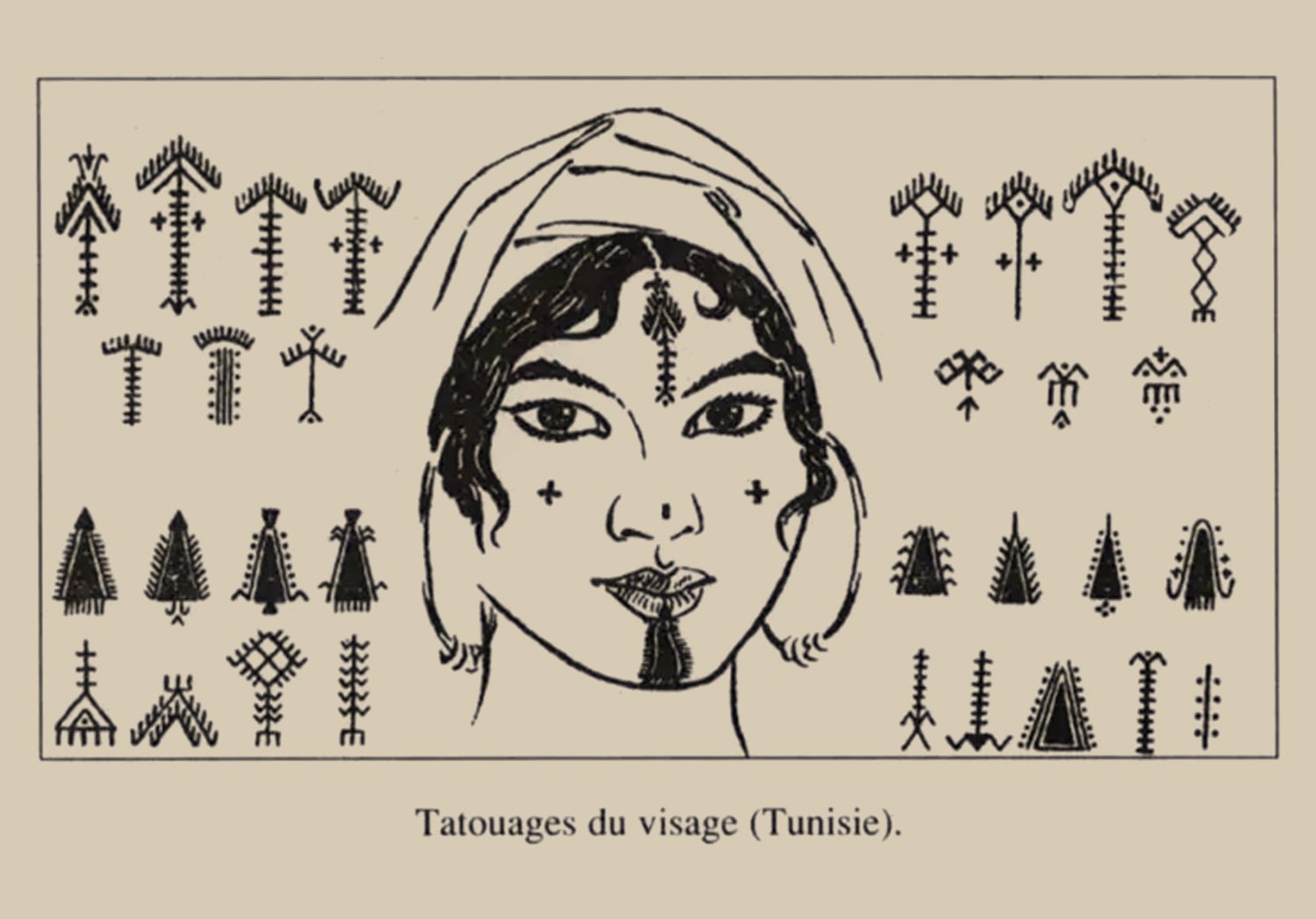
Amazigh tattooing (ticharet) was overwhelmingly a women’s practice. Women received the tattoos; applied them; held the knowledge of which symbols meant what and which designs belonged to which occasions. This makes Amazigh tattooing one of the few tattoo traditions in the world that was created and controlled entirely by women.
Dr. Woo — Biran Woo tattoo artist
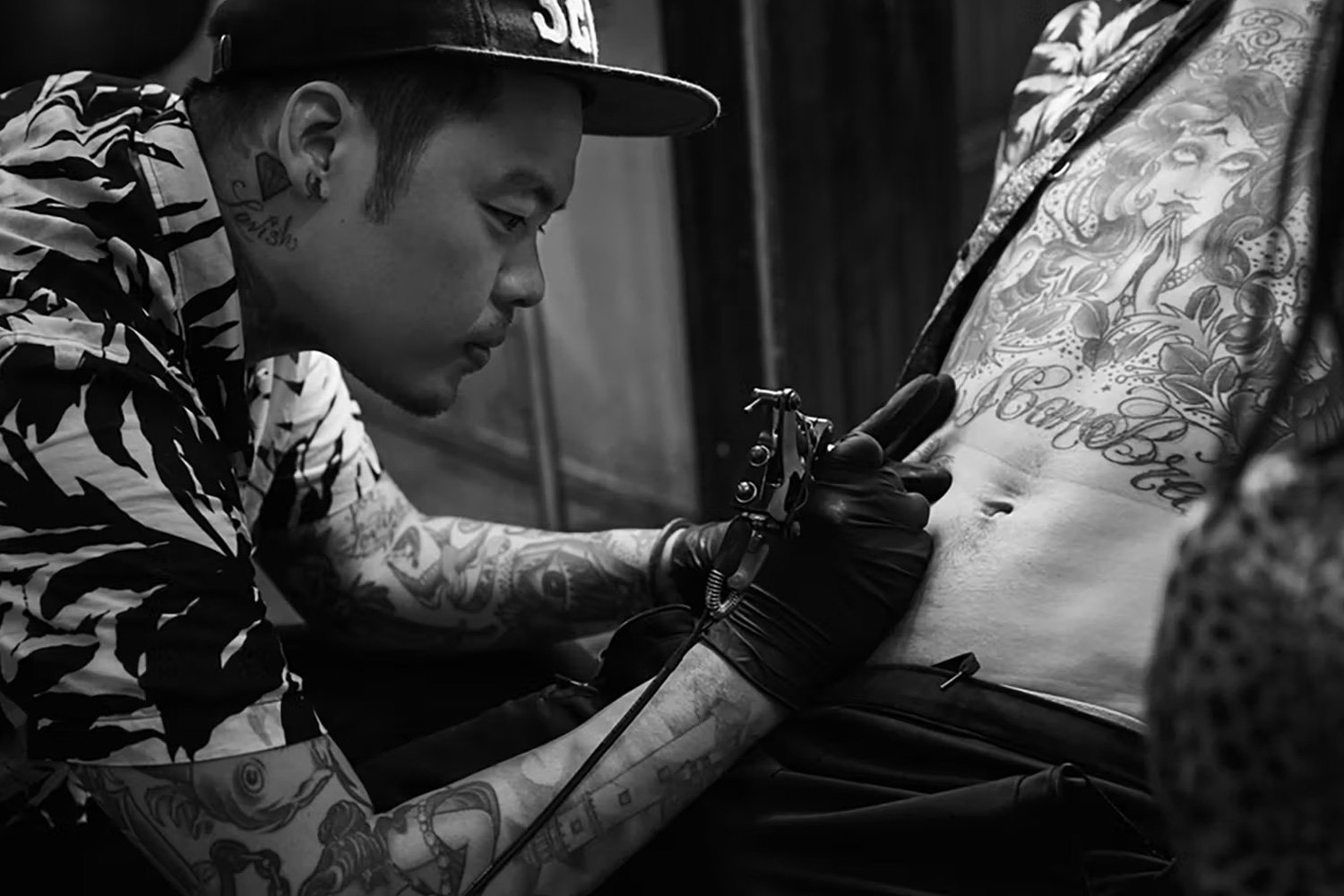
Dr. Woo occupies a specific position in the arc of American tattooing. He is the artist who took the Chicano single-needle tradition and translated it into the visual language of the 2010s and 2020s: fine, detailed, fashion-conscious, Instagram-native, and accessible to a clientele that extends far beyond the working-class and subcultural communities.
Science & History of tattooing
The documented tattoo history is long. It stretches across Polynesia, Japan, North Africa, the Arctic, Southeast Asia, the Americas, and eventually the industrialised tattoo shops of nineteenth-century Europe and the United States. Each of these traditions developed its own tools, techniques, pigments, and reasons for marking the body. The science of tattooing is just as fascinating. How ink stays in the skin, why it degrades, how needle technology and ink chemistry have changed what is physically possible, and how the process of being tattooed can affect our perception of the craft itself — these are questions with specific, documented answers.
The articles here cover the history of tattooing across cultures and periods, as well as the biology, chemistry, psychology, various tattooing techniques, and the technology behind the practice itself.
Jack Rudy
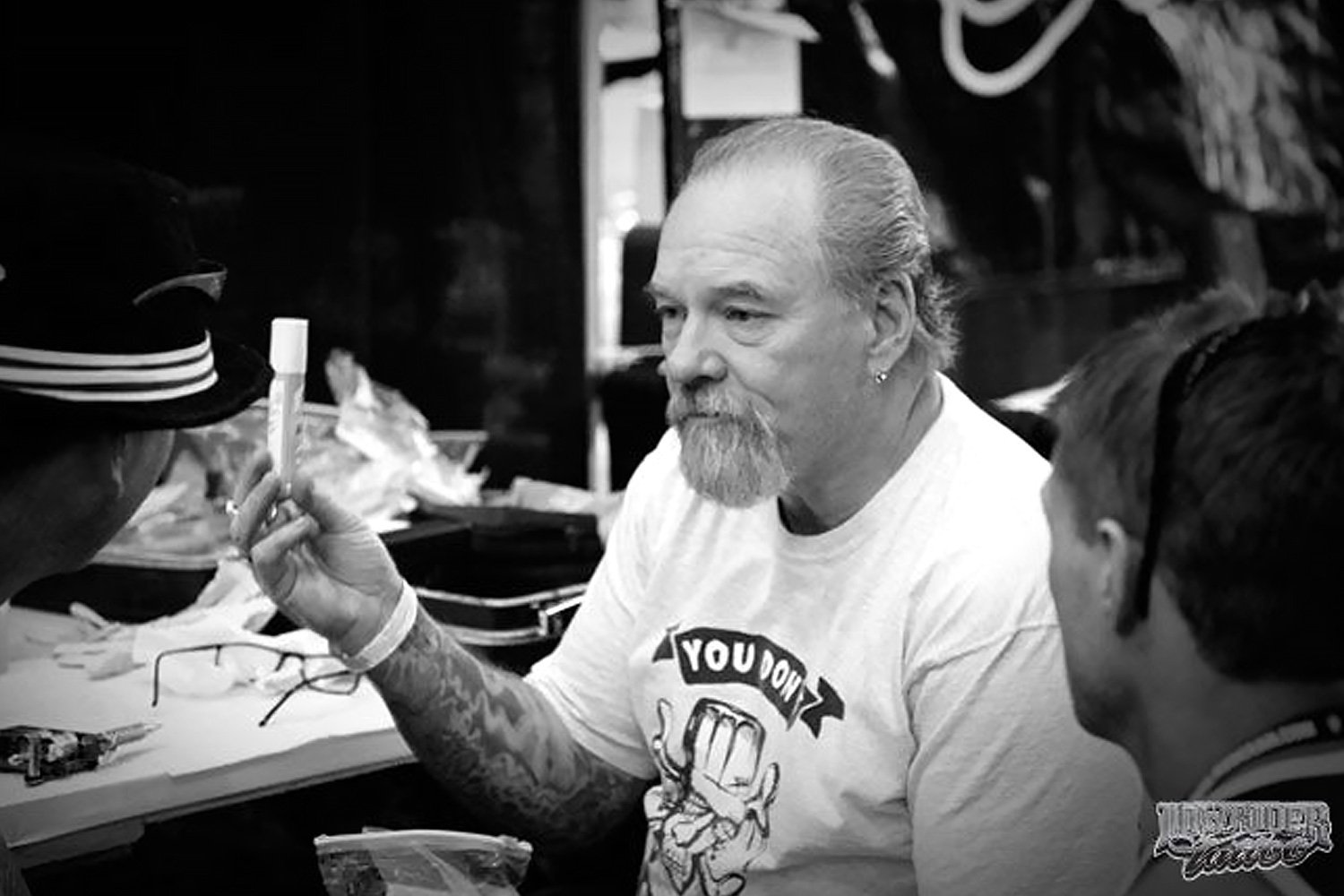
His position in the lineage of American fine-line tattooing is as the technical innovator. It was Jack Rudy who solved the engineering problem — who built the machine, developed the greywash method, and refined the technique to the point where it could produce photorealistic portraiture on skin using a single needle and black ink.
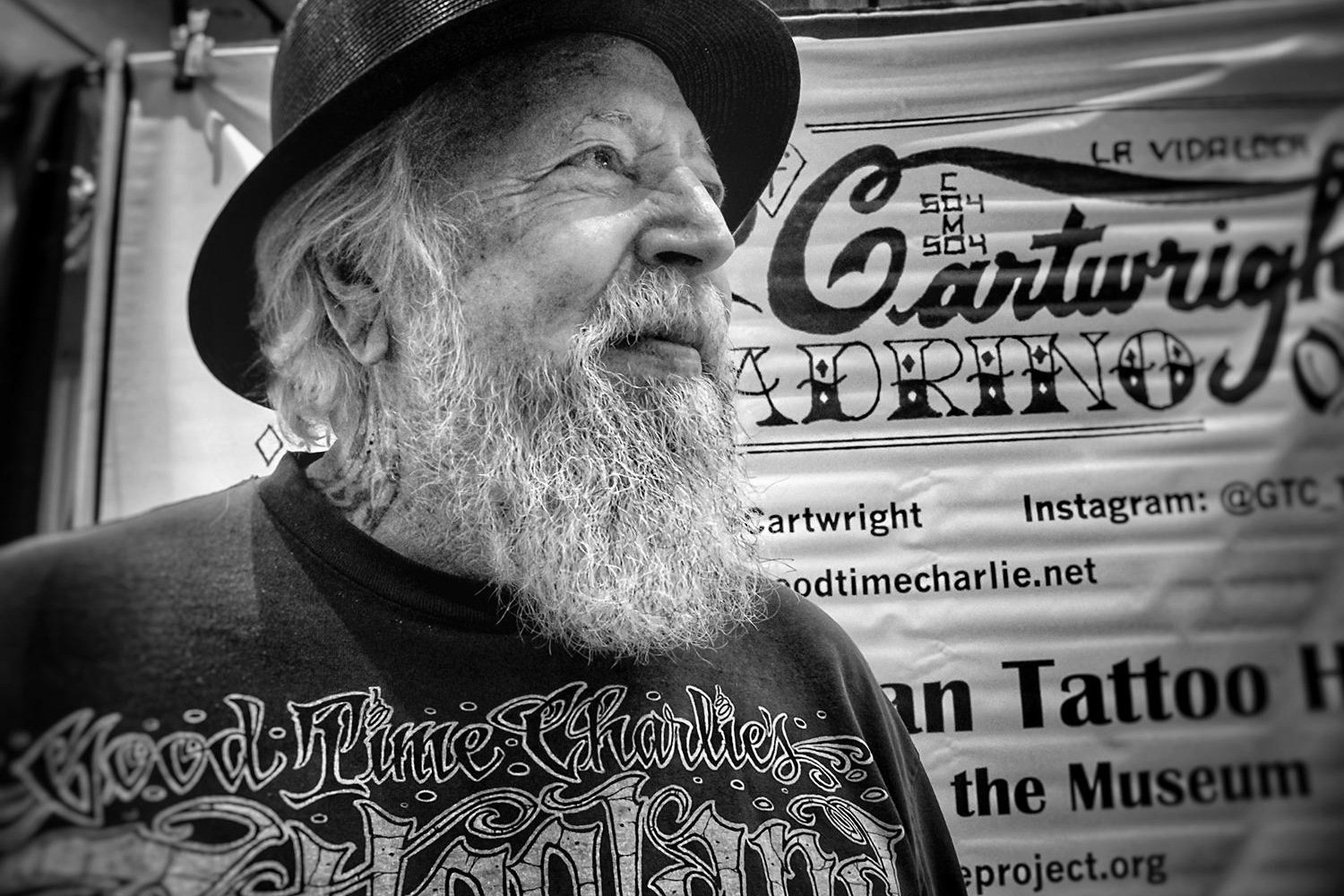
Good Time Charlie Cartwright
Charlie Cartwright’s contribution to tattooing is architectural. He built the structure — the shop, the team, the conditions — within which the single-needle black-and-grey technique was professionalised. The technique existed before him (in the prisons), and the technique was refined by others alongside and after him. But he was the one who opened the door.
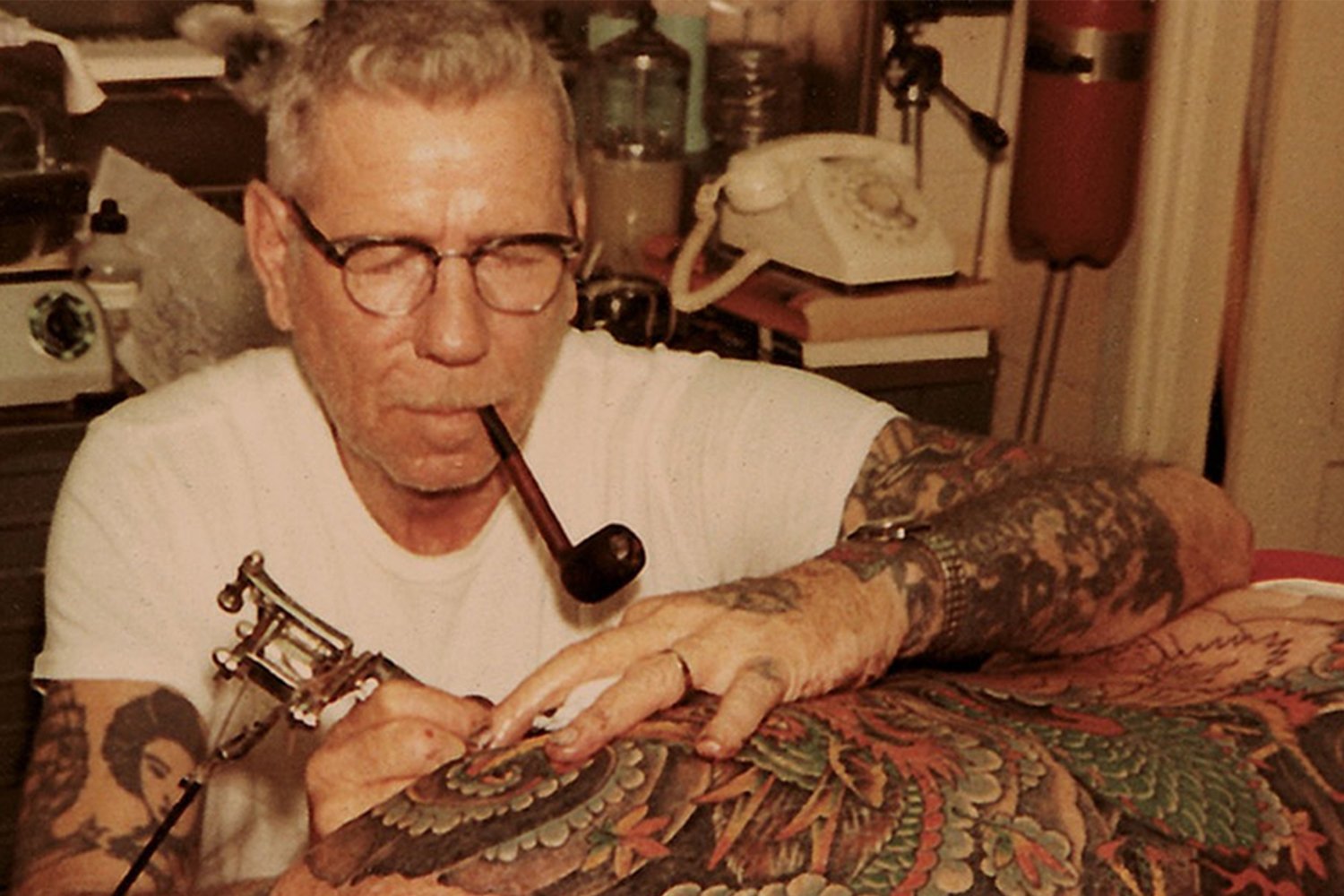
Sailor Jerry — Norman Keith Collins
Norman Keith Collins (1911–1973), best known as “Sailor Jerry,” was a U.S.-based tattoo artist who worked primarily in Honolulu and became a key bridge between early 20th‑century American flash tattooing and later “tattoo renaissance” practice that treated tattooing as a serious craft with international artistic references.
