

Tattoo Symbols
A collection of tattoo symbols, their meanings, origins, history, and what they carry into contemporary tattooing.

Styles & Traditions
Discover what defines each tattoo style or tradition technically, visually, and culturally — and how it behaves on skin.

Science & History
Tattooing through history, technology and techniques, as well as its biological, chemical and psychological aspects.

Publications & Shop
Hand-drawn tattoo albums, design packs, and books — available as downloadable PDFs or in print through Amazon.
Tattoo symbols
The meanings people assign to tattoos shift across cultures, centuries, and between individuals who wear them. A symbol that reads as sacred in one context reads as decorative in another, and occasionally as offensive in a third. Knowing the lineage does not dictate what a tattoo must mean to its wearer, but it prevents the wearer from carrying something they did not intend to carry.
Each article in this collection covers a specific tattoo symbol — its origin, the cultures that used it, the meanings it accumulated over time, and the forms it takes in contemporary tattooing — organised by subject: animals, botanicals, maritime, mythology and fantasy, sacred and spiritual, subculture, objects, and patterns.
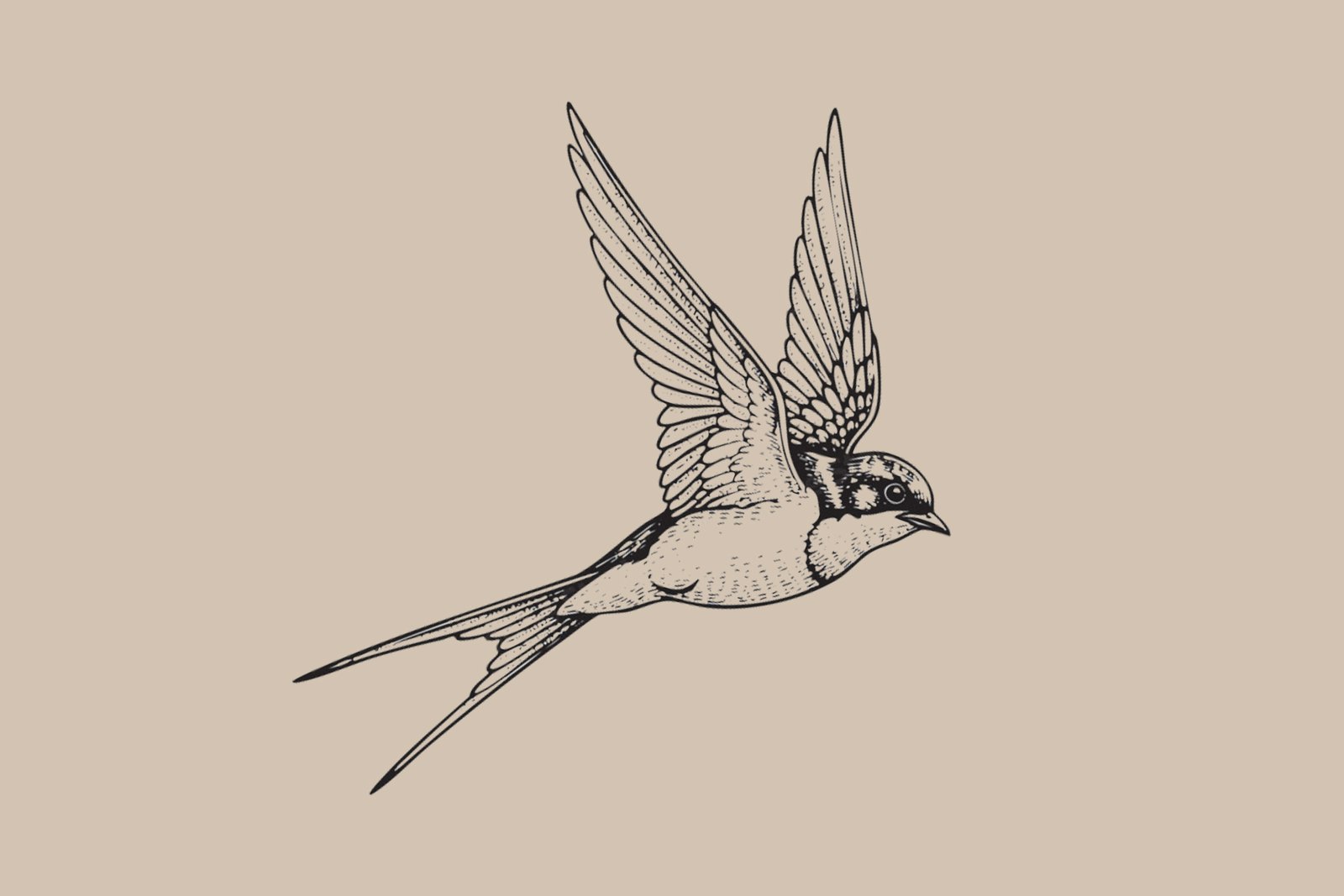
Swallow tattoo
The swallow is one of the most symbolically loaded birds in the world, and one of the most frequently tattooed. Its meanings have accumulated across millennia — in ancient Greece, in Roman funeral practice, in Chinese poetry, in Christian theology, in the nautical traditions of the Atlantic and Pacific, in British working-class culture(…).
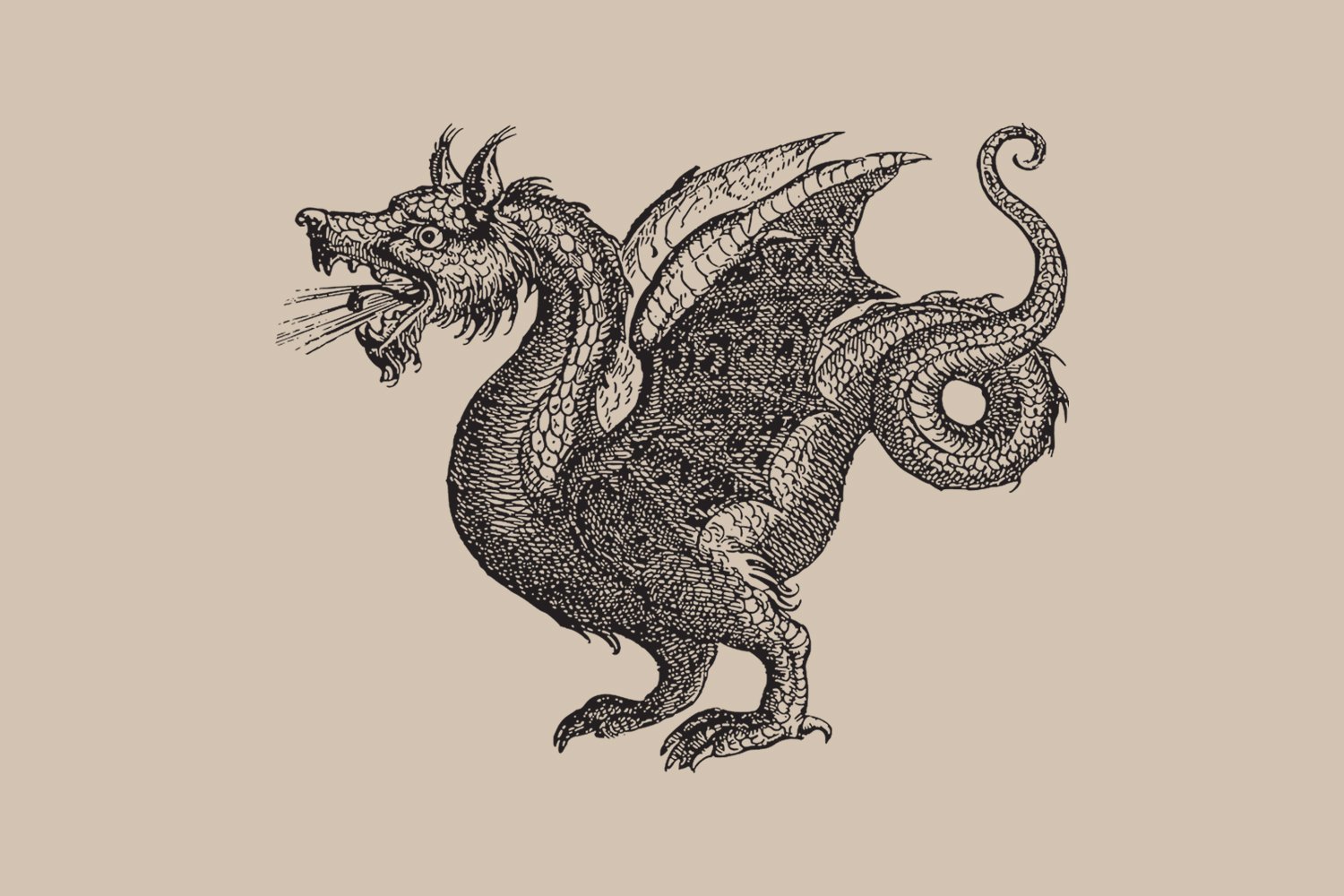
Dragon tattoo
The dragon is one of the most enduring and powerful symbols in tattoo history. With roots in both Eastern and Western mythology, it represents strength, transformation, and protection. From ancient Chinese emperors to modern fantasy fans, dragon tattoo holds rich cultural, spiritual, and historical meaning that continues to evolve.
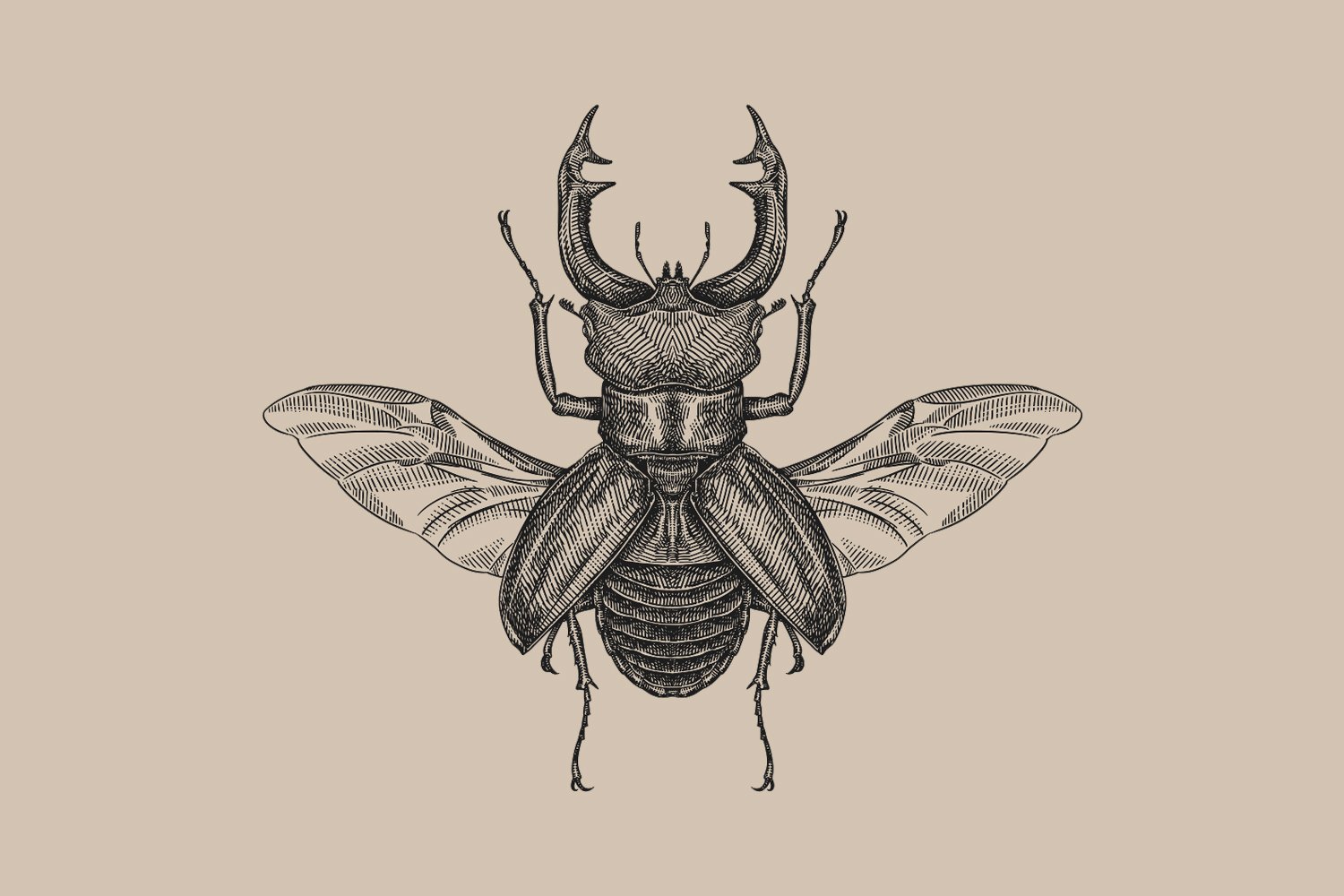
Beetle tattoo
A beetle tattoo is an unusual choice, and that is part of its meaning. In a world where lions, wolves, eagles, and snakes dominate the animal-tattoo vocabulary, choosing an insect is a statement in itself — a declaration that beauty, strength, and symbolic depth can be found in forms that most people overlook or dismiss. Beetles are the most (…)
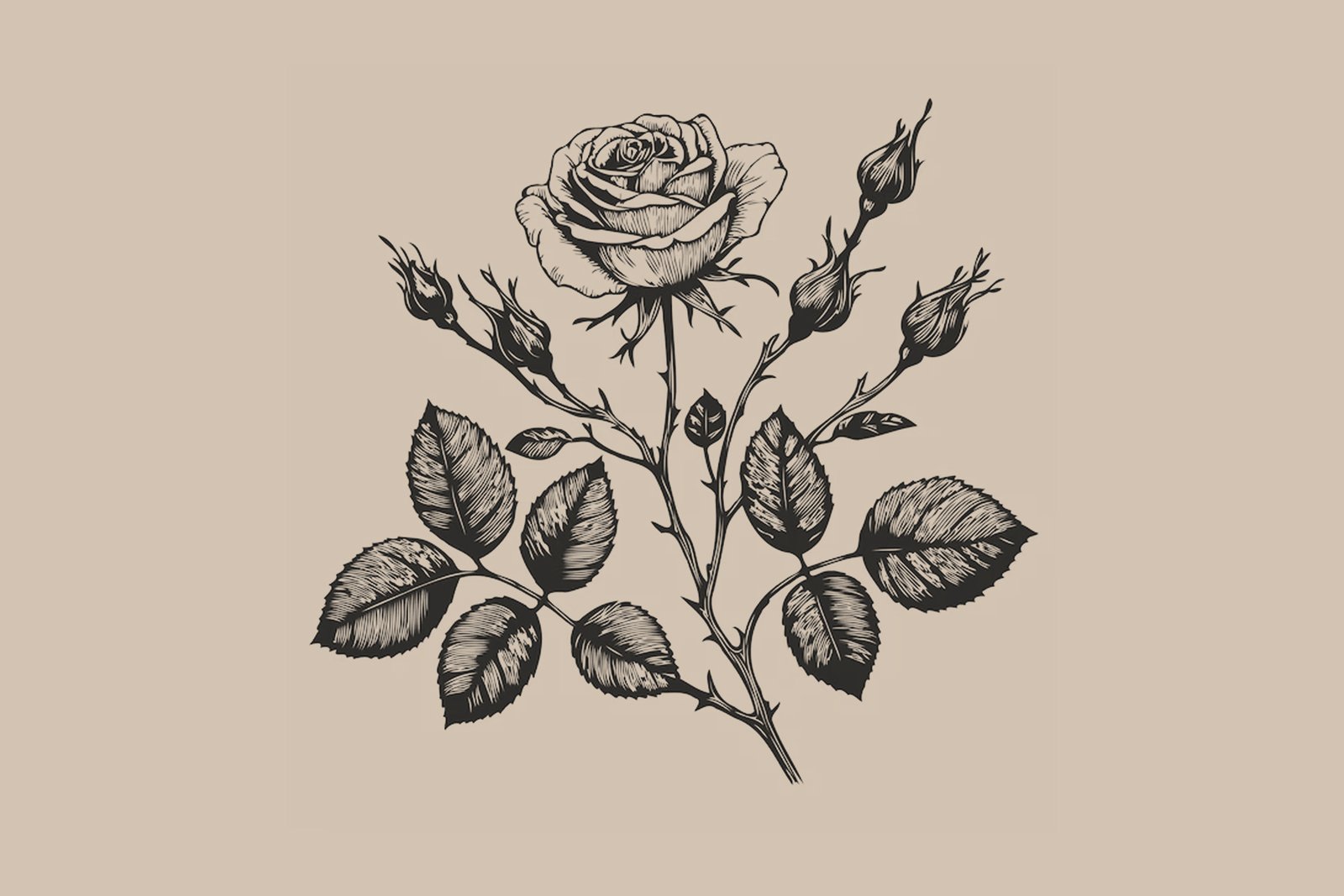
Rose tattoo
The rose is almost certainly the single most frequently tattooed image in Western tattooing. It has been part of the flash vocabulary since the earliest commercial tattoo shops, it crosses every major style from traditional to fine line, it appears on every body part, and it carries a range of meanings wide enough to accommodate almost any personal intention.
Eagle tattoo
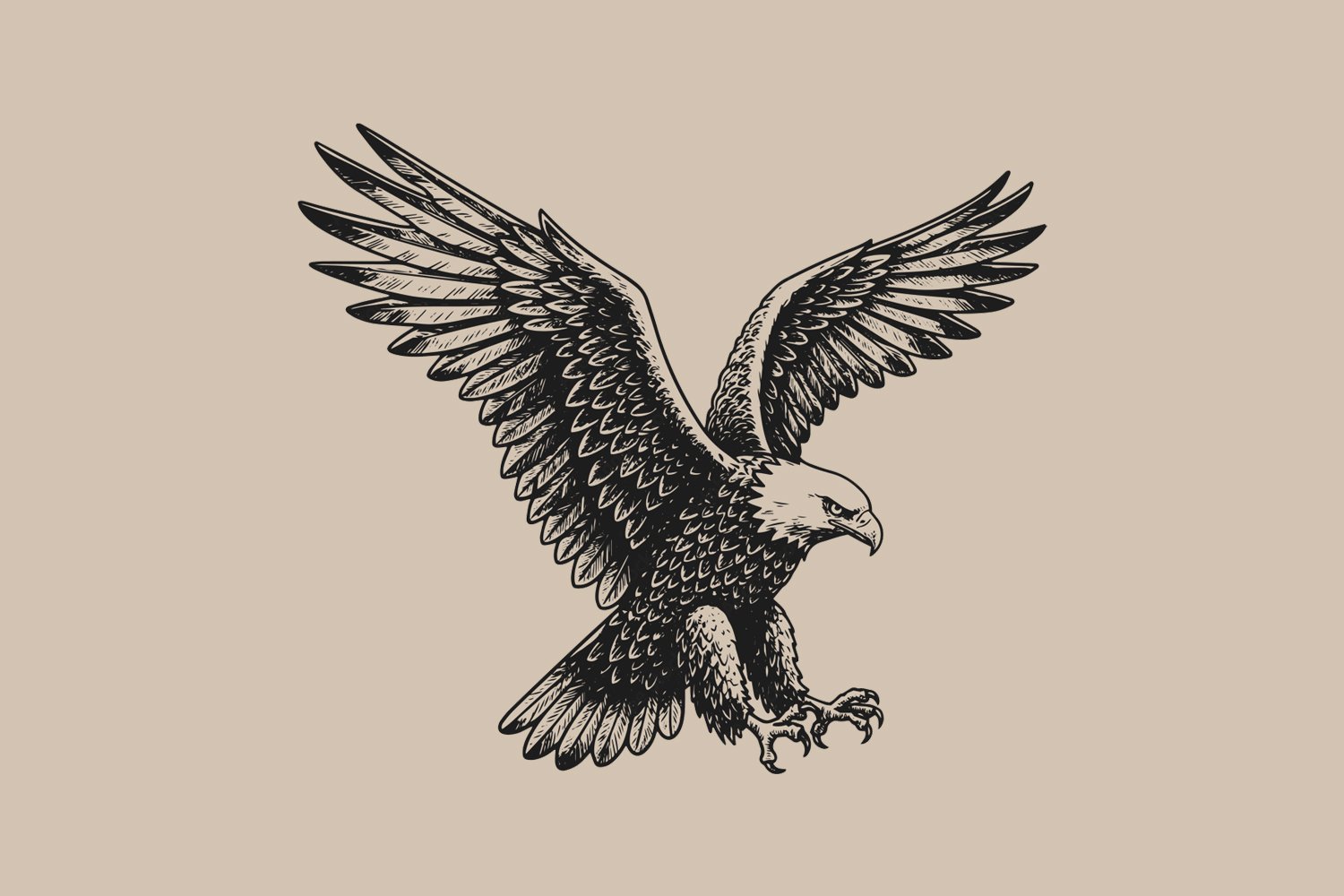
The eagle occupies the highest position in nearly every symbolic system that includes it. In Greek mythology it carries the thunderbolts of Zeus. In Roman military culture it is the standard of the legion. In Christianity it is the symbol of John the Evangelist and a figure of the Resurrection. Eagles occur in the heraldic traditions and as national symbols of many countries (…).
Tear / Teardrop tattoo
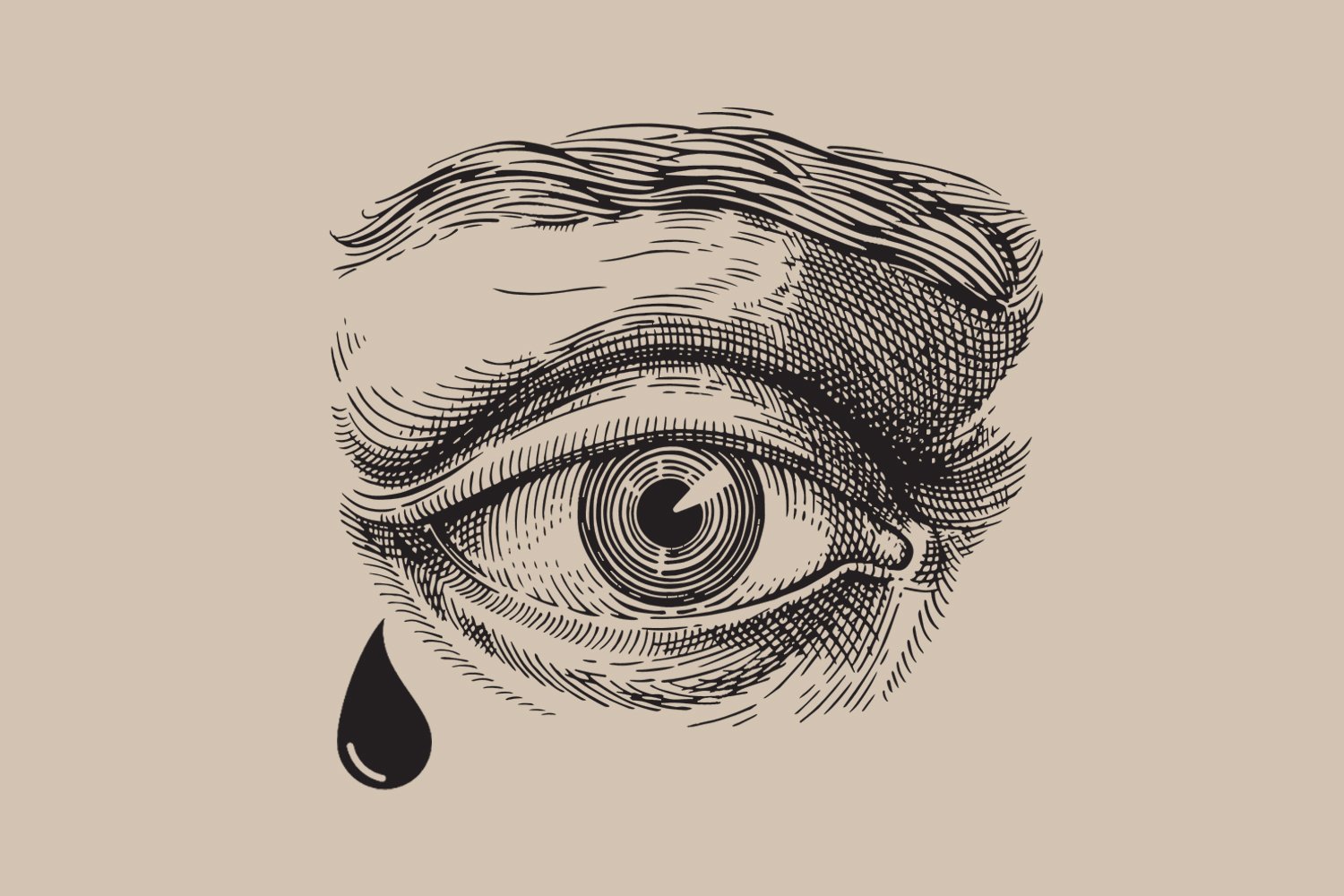
Few tattoo symbols stir as much curiosity or misunderstanding as the teardrop tattoo. Small and placed under the eye, it’s more than just decoration — it often signals a deep personal history. While commonly associated with prison life and gang culture, its meaning isn’t fixed. For some, it represents loss or mourning; for others, acts of violence or survival.
Tattooing styles & traditions
Style is not a matter of taste alone — it is a set of technical commitments with material consequences and a set of decisions made before and during the work. Technology, line weight, needle configuration, ink density, shading method, colour palette, and compositional rules vary across styles, and these differences affect how a tattoo looks and how it reads years later. Many entries here describe tattooing traditions — practices in which method, meaning, and cultural context are inseparable.
If you’re looking for a good starting point for learning tattoo styles, check out my article: List of Tattooing Styles.
Minimalism
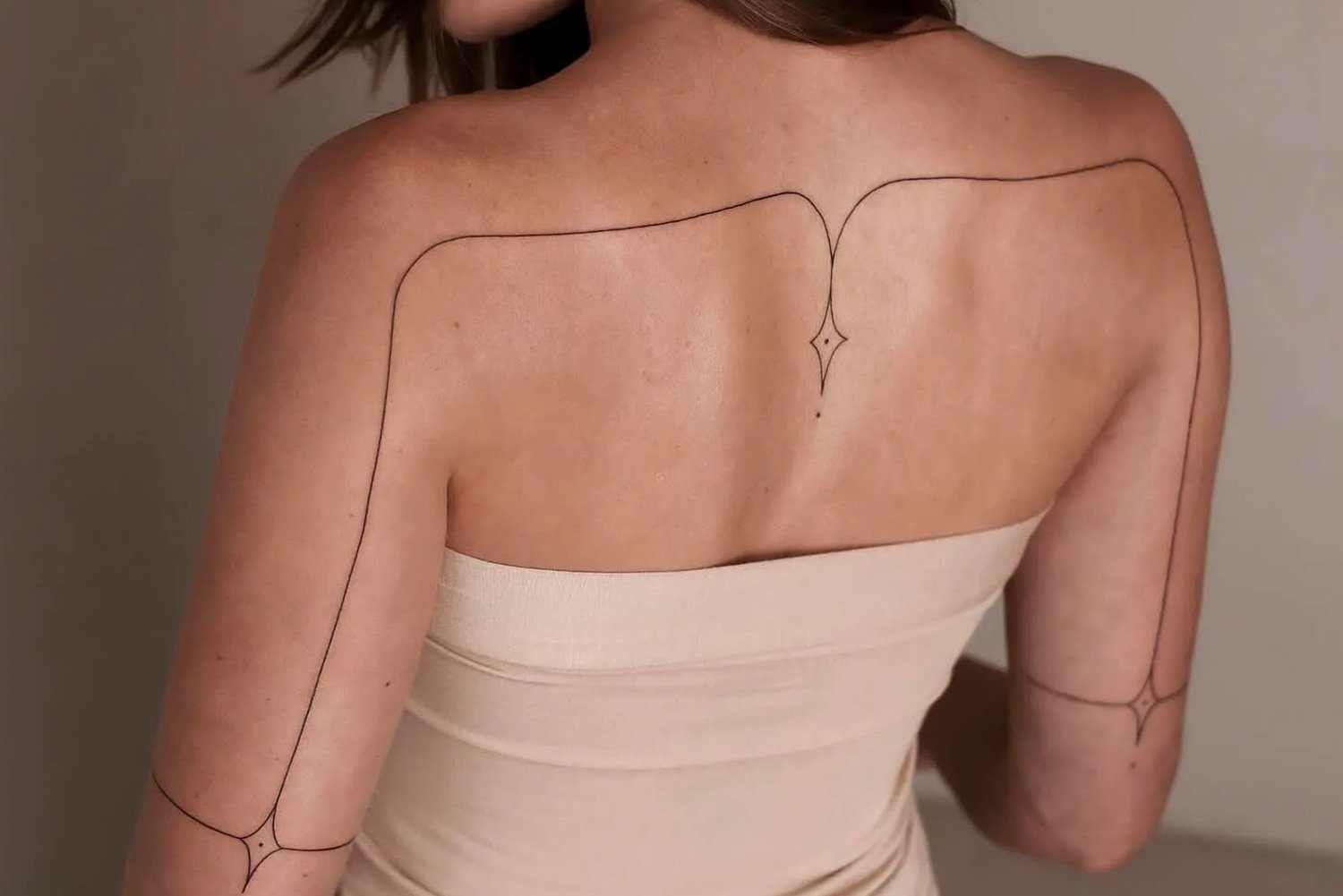
Minimalism is not a technique in the way that realism or blackwork or illustrative tattooing are techniques. It is a design philosophy applied to tattooing: an approach to composition that values economy, negative space, and reduction. A minimalist tattoo can be executed in fine line, in blackwork, in dotwork, in single-needle greywash, or in simple bold line.
Japanese traditional tattooing style
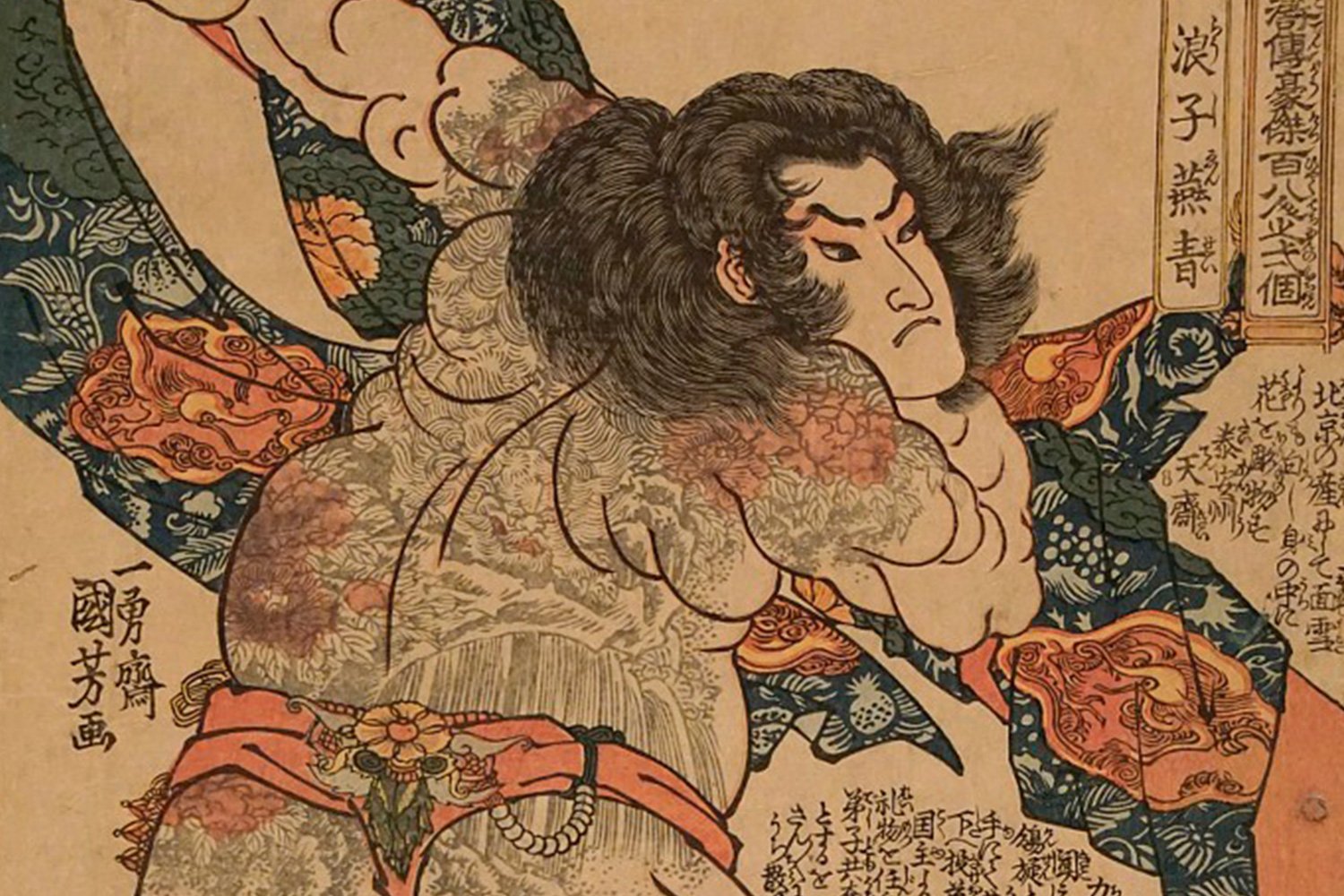
Traditional Japanese tattooing — irezumi or horimono — is arguably the most developed tattoo tradition in the world. No other culture has produced a tattoo system of comparable compositional ambition, iconographic depth, or technical sophistication. A full Japanese bodysuit can take dozens of weekly sessions and cost upwards of thirty thousand dollars.
Apo Whang-Od
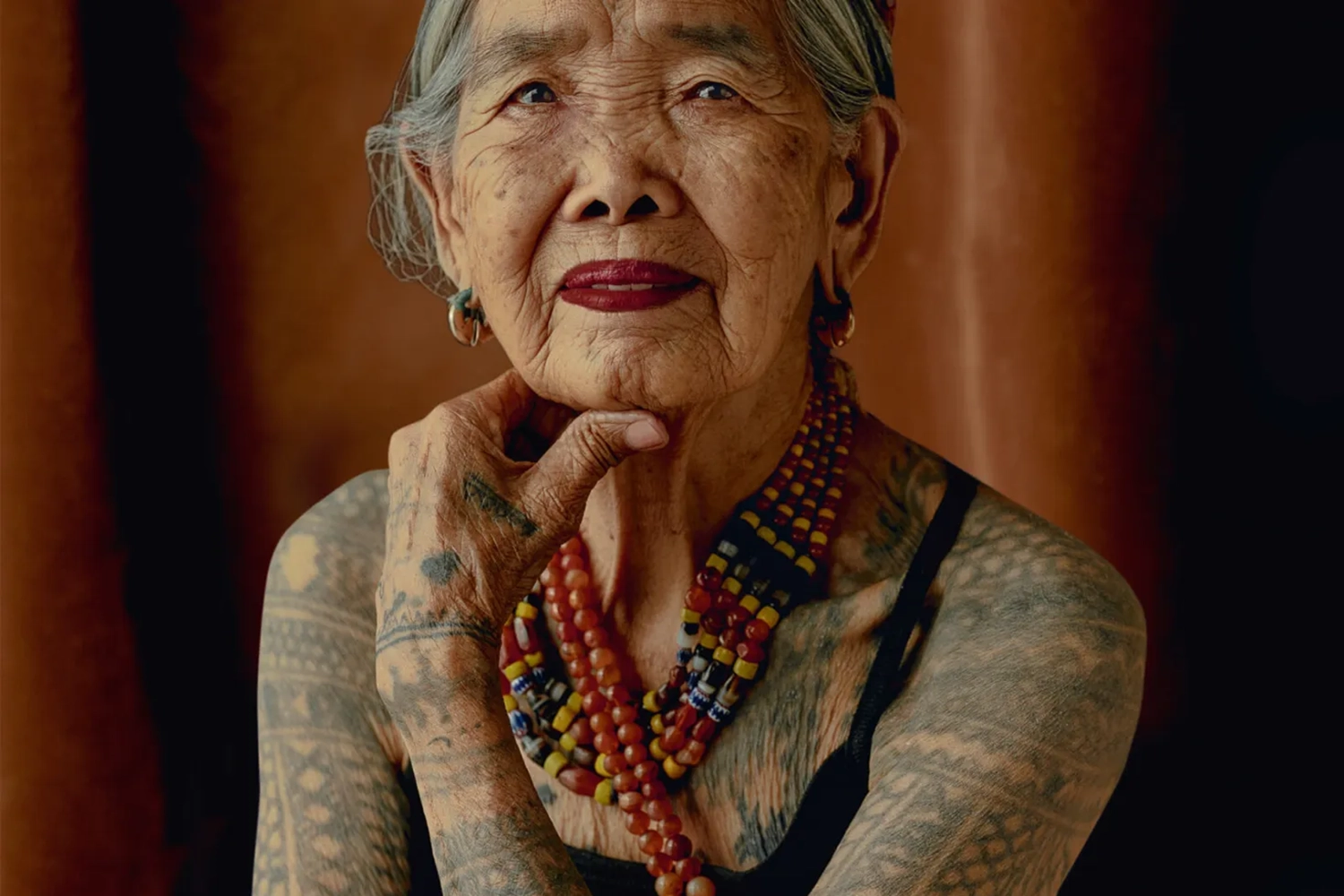
Whang-Od is the first and only female mambabatok of her generation. In the traditional practice, the mambabatok was not only a tattooist. The role included chanting during the tattooing process, reading the designs as indicators of the recipient’s fate, and performing the rituals that — in Kalinga belief — ensured the tattoo’s spiritual protection.
Patchwork
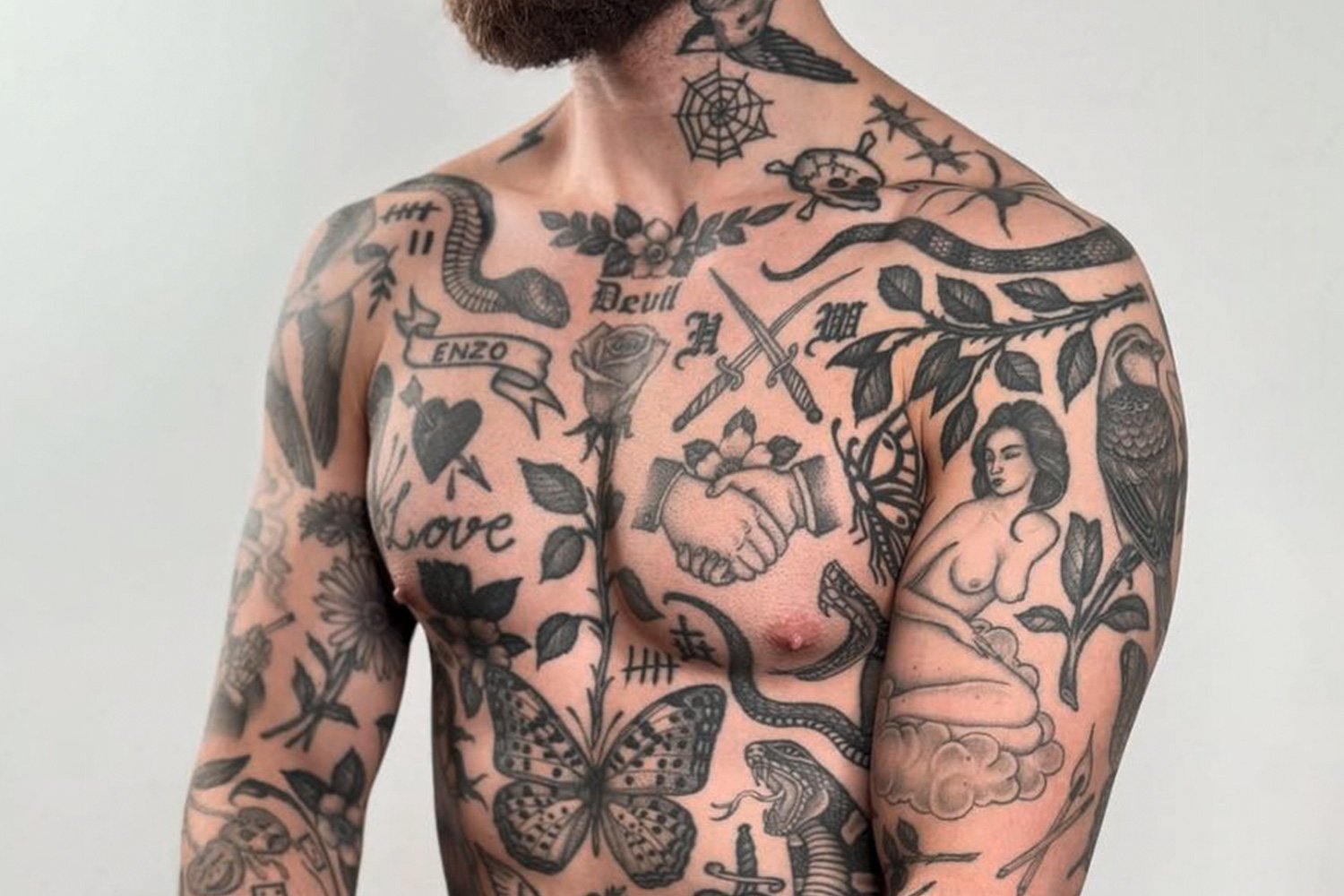
Patchwork is a way of collecting tattoos. It is an approach to how pieces are arranged on the body, not a technique for making individual pieces. Each piece in a patchwork collection can be in any style — traditional, realism, minimalist or anything else. What makes the collection patchwork style is the relationship between the pieces.
Fine line
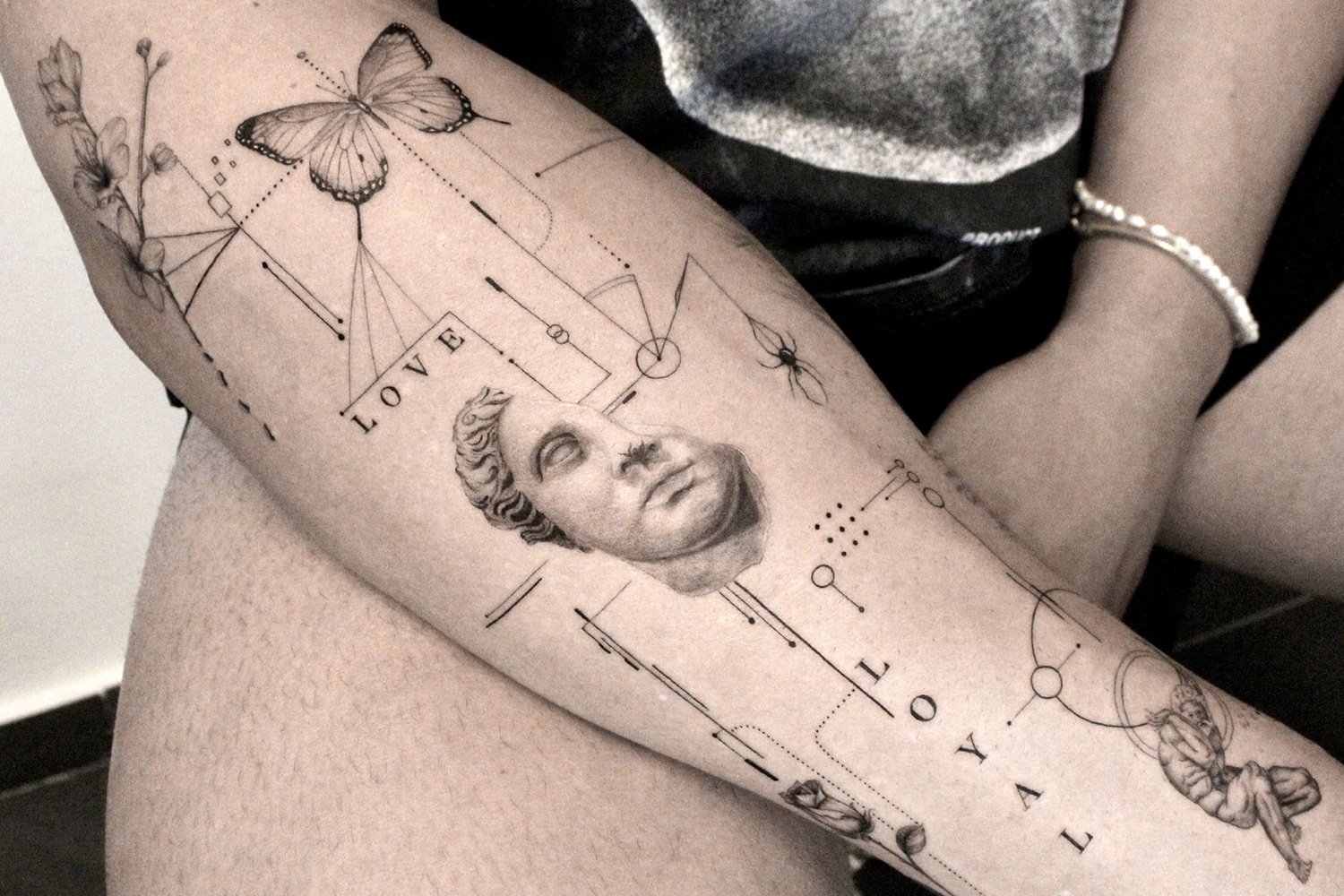
Fine line is the dominant first-tattoo style of the 2020s in most Western markets. Its appeal is clear: it is visually light, personally scaled, discreet by default, and legible to people who may not identify with the heavier visual traditions of tattooing. It has broadened the tattoo client base substantially, bringing in people who might not have considered a tattoo in (…)
Blackwork
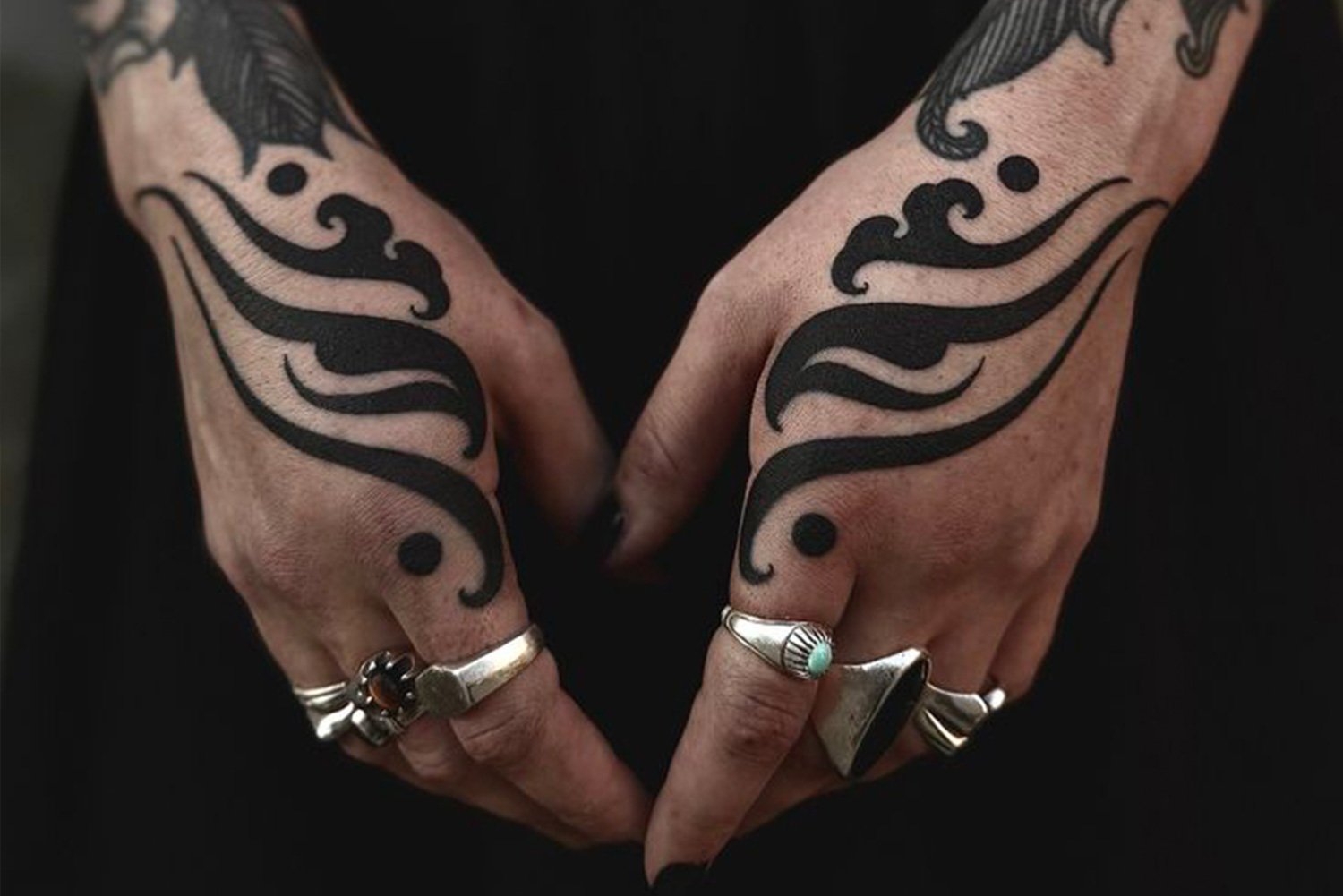
Blackwork, as a named contemporary tattoo style, refers to work done exclusively or predominantly in solid black ink. The term covers an enormous range of visual approaches, from geometric abstraction to dense figurative illustration, from Polynesian pattern work to large-scale solid coverage, from mandalas to botanical renderings.
Science & History of tattooing
The documented tattoo history is long. It stretches across Polynesia, Japan, North Africa, the Arctic, Southeast Asia, the Americas, and eventually the industrialised tattoo shops of nineteenth-century Europe and the United States. Each of these traditions developed its own tools, techniques, pigments, and reasons for marking the body. The science of tattooing is just as fascinating. How ink stays in the skin, why it degrades, how needle technology and ink chemistry have changed what is physically possible, and how the process of being tattooed can affect our perception of the craft itself — these are questions with specific, documented answers.
The articles here cover the history of tattooing across cultures and periods, as well as the biology, chemistry, psychology, various tattooing techniques, and the technology behind the practice itself.
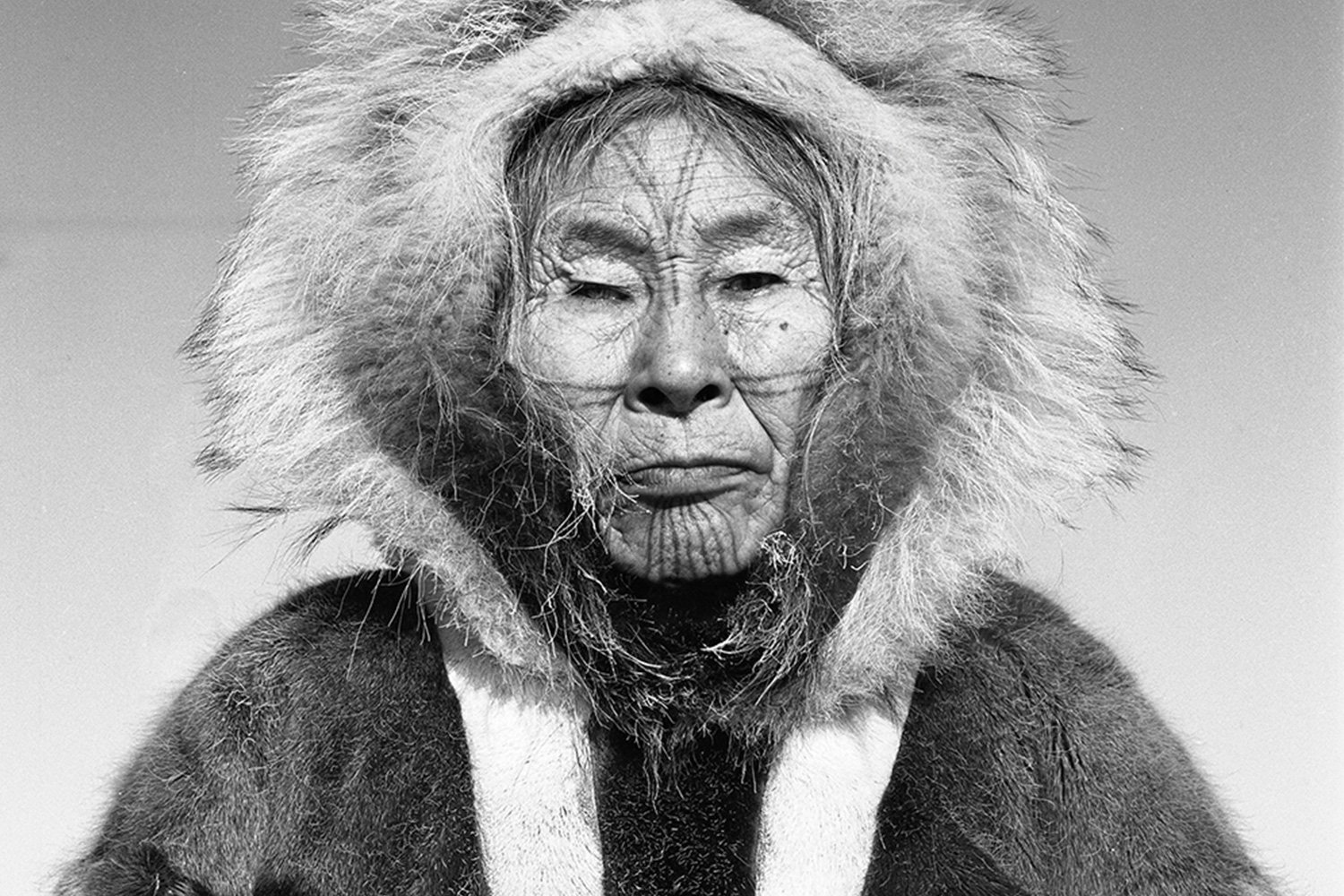
Inuit kakiniit
Inuit tattoo tradition is called kakiniit, facial tattoos are called tunniit. The practice spans the entire Inuit world — from Siberia across Alaska, through Arctic Canada to Greenland — and, until missionaries suppressed it in the early XX century, was one of the most important cultural practices in Inuit life. It is now in active revival, led almost entirely by Inuit women.
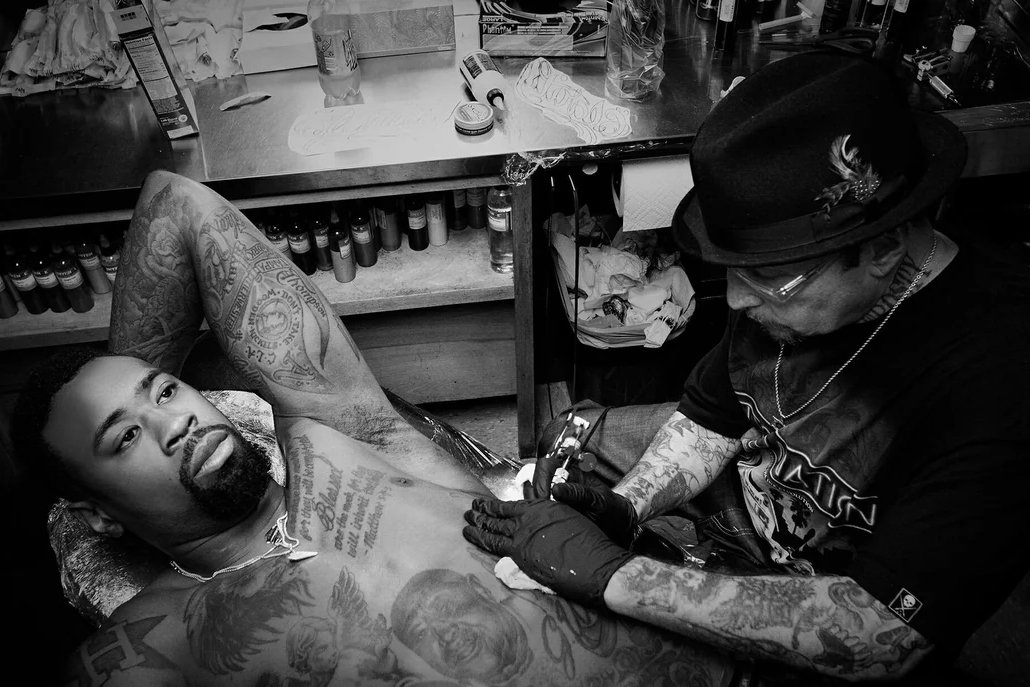
Freddy Negrete
Freddy Negrete is one of pioneers in black-and-grey tattooing. His life has included gang membership, incarceration, a decade of evangelical ministry, addiction and recovery, the loss of a son, and — through all of it — a career in tattooing that helped define one of the most important stylistic developments in the craft’s modern history.
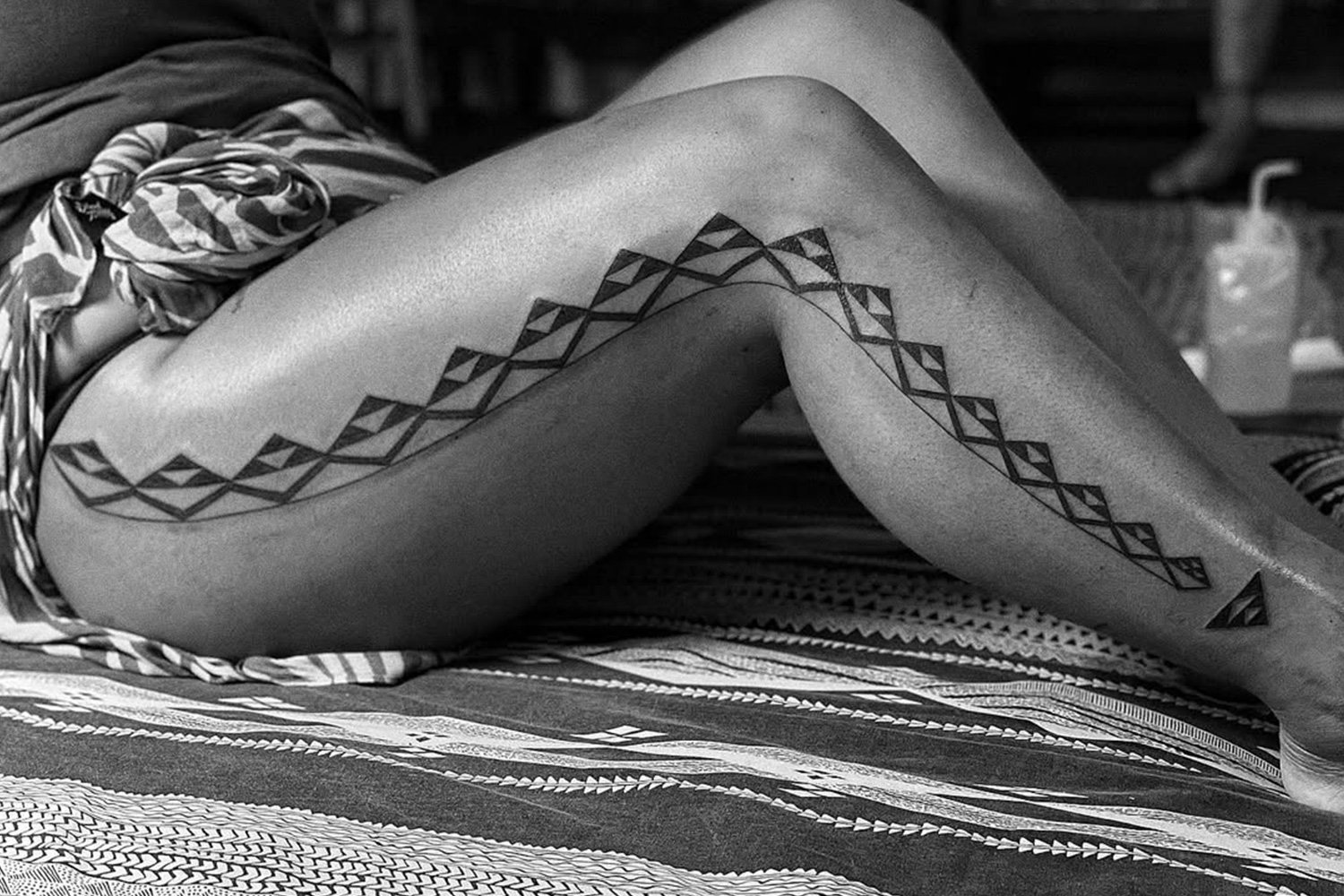
Hawaiian kākau uhi
Hawaiian tattooing is among the least documented of the major Polynesian traditions, but what was documented reveals a distinctive, culturally embedded practice with its own visual characteristics. Hawaiian kākau is bold and asymmetrical, uses large geometric fields and heavy solid-black coverage in compositions that treat the body as a sculptural surface.
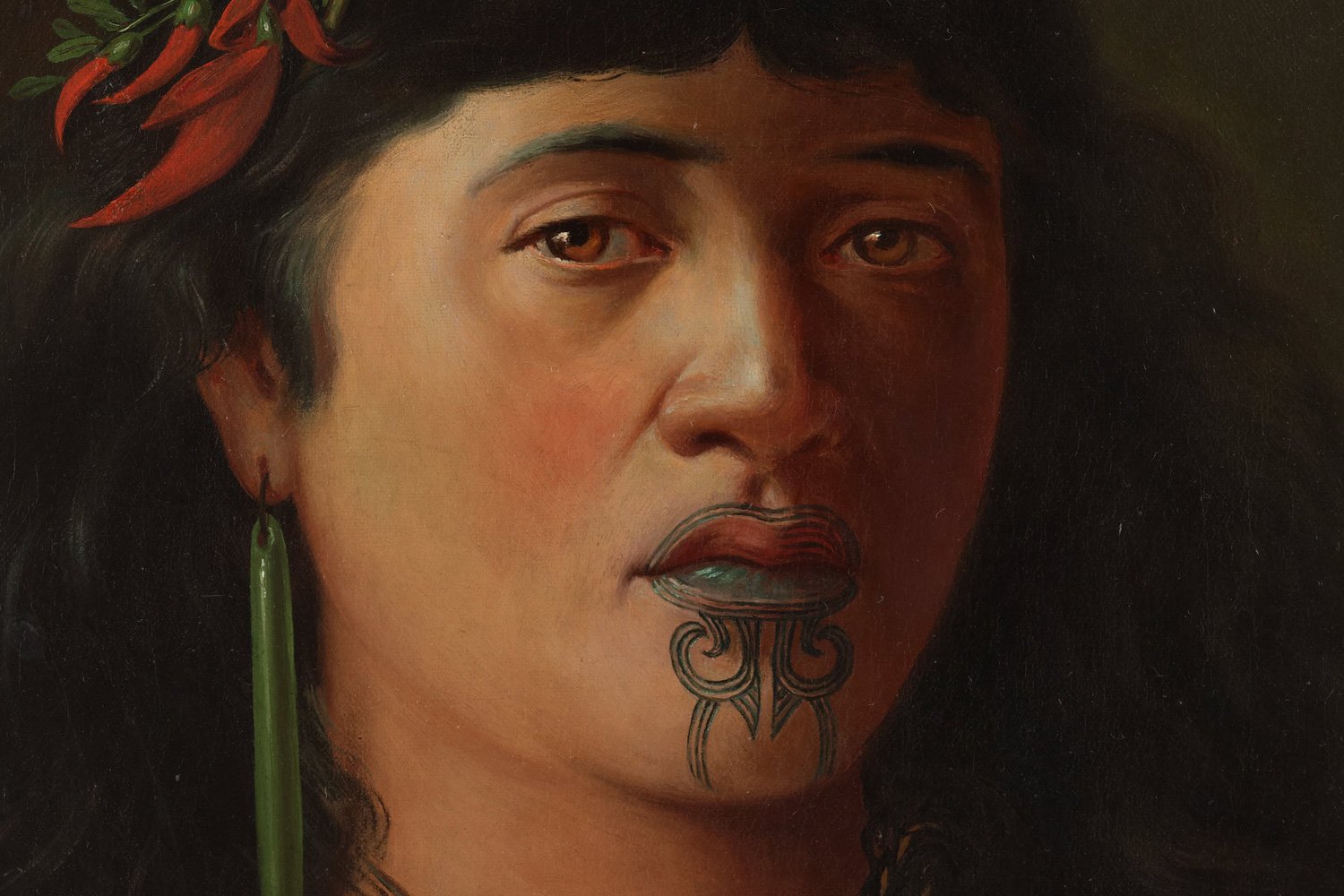
Māori tā moko
Māori tattooing — tā moko — is the only Polynesian tattoo tradition that carved the skin rather than puncturing it. The practitioner, called a tohunga tā moko, used a bone chisel (uhi) to cut grooves directly into the skin. The designs encoded the wearer’s whakapapa — genealogy, tribal affiliation, and personal history — in curvilinear patterns.
Polynesian tattooing
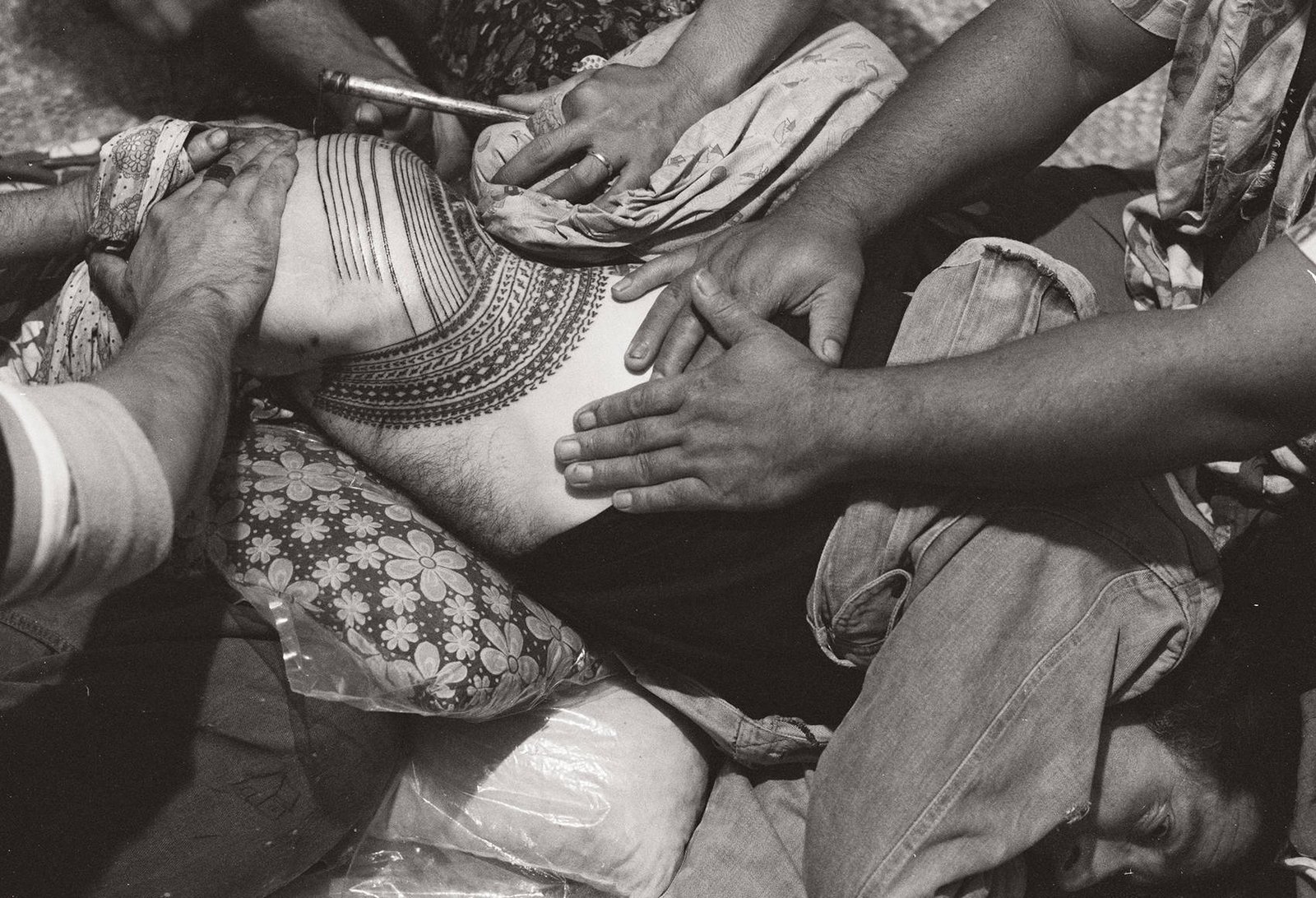
Polynesian tattooing is not one tradition. It is a family of traditions, developed across the thousands of islands of the Polynesian Triangle — the vast area of the Pacific bounded by Hawai’i, Aotearoa and Rapa Nui. Each island group has its own tattooing practice, with own tools, design vocabulary, rules, and relationship to the community’s social structure.
Sua Sulu’ape Paulo II
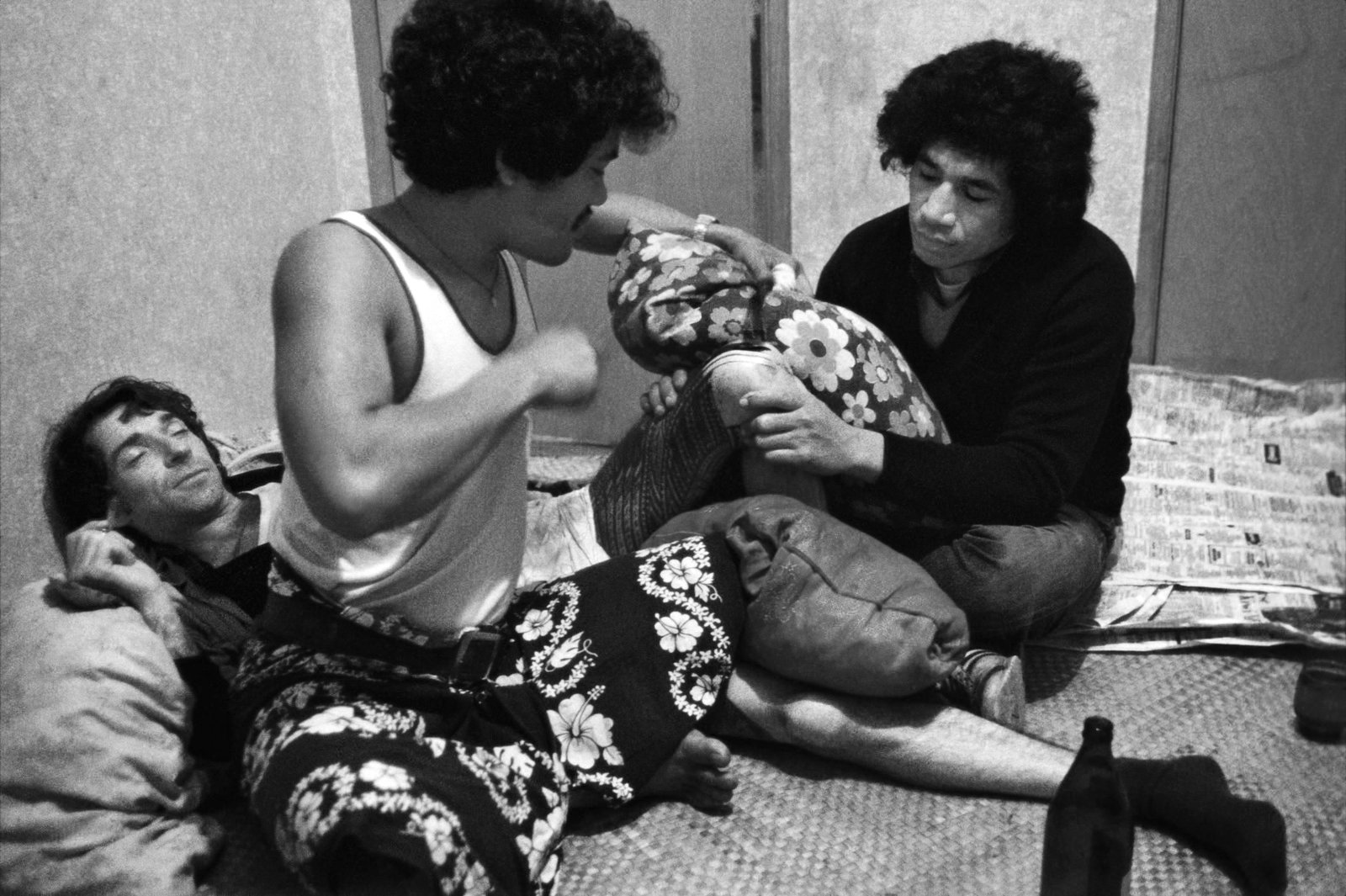
Sua Sulu’ape Paulo II was a Samoan master tattooist, tufuga ta tatau, born into one of the hereditary families that have held the tatau tradition for centuries. Based in Auckland, he connected with the New Zealand art world, worked extensively across Europe, and played a direct role in the revival of tattooing traditions in Hawaiʻi, Tahiti, and among the Māori.
