Dragon tattoo
The symbol as big as the creature
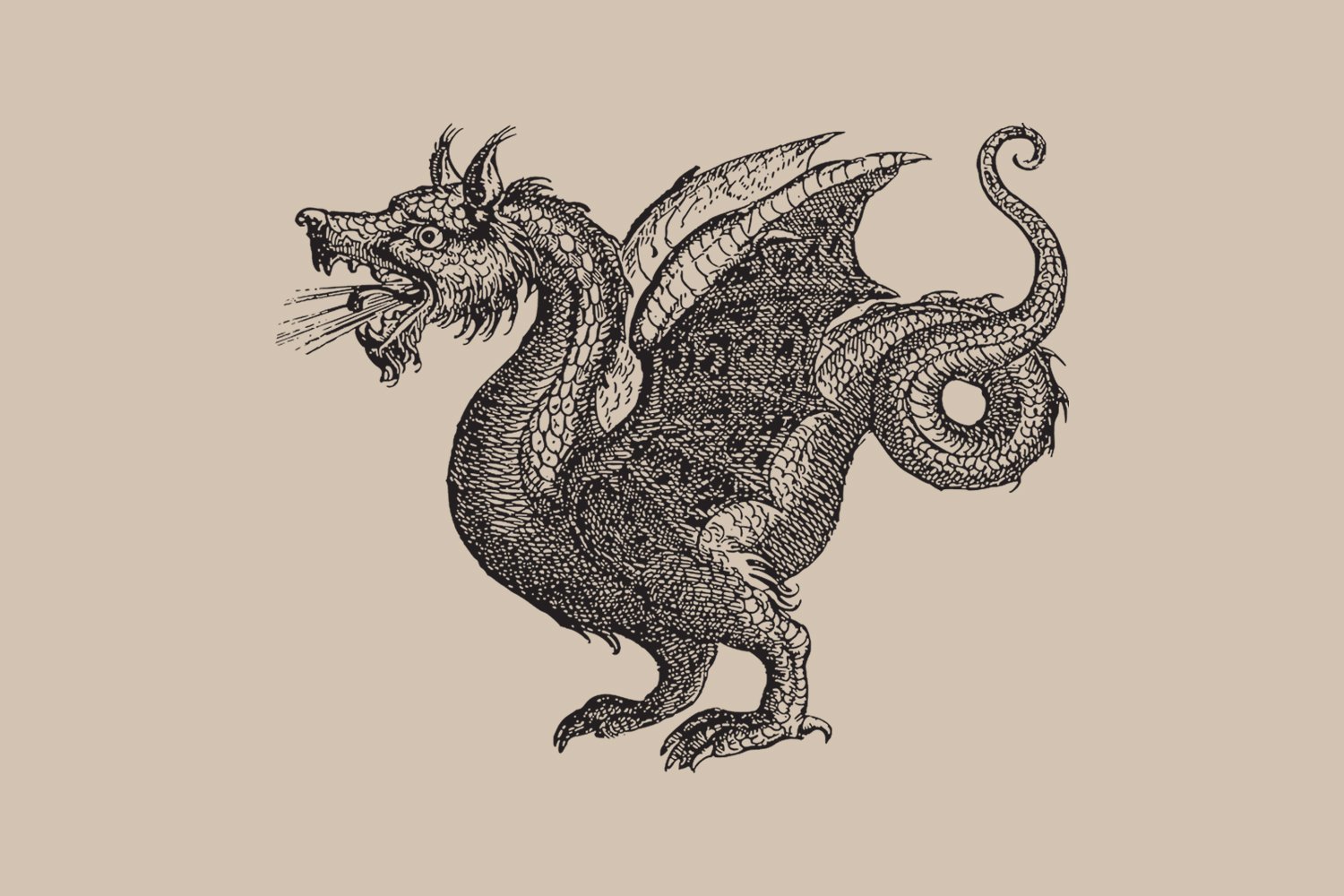
The dragon tattoo is one of the most enduring and powerful symbols in tattoo history. With roots in both Eastern and Western mythology, it represents strength, transformation, and protection. From ancient Chinese emperors to modern fantasy fans, people have chosen dragon imagery to express identity, resilience, and personal mythology. Far beyond aesthetics, the dragon tattoo holds rich cultural, spiritual, and historical meaning that continues to evolve across generations.
Dragon tattoo meanings
Power and Strength
- Authority — Dragons often represent command, dominance, and personal force.
- Courage — A dragon tattoo can signal fearlessness or readiness to face danger.
- Controlled inner force — Not random violence, but power held under discipline.
- Imperial power — Chinese dragons were historically tied to emperors, rank, and authority.
- The enemy to conquer — In Western stories, dragons are monsters a hero must defeat.

Wisdom and Protection
- Wisdom — Especially in East Asian symbolism, dragons are linked with age, intelligence, and spiritual depth.
- Good fortune — In Chinese culture, the dragon is associated with luck, prosperity, and success.
- Guardian — In many traditions, dragons guard treasures, sacred places, or hidden knowledge.
- Protection — A dragon can work as a bodyguard symbol: fierce, watchful, and difficult to defeat.

Nature and Elements
- Water and rain — Chinese and Japanese dragons are strongly connected with rain, rivers, seas, and weather.
- Fire — Western dragons are often imagined as fire-breathing creatures, linked with danger and destruction.
- Chaos — The dragon can represent wild natural force: storms, floods, heat, or disaster.
- Balance — A dragon can hold opposites at once: beauty and threat, wisdom and violence, protection and destruction.

Transformation or Inner Conflict
- Rebirth — A dragon tattoo can mark a dramatic personal change or new identity.
- Shadow self — The dragon may stand for anger, desire, fear, or instinct brought under control.
- Trial by fire — Symbolises surviving a difficult test and becoming stronger.
Ancient origins of dragon symbols and their early tattoo use
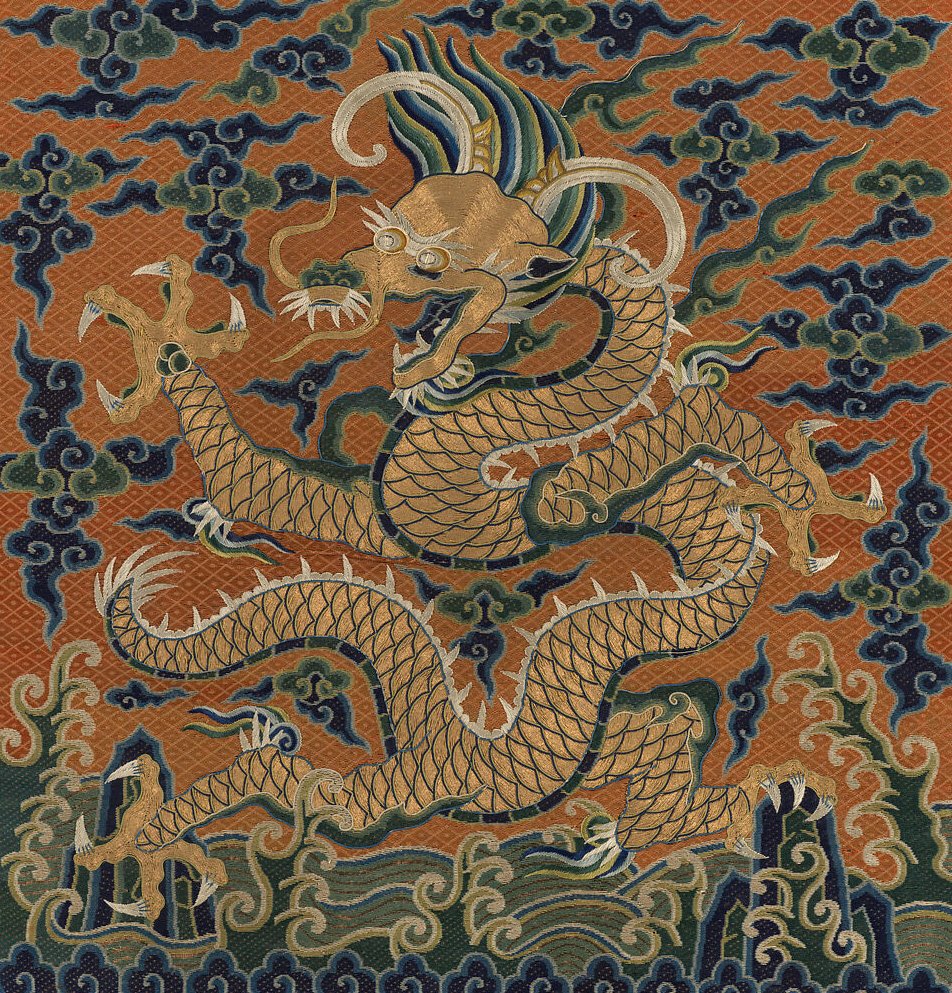
The dragon is one of the most enduring and complex symbols found across global cultures, and its use in body art dates back to some of the earliest civilisations. In East Asia, particularly China and Japan, the dragon has held a central place in mythology and identity for thousands of years. Chinese dragons — known as long — are seen as powerful, wise, and benevolent beings connected to water, rainfall, and imperial authority.
Archaeological evidence suggests that as early as the Shang dynasty (c. 1600–1046 BCE), dragon motifs were etched into bones and bronze. These were not tattoos in the modern sense, but they highlight how deeply dragons were linked to status, power, and protection.
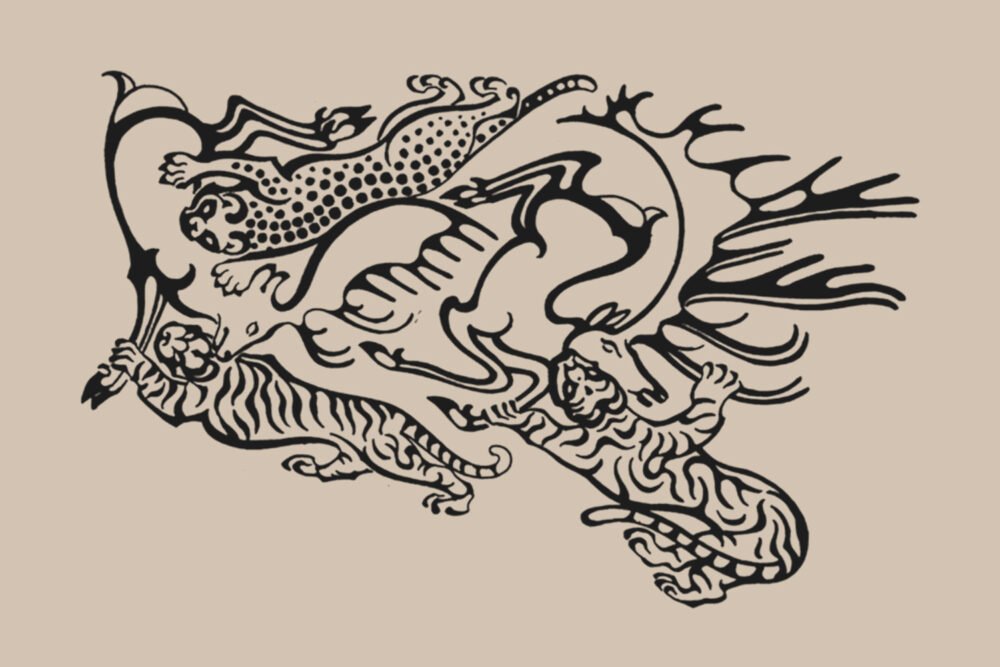
Some of the earliest known tattoos, such as those on Siberian mummies from the Pazyryk culture (5th century BCE), include mythological animal motifs that scholars believe may represent dragons or dragon-like creatures.
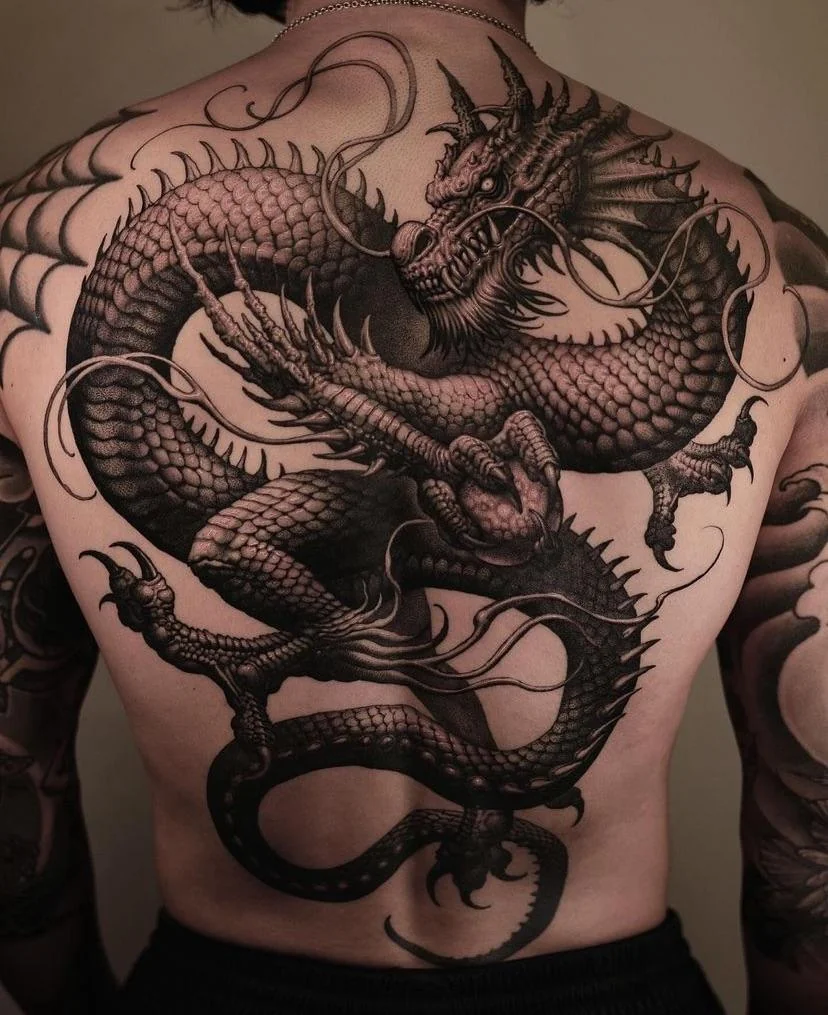
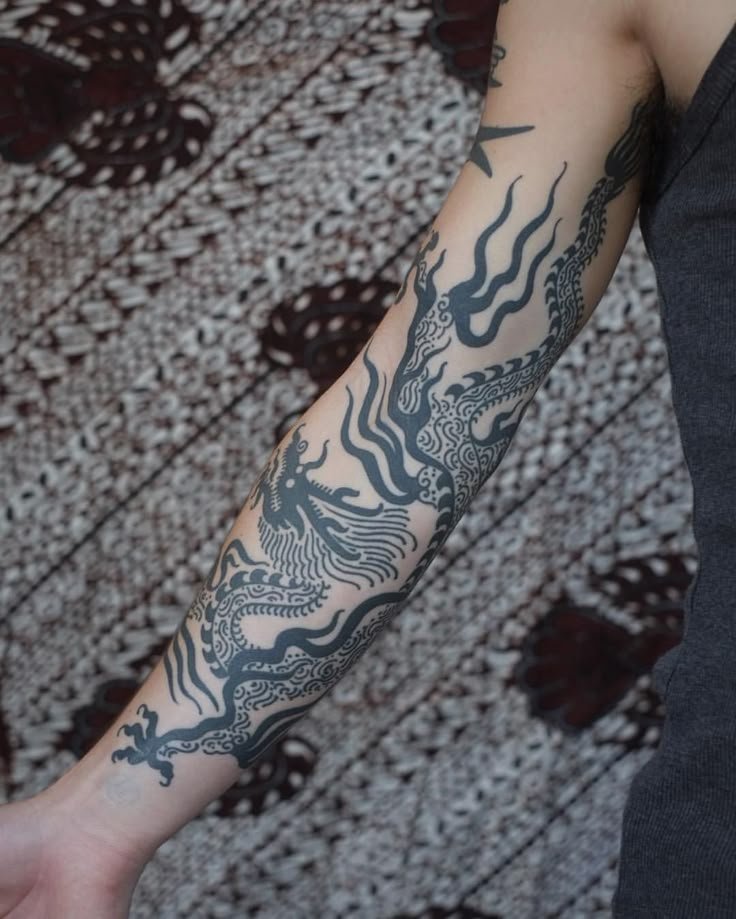
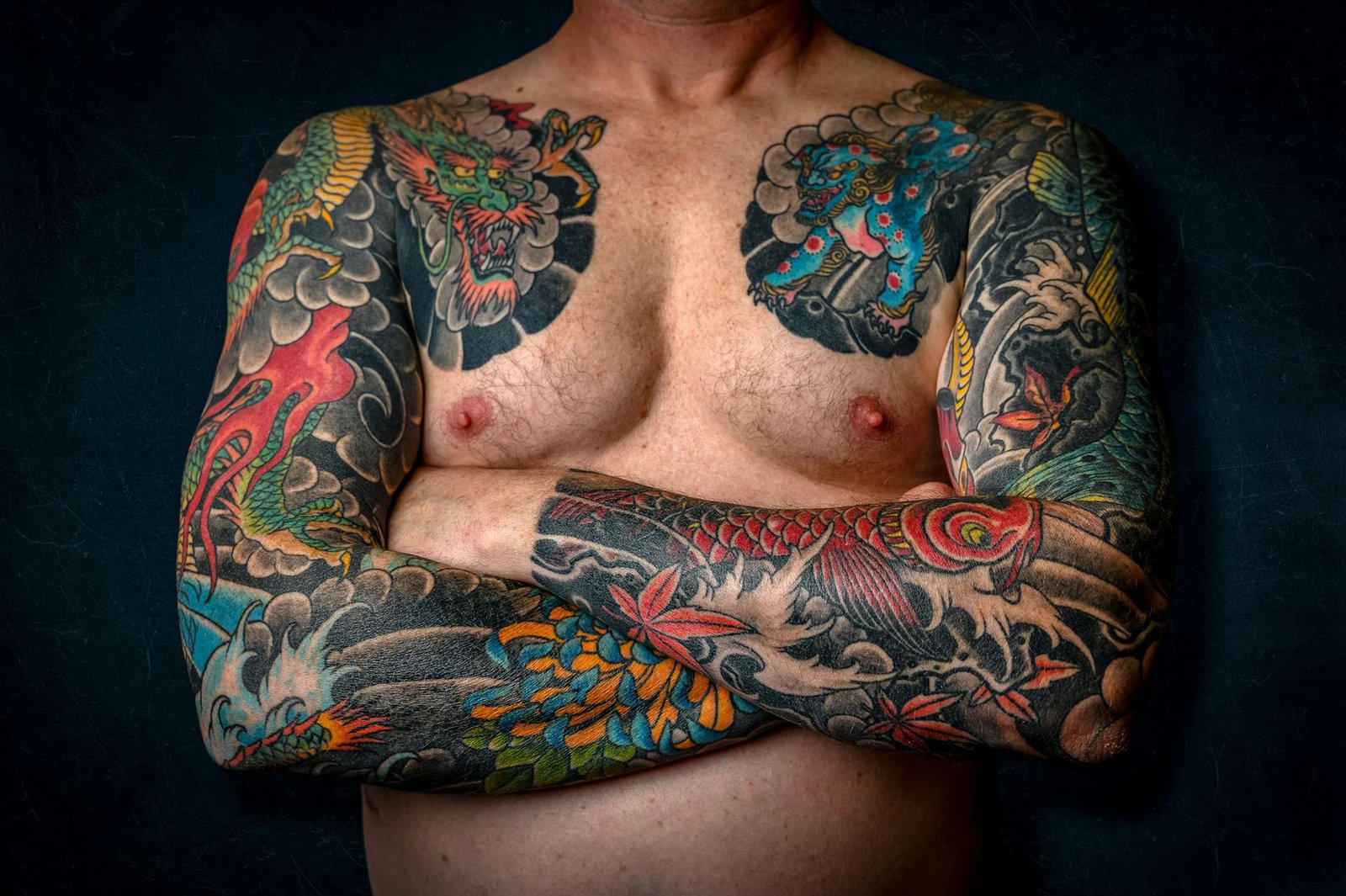
In Japan, the influence of Chinese dragon symbolism entered through early cultural exchange and Buddhist texts. Japanese dragons (ryū) are associated with water, protection, and natural forces. Tattoos of dragons in the Japanese irezumi style developed alongside woodblock print art, particularly during the Edo period (1603–1868), when full-body tattoos flourished underground despite government bans. These tattoos became part of the visual identity of firefighters, labourers, and later, members of the yakuza, turning dragons into symbols of defiance and inner strength.
In ancient Western traditions, such as Celtic and Norse cultures, dragons were less benevolent. They were often seen as chaos beasts or enemies of heroes—symbolising trials, enemies, and treasure-hoarding power. Tattoos in these cultures, though less documented, likely featured mythic creatures such as serpents and dragons, painted or carved into the skin during ritual practices. Thus, dragon tattoos emerged in diverse societies as expressions of reverence, fear, respect, and social status.
Dragon tattoos in eastern cultures: Japan, China, and Korea
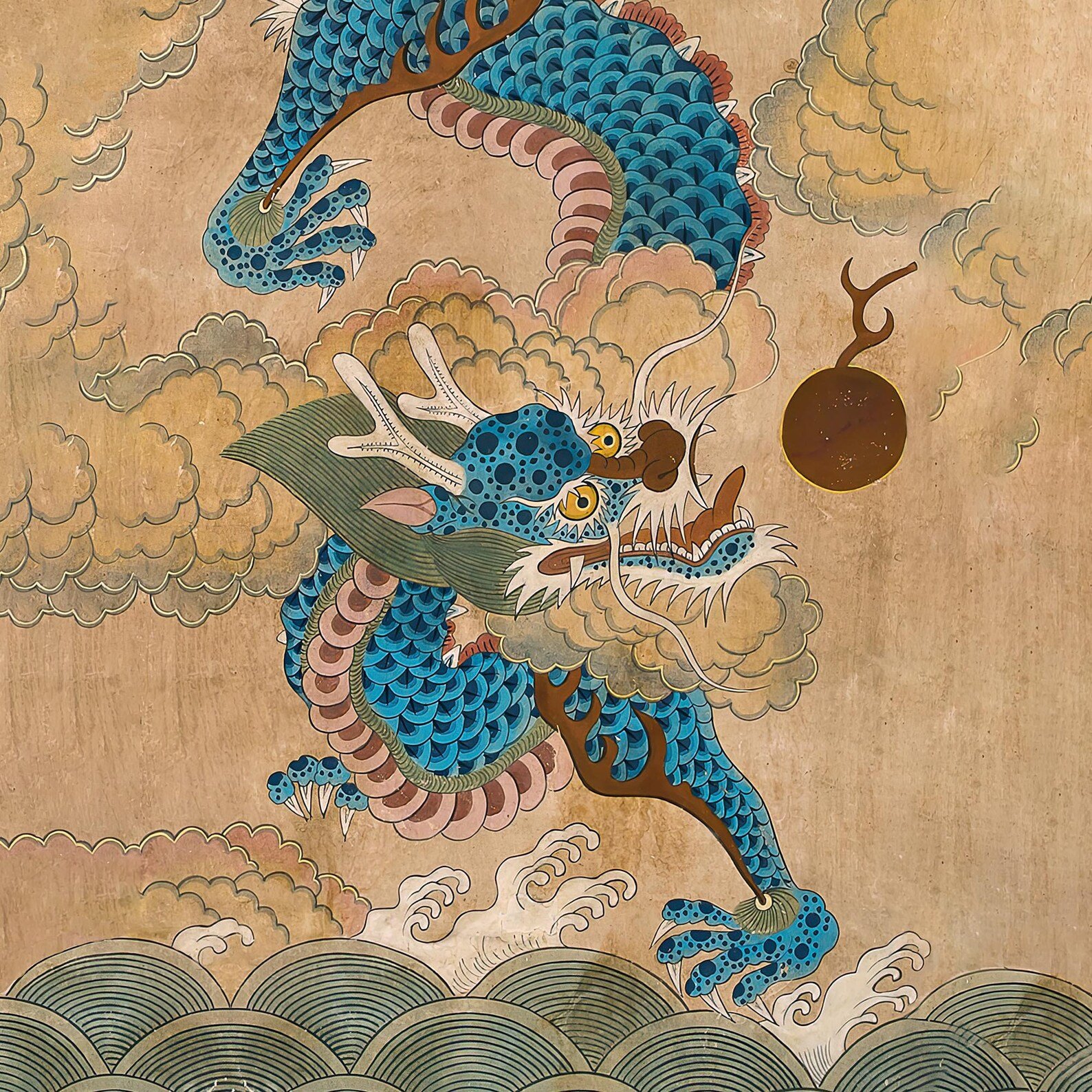
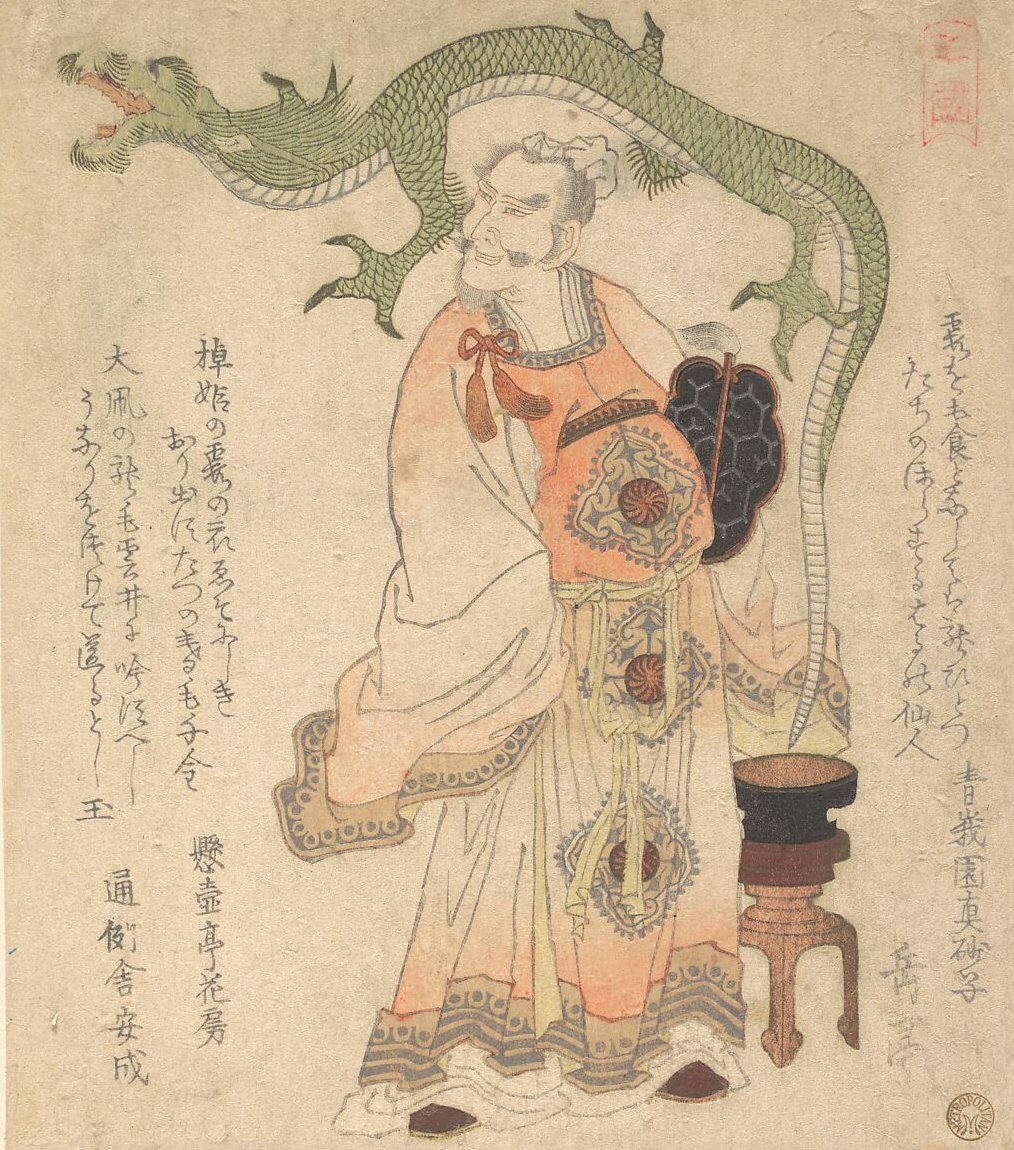
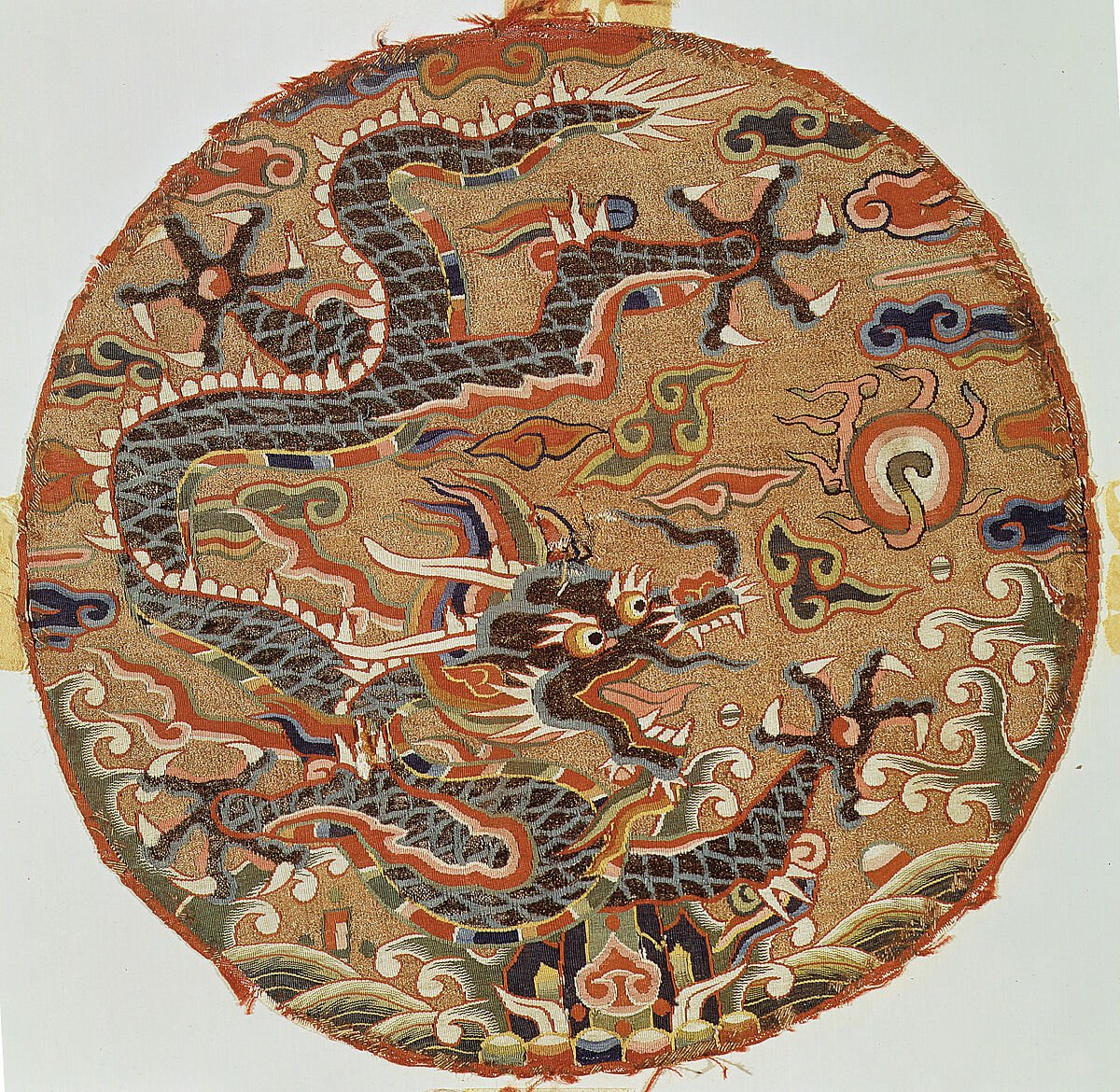
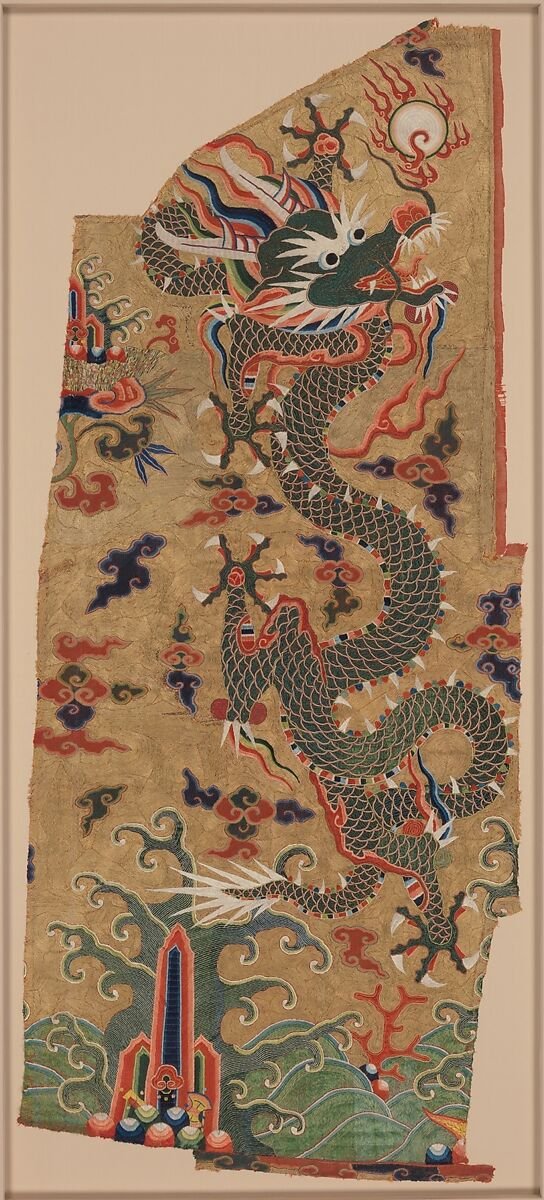
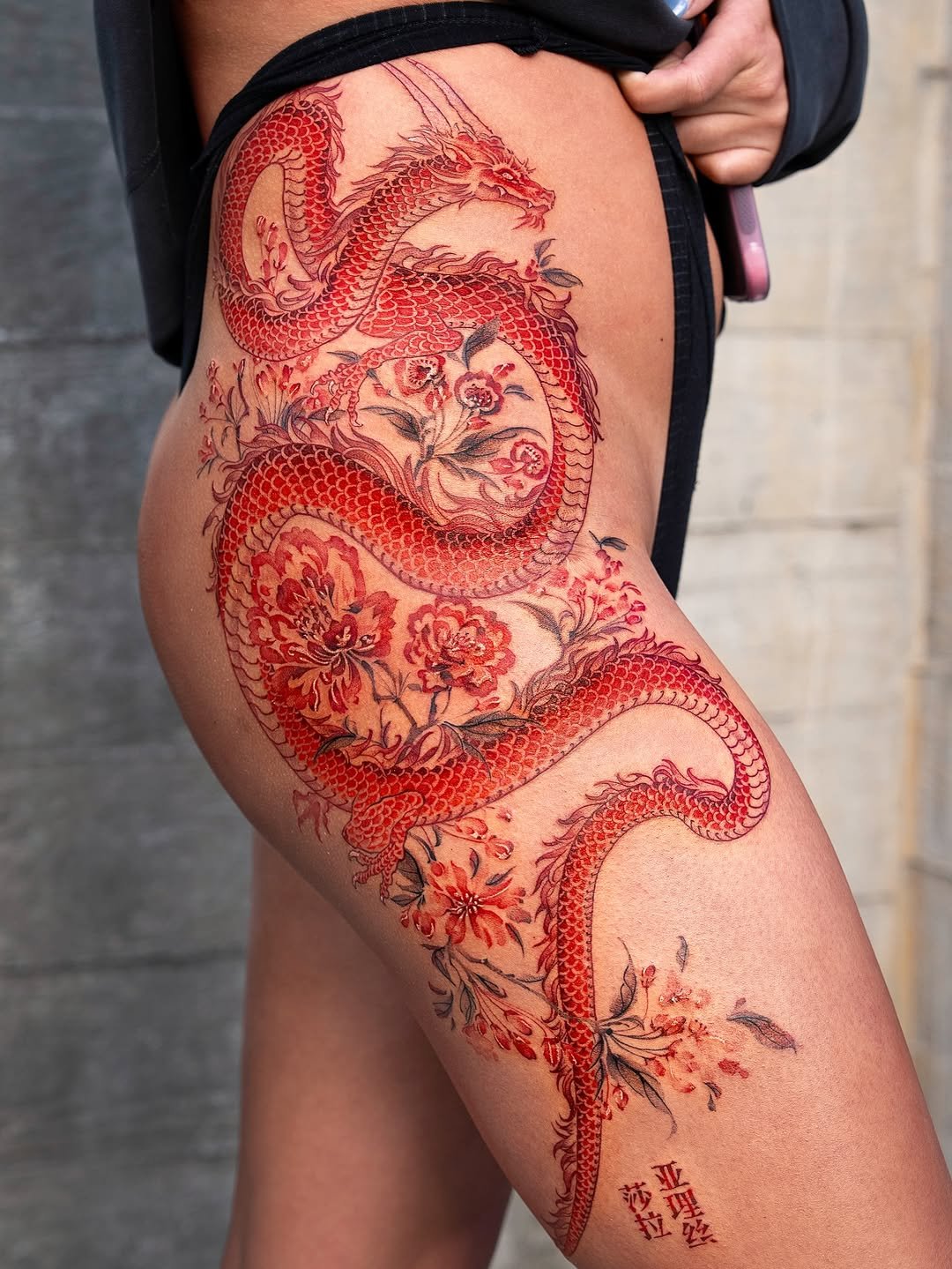
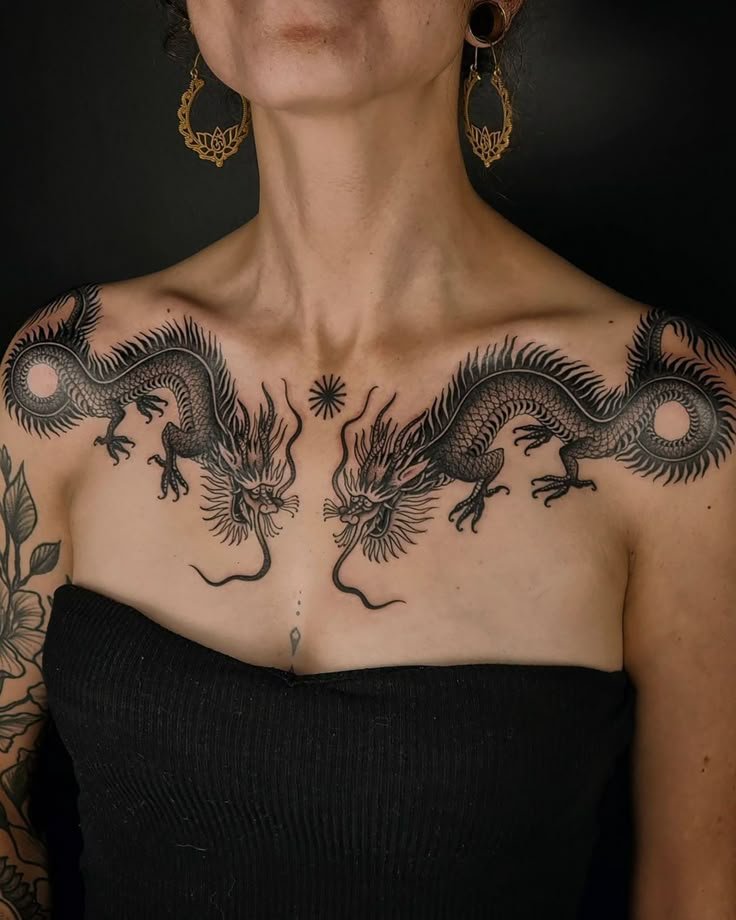
In East Asia, dragon tattoos are deeply rooted in spiritual and cultural traditions, especially in China, Japan, and Korea. These cultures view dragons as celestial beings, not as fire-breathing monsters as in Western tales. In China, the dragon is considered the most noble of all mythical animals. It symbolises authority, luck, prosperity, and cosmic balance. The emperor was once known as the “dragon son of heaven,” and his throne was called the Dragon Throne. Dragon tattoos in China typically represent power tempered by wisdom and often include design elements such as clouds, water, and pearls to symbolise the dragon’s role in weather and divine intervention. In modern times, many Chinese people view dragon tattoos as a way to connect with cultural heritage, personal ambition, and masculine strength.
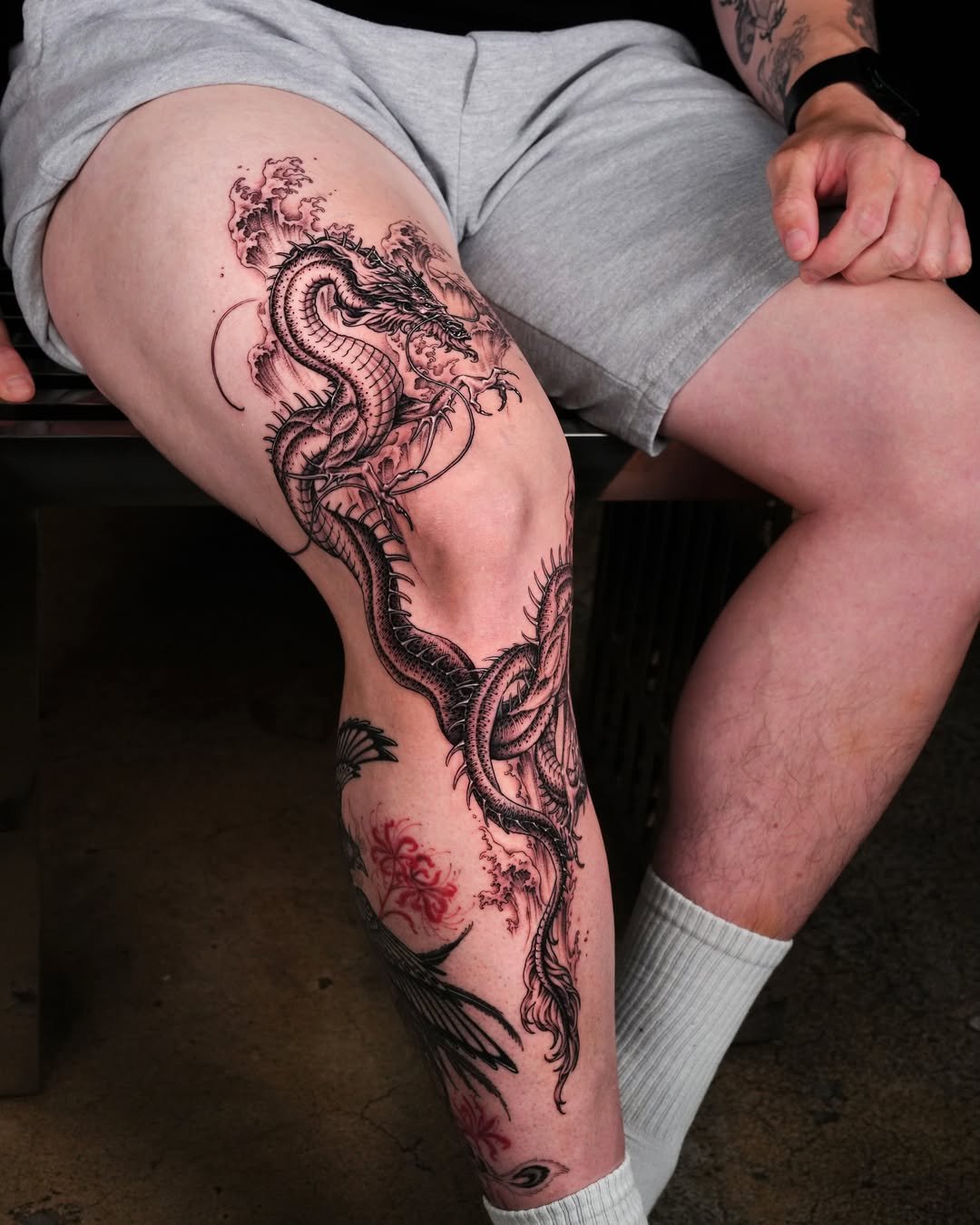
Japan’s tattoo tradition, irezumi, includes highly stylised dragon tattoos filled with movement, colour, and symbolism. Japanese dragons tend to be water-associated and often depicted in dynamic, curling forms with wind, waves, and koi fish. These elements reinforce the dragon’s role as a protector and a symbol of nature’s power. While Japanese dragons are strong and even fierce, they are protectors of the righteous and punishers of evil. In Korean culture, dragons (yong) are associated with agriculture and rain and serve as guardians of good fortune.
Though Korean tattoo culture was historically stigmatised, this has shifted in recent decades. Now, dragons are being reclaimed in modern tattoo studios across Seoul and beyond, appreciated for their artistic complexity and ancient cultural resonance. In all three cultures, dragon tattoos are less about fear and more about moral power, duty, and harmony. They continue to be chosen today for their beauty, layered meanings, and spiritual depth. Importantly, these tattoos are not just fashion statements — they are often seen as lifelong commitments reflecting personal values and cultural pride.
“The dragon rises with the clouds,
and the tiger follows the wind.
Both follow their nature and prosper.”
— Chapter 1: “The Dao of Heaven” (天文訓), Huainanzi (2nd century BCE), Trans. John S. Major et al. The Huainanzi: A Guide to the Theory and Practice of Government in Early Han China. Columbia University Press, 2010.
This passage uses the dragon as a metaphor for harmony with nature and divine timing. In Daoist thought, the dragon symbolises one who lives in accordance with the Dao, flourishing by embracing natural forces rather than resisting them.
Western dragons - fearsome beasts and Christian symbols
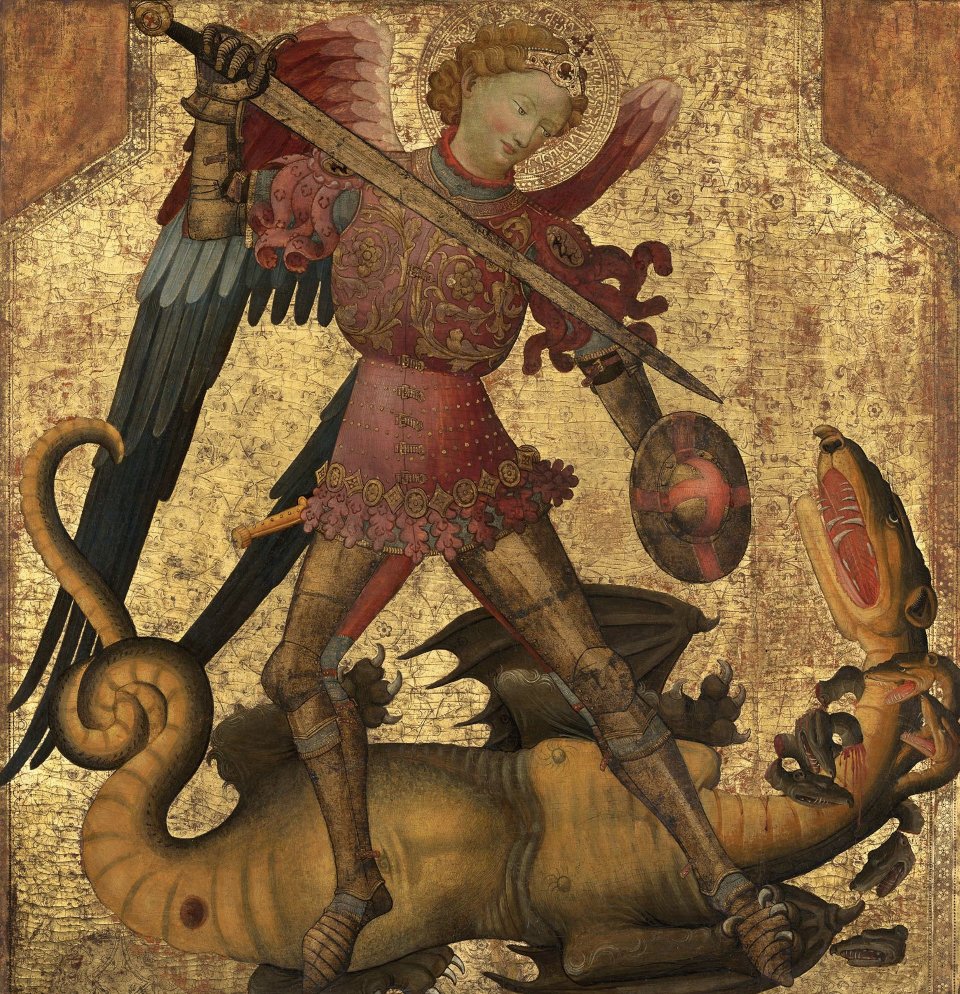
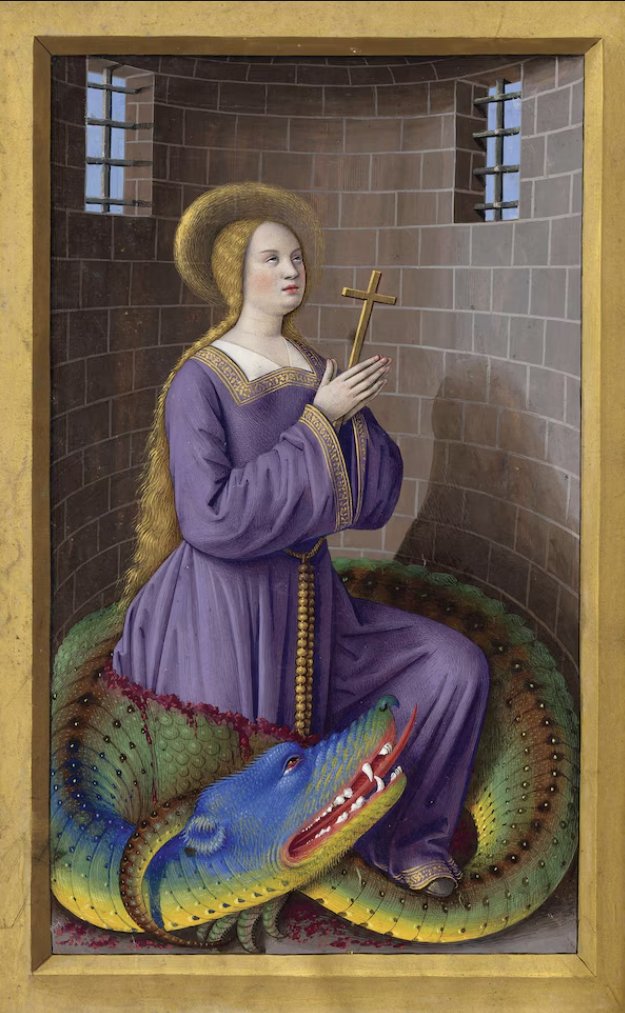
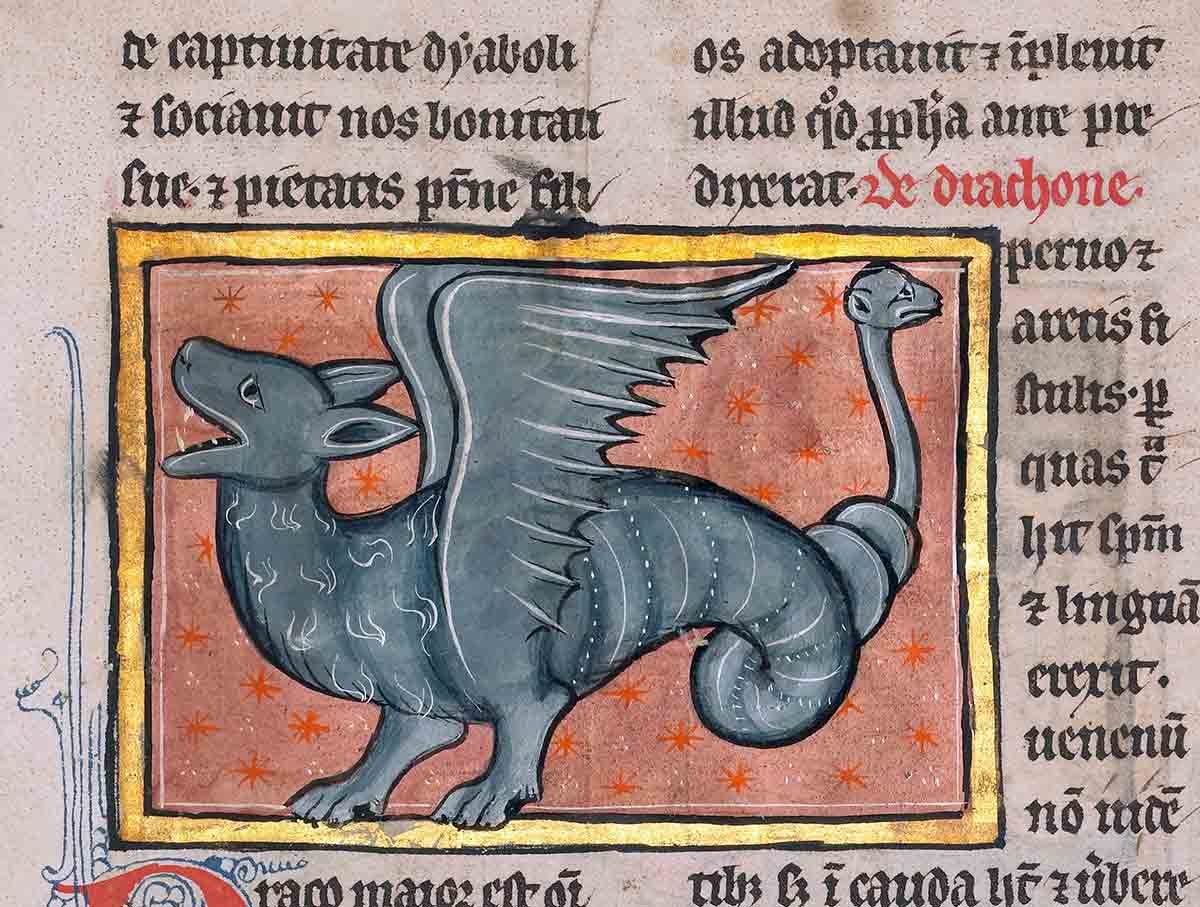
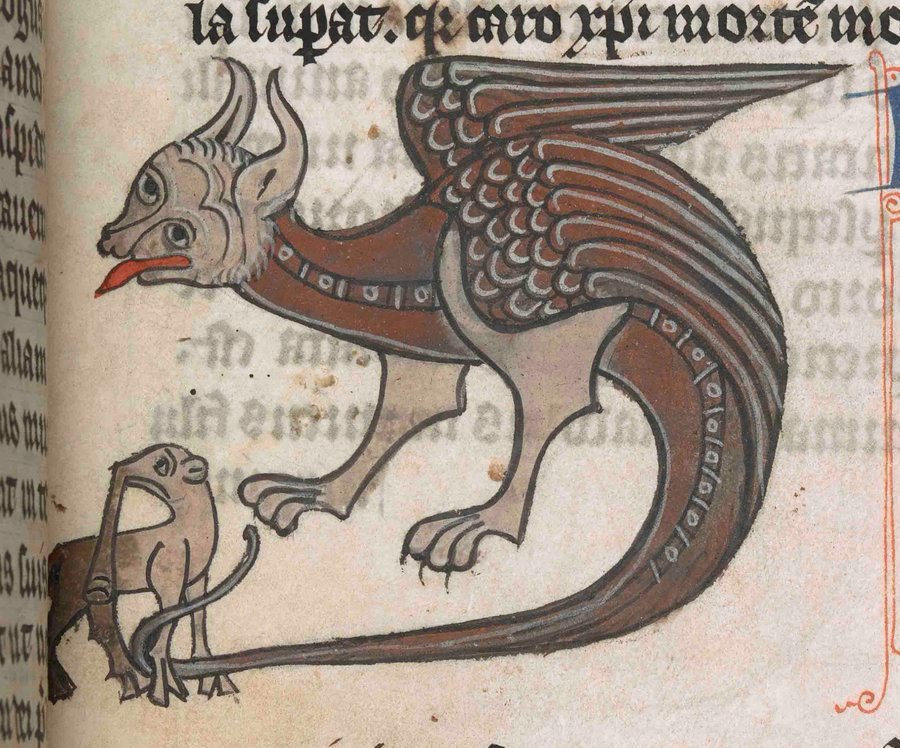
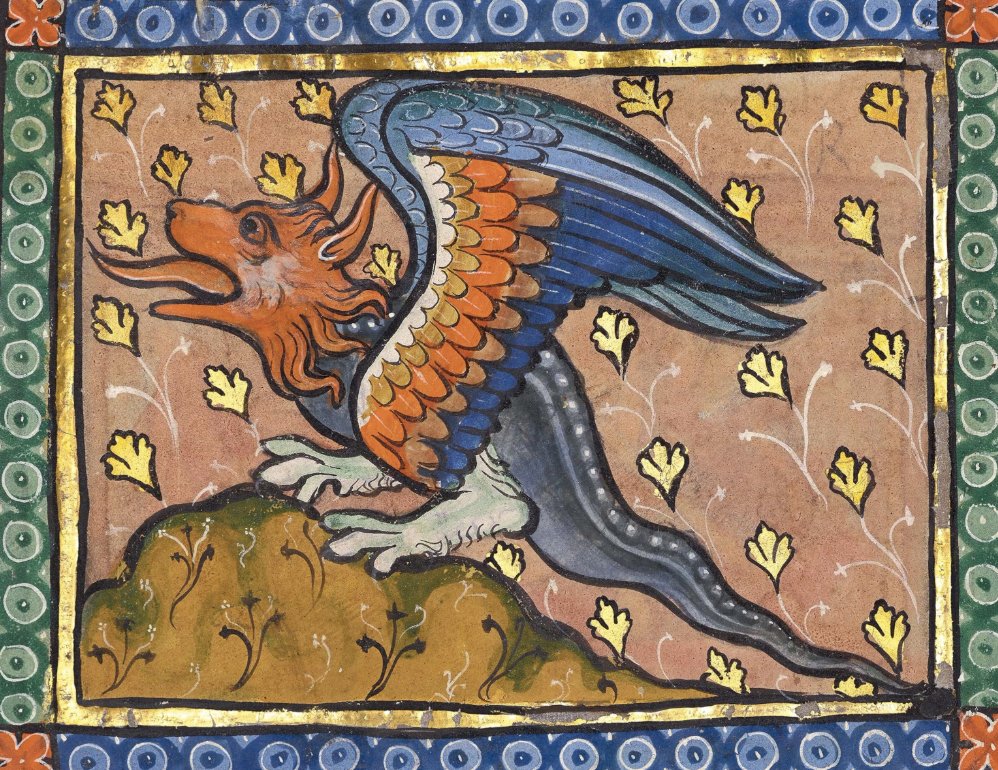
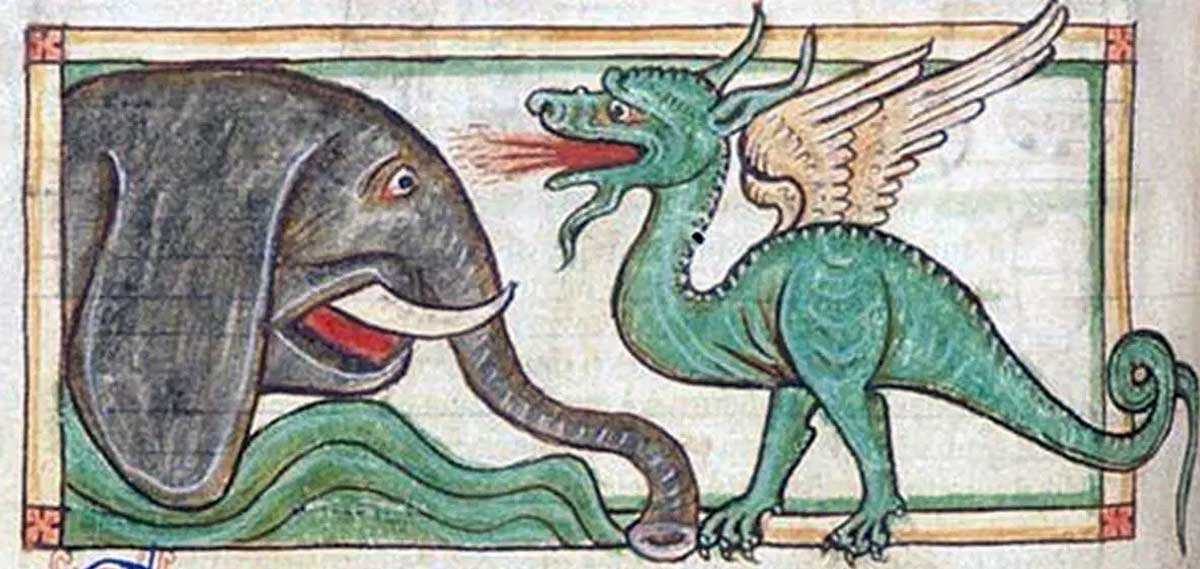
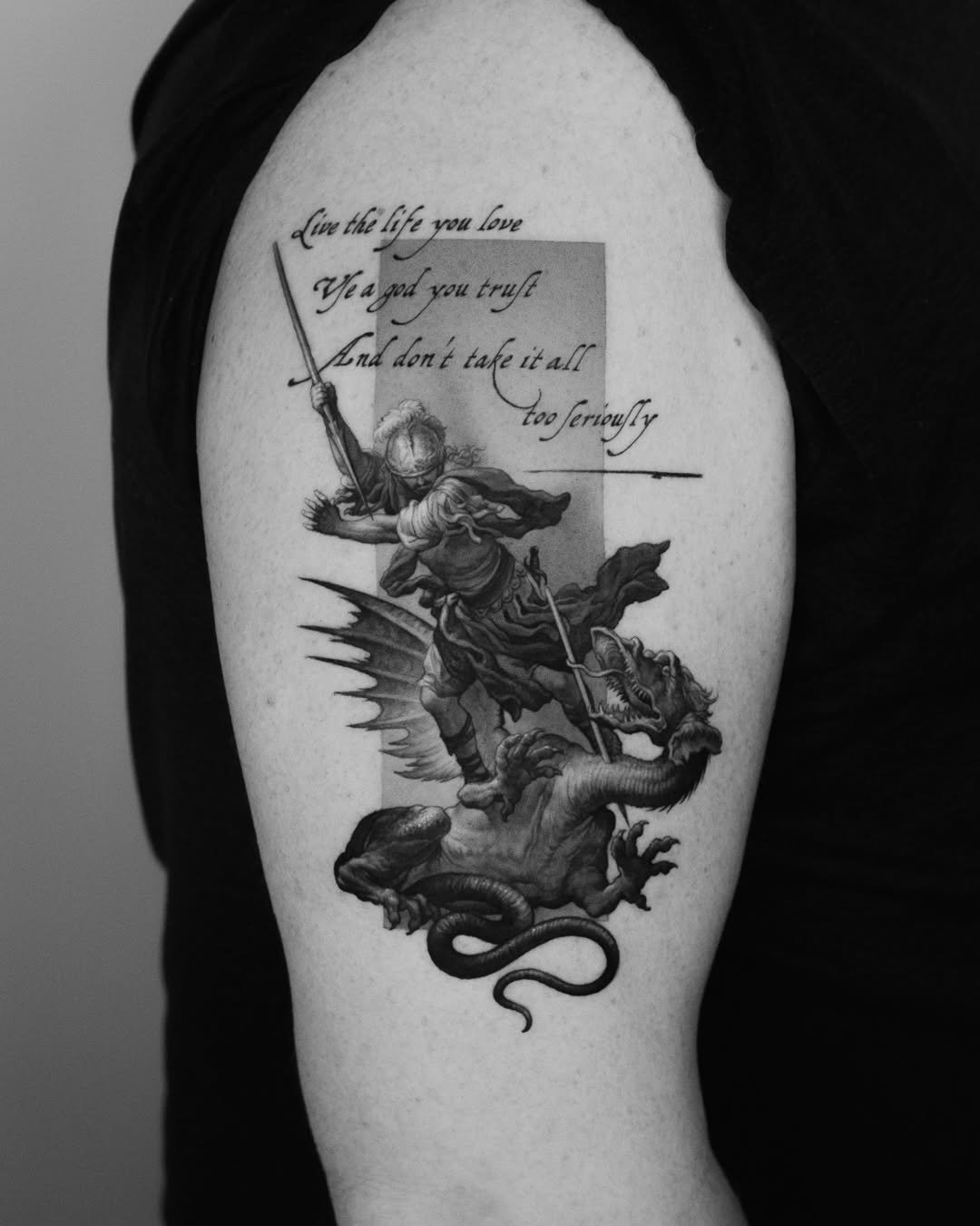
In the Western world, dragon imagery developed with very different meanings than in the East. In Europe, dragons often appear as destructive, fire-breathing beasts to be slain by heroic knights. Medieval folklore, especially influenced by Christian doctrine, portrayed dragons as symbols of sin, Satan, and temptation. One of the most famous tales is that of Saint George and the Dragon, a Christian martyr story where the saint slays a dragon threatening a town. This tale set a precedent in Christian Europe, embedding the idea of the dragon as an adversary of good and faith. In this view, dragons were enemies to be conquered, not symbols to be honoured. As a result, dragon tattoos in the Western world historically carried different connotations — danger, challenge, and the overcoming of personal demons or obstacles.
However, this has changed with time. During the Renaissance and later during the Romantic period, European scholars rediscovered classical and Norse myths, which included more nuanced views of dragons. In Norse mythology, for example, Fáfnir is a dragon who guards treasure and represents greed, but he also embodies transformation and human fallibility. In Celtic lore, dragons were protectors of sacred lands and symbols of sovereignty and magic. As tattooing gained popularity in the West in the 19th and 20th centuries — especially through colonial encounters with Polynesia and Japan — dragons also entered Western tattoo styles.
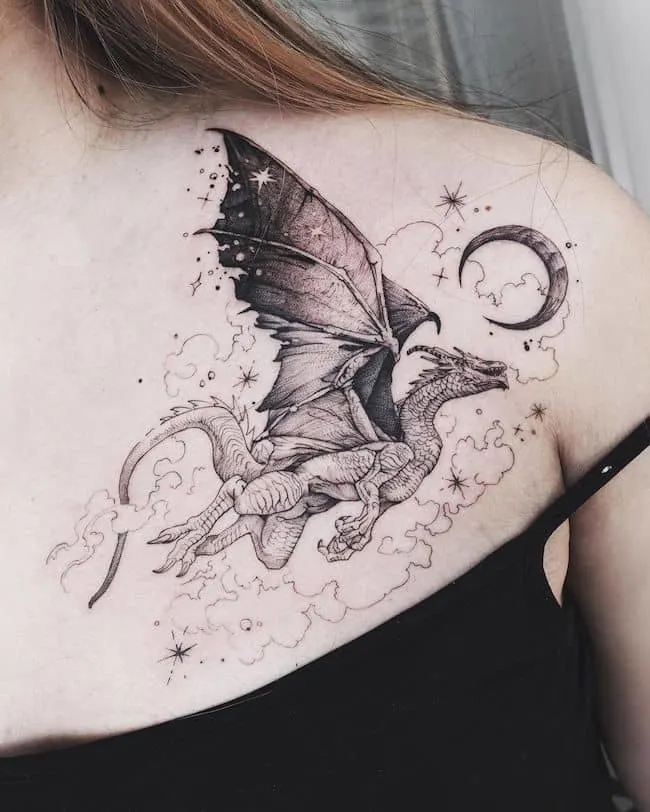
Today, Western-style dragon tattoos often fuse mythologies, combining Eastern design styles with European symbolism. Many people choose dragon tattoos to symbolise personal strength, the facing of internal battles, or a tribute to mythical storytelling. Fire-breathing dragons, wings extended, curling around swords or skulls, remain popular designs in Europe and North America. Despite its different origins, the dragon as a tattoo in the West has evolved into a complex emblem that reflects both strength and struggle.
“The dragon began to belch out flames and burn bright homesteads;
a vile sky-winger, he wanted to leave nothing alive.”
— lines 2312–2315, Beowulf. Trans. Seamus Heaney. Faber & Faber, 1999.
In this foundational Anglo-Saxon epic, the dragon is a force of destruction and a final trial for the hero. It symbolises greed, vengeance, and death, guarding a treasure hoard and laying waste to the land when disturbed. Beowulf’s battle with the dragon is also symbolic of fate and the cost of heroism.
Dragon symbolism in the Middle East
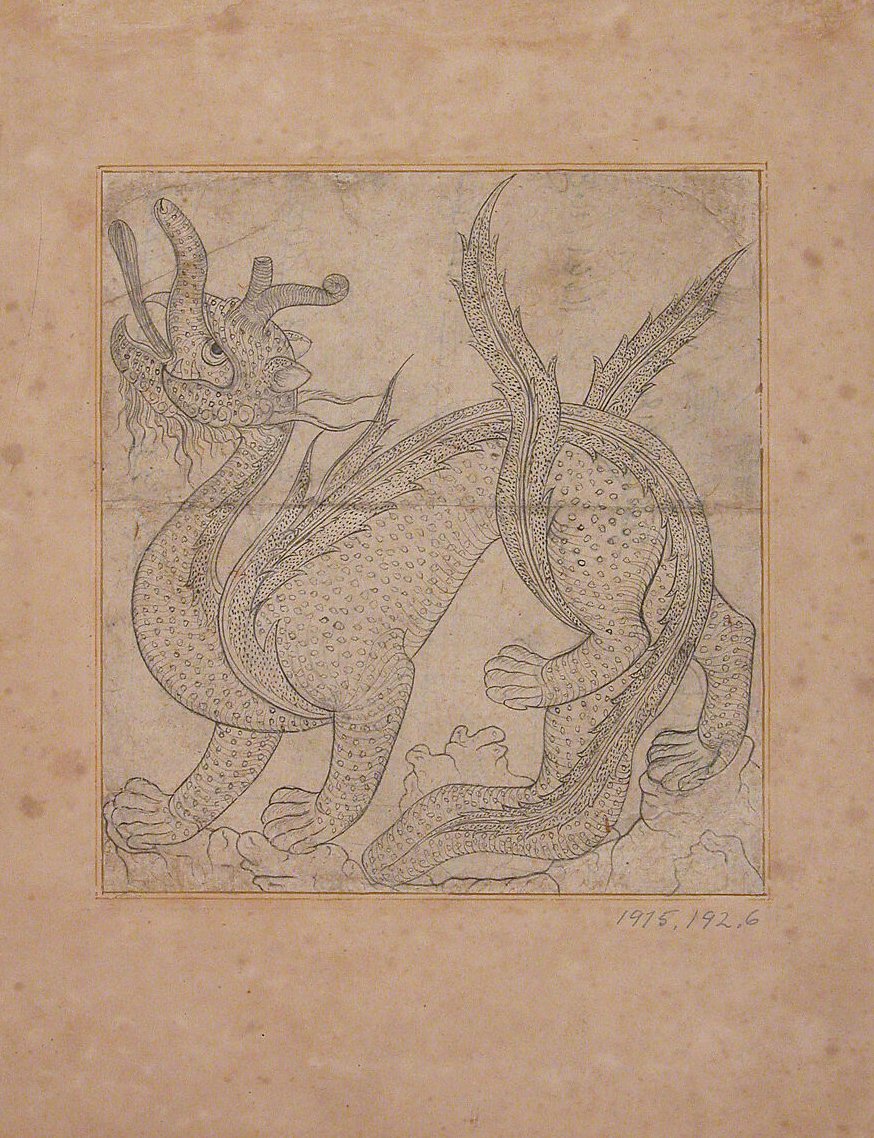
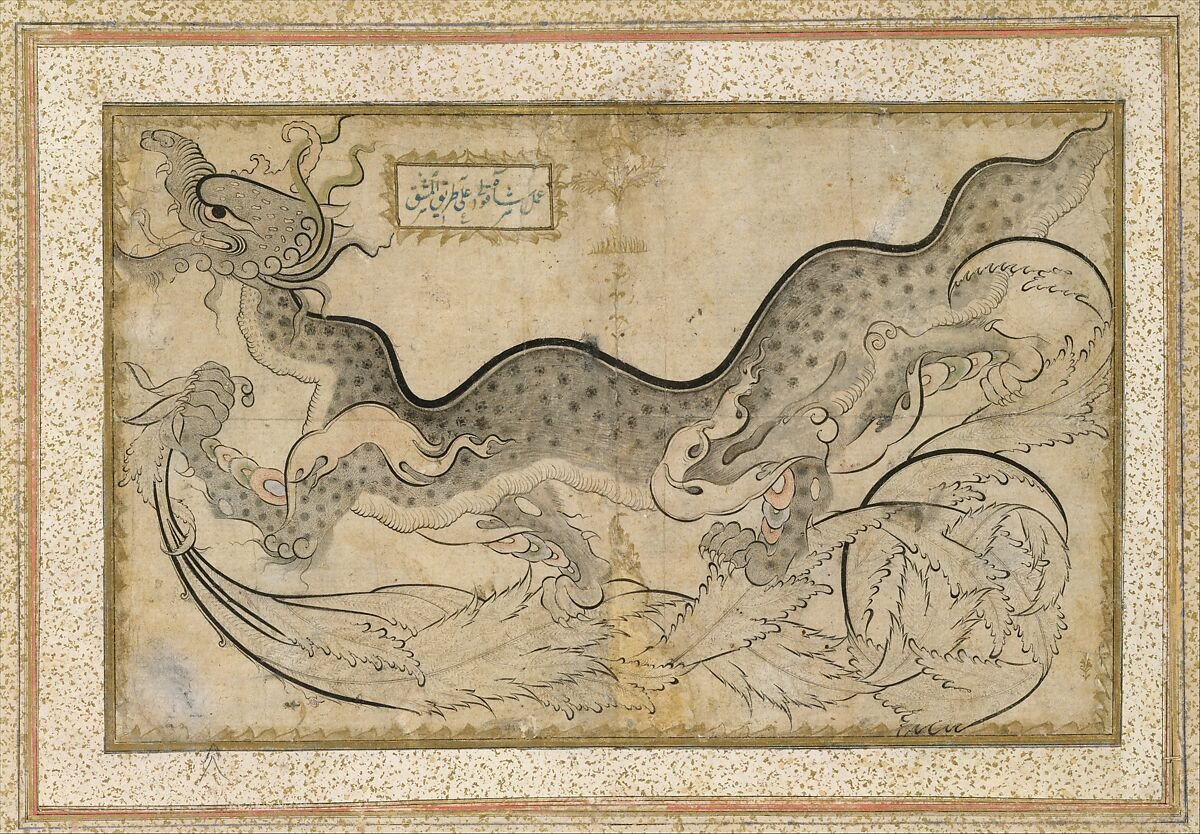
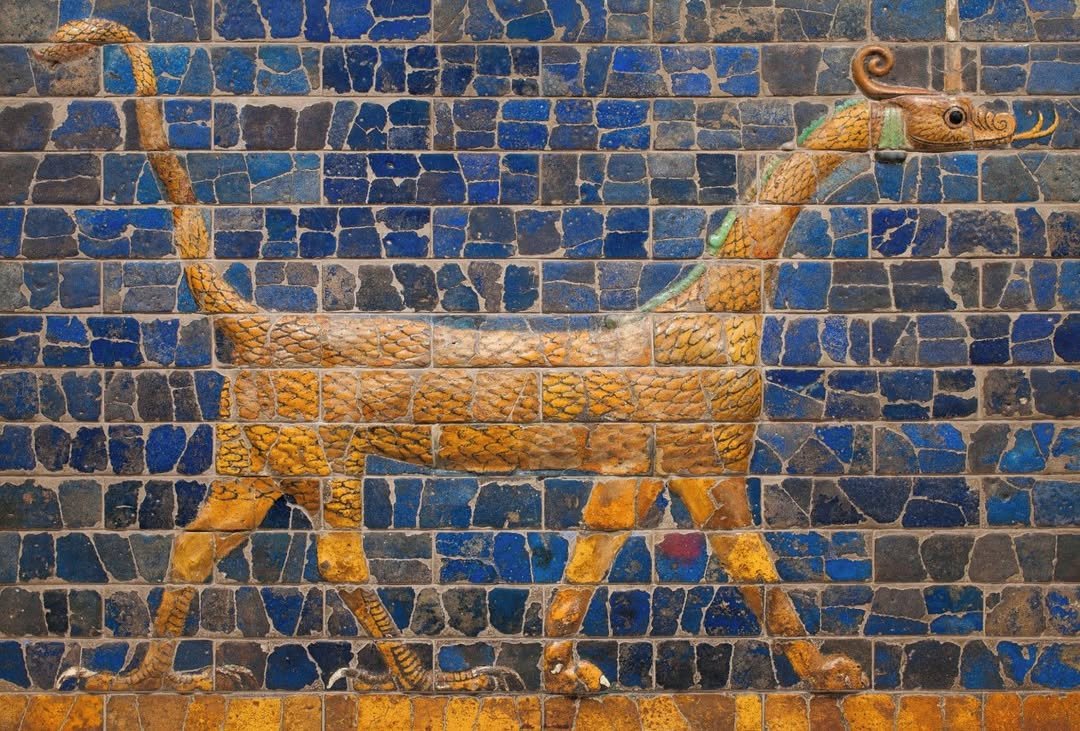
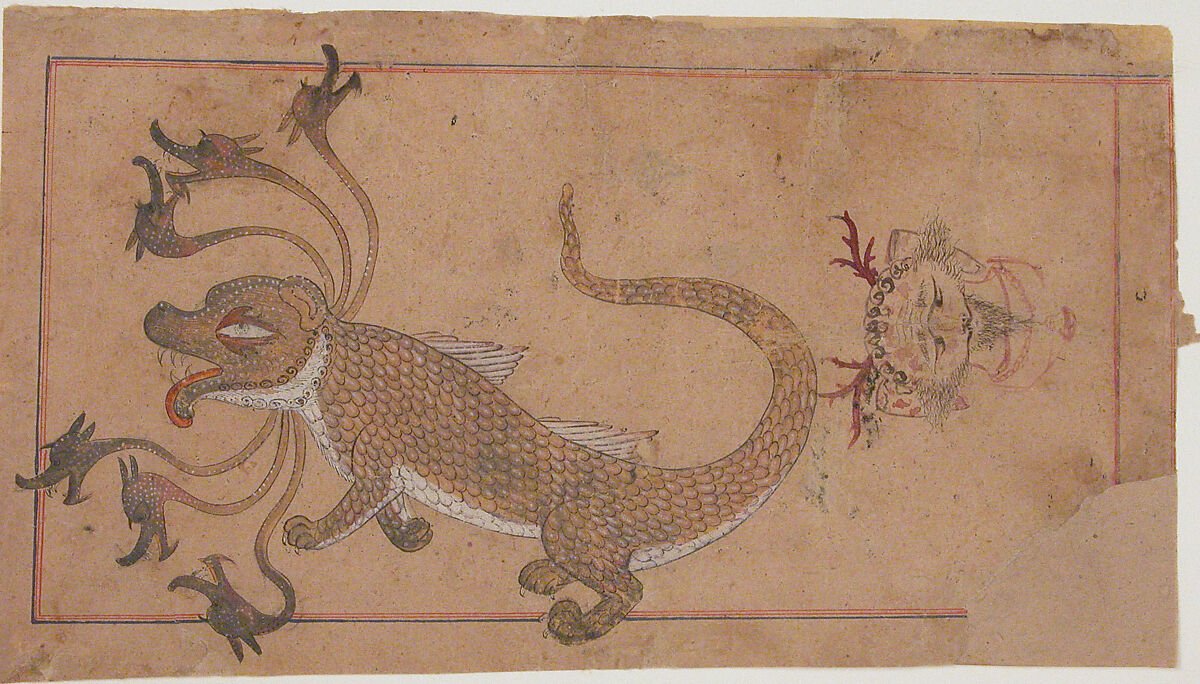
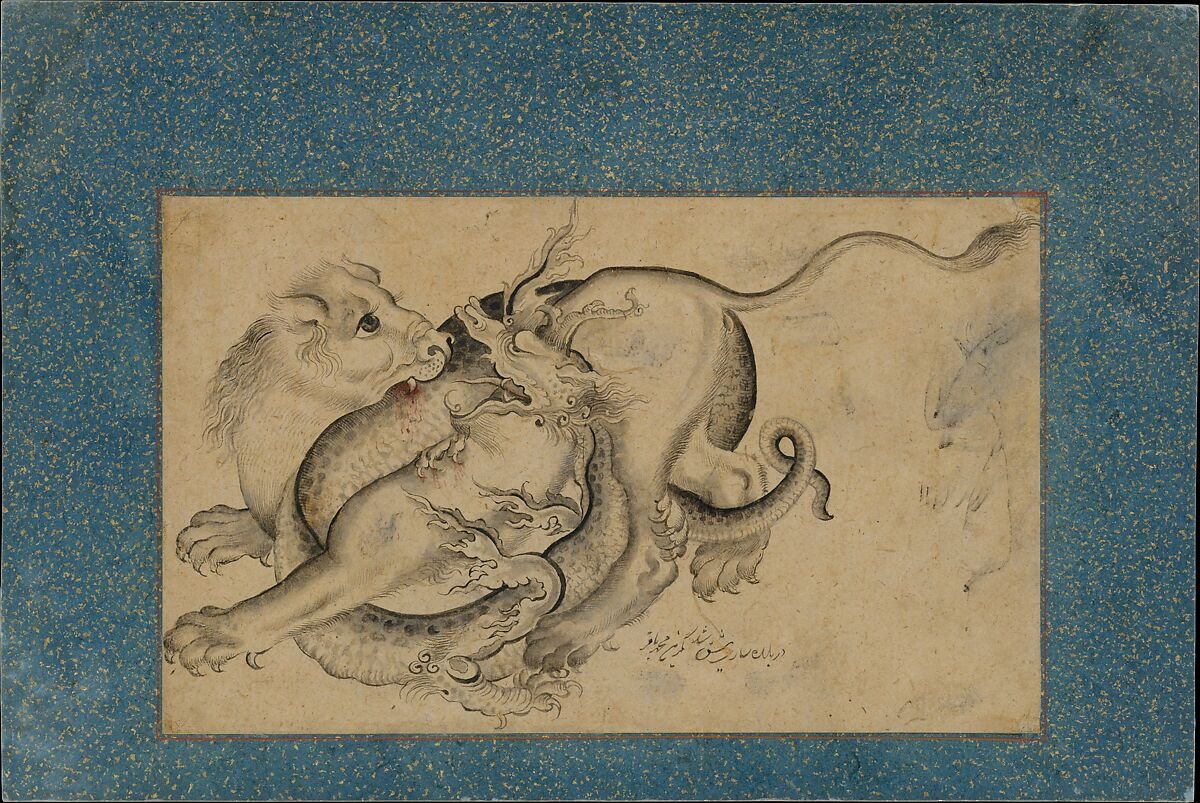
The image travelled widely across the Islamic world. Dragons appear in Islamic art on ceramics, metalwork, textiles, carpets, manuscripts, and architectural ornament. The Museum of Fine Arts, Houston describes dragons in Islamic art as “cross-cultural creatures”: sometimes close to Chinese dragons, sometimes descended from older West Asian serpent monsters, and sometimes shown as ferocious, protective, or peaceful beings.
In Anatolia, the dragon became especially visible in Seljuk art. Gönül Öney’s study of Anatolian Seljuk dragon figures notes that dragons appear extensively in stone and plaster reliefs, often in a style different from Chinese models and carrying different symbolic meanings. These dragons were often placed on buildings, portals, and decorative objects, which makes them useful to read as threshold figures: creatures positioned between outside and inside, danger and safety, chaos and order.
This gives the Middle Eastern dragon a different tattoo meaning from the East Asian dragon of luck and imperial blessing, or the European dragon as a monster to be slain. A Middle Eastern-inspired dragon tattoo can suggest dangerous knowledge, protection, spiritual trial, royal force, or survival through chaos. It is not simply evil and not simply lucky. It is a border creature: part serpent, part guardian, part threat, part sacred warning.
Modern dragon tattoos: cultural fusion and personal meaning
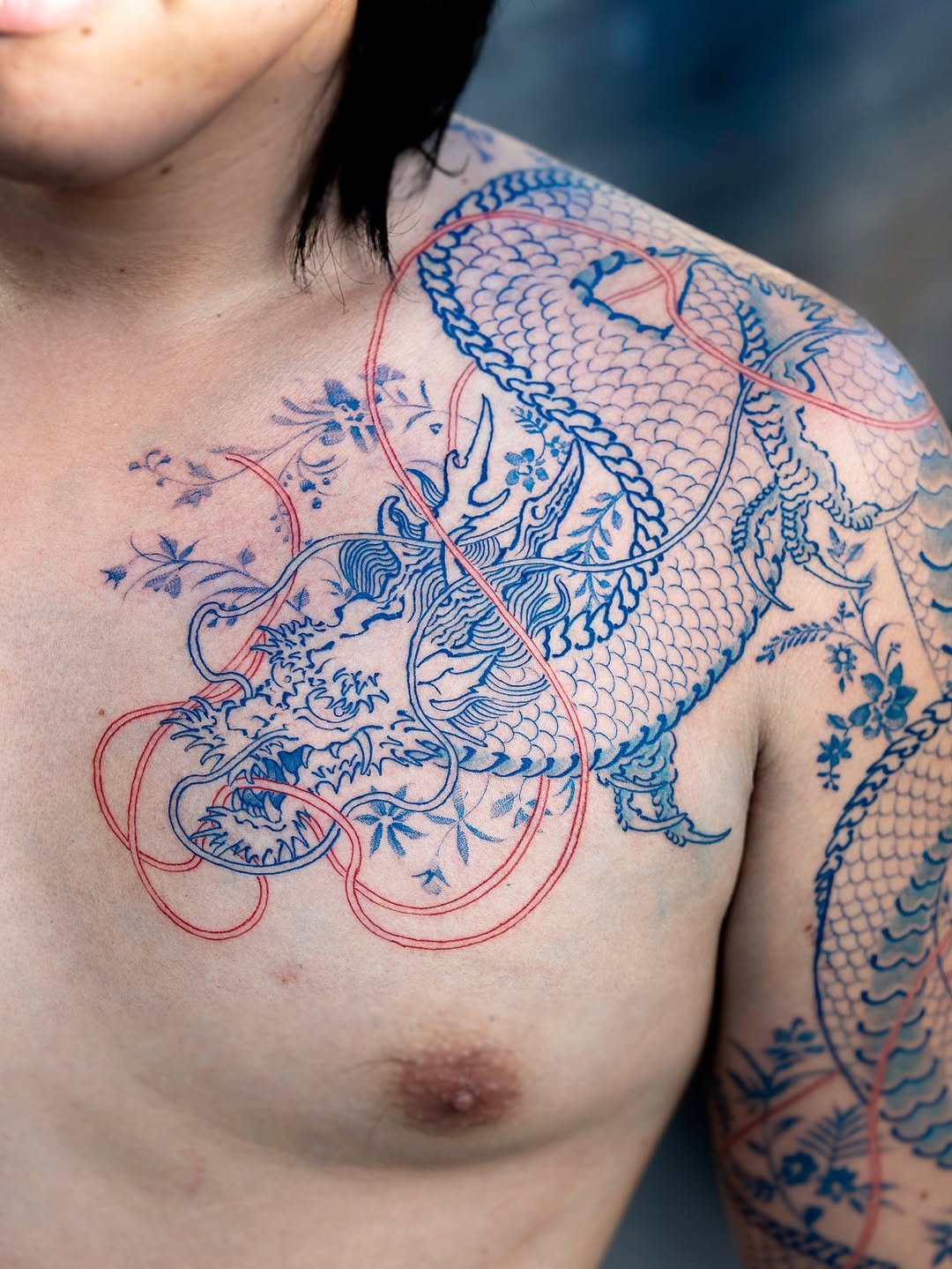
Today, dragon tattoos have become a global phenomenon, spanning continents, cultures, and design styles. Modern tattooing has seen a blending of East and West, traditional and contemporary. Artists today may combine Japanese irezumi dragons with Nordic runes, or design minimalist dragon outlines influenced by Chinese brush strokes.
The meaning of a dragon tattoo today is often shaped by the wearer’s personal story rather than a fixed cultural code. However, traditional meanings still resonate strongly. For many, the dragon represents personal power, transformation, wisdom gained through struggle, and independence.
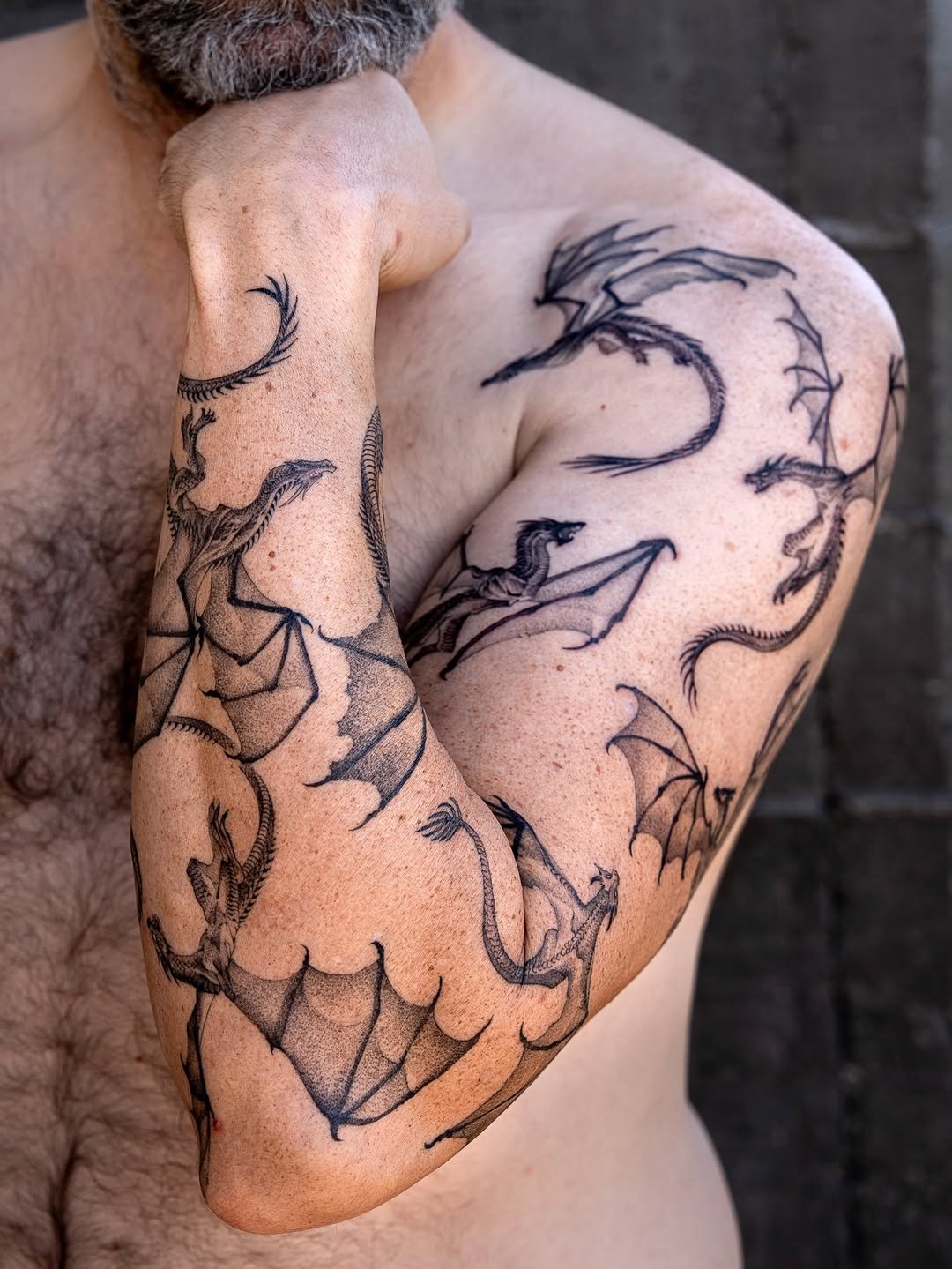
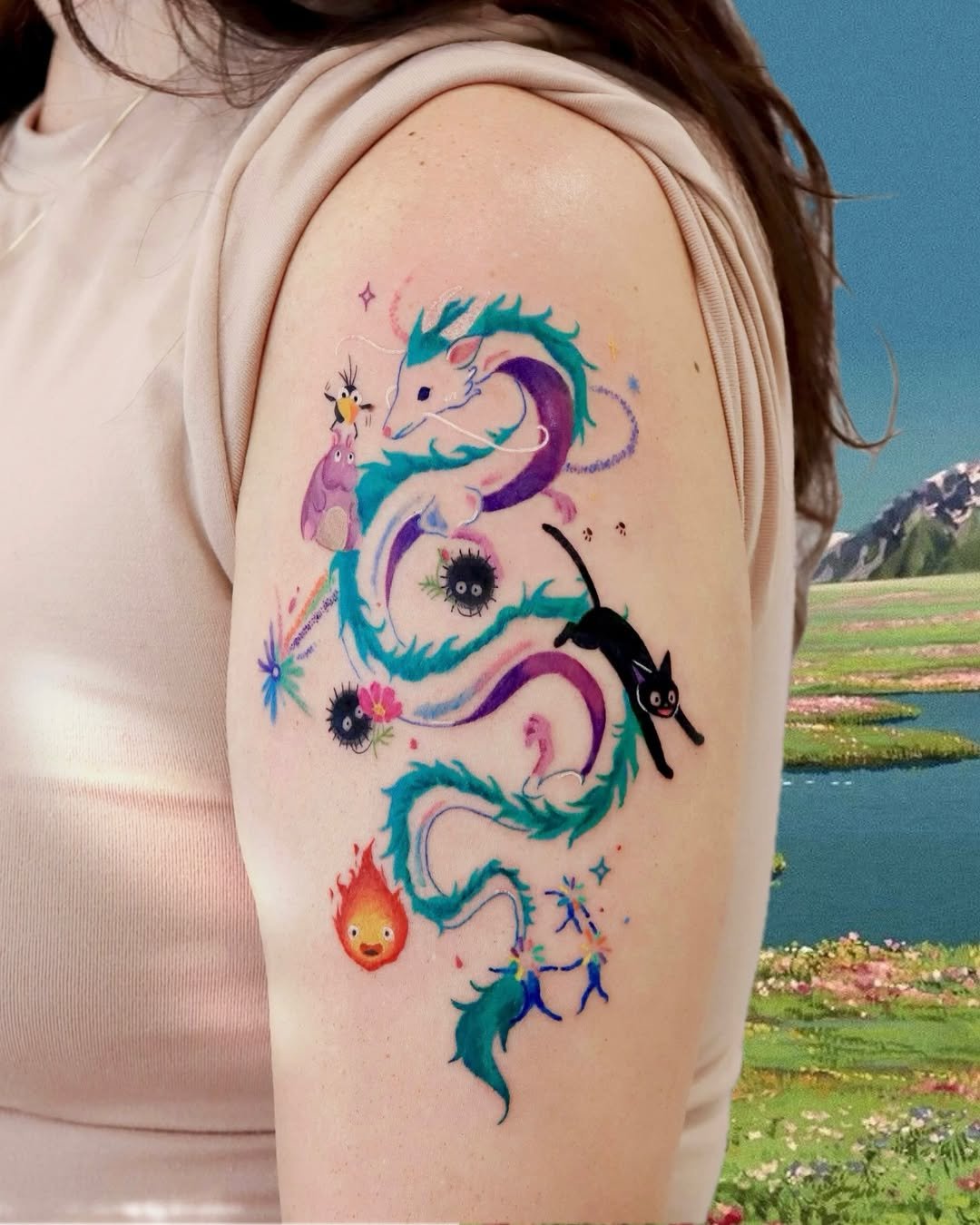
The rise of fantasy literature, films, and games — such as Game of Thrones, The Hobbit, and Dungeons & Dragons — has also brought dragons back into the mainstream imagination, not just as fearsome beasts but as layered characters with intelligence, emotion, and destiny. This cultural shift has further normalised and popularised dragon imagery in tattoos. Technology and social media have also played a role. Tattoo artists now share dragon designs on global platforms like Instagram, attracting clients from around the world. Korean and Japanese tattoo styles, once niche, are now part of a global visual vocabulary.
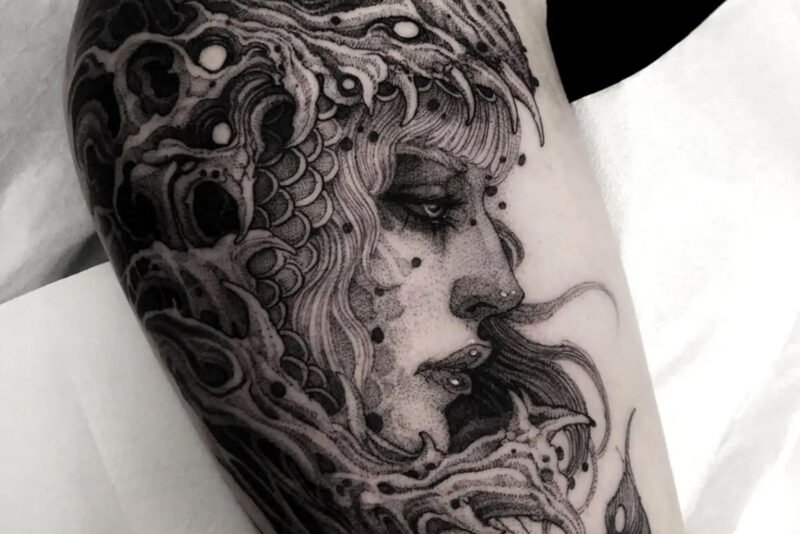
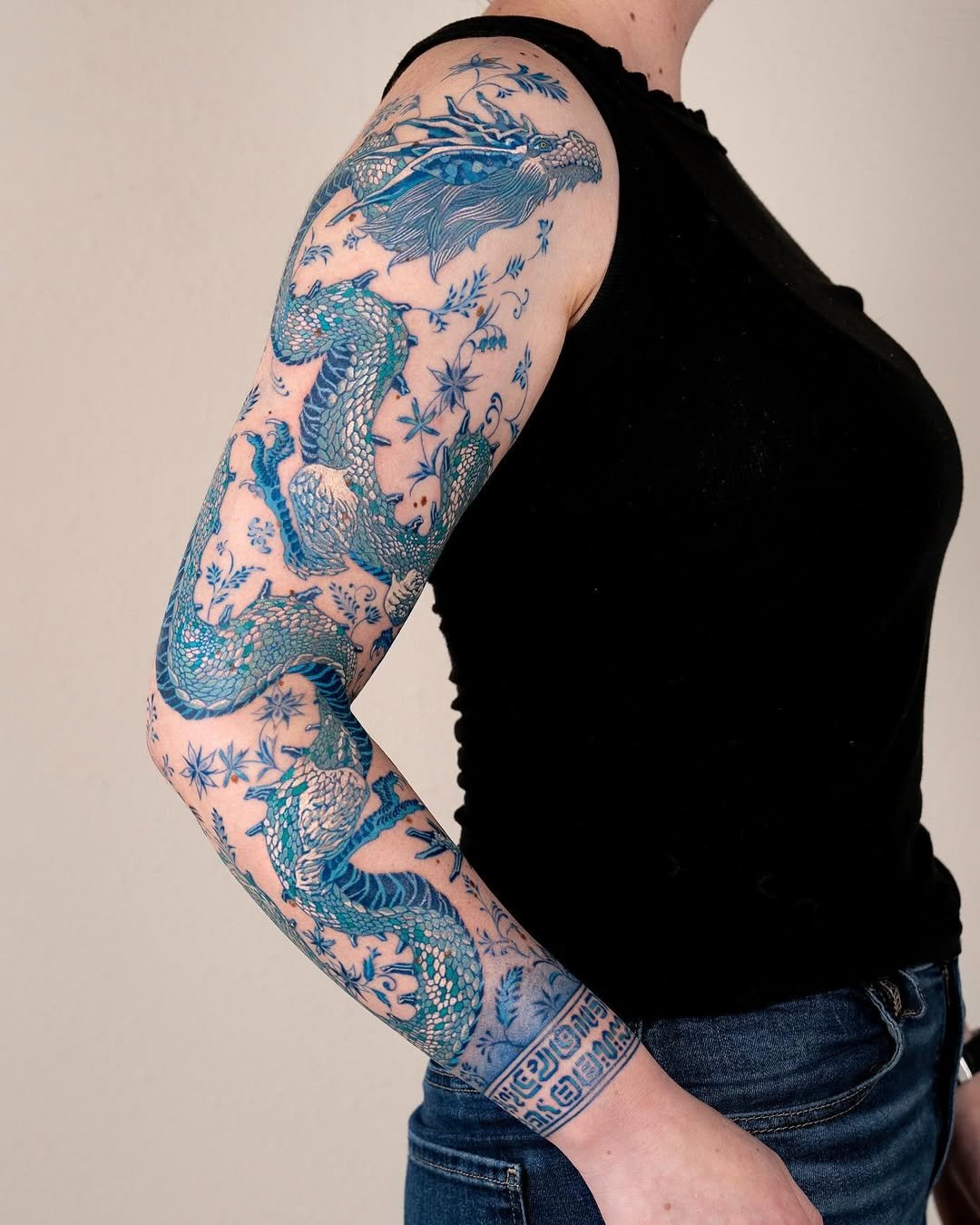
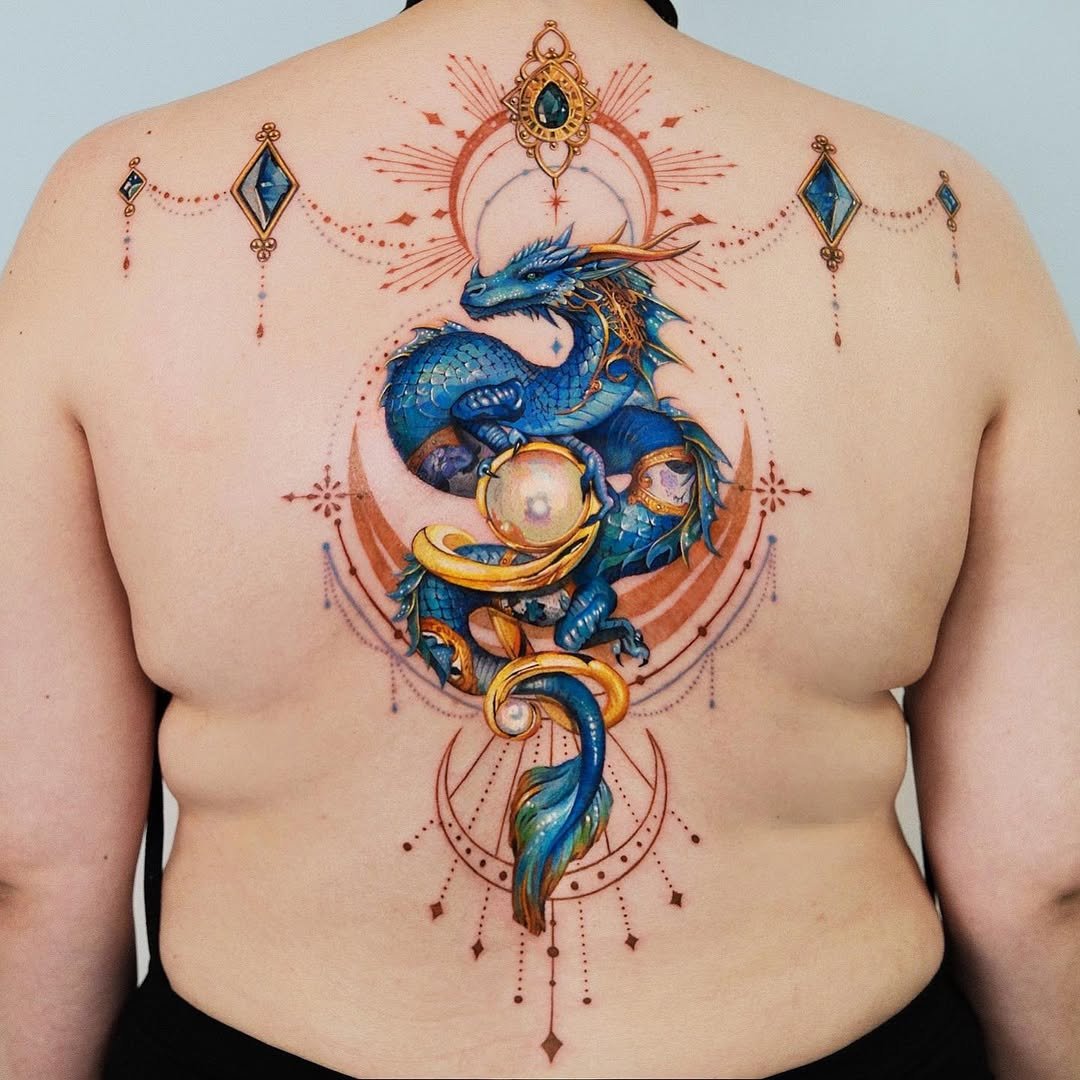
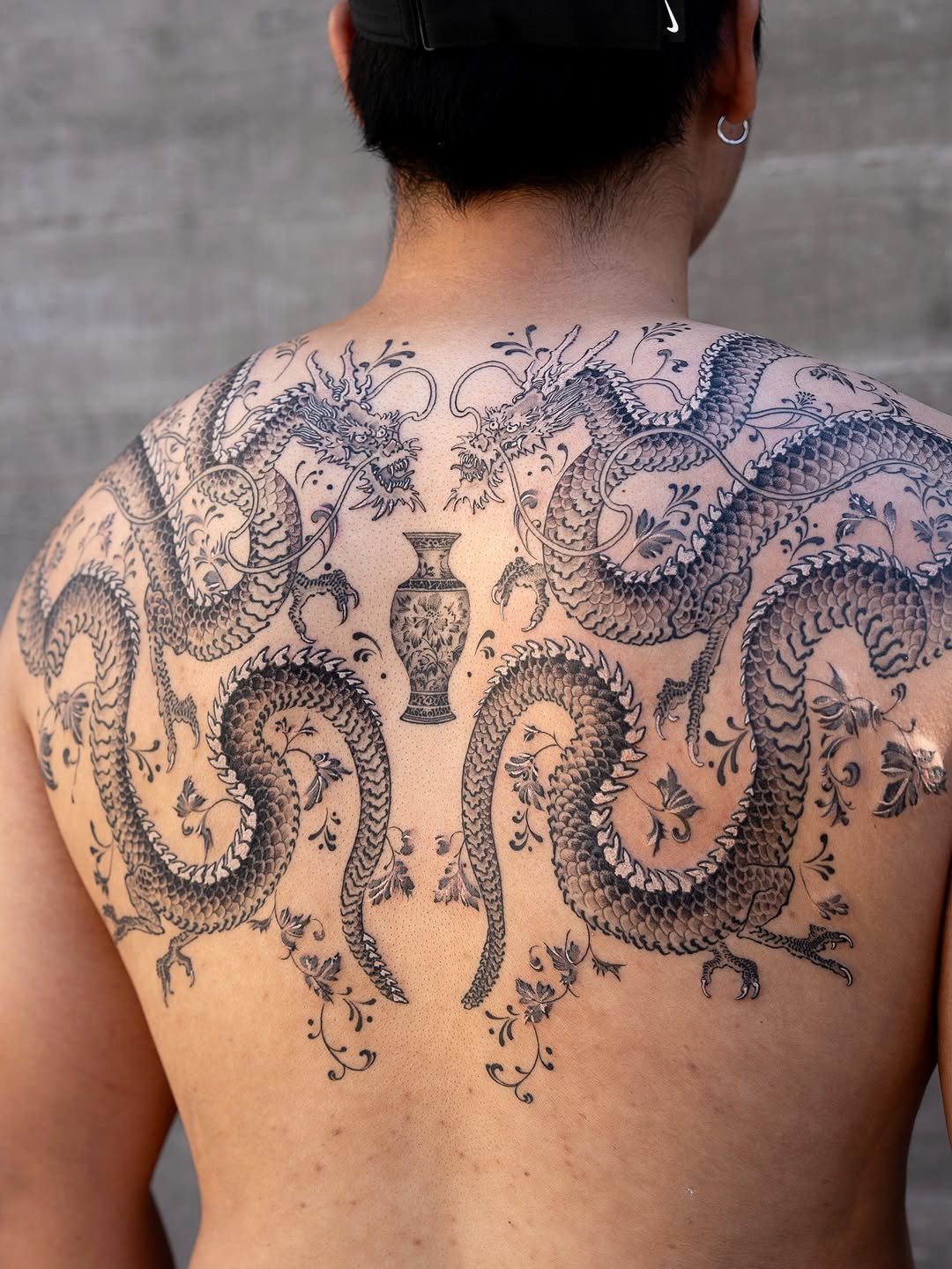
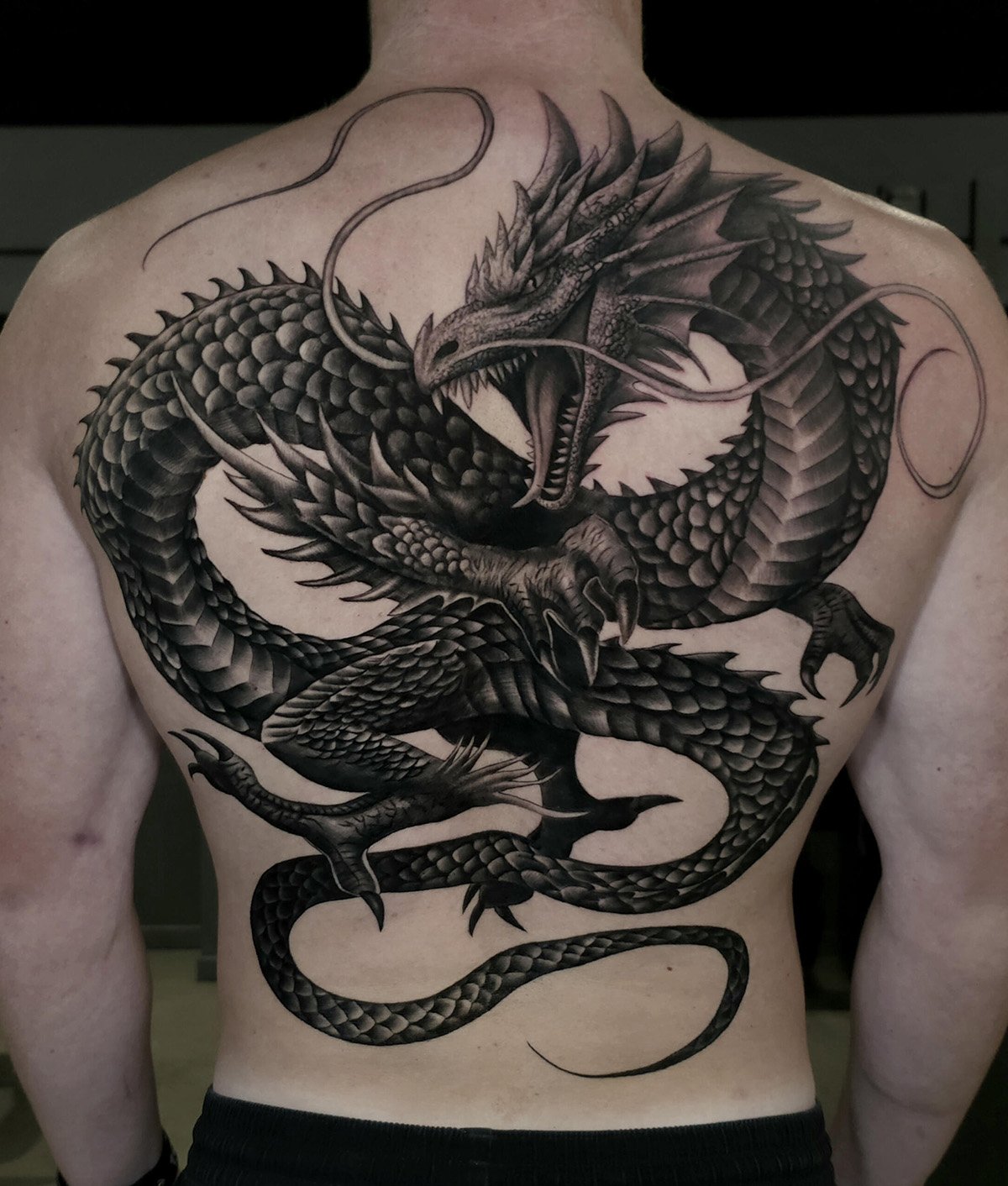
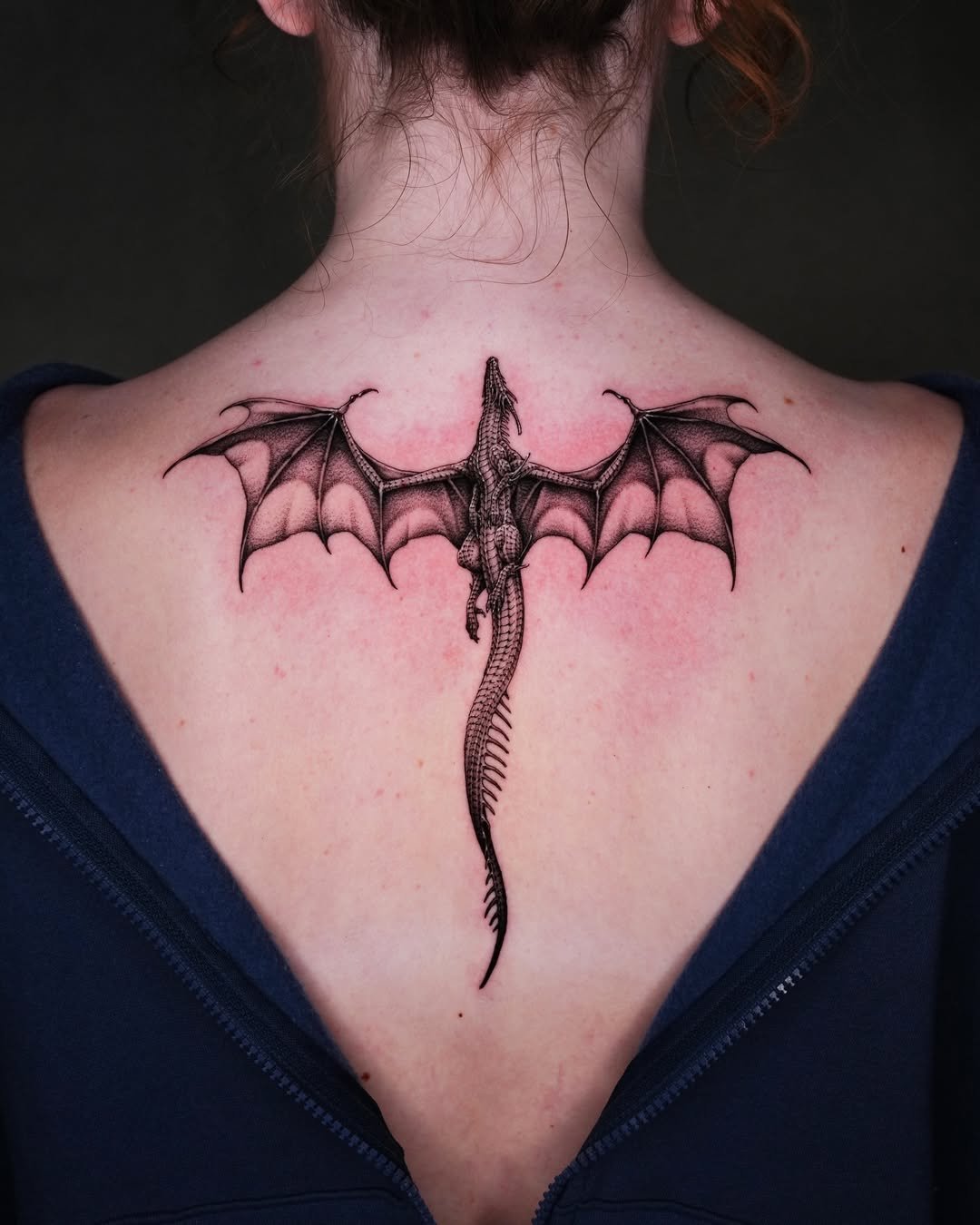
Artists from London to Los Angeles to Seoul reimagine dragons through their own artistic lenses. At the same time, cultural sensitivity and respect have become important. Many artists today take care to understand the heritage behind the symbols they use, and some clients choose dragon tattoos specifically to honour their ancestry or spiritual beliefs. There’s also a growing trend toward black-and-grey realism, where dragons are rendered almost photographically. Others prefer abstract or geometric dragons, focusing on the idea of power and motion.
Whether full-sleeve tattoos, back pieces, or small line-art designs, dragon tattoos today express individuality, cross-cultural respect, and narrative complexity. They remain one of the most versatile and enduring tattoo choices across all societies.
Why dragon tattoos were popular then, and now
The popularity of dragon tattoos, both past and present, can be traced to the symbol’s depth, versatility, and universality. In ancient times, dragon imagery allowed people to connect with something greater — cosmic forces, ancestors, nature, or religious ideals. A dragon tattoo was a way to wear those meanings permanently, as a sign of power, protection, and identity. In Eastern cultures, it could mark a man of virtue and strength; in the West, it might represent the hero’s struggle and victory. Popularity was often linked to social roles — warriors, shamans, emperors, and rebels — and dragon tattoos carried a certain prestige or an aura of danger and mystery.
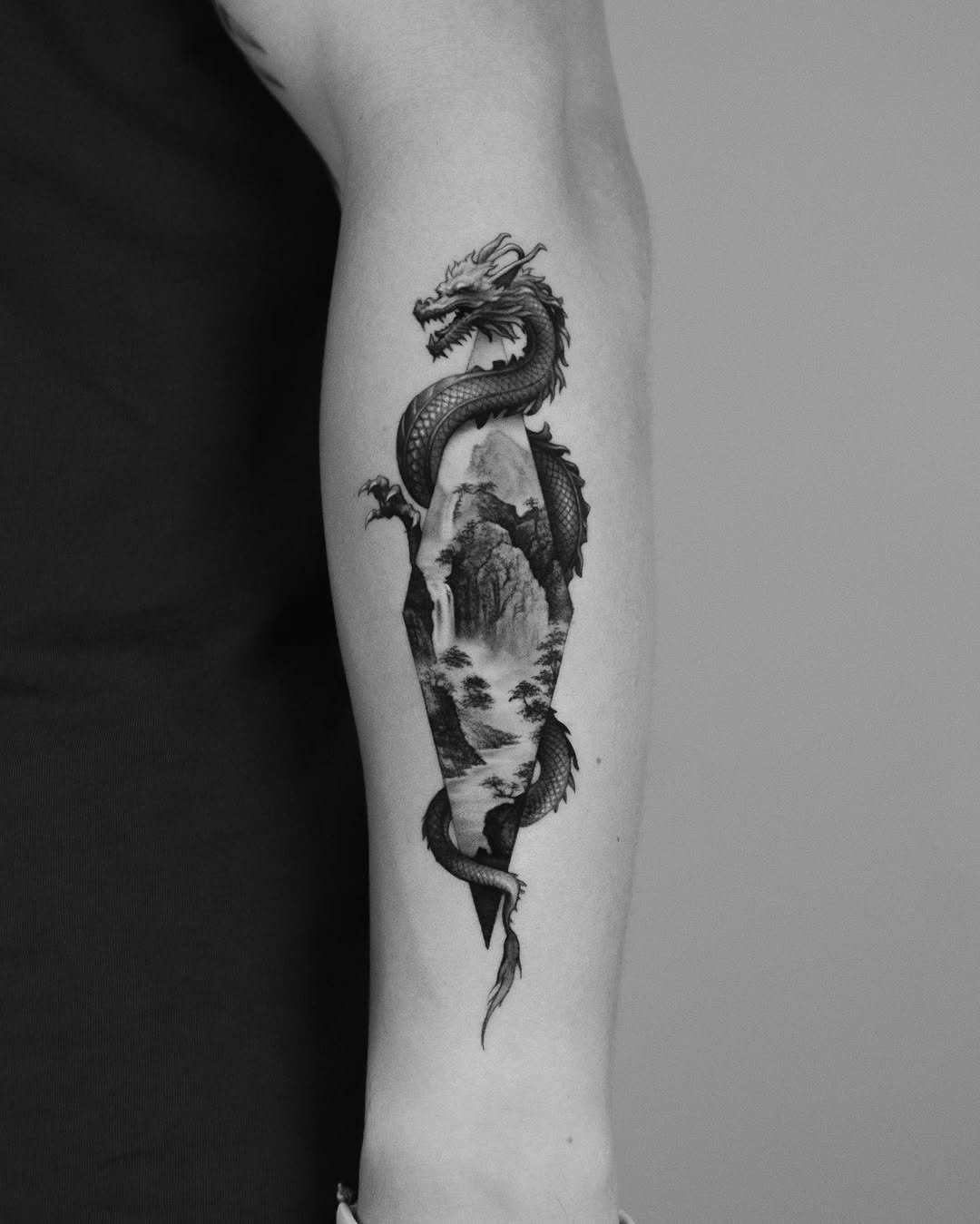
Today, the reasons people choose dragon tattoos have broadened, but the core ideas remain. Dragons still represent power, but now also resilience, independence, and transformation. In a time where identity is more fluid and global, the dragon has adapted well — it can represent heritage, fandom, spirituality, or simply aesthetics. Tattooing itself is now seen as a form of self-expression rather than rebellion, and dragons offer endless room for variation. From ultra-detailed Japanese back pieces to simple black line art on the forearm, dragon tattoos let people claim strength in a way that feels personal and timeless. Their popularity today also reflects our hunger for meaning, myth, and a sense of control or destiny in uncertain times. The dragon is ancient, but its story never gets old.
Sources & further reading
- Michael Lorenzen. Dragons in Mythology: A Literature Review, 2025.
- Dragon: Description, Mythical Dragons, Types, & Facts. Encyclopedia Britannica.
- Ambrós, B. Animals in Japanese Buddhism: The third path of existence. Religion Compass, 8(8), 251–263. 2014.
- Caplan, Jane. Written on the Body: The Tattoo in European and American History. Princeton University Press, 2000.
- Wood, J. Fantastic Creatures in Mythology and Folklore. Bloomsbury Academic, 2018.
- Merrick, A., Li, W., & Miller, D. A study on the efficacy of the tabletop role-playing game Dungeons & Dragons for improving mental health and self-concepts in a community sample. Games for Health Journal, 13(2), 128–133. 2024
- O’Connor, J. Bible mythology: Unicorns, dragons, and sea serpents in scripture. Connect Paranormal Blog. 2024.
- Izotova, N. Dragon images in Japanese culture: Genesis and semantics. Japanese Studies in Russia, (2), 100–112. 2024.
- Nadia Mariana Consiglier. Dragons weren’t always feared. Then they became the monsters of the Middle Ages, National Geographic, 2024.
- India Bourke, Katherine Latham and Sophie Hardach. Wise, lucky, terrifying: The surprising 4,000-year history of dragons. BBC, 2024.