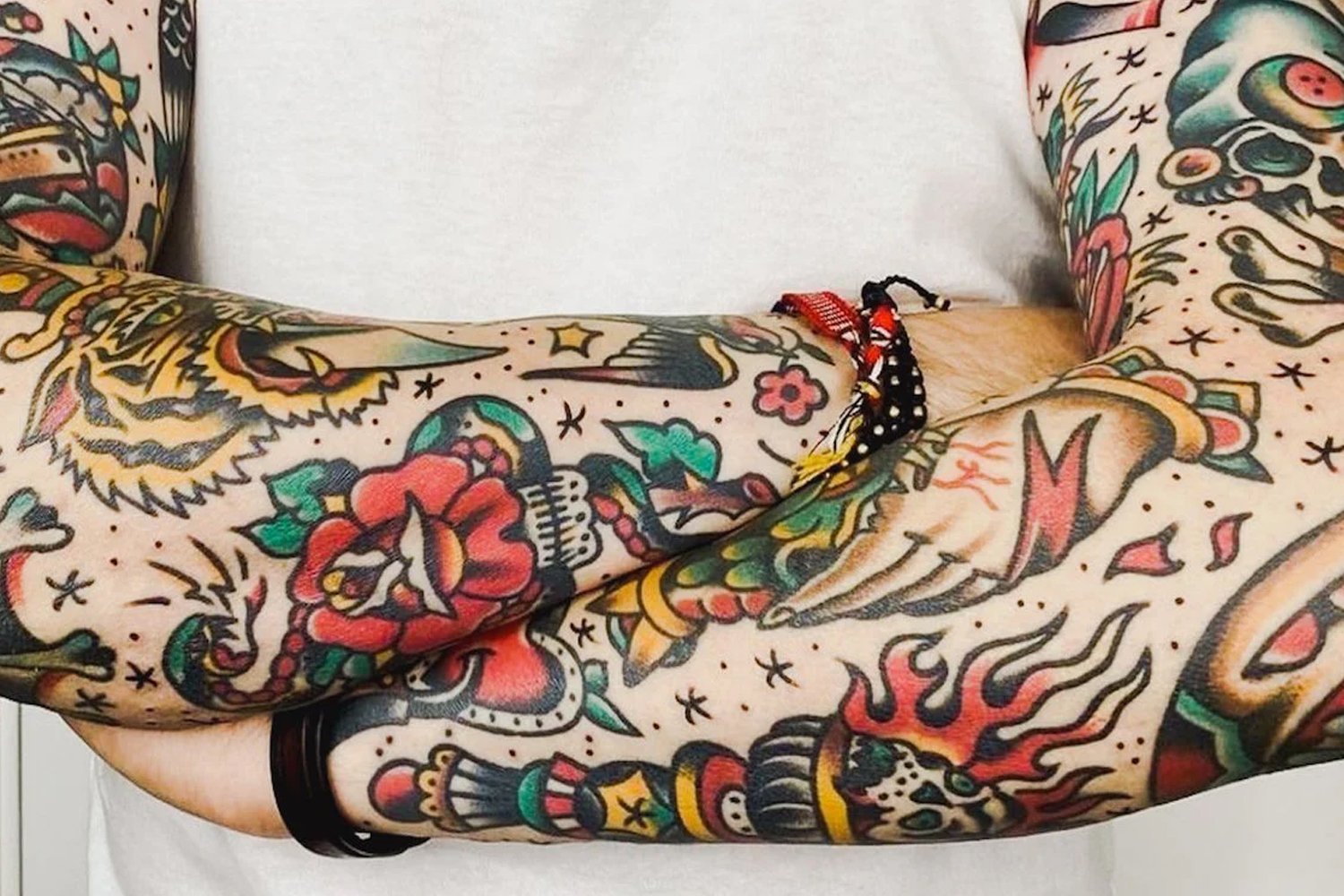
American traditional is a port-town style. It grew up in the tattoo shops that clustered near naval bases and harbours in the first half of the twentieth century — Honolulu, San Diego, Norfolk, the Bowery in New York, and Chatham Square. The clientele was sailors, soldiers, and the people who worked the docks. The constraints of the trade shaped the style.
Tattoo Styles & Traditions
Style is not a matter of taste alone — it is a set of technical commitments with material consequences and a set of decisions made before and during the work. Technology, line weight, needle configuration, ink density, shading method, colour palette, and compositional rules vary across styles, and these differences affect how a tattoo looks and how it reads years later. Many entries here describe tattooing traditions — practices in which method, meaning, and cultural context are inseparable.
All | Contemporary | Culture-Bound | Graphic | Traditional | Realism | Artists
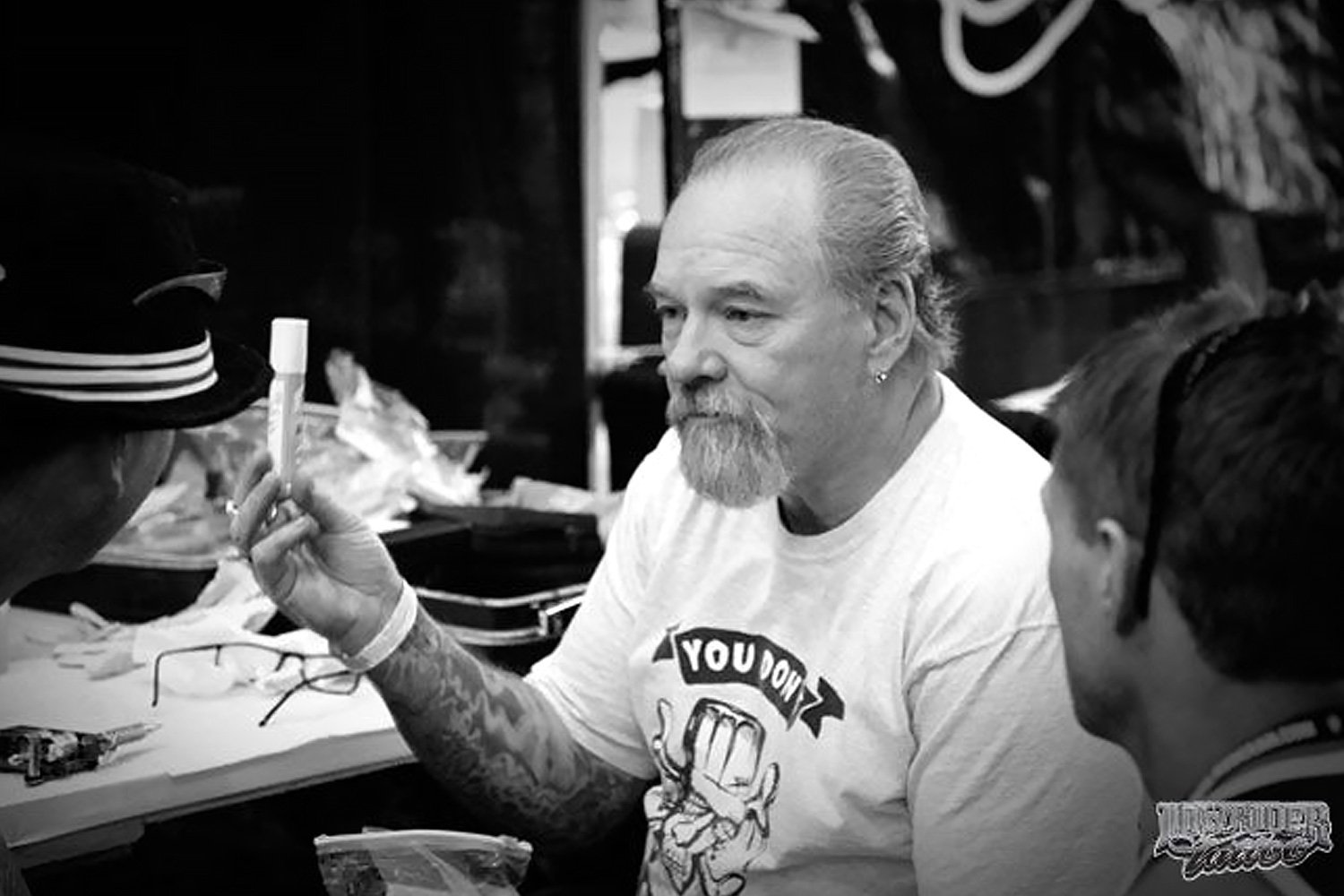
Jack Rudy
His position in the lineage of American fine-line tattooing is as the technical innovator. It was Jack Rudy who solved the engineering problem — who built the machine, developed the greywash method, and refined the technique to the point where it could produce photorealistic portraiture on skin using a single needle and black ink.
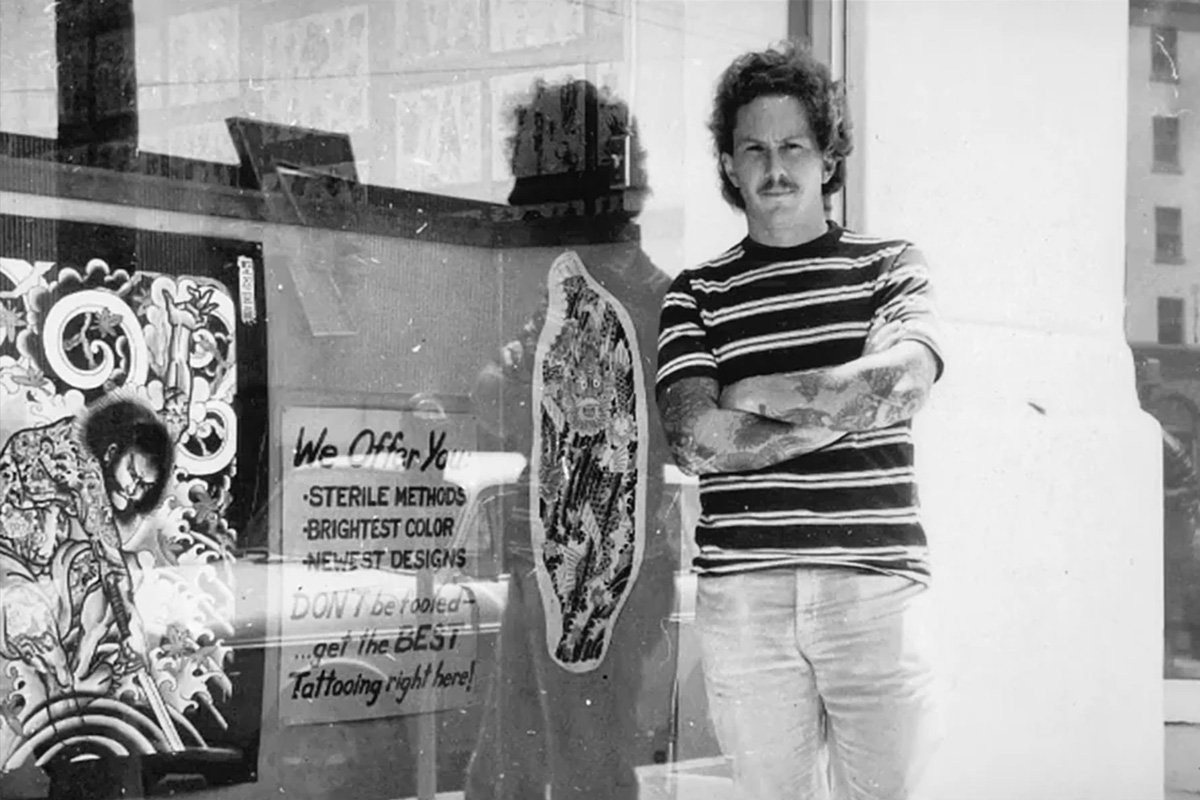
Don Ed Hardy
Don Ed Hardy is the most important figure in the transformation of American tattooing from a trade into an art form. This is a claim that can be stated without qualification, because the evidence for it is structural: before Hardy, American tattooing was a craft practised in street-level shops by self-taught tradespeople who selected designs from tattoo flash.
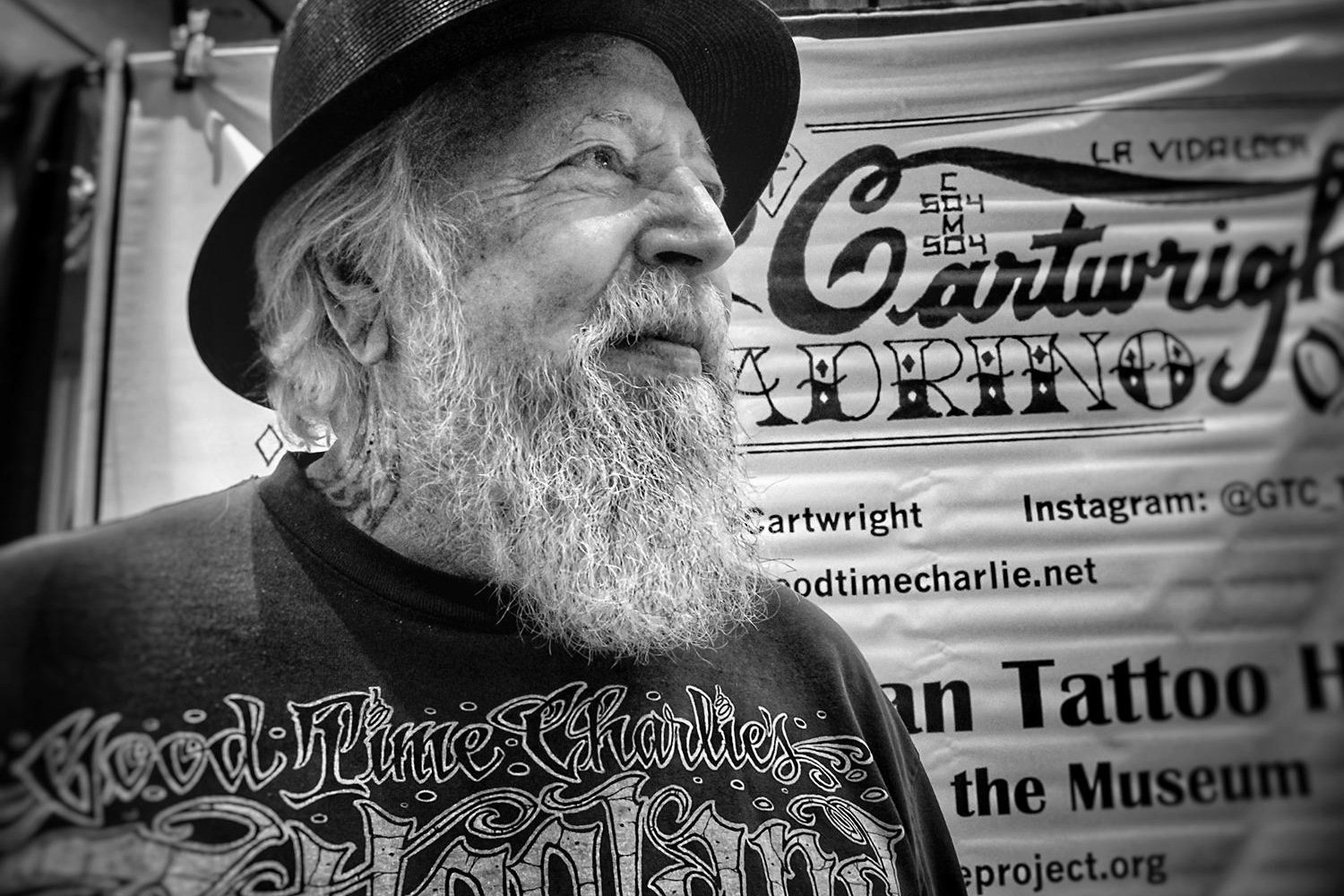
Good Time Charlie Cartwright
Charlie Cartwright’s contribution to tattooing is architectural. He built the structure — the shop, the team, the conditions — within which the single-needle black-and-grey technique was professionalised. The technique existed before him (in the prisons), and the technique was refined by others alongside and after him. But he was the one who opened the door.
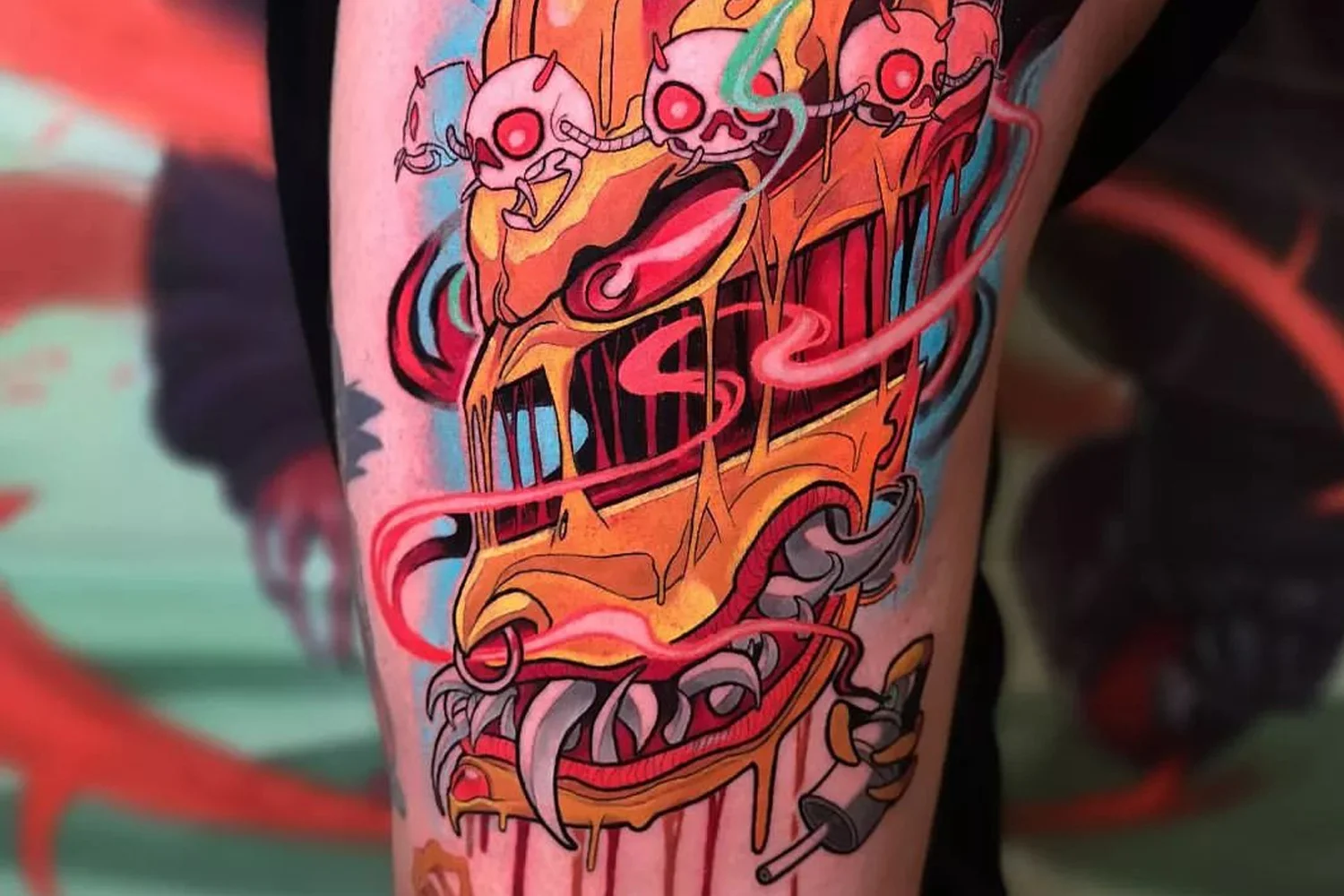
New school
New school is the most maligned of the major tattoo styles. Some of that reputation is earned; some of it comes from a reflex against cartoon imagery in a craft tradition that has come to prefer fine-art references. The style is also one of the most technically demanding in the tattooing repertoire, and the work of the best new-school artists has aged considerably better(…).
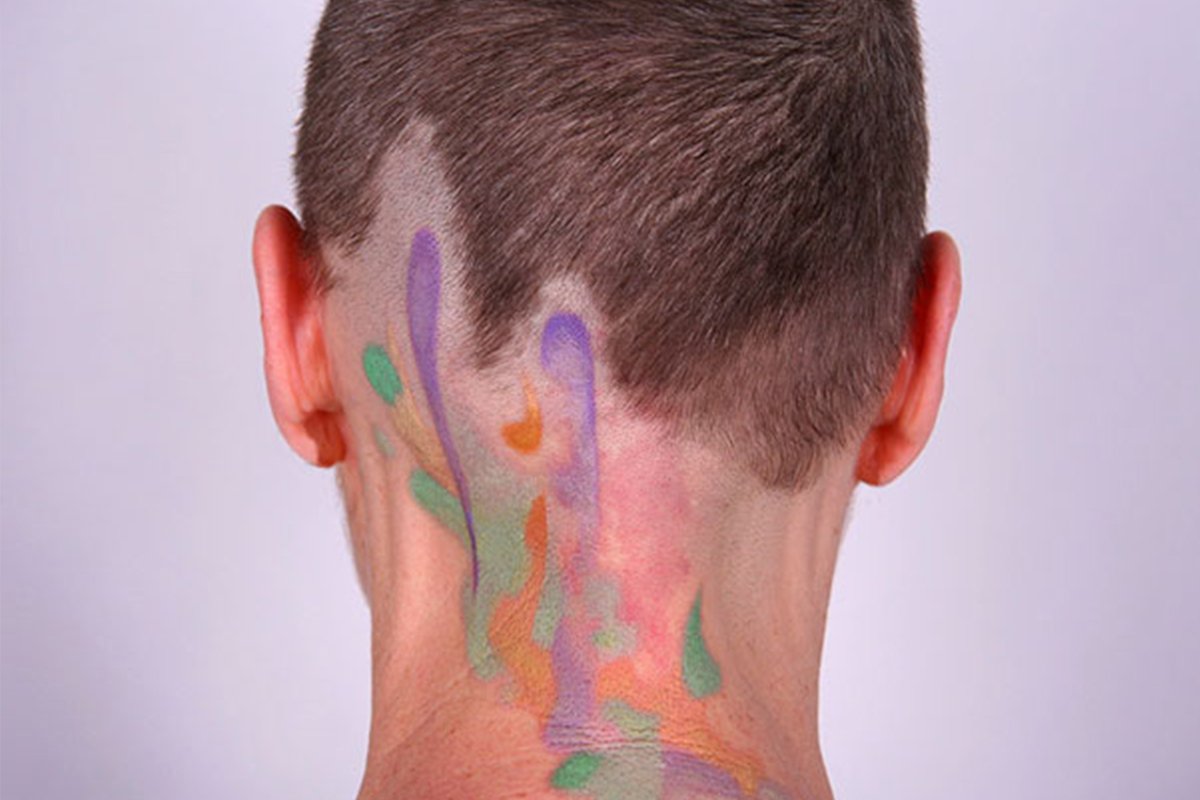
Watercolour
It takes its name from the painting medium it imitates: watercolour paint on paper, with its characteristic translucency, its soft edges, its colour bleeds, and its quality of apparent spontaneity. The tattoo version attempts to reproduce these visual qualities on skin using tattoo ink — technically demanding translation from one medium to another.
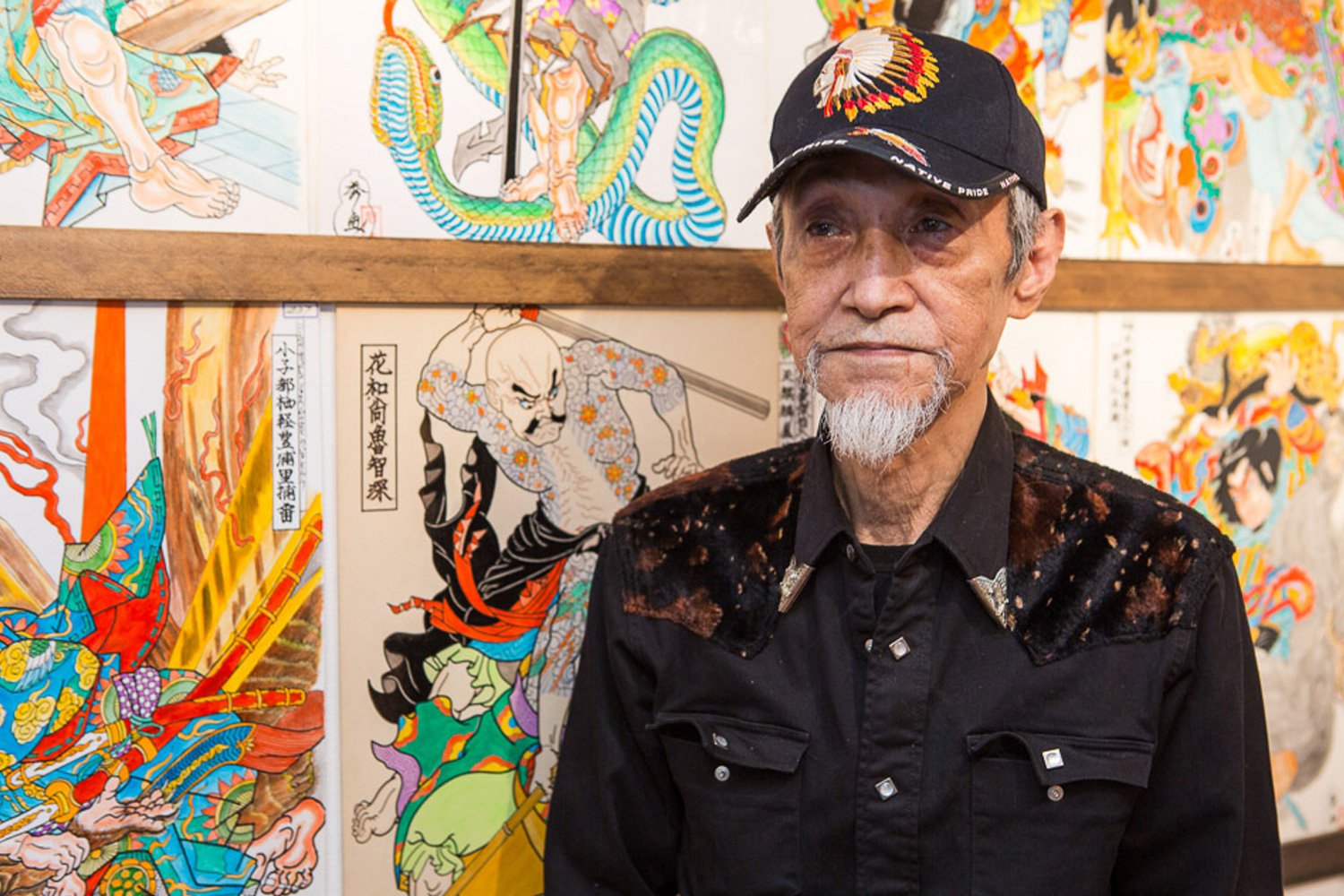
Gifu Horihide / Kazuo Oguri
Oguri’s position in the history of tattooing is defined by a single act, repeated across decades: he shared. He shared his knowledge with Sailor Jerry through letters. He shared his techniques and his studio with Ed Hardy. He shared his tradition with Western students who would not have gained access to it without his willingness to open the door.
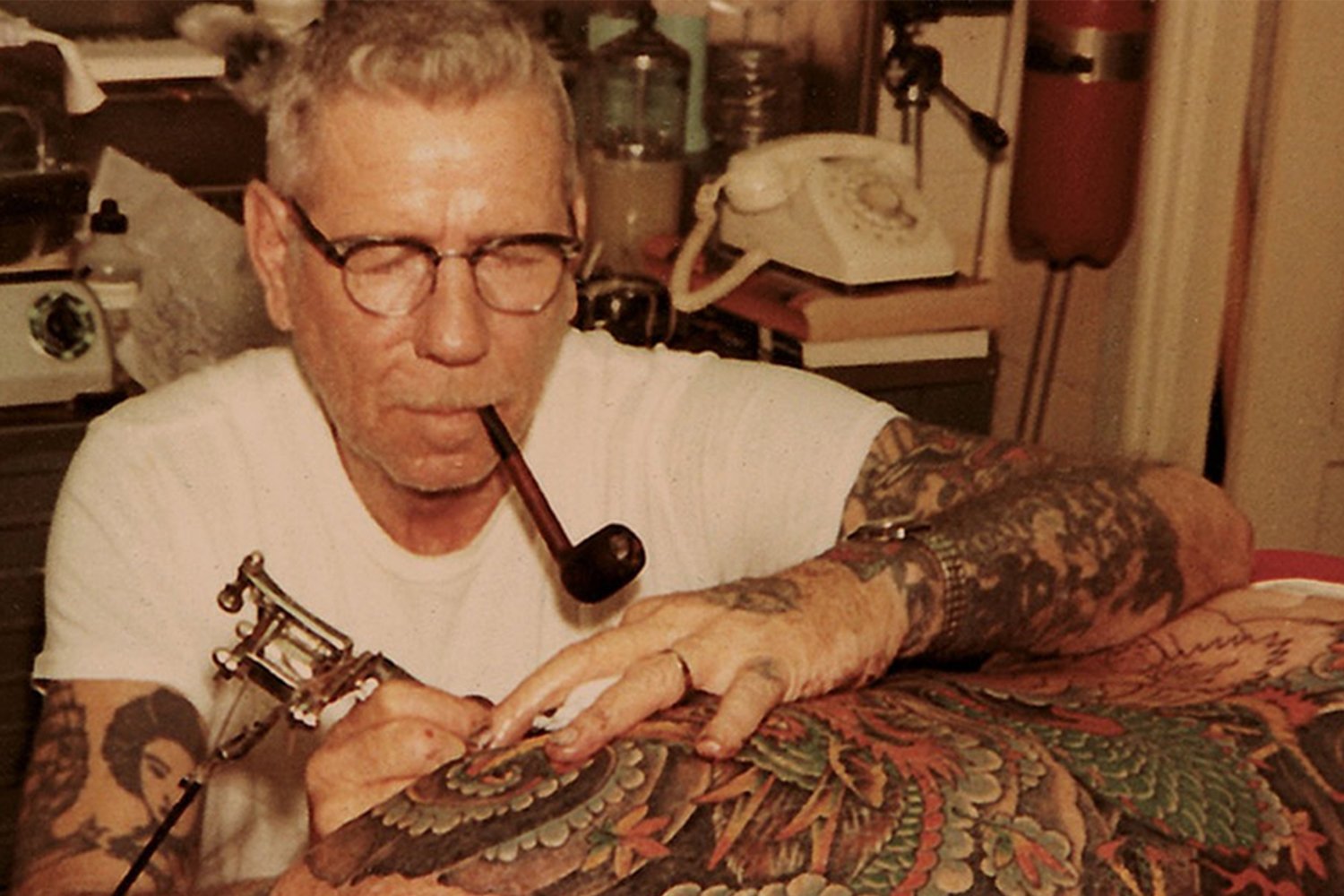
Sailor Jerry — Norman Keith Collins
Norman Keith Collins (1911–1973), best known as “Sailor Jerry,” was a U.S.-based tattoo artist who worked primarily in Honolulu and became a key bridge between early 20th‑century American flash tattooing and later “tattoo renaissance” practice that treated tattooing as a serious craft with international artistic references.
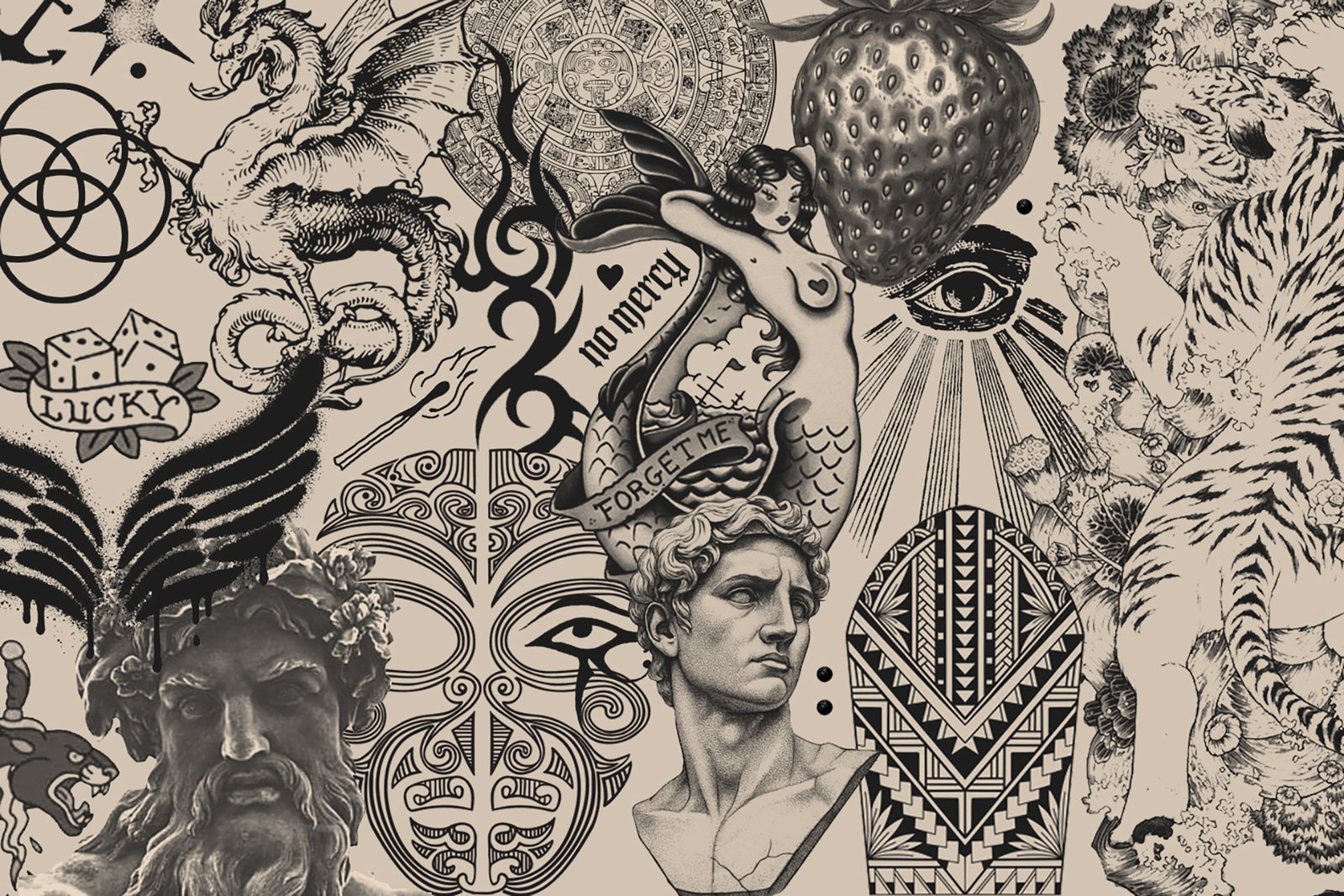
List of tattooing styles
A comprehensive list of tattoo styles, traditions, and techniques — from American Traditional to Polynesian tatau, from realism to cybersigilism, from biomechanical to Sak Yant. Each entry covers what defines the style technically, where it comes from, and how it relates to the broader landscape of tattooing. Styles, techniques(…)
Cosmetic tattooing
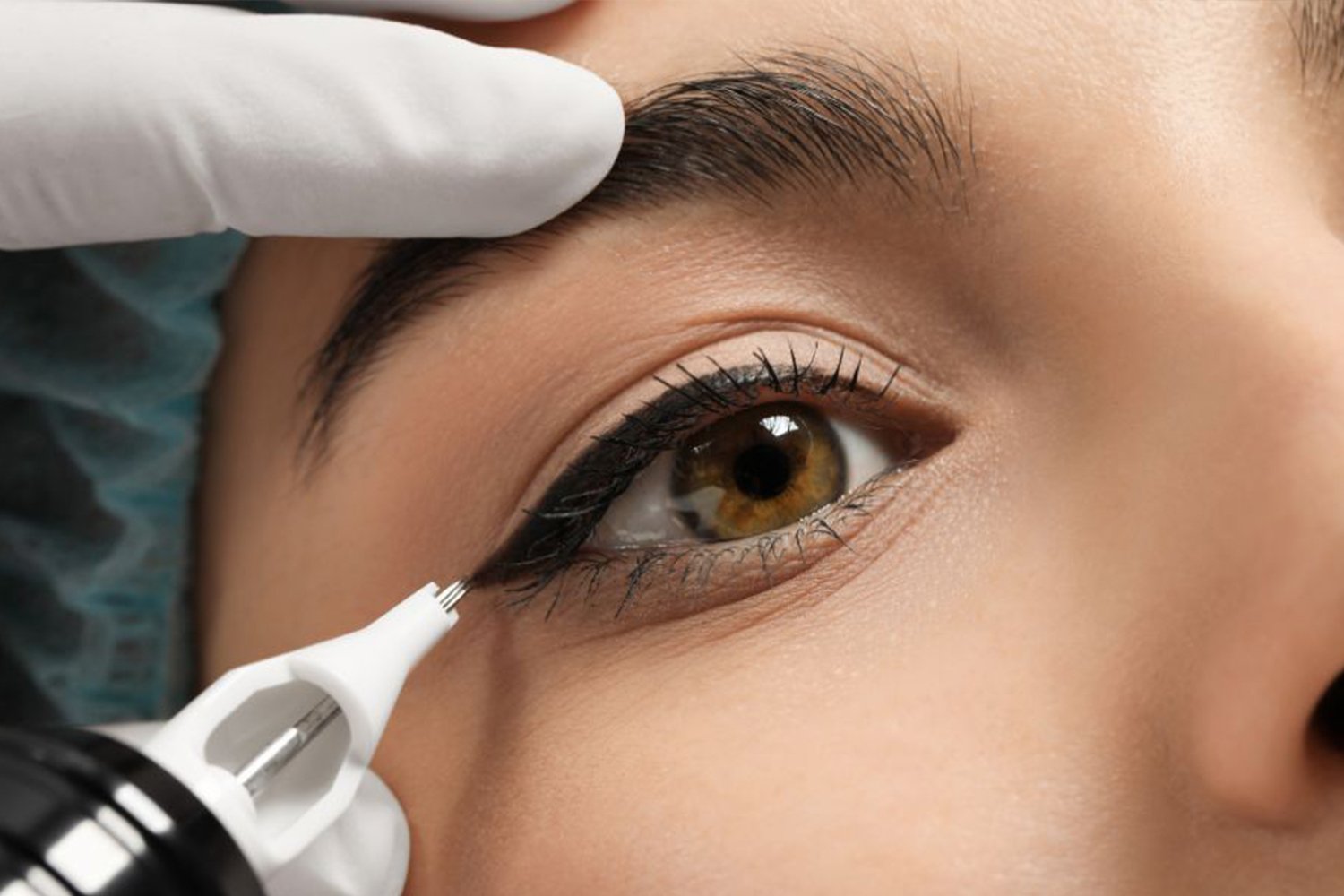
Cosmetic tattooing uses the same fundamental mechanism as decorative tattooing — a needle deposits pigment into the dermis — but applies it to a different purpose: replicating or enhancing the appearance of makeup, correcting skin irregularities, and restoring features lost to surgery, injury, or other medical conditions.