

Tattoo Symbols
A collection of tattoo symbols, their meanings, origins, history, and what they carry into contemporary tattooing.

Styles & Traditions
Discover what defines each tattoo style or tradition technically, visually, and culturally — and how it behaves on skin.

Science & History
Tattooing through history, technology and techniques, as well as its biological, chemical and psychological aspects.

Publications & Shop
Hand-drawn tattoo albums, design packs, and books — available as downloadable PDFs or in print through Amazon.
Tattoo symbols
The meanings people assign to tattoos shift across cultures, centuries, and between individuals who wear them. A symbol that reads as sacred in one context reads as decorative in another, and occasionally as offensive in a third. Knowing the lineage does not dictate what a tattoo must mean to its wearer, but it prevents the wearer from carrying something they did not intend to carry.
Each article in this collection covers a specific tattoo symbol — its origin, the cultures that used it, the meanings it accumulated over time, and the forms it takes in contemporary tattooing — organised by subject: animals, botanicals, maritime, mythology and fantasy, sacred and spiritual, subculture, objects, and patterns.
No Results Found
The page you requested could not be found. Try refining your search, or use the navigation above to locate the post.
Tattooing styles & traditions
Style is not a matter of taste alone — it is a set of technical commitments with material consequences and a set of decisions made before and during the work. Technology, line weight, needle configuration, ink density, shading method, colour palette, and compositional rules vary across styles, and these differences affect how a tattoo looks and how it reads years later. Many entries here describe tattooing traditions — practices in which method, meaning, and cultural context are inseparable.
If you’re looking for a good starting point for learning tattoo styles, check out my article: List of Tattooing Styles.
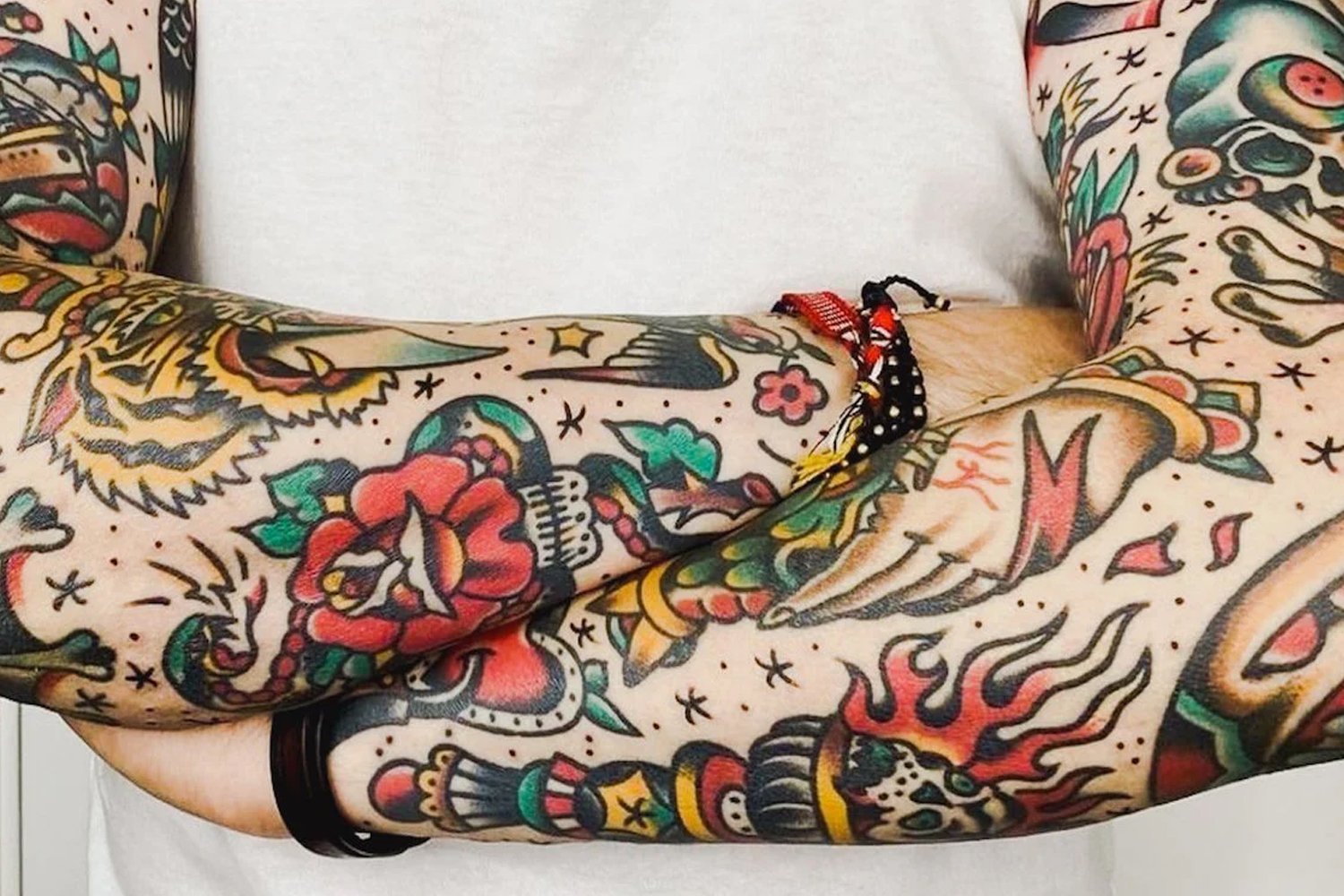
American traditional
American traditional is a port-town style. It grew up in the tattoo shops that clustered near naval bases and harbours in the first half of the twentieth century — Honolulu, San Diego, Norfolk, the Bowery in New York, and Chatham Square. The clientele was sailors, soldiers, and the people who worked the docks. The constraints of the trade shaped the style.
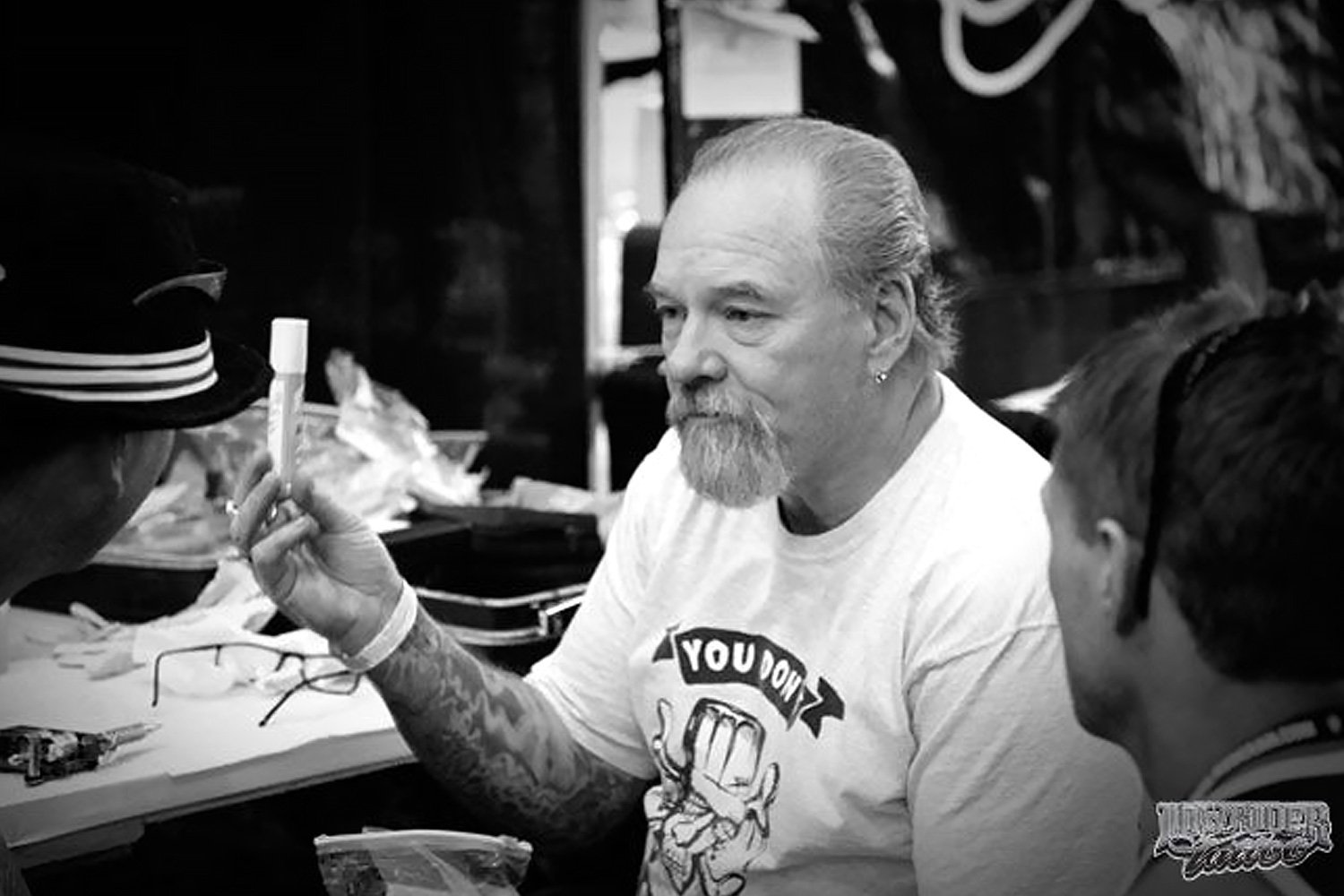
Jack Rudy
His position in the lineage of American fine-line tattooing is as the technical innovator. It was Jack Rudy who solved the engineering problem — who built the machine, developed the greywash method, and refined the technique to the point where it could produce photorealistic portraiture on skin using a single needle and black ink.
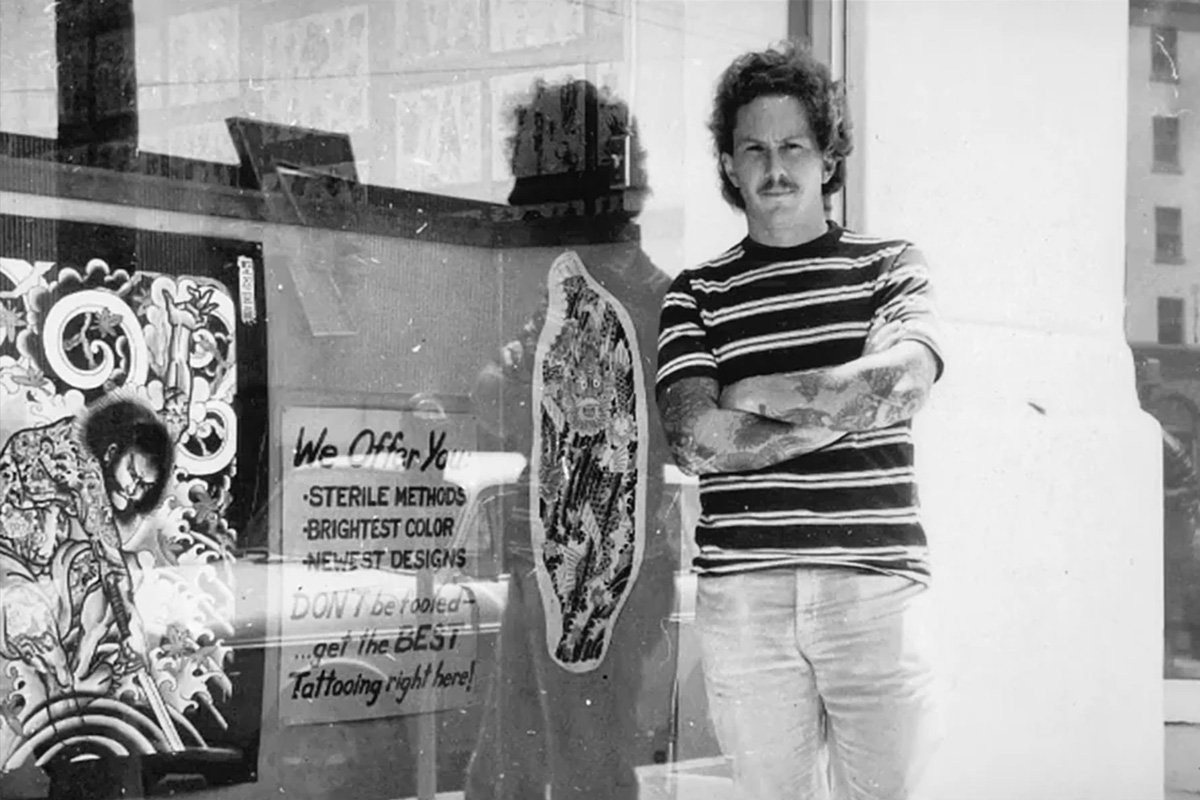
Don Ed Hardy
Don Ed Hardy is the most important figure in the transformation of American tattooing from a trade into an art form. This is a claim that can be stated without qualification, because the evidence for it is structural: before Hardy, American tattooing was a craft practised in street-level shops by self-taught tradespeople who selected designs from tattoo flash.
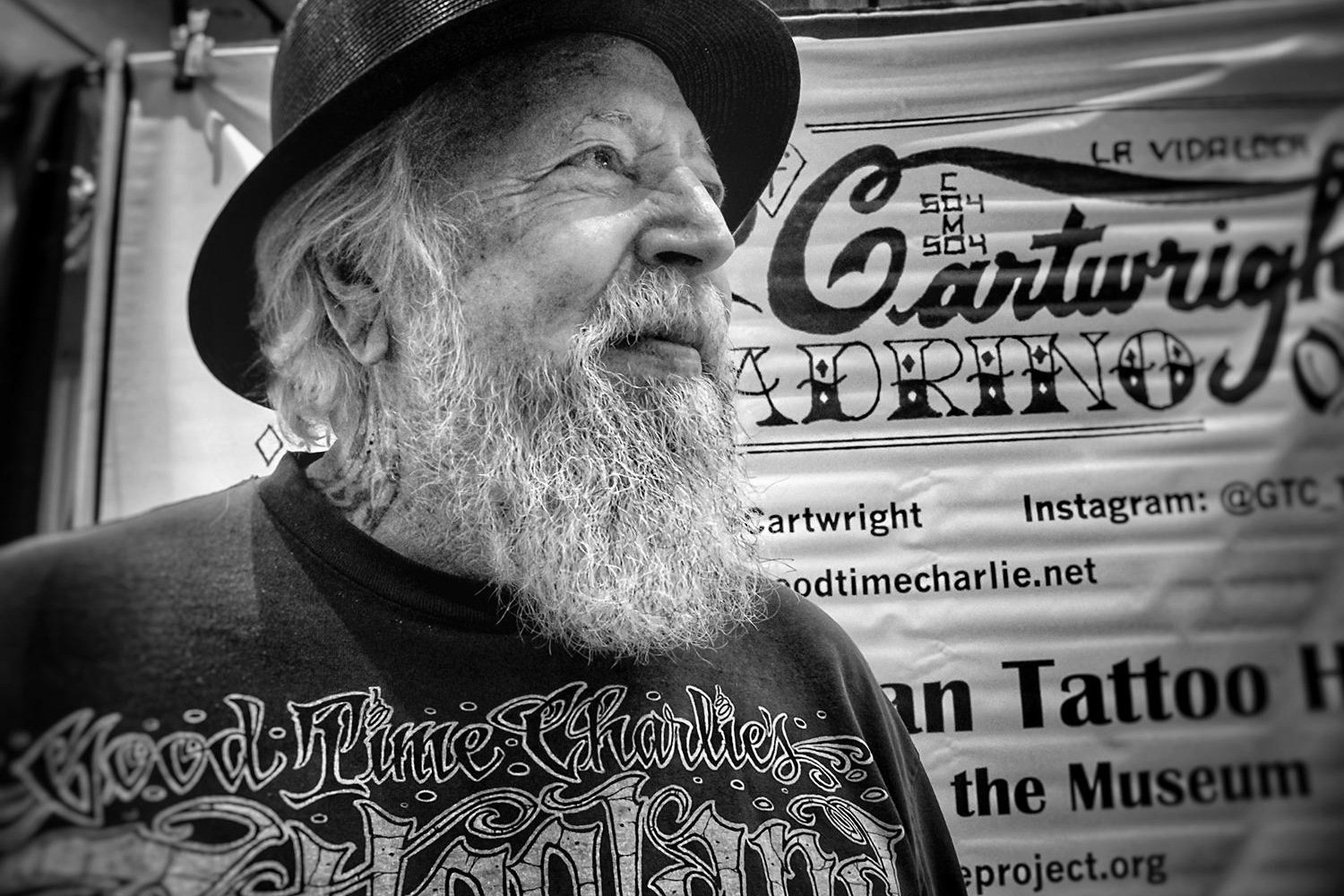
Good Time Charlie Cartwright
Charlie Cartwright’s contribution to tattooing is architectural. He built the structure — the shop, the team, the conditions — within which the single-needle black-and-grey technique was professionalised. The technique existed before him (in the prisons), and the technique was refined by others alongside and after him. But he was the one who opened the door.
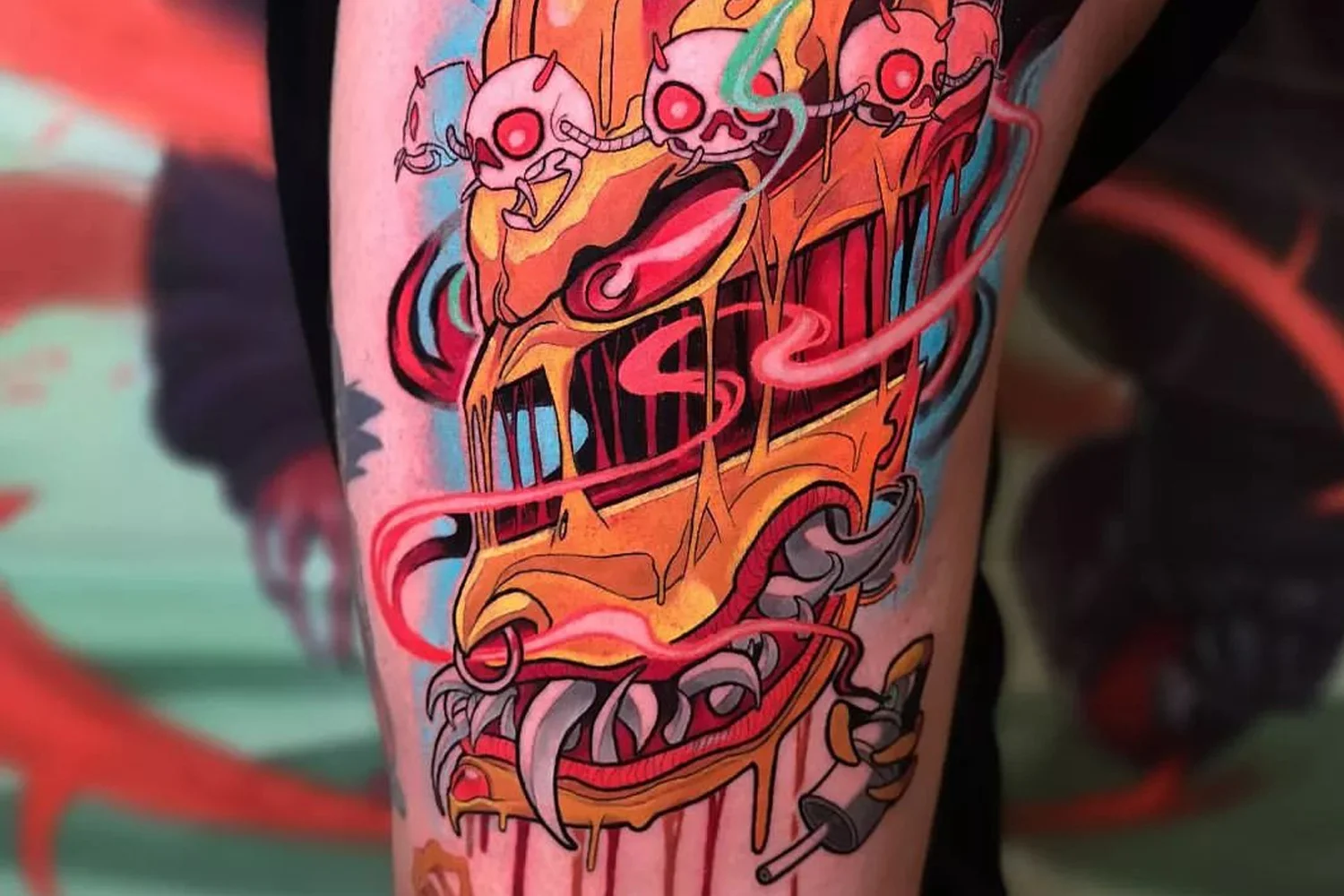
New school
New school is the most maligned of the major tattoo styles. Some of that reputation is earned; some of it comes from a reflex against cartoon imagery in a craft tradition that has come to prefer fine-art references. The style is also one of the most technically demanding in the tattooing repertoire, and the work of the best new-school artists has aged considerably better(…).
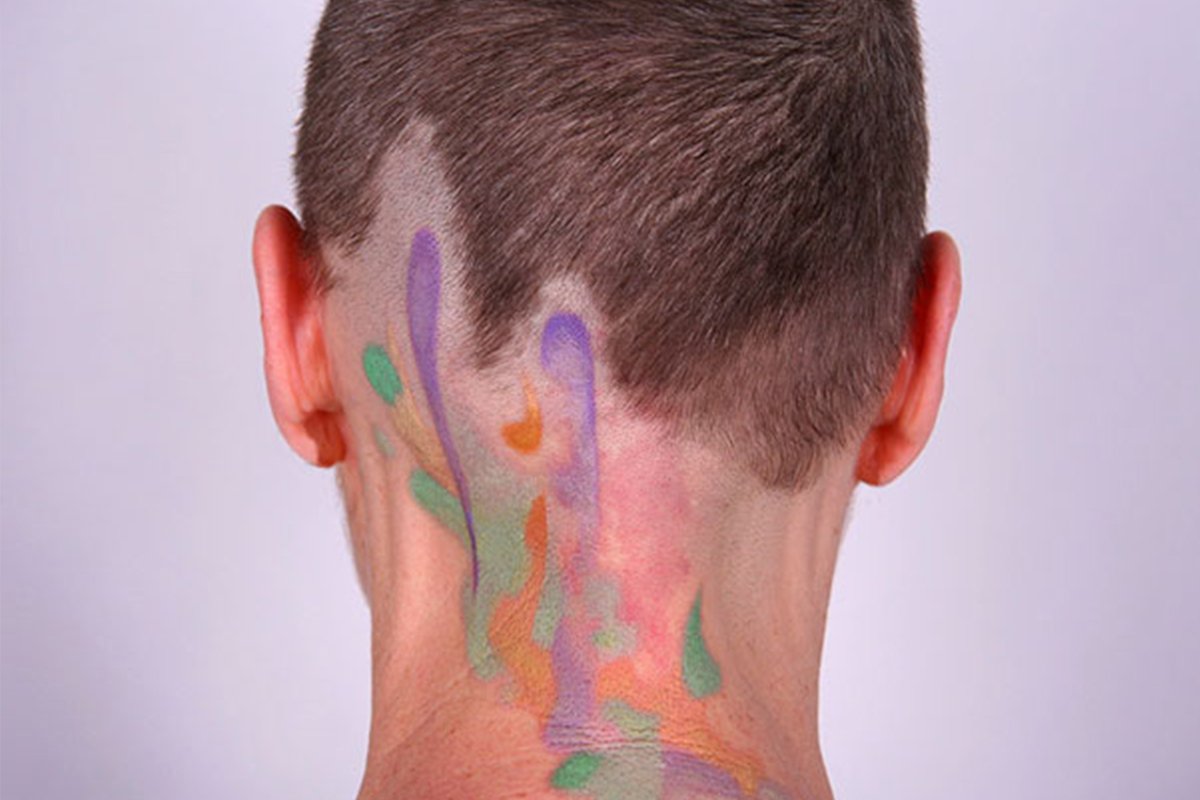
Watercolour
It takes its name from the painting medium it imitates: watercolour paint on paper, with its characteristic translucency, its soft edges, its colour bleeds, and its quality of apparent spontaneity. The tattoo version attempts to reproduce these visual qualities on skin using tattoo ink — technically demanding translation from one medium to another.
Science & History of tattooing
The documented tattoo history is long. It stretches across Polynesia, Japan, North Africa, the Arctic, Southeast Asia, the Americas, and eventually the industrialised tattoo shops of nineteenth-century Europe and the United States. Each of these traditions developed its own tools, techniques, pigments, and reasons for marking the body. The science of tattooing is just as fascinating. How ink stays in the skin, why it degrades, how needle technology and ink chemistry have changed what is physically possible, and how the process of being tattooed can affect our perception of the craft itself — these are questions with specific, documented answers.
The articles here cover the history of tattooing across cultures and periods, as well as the biology, chemistry, psychology, various tattooing techniques, and the technology behind the practice itself.
No Results Found
The page you requested could not be found. Try refining your search, or use the navigation above to locate the post.
