

Tattoo Symbols
A collection of tattoo symbols, their meanings, origins, history, and what they carry into contemporary tattooing.

Styles & Traditions
Discover what defines each tattoo style or tradition technically, visually, and culturally — and how it behaves on skin.

Science & History
Tattooing through history, technology and techniques, as well as its biological, chemical and psychological aspects.

Publications & Shop
Hand-drawn tattoo albums, design packs, and books — available as downloadable PDFs or in print through Amazon.
Tattoo symbols
The meanings people assign to tattoos shift across cultures, centuries, and between individuals who wear them. A symbol that reads as sacred in one context reads as decorative in another, and occasionally as offensive in a third. Knowing the lineage does not dictate what a tattoo must mean to its wearer, but it prevents the wearer from carrying something they did not intend to carry.
Each article in this collection covers a specific tattoo symbol — its origin, the cultures that used it, the meanings it accumulated over time, and the forms it takes in contemporary tattooing — organised by subject: animals, botanicals, maritime, mythology and fantasy, sacred and spiritual, subculture, objects, and patterns.
No Results Found
The page you requested could not be found. Try refining your search, or use the navigation above to locate the post.
Tattooing styles & traditions
Style is not a matter of taste alone — it is a set of technical commitments with material consequences and a set of decisions made before and during the work. Technology, line weight, needle configuration, ink density, shading method, colour palette, and compositional rules vary across styles, and these differences affect how a tattoo looks and how it reads years later. Many entries here describe tattooing traditions — practices in which method, meaning, and cultural context are inseparable.
If you’re looking for a good starting point for learning tattoo styles, check out my article: List of Tattooing Styles.
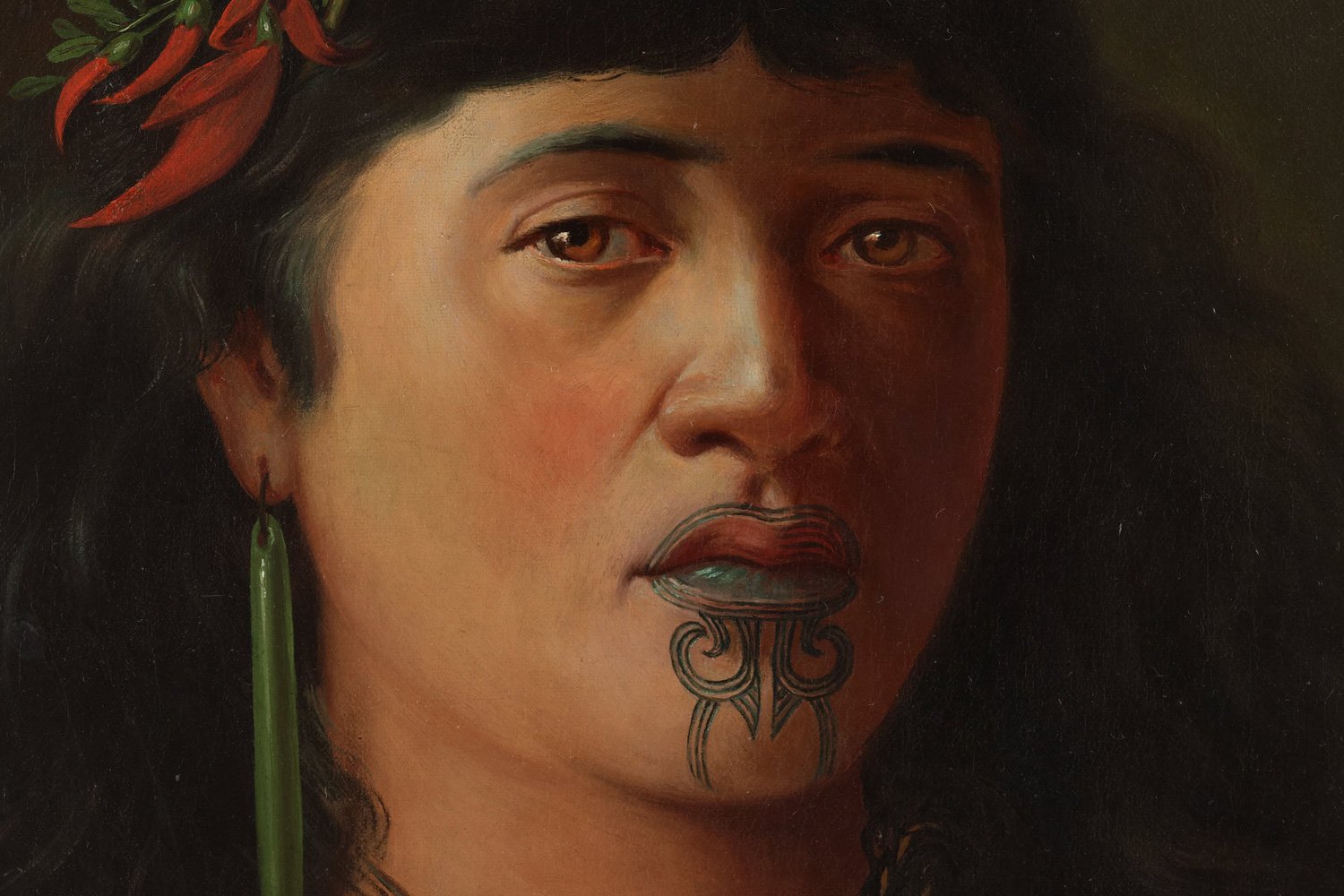
Māori tā moko
Māori tattooing — tā moko — is the only Polynesian tattoo tradition that carved the skin rather than puncturing it. The practitioner, called a tohunga tā moko, used a bone chisel (uhi) to cut grooves directly into the skin. The designs encoded the wearer’s whakapapa — genealogy, tribal affiliation, and personal history — in curvilinear patterns.
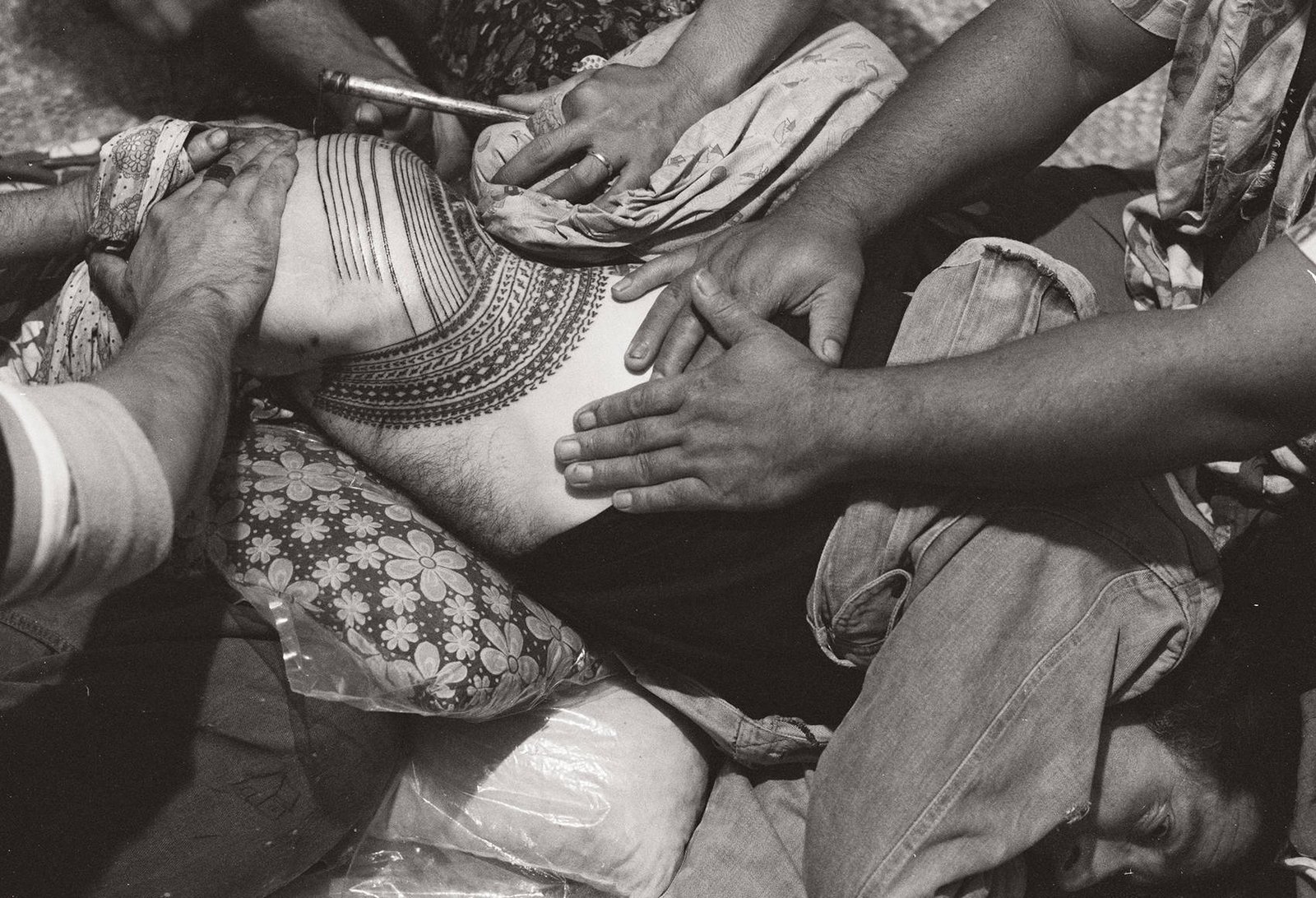
Polynesian tattooing
Polynesian tattooing is not one tradition. It is a family of traditions, developed across the thousands of islands of the Polynesian Triangle — the vast area of the Pacific bounded by Hawai’i, Aotearoa and Rapa Nui. Each island group has its own tattooing practice, with own tools, design vocabulary, rules, and relationship to the community’s social structure.
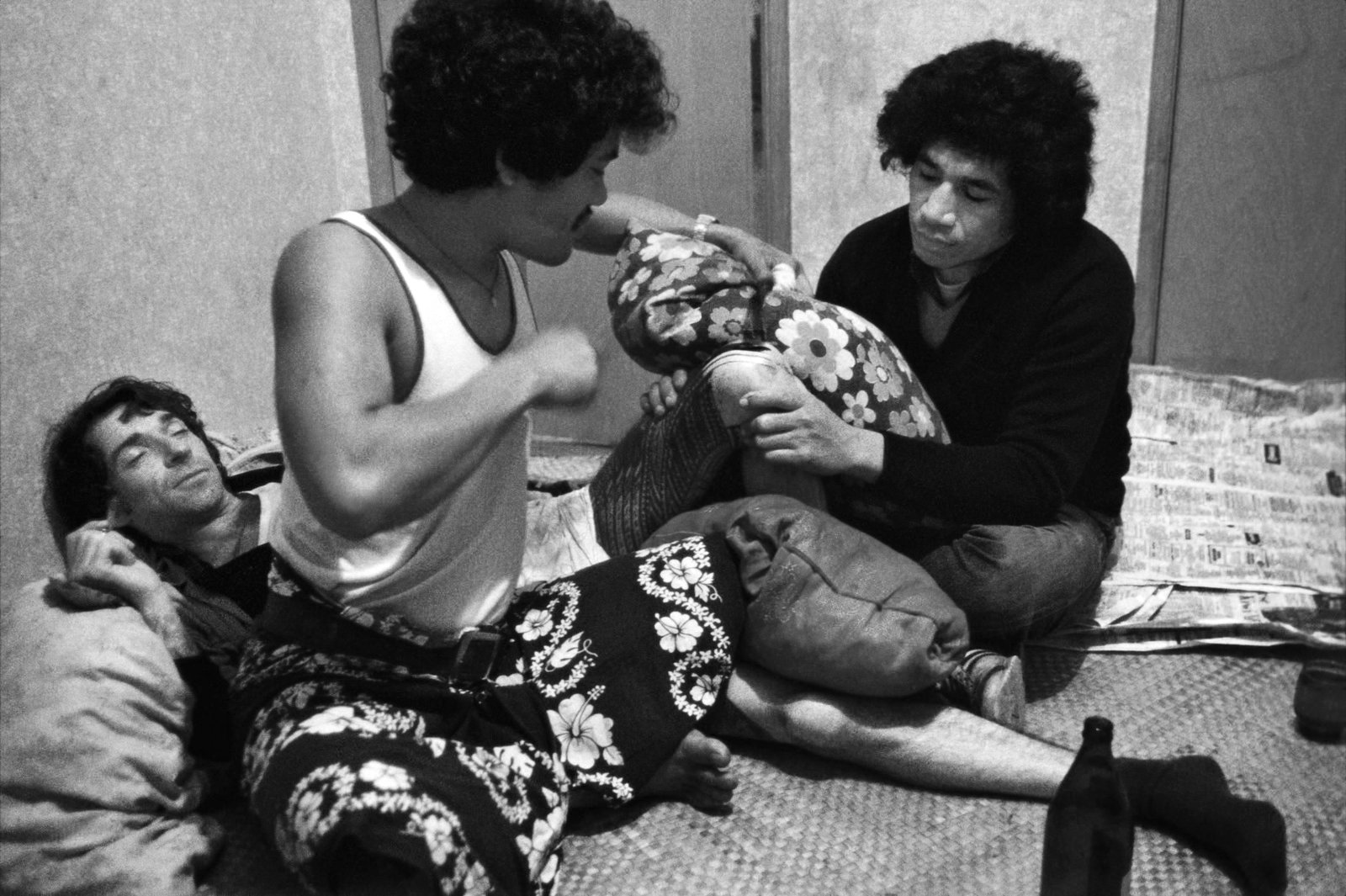
Sua Sulu’ape Paulo II
Sua Sulu’ape Paulo II was a Samoan master tattooist, tufuga ta tatau, born into one of the hereditary families that have held the tatau tradition for centuries. Based in Auckland, he connected with the New Zealand art world, worked extensively across Europe, and played a direct role in the revival of tattooing traditions in Hawaiʻi, Tahiti, and among the Māori.
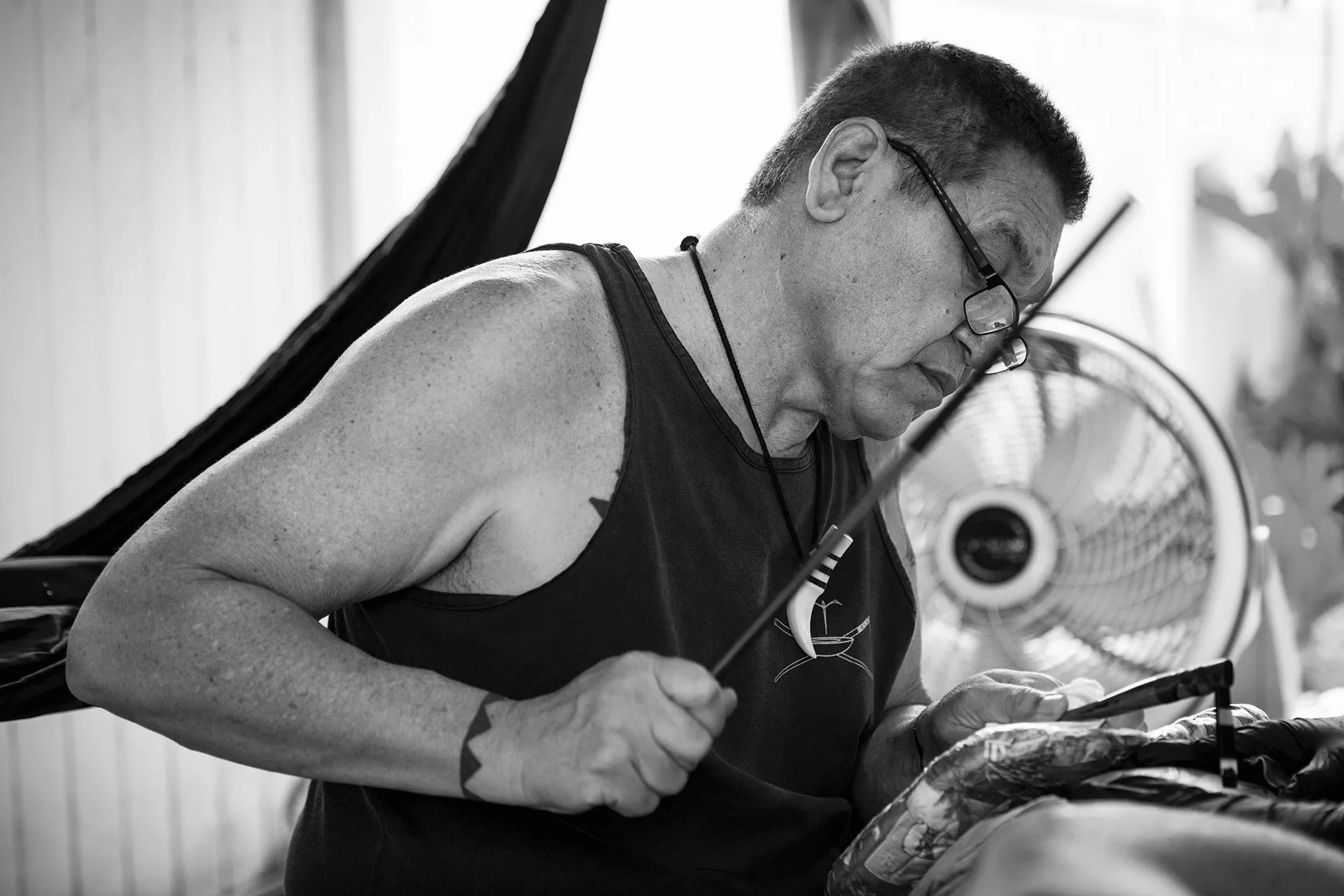
Keone Nunes
Sulu’ape Keone Nunes is the practitioner most responsible for the revival of kākau uhi, traditional Hawaiian hand-tapped tattooing, from its near-disappearance in the twentieth century. His formal title, Kahuna Kā Uhi, places him in the category of Hawaiian specialist priest and master. He prefers the term cultural practitioner over tattooist.
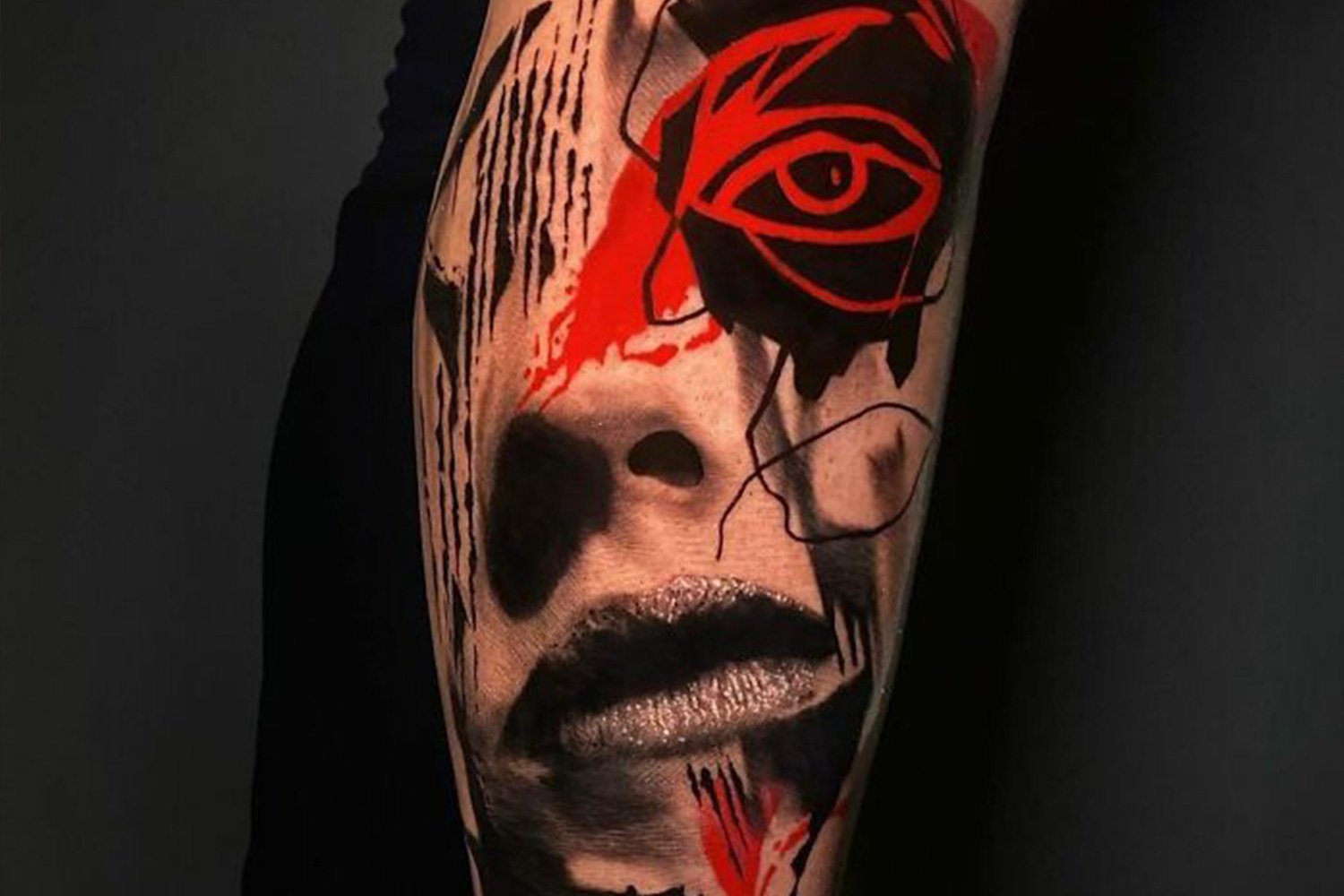
Trash Polka
Trash Polka is one of the few tattoo styles in the world that can be traced to two named individuals, a single studio, a specific city, and an approximate date. The style was created by Volko Merschky and Simone Pfaff at the Buena Vista Tattoo Club in Würzburg, Germany. The name was coined in 1998. Trash Polka is a registered trademark held by its creators.
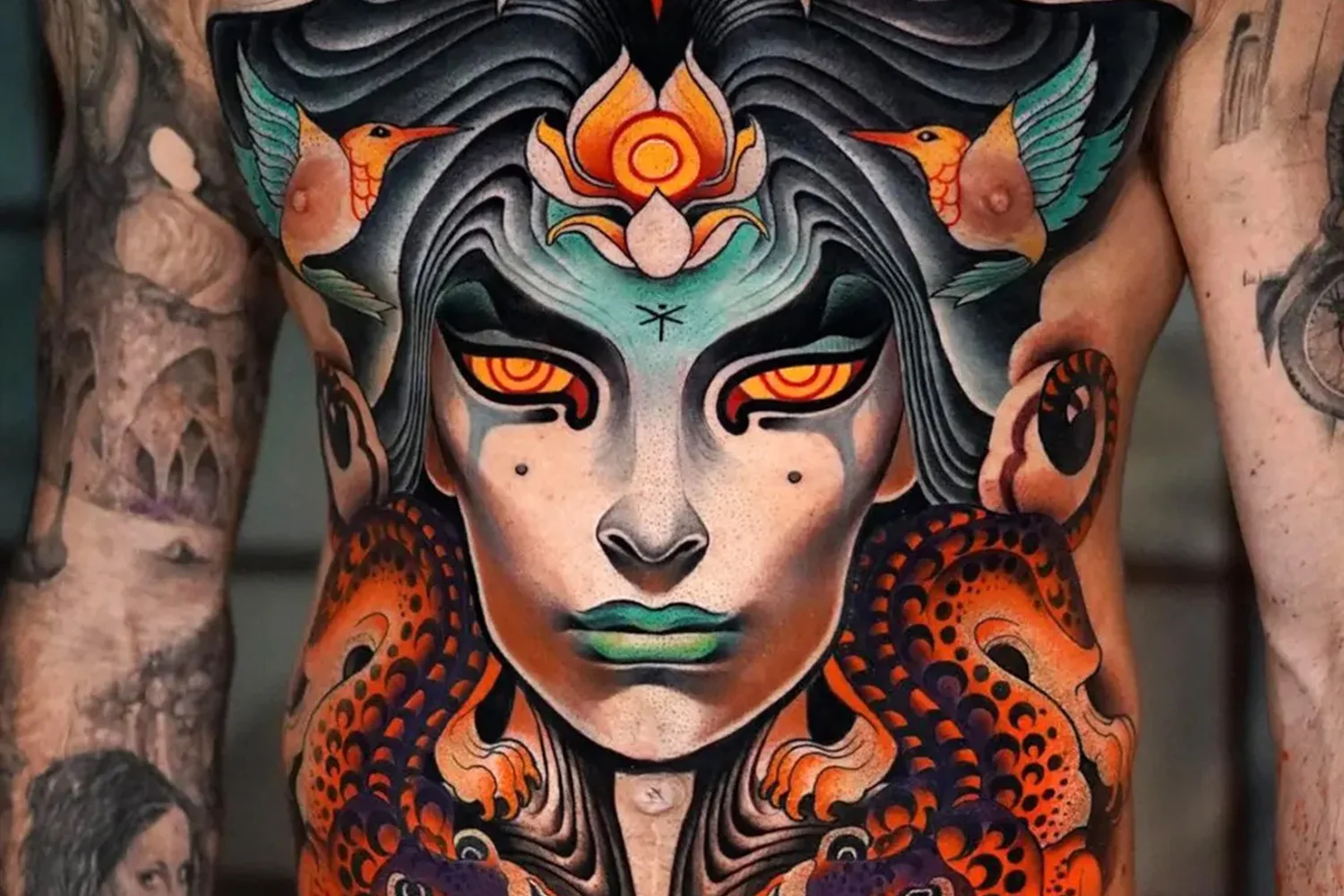
Neo-traditional
Neo-traditional is in a period of consolidation. The experimental energy of the 2000s and early 2010s has given way to a more established set of conventions, and a recognisable neo-traditional aesthetic now exists within which an artist can work without feeling they are reinventing anything. This has produced a great deal of competent work and some criticism(…).
Science & History of tattooing
The documented tattoo history is long. It stretches across Polynesia, Japan, North Africa, the Arctic, Southeast Asia, the Americas, and eventually the industrialised tattoo shops of nineteenth-century Europe and the United States. Each of these traditions developed its own tools, techniques, pigments, and reasons for marking the body. The science of tattooing is just as fascinating. How ink stays in the skin, why it degrades, how needle technology and ink chemistry have changed what is physically possible, and how the process of being tattooed can affect our perception of the craft itself — these are questions with specific, documented answers.
The articles here cover the history of tattooing across cultures and periods, as well as the biology, chemistry, psychology, various tattooing techniques, and the technology behind the practice itself.
No Results Found
The page you requested could not be found. Try refining your search, or use the navigation above to locate the post.
