

Tattoo Symbols
A collection of tattoo symbols, their meanings, origins, history, and what they carry into contemporary tattooing.

Styles & Traditions
Discover what defines each tattoo style or tradition technically, visually, and culturally — and how it behaves on skin.

Science & History
Tattooing through history, technology and techniques, as well as its biological, chemical and psychological aspects.

Publications & Shop
Hand-drawn tattoo albums, design packs, and books — available as downloadable PDFs or in print through Amazon.
Tattoo symbols
The meanings people assign to tattoos shift across cultures, centuries, and between individuals who wear them. A symbol that reads as sacred in one context reads as decorative in another, and occasionally as offensive in a third. Knowing the lineage does not dictate what a tattoo must mean to its wearer, but it prevents the wearer from carrying something they did not intend to carry.
Each article in this collection covers a specific tattoo symbol — its origin, the cultures that used it, the meanings it accumulated over time, and the forms it takes in contemporary tattooing — organised by subject: animals, botanicals, maritime, mythology and fantasy, sacred and spiritual, subculture, objects, and patterns.
No Results Found
The page you requested could not be found. Try refining your search, or use the navigation above to locate the post.
Tattooing styles & traditions
Style is not a matter of taste alone — it is a set of technical commitments with material consequences and a set of decisions made before and during the work. Technology, line weight, needle configuration, ink density, shading method, colour palette, and compositional rules vary across styles, and these differences affect how a tattoo looks and how it reads years later. Many entries here describe tattooing traditions — practices in which method, meaning, and cultural context are inseparable.
If you’re looking for a good starting point for learning tattoo styles, check out my article: List of Tattooing Styles.
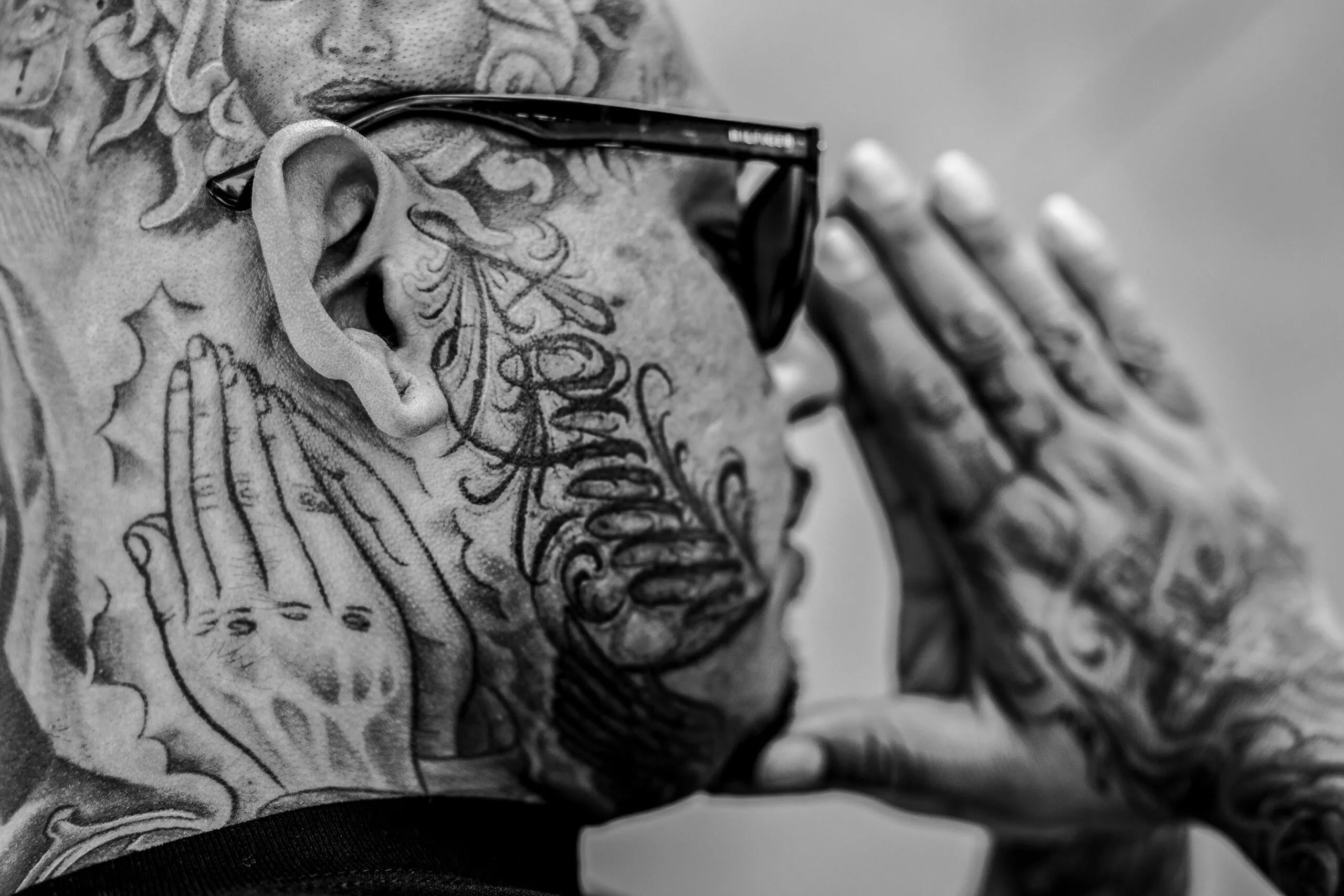
Chicano
Most tattoo styles can be described in technical terms first and cultural terms second. Chicano cannot. The style is so completely bound up with the community that produced it — Mexican-American working-class life in California and the Southwest, the Pachuco and lowrider cultures of mid-century Los Angeles, the prison systems of the same period and (…)
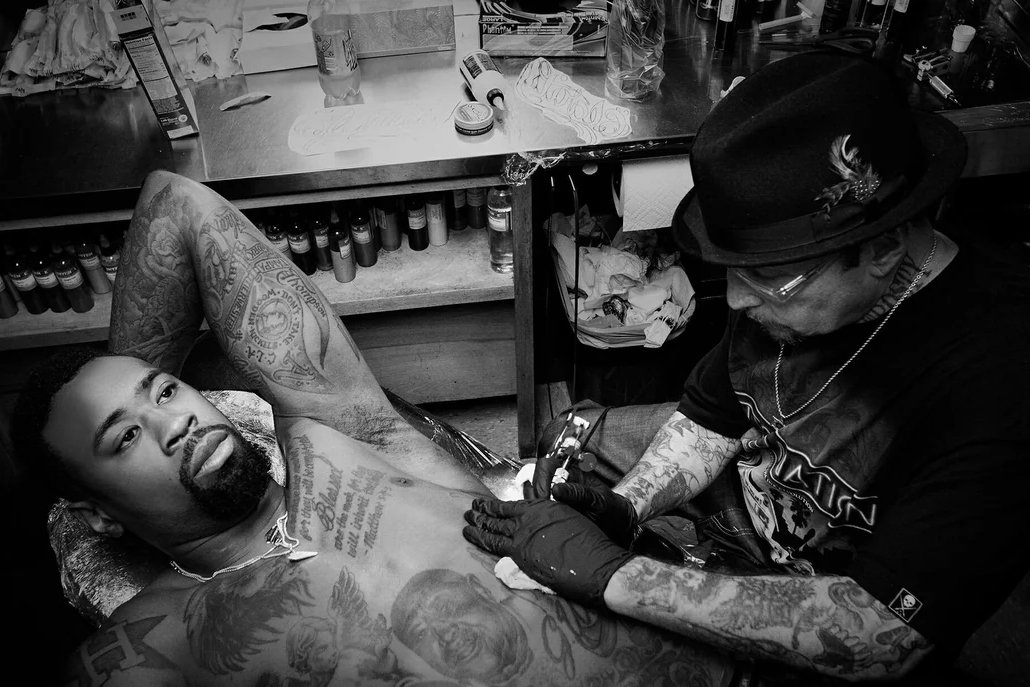
Freddy Negrete
Freddy Negrete is one of pioneers in black-and-grey tattooing. His life has included gang membership, incarceration, a decade of evangelical ministry, addiction and recovery, the loss of a son, and — through all of it — a career in tattooing that helped define one of the most important stylistic developments in the craft’s modern history.
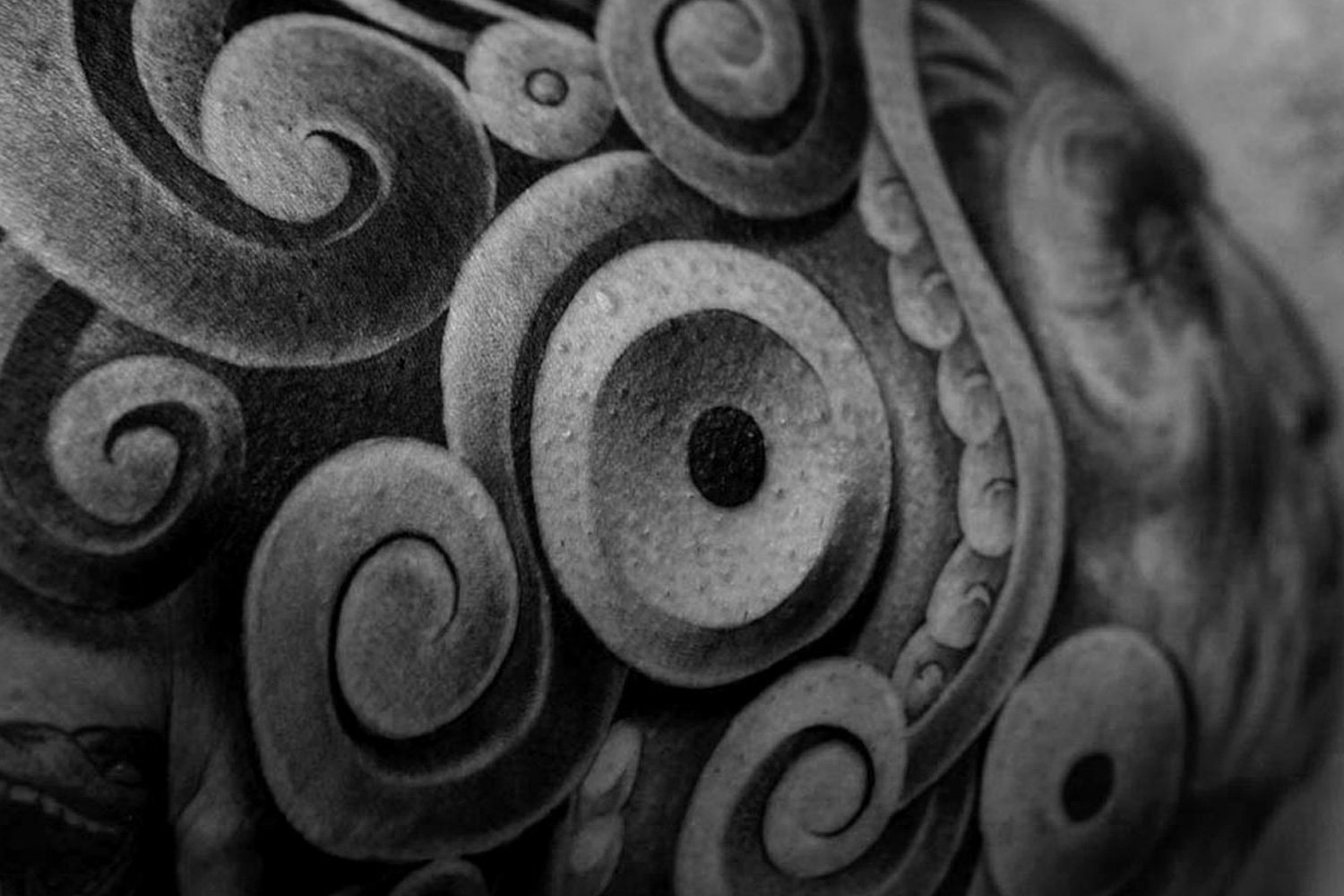
Black-and-grey
Take a single pigment and dilute it in graduated steps. This sounds simple. Yet, it is one of the most technically demanding disciplines in tattooing, and the style that has produced the broadest range of applications from a single technical foundation. The same greywash method can be used in Chicano, realism, photorealism and botanical fine-line pieces.
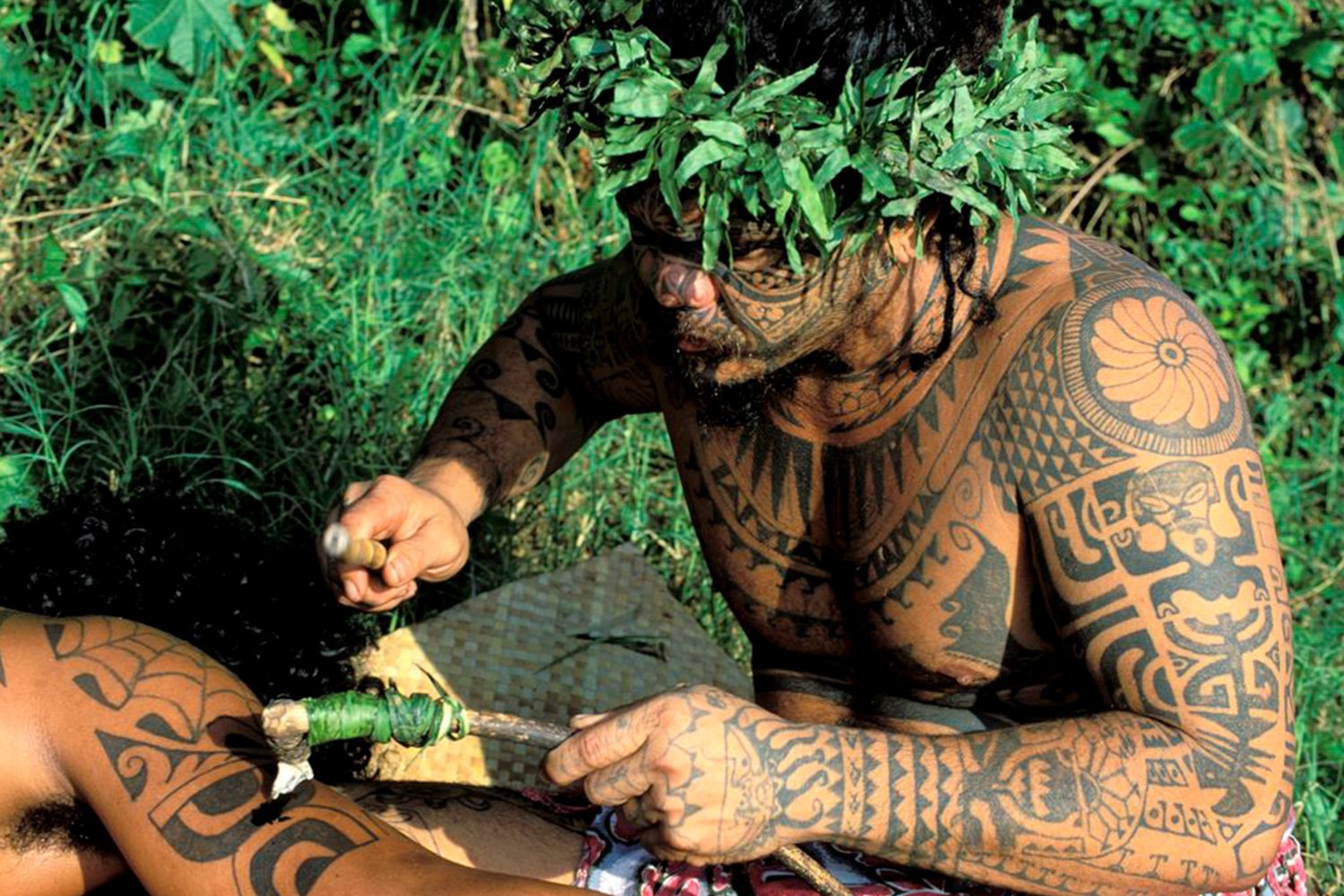
Marquesan patutiki
The Marquesan word for tattooing is patutiki — patu meaning “to strike” and tiki meaning “image.” A tattoo is a struck image. The practitioner was called a tuhuka patu tiki — a master of striking images — and the title carried authority and social prestige comparable to the other tuhuka (specialists, experts) who held essential roles in Marquesan society.
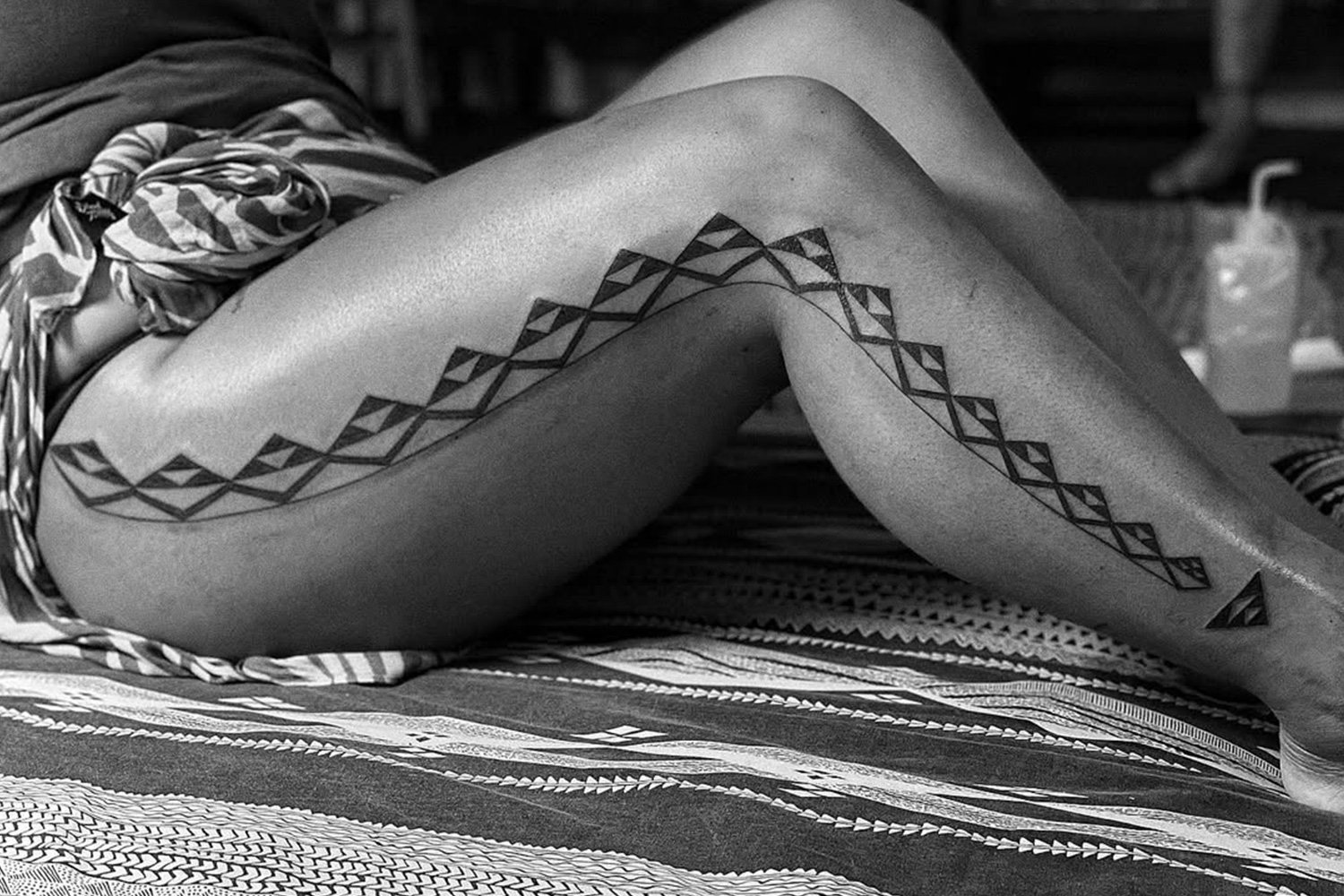
Hawaiian kākau uhi
Hawaiian tattooing is among the least documented of the major Polynesian traditions, but what was documented reveals a distinctive, culturally embedded practice with its own visual characteristics. Hawaiian kākau is bold and asymmetrical, uses large geometric fields and heavy solid-black coverage in compositions that treat the body as a sculptural surface.
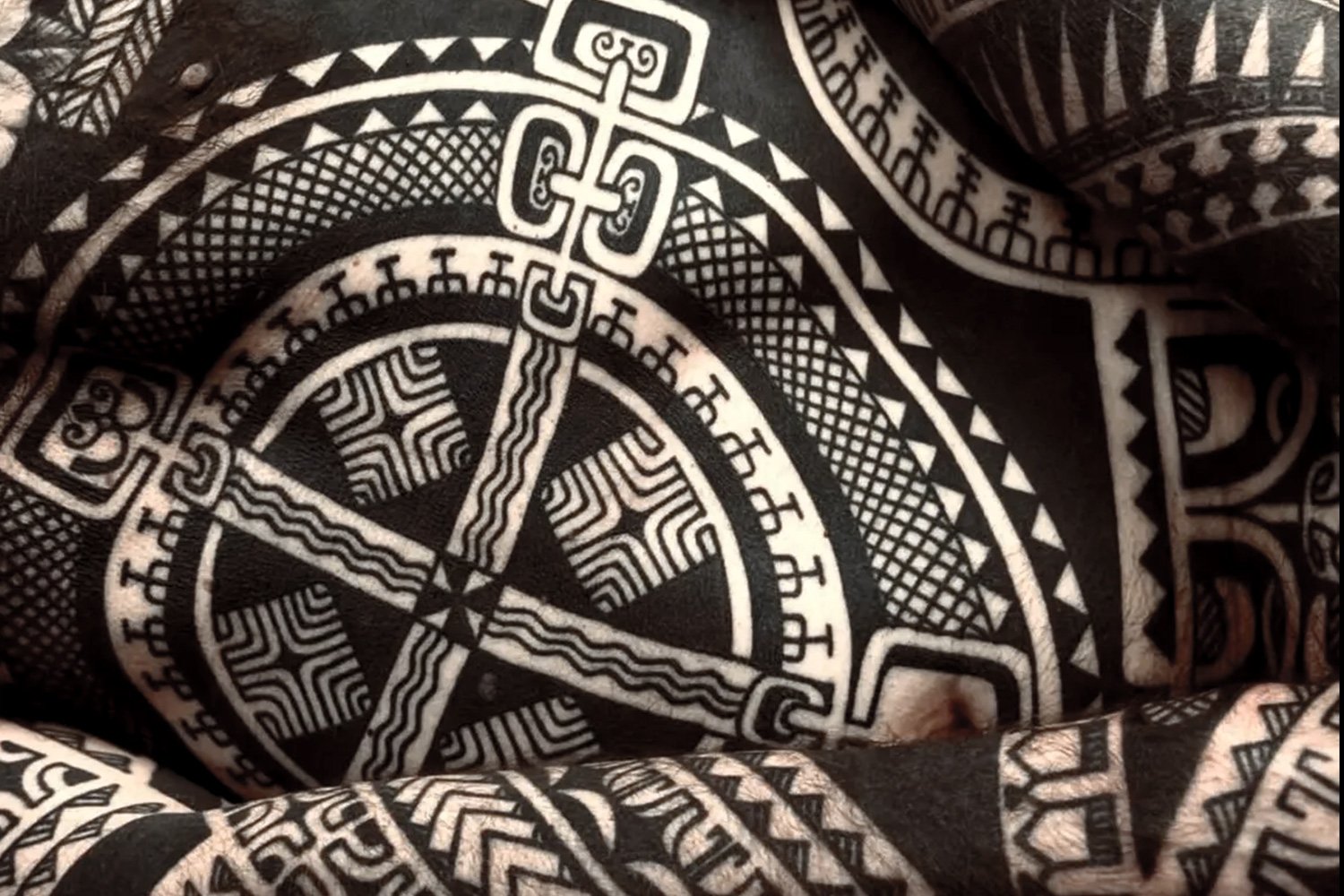
Tribal
The word “tribal” refers to two distinct practices that share a visual resemblance and almost nothing else. The first is the set of Indigenous tattooing traditions that have used black abstract patterning on the body for centuries. The second is the Western commercial style of abstract black patterns inspired by Indigenous designs but detached from their cultural contexts.
Science & History of tattooing
The documented tattoo history is long. It stretches across Polynesia, Japan, North Africa, the Arctic, Southeast Asia, the Americas, and eventually the industrialised tattoo shops of nineteenth-century Europe and the United States. Each of these traditions developed its own tools, techniques, pigments, and reasons for marking the body. The science of tattooing is just as fascinating. How ink stays in the skin, why it degrades, how needle technology and ink chemistry have changed what is physically possible, and how the process of being tattooed can affect our perception of the craft itself — these are questions with specific, documented answers.
The articles here cover the history of tattooing across cultures and periods, as well as the biology, chemistry, psychology, various tattooing techniques, and the technology behind the practice itself.
No Results Found
The page you requested could not be found. Try refining your search, or use the navigation above to locate the post.
