Related Posts

Minimalist
The least ink that still means something
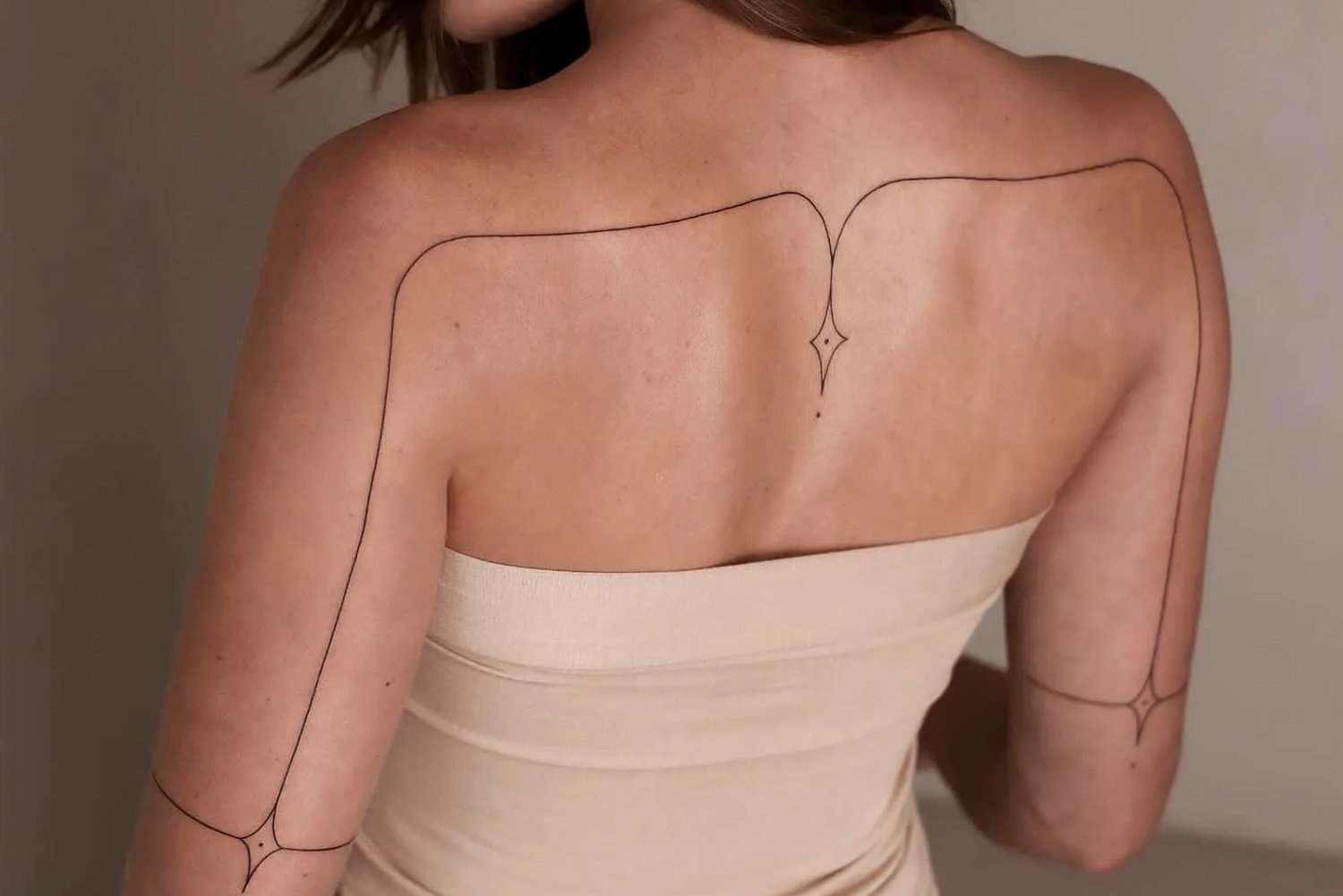
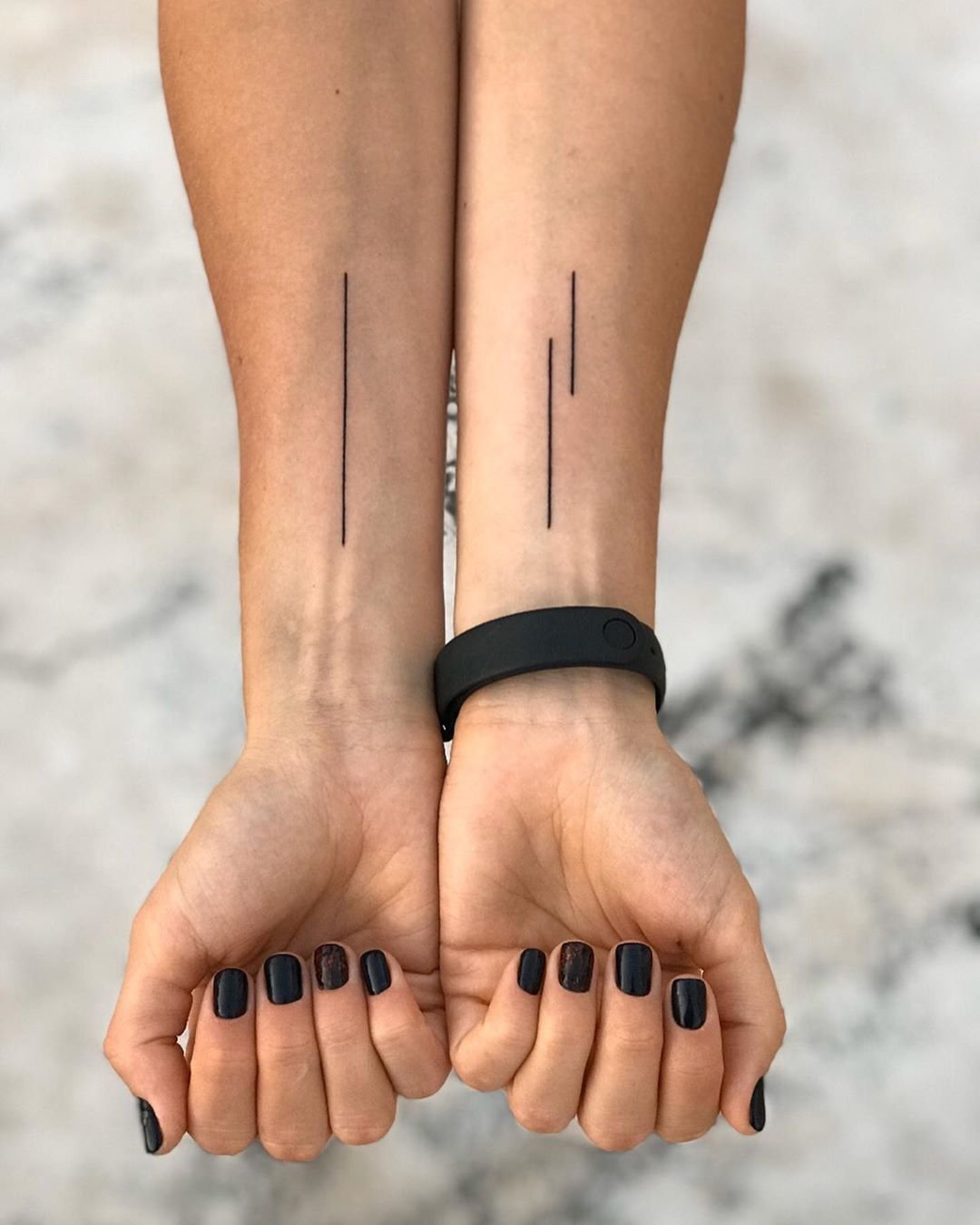
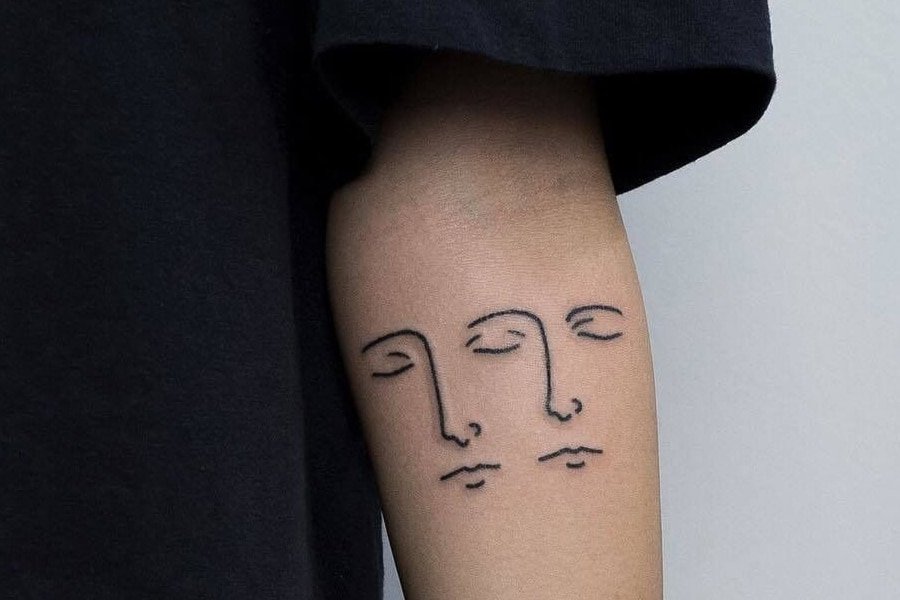
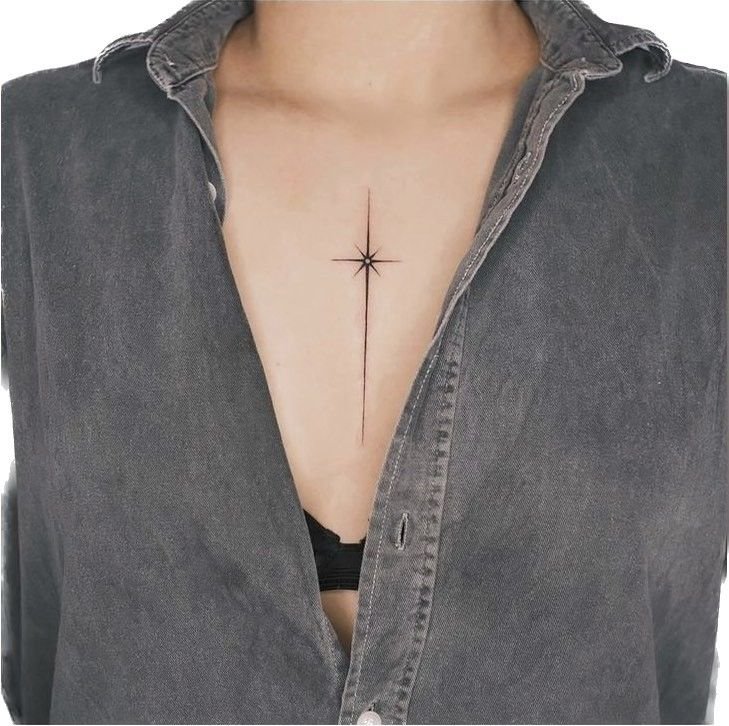
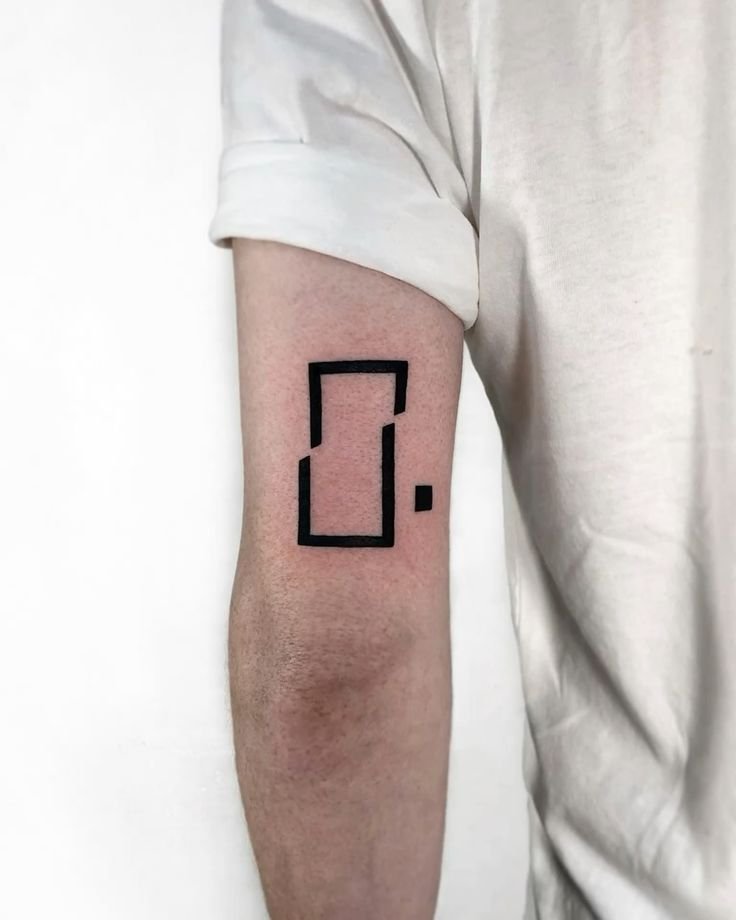
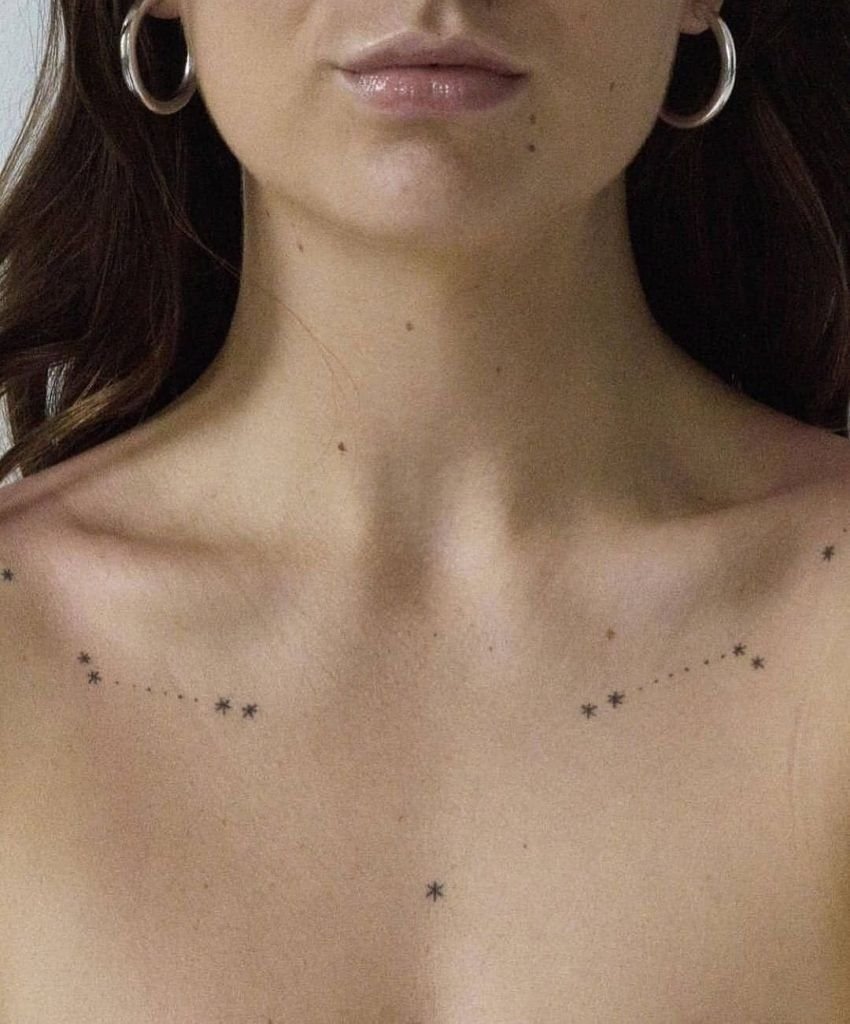
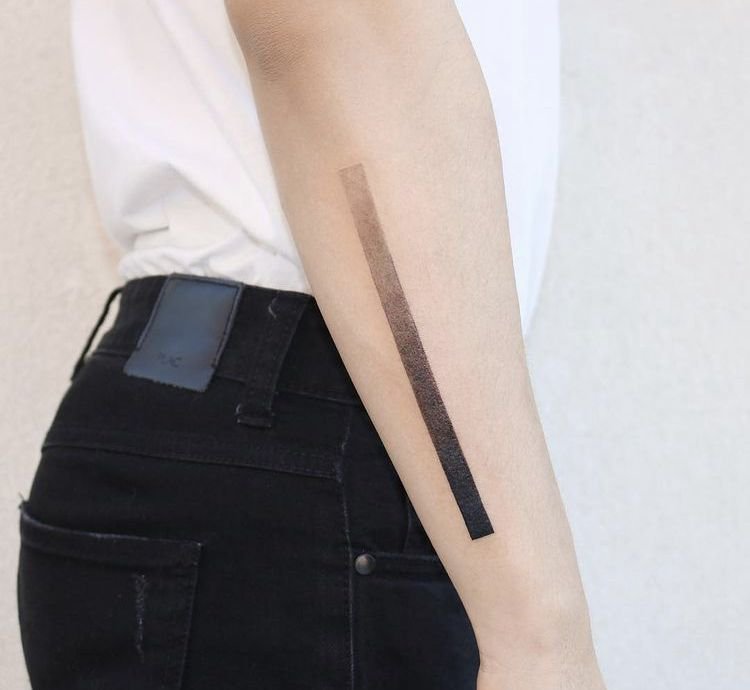
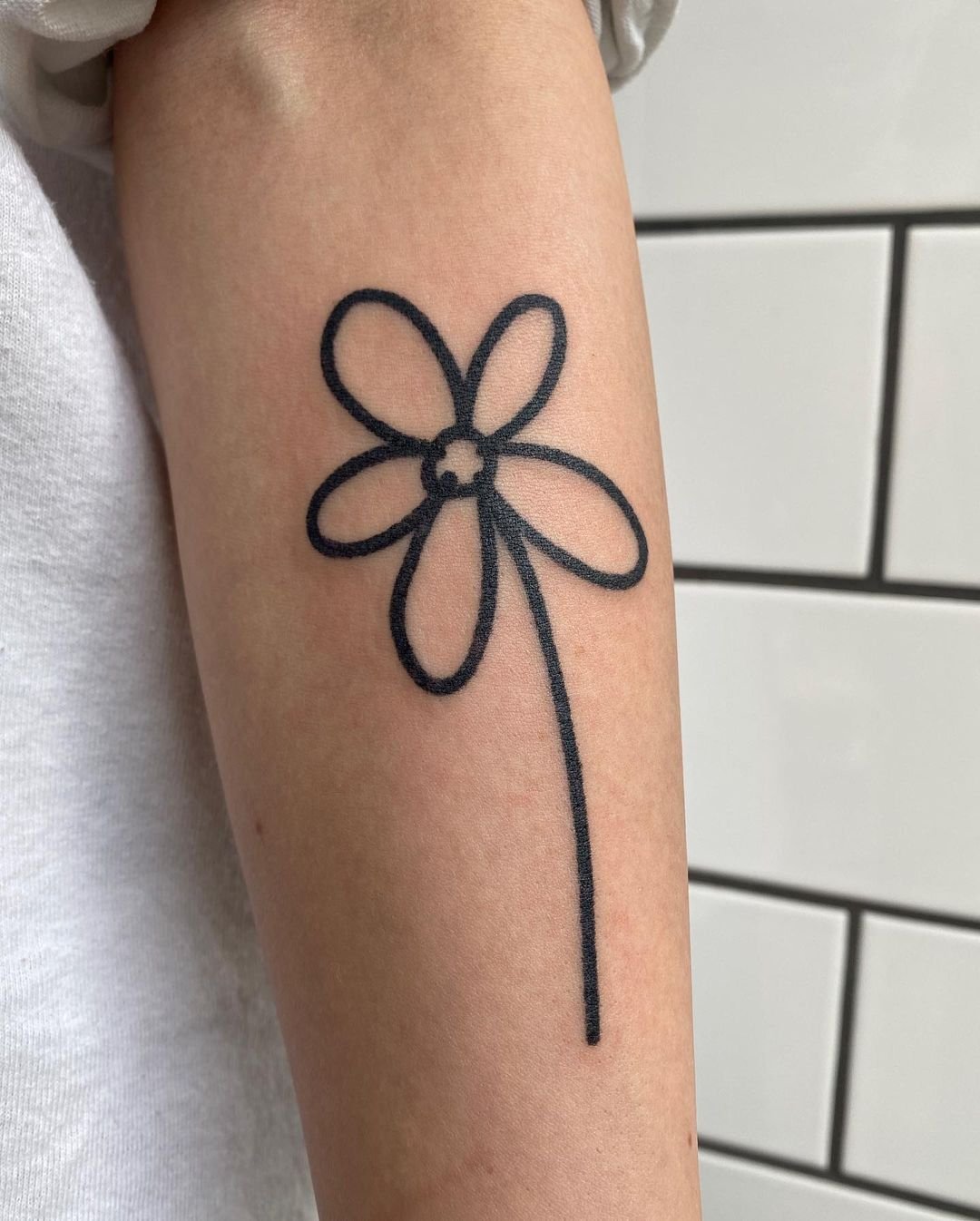
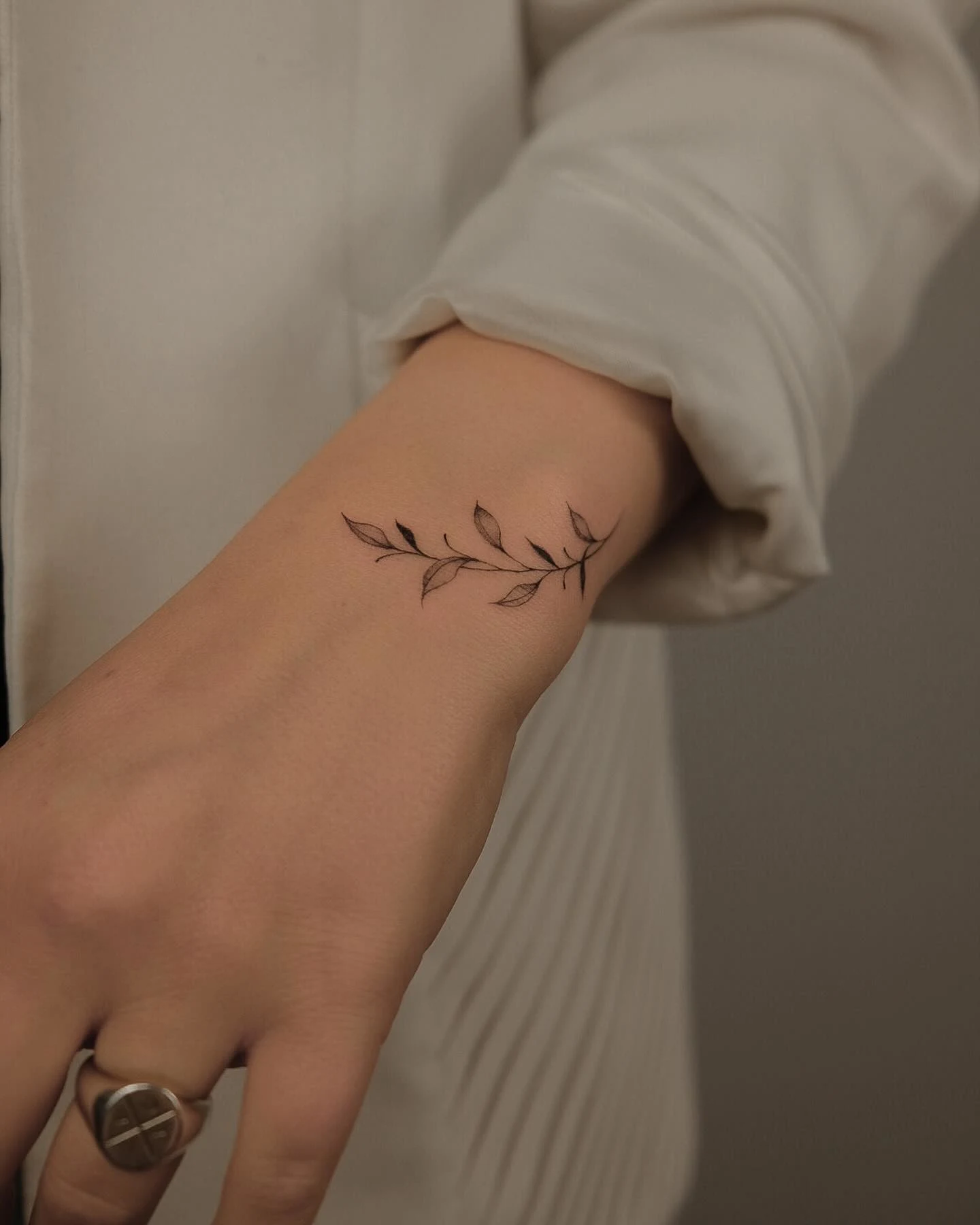
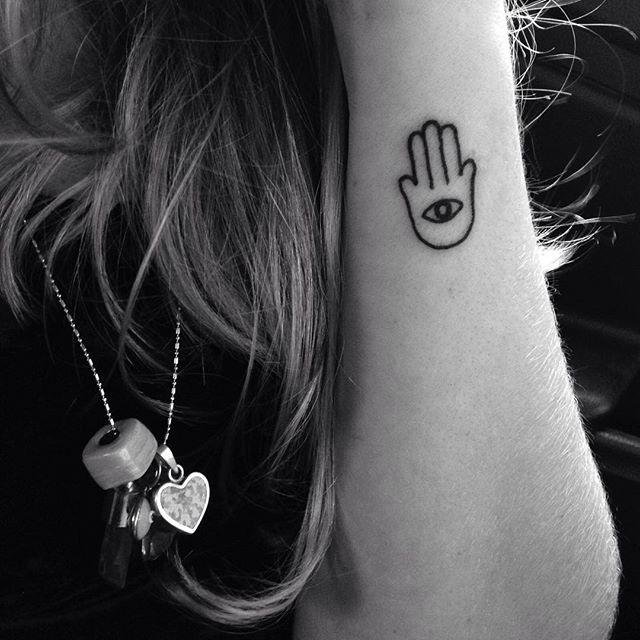
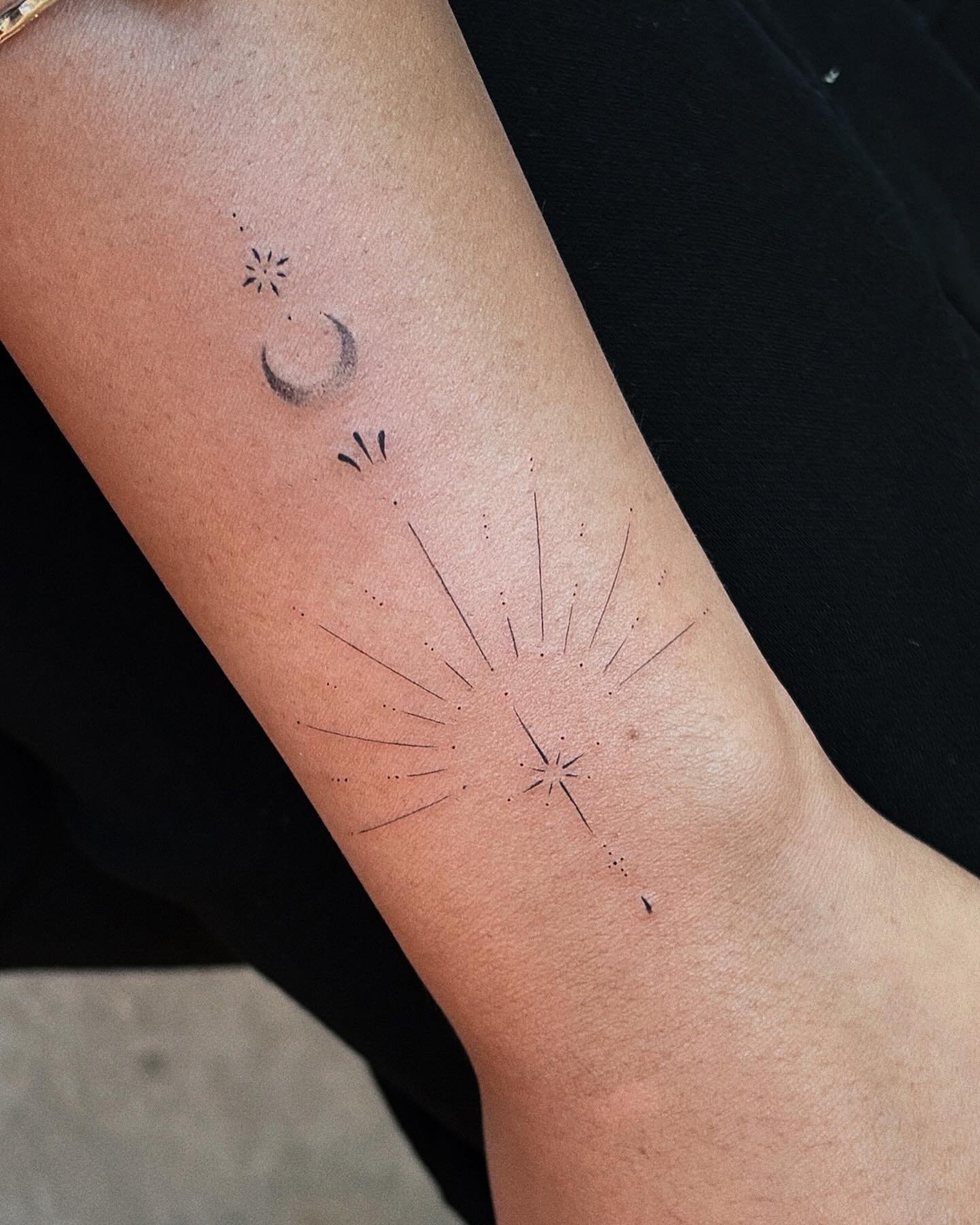
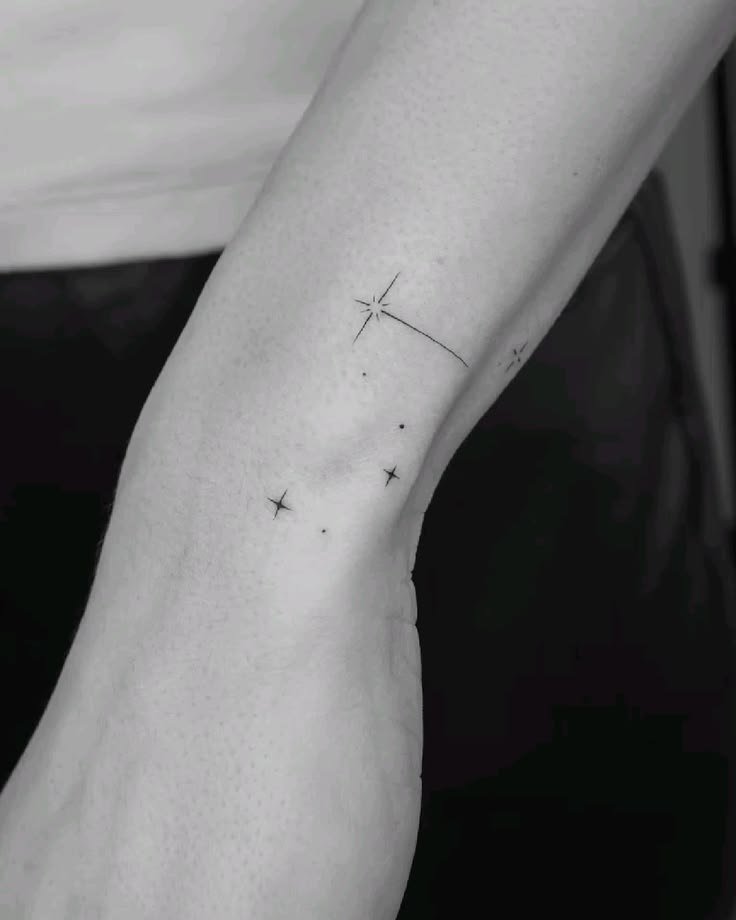
A single unbroken line forming the outline of a mountain range. A tiny crescent moon behind the ear. Two initials in a handwritten script on the inner wrist. A dot. These are minimalist tattoos, defined by what they leave out. The style uses the least ink, the simplest composition, and the most restrained technique to deliver a legible image or symbol on skin. Everything that can be removed has been removed. What remains is the design.
Minimalism is not a technique in the way that realism or blackwork or illustrative tattooing are techniques — it does not describe a specific way of making marks. It is a design philosophy applied to tattooing: an approach to composition that values economy, negative space, and reduction. A minimalist tattoo can be executed in fine line, blackwork, dotwork, single-needle greywash, or simple bold line. The tool and the method vary. The principle — say the most with the least — is constant.
This makes minimalism harder to write about as a style than most entries in this series, because the category is defined by an idea rather than by a shared technical vocabulary. It also makes it one of the most misunderstood categories in contemporary tattooing, because the apparent simplicity of the work disguises both the design skill required to do it well and the specific ageing challenges that come with putting very little ink on skin.
What minimalism is not
The design philosophy
Reduction to essentials
Negative space as a compositional element
Economy of line
Absence of shading or fill in most cases
Symbolic and personal content
Where it comes from
The Korean tattoo scene
The broader fine line movement
First-tattoo culture
Social media and the single-image economy
The design and fashion world
What works on skin
Strengths
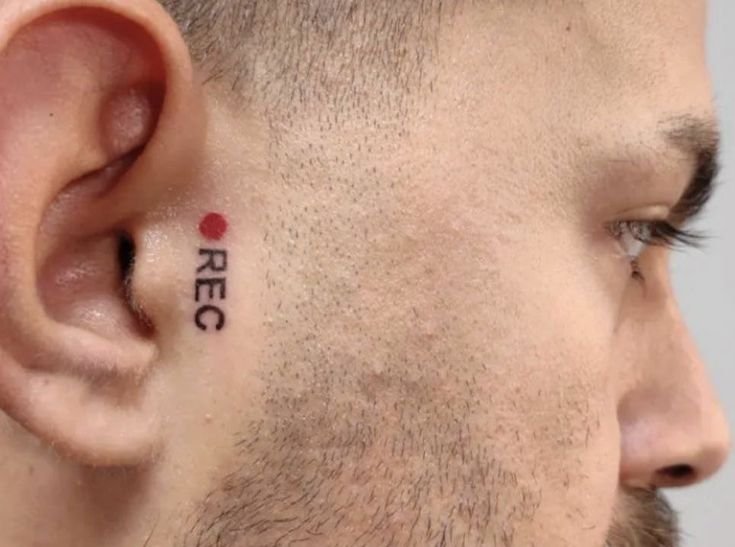
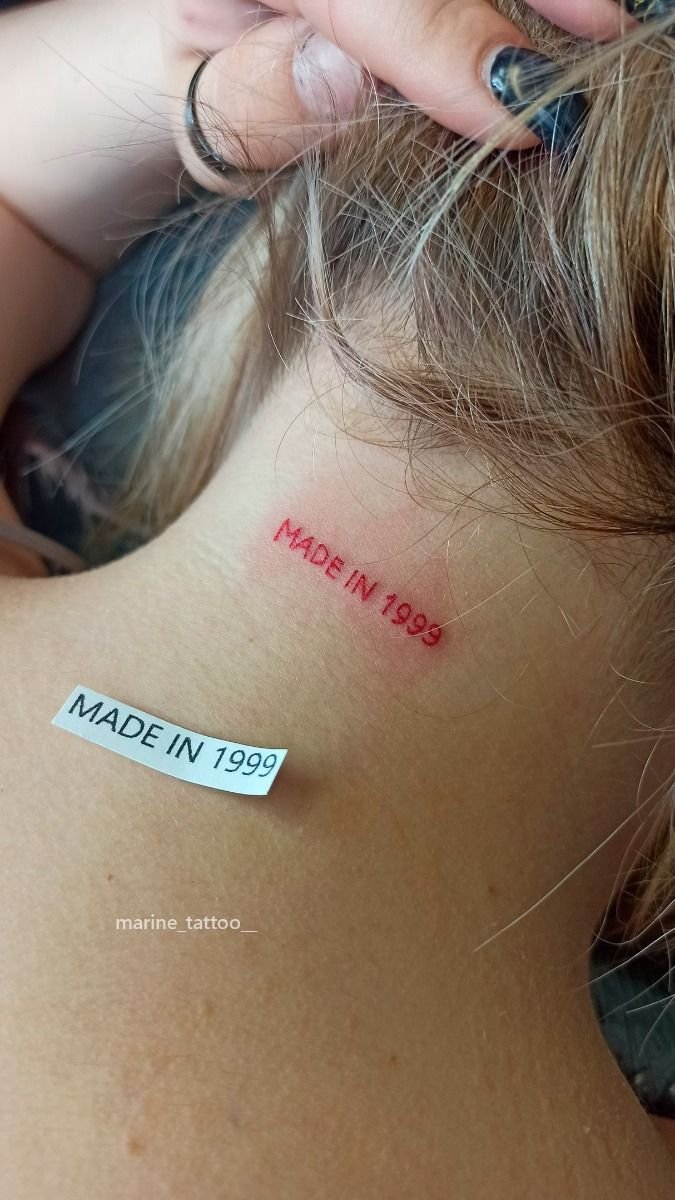
- A well-designed minimalist piece is immediately legible. There is nothing to decode, no visual noise, no competing elements. The image reads at a glance, which is a real virtue in a medium that lives on a moving body and is seen in passing.
- Minimalist work is discreet by default. It can be placed where it is visible or where it is hidden, and the small scale and low visual weight mean it does not dominate the body part it occupies. For clients who want a tattoo that is present without being prominent, minimalism delivers.
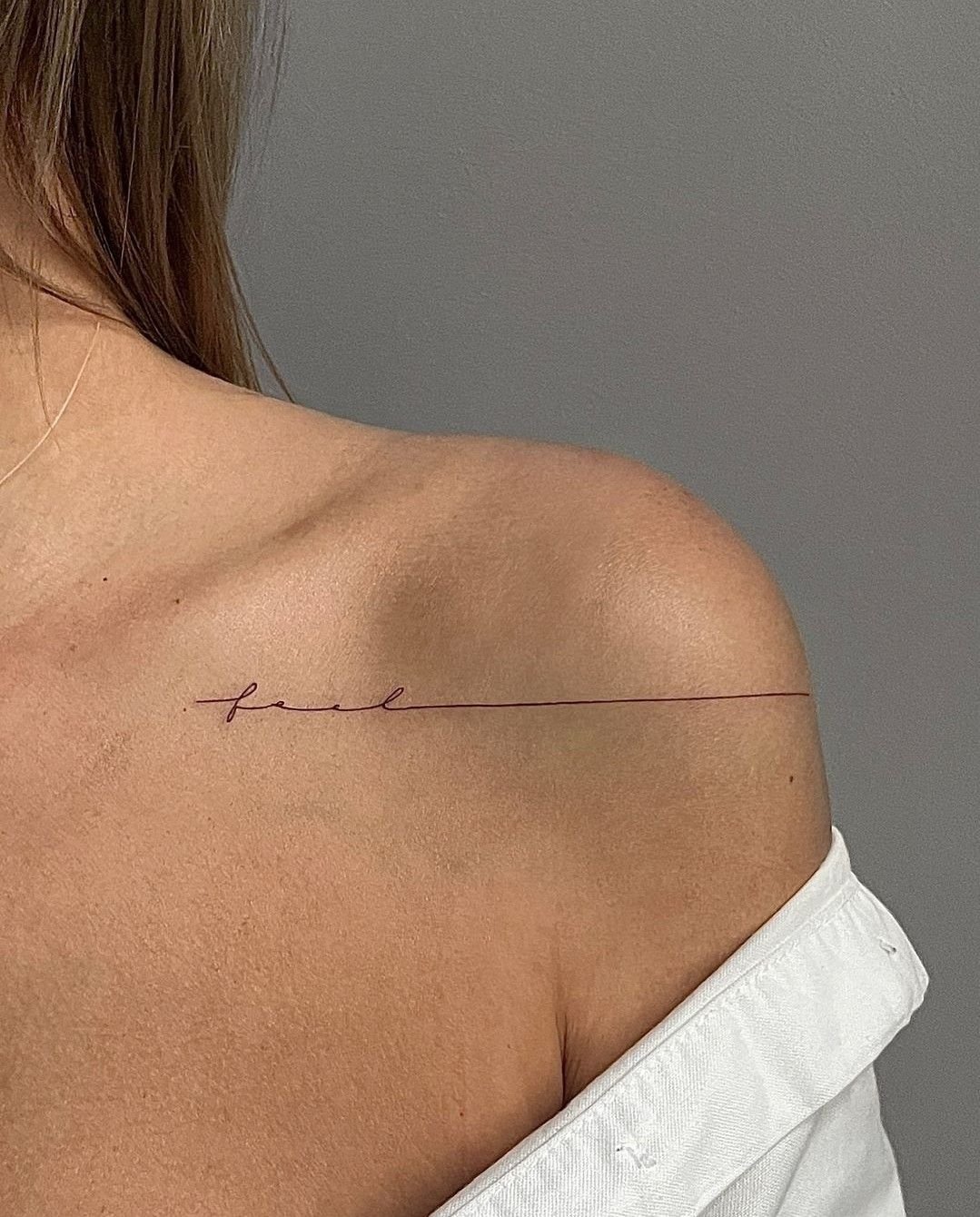
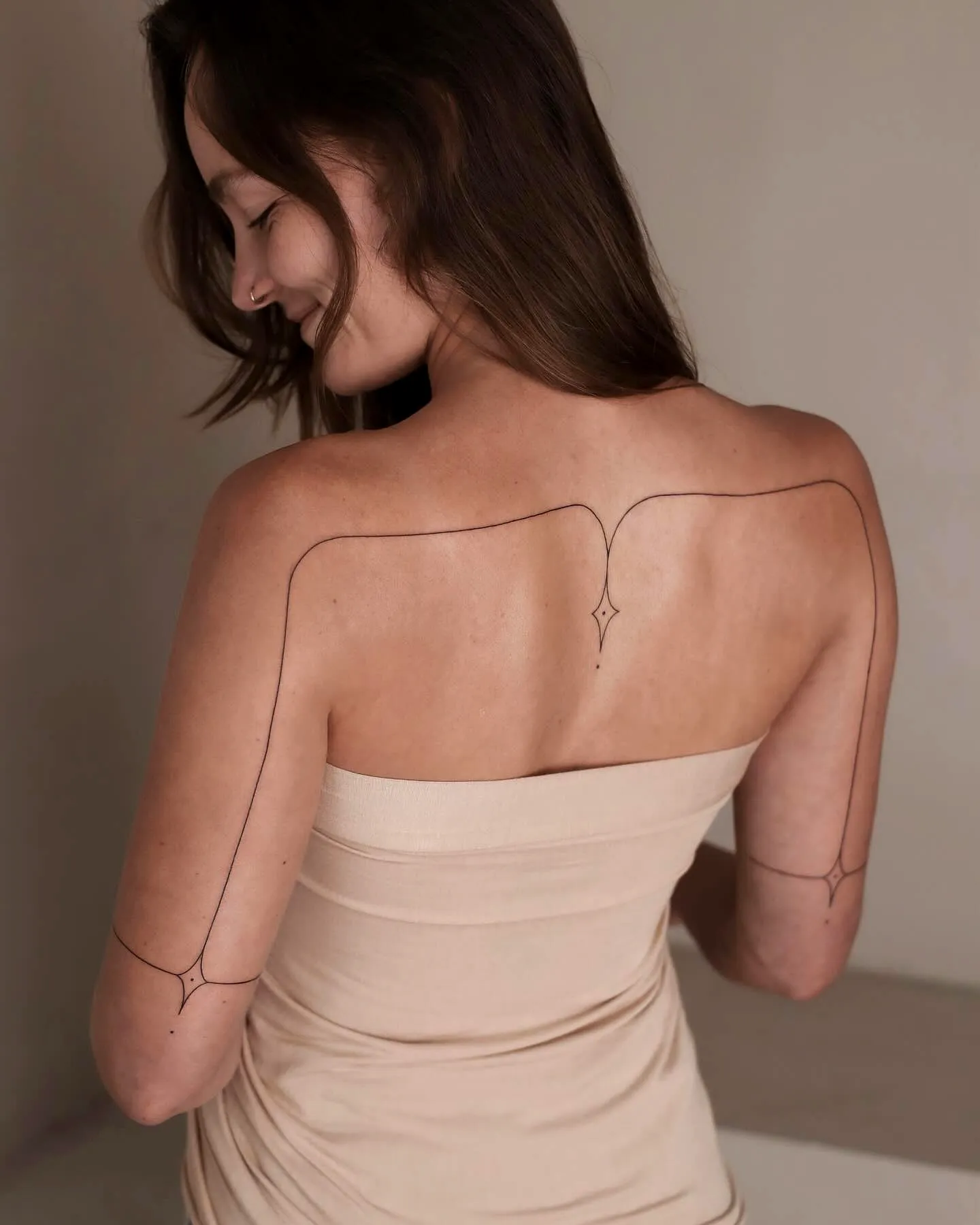
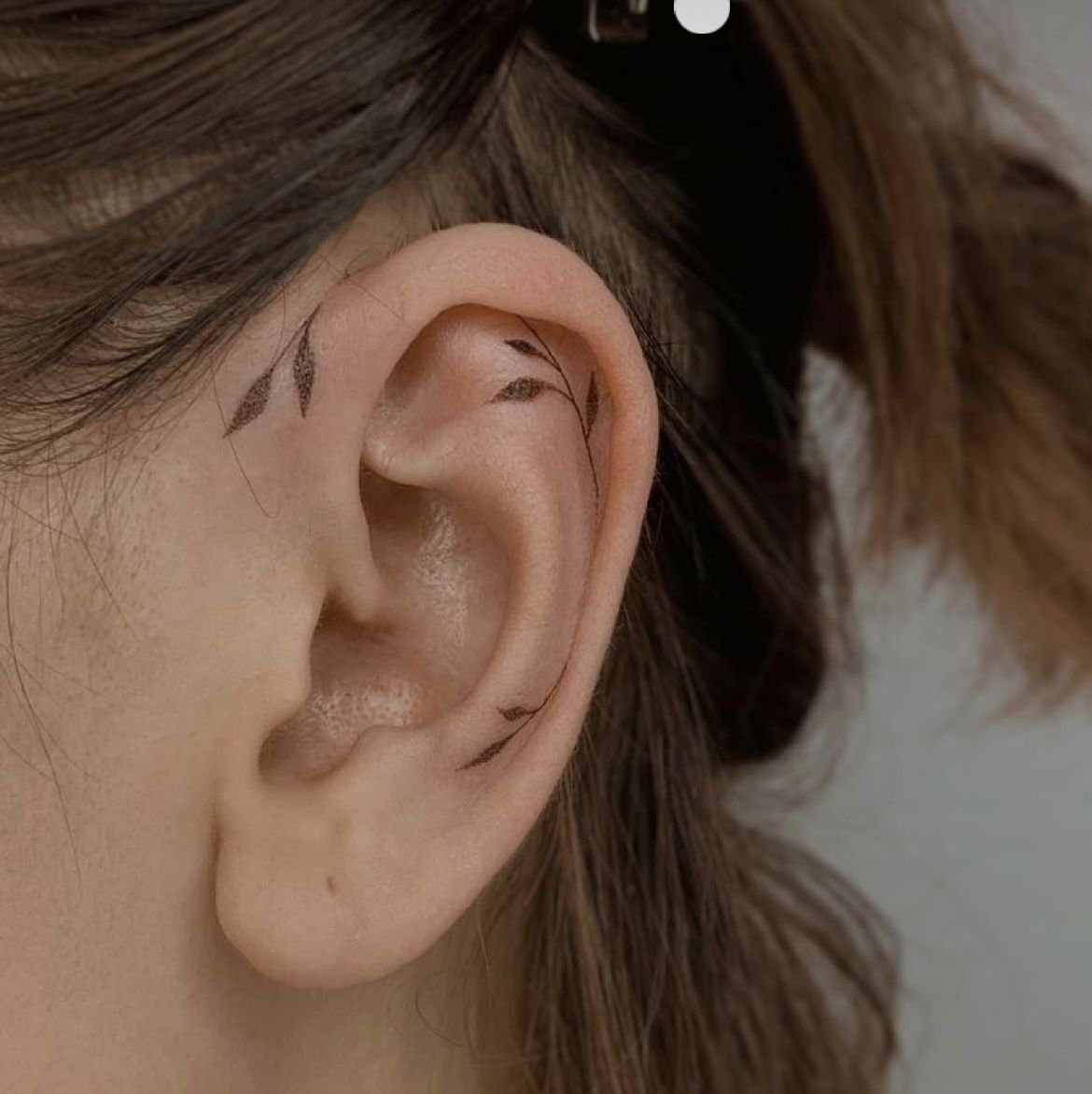
- The style pairs well with the body. A single line following the curve of a collarbone, a small symbol sitting in the hollow behind the ear, a word written along the inside of a finger — minimalist work can use the body’s own geometry as part of the composition in ways that busier styles cannot, because the simplicity of the design lets the body’s form speak.
Vulnerabilities
- Less ink means less redundancy. A fine line that thickens by half a millimetre over ten years has changed by a large proportion of its original width. A bold traditional line that thickens by the same amount has barely changed. Minimalist work ages proportionally faster than heavier work because every element is closer to the threshold of legibility.
- Thin lines at a small scale are the highest-risk combination in tattooing. A minimalist tattoo that is both fine-line and small — a common configuration — compounds the ageing vulnerabilities of both. The piece may look perfect at one year and indistinct at five.
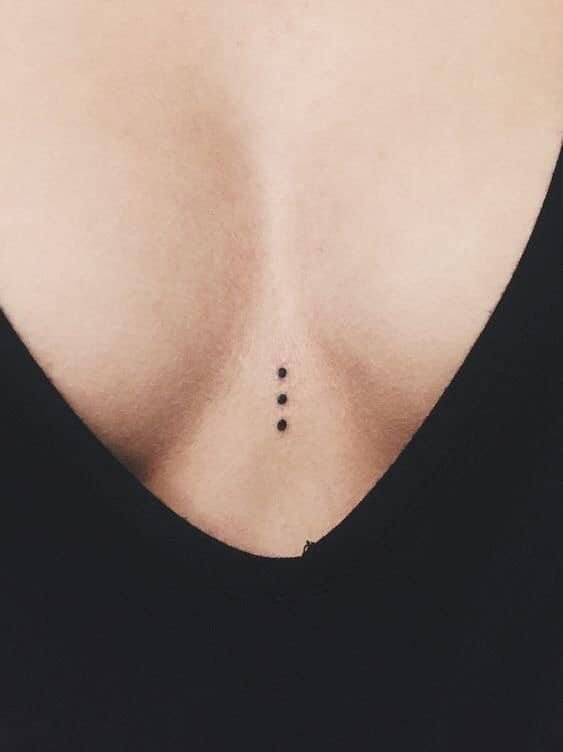
- Precision errors are fully exposed. A slightly uneven dot in a dotwork mandala disappears among thousands of other dots. A slightly uneven dot in a minimalist three-dot composition is a third of the entire piece and is visible every time the wearer looks at it.
- Placement on high-friction, high-exposure areas — fingers, the sides of hands, behind the ears, inner wrists — accelerates the ageing of minimalist work more dramatically than it does for heavier styles, because the already minimal ink is more easily disrupted.
Ageing
The ageing question dominates the practical considerations for minimalist work and should be discussed honestly.
A minimalist tattoo executed with competent technique, at an appropriate scale, on a stable body part, will age acceptably. The lines will thicken slightly. Closely spaced lines may merge. Very fine details will soften. The piece will look settled — softer and slightly less crisp than when it was fresh — but it will still read as intended.
A minimalist tattoo executed with too-light ink deposition, at too-small a scale, on a high-friction body part, will not age acceptably. Lines may fade to near-invisibility. Thin marks may blur into ambiguous smudges. Small details may disappear entirely. The piece will require touch-up within a few years, or it will become a mark on the skin that no longer communicates what it was meant to communicate.
The difference between these two outcomes is determined almost entirely by the artist’s skill and judgment — specifically, by their willingness to set minimum size thresholds, to advise against problematic placements, and to deposit ink at a depth and density that will hold, even when the client’s preference might be for something lighter and smaller than the medium supports.
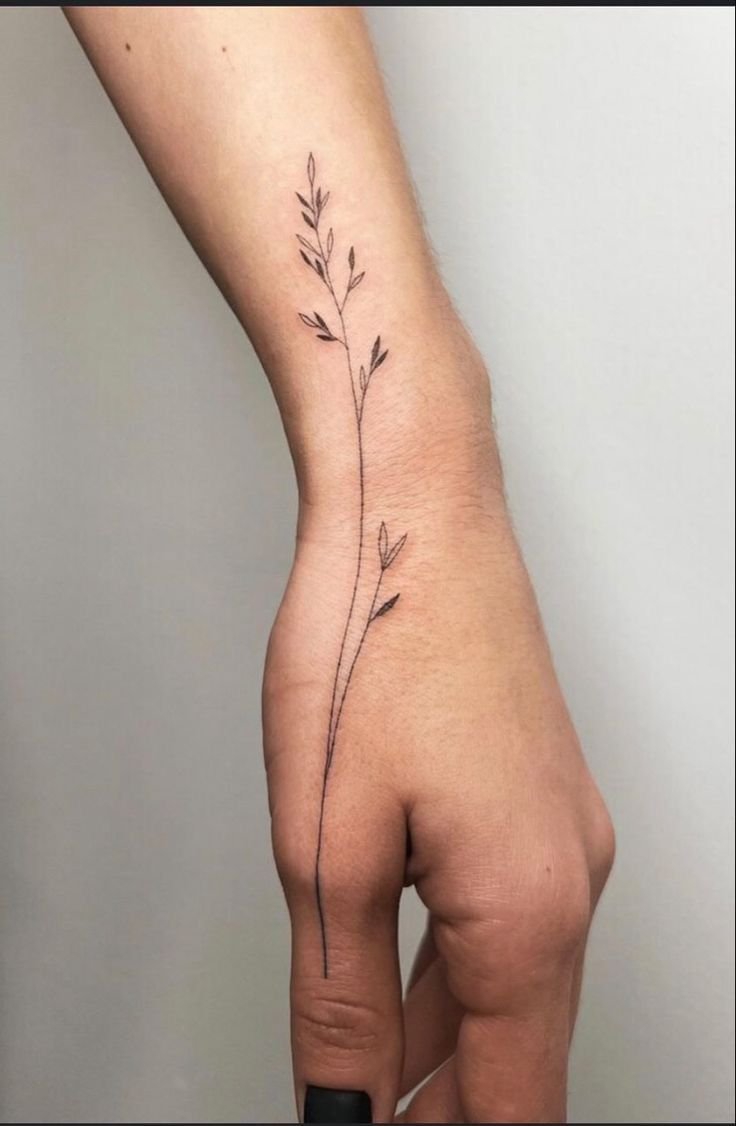
Finger tattoos deserve a specific note. Minimalist finger tattoos — words, symbols, rings, dots on the sides or tops of fingers — are among the most requested and most problematic placements in contemporary tattooing. The skin on the fingers is thin, constantly in motion, and subject to more friction than almost any other body surface. Minimalist work on fingers fades fast and blurs fast. Most experienced minimalist artists will either refuse finger placements, quote them with an explicit ageing warning, or price them with a built-in touch-up. A client requesting a finger tattoo should expect to have this conversation, and should treat an artist who raises it as more trustworthy than one who does not.
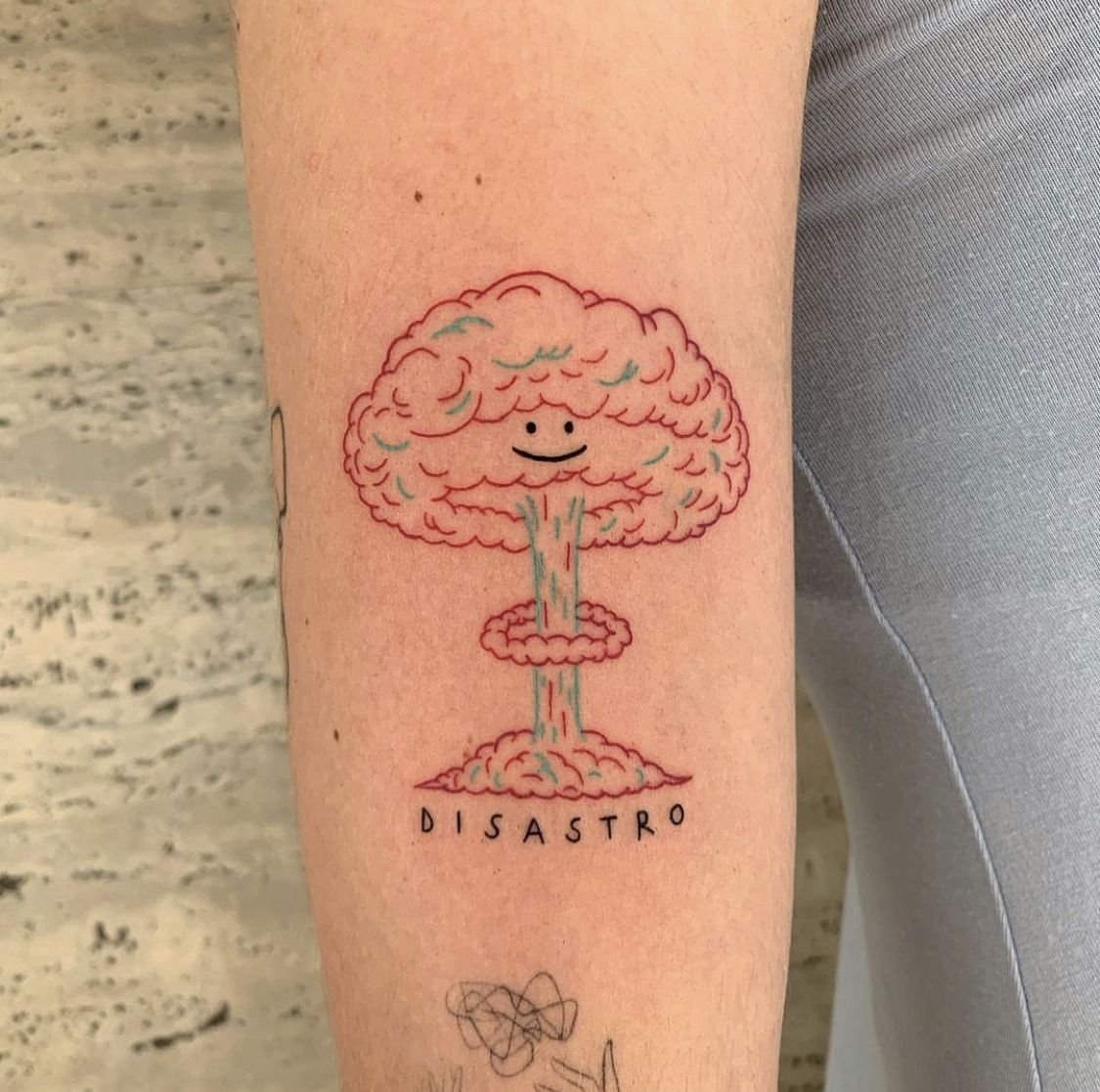
Common subjects
Single-line drawings
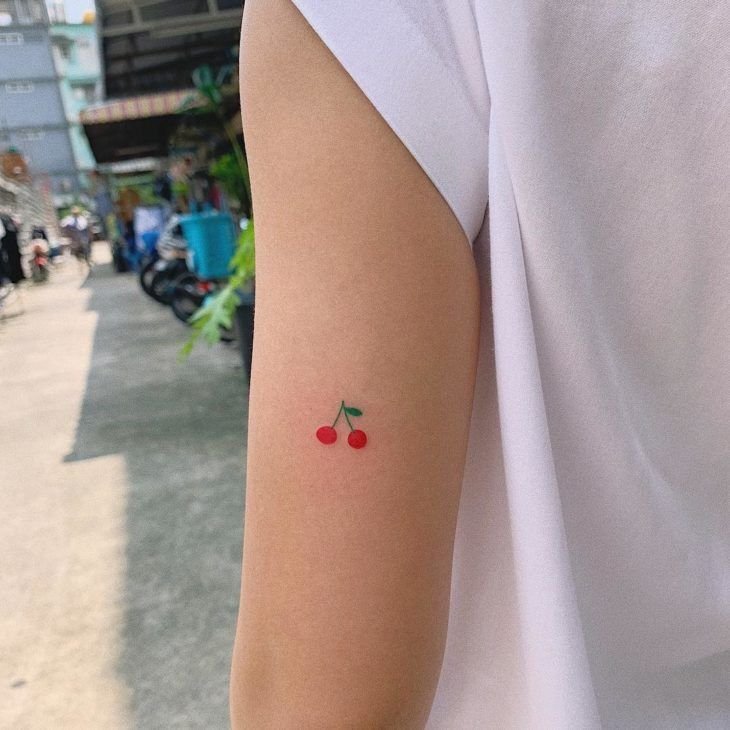
Small symbols
Script and words
Geometric forms
Botanicals
Dots
Matching and pair tattoos
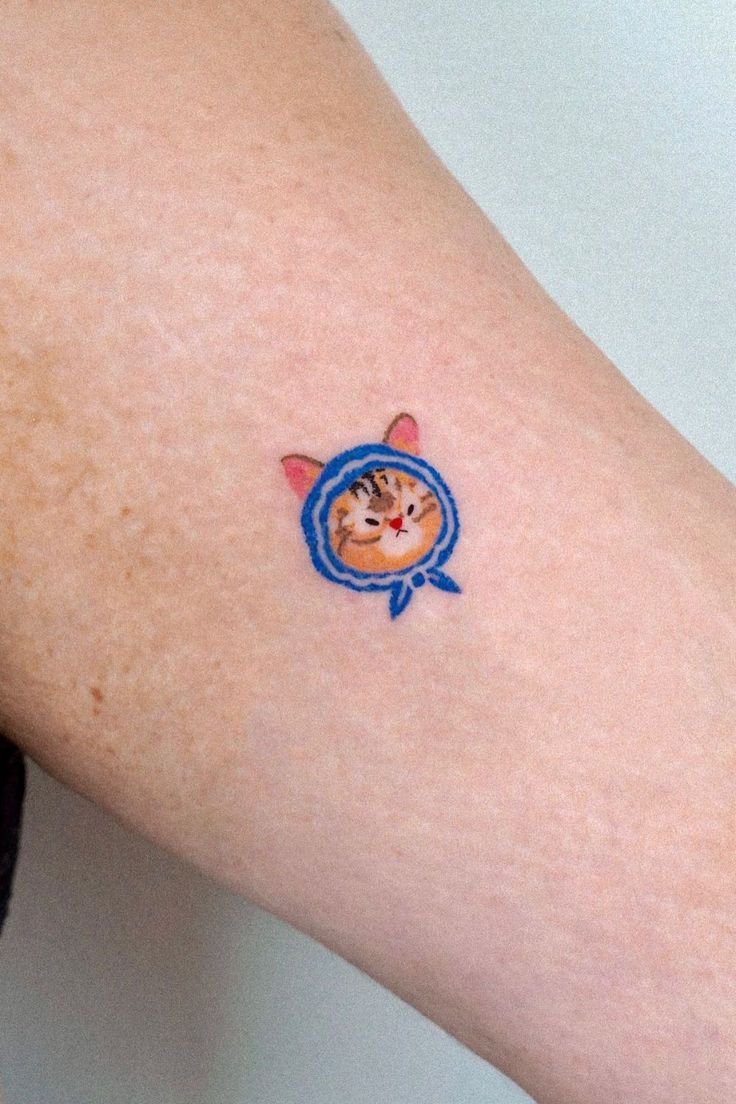
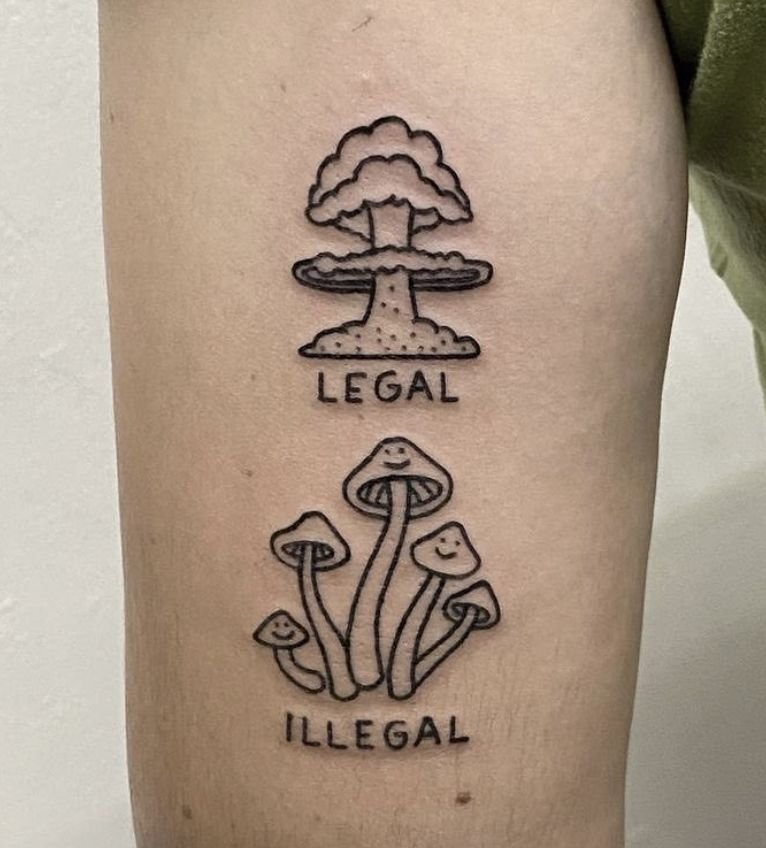
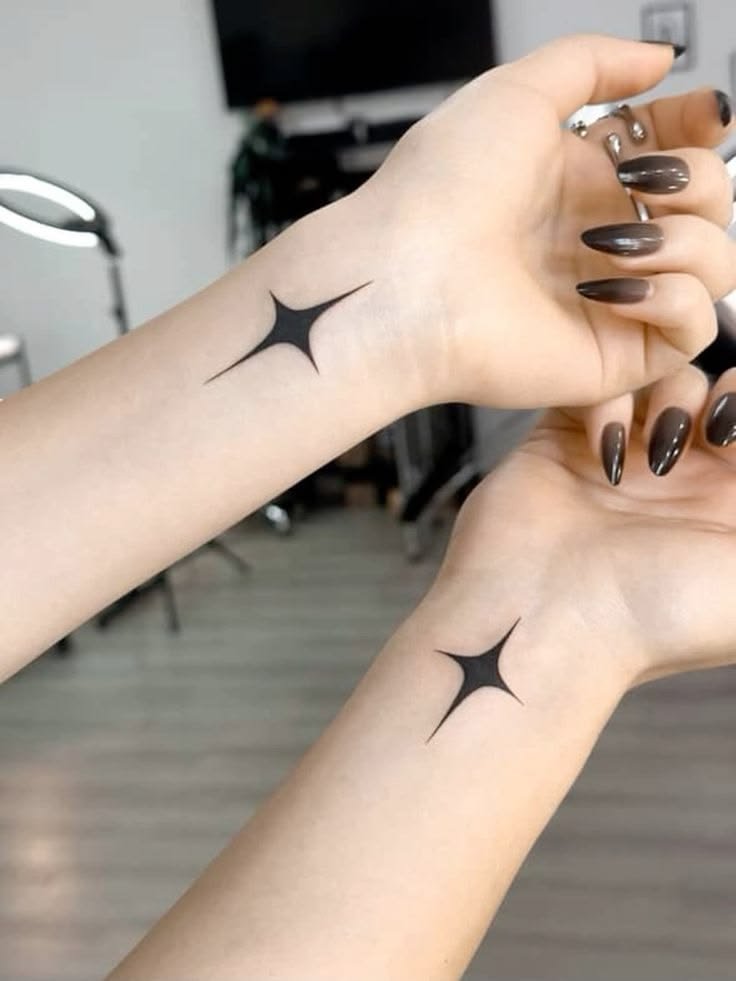
Choosing a minimalist artist
The quality range is wide, partly because the apparent simplicity of the work attracts artists who underestimate its demands.
Look for line precision in healed work. A single line that is perfectly even in weight, depth, and saturation — and that stays that way after healing — is the test. Fresh minimalist work is easy to make look good. Healed minimalist work reveals whether the artist has the depth control and the hand consistency the style demands.
Look for design intelligence. A strong minimalist portfolio will show evidence that the artist thinks about composition — about where the design sits on the body, about how much negative space surrounds it, about the proportional relationship between mark and skin. A portfolio of small generic symbols stamped in the same spot on every client is competent but not compositionally aware.
Assess the artist’s willingness to say no. A good minimalist artist has limits — minimum sizes, placements they will not do, and designs they will simplify before agreeing to execute. An artist who accepts every request without discussion is not accounting for how the work will age.
Expect the consultation to include an ageing conversation. If the artist does not ask how the piece will look in five or ten years, the client should ask themselves. The answer, and the specificity of the answer, reveal how seriously the artist takes the medium.
Minimal tattoos now
Minimalist tattooing is the entry point for a large proportion of first-time tattoo clients in the 2020s. It has substantially expanded the tattoo market, bringing in people who would not consider a larger or more visually assertive piece. The demand is enormous, the supply is broad, and the quality range is correspondingly wide.
The most interesting current work in minimalism comes from artists who treat the reduction as a genuine design challenge — who spend as much time deciding what to remove as other artists spend deciding what to add. These artists produce compositionally specific pieces, place them with intelligence, and design them to survive the medium’s ageing process. Their work stands apart from the bulk of minimalist tattooing the way a well-designed chair stands apart from a flat-pack stool: both are minimal, but one was designed, and the other was merely simplified.
The practical situation for a client is clear: the style is widely available, the price range is broad, and the single most important decision is the artist. Finding someone who treats minimal work with the seriousness it requires — who understands that less ink demands more precision, not less — is the difference between a minimalist tattoo that holds its form for a decade and one that fades into something the wearer can no longer explain.
Sources & further reading
- Matt Lodder, Painted People: Humanity in 21 Tattoos. Harper, 2024.
- Anna Felicity Friedman, The World Atlas of Tattoo. Yale University Press, 2015.
- Nick Schonberger and Rob Kingston, Forever: The New Tattoo. Gestalten, 2012.
- Margo DeMello, Bodies of Inscription: A Cultural History of the Modern Tattoo Community. Duke University Press, 2000.
- Kenya Hara, White. Lars Müller Publishers, 2010.
- Kenya Hara, Designing Design. Lars Müller Publishers, 2007.
- Leonard Koren, Wabi-Sabi: For Artists, Designers, Poets & Philosophers. Imperfect Publishing, 1994; revised 2008.
- Richard Hollis, Swiss Graphic Design: The Origins and Growth of an International Style. Laurence King, 2006.
- James Meyer, Minimalism: Art and Polemics in the Sixties. Yale University Press, 2001.